

AUTOSCAN™ X-Ray Inspection for a 2,400 mm Steel Cord Conveyor Belt

Detecting Hidden Belt Damage Across a 26 km Aggregate Conveying System

AUTOSCAN™ X-Ray Inspection for a 2,400 mm Steel Cord Conveyor Belt

Core Achievements

Reliable operation for more than two years

As of June 2026, the system had operated at the site for approximately two and a half years without quality-related equipment failures.

Full-length inspection completed without stopping the conveyor

AUTOSCAN™ enables the customer to inspect the complete 26 km belt while the conveyor remains in operation. A full inspection can be completed by one operator in approximately three hours.

Critical defects detected during the first inspection

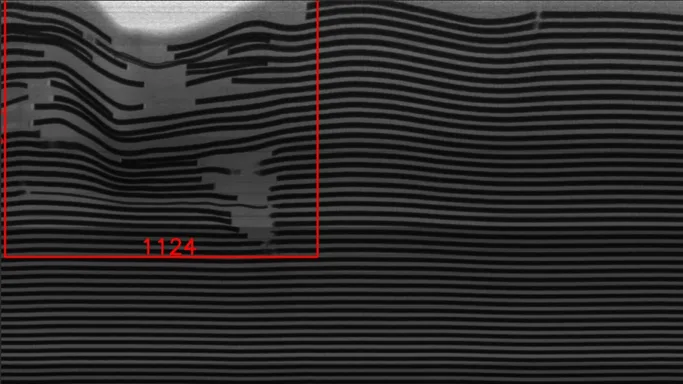
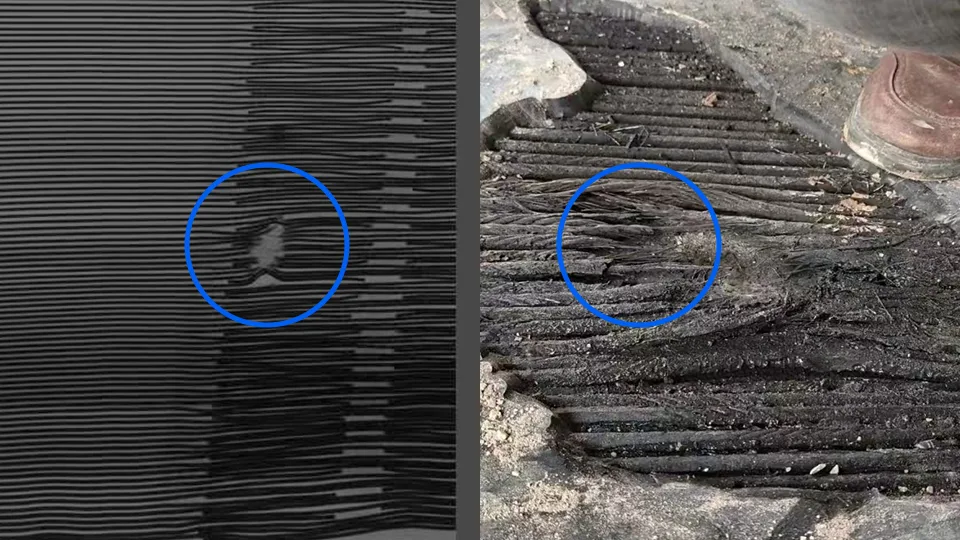
AUTOSCAN™ identified multiple severe internal defects during its first inspection, enabling the customer to locate the affected sections and complete targeted repairs.

Full-width inspection of a 2,400 mm conveyor belt

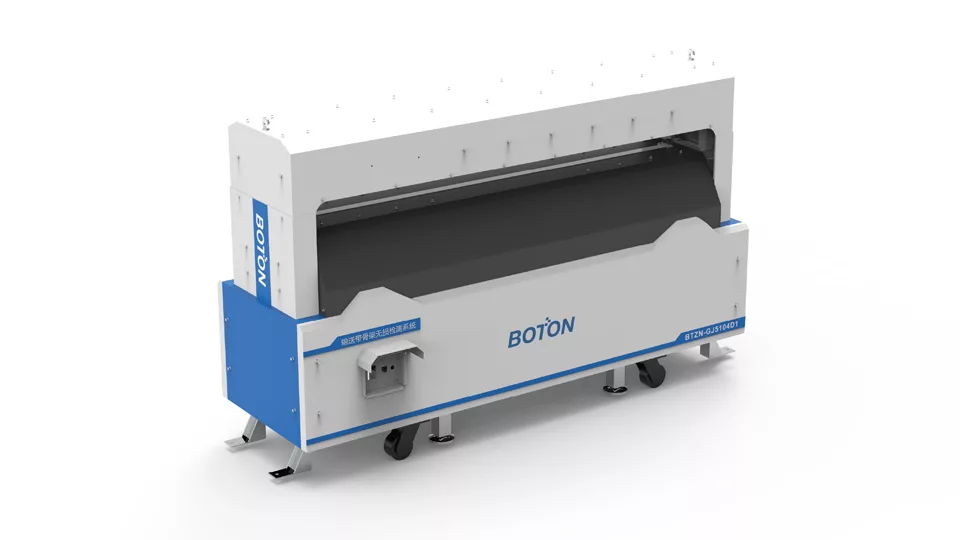
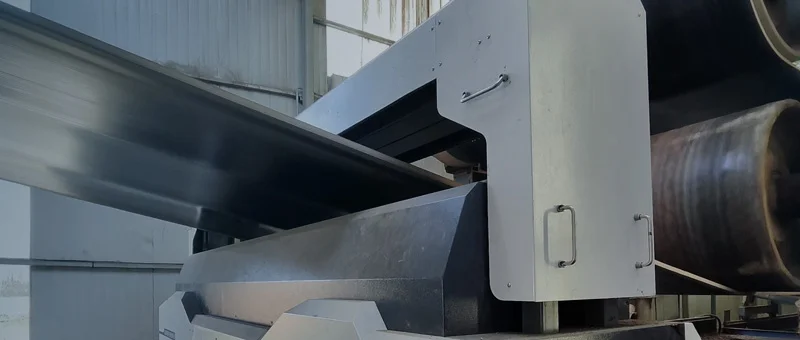
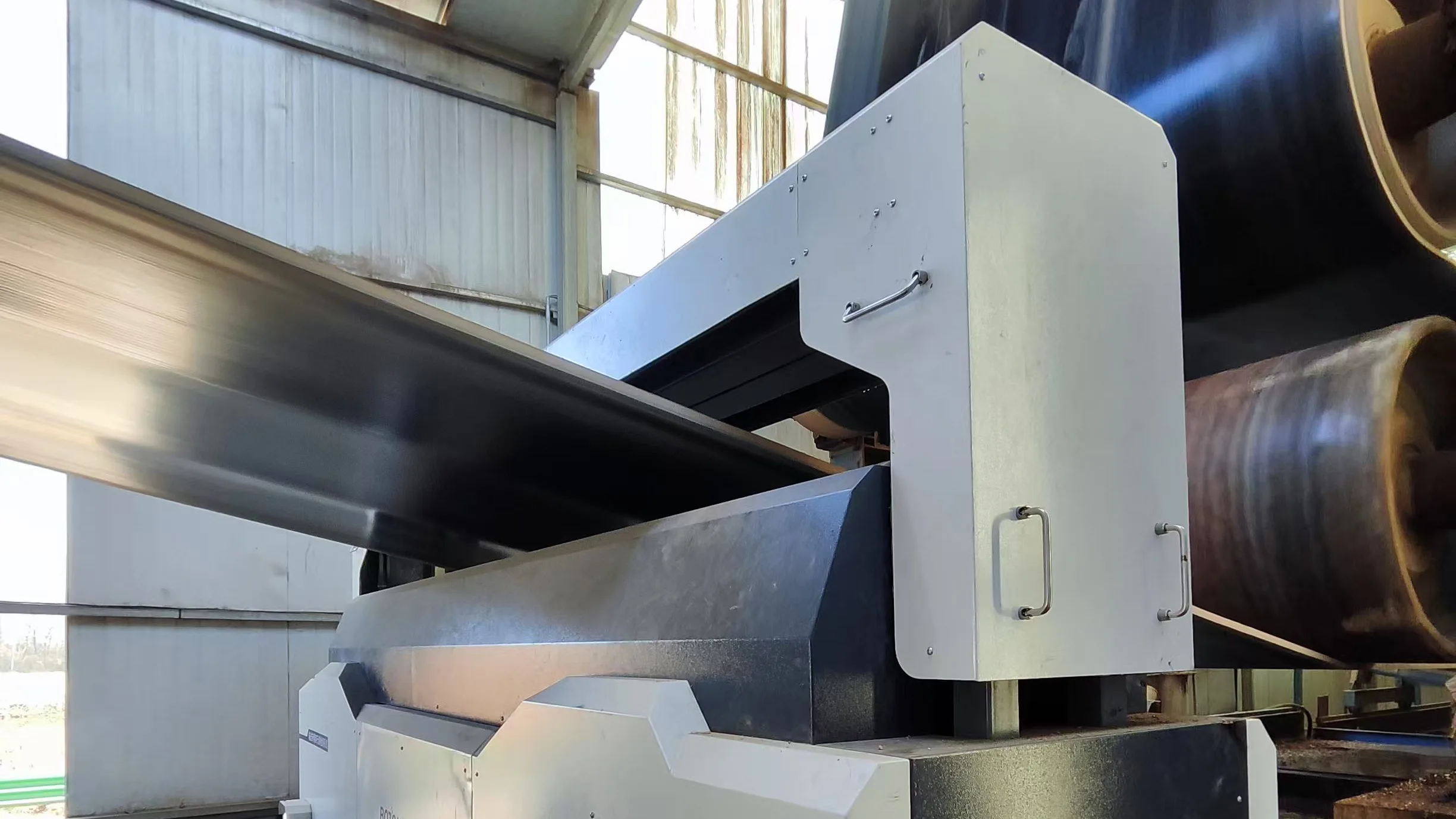
BOTON developed and deployed a customized AUTOSCAN™ Conveyor Belt X-Ray Inspection System capable of providing complete imaging coverage across a 2,400 mm-wide ST3150 steel cord conveyor belt.

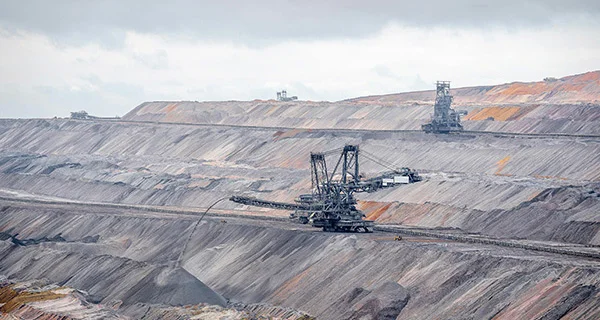
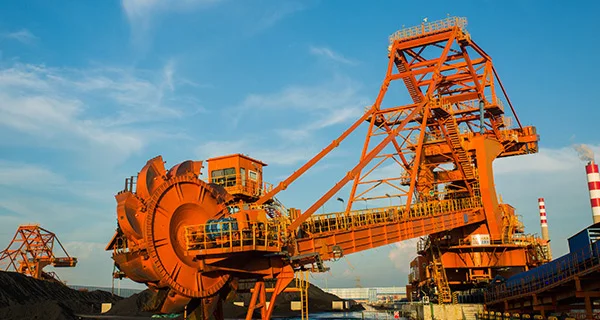
BOTON deployed a customized AUTOSCAN™ Conveyor Belt X-Ray Inspection System at a major aggregate operation in Chizhou, Anhui Province, China.

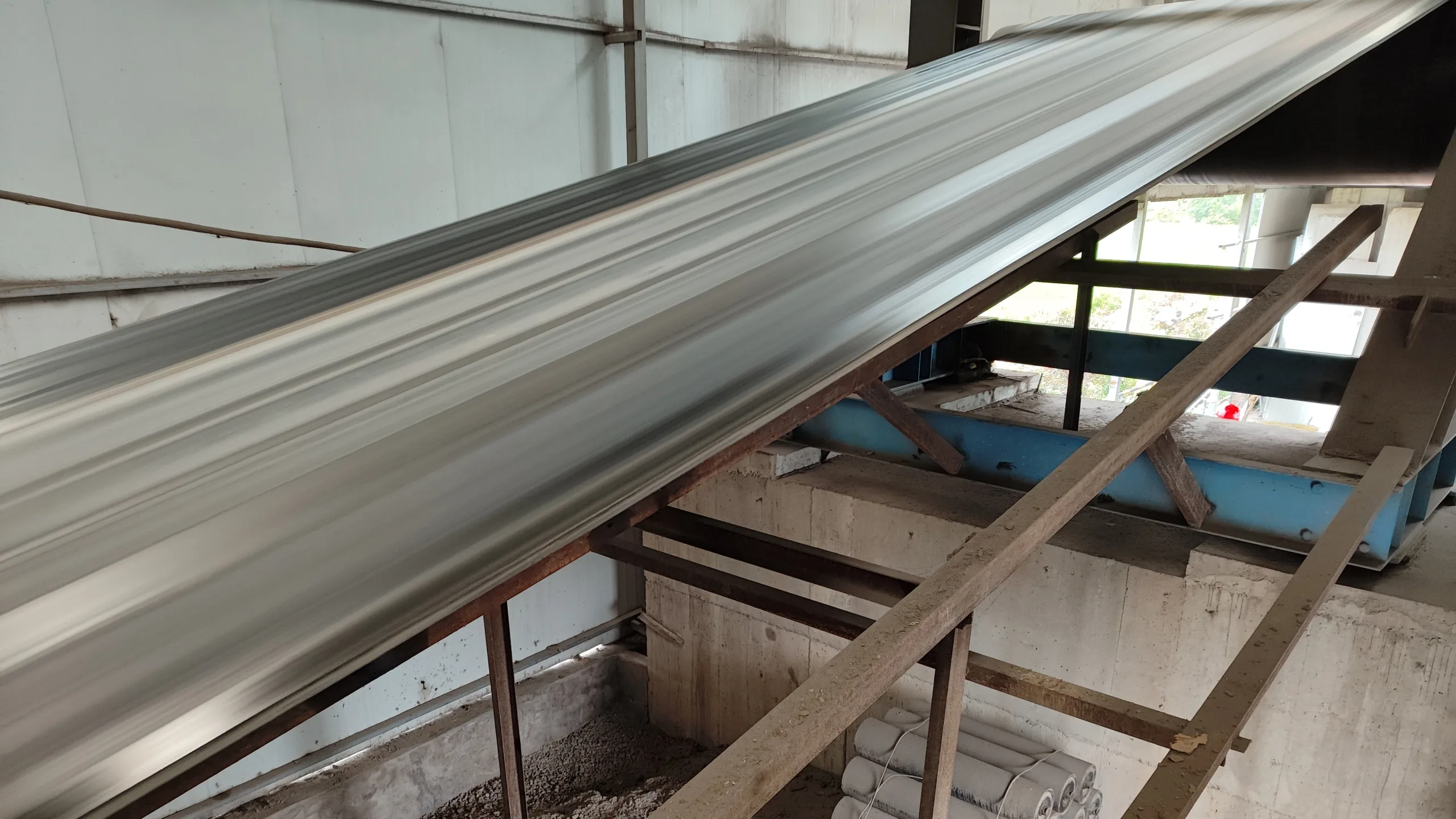
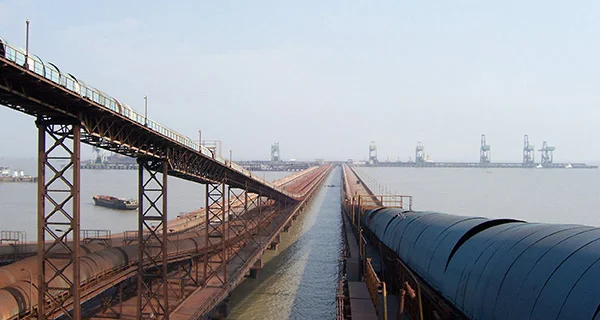
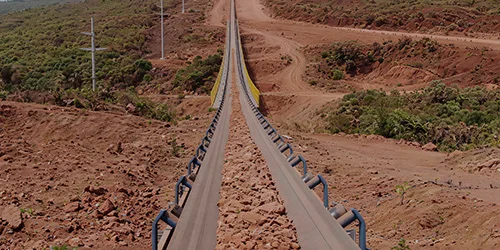
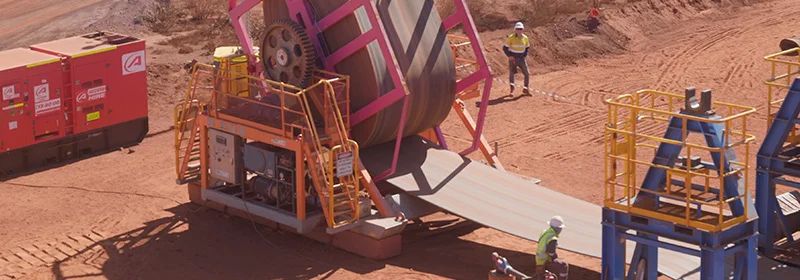
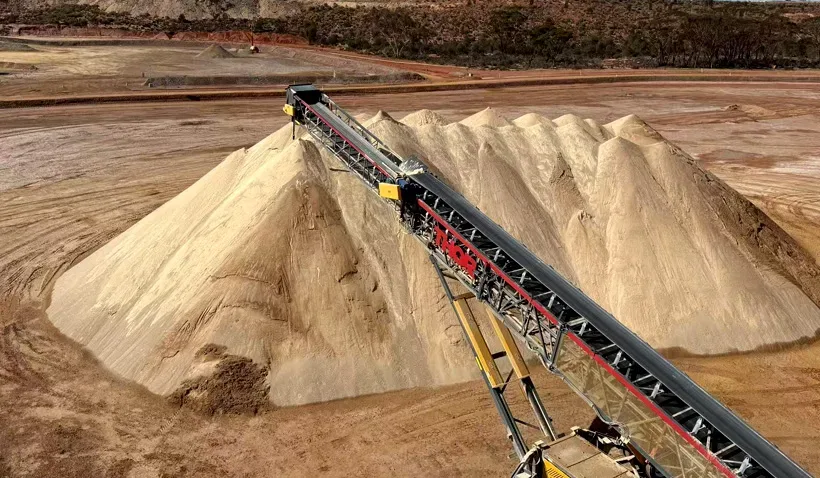
The project operates a 26 km long-distance conveying system equipped with a 2,400 mm-wide ST3150 steel cord conveyor belt. Running at 5.2 m/s, the belt requires approximately 1.5 hours to complete one full cycle.

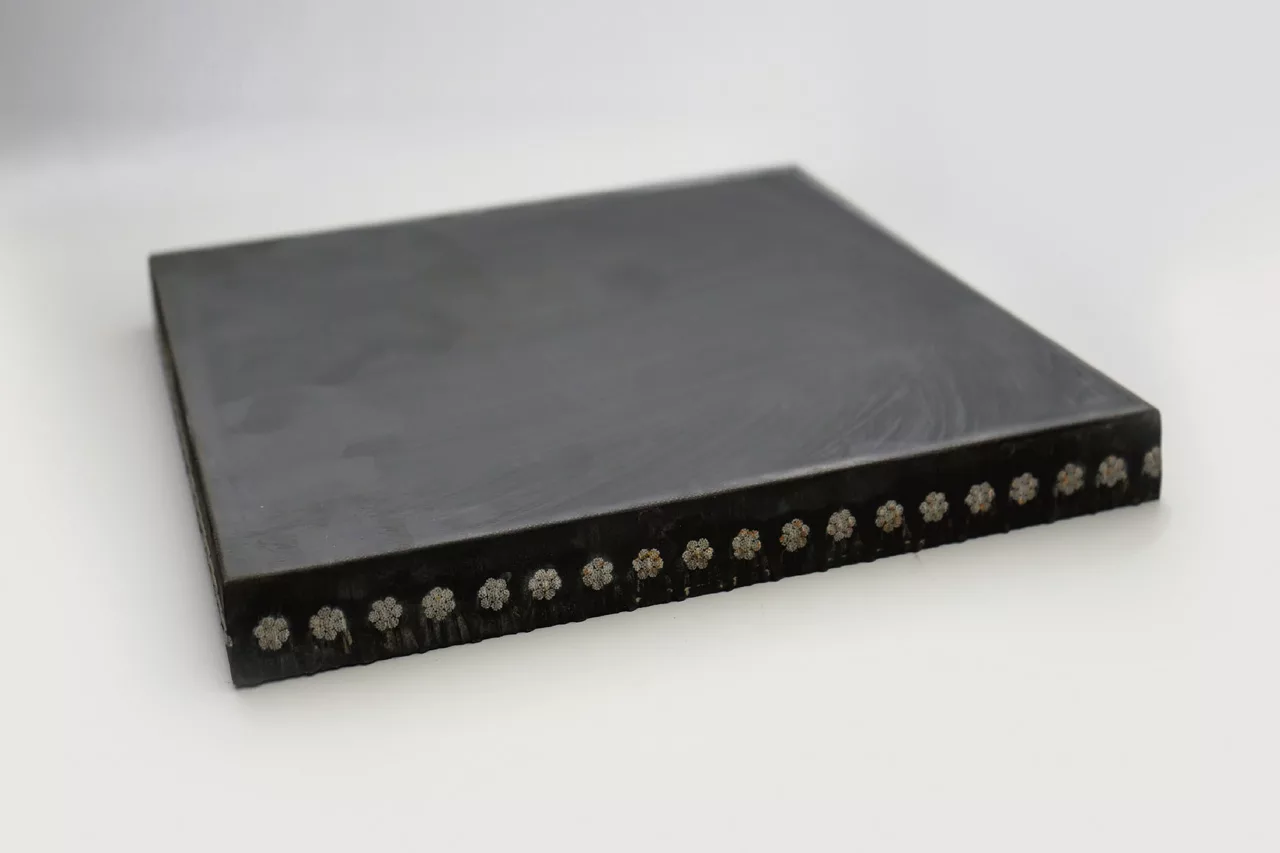
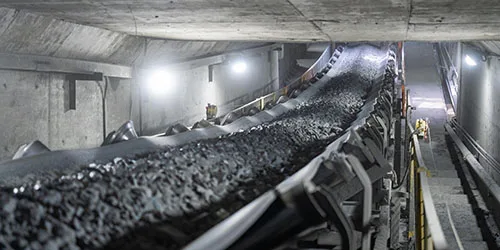
For an installation of this scale, surface inspection alone cannot provide an adequate understanding of belt condition. For large conveying systems, intelligent conveyor belt monitoring provides an additional layer of visibility beyond conventional surface inspection. Broken steel cords, corrosion, cord displacement, splice abnormalities and embedded foreign objects may continue to develop beneath the covers while remaining invisible to conventional visual inspection.

The length of the conveyor also made comprehensive manual inspection difficult. Inspecting the entire route previously required a team of five to six specialist personnel and could take one to two days. Variations in experience and inspection standards also increased the risk of missed defects and inconsistent assessments.

To address these challenges, BOTON engineered an AUTOSCAN™ solution around the actual belt width, operating duration, installation height, conveyor inclination and maintenance requirements of the site.
Key Facts

  • Industry: Aggregates and Mining
  • Application: Long-Distance Aggregate Conveying
  • Location: Chizhou, Anhui Province, China
  • Project: Changjiu Aggregate Project
  • Customer: Sinohydro Bureau 8
  • Solution: AUTOSCAN™ Conveyor Belt X-Ray Inspection System
  • Conveyor Length: 26 km
  • Belt Type: Steel Cord Conveyor Belt
  • Belt Specification: ST3150
  • Belt Width: 2,400 mm
  • Belt Speed: 5.2 m/s
  • Number of Splices: 88
  • Belt Cycle Time: Approximately 1.5 hours
  • Full Inspection Time: Approximately 3 hours
  • Operators Required: One
  • Installation Height: More than 3.5 m above ground
  • Conveyor Inclination: 12°
  • Equipment Width: Approximately 2.4 m
  • Equipment Weight: Approximately 1.5 tonnes
  • Delivery Scope: System design, equipment supply, installation engineering, commissioning and technical support
Key Facts

Project Challenges

Hidden internal damage could not be identified visually

Manual inspection could reveal surface cuts, wear and other visible damage, but it could not reliably identify structural defects developing inside the steel cord belt.

Broken cords, corrosion and splice displacement could therefore remain undetected until they developed into major failures, creating the risk of belt breakage, extended shutdowns and secondary equipment damage.

A 26 km route created major inspection blind spots

The conveyor extended across a wide and complex operating area. A complete manual inspection required substantial time and personnel, while some sections were difficult to access consistently.

This made it difficult to achieve repeatable full-route inspection coverage and left parts of the system exposed to long-term monitoring gaps.

Complete imaging was required across a 2,400 mm belt

The unusually large belt width presented a significant imaging challenge. The X-ray source and detector configuration had to cover the complete 2,400 mm width in a single pass without leaving blind areas at the belt edges.

Continuous operation was required for extended inspection cycles

The belt takes approximately 1.5 hours to complete one full cycle, while a full inspection operation lasts approximately three hours.

Continuous X-ray generation produces substantial heat. Without effective thermal control, the X-ray source could trigger a high-temperature alarm before the inspection was completed.

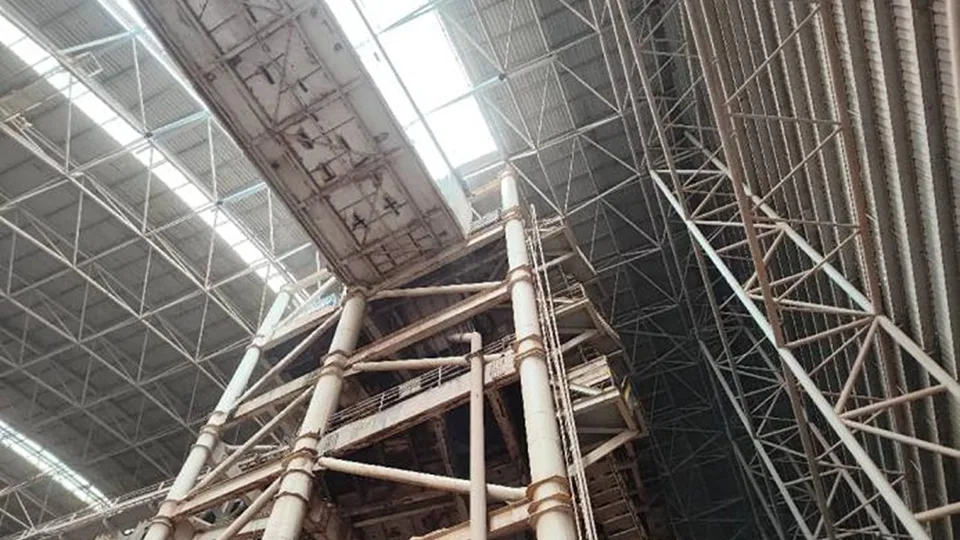
Heavy equipment had to be installed more than 3.5 m above ground

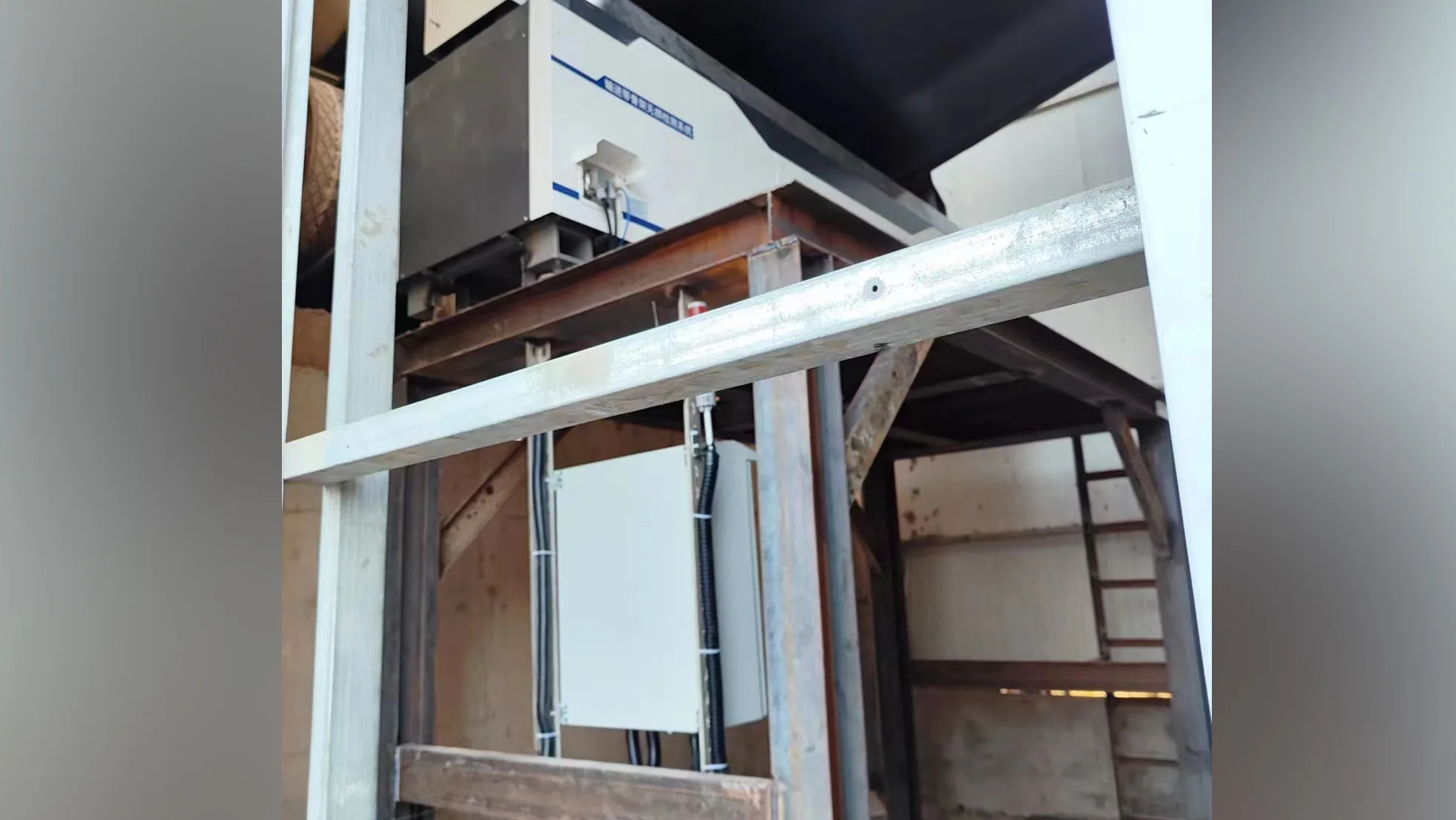
The inspection system measured approximately 2.4 m across and weighed nearly 1.5 tonnes.

Installing equipment of this size above the conveyor required a customized support structure, sufficient load-bearing capacity and carefully coordinated lifting and installation procedures.

The system had to accommodate a 12° conveyor inclination

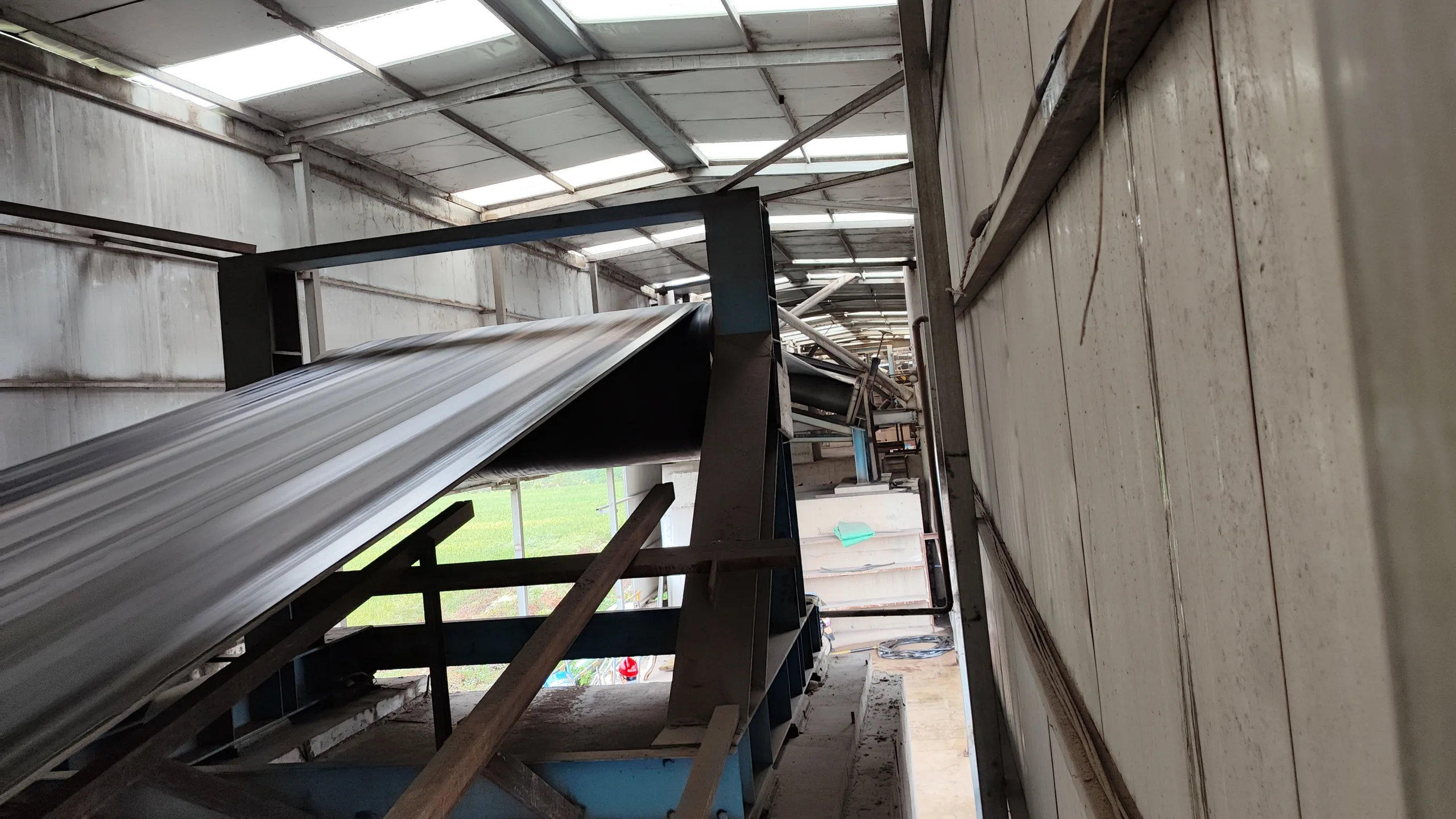
The conveyor was installed at an inclination of approximately 12°. The mechanical structure therefore had to follow the inclined belt path while maintaining sufficient clearance between the moving belt and the inspection equipment.

BOTON Solution

BOTON Solution

Full-width AUTOSCAN™ imaging configuration

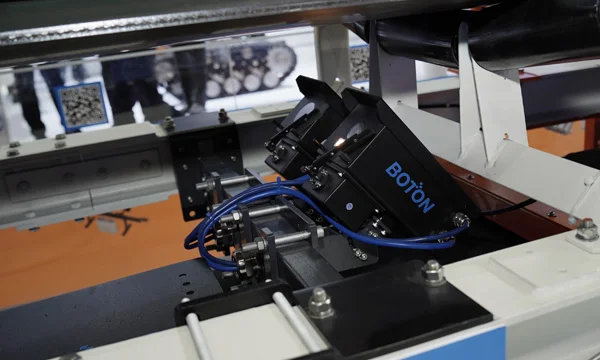
BOTON selected a large-angle X-ray source and a detector array with sufficient coverage margin to inspect the complete width of the 2,400 mm conveyor belt.

The customized configuration enables full-width imaging in a single pass and reduces the risk of undetected areas along the belt edges.

Integrated semiconductor cooling system

To support extended inspection cycles, BOTON incorporated a semiconductor cooling system into AUTOSCAN™.

The cooling system controls heat accumulation during prolonged X-ray operation and reduces the risk of high-temperature alarms or unexpected shutdowns. The completed system achieved continuous operating periods exceeding three hours.

Custom heavy-duty support platform

BOTON worked with the customer’s technical team to design a large support platform capable of safely carrying the approximately 1.5-tonne inspection system.

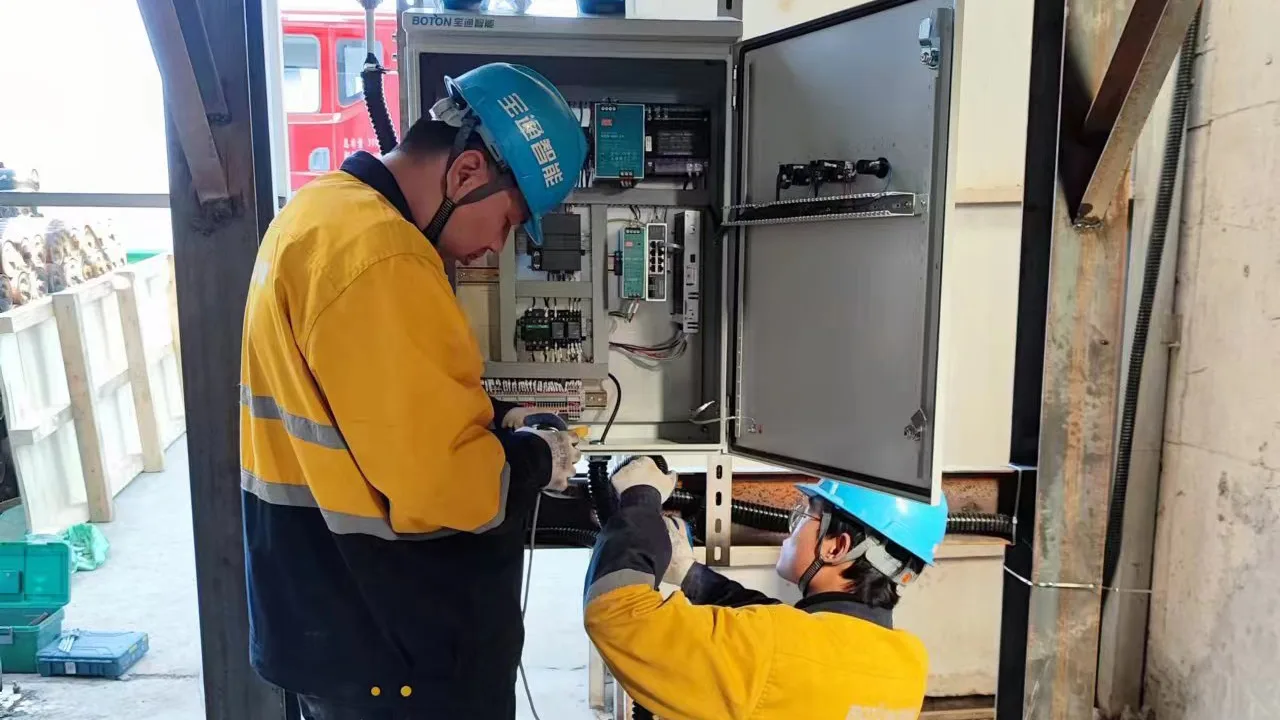
The installation team jointly evaluated the available space, existing conveyor structure and lifting conditions. The site installation environment was modified where required before the system was positioned and commissioned.

Inclination-adapted mechanical design

The system structure was engineered around the conveyor’s 12° inclination.

Sufficient passage clearance was reserved for the moving belt, while the positions of the X-ray source, detector and structural components were optimized to prevent interference with normal conveyor operation.

Automated inspection with one operator

Following deployment, a complete belt inspection could be performed by one operator in approximately three hours.

Compared with the previous manual process involving five to six specialist personnel over one to two days, AUTOSCAN™ provided faster and more consistent full-length inspection while the conveyor remained in operation.

Defect imaging and location support

AUTOSCAN™ converts internal belt conditions into clear X-ray images and corresponding location data.

Maintenance personnel can use the results to identify abnormal sections, locate defects along the 26 km route and arrange targeted repairs before the damage develops into a larger failure.

Project Gallery

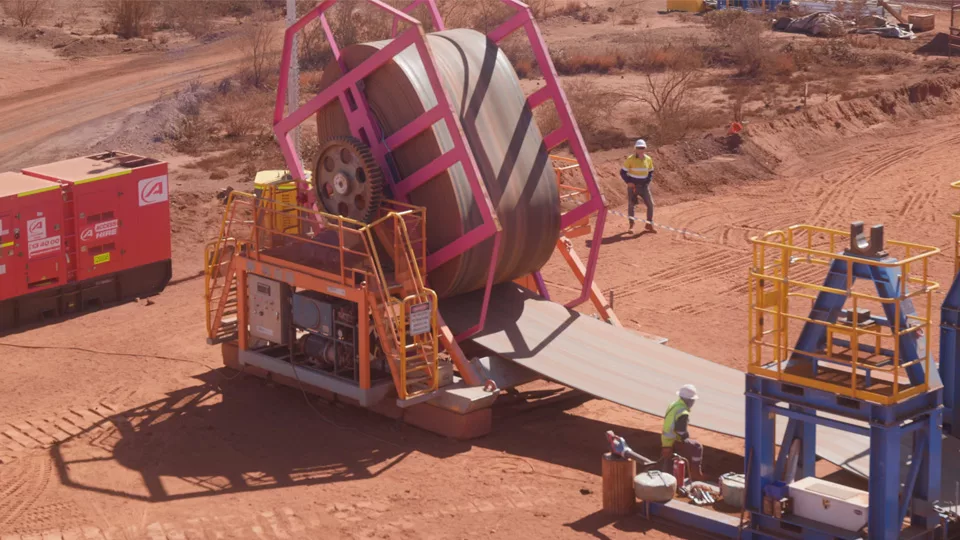
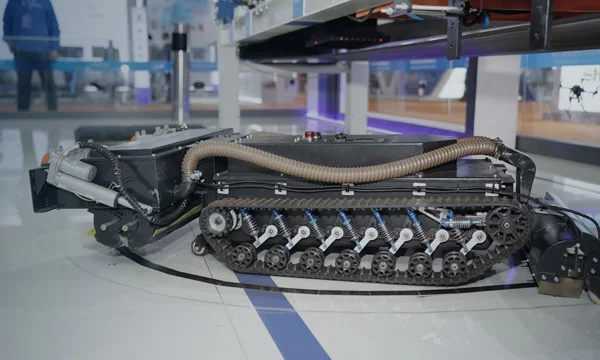
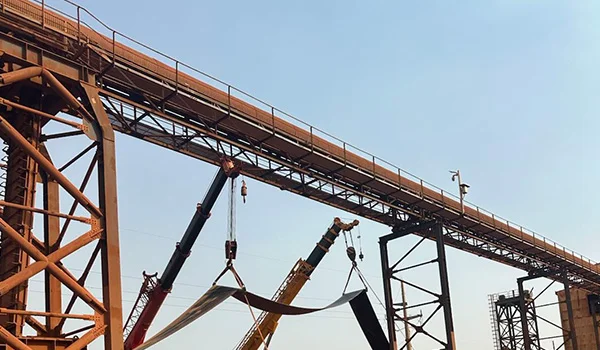
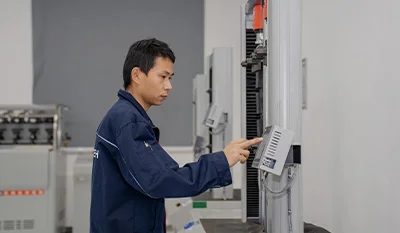
The project gallery documents the on-site deployment, commissioning and operating environment of the AUTOSCAN™ system. It also includes an actual X-ray inspection image showing internal steel cord damage identified during operation.

Related Products

"*" indicates required fields

This field is for validation purposes and should be left unchanged.
Name*


Let's Talk!

Whether you have a question about our services, a project idea, or just want to say hello, we're here to listen.

Desktop mode detected.
Please switch to mobile view for a better browsing experience.