
Fire Resistance

Engineered for high-risk conveying environments.
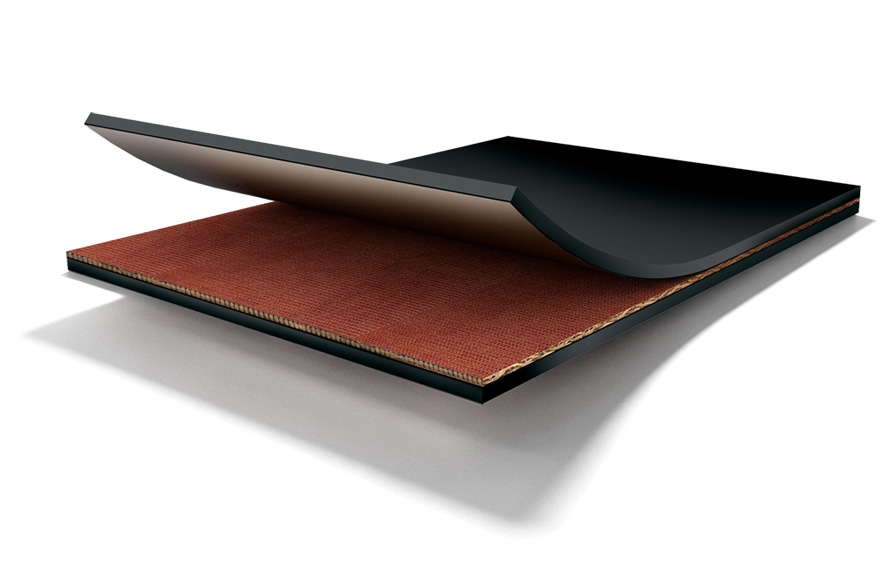
Fire resistant conveyor belts that help protect what matters.

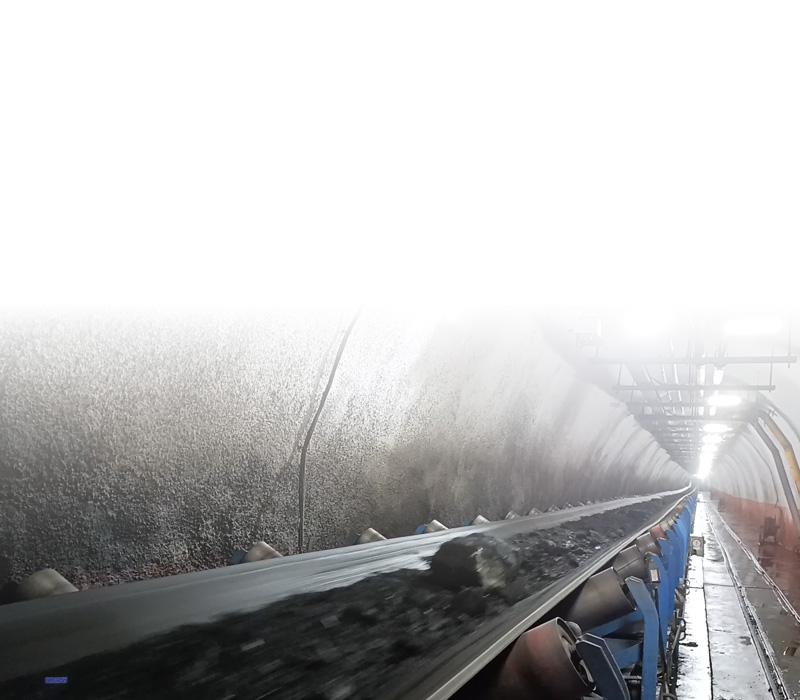
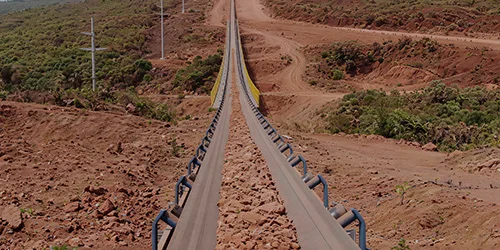
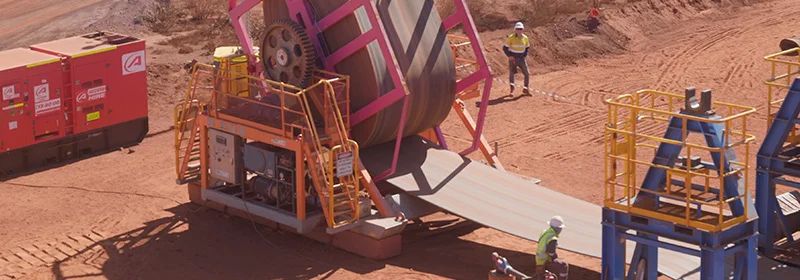
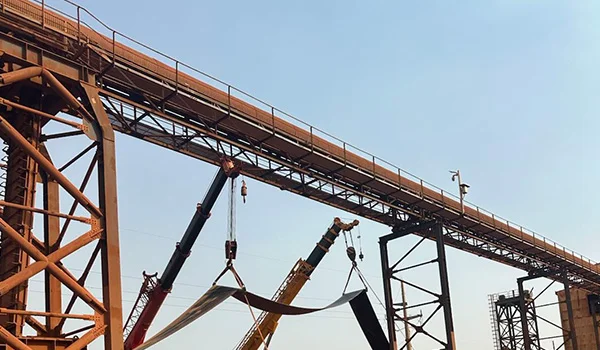
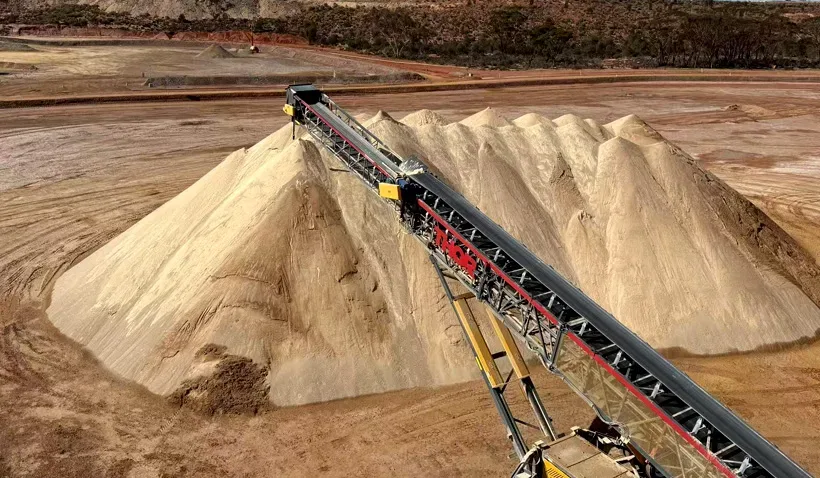
BOTON fire resistant conveyor belts are engineered to help reduce fire-risk uncertainty, limit flame propagation and support reliable operation in demanding surface and underground conveying applications.

Explore Fire Resistant Belts

Reduce Fire Risk

Special rubber compounds and belt structures help reduce ignition and flame propagation risk.

Fast Self-Extinguishing

Designed to support self-extinguishing performance after the flame source is removed.

Reliable Performance

Stable belt construction supports continuous operation under demanding conveying conditions.

Specification Support

Available for project-specific specification, testing documentation and application requirements.

Fire Resistance

Trusted in high-risk industries worldwide

Mining

Power Generation

Ports & Terminals

Steel

Chemical Processing

FIRE RESISTANT BELT SELECTION
START WITH THE APPLICATION.
MATCH THE RIGHT BELT STRUCTURE.

Fire resistant belts should be selected by operating environment, belt tension, installation conditions and long-term maintenance priorities.

  • Surface Coal Handling
  • Ports & Terminals
  • Power, Steel & Chemical Plants
  • Underground Main Haulage
  • Underground Panel & Wet Galleries
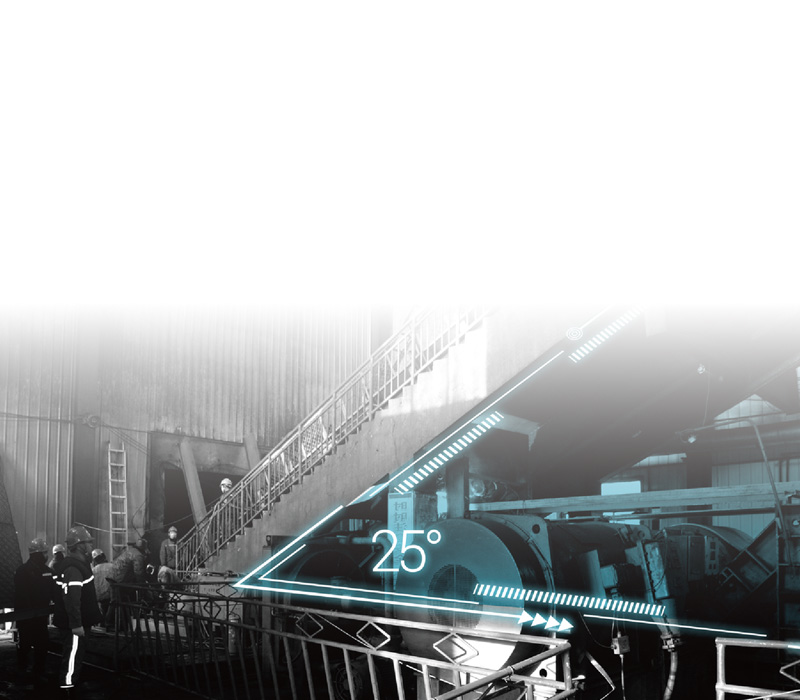
  • Steep-Angle & Upgrade Applications

Surface Coal Handling

Fire resistant protection for above-ground coal conveying.

Recommended Structure

  • Surface Fire Resistant & Anti-Static Belt

Key Priorities

  • Fire resistance and anti-static control
  • Abrasion resistance for continuous coal handling
  • Cover compound matched to material conditions
Surface Coal Handling

Ports & Terminals

Reliable belt performance for high-capacity terminal operations.

Recommended Structure

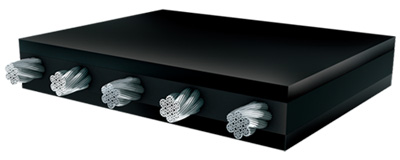
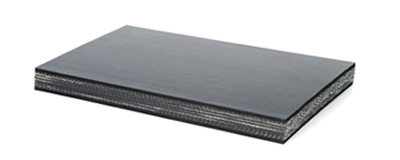
  • Steel Cord or Fabric Fire Resistant Belt

Key Priorities

  • Continuous operation with limited maintenance windows
  • Weather exposure and high material throughput
  • Fire resistant and wear-resistant cover options
Ports & Terminals

Power, Steel & Chemical Plants

Application-specific fire resistant belts for industrial material handling.

Recommended Structure

  • Surface Fire Resistant & Anti-Static Belt

Key Priorities

  • Static control in dust-risk environments
  • Compound selection for coal, sulfur, biomass or chemicals
  • Wear resistance under plant operating conditions
Power, Steel & Chemical Plants

Underground Main Haulage

Mainstream fire resistant structure for high-tension underground conveying.

Recommended Structure

  • Steel Cord Fire Resistant Belt

Key Priorities

  • High strength for main haulage systems
  • Low elongation for long-distance stability
  • Reliable vulcanized splicing
Underground Main Haulage

Underground Panel & Wet Galleries

Proven underground belt structure for mature operating environments.

Recommended Structure

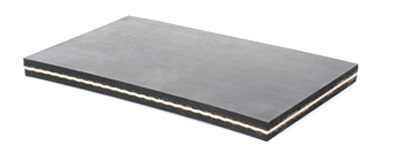
  • Solid Woven Fire Resistant Belt PVC/PVG

Key Priorities

  • Fire resistant and anti-static performance
  • Wet gallery suitability
  • Economical replacement and mature maintenance practice
Underground Panel & Wet Galleries

Steep-Angle & Upgrade Applications

Upgrade options for demanding underground performance needs.

Recommended Structure

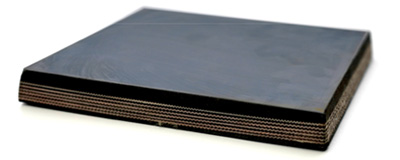
  • FRS Laminated Fire Resistant Belt
  • Aramid Fire Resistant Belt

Key Priorities

  • Improved troughability and flexibility
  • Lower belt weight and fewer splices
  • Energy-saving potential for long-distance or steep-angle systems
Steep-Angle & Upgrade Applications

PREMIUM LIGHTWEIGHT UPGRADE

When belt weight becomes the hidden load.

Aramid Fire Resistant Belt helps reduce belt weight, splice quantity and energy demand in long-distance or steep-angle underground conveying systems.

  • Lower Belt Weight
  • Fewer Splices
  • Energy-Saving Potential
  • Steep-Angle Conveying
Evaluate Aramid for Your System
<20%

Density vs. steel cord

-52%

Carcass weight

-26%

Total belt weight

PREMIUM LIGHTWEIGHT UPGRADE

11 km underground upgrade

Real-world results from aramid fire resistant belt application.

67A

lower average current

7,075kWh

daily saving

2,120MWh

annual saving

2,116t

annual CO₂ reduction

Testing & Validation Gallery

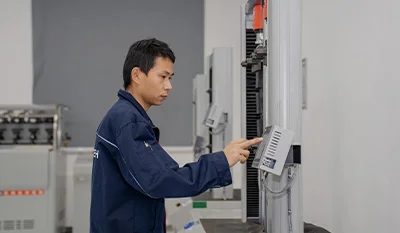
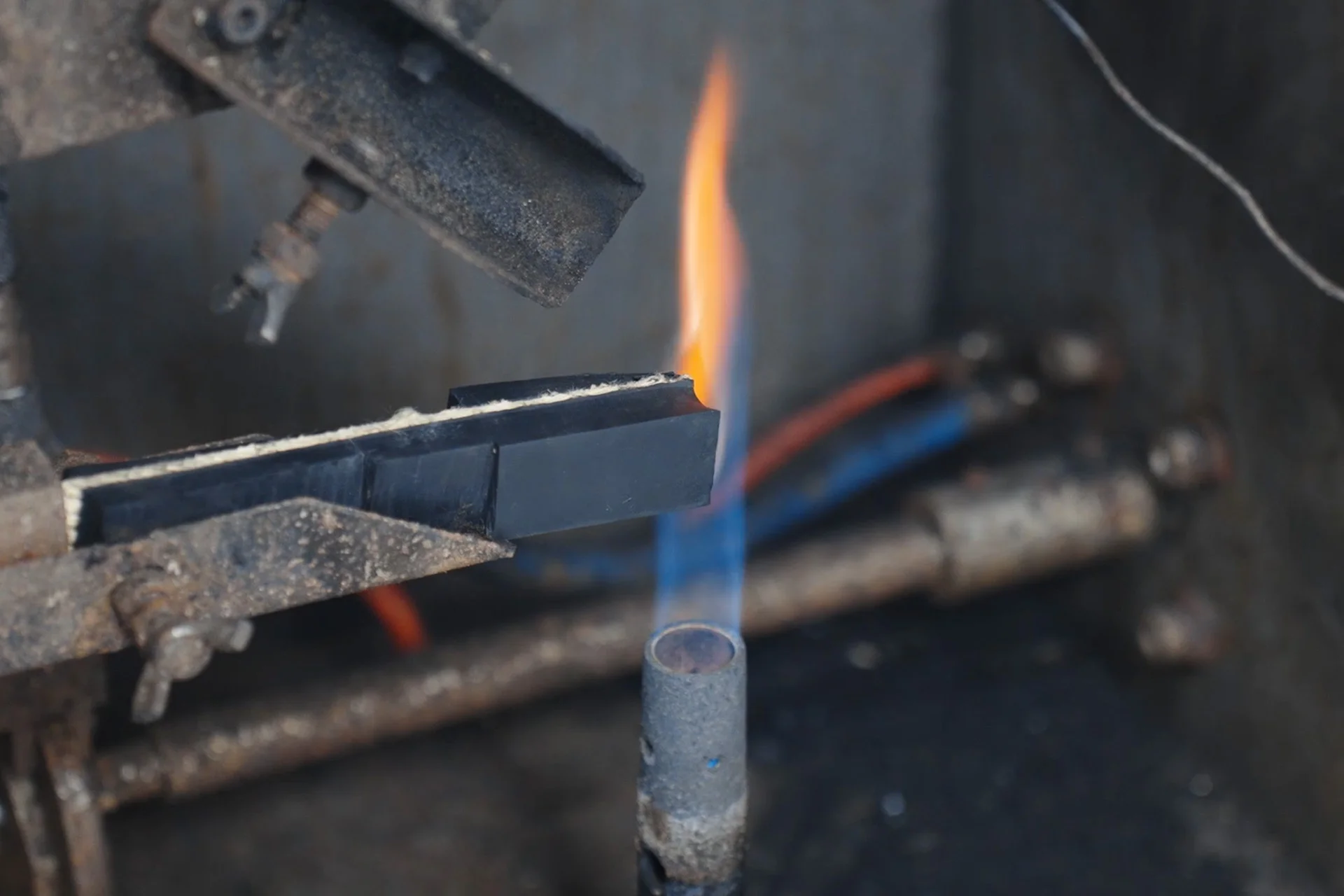
Fire resistant performance must be proven before it reaches the site.

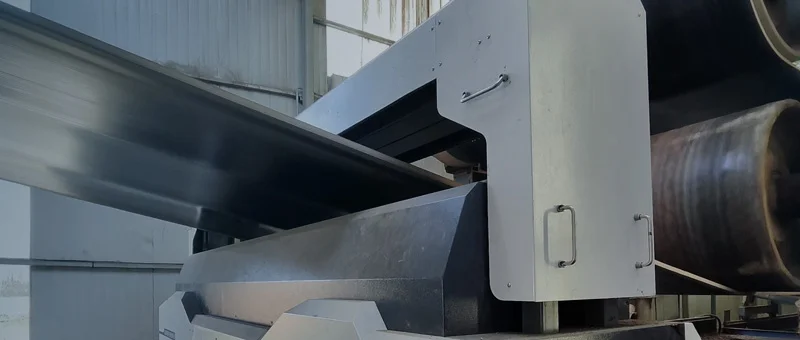
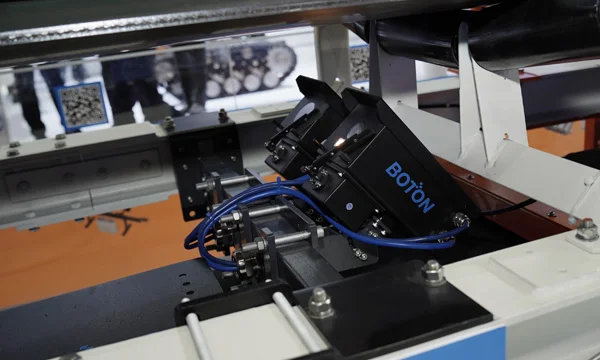
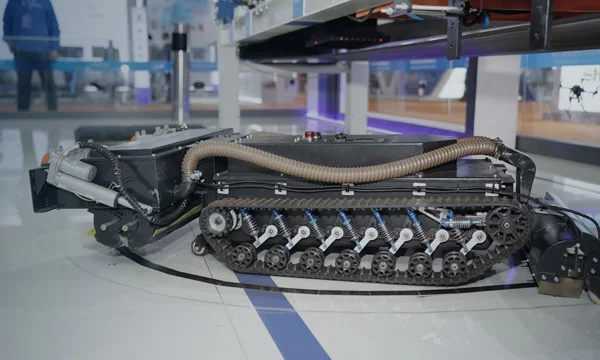
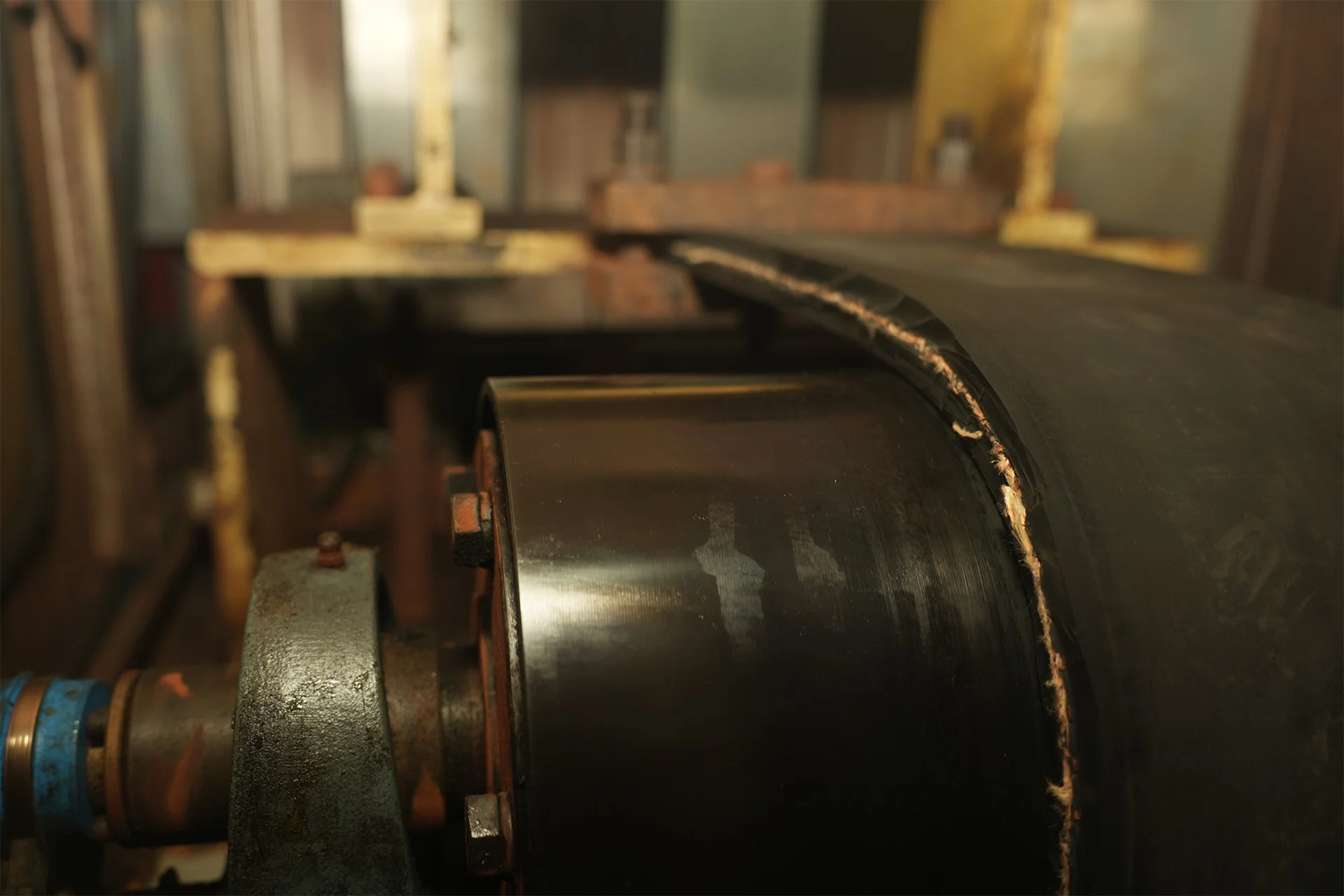
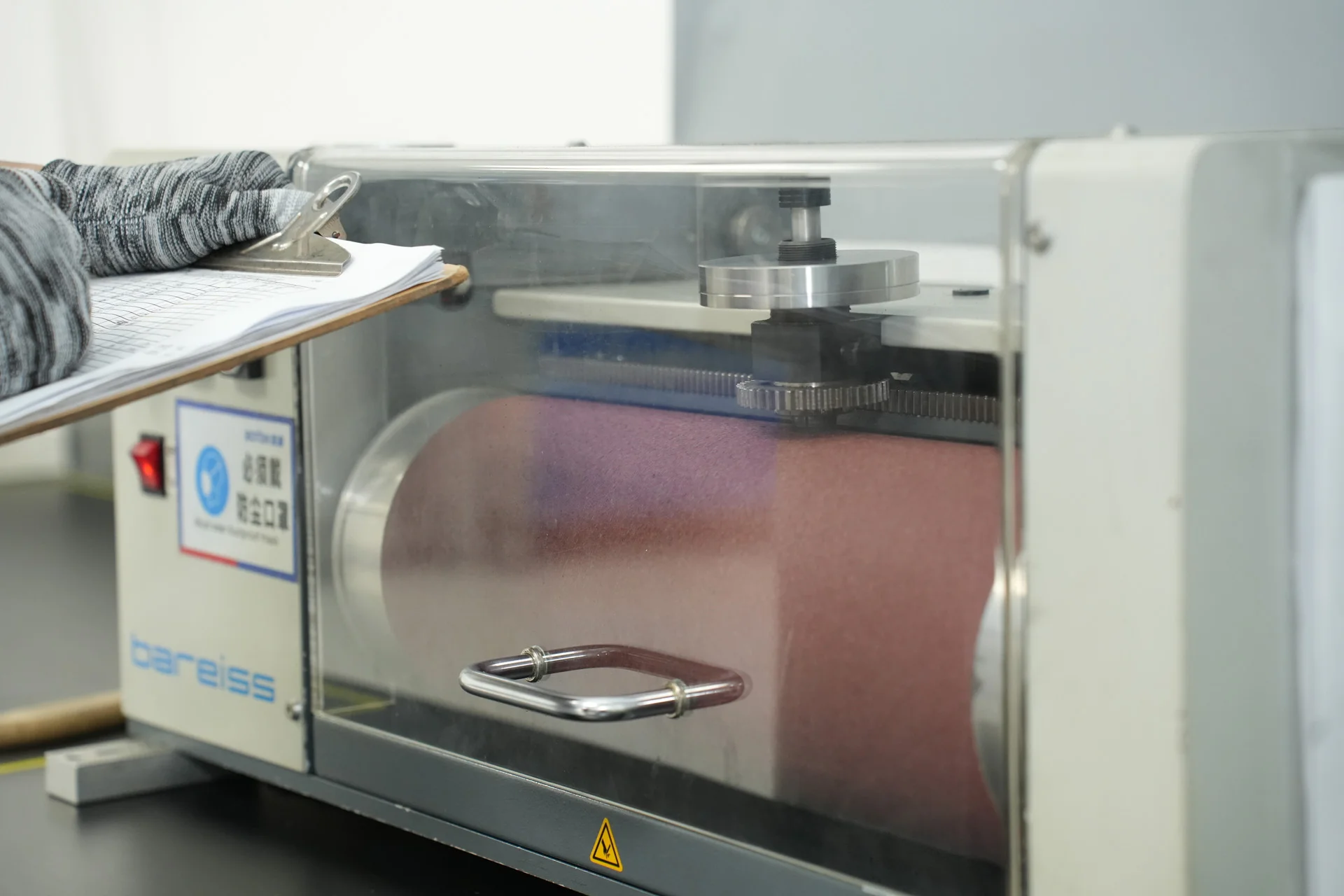
BOTON’s testing process evaluates how belt structures respond to friction, flame, static discharge, wear and splicing conditions — helping operators reduce fire-risk uncertainty and improve long-term conveying reliability.

UNDERGROUND STRUCTURE SELECTOR

Two mainstream structures. Two upgrade paths.

Underground fire resistant belt selection starts with the structure you use today — and the limitation you need to solve.

What performance limitation are you solving?

Poor troughability
Frequent edge wear
Wet or cold conditions
High belt weight
Too many splices
Energy-sensitive operation

PATH 01

Solid Woven PVC/PVG → FRS Laminated

Upgrade when troughability, flexibility, edge wear or wet/cold conditions begin to limit performance.

Better Troughability Better Flexibility Longer Service Potential
1

Current Structure

Solid Woven Fire Resistant Belt PVC/PVG

A proven underground structure for mature routes, wet galleries and economical replacement applications.

2

Performance Limitation

Poor troughability

Belt stiffness can affect material stability and tracking performance.

Frequent edge wear

Long-term operation may create edge damage and width stability issues.

Wet or cold conditions

Underground moisture and low temperatures can increase durability requirements.

3

Recommended Upgrade

FRS Laminated Fire Resistant Belt

A rubber-based laminated structure designed for better troughability, flexibility and long-term durability.

Upgrade Value

  • Better troughability
  • Better flexibility
  • Improved wear performance
  • Improved corrosion resistance
  • Longer service potential

PATH 02

Steel Cord → Aramid

Upgrade when belt weight, splice quantity, lifting tension or energy use becomes the hidden cost.

Lower Belt Weight Fewer Splices Energy-Saving Potential
1

Current Structure

Steel Cord Fire Resistant Belt

A mainstream high-tension structure for underground main haulage, long-distance conveying and heavy-duty continuous operation.

2

Performance Limitation

High belt weight

Belt self-weight increases system tension and operating load.

Too many splices

More splices can increase installation complexity and long-term maintenance points.

High lifting tension

Steep-angle or high-lift routes place greater demand on belt weight and drive power.

Energy-sensitive operation

Long-distance systems can accumulate significant energy cost over time.

3

Recommended Upgrade

Aramid Fire Resistant Belt

A lightweight high-strength structure for long-distance, steep-angle and energy-sensitive underground conveying systems.

Upgrade Value

  • Lower belt weight
  • BFewer splices
  • Lower energy demand
  • More flexible belt behavior
  • Lifecycle value potential

Key engineering considerations

Fire resistant does not mean fireproof

Fire resistant belts are designed to delay ignition, limit flame spread and support safe shutdown. They must be used together with proper fire safety systems and operating controls.

Why anti-static performance matters

In dust-prone or explosive environments, static discharge can become an ignition source. Anti-static performance is critical for coal, chemical, grain and underground applications.

Steel cord or solid woven?

Steel cord is typically used for high-tension, long-distance and main haulage systems. Solid woven PVC/PVG is widely used for mature underground applications with proven installation and maintenance practices.

When to consider FRS laminated belts

FRS is suitable when operators want an upgrade path from traditional PVC/PVG systems, especially where troughability, flexibility, corrosion resistance and wear performance matter.

When aramid becomes worth considering

Aramid becomes more compelling when reduced belt weight, fewer splices, lower energy consumption or steep-angle conveying can create clear lifecycle value.

Splice method and maintenance strategy

Splice design depends on belt structure, installation conditions and maintenance priorities. Correct splicing is essential for long-term fire-risk conveying reliability.

CASE STUDY
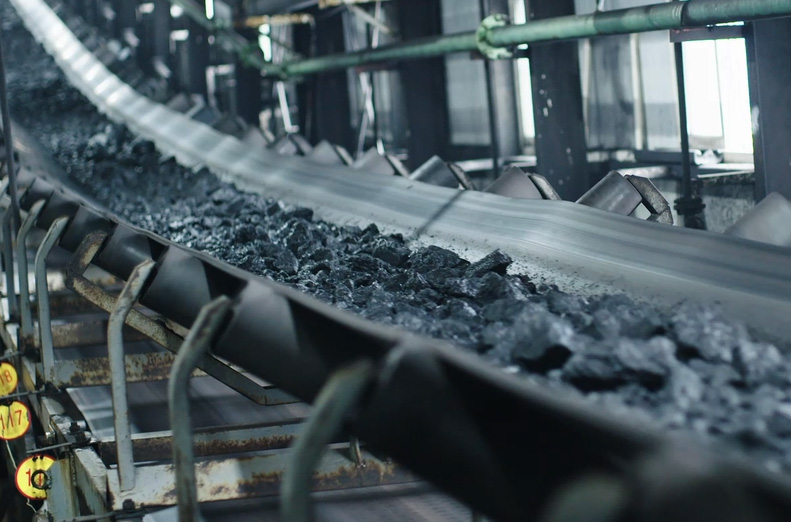
Ultra-long underground aramid belt for high-volume coal conveying

  • Delivered an underground aramid fire resistant belt system with 11,200 m total belt length, 2,600 mm belt width and 2,500 N/mm strength rating.
  • Achieved more than 84 months of stable operation, with cumulative coal throughput exceeding 104 million tonnes and zero belt-related safety incidents.
  • Reduced belt self-weight by approximately 20%, helping lower drive load and achieve a measured annual energy-saving rate of 16.8%.
Learn More

CASE STUDY

Main shaft aramid upgrade reduces weight and energy demand

  • Replaced a traditional steel cord belt with an aramid fire resistant belt for a major underground coal mine main shaft conveying system.
  • Reduced belt weight by 36% per meter, while achieving more than 15% average annual energy savings.
  • Extended belt service life by more than , reduced splice maintenance cost and improved long-term system stability without major equipment modification.
Learn More

Need More Product Details?

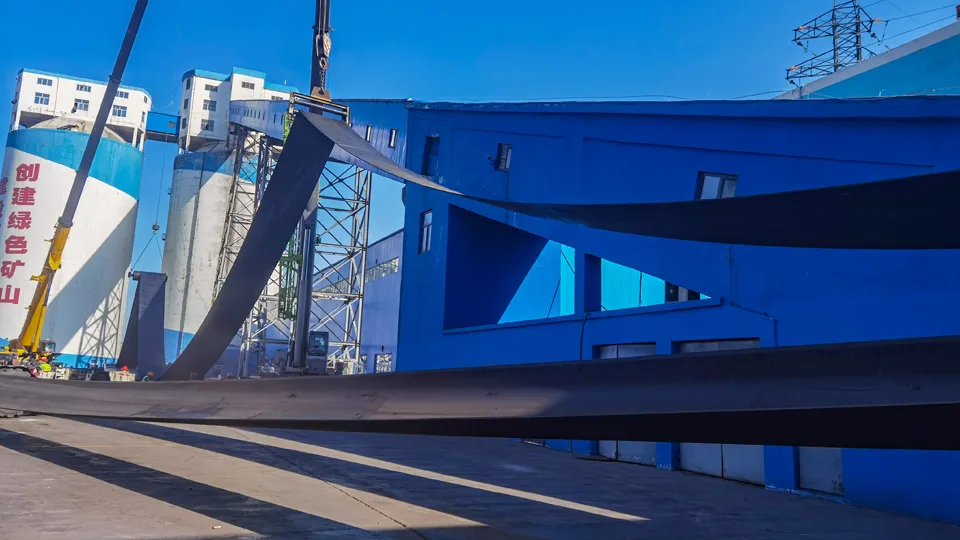
Download the product brochure for key features, applications, and solution highlights.
Download Brochure

"*" indicates required fields

This field is for validation purposes and should be left unchanged.
Name*


Let's Contect!

Whether you have a question about our services, a project idea, or just want to say hello, we're here to listen.