
Steel Cord Conveyor Belt Systemsd

High-tensile backbone for long-distance, high-capacity and heavy-duty conveying.

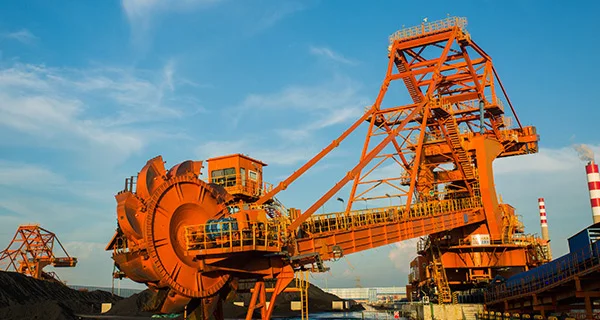
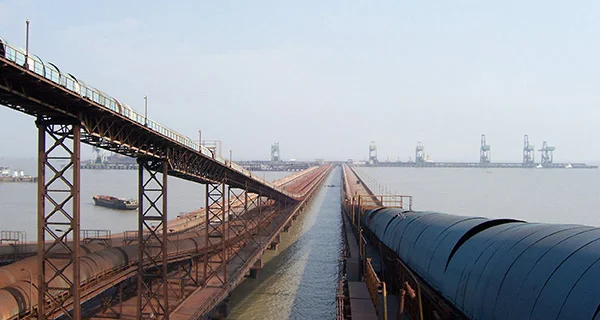
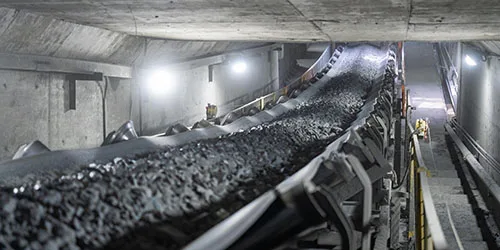
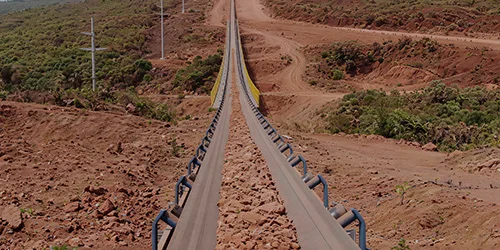
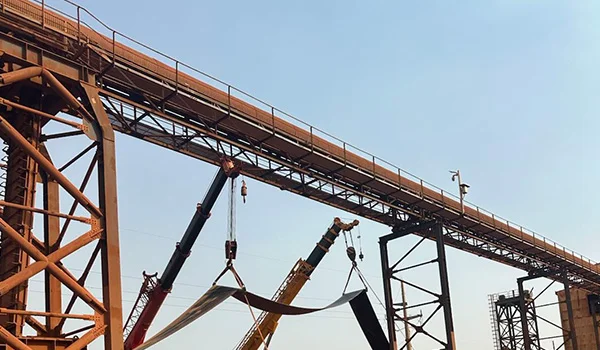
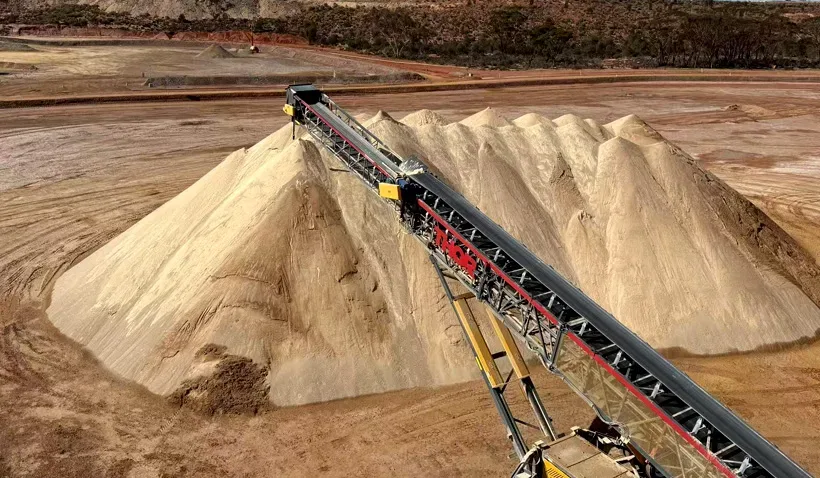
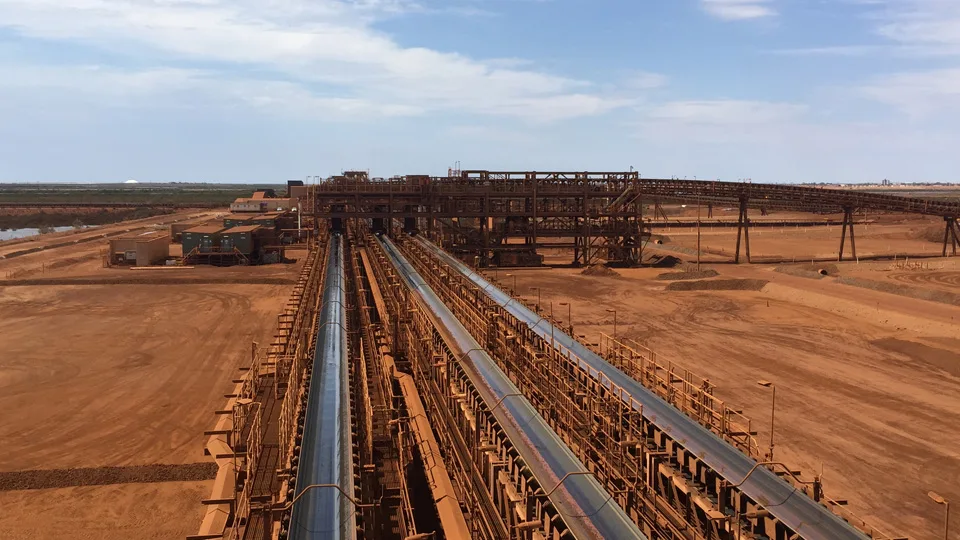
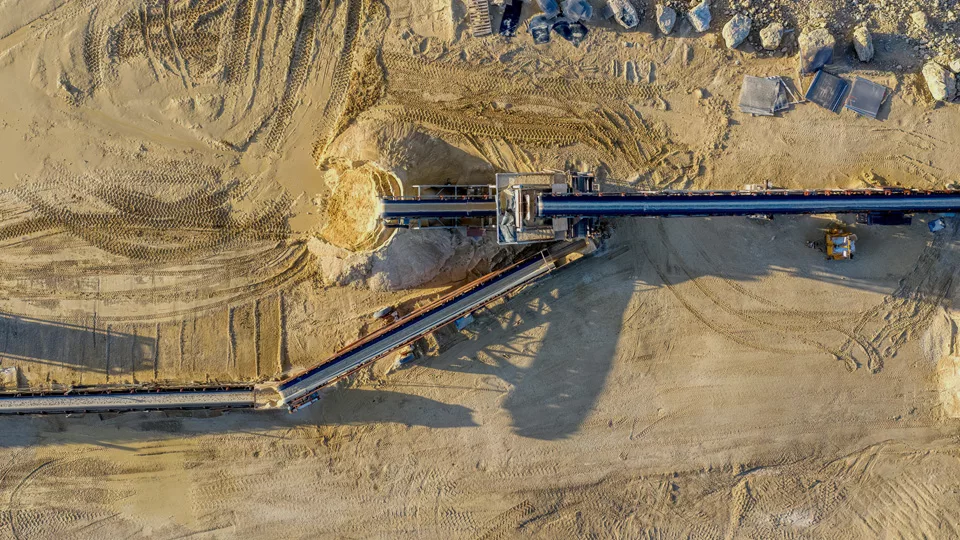
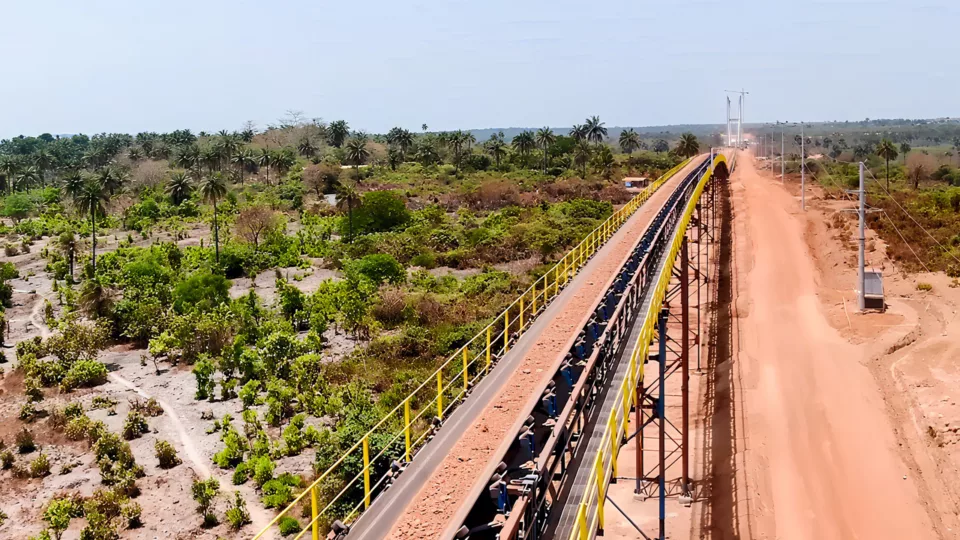
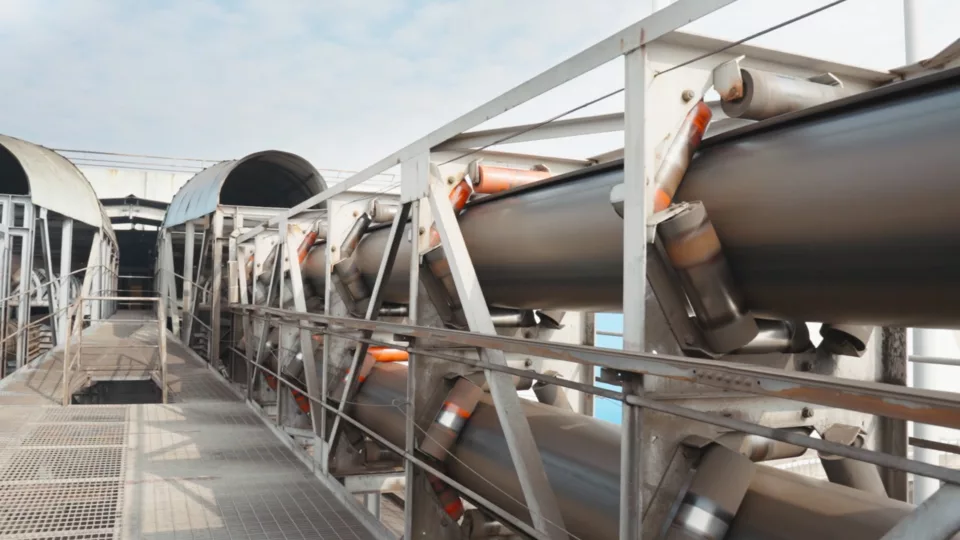
BOTON steel cord conveyor belt systems are engineered for demanding bulk material handling operations where high tensile strength, low elongation, heavy load capacity and long-term reliability are critical. Built with galvanized high-strength steel cord reinforcement, they are widely used in mining, ports, cement, power, metallurgy and other continuous bulk material handling applications.

Explore Steel Cord Belt Solutions
Steel Cord Conveyor Belt Systemsd

Why Choose Steel Cord Conveyor Belts

High Tensile StrengthDesigned for long-distance and high-tension conveying.

Steel cord conveyor belts use galvanized high-strength steel cords as the main reinforcement. BOTON steel cord belt strength grades can cover from ST500 to ST10000, supporting long-distance continuous conveying and high dynamic tension conditions.

Extremely Low ElongationOnly 0.12% elongation under 10% nominal belt strength.

Low elongation helps reduce take-up travel, maintain stable belt tension and improve system stability in long-distance, high-capacity and high-lift conveying systems. Compared with higher-elongation belt structures, steel cord belts are better suited for systems where tension control and long-term dimensional stability are critical.

Heavy-Duty Load CapacityBuilt for large-volume continuous bulk material handling.

Steel cord conveyor belts can withstand high dynamic tension, concentrated impact loads and continuous heavy-duty operation. They provide a strong carcass foundation for high-capacity conveying systems in mines, ports, cement, power and metallurgical applications.

Structural StabilityStable belt body for complex conveyor layouts.

Steel cord conveyor belts maintain strong structural stability under long-term operation. They are suitable for complex conveyor layouts, including concave and convex curves, large inclination angles and high-lift systems where stable tension distribution and reliable tracking are important.

Long Service LifeDesigned for reduced replacement frequency and lower maintenance interruption.

With optimized steel cord structure, core rubber formulation and customizable cover thickness, steel cord conveyor belts can deliver long-term stable performance under proper installation, loading and maintenance conditions. This helps reduce replacement frequency, shutdown risk and lifecycle operating cost.

One Steel Cord Platform. Four Heavy-Duty Solutions.

Heat-Resistant Steel Cord Conveyor Belts

For cement, metallurgy, power and other high-temperature material conveying applications.

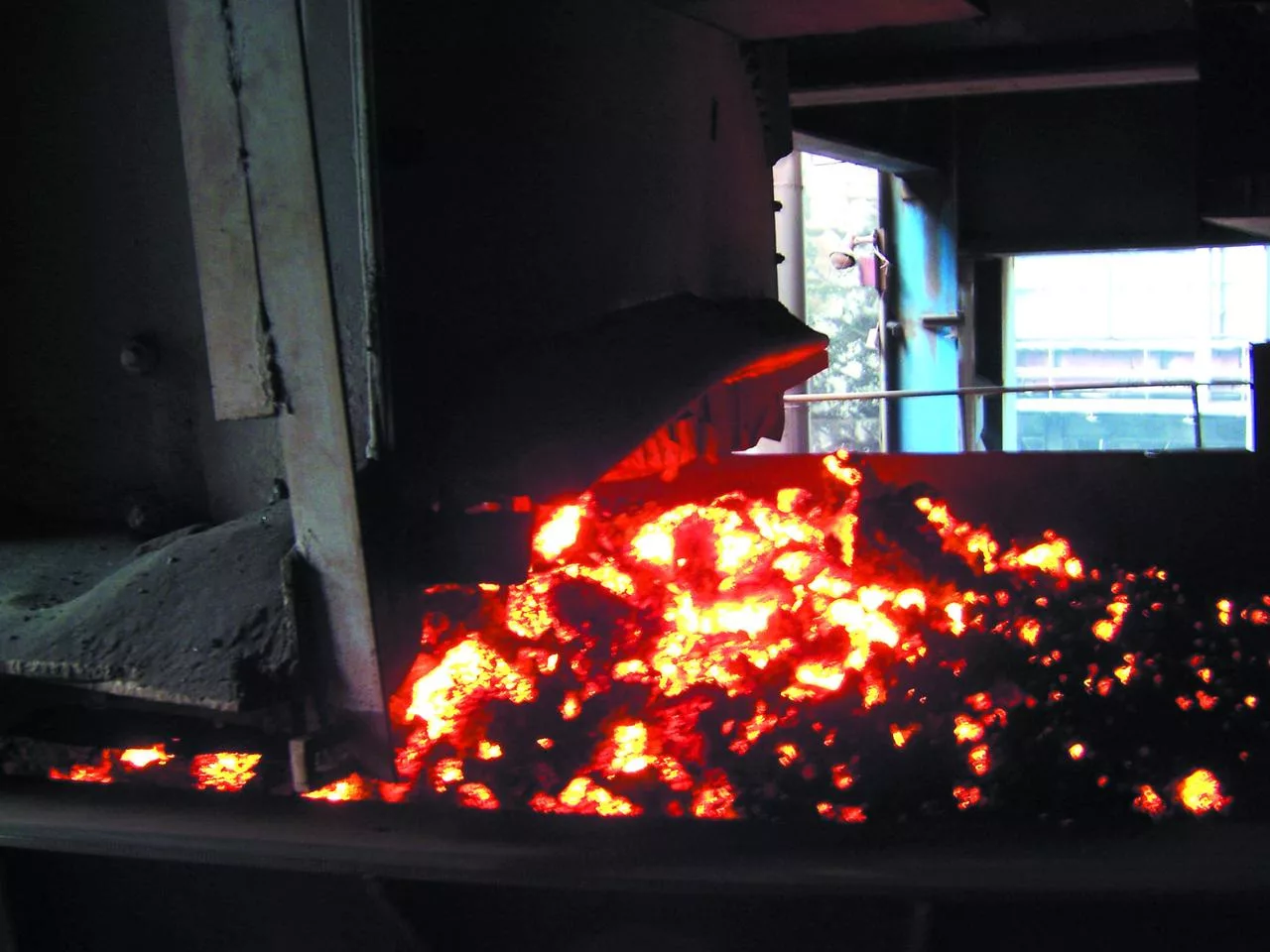
BOTON heat-resistant steel cord conveyor belts combine high-strength steel cord reinforcement with heat-resistant cover rubber systems. They are suitable for conveying clinker, sinter, coke, slag and other hot materials in long-distance or heavy-duty systems.

Explore Heat-Resistant Solutions

Fire-Resistant Steel Cord Conveyor Belts

For coal, power, mining and fire-risk conveying environments.

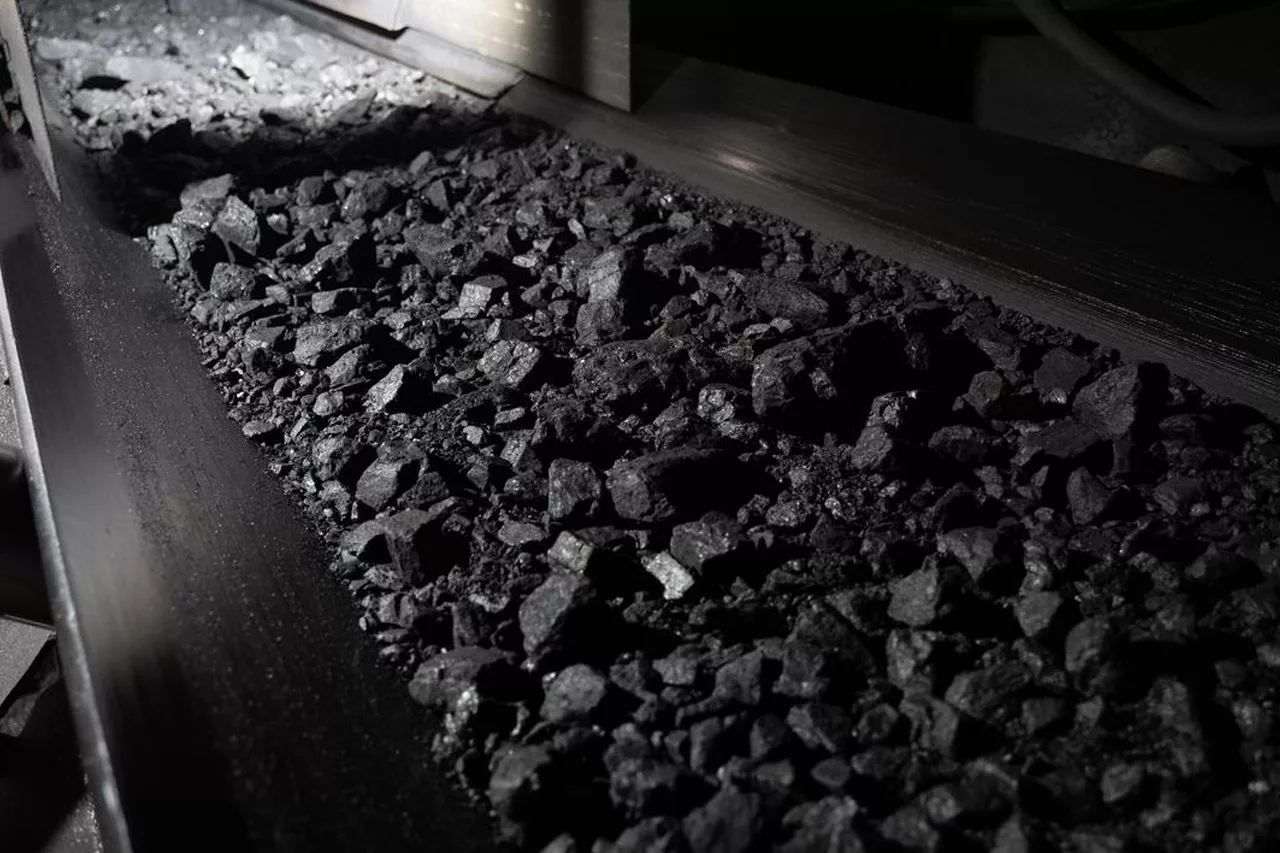
BOTON fire-resistant steel cord conveyor belts are designed to meet project-specific fire-resistant and anti-static requirements while maintaining high strength, low elongation and large-capacity conveying capability. They are suitable for long-distance, high-volume material handling where fire safety and operating stability must be considered together.

Explore fire-resistant Solutions

Anti-Tear Steel Cord Conveyor Belts

For sharp materials, high drop heights and longitudinal tear-risk conditions.

BOTON anti-tear steel cord conveyor belts can be engineered with high-strength fabric anti-tear layers, transverse steel cord reinforcement or full steel mesh structures. These structures help absorb impact, resist puncture and prevent tear propagation when the belt is exposed to sharp materials, large lumps or severe loading impact.

Explore Anti-Tear Solutions

Energy-Saving Steel Cord Conveyor Belts

For long-distance and high-power conveyor systems.

BOTON steel cord conveyor belts can be combined with EcoTrans™ low rolling-resistance cover rubber to reduce indentation rolling resistance and support lower operating energy consumption. This solution is especially suitable for long-distance, high-frequency and energy-cost-sensitive conveying systems.

View Energy-Saving Solutions

Pipe Conveyor Belts

For enclosed conveying routes that requirematerial containment, dust control, route flexibility and reduced environmental impact.

View Pipe Solutions

Proven in Heavy-Duty Conveying Projects

Case Study

A-Z Conveyor Lifecycle Service for a 120 Mtpa Iron Ore Mine

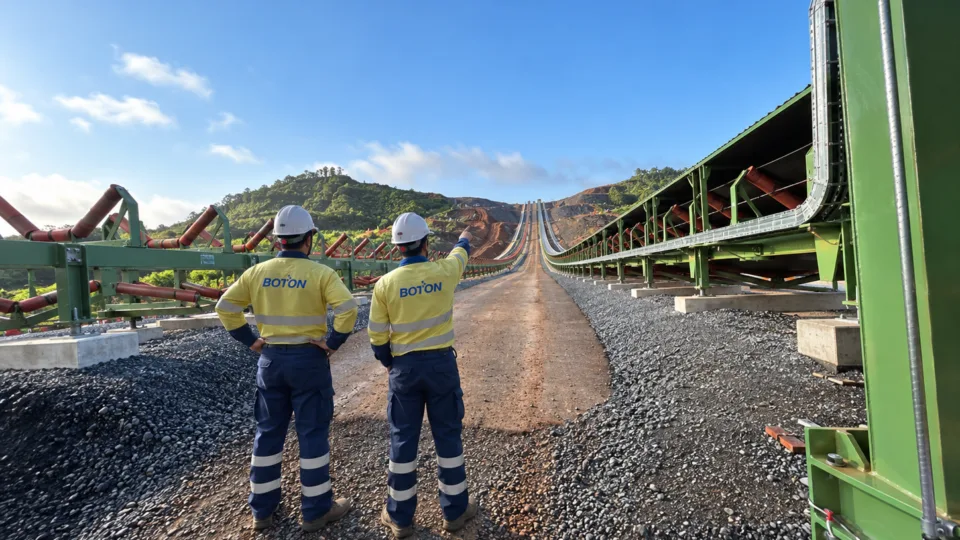
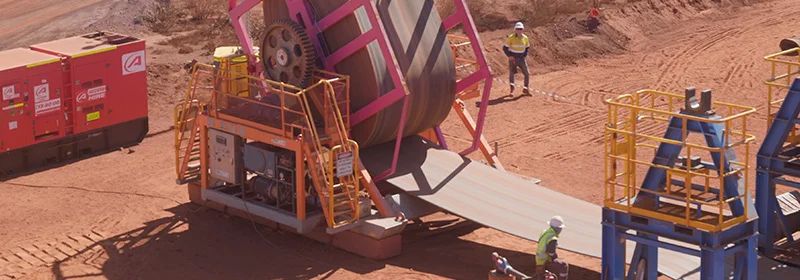
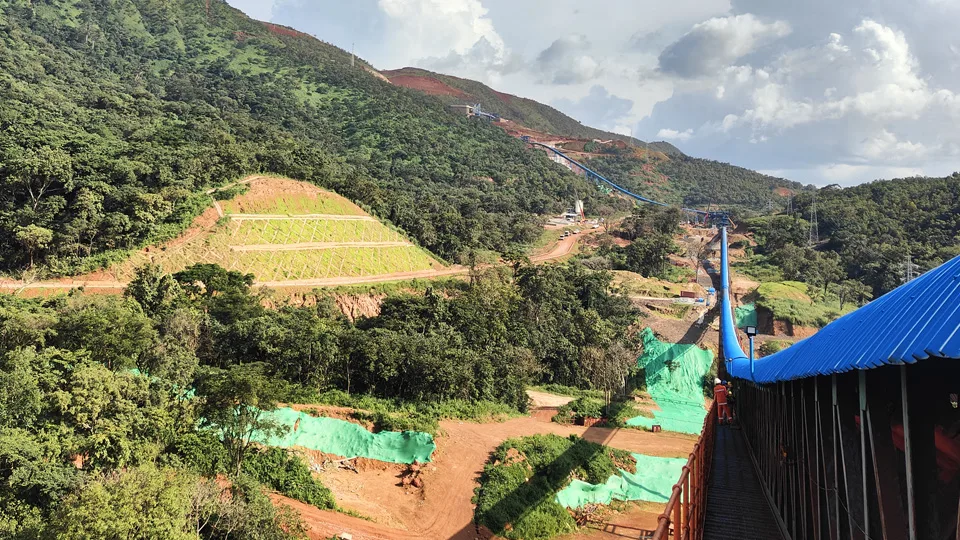
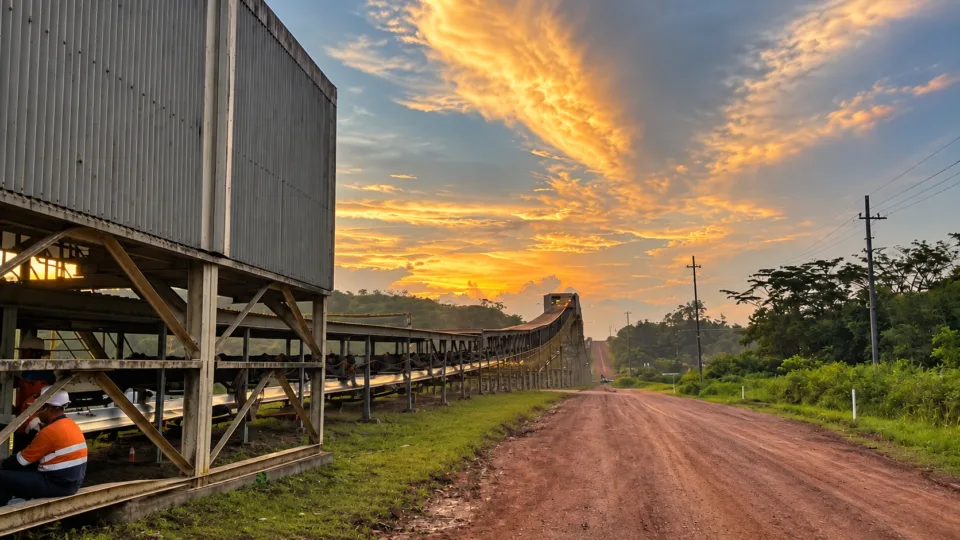
BOTON supported the Simandou iron ore project in Guinea with high-strength steel cord conveyor belts, smart monitoring equipment and localized lifecycle service. The project covers long-distance ore conveying across high-altitude mountainous terrain, steep gradients, heavy-duty loads and demanding construction conditions.

Key Highlights

  • Planned capacity: 120 million tonnes per year
  • Steel cord belt specifications: ST5400 and ST6300
  • Application: long-distance heavy-duty ore conveying
  • Support scope: belt supply, installation, monitoring, maintenance and local service

See Simandou Iron Ore Project

Cleaner Conveying Starts Here

FAQs

How should engineers decide between a steel cord belt, fabric belt and aramid belt?

The selection should not be based on belt type alone. Engineers need to evaluate conveying distance, lift height, belt tension, capacity, pulley arrangement, take-up design, operating environment, material characteristics and lifecycle cost. Steel cord belts are typically preferred for long-distance, high-tension and heavy-duty systems, while fabric belts are often used for shorter or medium-duty conveyors. Aramid belts may be more suitable where weight reduction, corrosion resistance or energy saving is a higher priority.

Why does low elongation matter in long-distance conveyor systems?

Low elongation helps maintain stable belt tension, reduce take-up travel and improve long-term conveyor stability. In long-distance, high-capacity or high-lift systems, excessive elongation can increase adjustment frequency, affect tracking and create additional stress on splices and drive components. BOTON’s steel cord belt series is positioned in the selection manual for extremely low elongation and stable operation under demanding conveying conditions.

How should the ST rating of a steel cord conveyor belt be selected?

The ST rating should be selected according to calculated belt tension, safety factor, conveyor layout, dynamic load, splice design and operating conditions. A higher ST rating is not always the best choice. Overspecification may increase belt weight, pulley load, energy demand and installation difficulty. The right specification should balance tensile strength, system stability, splice reliability and lifecycle cost.

How can longitudinal tearing of a steel cord conveyor belt be reduced?

Longitudinal tear risk should be managed through system-level design, not by the belt alone. Key measures include chute optimization, impact protection, foreign-object control, anti-tear reinforcement, rip detection systems and routine inspection. For high-risk sections such as crusher discharge, sharp-material transfer points or long-distance critical lines, anti-tear structures and intelligent monitoring should be considered together.

Why should steel cord conveyor belts be evaluated by lifecycle cost instead of purchase price?

Steel cord conveyor belts are often used on critical production lines where downtime, replacement frequency, splice reliability, energy consumption and maintenance access have a major impact on total cost. A lower purchase price may not reduce overall cost if it leads to shorter service life, higher power demand, more frequent maintenance or greater shutdown risk. For long-distance and high-power systems, low rolling-resistance cover rubber can also be evaluated as part of the lifecycle cost strategy.

"*" indicates required fields

This field is for validation purposes and should be left unchanged.
Name*


Let's Contect!

Whether you have a question about our services, a project idea, or just want to say hello, we're here to listen.