


Conveyor Belt Rip Monitoring Across Tianchi Energy Operations in Xinjiang

Field-Validated Belt Protection for Open-Pit Mining and Long-Distance Coal Conveying

Conveyor Belt Rip Monitoring Across Tianchi Energy Operations in Xinjiang
Case Chanllenges

Across Xinjiang Tianchi Energy’s mining and power operations, continuously running conveyors face the same critical risk: sharp gangue, metal debris or trapped objects can puncture a moving belt and develop into a longitudinal rip.

BOTON deployed longitudinal rip monitoring at two different sites — field validation on an operating conveyor at the South Open-Pit Mine, followed by four-system deployment, and long-distance monitoring at Jiangbu Power Plant on a conveyor route exceeding 12 km.

Together, the projects demonstrate how intelligent conveyor monitoring can be adapted to different coal mining and material handling applications.
Core Achievements

Field-Validated Rip Detection

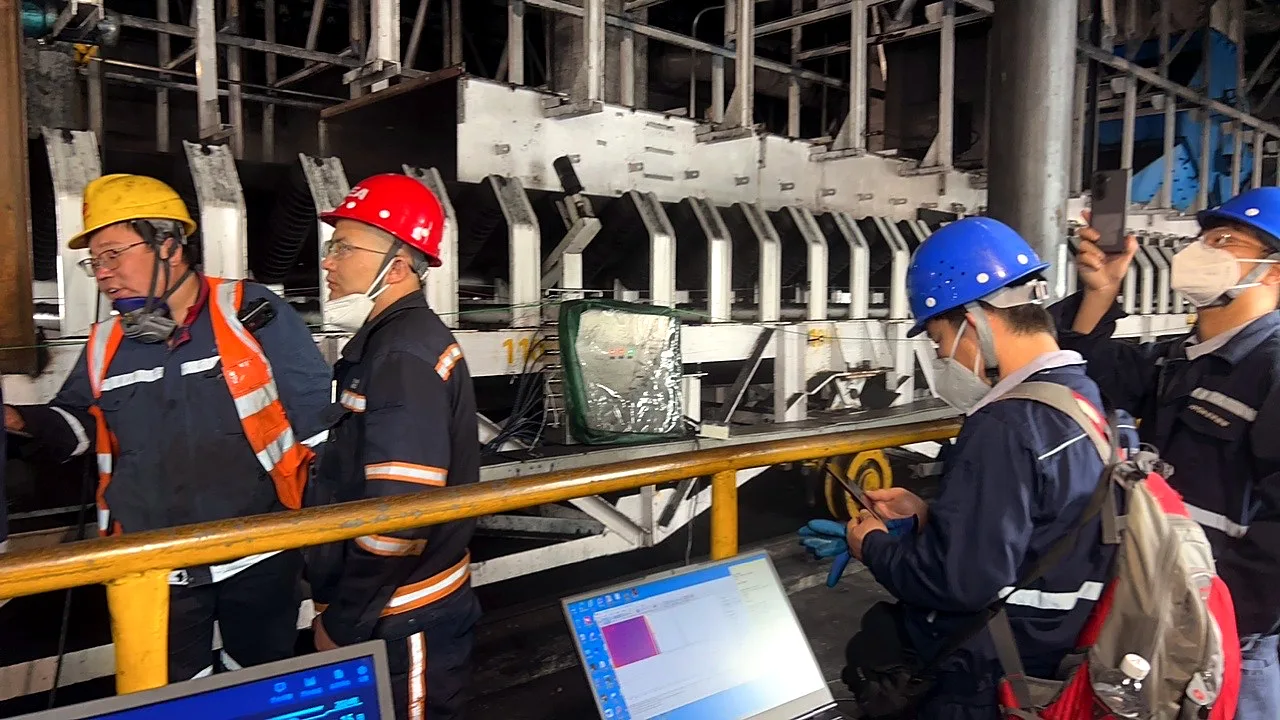
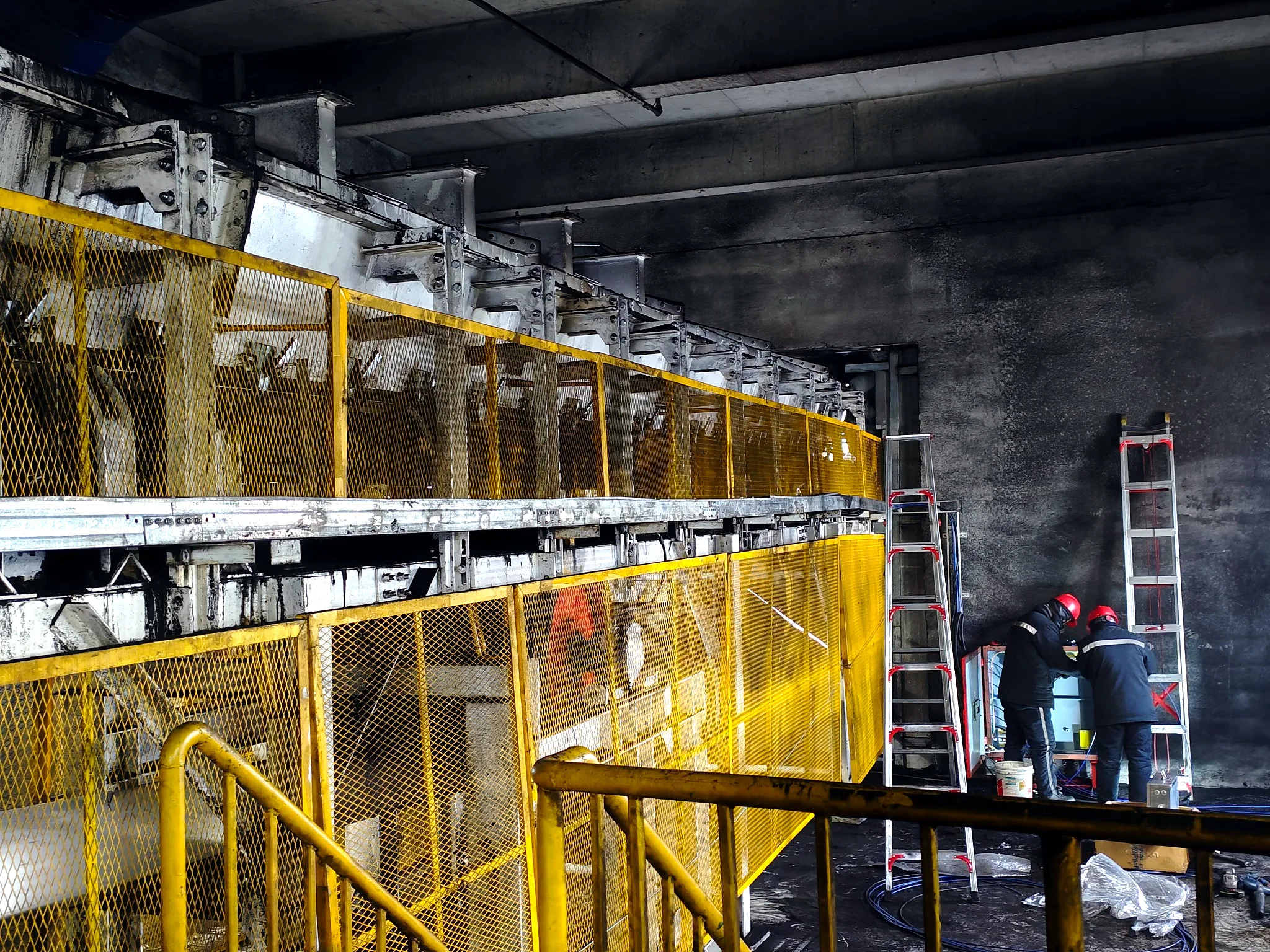
At Tianchi Energy’s South Open-Pit Mine, BOTON’s longitudinal rip monitoring system was tested directly on an operating conveyor through controlled simulations of punctures, scratches and longitudinal belt damage. The system completed the defined field tests and met the customer’s acceptance requirements.

Four Systems Ordered After Testing

Following on-site evaluation and technical acceptance, Tianchi Energy ordered four longitudinal rip monitoring systems for deployment on four key coal conveyors at the South Open-Pit Mine, expanding the solution from field testing to operational use.

Applied to a 12 km+ Coal Conveyor

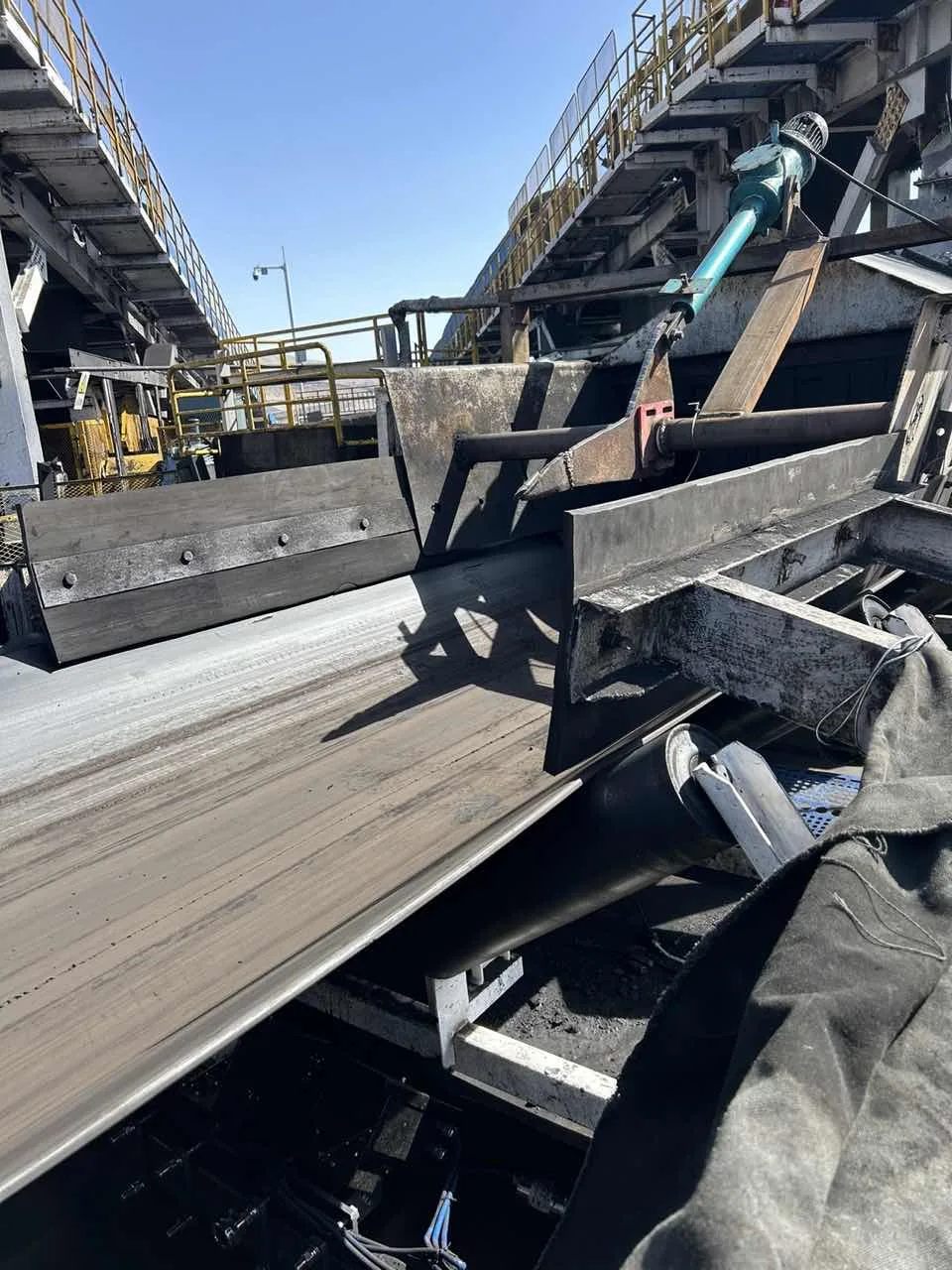
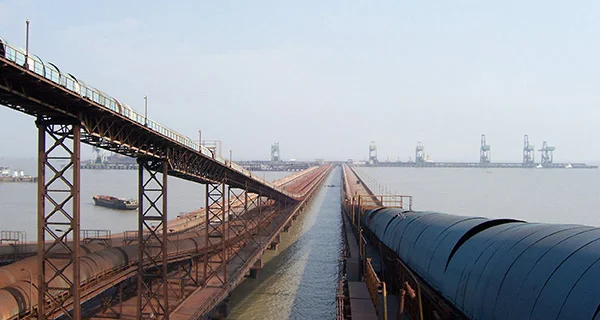
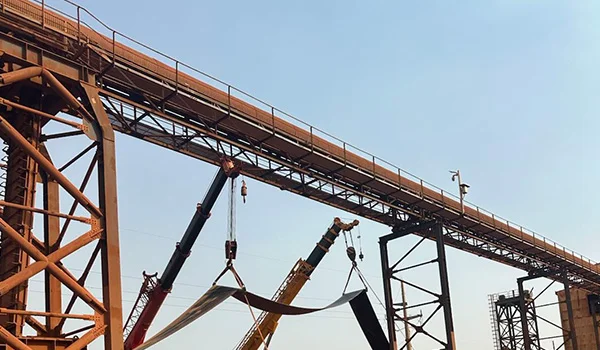
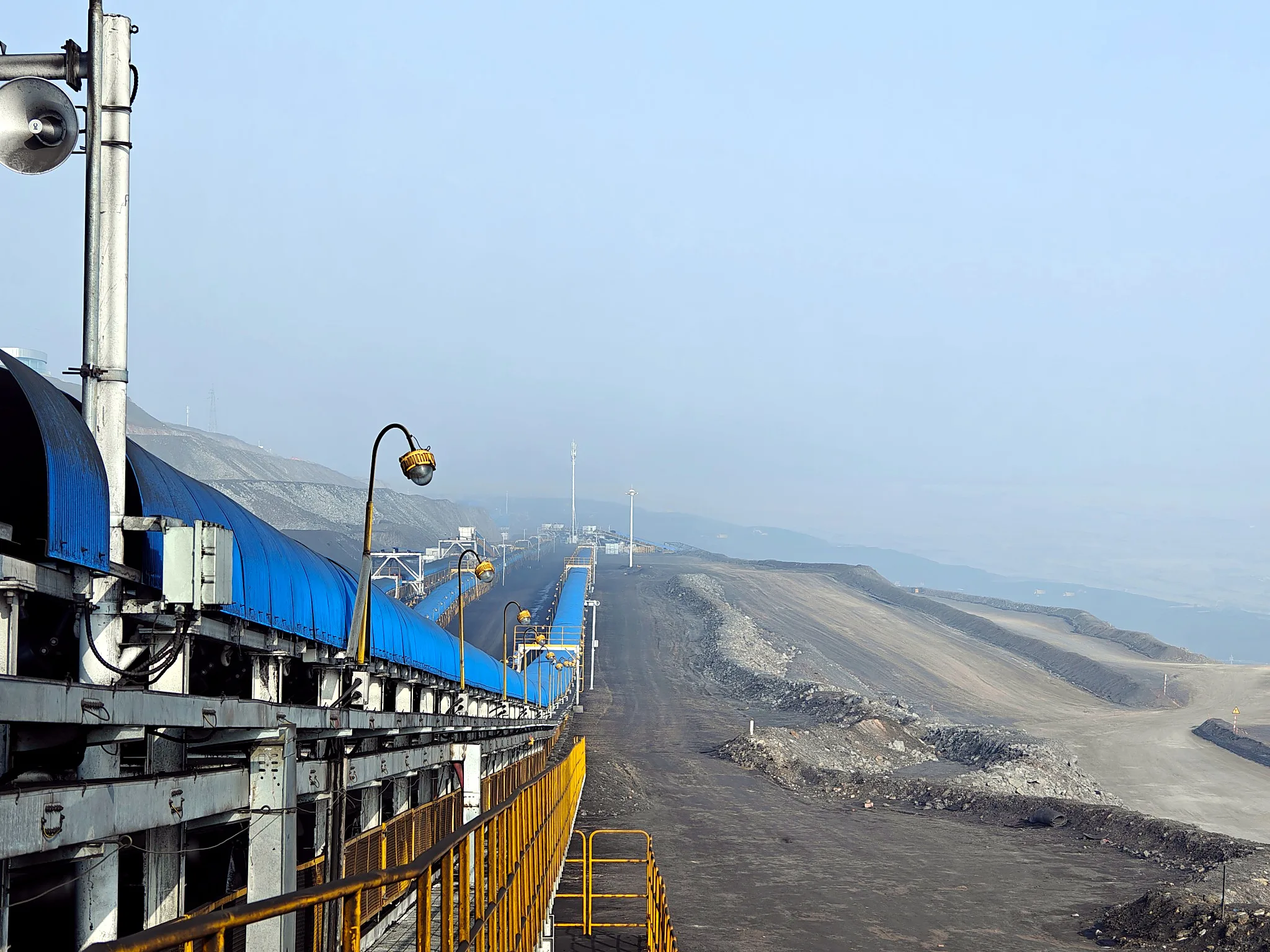
At Jiangbu Power Plant, BOTON applied longitudinal rip monitoring to a coal conveyor route exceeding 12,000 m, operating at approximately 4 m/s with a conveying capacity of about 450 t/h.

Key Facts

  • Customer: Xinjiang Tianchi Energy
  • Industry: Coal Mining & Power
  • Location: Xinjiang, China
  • Applications: South Open-Pit Mine and Jiangbu Power Plant
  • South Open-Pit Mine Test Conveyor: 200 m, 3 m/s
  • Jiangbu Power Plant Conveyor: Over 12,000 m, approx. 4 m/s, approx. 450 t/h
  • Project Result: Field validation completed; four systems ordered for key mine conveyors
Key Facts

Project Challenges

Longitudinal Rips Can Develop Rapidly

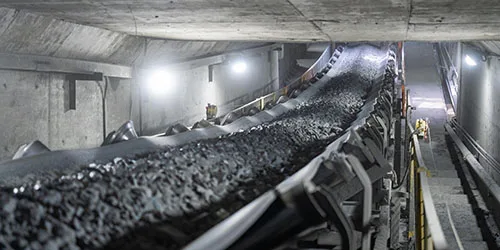
Sharp gangue, metal debris and trapped objects can puncture or cut a moving conveyor belt. Once a longitudinal rip begins, continued belt movement may extend the initial damage over a much greater distance, increasing repair requirements and production disruption.

Different Operating Environments

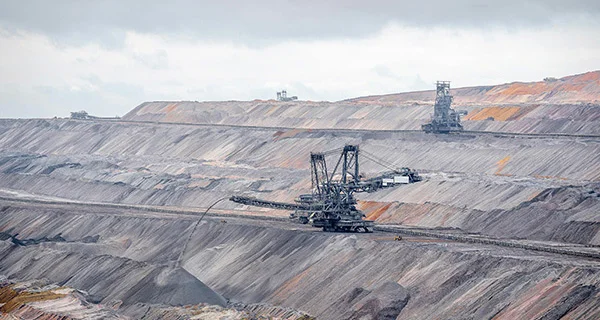
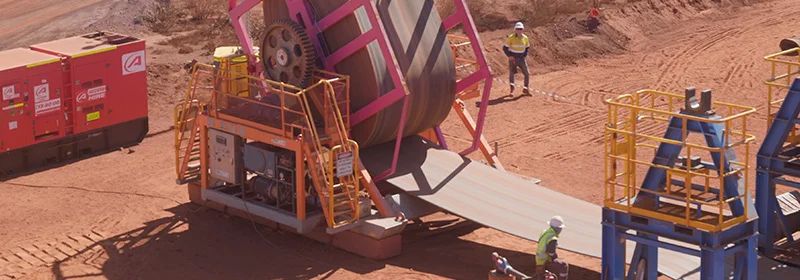
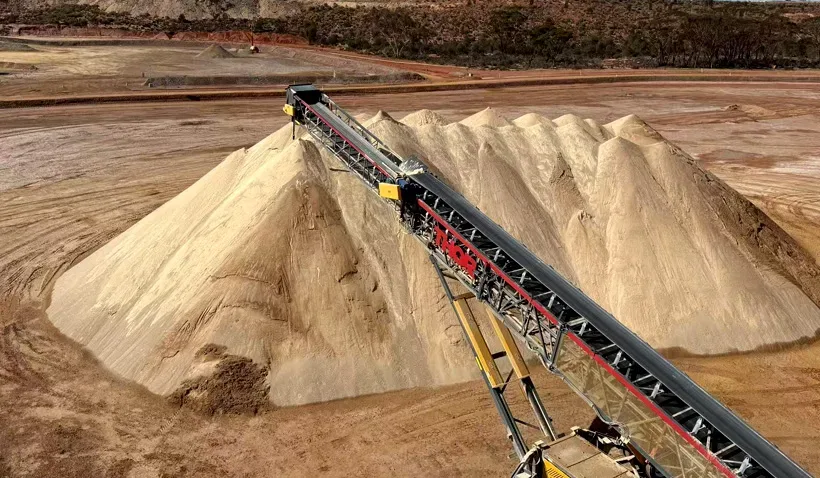
At the South Open-Pit Mine, monitoring equipment must operate in an exposed environment affected by dust, wind and continuous coal handling. At Jiangbu Power Plant, the challenge shifts to reliable monitoring across a coal conveying route extending more than 12 km.

Reliable Detection Without Unnecessary Stops

A belt protection system must identify genuine damage while minimizing unnecessary alarms caused by dust, vibration, normal belt marks or operating variation. For the mine, this made field testing under actual operating conditions an important step before wider deployment.

BOTON Solution

BOTON Solution

Continuous Longitudinal Rip Monitoring

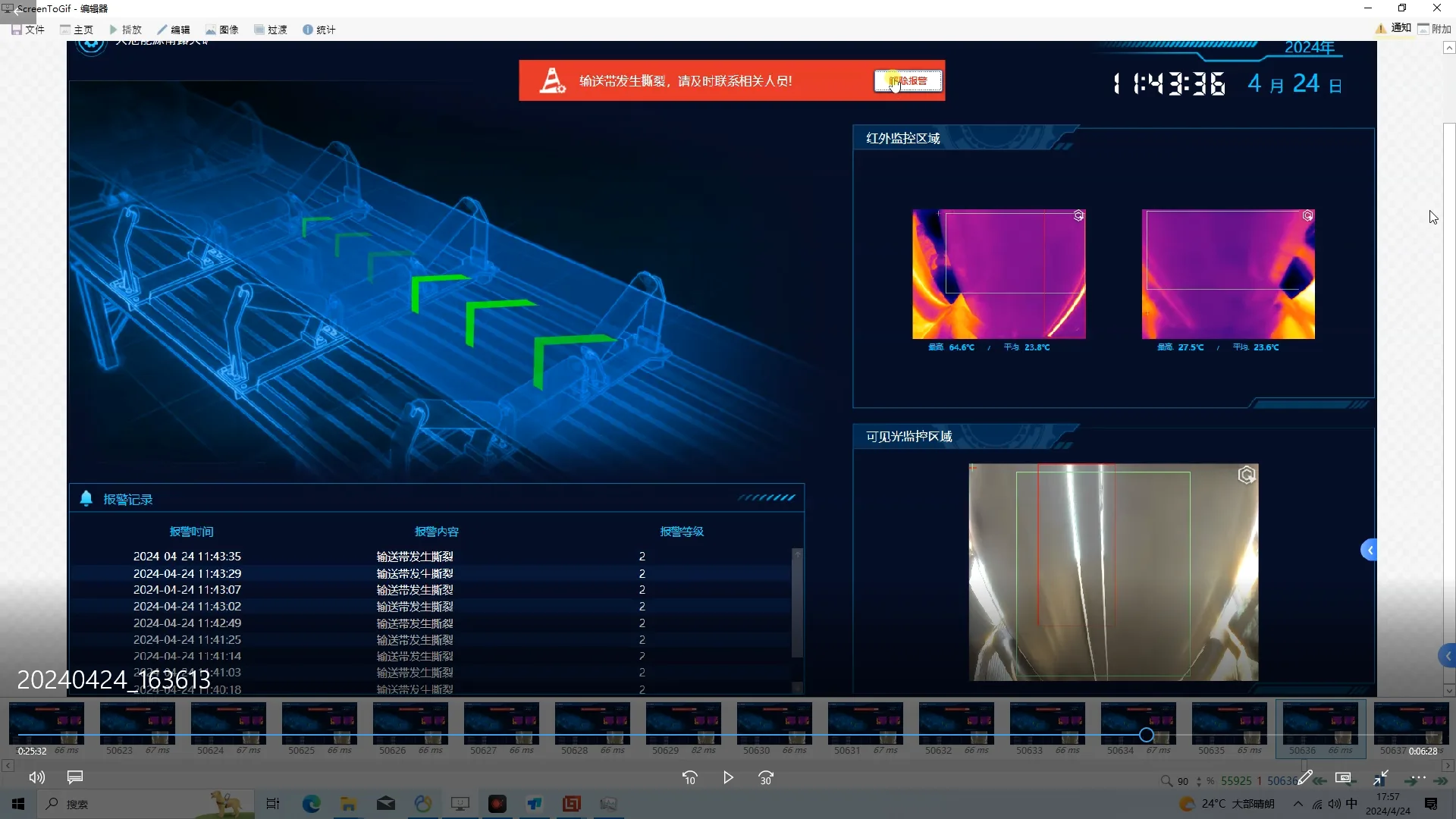
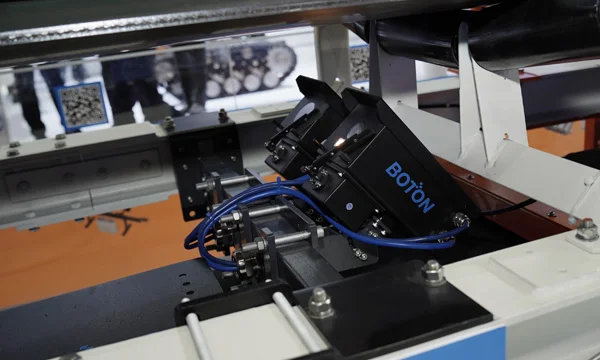
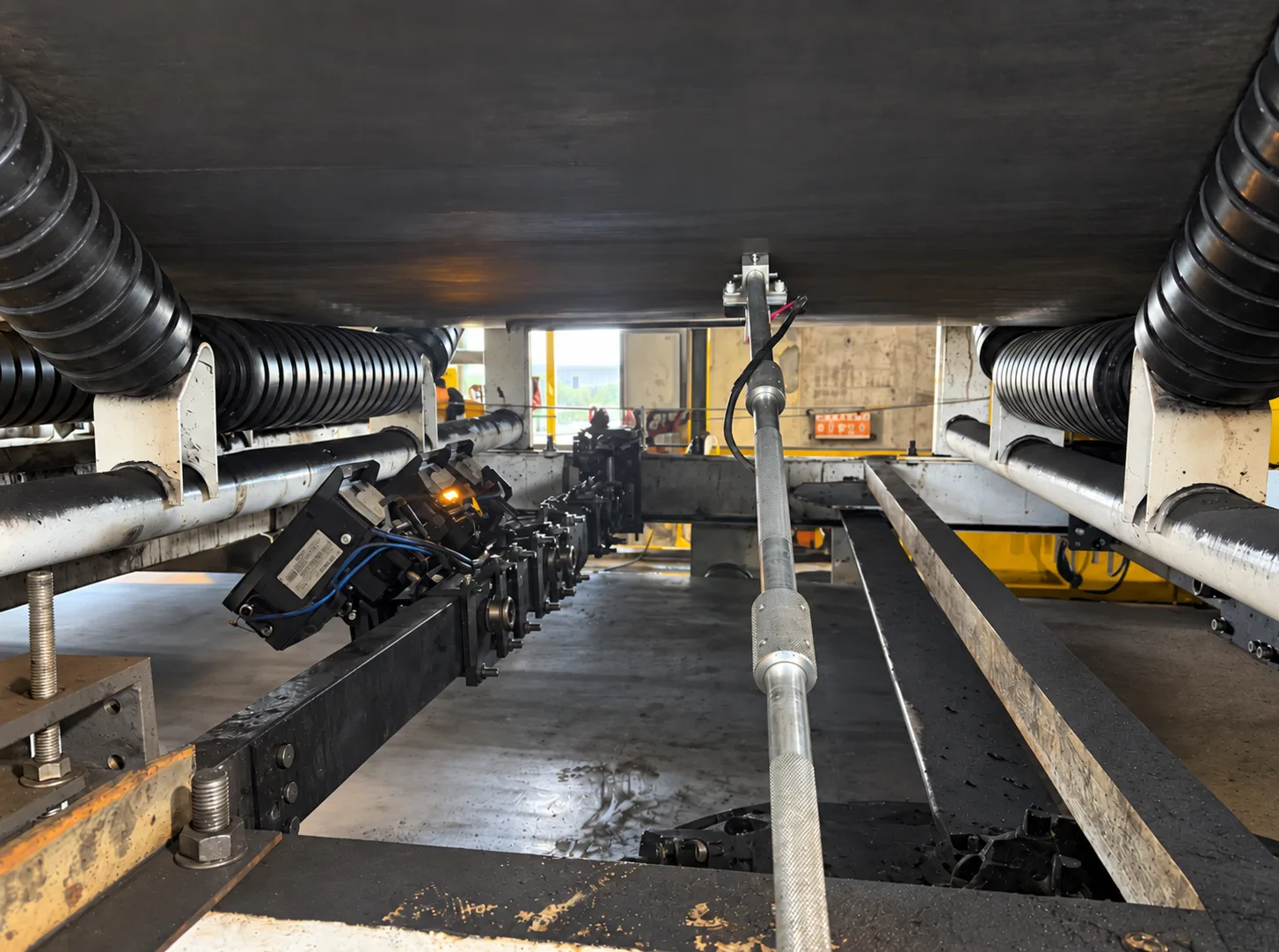
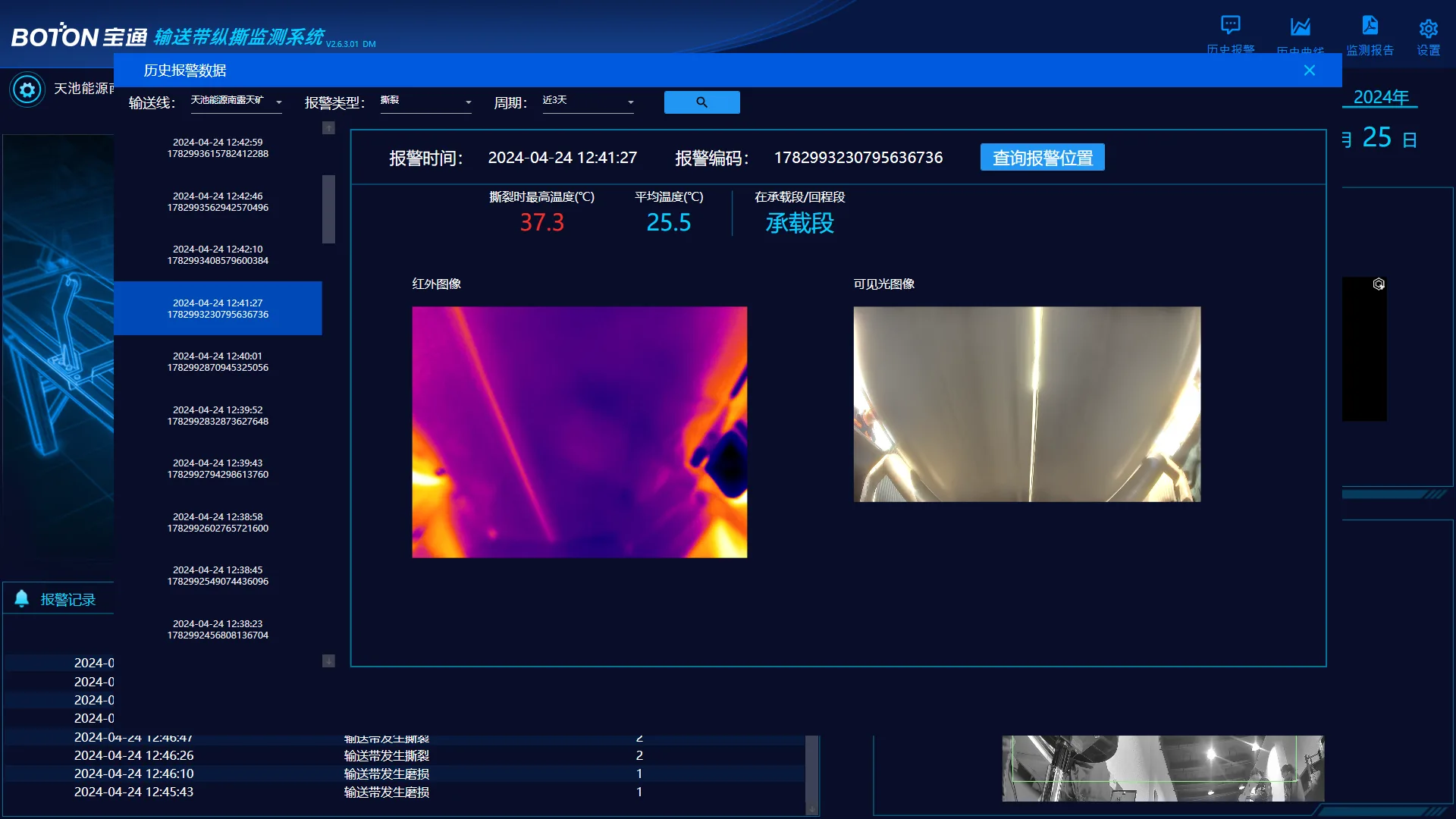
BOTON deployed continuous longitudinal rip monitoring to identify punctures, surface damage and developing tears while the conveyor is running, giving operators earlier warning before localized damage propagates further.

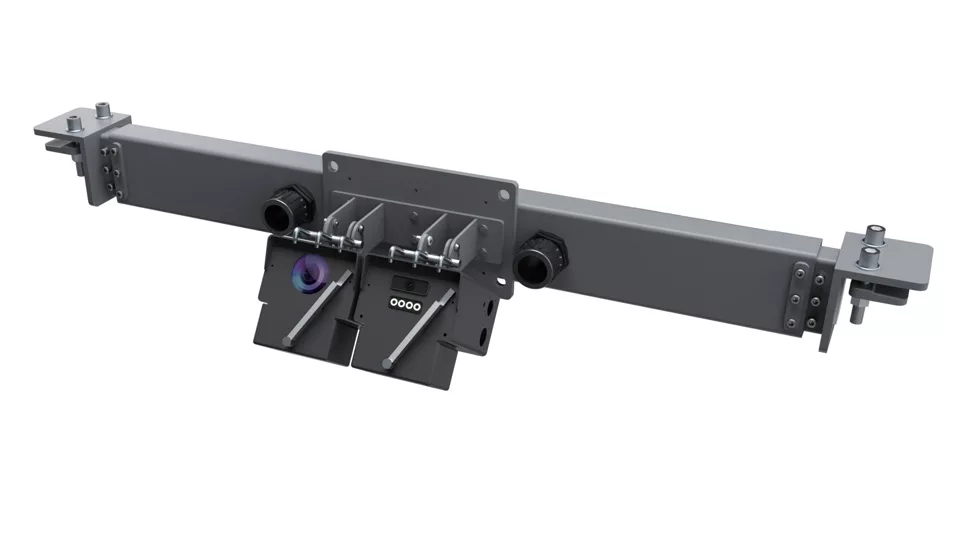
The solution is based on BOTON’s Vision Advanced™ conveyor belt rip monitoring technology for industrial bulk-material handling applications.

Field Validation Under Operating Conditions

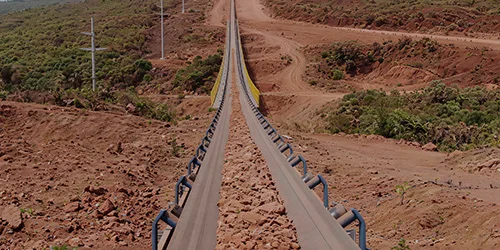
Before wider deployment, the system was tested on an operating 200 m conveyor running at 3 m/s.

Sharp gangue, metal objects and rigid trapped material were used to simulate punctures, scratches and longitudinal tearing under actual mine conditions. The test evaluated detection, alarm response and system stability rather than relying solely on laboratory verification.

Alarm and Conveyor Interlock Protection

When belt damage is detected, the system generates an alarm and can output a signal to the conveyor control system for interlock protection.

During the defined field tests, the required detection, alarm and interlock functions met the customer’s technical acceptance requirements.

Site-Specific Deployment

Following acceptance at the South Open-Pit Mine, four systems were deployed on key coal conveyors. At Jiangbu Power Plant, the same technology was adapted to a substantially longer conveyor route exceeding 12 km.

The two applications demonstrate how longitudinal rip monitoring can be configured for both open-pit mining and long-distance coal handling environments.

Project Gallery

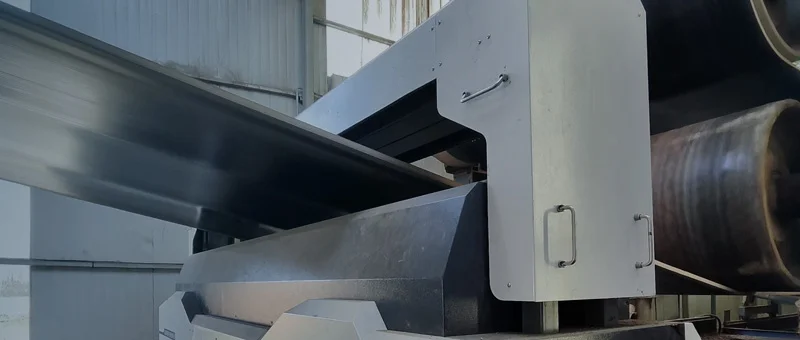
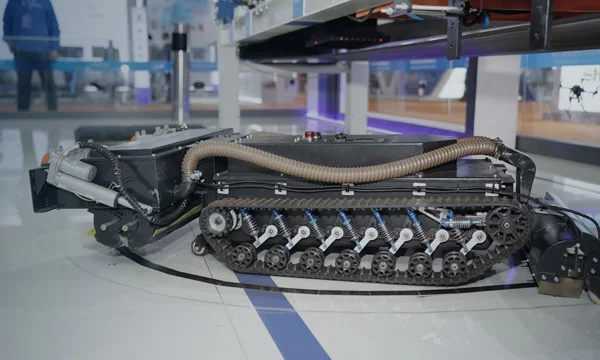
See field photos from BOTON’s conveyor belt rip monitoring projects for Tianchi Energy in Xinjiang, from on-site testing and installation to long-distance coal conveying applications.

Related Products

"*" indicates required fields

This field is for validation purposes and should be left unchanged.
Full Name*
Tell us what you need, and include any relevant specifications or project details if available.
Accepted file types: pdf, doc, docx, xls, xlsx, ppt, pptx, csv, txt, jpg, jpeg, png, zip, dwg, dxf, Max. file size: 20 MB.
Upload an RFQ, technical specification, drawing, or other relevant document.


Let's Talk!

Whether you have a question about our services, a project idea, or just want to say hello, we're here to listen.

Desktop mode detected.
Please switch to mobile view for a better browsing experience.