
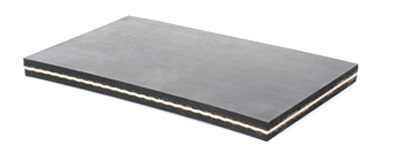
Fire resistant belts are designed to delay ignition, limit flame spread and support safe shutdown. They must be used together with proper fire safety systems and operating controls.

BOTON fire resistant conveyor belts are engineered to help reduce fire-risk uncertainty, limit flame propagation and support reliable operation in demanding surface and underground conveying applications.
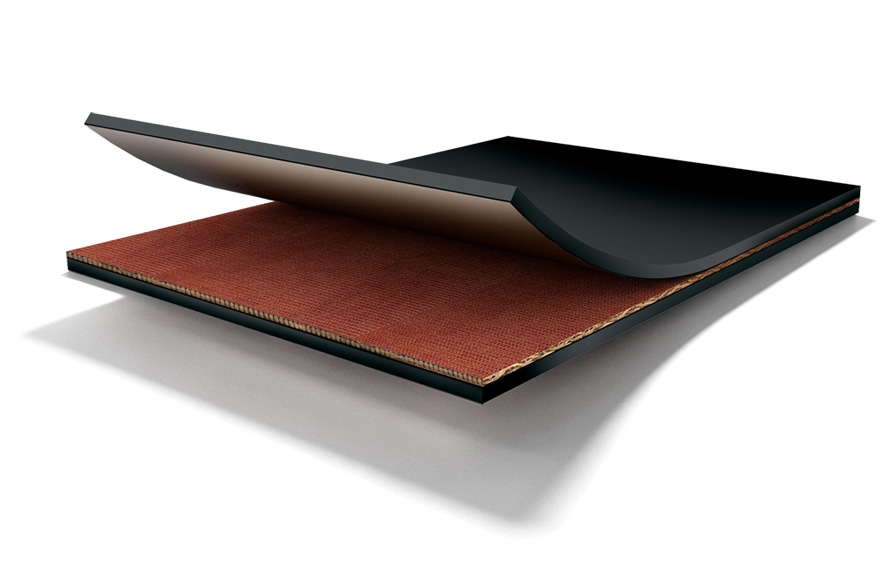
Explore Fire-Resistant BeltsSpecial rubber compounds and belt structures help reduce ignition and flame propagation risk.
Designed to support self-extinguishing performance after the flame source is removed.
Stable belt construction supports continuous operation under demanding conveying conditions.
Available for project-specific specification, testing documentation and application requirements.
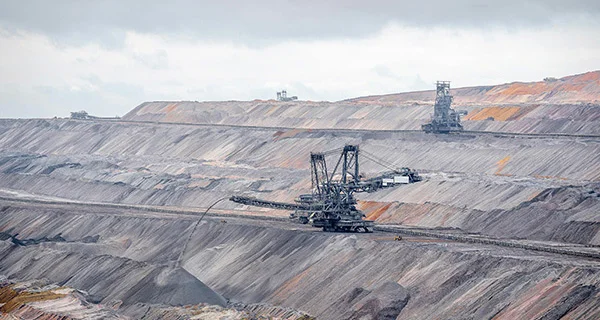
Mining
Power Generation
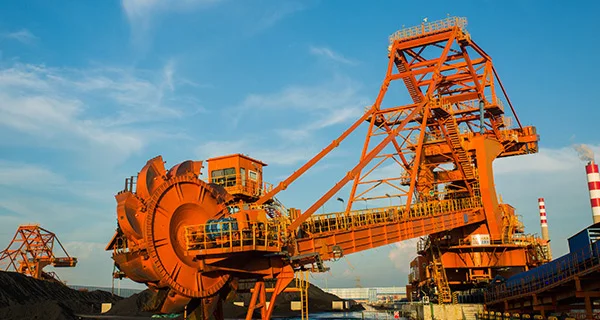
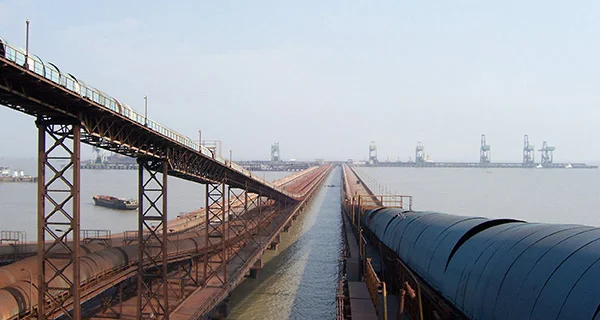
Ports & Terminals
Steel
Chemical Processing
Fire-resistant belts should be selected by operating environment, belt tension, installation conditions and long-term maintenance priorities.
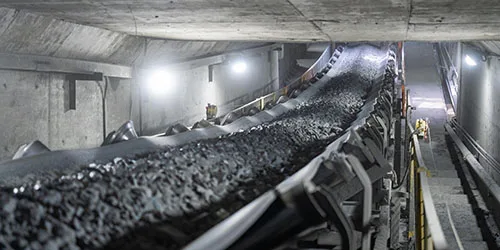
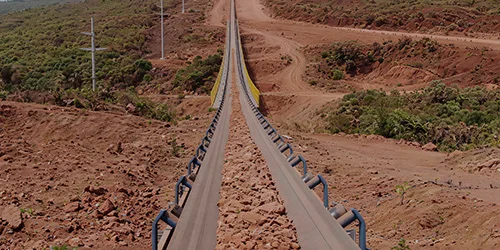
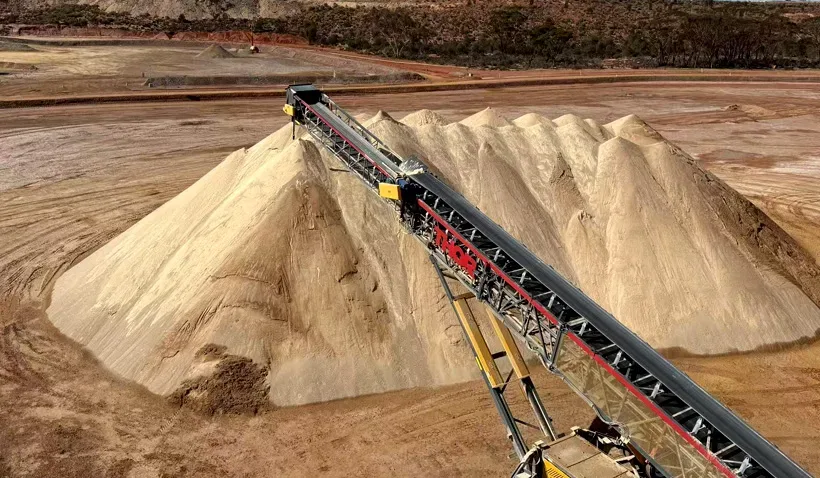
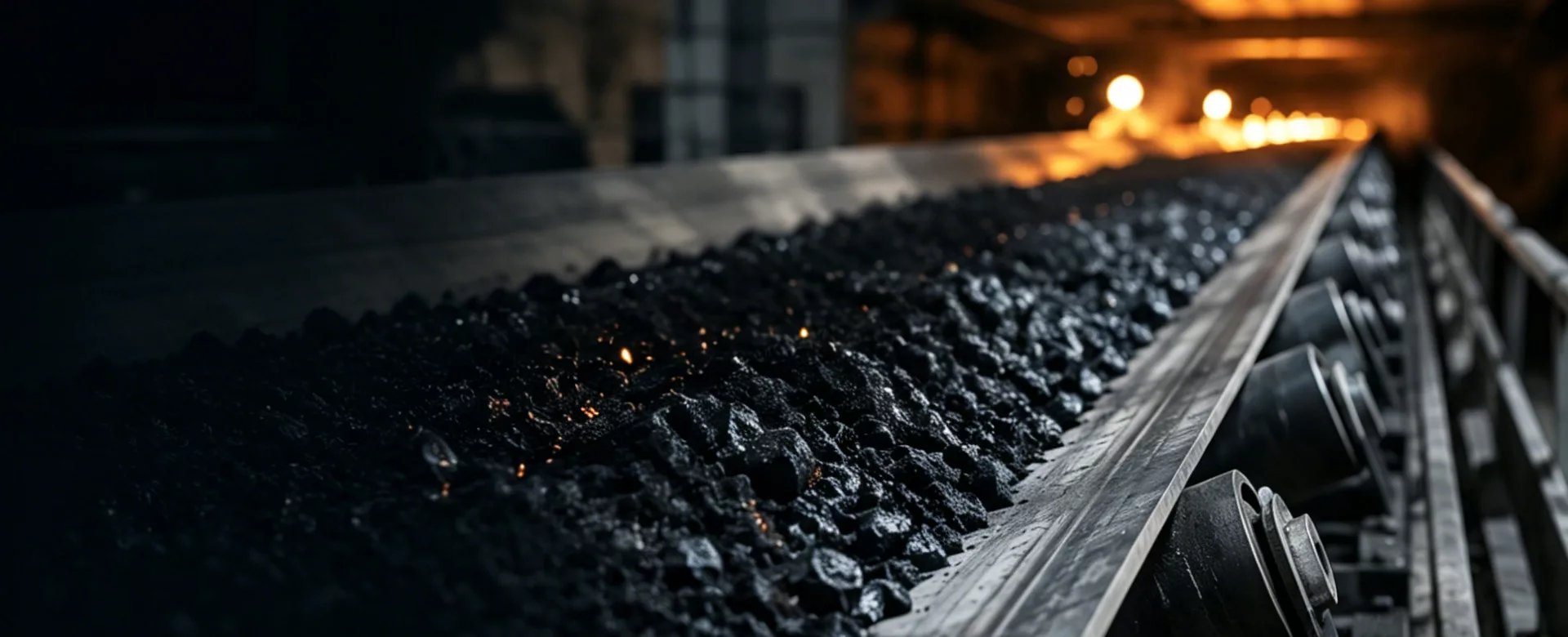
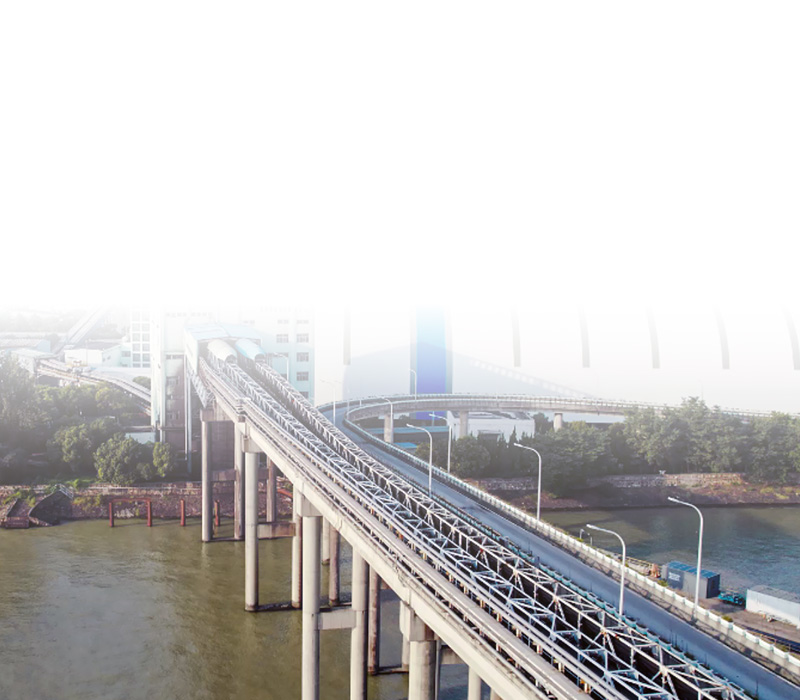
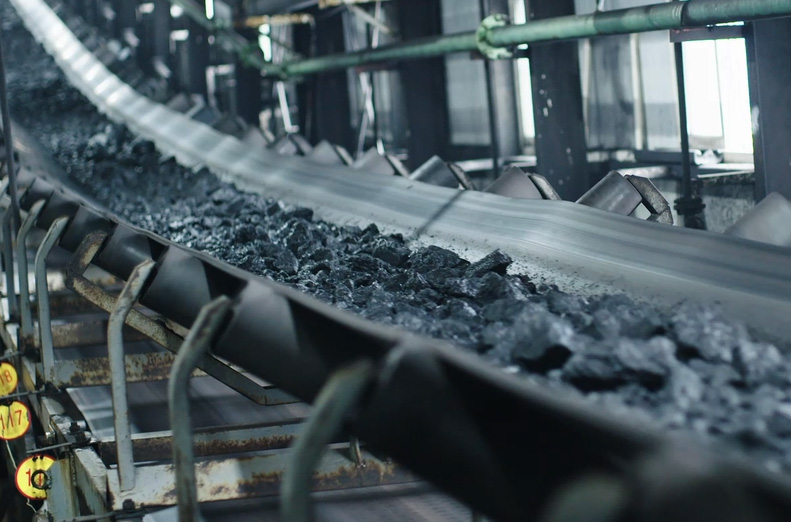
Fire resistant protection for above-ground coal conveying.
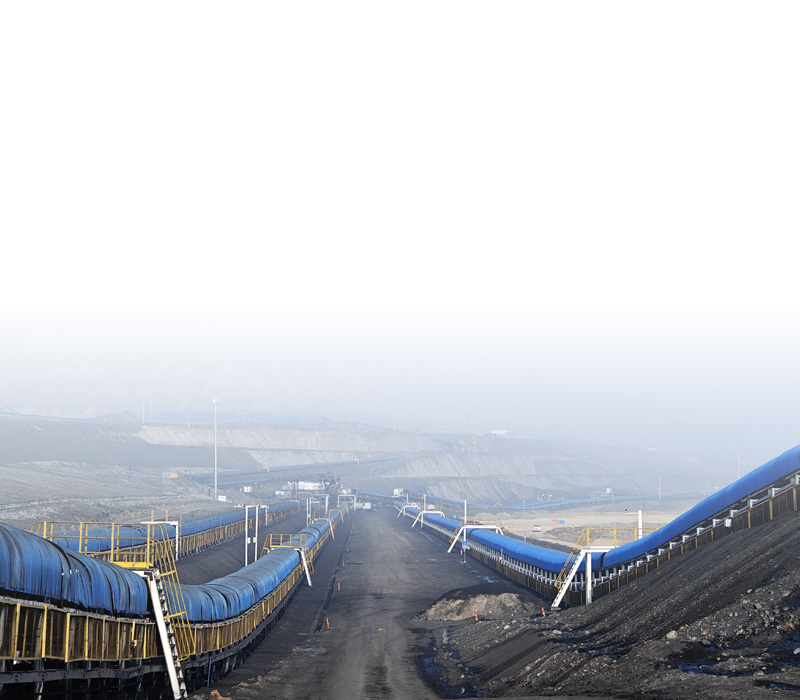
Reliable belt performance for high-capacity terminal operations.
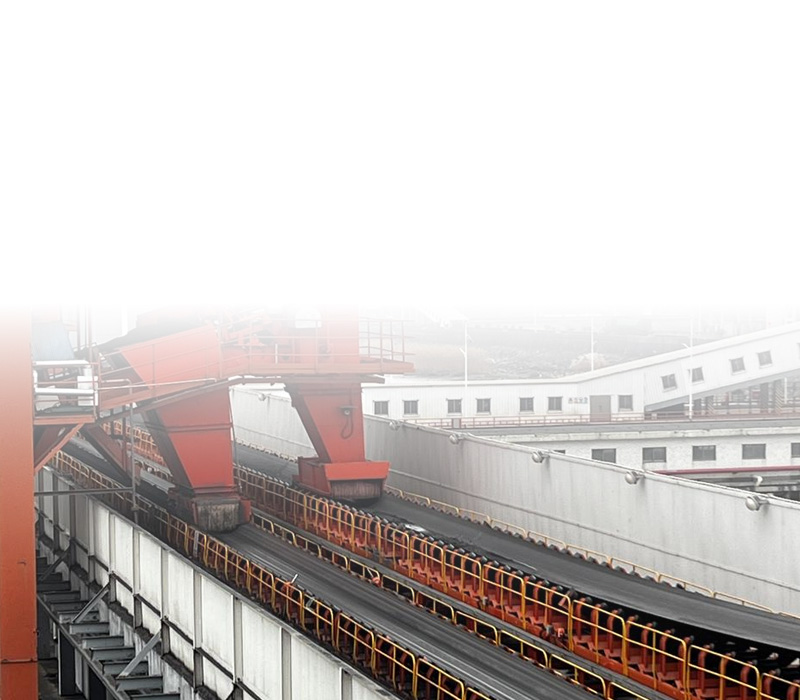
Application-specific fire-resistant belts for industrial material handling.
Mainstream fire resistant structure for high-tension underground conveying.
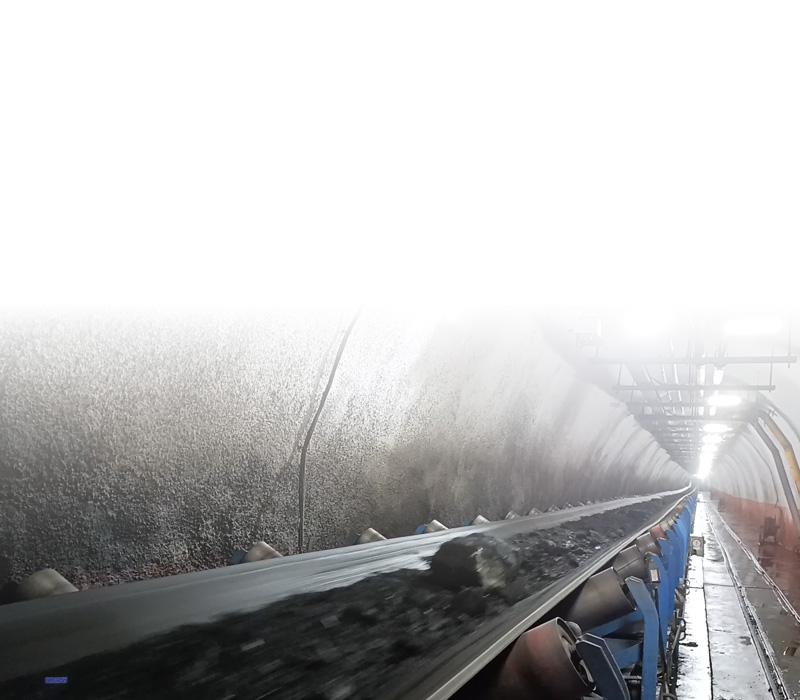
Proven underground belt structure for mature operating environments.
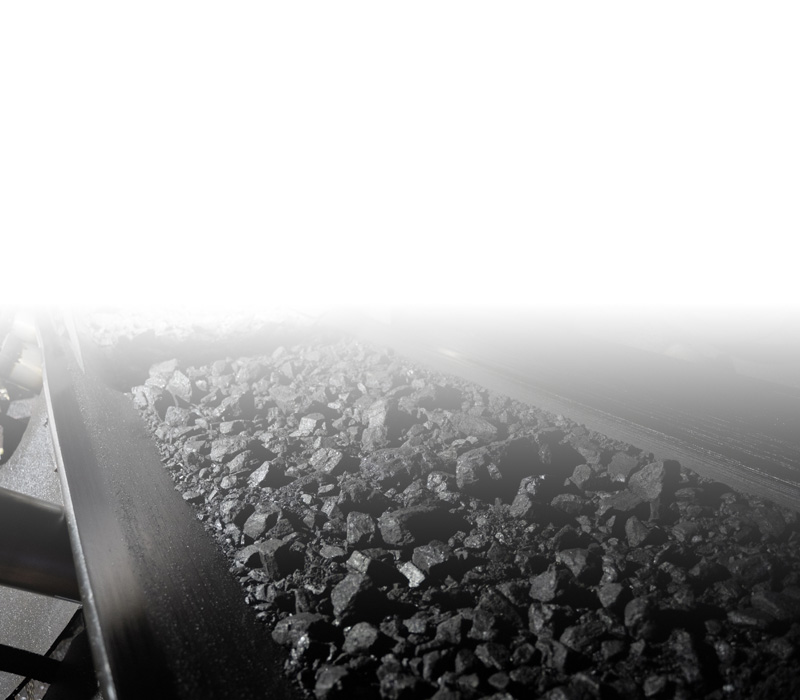
Upgrade options for demanding underground performance needs.
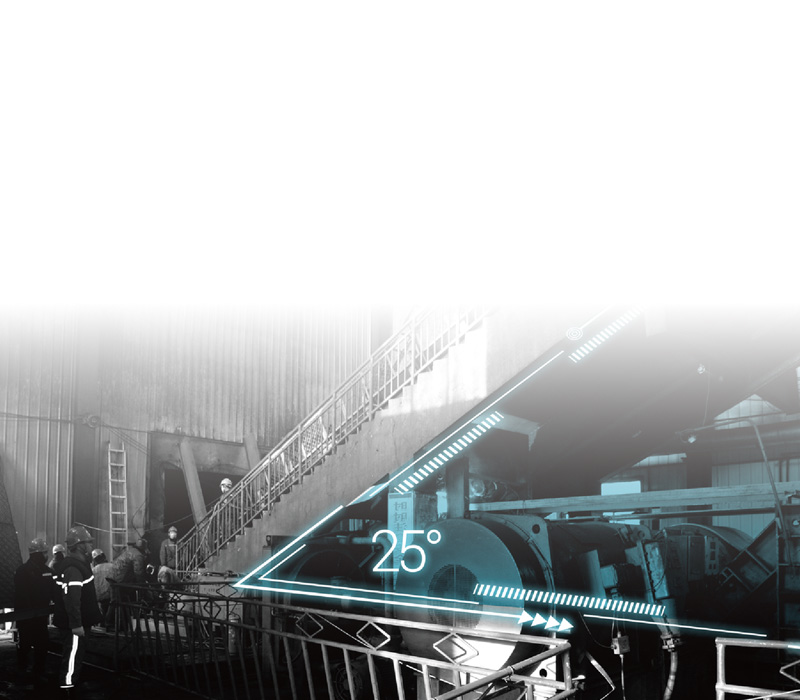
PREMIUM LIGHTWEIGHT UPGRADE
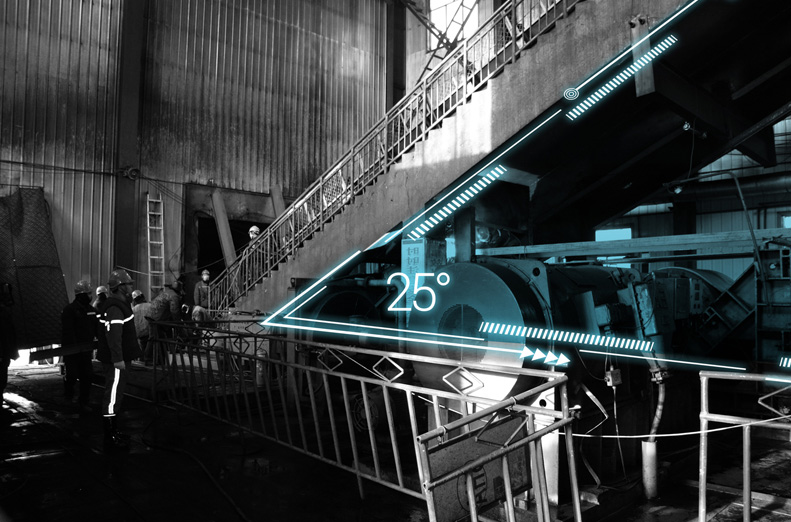
Aramid Fire-Resistant Belt helps reduce belt weight, splice quantity and energy demand in long-distance or steep-angle underground conveying systems.
Density vs. steel cord
Carcass weight
Total belt weight
Real-world results from aramid fire-resistant belt application.
lower average current
daily saving
annual saving
annual CO₂ reduction
Fire resistant performance must be proven before it reaches the site.
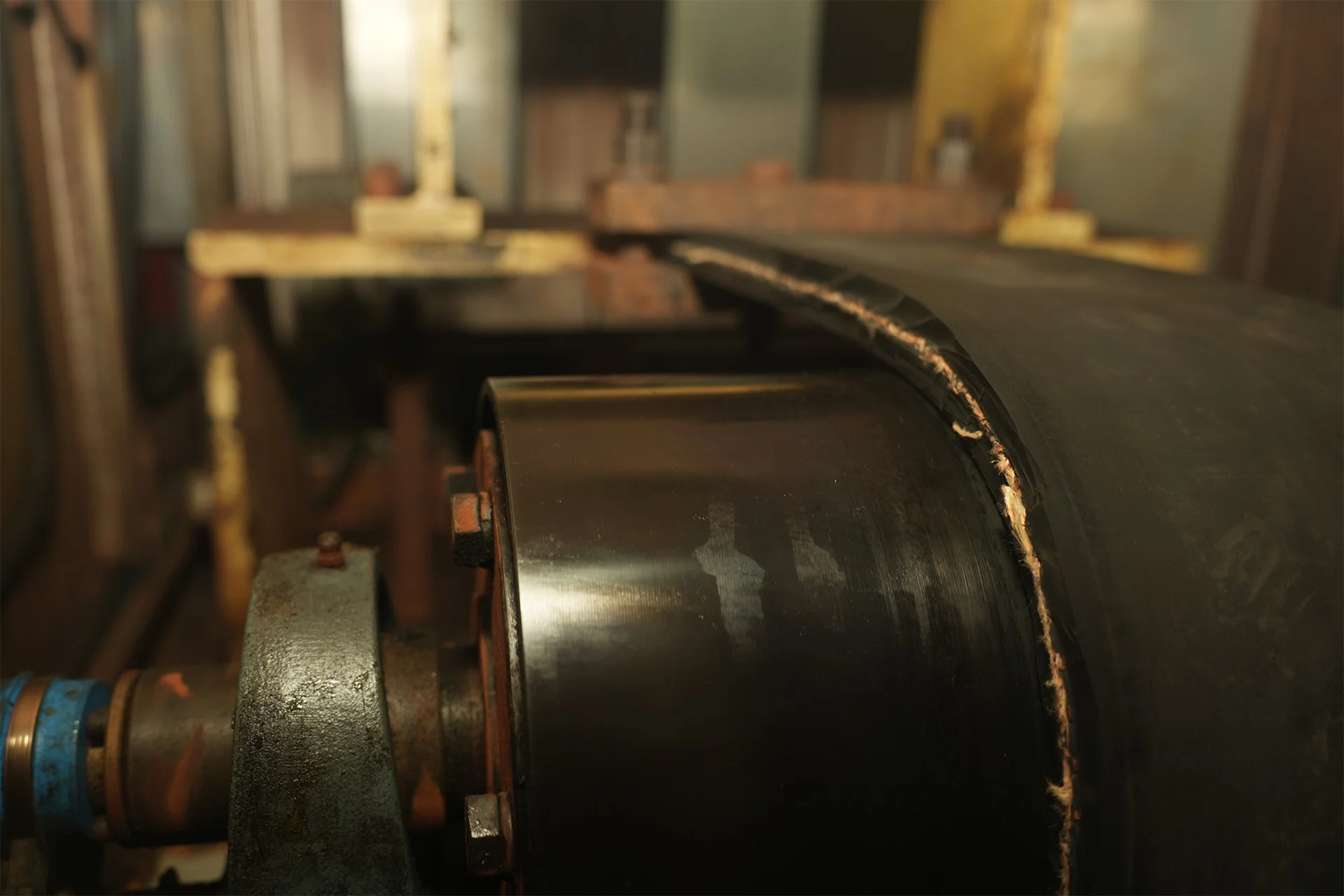
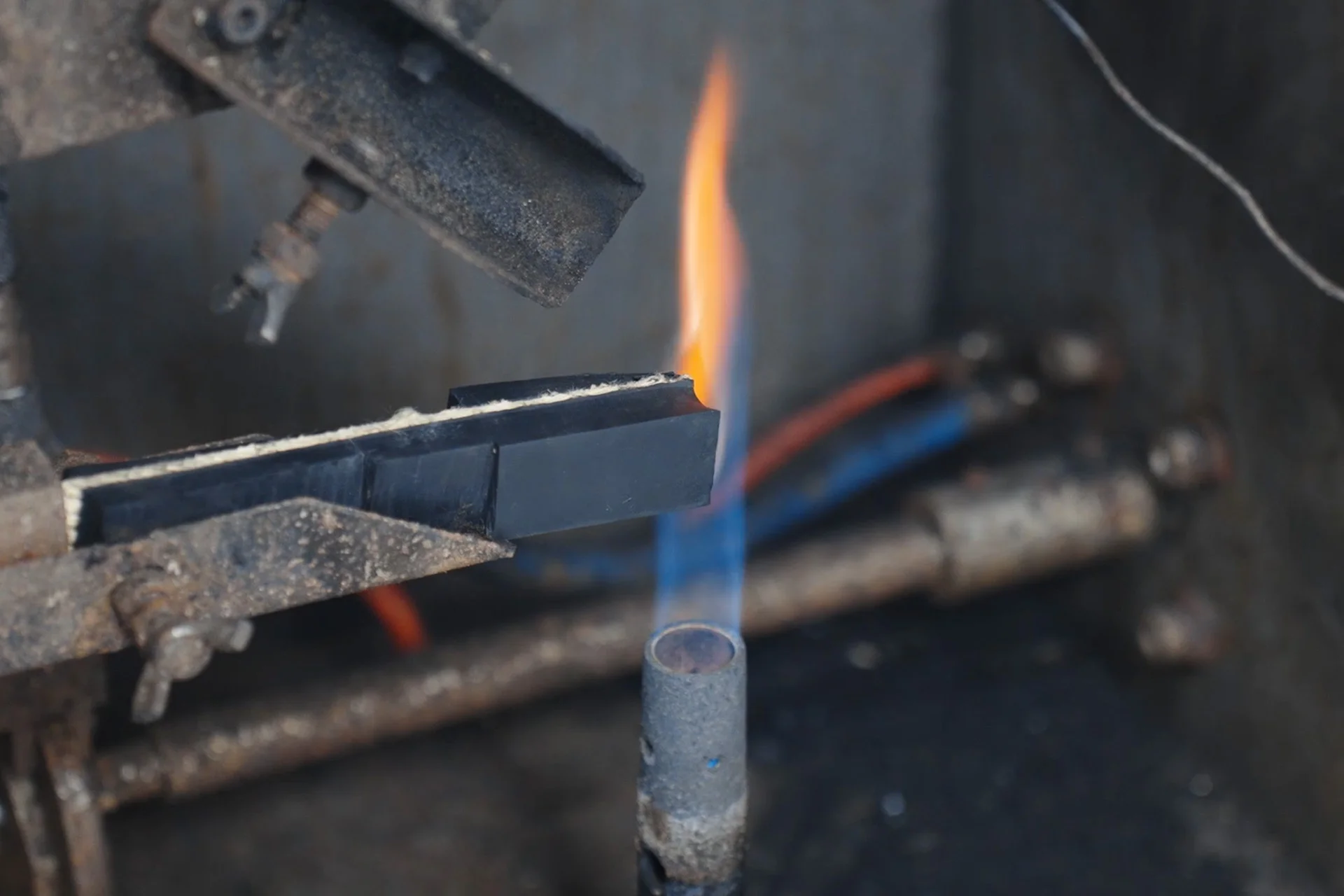
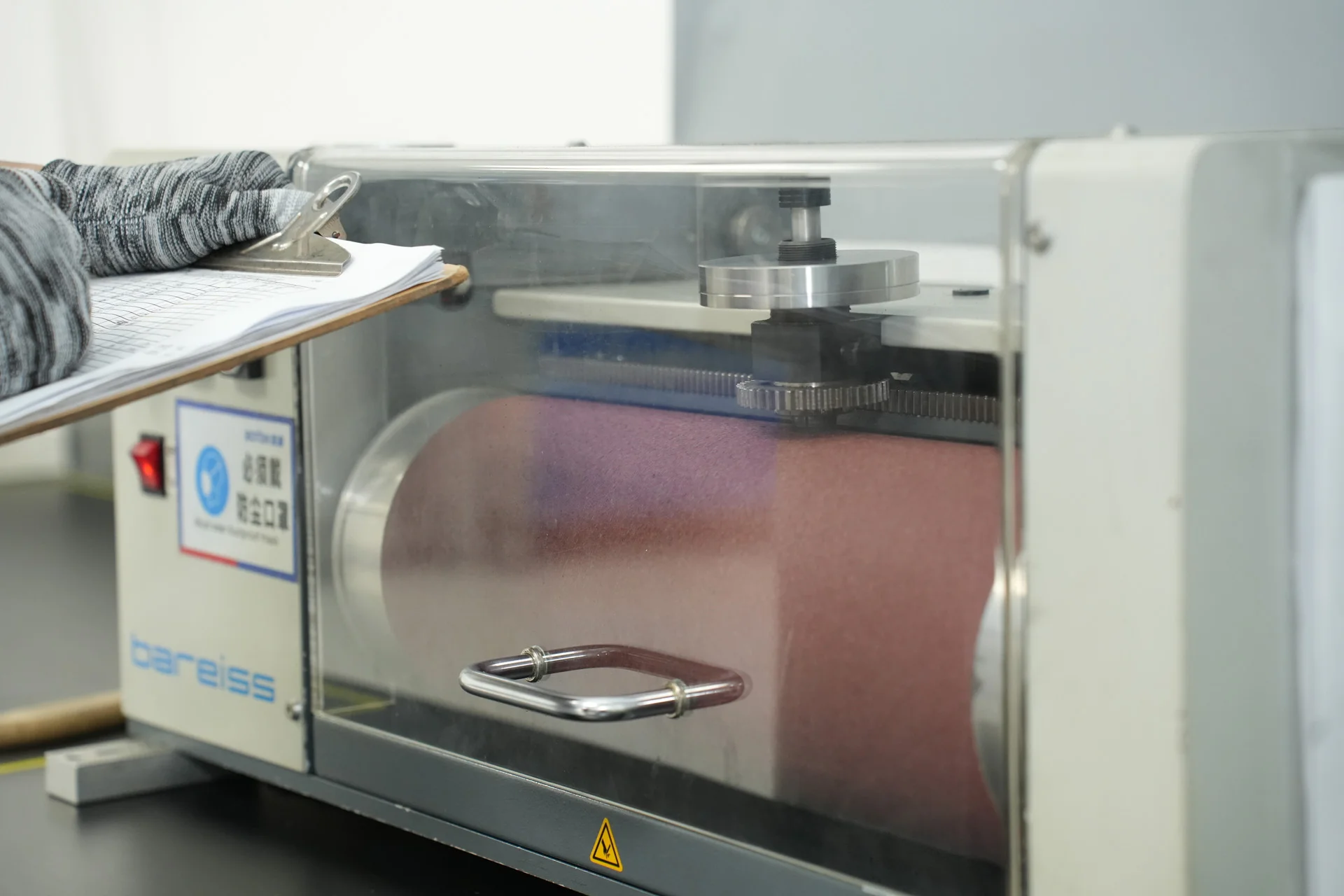
BOTON’s testing process evaluates how belt structures respond to friction, flame, static discharge, wear and splicing conditions — helping operators reduce fire-risk uncertainty and improve long-term conveying reliability.
UNDERGROUND STRUCTURE SELECTOR
Underground fire-resistant belt selection starts with the structure you use today — and the limitation you need to solve.
PATH 01
Upgrade when troughability, flexibility, edge wear or wet/cold conditions begin to limit performance.
PATH 02
Upgrade when belt weight, splice quantity, lifting tension or energy use becomes the hidden cost.
Fire resistant does not mean fireproof
Fire resistant belts are designed to delay ignition, limit flame spread and support safe shutdown. They must be used together with proper fire safety systems and operating controls.
Why anti-static performance matters
In dust-prone or explosive environments, static discharge can become an ignition source. Anti-static performance is critical for coal, chemical, grain and underground applications.
Steel cord or solid woven?
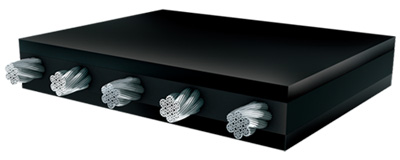
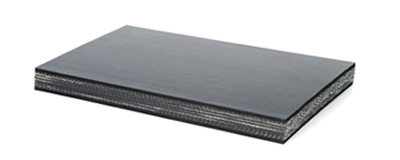
Steel cord is typically used for high-tension, long-distance and main haulage systems. Solid woven PVC/PVG is widely used for mature underground applications with proven installation and maintenance practices.
When to consider FRS laminated belts
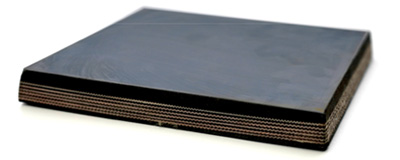
FRS is suitable when operators want an upgrade path from traditional PVC/PVG systems, especially where troughability, flexibility, corrosion resistance and wear performance matter.
When aramid becomes worth considering
Aramid becomes more compelling when reduced belt weight, fewer splices, lower energy consumption or steep-angle conveying can create clear lifecycle value.
Splice method and maintenance strategy
Splice design depends on belt structure, installation conditions and maintenance priorities. Correct splicing is essential for long-term fire-risk conveying reliability.
CASE STUDY
CASE STUDY
Download the product brochure for key features, applications, and solution highlights.
Lightweight Aramid Belt Technology Supporting Smoother, More Efficient Long-Distance Coal Transport
View More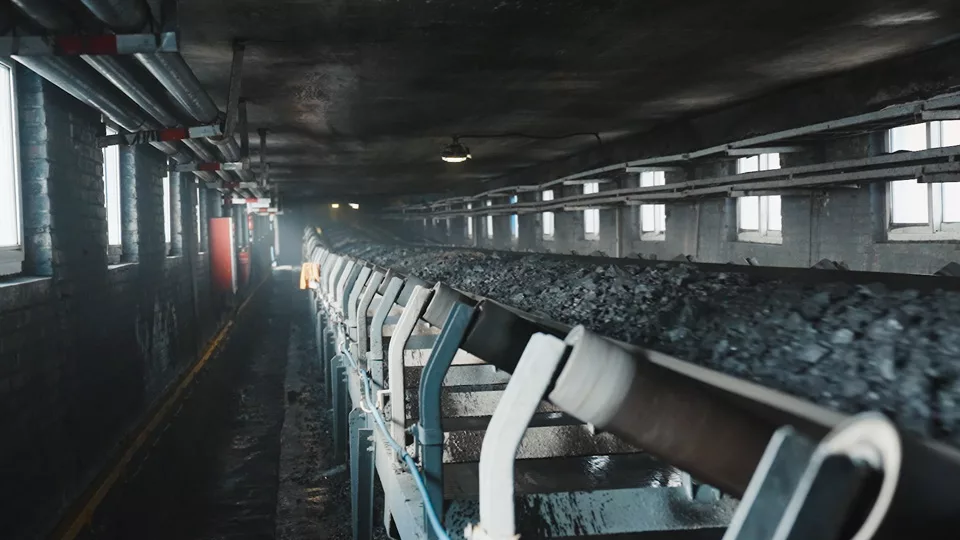
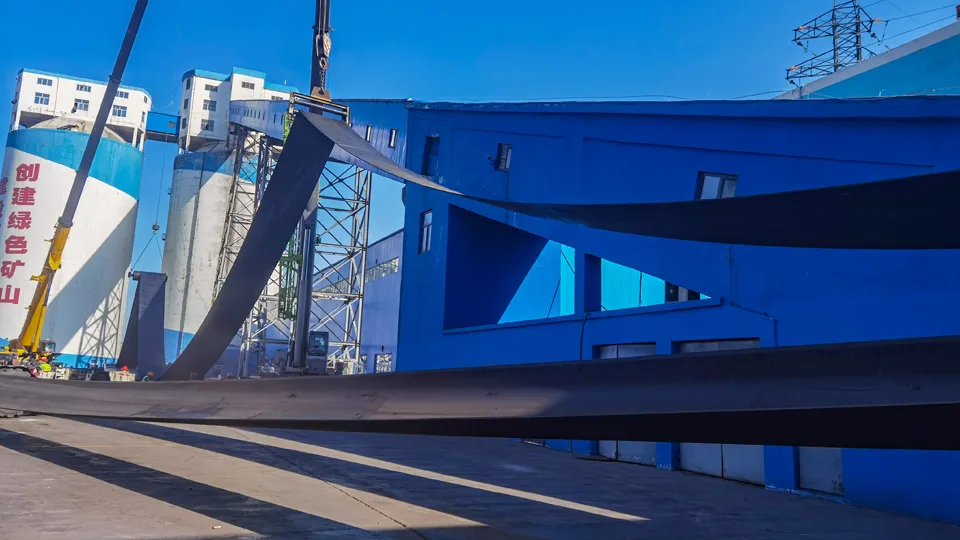
A fire-resistant aramid conveyor belt supporting long-distance, high-capacity and energy-efficient coal transport at CHN Energy Shangwan Coal Mine.
View More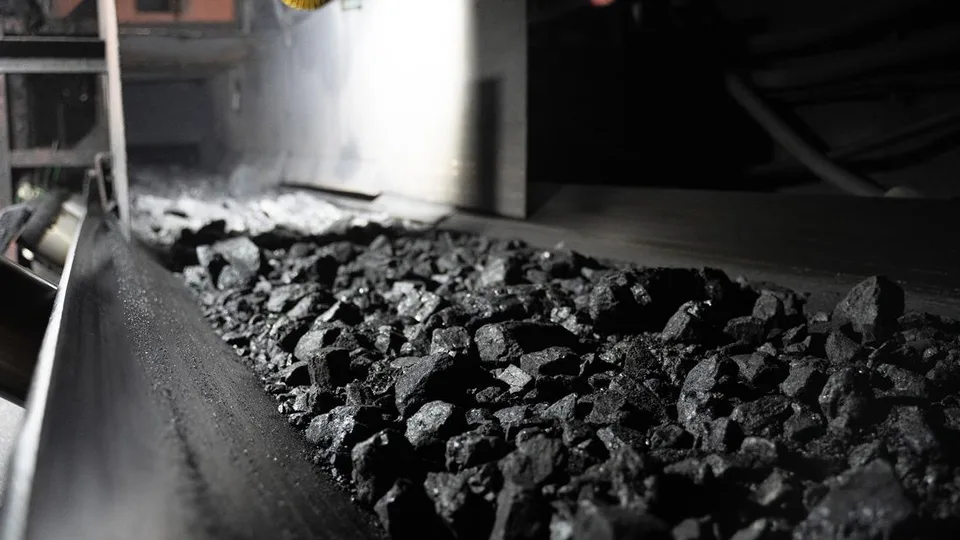
Slashing Annual Energy Costs by 2.2 Million RMB and Doubling Asset Lifespan via "Body-Armor" Grade Engineering
View More"*" indicates required fields
Whether you have a question about our services, a project idea, or just want to say hello, we're here to listen.