



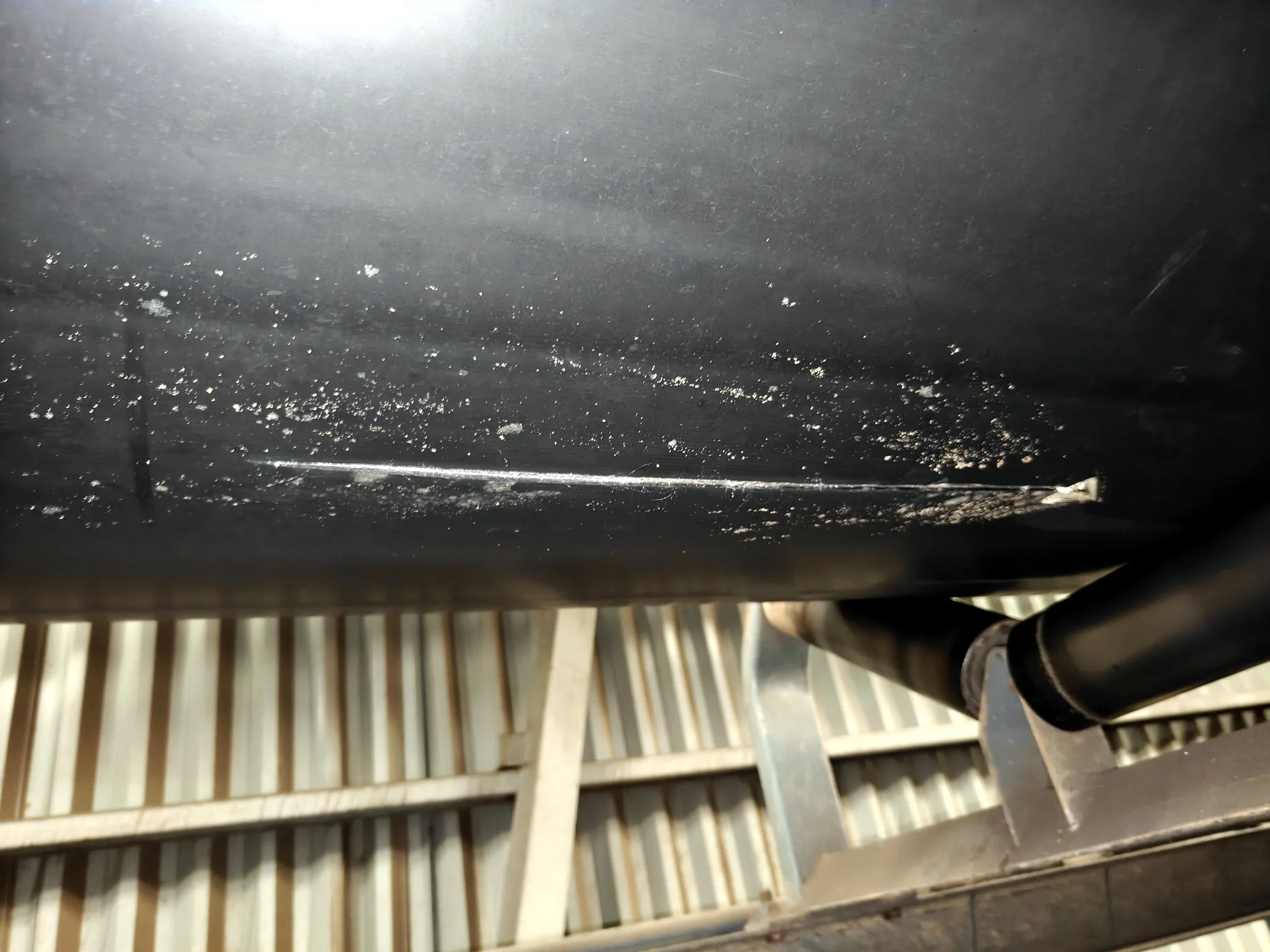
AI Conveyor Belt Rip Detection Field Test at Shougang Mining, Tangshan

Competitive Field Validation Under Real Mining Conditions

AI Conveyor Belt Rip Detection Field Test at Shougang Mining, Tangshan
Case Chanllenges

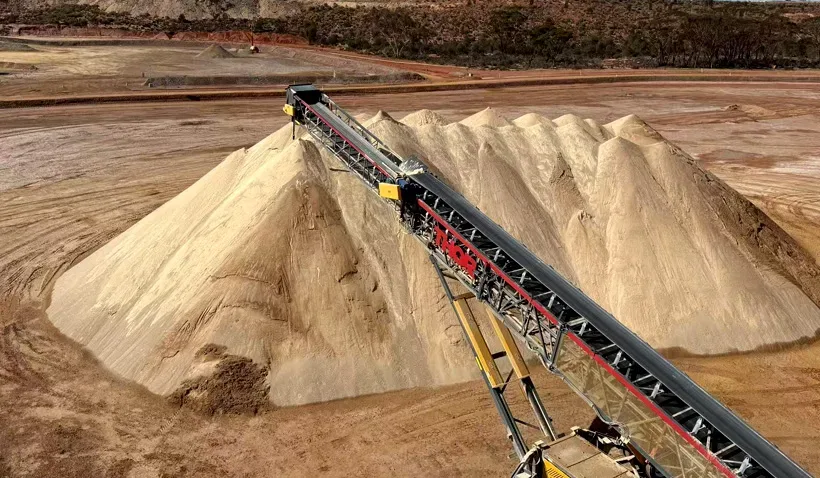
For a conveyor belt rip detection system, laboratory performance is only part of the equation. In an operating mine, dust, vibration, uneven lighting and normal belt surface marks can all interfere with detection—while a genuine longitudinal rip can develop within seconds.

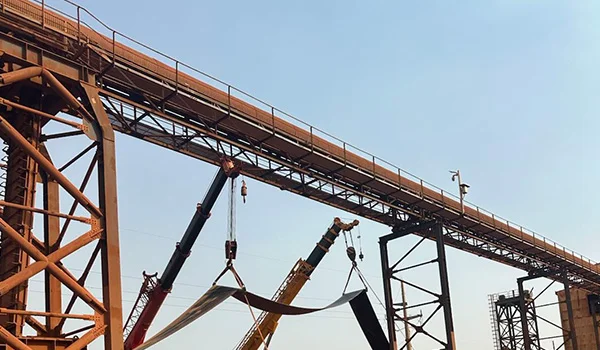
At Shougang Mining in Tangshan, BOTON participated in two rounds of competitive field testing designed to evaluate longitudinal rip detection systems under the same operating conditions. Multiple suppliers were tested side by side, with controlled dynamic puncture tests carried out on a running 1,200 mm conveyor belt operating at 1.5 m/s.

BOTON’s Vision Advanced™ conveyor belt rip detection system successfully detected every defined rip event during the two test rounds, with an average alarm response time of no more than 200 ms.

The project provided a direct field validation of AI-based conveyor belt monitoring under demanding mining conditions, where detection accuracy, response speed and resistance to environmental interference could be evaluated simultaneously.
Core Achievements

100% Detection in Defined Field Tests

Across the two rounds of controlled dynamic rip testing, the system successfully identified all defined belt damage events, with no missed detections or false alarms recorded during the test program.

≤200 ms Average Alarm Response

The average alarm response time during the field tests was no more than 200 ms, enabling abnormal belt damage to be identified rapidly while the conveyor was operating.

Stable Performance in Competitive Testing

The system maintained stable data acquisition and monitoring throughout both test rounds despite dust, vibration, variable lighting and the presence of multiple monitoring systems operating in the same test area.

Key Facts

  • Industry: Mining
  • Location: Tangshan, Hebei, China
  • Application: Conveyor belt longitudinal rip detection
  • Belt Width: 1,200 mm
  • Belt Speed: 1.5 m/s
  • Test Method: Controlled dynamic puncture and rip simulation on a running conveyor
  • Test Format: Two competitive field test rounds
  • Suppliers Participating: 2 suppliers in Round 1; 3 suppliers in Round 2
  • Detection Result: 100% of defined test events detected
  • Average Alarm Response: ≤200 ms
Key Facts

Project Challenges

Detecting Sudden Damage on a Moving Belt

The test was designed to reproduce the type of sudden puncture and longitudinal tearing that can occur when sharp or rigid objects come into contact with a moving conveyor belt.

Unlike gradual wear, these events develop rapidly. The monitoring system therefore needed to identify abnormal features quickly enough to support an early response before localized damage could propagate along the belt.

Separating Genuine Rips from Mining-Site Interference

The conveyor operated in a demanding industrial environment with significant dust, continuous equipment vibration and changing lighting conditions.

At the same time, normal belt marks, surface contamination and movement could produce visual features that resemble damage. Reliable detection therefore depended not only on identifying abnormalities, but also on distinguishing genuine rip events from normal operating interference.

Direct Comparison Under Identical Conditions

This was not an isolated product demonstration.

The customer organized two rounds of competitive testing, with multiple suppliers operating under the same field conditions and following the same test procedure. Equipment installation, commissioning and parameter optimization also had to be completed within a tightly controlled test schedule.

This created a demanding environment in which detection performance and system stability could be compared directly.

BOTON Solution

BOTON Solution

AI Vision-Based Longitudinal Rip Monitoring

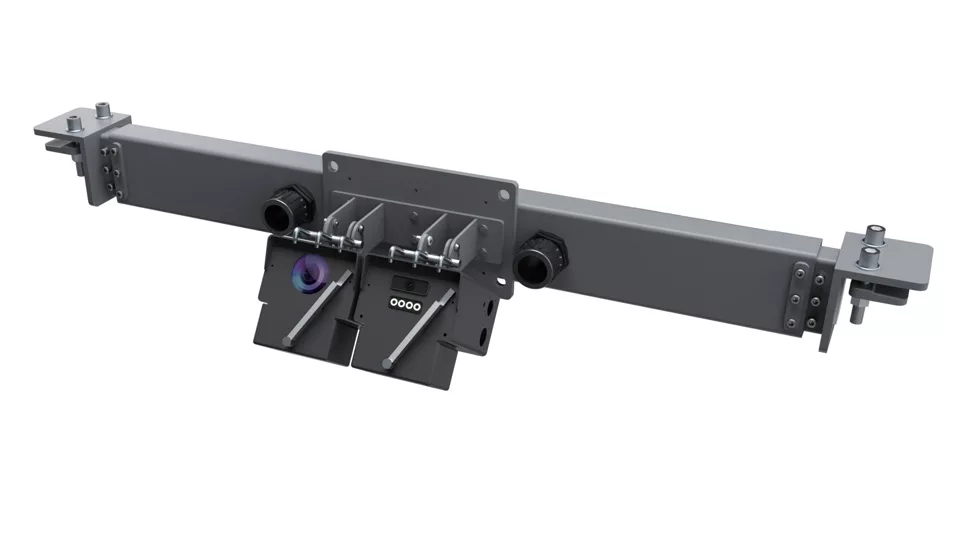
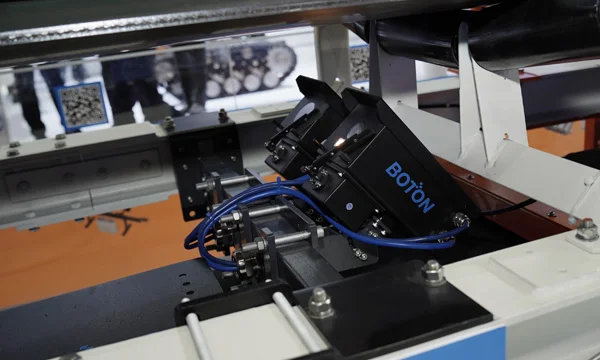
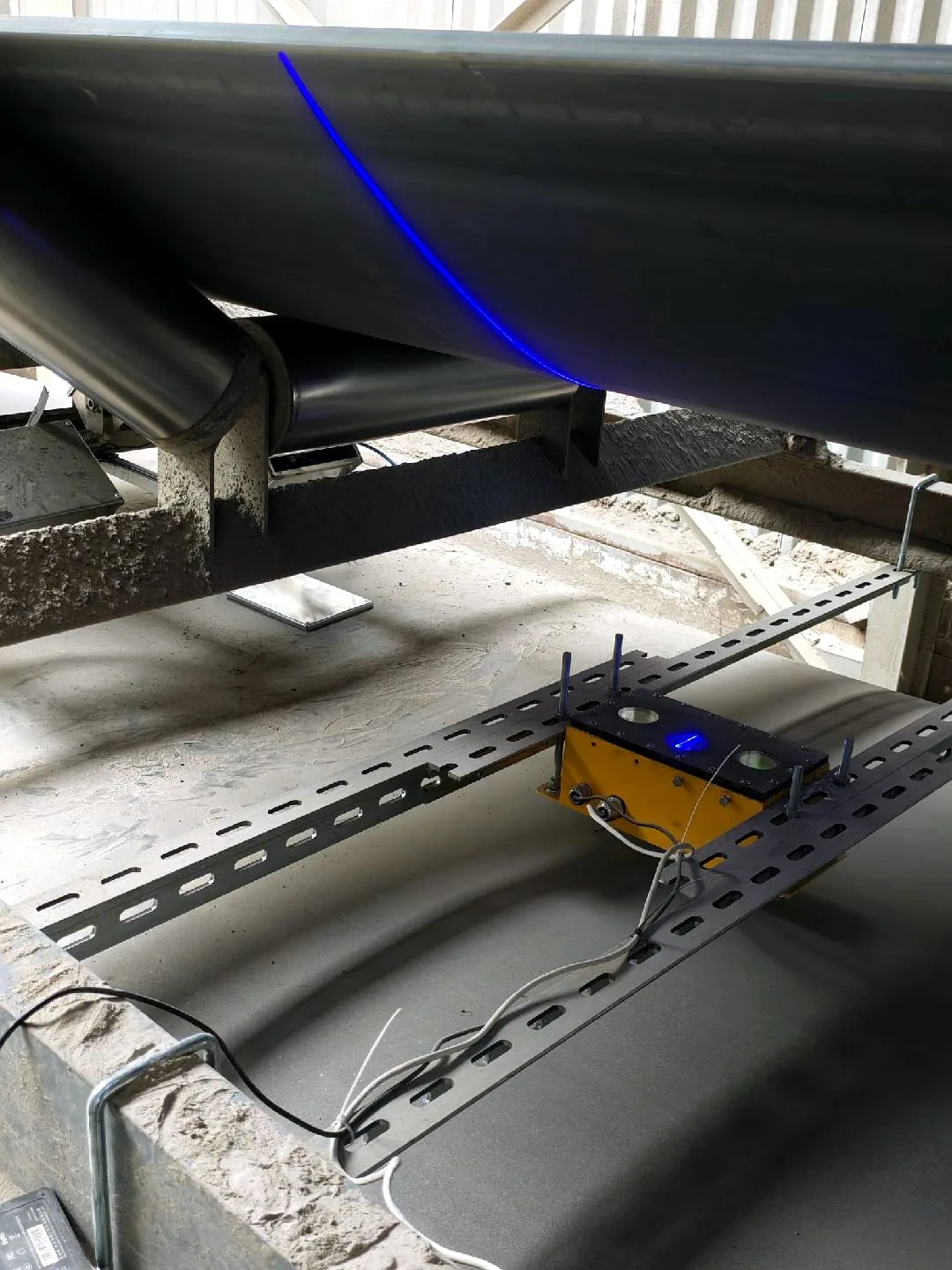
BOTON deployed its non-contact AI vision-based longitudinal rip monitoring technology to continuously observe the conveyor belt while it was running.

Vision Advanced™ combines intelligent image analysis with multimodal monitoring to identify abnormal belt features associated with longitudinal tearing and abnormal wear.

Compared with monitoring approaches that depend solely on a single signal, the system uses multiple sources of visual information to improve recognition reliability under changing operating conditions.

Learn more about BOTON’s broader intelligent conveyor monitoring solutions for mining and bulk material handling applications.

Site-Specific Calibration for Harsh Conditions

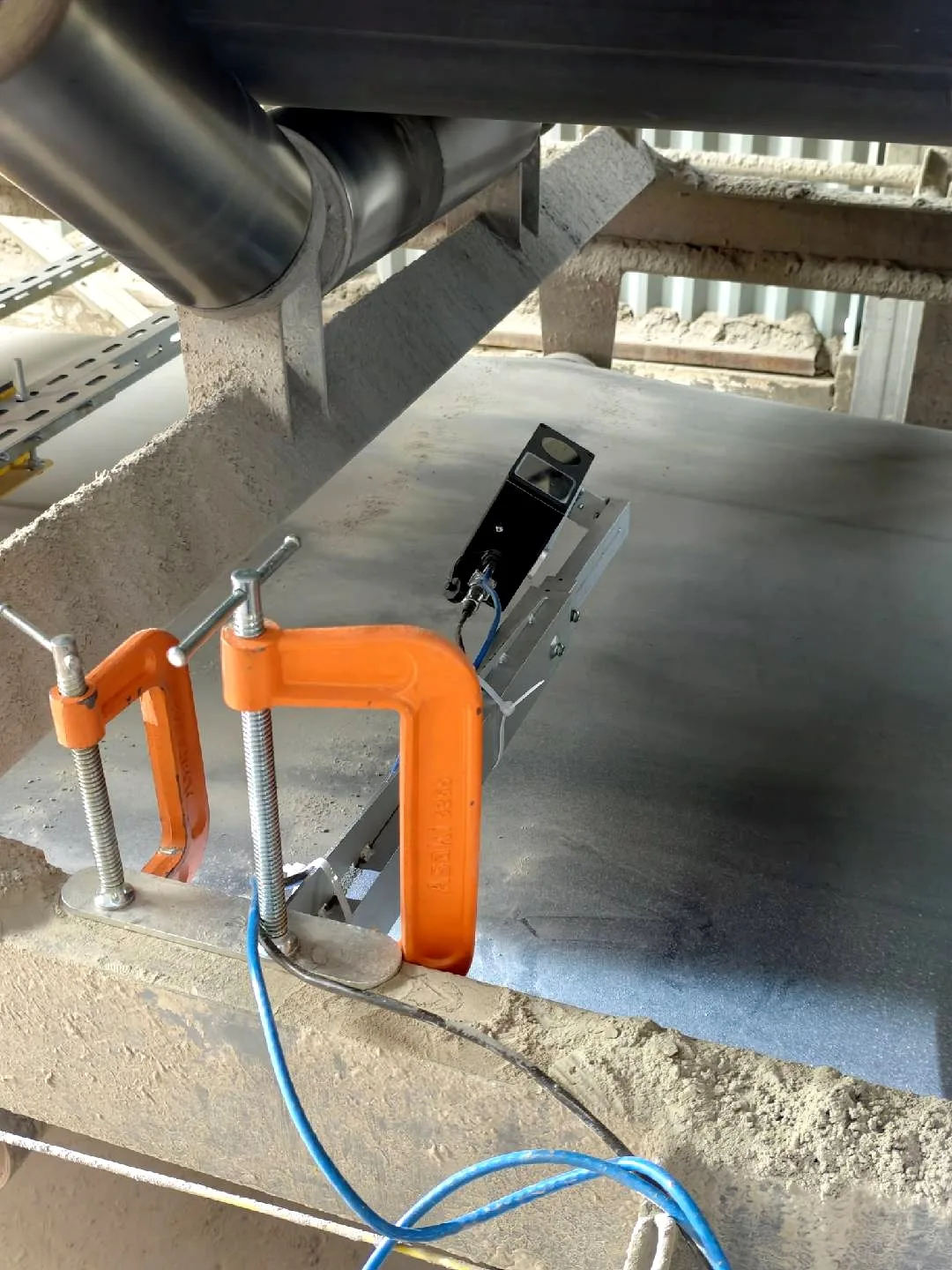
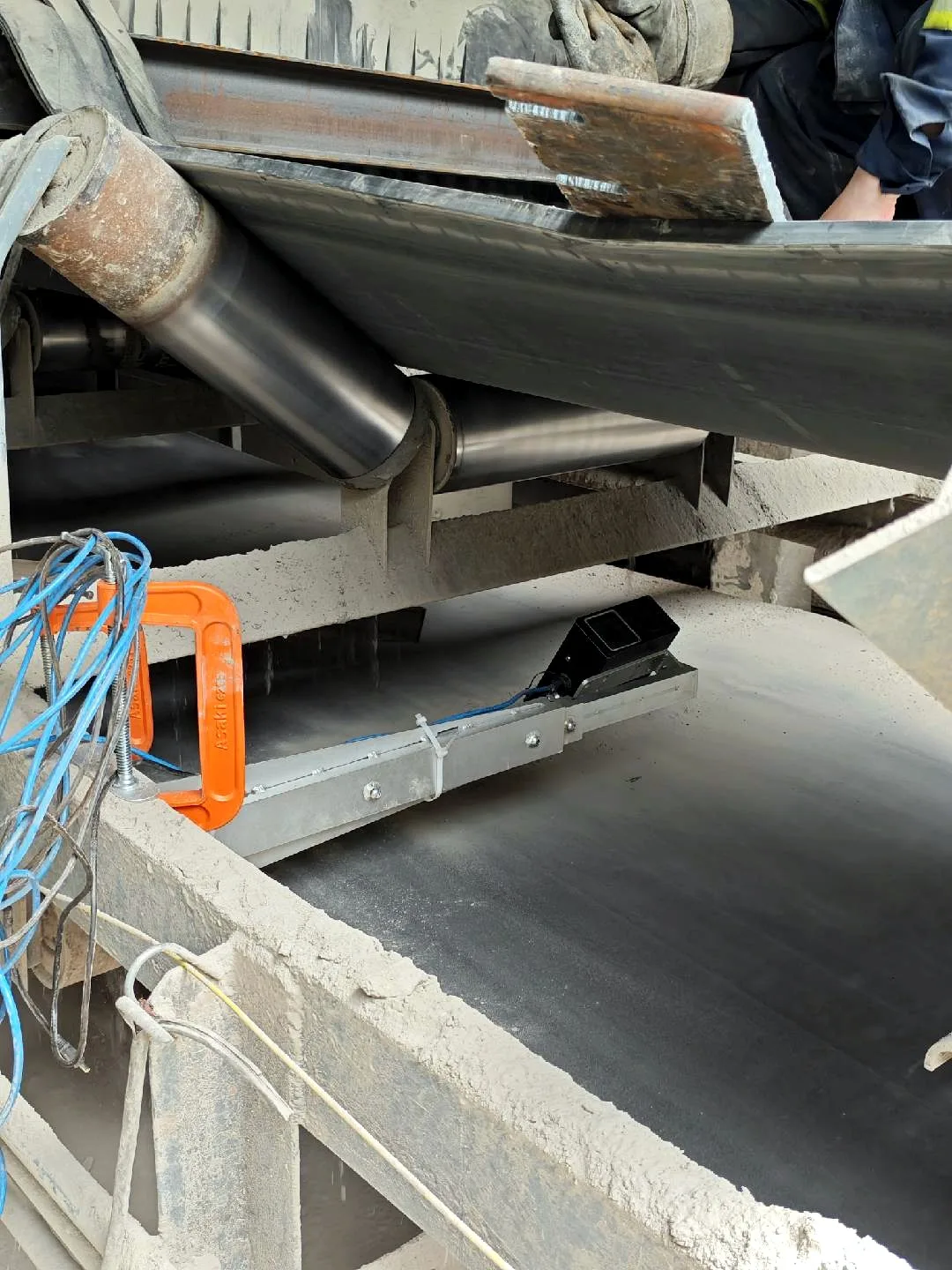
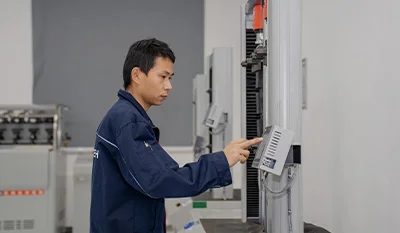
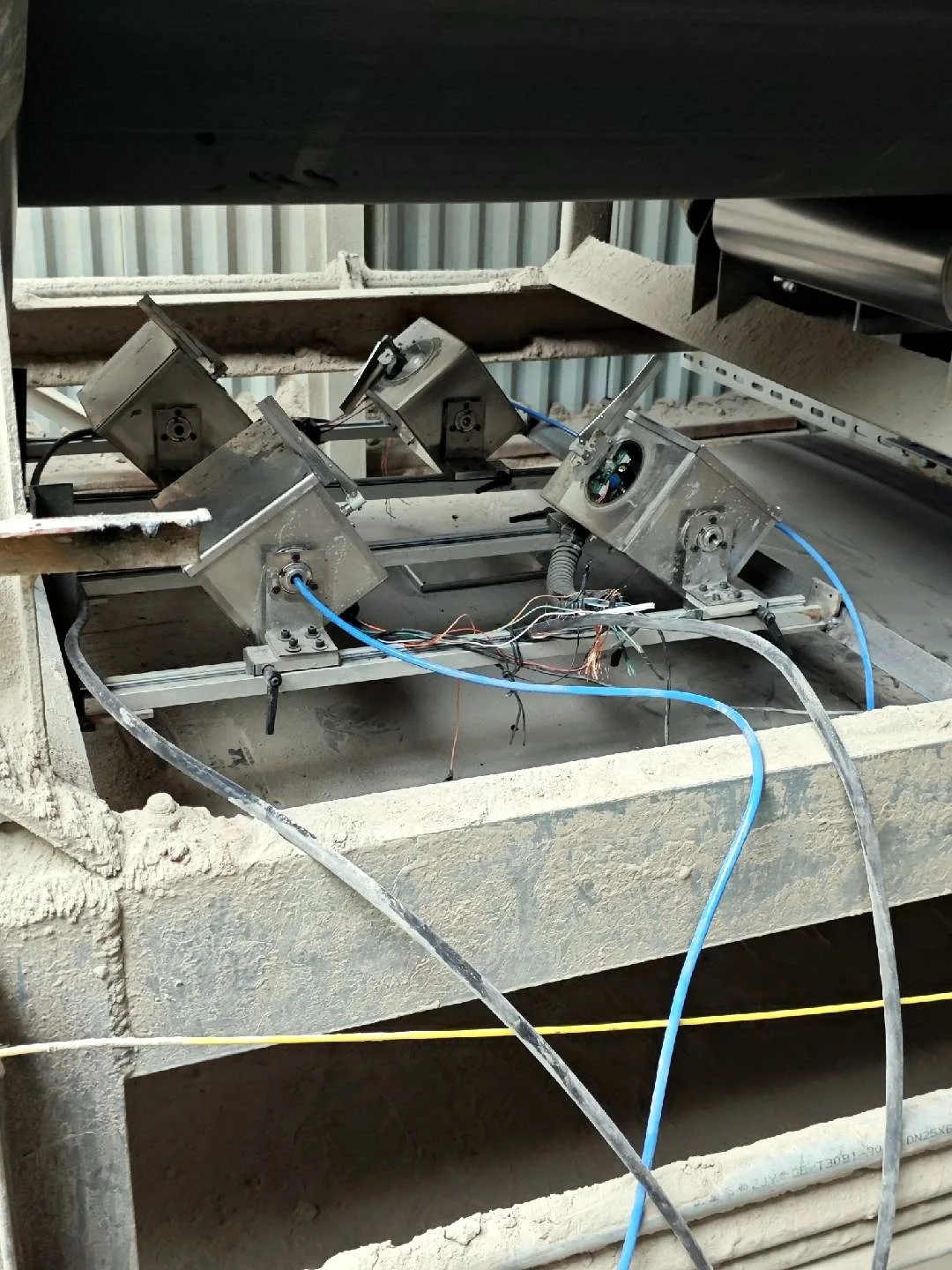
Before formal testing, BOTON engineers completed equipment positioning, cabling, commissioning and on-site parameter calibration.

Detection thresholds and monitoring parameters were adjusted around the actual conveyor operating condition, helping the system distinguish test damage from vibration, dust, existing belt marks and other environmental interference.

This site-specific tuning was particularly important because the tests were conducted on an operating conveyor rather than under controlled laboratory conditions.

Rapid Detection and Alarm Response

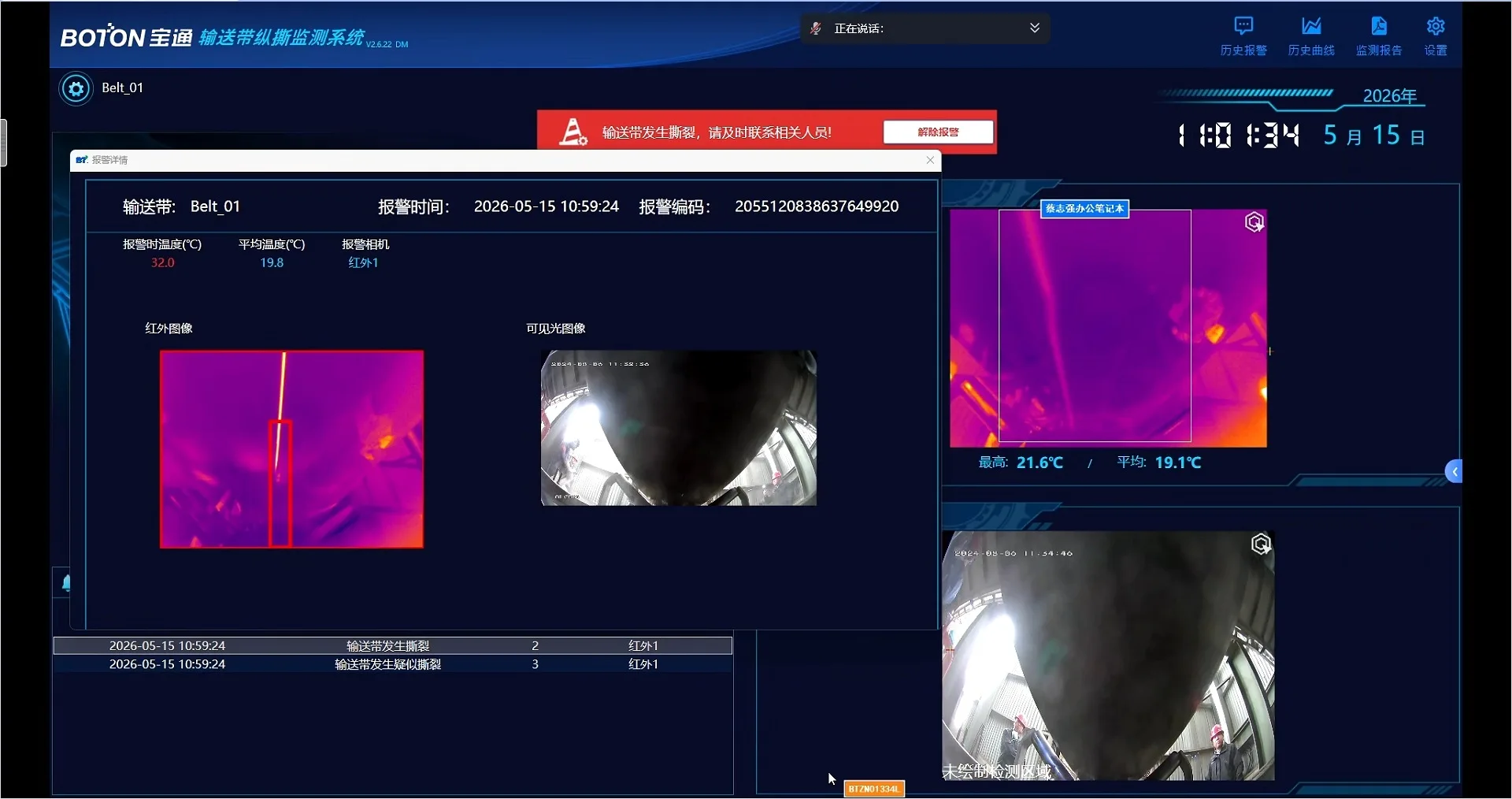
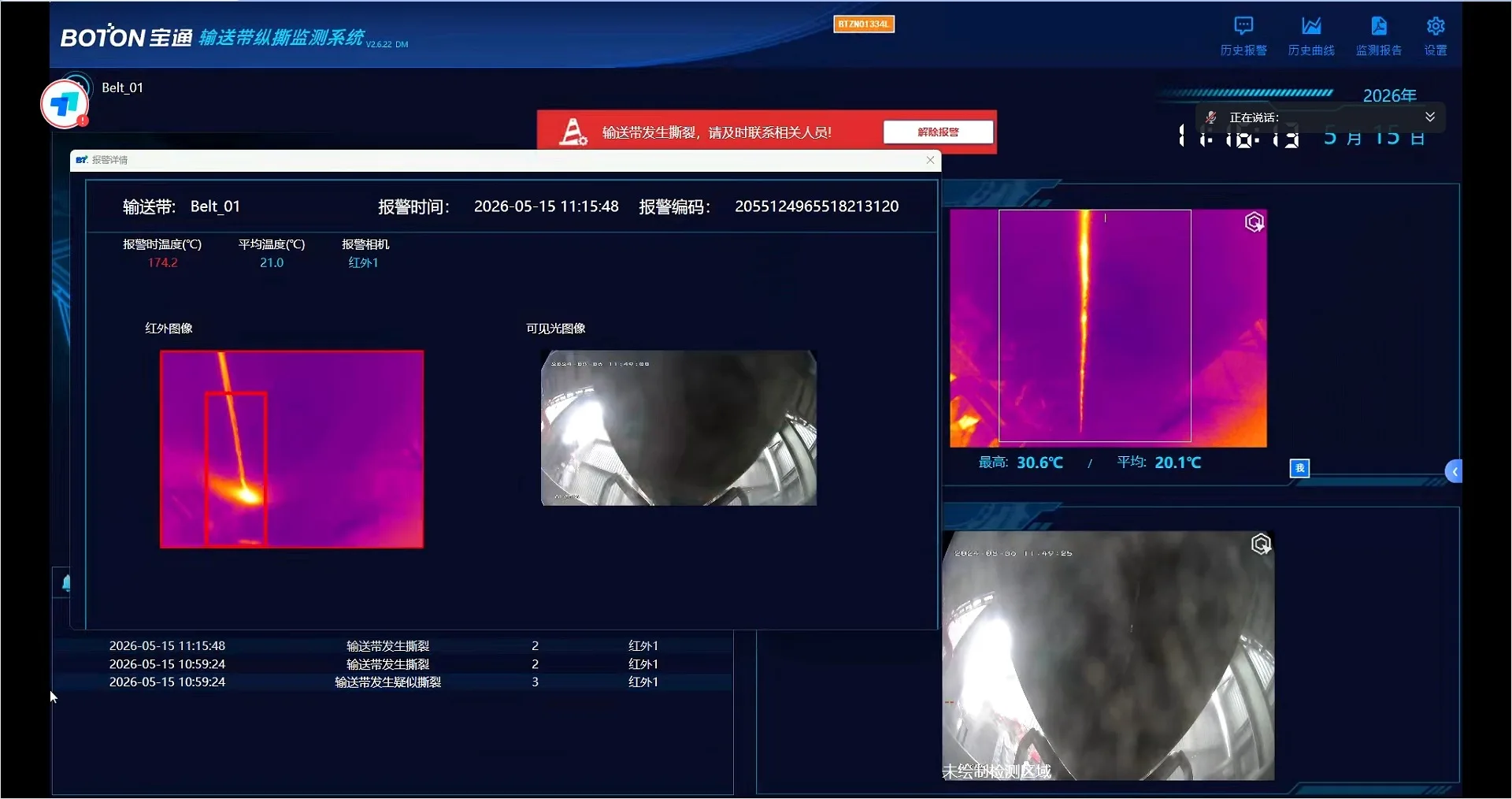
During the controlled puncture and rip simulations, the system continuously analyzed belt condition and generated alarms when abnormal damage features were identified.

Across the defined test program, every test event was successfully detected. The recorded average alarm response time was no more than 200 ms.

Rapid detection is critical in longitudinal rip protection because continued conveyor movement can extend an initial puncture into a much longer belt tear. Earlier identification gives operators and the conveyor control system more time to intervene and limit the potential extent of damage.

Field Validation Results

The Tangshan project demonstrated the performance of BOTON’s conveyor belt rip detection technology under a demanding and directly comparable field-test environment.

Rather than evaluating the system through simulated software inputs or laboratory samples, the customer tested multiple solutions on a running conveyor using controlled physical damage scenarios.

During the defined tests, BOTON achieved:

100% detection of the specified rip events
No recorded false alarms or missed detections
Average alarm response time of ≤200 ms
Stable monitoring and data acquisition throughout both test rounds

The results provide practical field evidence of how AI-based longitudinal rip monitoring can support earlier identification of conveyor belt damage in demanding mining conveyor applications.

Project Gallery

Related Products

"*" indicates required fields

This field is for validation purposes and should be left unchanged.
Full Name*
Tell us what you need, and include any relevant specifications or project details if available.
Accepted file types: pdf, doc, docx, xls, xlsx, ppt, pptx, csv, txt, jpg, jpeg, png, zip, dwg, dxf, Max. file size: 20 MB.
Upload an RFQ, technical specification, drawing, or other relevant document.


Let's Talk!

Whether you have a question about our services, a project idea, or just want to say hello, we're here to listen.

Desktop mode detected.
Please switch to mobile view for a better browsing experience.