
Integrated Port Conveyor Solutions for a 21-Million-Tonne Coal Terminal

Combining Conveyor Intelligence, Dust Control and Safety Systems at Ligang Power

Integrated Port Conveyor Solutions for a 21-Million-Tonne Coal Terminal

Core Achievements

Supporting a coal terminal designed for 21 million tonnes of annual handling capacity

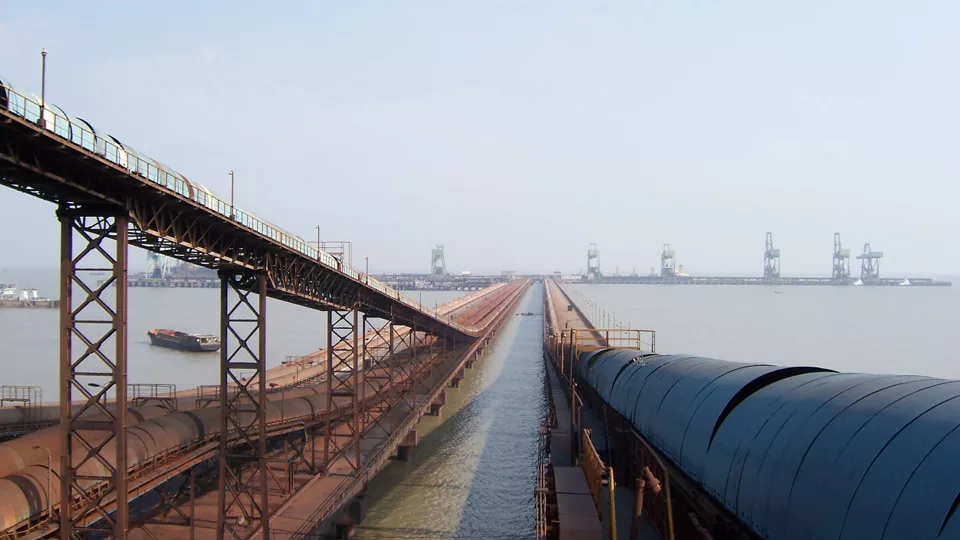
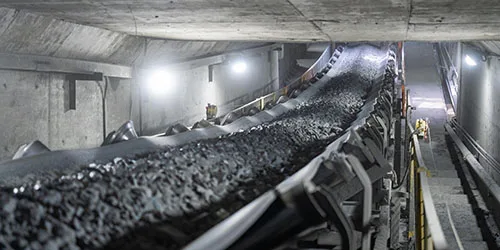
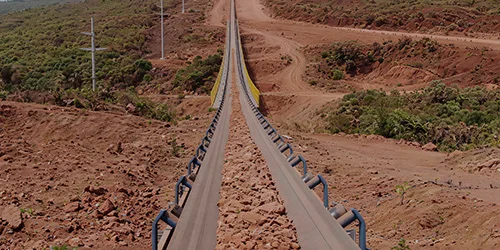
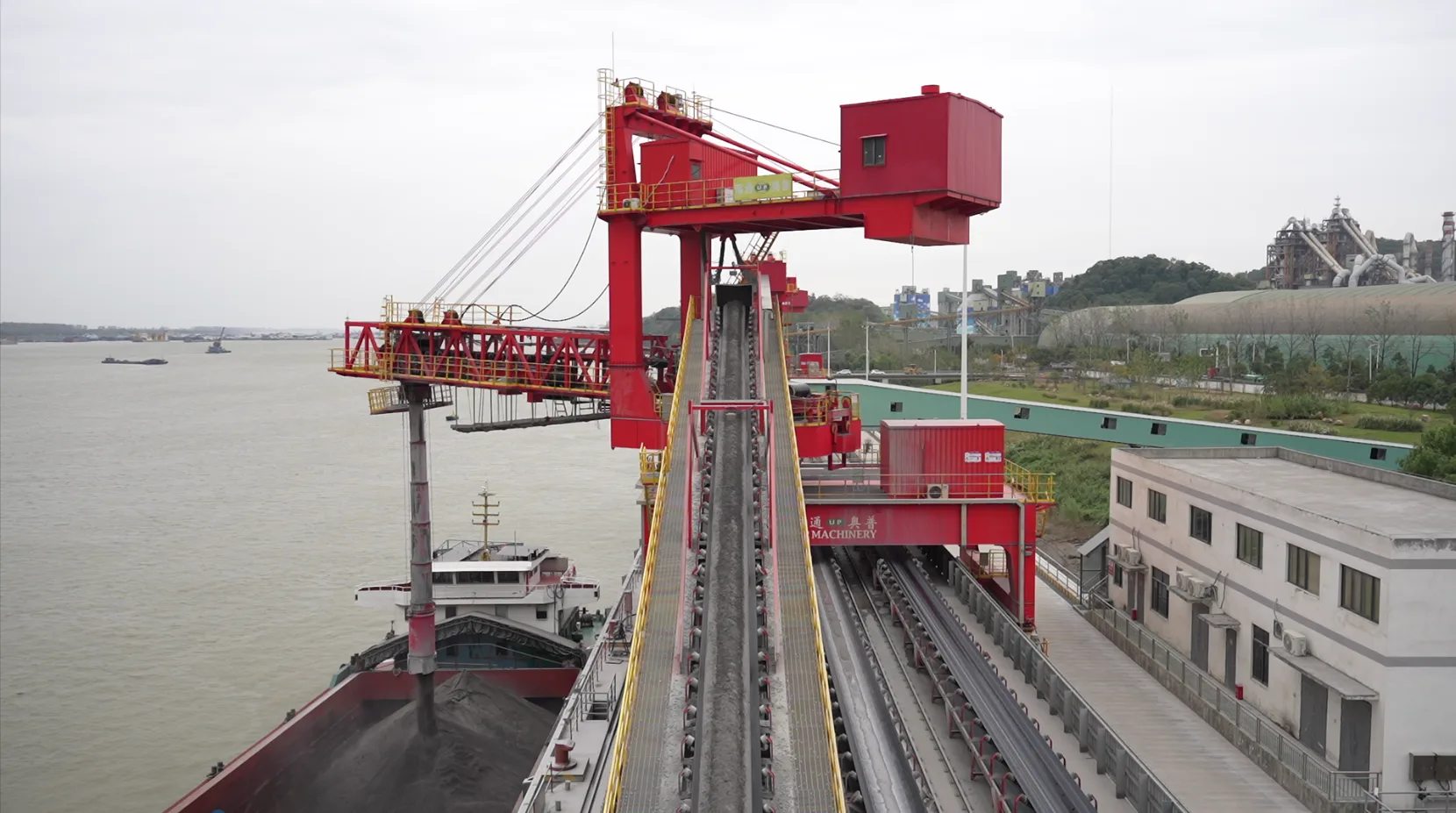
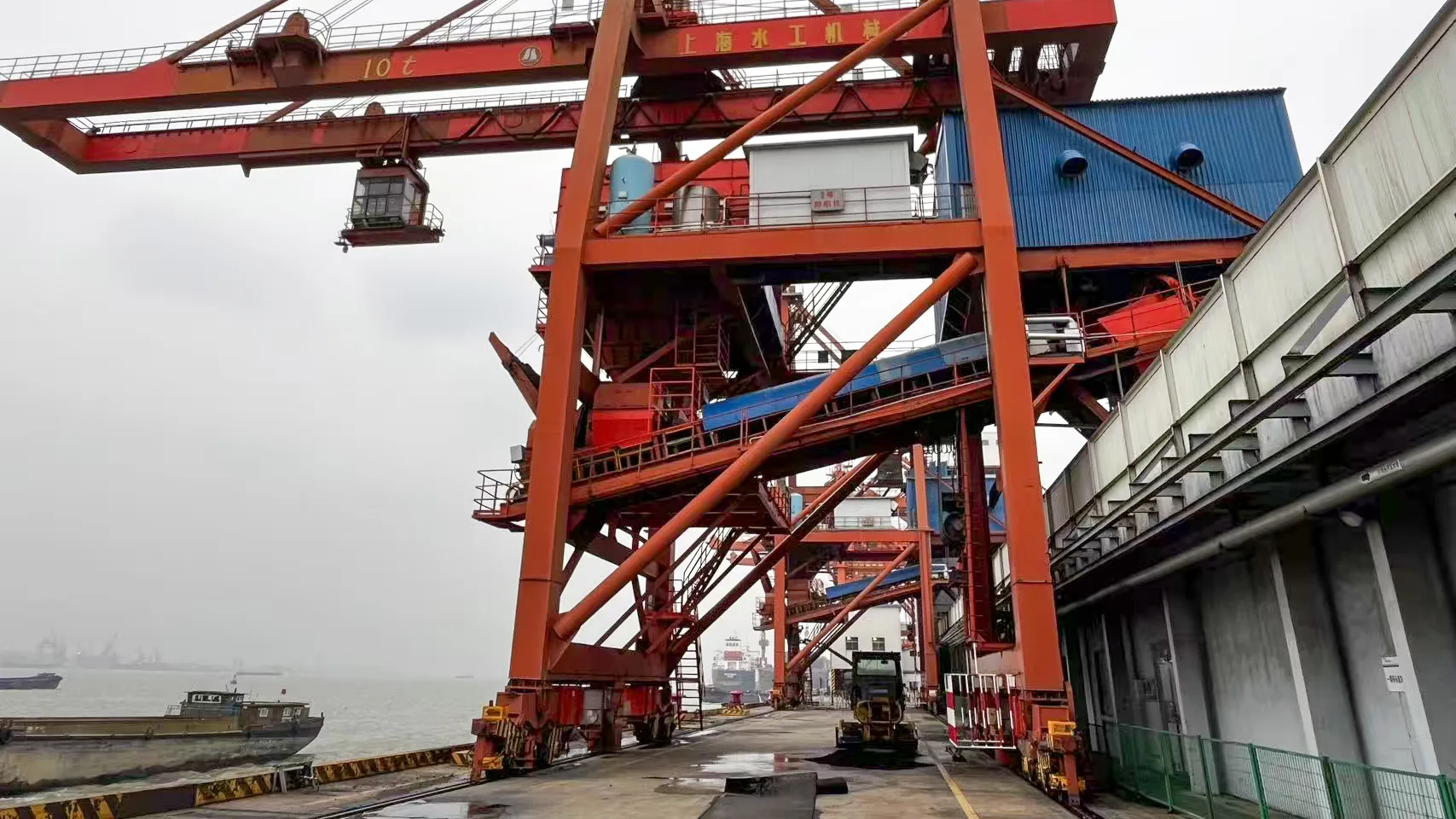
The expansion of Ligang Power’s No. 1 terminal replaces existing facilities with a larger automated coal terminal designed to increase handling capacity to 21 million tonnes per year and support the fuel supply requirements of two new 1,000 MW generating units.

An integrated approach to port conveyor operations

Rather than deploying individual intelligent products in isolation, the project brings together digital conveyor belts, belt monitoring, automatic tracking, personnel safety recognition, environmental control and terminal-wide monitoring within one operating environment.

Conveyor intelligence extending from the belt to the wider terminal

Approximately 300–400 m of chip-enabled fire-resistant aramid conveyor belt is being combined with intelligent conveyor technologies, extending digital visibility from the belt itself to the wider terminal operating environment.

Dust control integrated into the conveying process

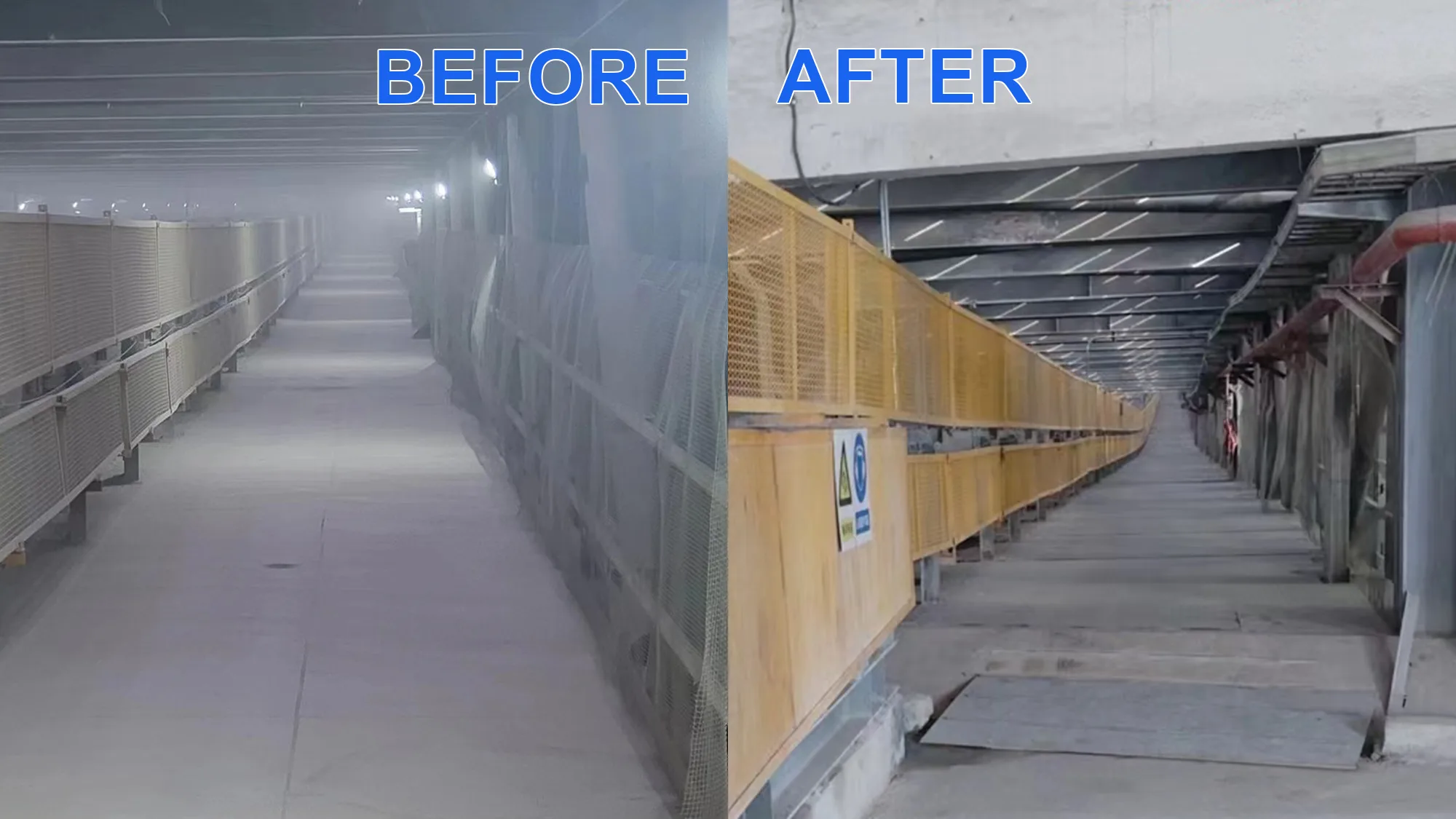
Dry/micro-fog dust suppression and washing systems for four conveyor lines provide source-level control of airborne dust and residual coal, integrating environmental management directly into coal conveying operations.

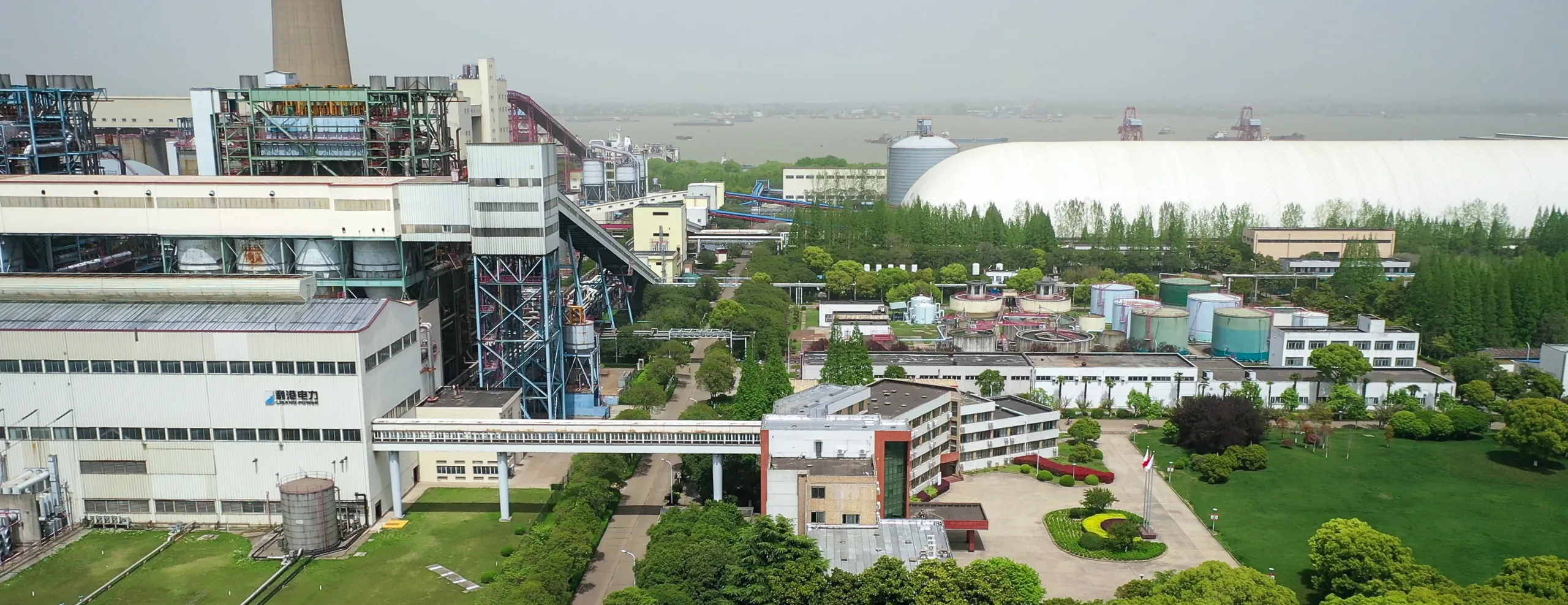
BOTON is supporting the modernization and intelligent expansion of Ligang Power’s No. 1 coal terminal in Jiangyin, Jiangsu Province, China.

The project replaces the existing terminal with a larger automated facility designed to increase annual coal handling capacity to 21 million tonnes and provide additional fuel transportation capacity for two new 1,000 MW generating units.

Capacity expansion, however, is only one part of the project.

Alongside the new terminal infrastructure, Ligang Power is carrying out a comprehensive intelligent upgrade spanning conveyor operation, personnel safety, environmental control and terminal-wide monitoring.

BOTON’s scope combines traditional conveying technologies with a growing portfolio of intelligent systems. The solution includes chip-enabled fire-resistant aramid conveyor belts, intelligent conveyor monitoring and tracking, personnel safety recognition, dust suppression, belt washing and supporting terminal monitoring systems.

The project reflects a broader evolution in port conveyor solutions: from supplying individual conveyor components toward connecting the belt, equipment, people and operating environment as part of one integrated system.
Key Facts

  • Industry: Ports, Terminals and Power Generation
  • Application: Coal Terminal Conveyor System
  • Location: Jiangyin, Jiangsu Province, China
  • Project: Ligang Power No. 1 Terminal Smart Expansion Project
  • Material: Coal
  • Terminal Type: Power Plant Coal Terminal
  • Designed Annual Handling Capacity: 21 million tonnes
  • Power Generation Expansion: Two new 1,000 MW generating units
  • Conveyor Belt: Chip-enabled fire-resistant aramid conveyor belt
  • Aramid Belt Length: Approximately 300–400 m
  • Environmental Systems: Dry/micro-fog dust suppression and conveyor belt washing
  • Belt Washing Scope: 4 conveyor lines
  • Intelligent Systems: Personnel safety recognition, conveyor monitoring and intelligent belt tracking
  • Terminal Monitoring: Video monitoring and software systems supporting terminal-wide operational oversight
  • BOTON Scope: Conveyor belts, intelligent conveying technologies, environmental systems and supporting digital solutions
  • Customer Relationship: More than 20 years of cooperation with the project owner
Key Facts

Project Challenges

Higher coal throughput increased the importance of conveyor reliability

The terminal expansion is designed to handle substantially more coal as Ligang Power adds two 1,000 MW generating units.

At an annual handling capacity of 21 million tonnes, conveyor availability becomes directly connected with the continuity of coal supply.

Unexpected belt damage, persistent mistracking or equipment abnormalities can therefore affect not only an individual conveyor but the wider material handling process.

The project required a coal terminal conveyor system capable of supporting higher throughput while improving operational visibility and reducing avoidable risks.

Intelligent systems had to extend beyond the conveyor belt

A modern terminal contains risks that cannot be addressed by belt monitoring alone.

Personnel may enter restricted areas, remain close to critical equipment or approach hazardous areas near the waterfront. Large equipment and operating zones also require continuous supervision.

The challenge was therefore to develop an intelligent operating environment covering both equipment and people, rather than treating conveyor monitoring as an isolated function.

Coal dust required control at the source

Coal transfer and conveying inevitably generate fine dust.

If dust is allowed to spread through transfer stations and surrounding working areas, it increases environmental pressure, housekeeping requirements and operational complexity.

The project therefore required dust control measures to be integrated directly into the material handling process.

Belt mistracking required more consistent correction

Persistent conveyor belt mistracking can lead to belt edge wear, material spillage, contact with surrounding structures and repeated maintenance intervention.

The project team had already introduced BOTON intelligent belt tracking technology in earlier cooperation.

For the expanded terminal, belt tracking forms part of a wider intelligent conveying approach designed to improve conveyor operating stability.

Terminal opening required broader monitoring capabilities

As an externally accessible port facility, the terminal must support operational oversight involving relevant maritime and public authorities.

This creates requirements for extensive camera coverage, monitoring software and terminal-wide visibility.

The intelligent upgrade therefore needed to extend beyond individual pieces of conveyor equipment and support a broader monitoring architecture across the port environment.

BOTON Solution

BOTON Solution

Chip-enabled fire-resistant aramid conveyor belt

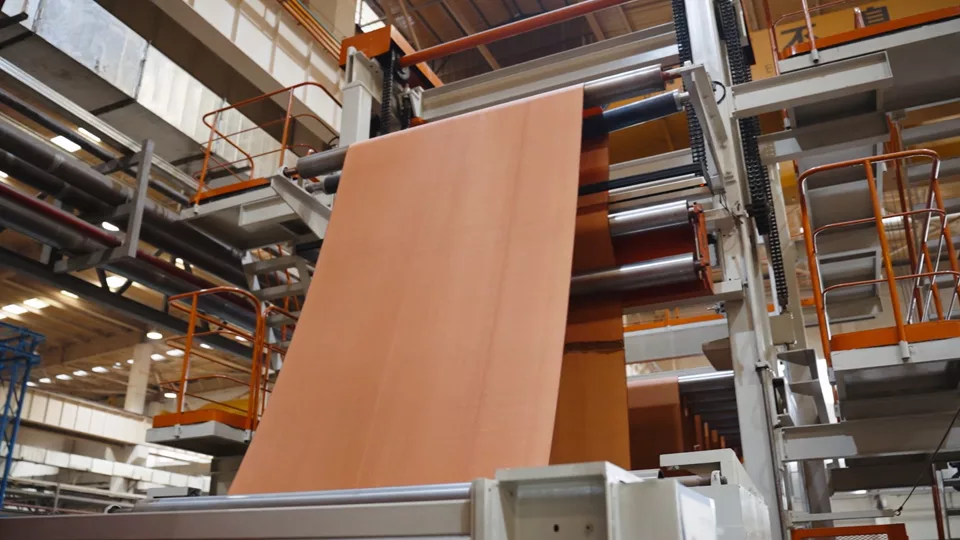
BOTON is supplying approximately 300–400 m of fire-resistant aramid conveyor belt incorporating embedded identification chips.

Aramid reinforcement provides high tensile strength at a relatively low carcass weight, while the embedded chip gives each belt an identifiable digital reference for product identification and traceability.

The application also reflects the evolution of BOTON’s more than 20-year relationship with Ligang Power—from conventional conveyor belt supply toward increasingly intelligent conveying technologies.

Intelligent conveyor monitoring and tracking

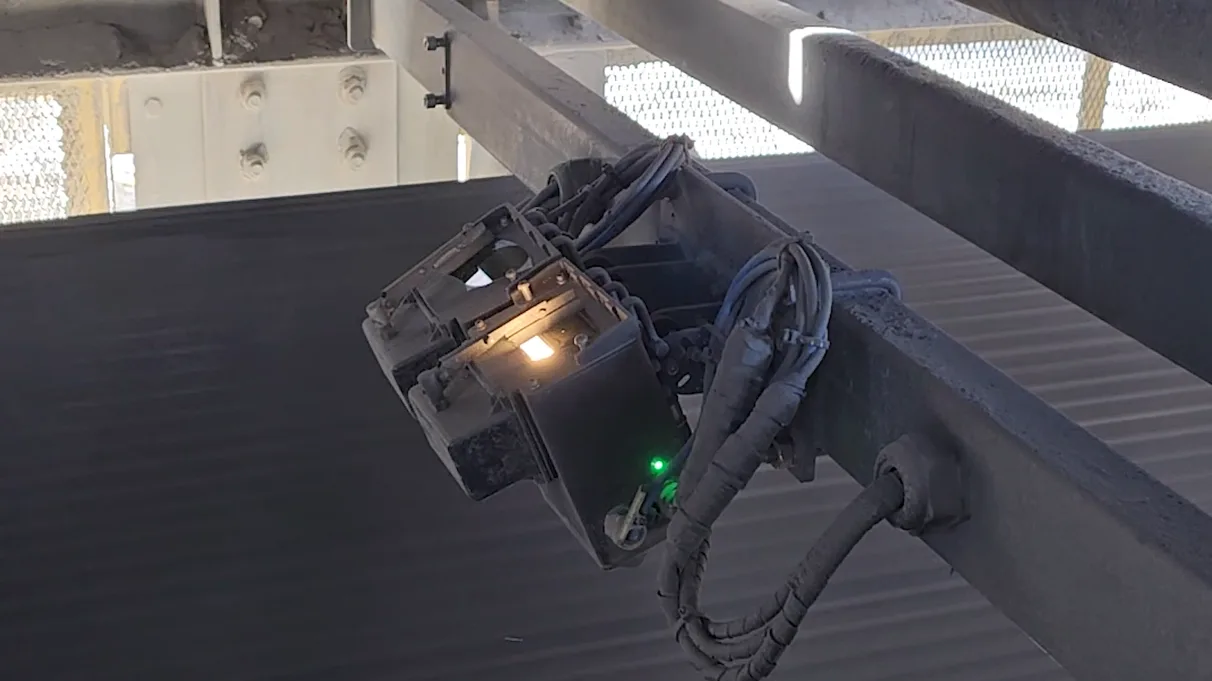
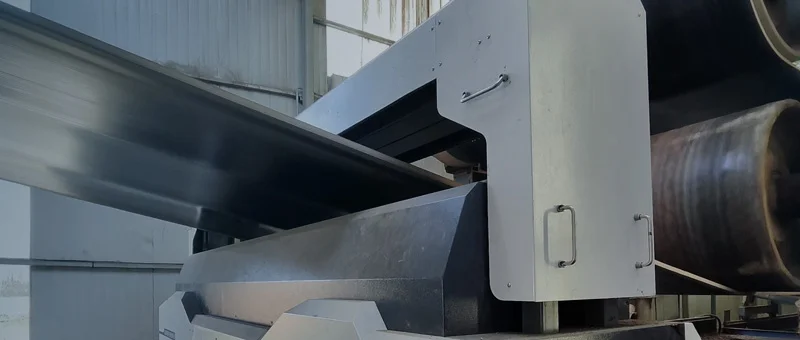
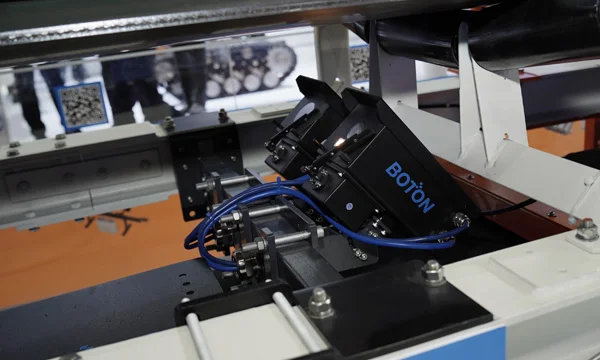
The terminal upgrade combines intelligent conveyor belt monitoring with BOTON’s intelligent conveyor belt tracking system.

Digital monitoring gives operators greater visibility into conveyor operating conditions, while automatic tracking responds to belt deviation and helps maintain a more stable running position.

Together, these technologies help address two common challenges in high-duty port conveyor systems: identifying abnormal conditions earlier and reducing the wear, spillage and maintenance associated with persistent mistracking.

Personnel safety and terminal-wide monitoring

The project extends intelligent monitoring beyond conveyor equipment to the wider port operating environment.

AI-based visual recognition can identify predefined personnel safety conditions, including the use of required protective equipment and entry into monitored areas. Electronic perimeter functions provide an additional layer of supervision around critical equipment and waterfront zones.

Cameras, monitoring software and related infrastructure also provide wider visibility across the terminal, supporting day-to-day operations as well as the oversight requirements associated with an externally accessible port facility.

Integrated dust control and belt cleaning

Environmental control combines dry/micro-fog dust suppression with water washing systems for four conveyor lines.

Fine water droplets suppress airborne coal dust close to transfer points, while belt washing removes residual coal from the belt surface and helps reduce carryback along the return route.

Together, the two systems address both airborne and residual material:

Dust suppression at transfer points → Belt cleaning along the conveying process

This integrates environmental management directly into coal handling operations rather than treating cleanup as a separate downstream task.

Connecting conveying with smart port operations

The Ligang Power project brings technologies that would traditionally operate separately into one coordinated port conveyor solution.

The overall architecture connects:

Digital conveyor belts → Intelligent monitoring and tracking → Personnel safety → Environmental control → Terminal-wide monitoring

The value lies not simply in deploying more intelligent equipment, but in applying these technologies around the same operational objective: supporting a reliable, safer and more environmentally controlled coal handling process at an annual capacity of 21 million tonnes.

For BOTON, the project represents a further step from individual product supply toward integrated smart port conveyor solutions.

Related Products

"*" indicates required fields

This field is for validation purposes and should be left unchanged.
Name*


Let's Talk!

Whether you have a question about our services, a project idea, or just want to say hello, we're here to listen.

Desktop mode detected.
Please switch to mobile view for a better browsing experience.