
AI Monitoring for a 2.97 km Coke Pipe Conveyor

Four-Layer AI Protection for Foreign Objects, Longitudinal Rip, Belt Abnormalities and Discharge-End Unfolding

AI Monitoring for a 2.97 km Coke Pipe Conveyor
Case Chanllenges

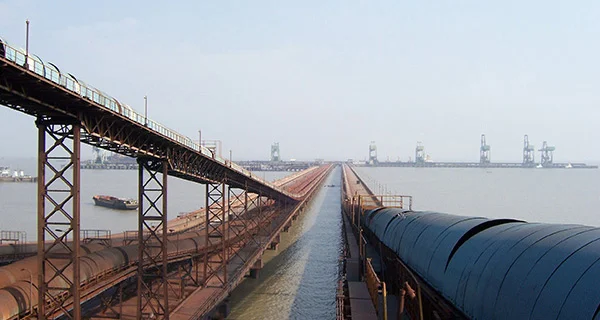
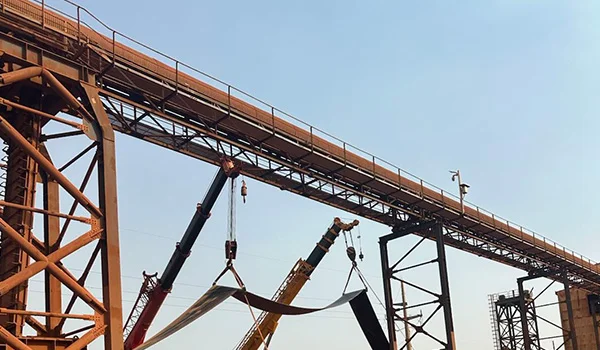
A continuous supply of coke is essential to blast-furnace operations. On a long-distance pipe conveyor, oversized coke or an intrusive metal object can cause blockages, belt damage and unplanned shutdowns. The enclosed structure of a pipe conveyor also makes continuous visual inspection more challenging.

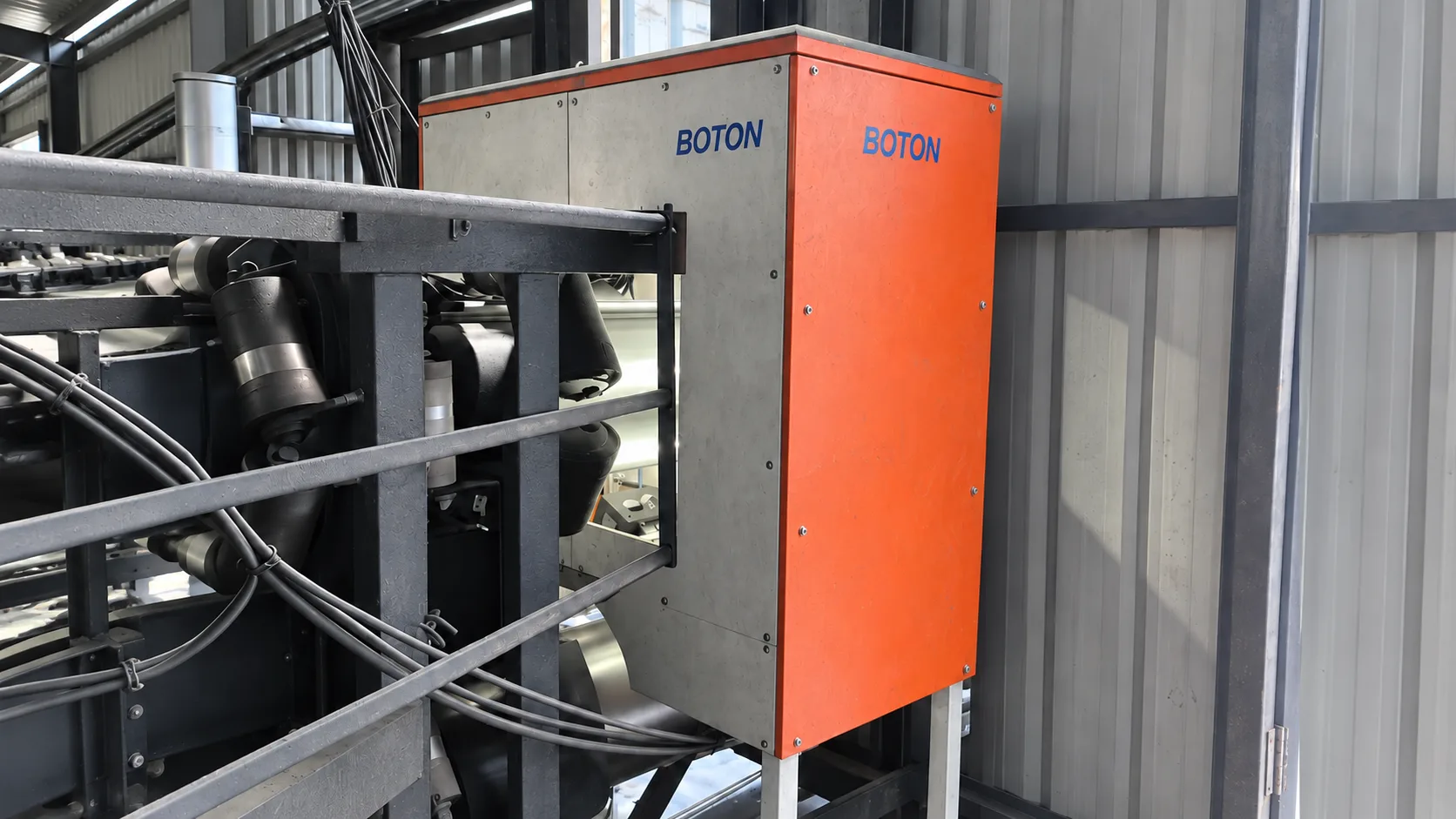
At a major steel producer's coking plant in Shandong, China, BOTON deployed an integrated AI monitoring solution on a critical coke conveying line. Combining machine vision, infrared thermal imaging and intelligent control-system integration, the system monitors four types of abnormal conditions, from foreign objects entering the conveyor to belt deformation and abnormal unfolding at the discharge end.
Core Achievements

Four Integrated Monitoring Functions

A coordinated monitoring system covers key risks before pipe formation, during enclosed conveying and at the discharge end, extending protection beyond individual fault detection points.

360° Longitudinal Rip Monitoring

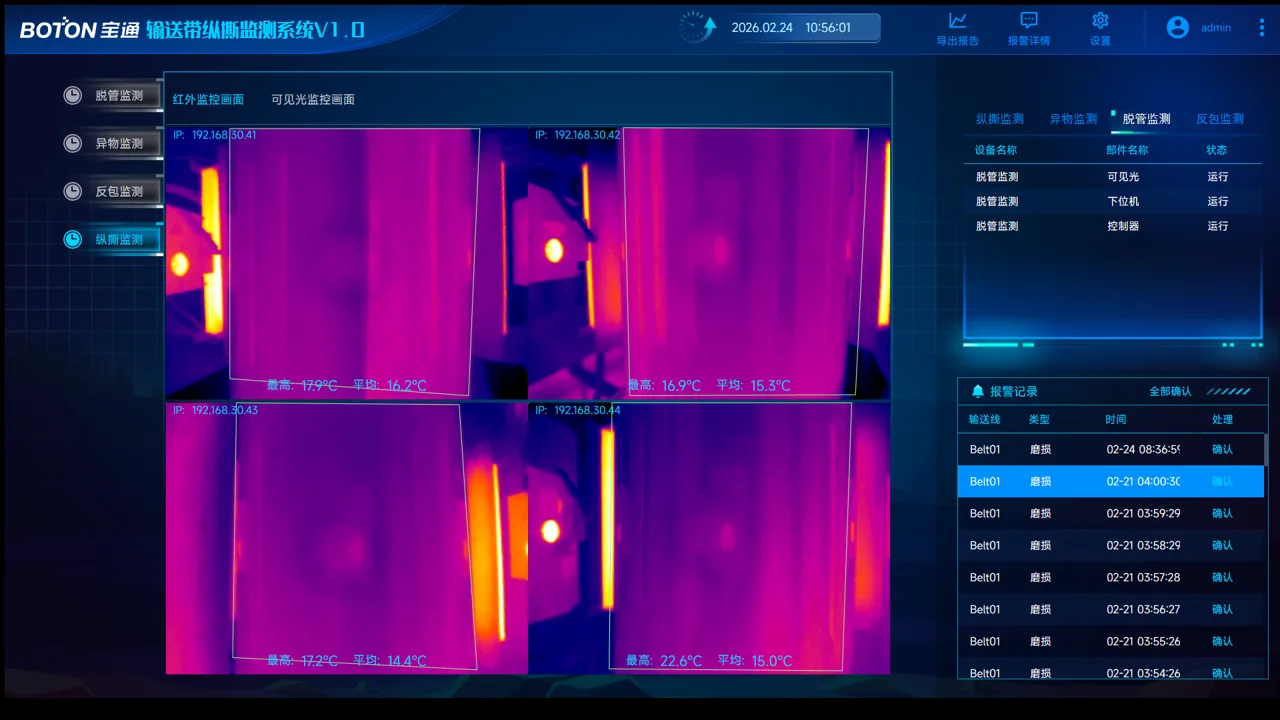
Four infrared thermal cameras work with visible-light cameras to monitor the tubular belt around its circumference. The system achieves a reported recognition accuracy of 99.5%, with a fastest reported rip identification time of 0.1 seconds.

Integrated Alarm and Event Recording

The system connects abnormal-condition detection with local alarms, remote notifications, event recording and configured conveyor interlock signals, supporting timely intervention and subsequent fault analysis.

Key Facts

  • Industry: Steel & Metals
  • Application: Coke Handling
  • Location: Shandong, China
  • Conveyor Length: 2,968.75 m (approximately 2.97 km)
  • Belt Width: 1,100 mm
  • Pipe Diameter: Approximately 300 mm
  • Deployment: December 2025
  • Operating Status: Operating reliably on the production line

The application uses an enclosed conveying configuration. Learn more about BOTON’s pipe conveyor belt solutions.

Key Facts

Project Challenges

Foreign Objects Before Pipe Formation

Oversized coke, metal components, steel bars and tool debris can enter the material stream. If trapped as the belt forms a pipe, these objects may cause blockage, mechanical interference or belt damage. Detecting potential hazards before the belt closes is therefore a critical requirement.

Monitoring an Enclosed Belt

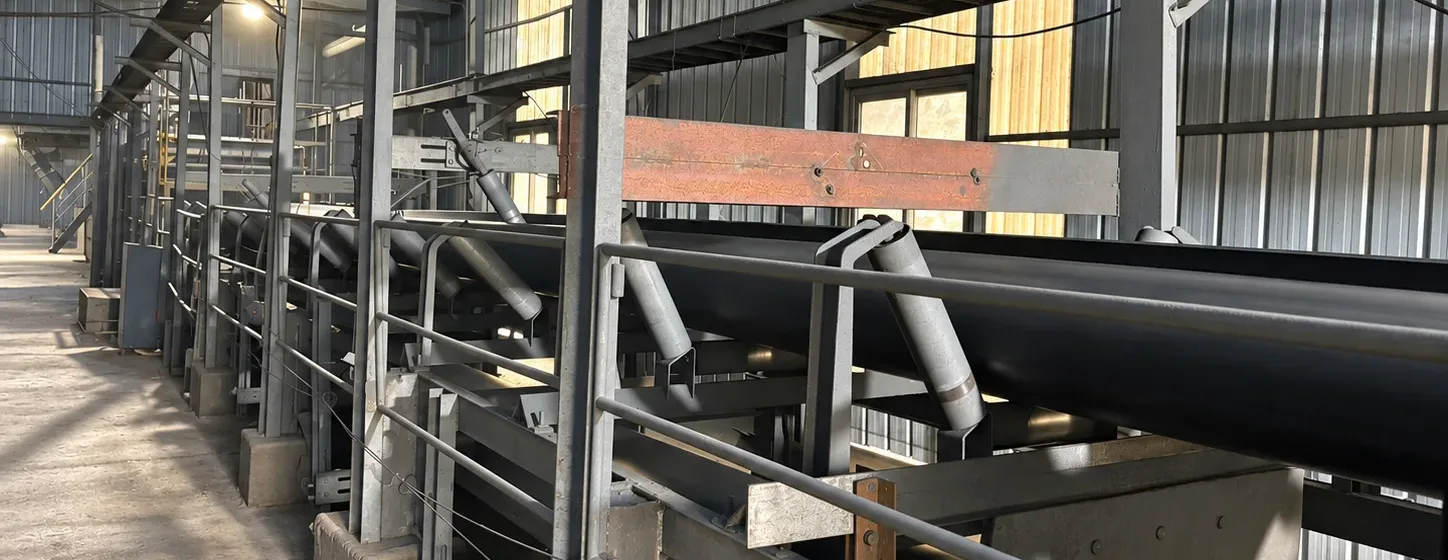
Once a pipe conveyor enters its enclosed conveying section, much of the belt surface becomes difficult to inspect directly. A longitudinal rip or other abnormal belt condition may develop while the conveyor continues running, making continuous online monitoring important for early identification.

Maintaining Belt Geometry Through Discharge

The tubular belt must maintain its intended configuration during conveying and return to a flat profile at the discharge end. Abnormal wrapping, pipe formation or unfolding can increase the risk of belt damage, material spillage, abnormal wear and interference with surrounding equipment.

BOTON Solution

BOTON Solution

AI Foreign Object Detection Before Pipe Formation

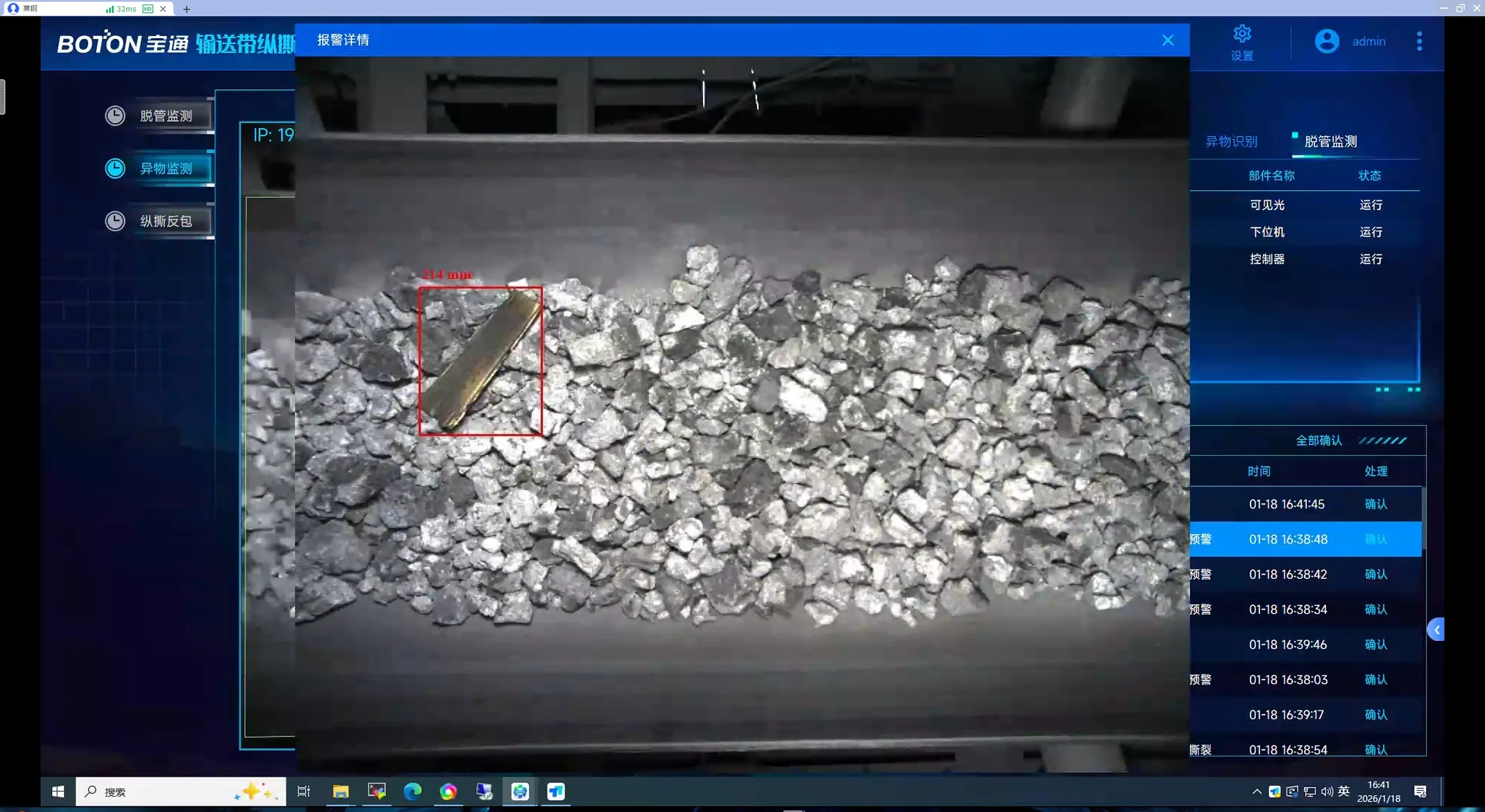
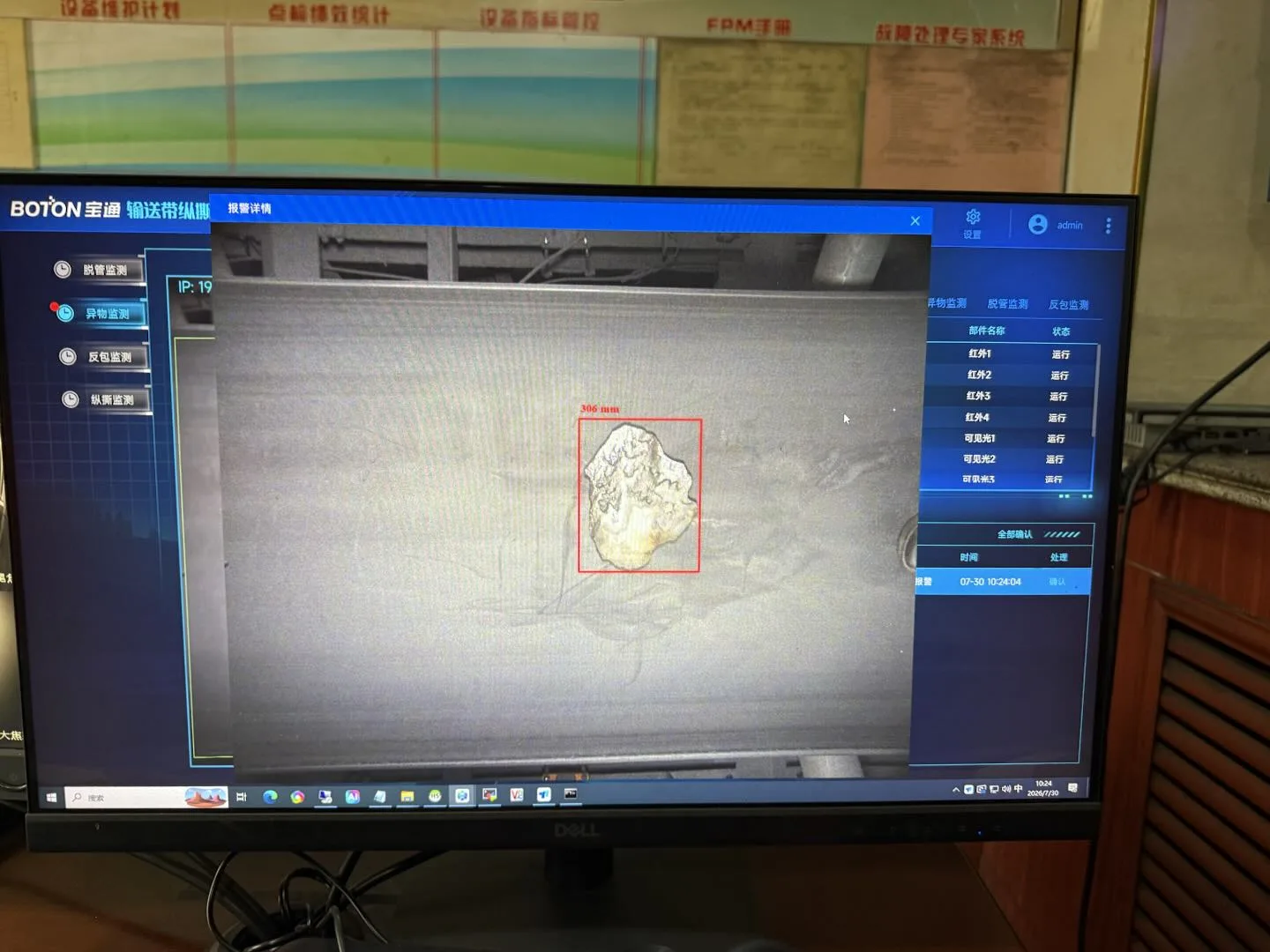
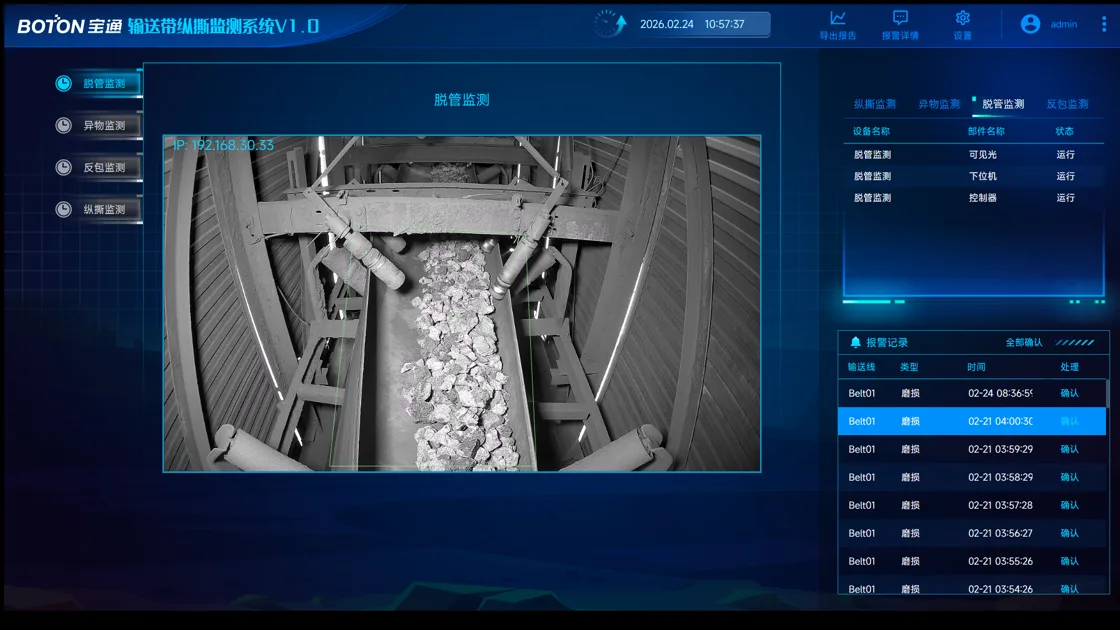
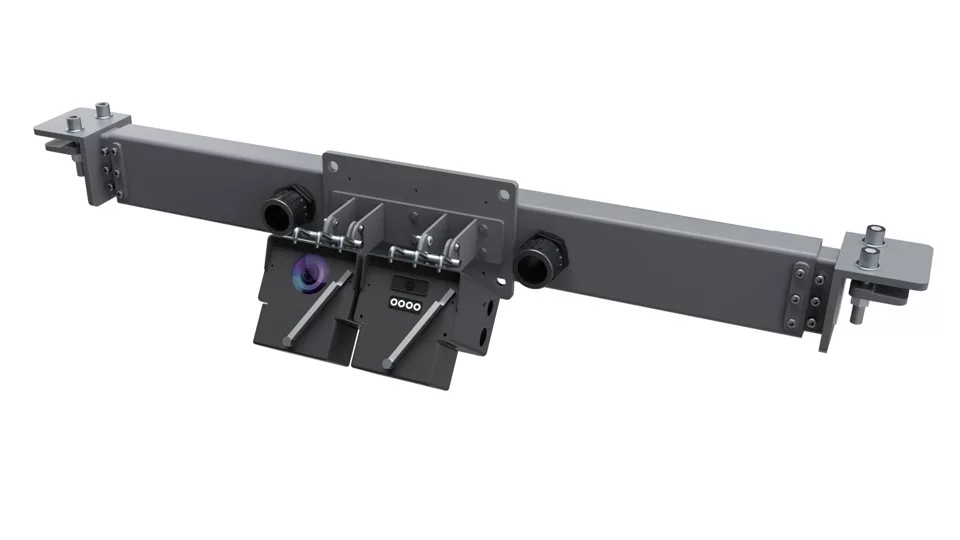
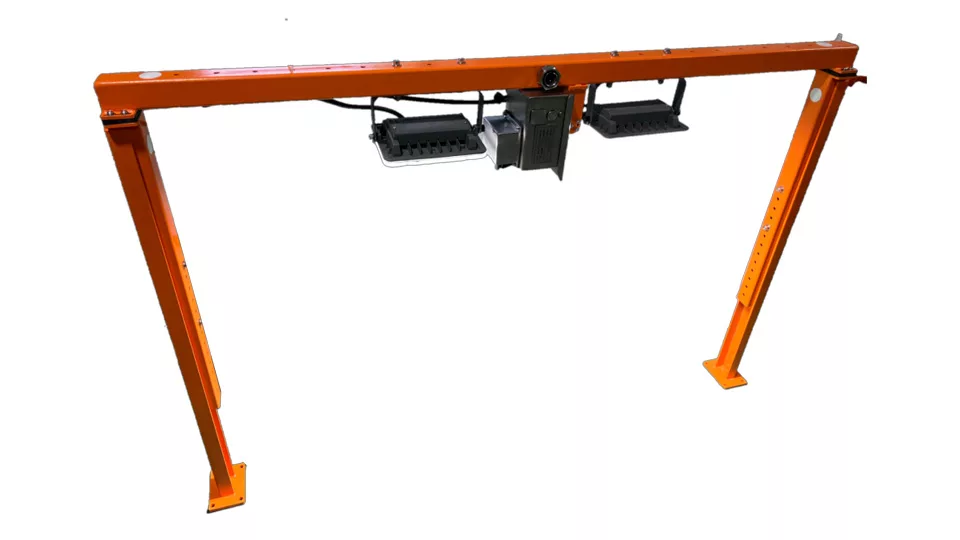
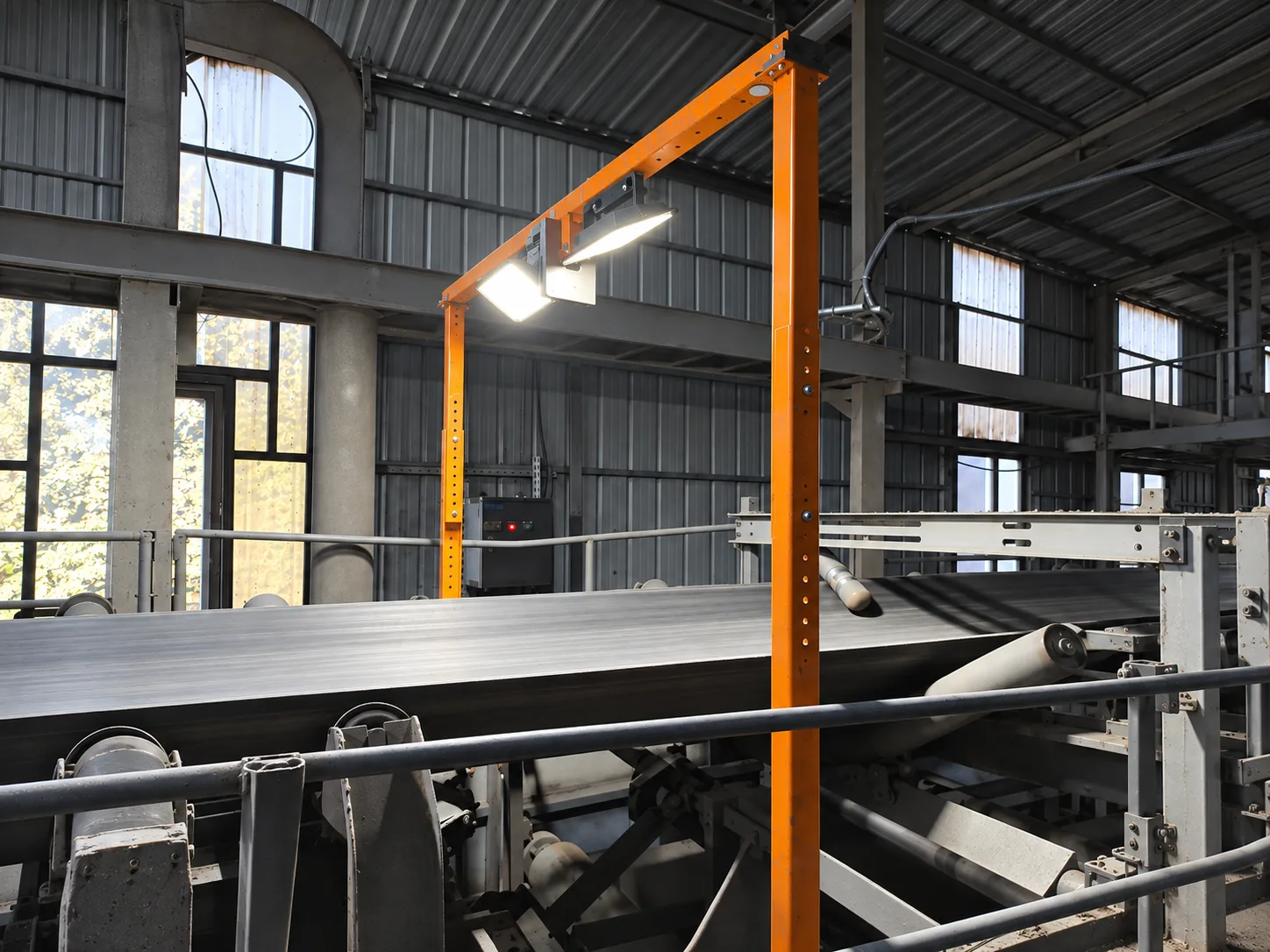
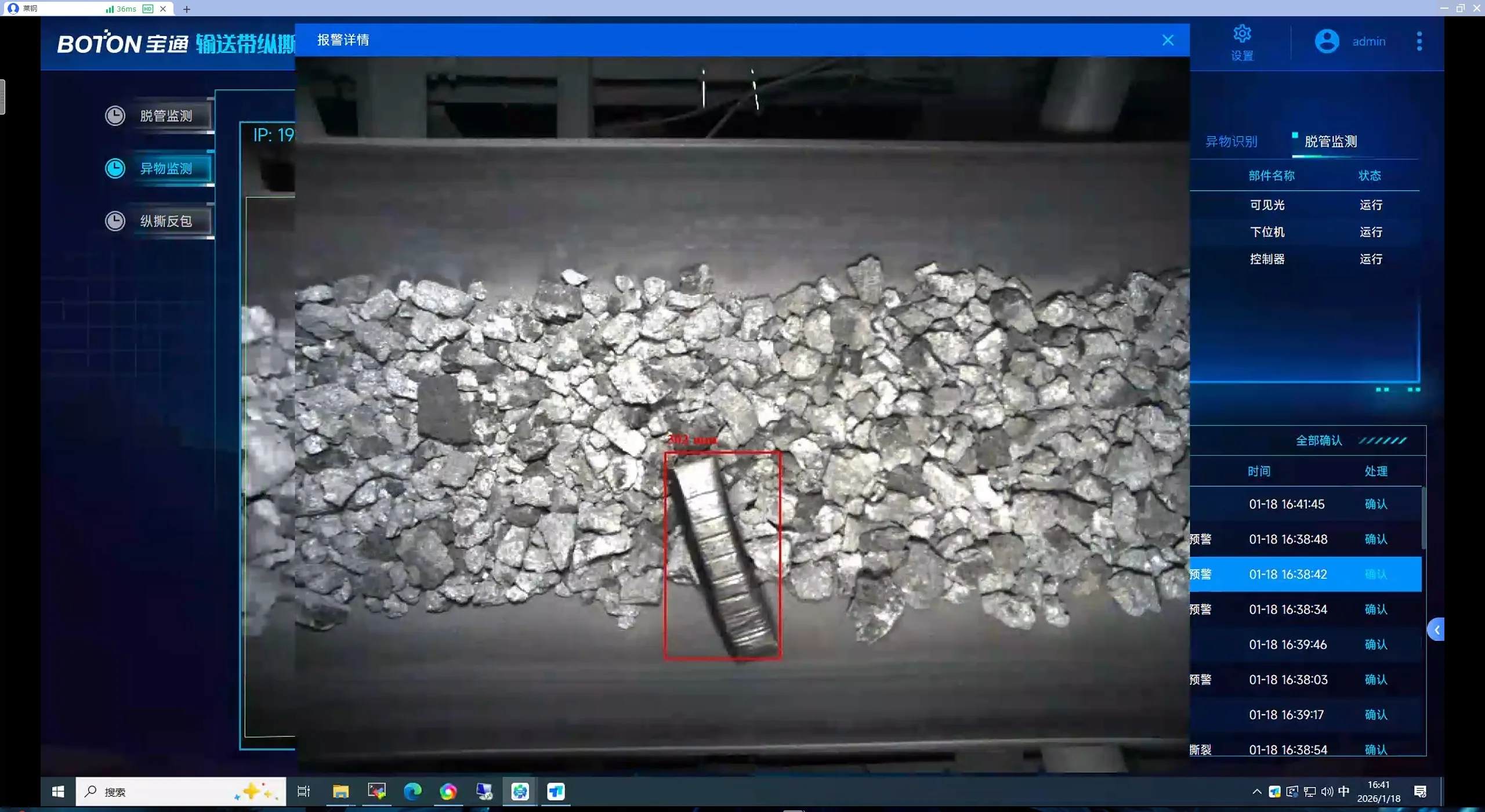
High-definition industrial cameras capture the material stream before the belt forms a pipe. AI algorithms running on edge computing equipment identify predefined abnormal objects, including oversized coke, metal components and tool debris.

✅️Reported recognition accuracy: ≥90%

✅️Detection method: AI-based image recognition

✅️Response: Local alarms and configured conveyor control-system signals

By identifying potential hazards upstream, the system helps reduce the risk of objects entering the enclosed conveying section and causing damage.

360° Longitudinal Rip Detection

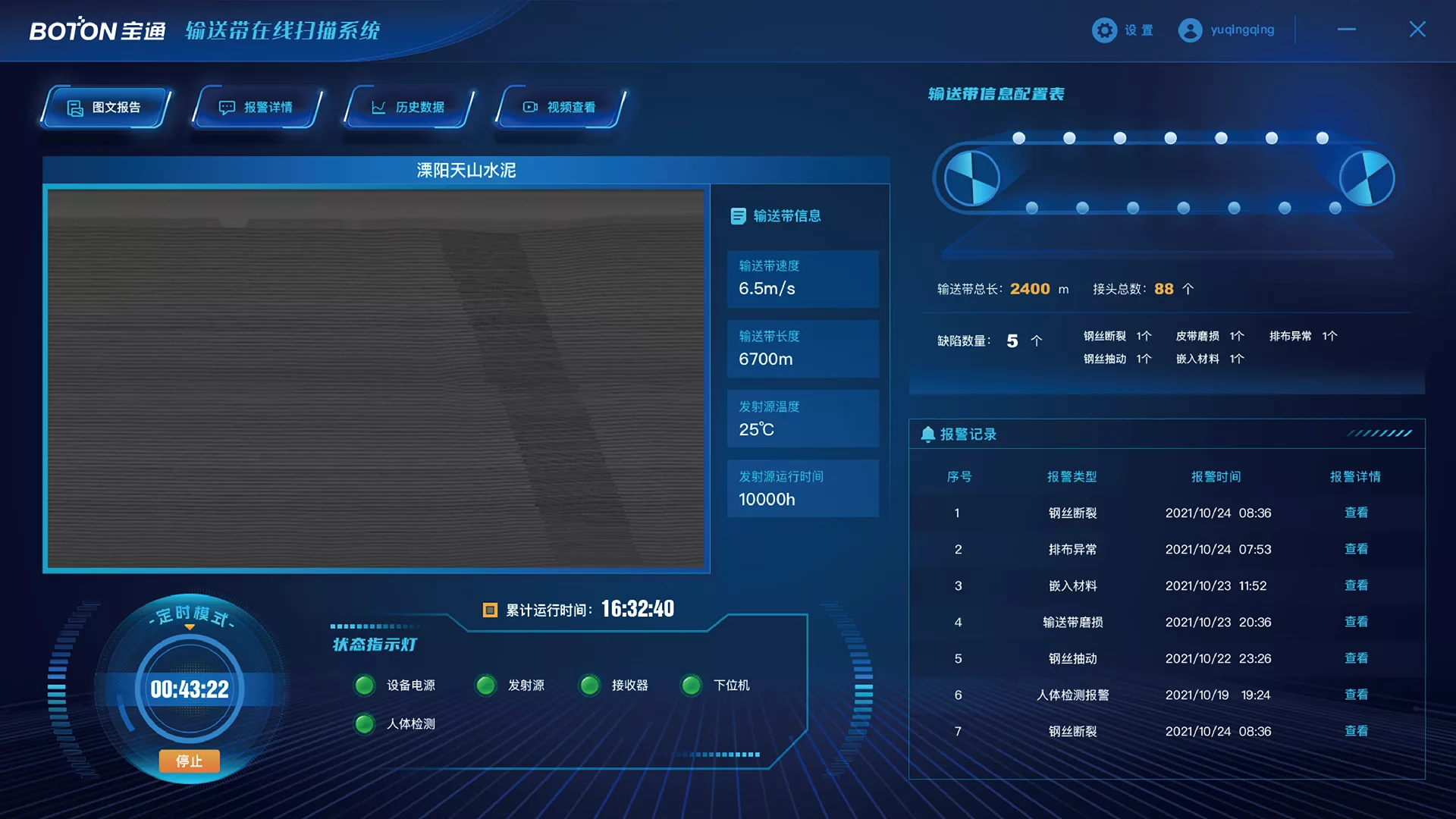
Four infrared thermal cameras and visible-light cameras work together to monitor the tubular belt around its circumference. The system analyzes thermal and visual information to identify longitudinal rips and other abnormal belt conditions.

✅️Reported recognition accuracy: 99.5%

✅️Fastest reported rip identification time: 0.1 seconds

✅️Additional functions: Wear-related warnings and conveyor interlock integration

The system provides continuous online monitoring within the detection area, helping operators identify belt damage rapidly and respond before it develops further.

For a related field application, see BOTON's AI conveyor belt rip detection field test at Shougang Mining, Tangshan

Abnormal Pipe Formation Detection

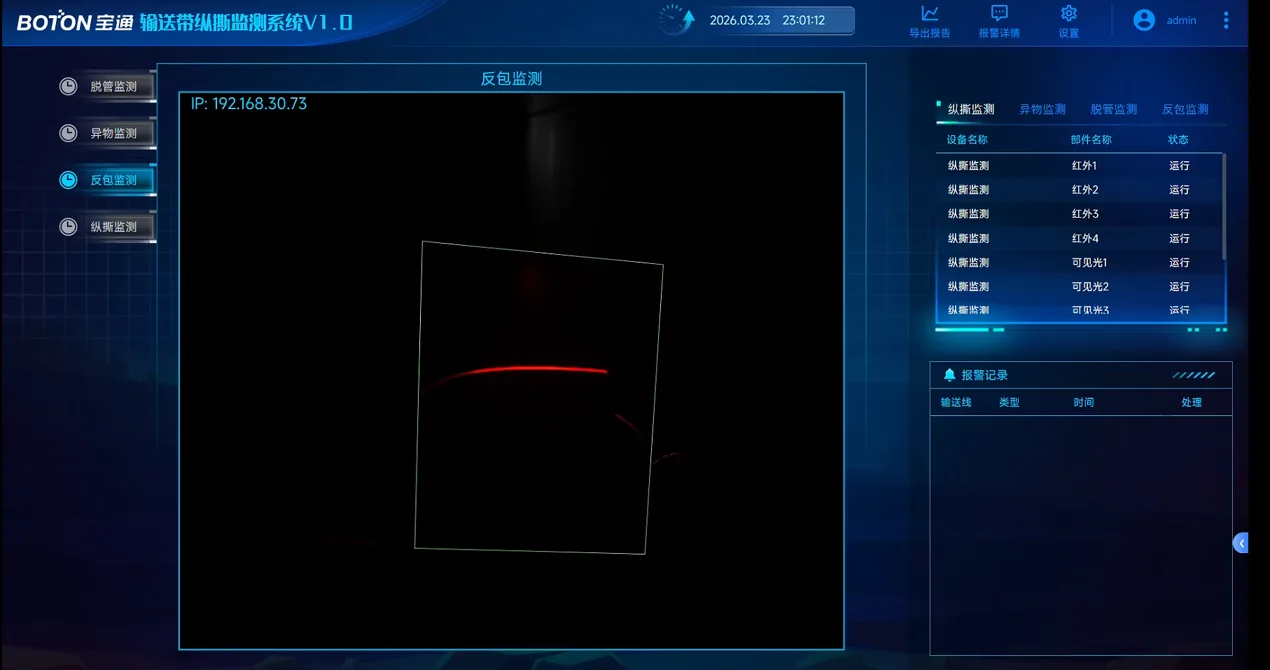
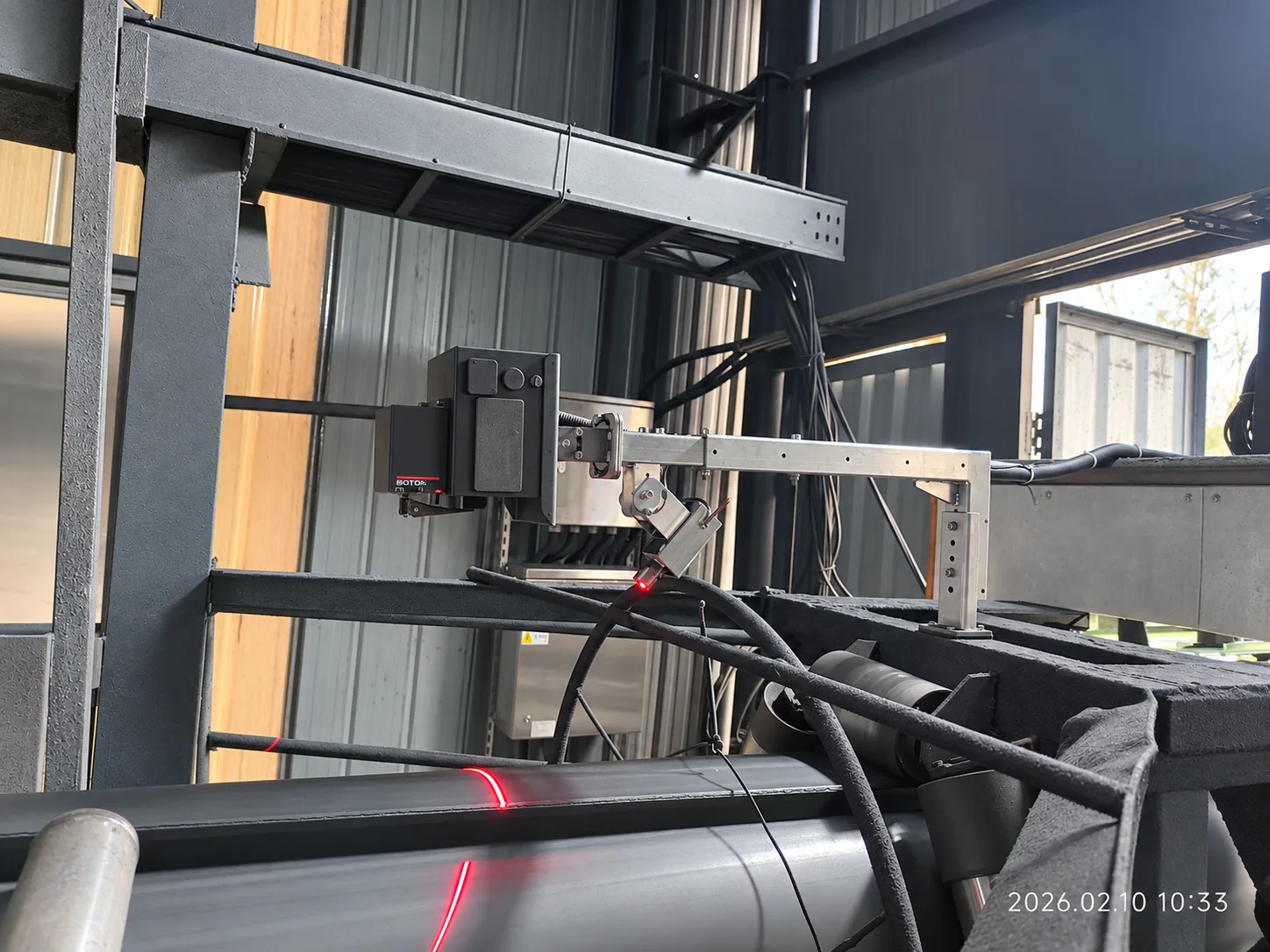
Red laser emitters work with visible-light industrial cameras to capture the belt profile. Intelligent image analysis identifies abnormal belt wrapping or pipe configurations during operation.

✅️Reported recognition accuracy: 95%

✅️Detection method: Laser-assisted machine vision

This function monitors belt geometry and helps identify abnormal configurations that may affect stable conveying or increase the risk of belt damage.

Discharge-End Belt Unfolding Detection

Non-contact machine vision monitors the belt as it transitions from its tubular configuration to a flat profile at the discharge end. The system identifies abnormal unfolding without relying on mechanical contact switches.

✅️Reported recognition accuracy: 95%

✅️Detection method: Non-contact machine vision

Monitoring this transition helps operators identify conditions that could contribute to material spillage, abnormal belt contact, accelerated wear or equipment interference.

Integrated Alarm, Interlock and Event Recording

The four monitoring functions operate within a coordinated monitoring and control workflow:

Detect → Identify → Alarm → Record → Transmit → Interlock

When an abnormal condition is detected, the system can trigger local audible and visual alarms, send notifications to the remote monitoring platform, and output interlock signals for conveyor shutdown when required and configured.

Associated abnormal images and video are automatically recorded to support inspection, troubleshooting and root-cause analysis. Operators can also view the status of the monitoring modules through a unified platform.

Additional Intelligent Monitoring Capabilities

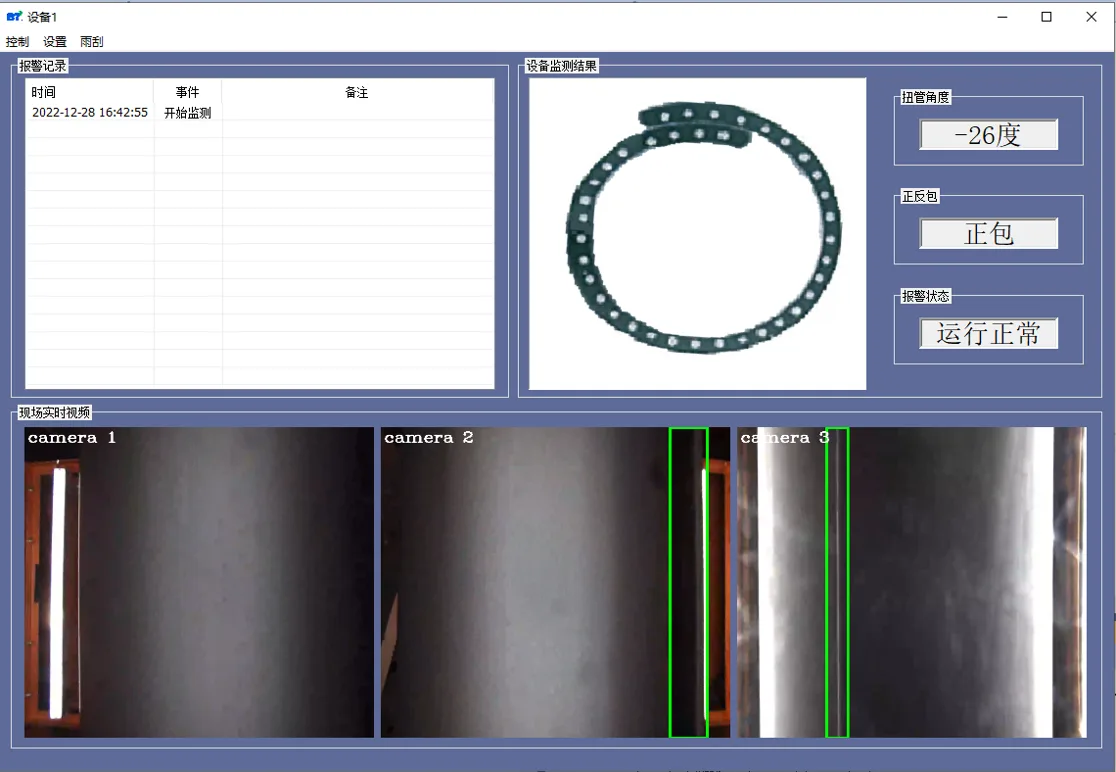
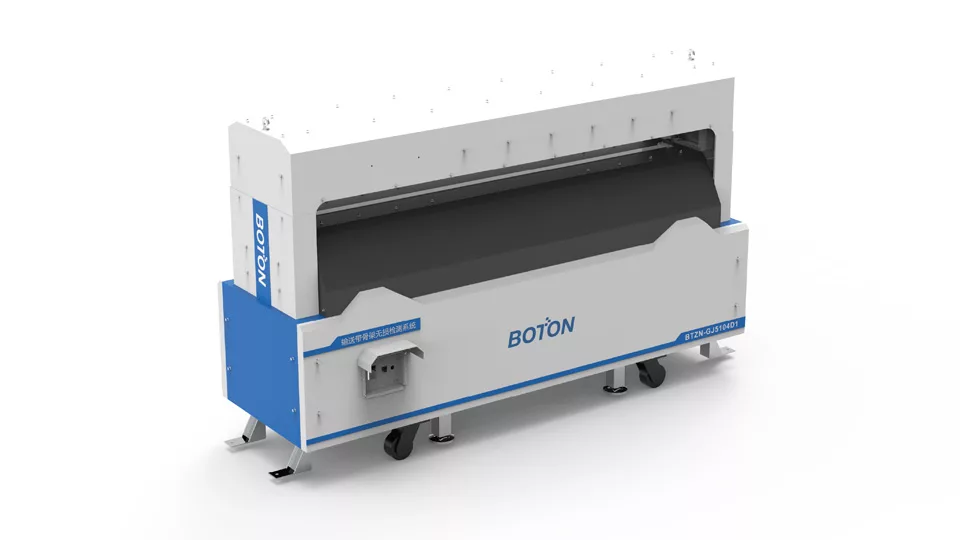
Beyond the four functions deployed in this project, BOTON is extending its intelligent monitoring capabilities to areas such as pipe-belt twisting detection and non-destructive inspection of conveyor belt carcass structures.

These technologies broaden the scope of monitoring from external objects and visible operating conditions to belt geometry and internal structural health. They represent additional capabilities within BOTON's wider intelligent conveying portfolio and should be selected according to the requirements of each conveyor application.

Project Gallery

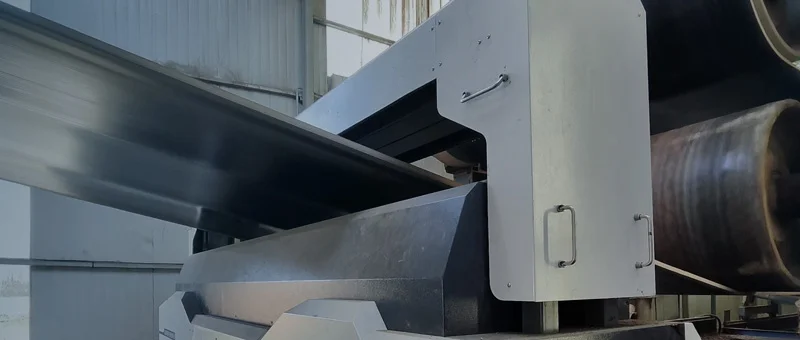
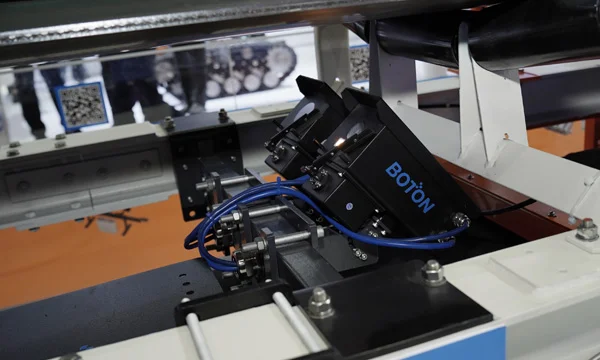
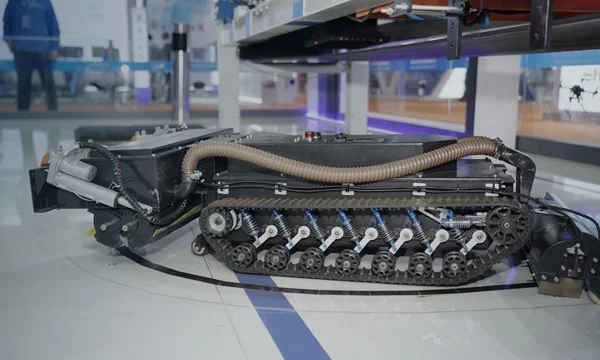
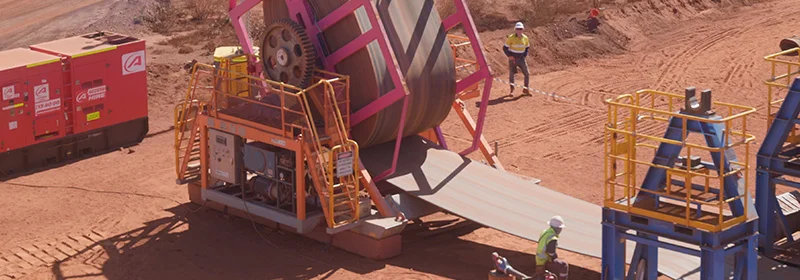
BOTON's intelligent conveyor monitoring portfolio integrates multiple technologies to address different operating risks, from foreign object detection and longitudinal rip monitoring to belt geometry assessment and non-destructive inspection. The following images illustrate the four monitoring functions deployed in this project, alongside additional capabilities available for other conveyor applications.

Related Products

"*" indicates required fields

This field is for validation purposes and should be left unchanged.
Full Name*
Tell us what you need, and include any relevant specifications or project details if available.
Drop files here or
Accepted file types: pdf, doc, docx, xls, xlsx, ppt, pptx, csv, txt, jpg, jpeg, png, zip, dwg, dxf, Max. file size: 20 MB.
    Upload an RFQ, technical specification, drawing, or other relevant document.


    Let's Talk!

    Whether you have a question about our services, a project idea, or just want to say hello, we're here to listen.

    Desktop mode detected.
    Please switch to mobile view for a better browsing experience.