

3D Vision Conveyor Belt Tracking at a Major Australian Iron Ore Terminal

Coordinated Vision and Sensor-Based Control to Address Recurring Belt Mistracking

3D Vision Conveyor Belt Tracking at a Major Australian Iron Ore Terminal
Case Chanllenges

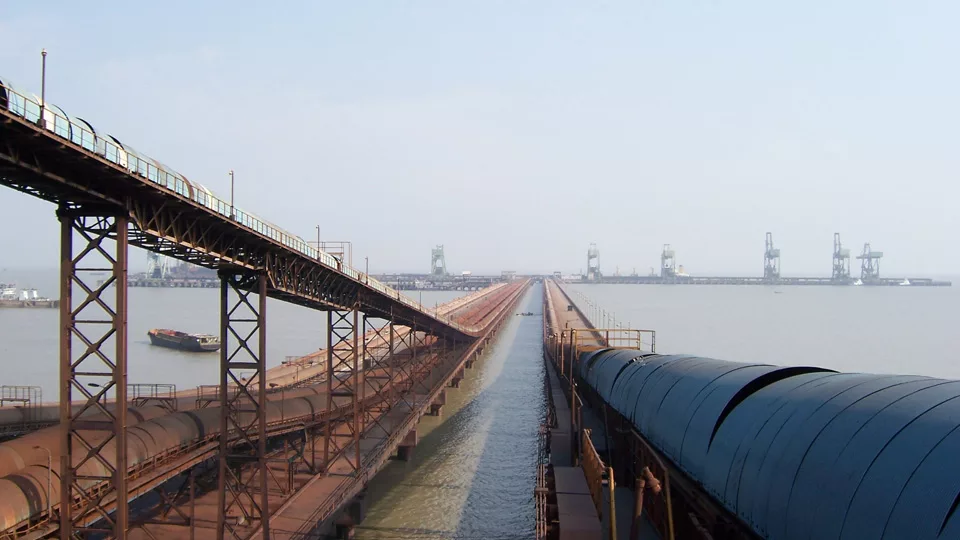
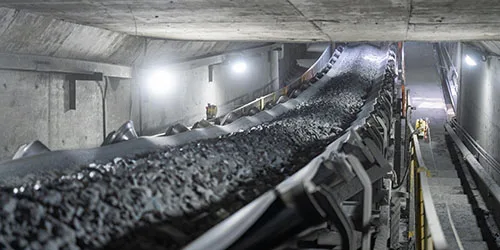
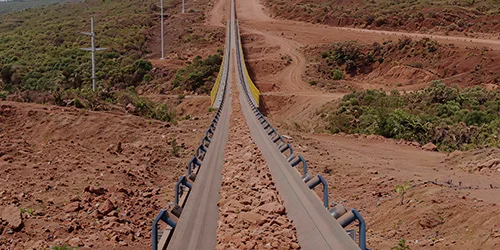
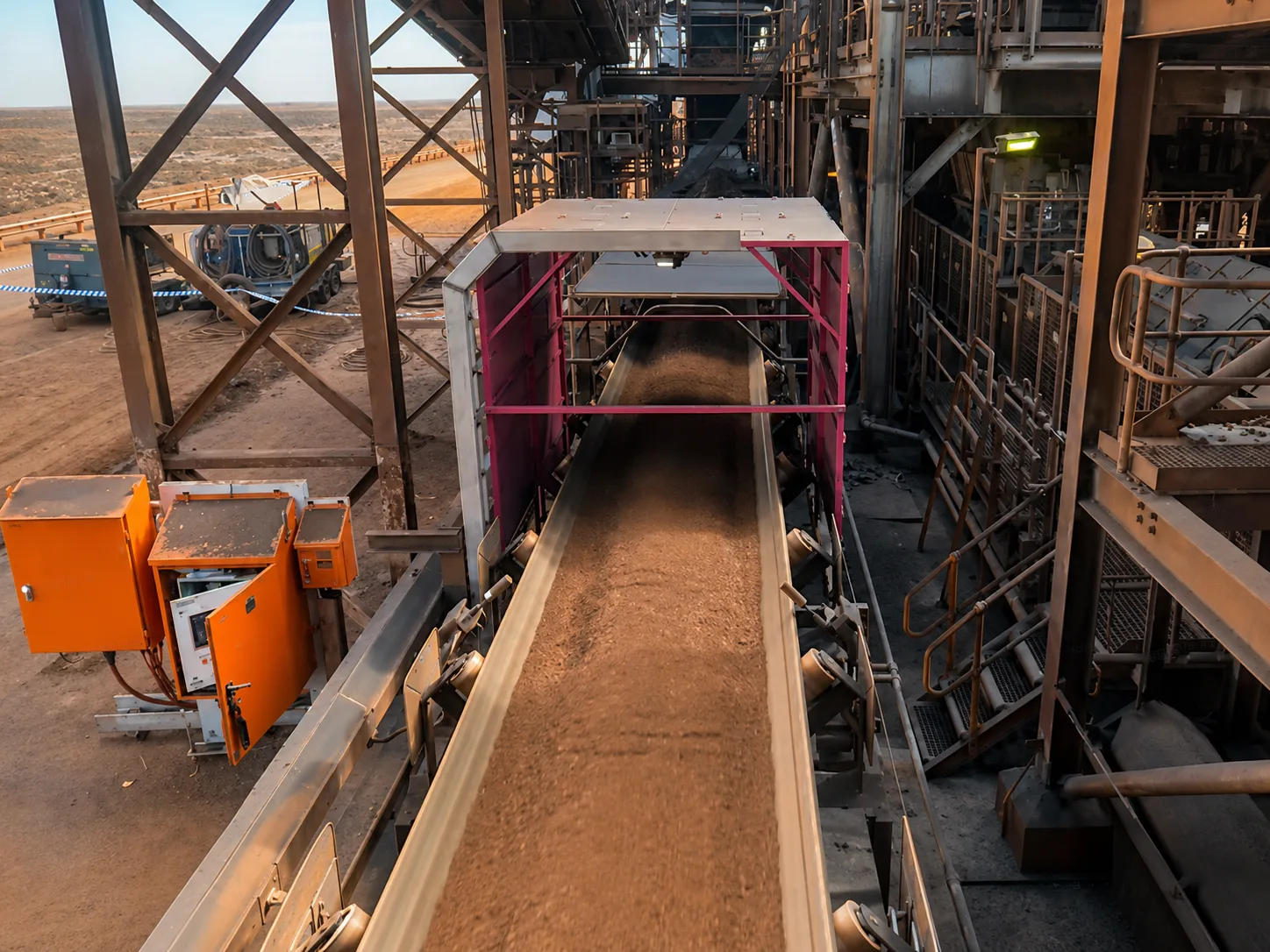
At a major iron ore export terminal in Australia, a long-distance conveyor operating at 5.5 m/s and a design capacity of 13,500 t/h experienced recurring belt mistracking caused by off-centre material loading.

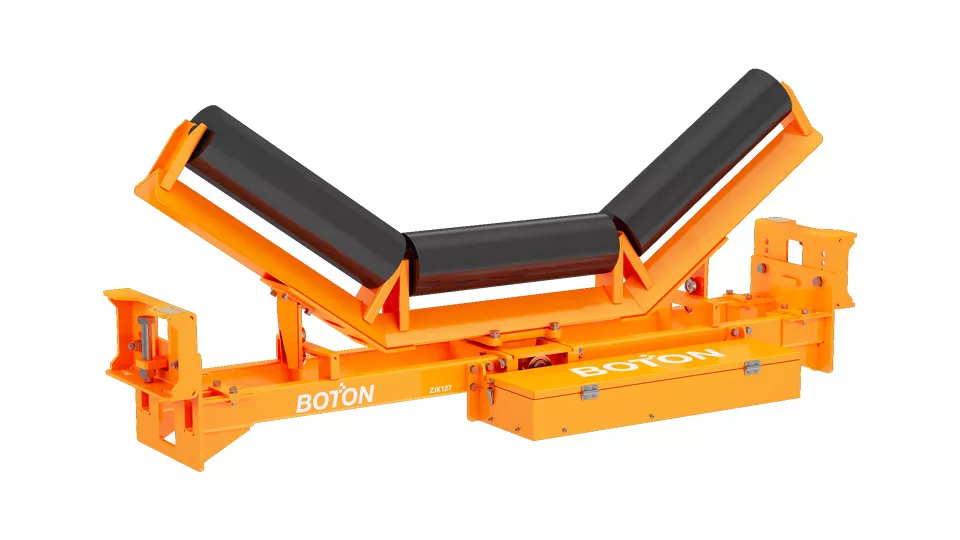
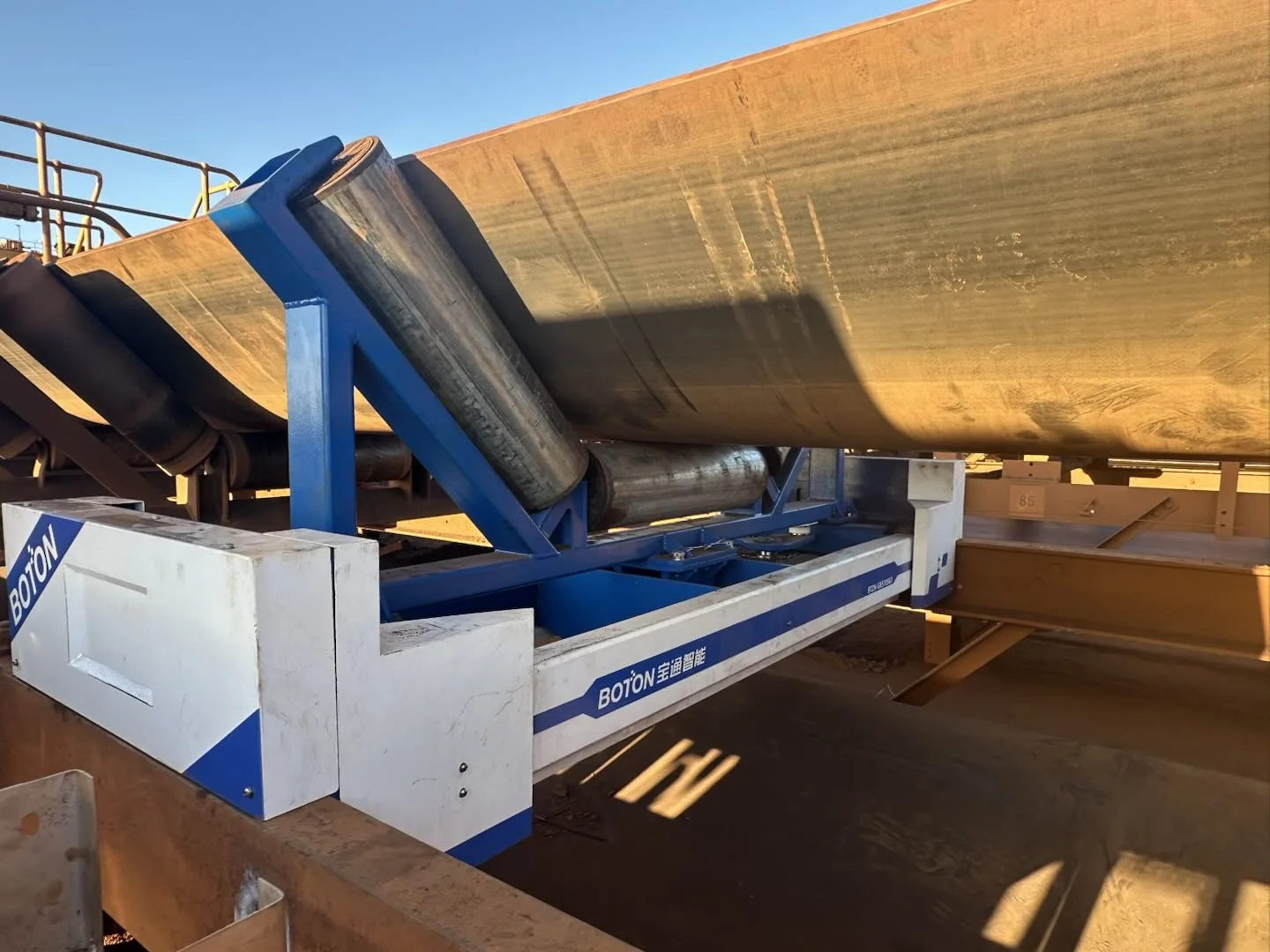
With modifying the loading chute not a viable option, BOTON introduced a 3D vision-based tracking solution that coordinates detection and correction around the loading zone. The system addresses the relationship between material distribution and belt movement, helping maintain stable conveying under demanding port conditions.

  Download Case Study PDF
Core Achievements

Six months without a reported system fault

The intelligent tracking system operated for six consecutive months without a reported system fault.

Recurring loading-related mistracking resolved

The solution addressed the belt deviation associated with off-centre loading without requiring modifications to the loading chute.

Follow-on projects secured

The successful application supported further deployment of BOTON’s intelligent conveyor belt tracking technology.

Key Facts

  • Region: Australia
  • Industry: Ports & Terminals
  • Material: Iron ore
  • Application: Port stockyard and ship-loading conveying
  • Conveyor length: 4,370 m
  • Lift height: 25 m
  • Design belt speed: 5.5 m/s
  • Design capacity: 13,500 t/h
  • Belt specification: ST2500, 1,800 mm wide, 15+6 mm covers
  • Solution: 3D vision monitoring and distributed automatic belt tracking control
Key Facts

Project Challenges

Off-Centre Loading Was the Root Cause

Material landing away from the intended centreline created uneven loading and contributed to recurring belt mistracking. Identifying the underlying cause is essential to choosing the right corrective action, as explained in BOTON's guide to conveyor belt tracking troubleshooting.

High-Speed, High-Capacity Operation Left Little Room for Error

Operating at 5.5 m/s with a design capacity of 13,500 t/h, the conveyor required fast, accurate and consistent tracking correction. Excessive adjustment could introduce further belt movement, while insufficient correction could allow mistracking to persist.

The challenge was to balance response speed and correction strength to maintain stable belt alignment during continuous, high-throughput operation.

Harsh Port Conditions Challenged Detection Reliability

High temperatures, dust, strong glare from ore and substantial day-to-night temperature variations created demanding conditions for visual monitoring.

The system needed to maintain reliable deviation detection despite changing environmental conditions, providing consistent feedback for automatic correction without triggering unnecessary adjustments.

BOTON Solution

3D Vision for Accurate Deviation Detection

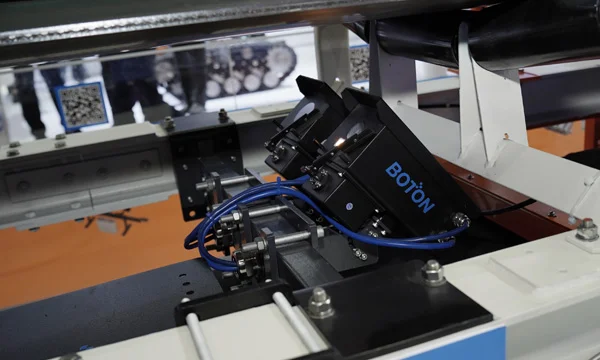
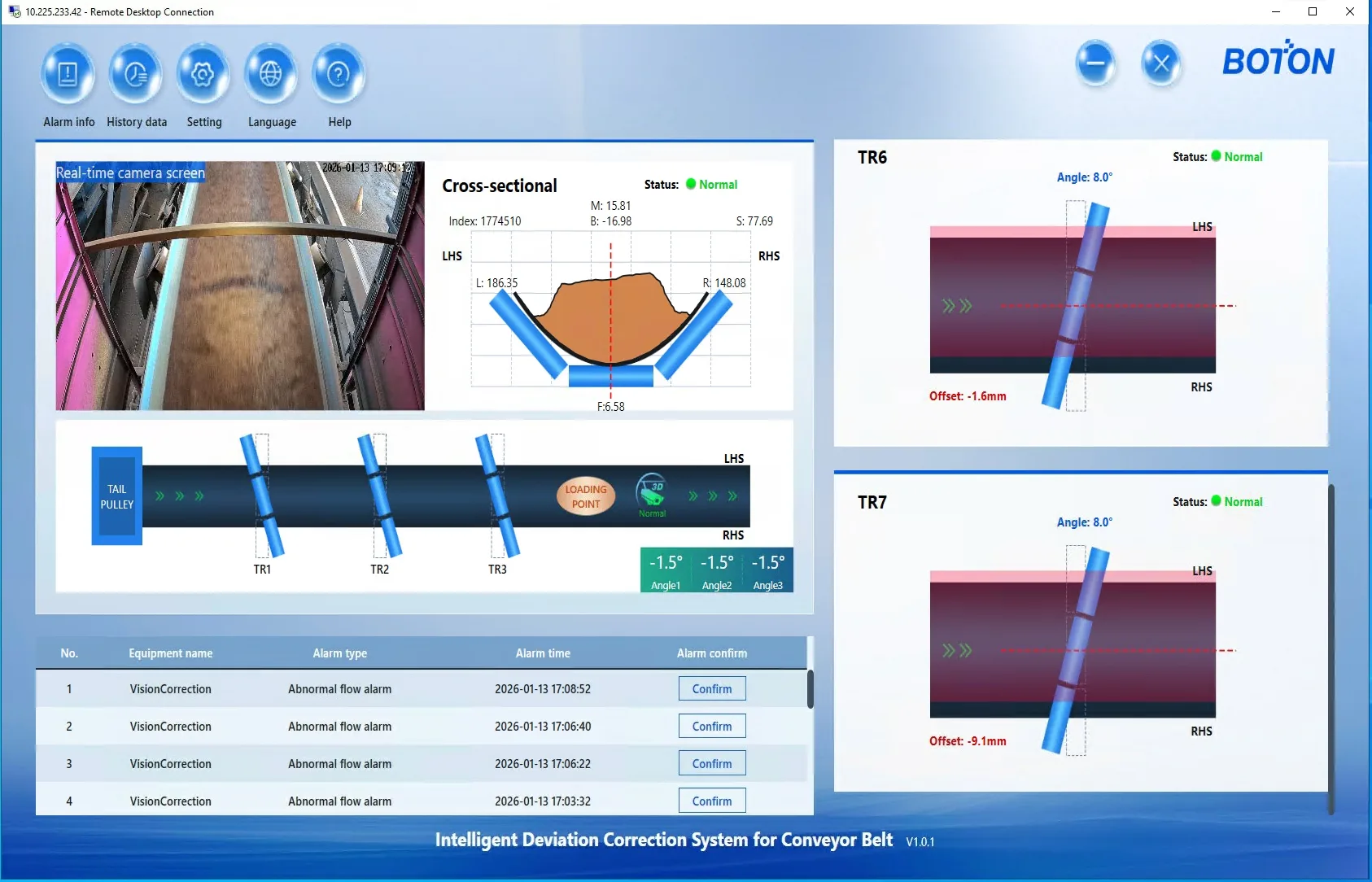
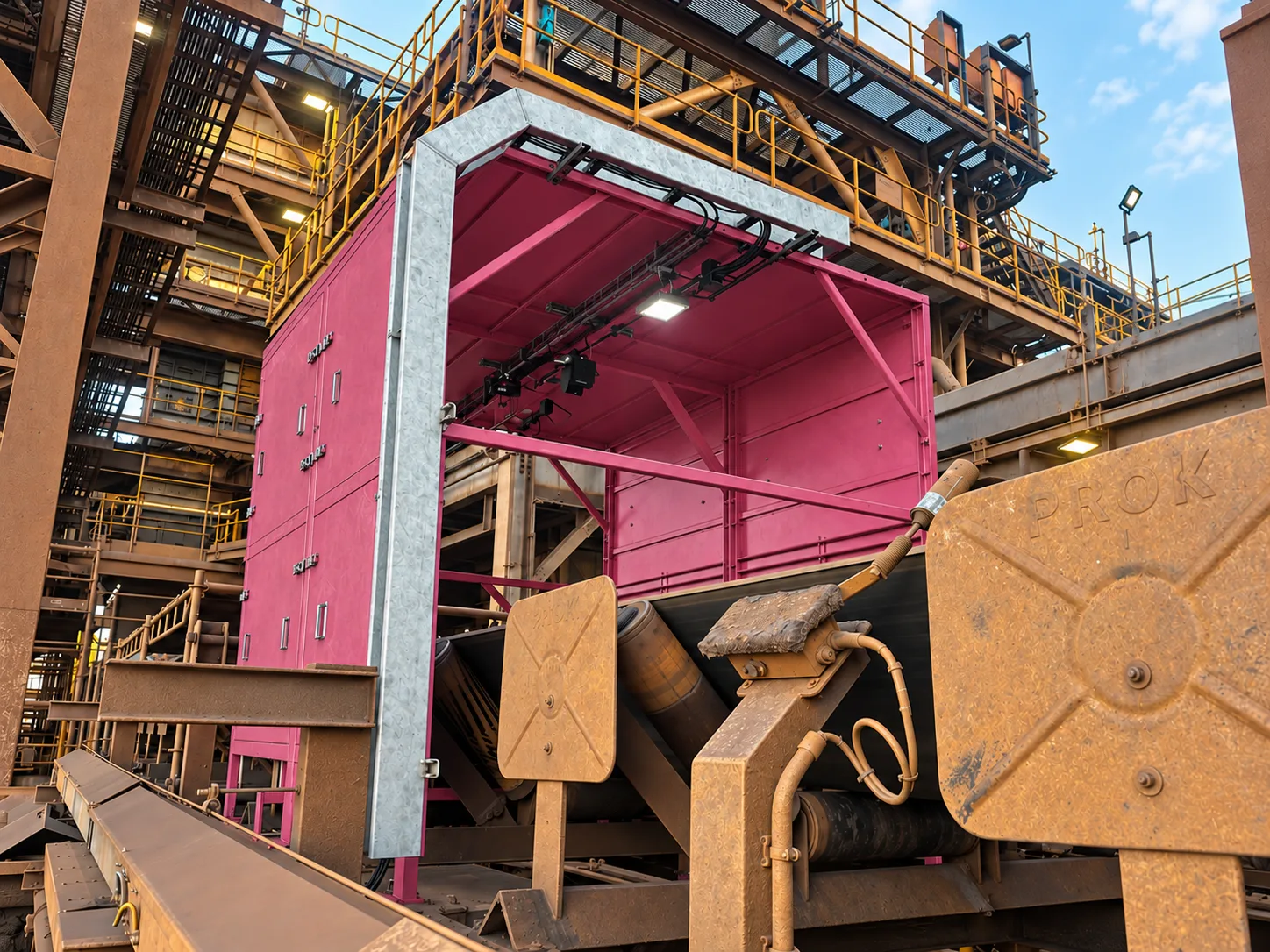
BOTON integrated 3D vision monitoring with intelligent control to assess material distribution and conveyor belt position around the loading zone.

The system identifies material offset and belt deviation, providing the information needed to evaluate loading conditions and guide corrective action. Monitoring images and deviation data can also be retained for review, making operating conditions easier to verify and track.

3+4 Distributed Control for Coordinated Correction

The solution uses a distributed control architecture combining three vision-led correction units with four ultrasonic sensor-led units.

The vision-based system monitors material landing conditions and belt position, while ultrasonic sensing provides additional deviation detection at other correction points. Together, the different detection methods support a coordinated response across the conveyor.

This multi-point approach helps address belt movement around the loading zone and guide the belt back towards its intended path downstream, rather than treating each deviation as an isolated event.

Coordinated Correction Before and After the Loading Chute

Correction is coordinated around the loading chute, where material distribution can influence belt alignment.

By responding to the observed landing position and belt deviation, the system adjusts the belt's running position to help keep the material load centred. Additional correction points support downstream alignment.

This approach targets the source of recurring mistracking: the interaction between off-centre loading and belt movement.

Adjustable Parameters for Stable Operation

Correction thresholds and actuator angles can be configured according to site conditions. This helps balance response speed and correction strength while reducing the risk of overcorrection and oscillation.

The modular architecture also supports installation, commissioning, maintenance and subsequent expansion according to project requirements.

Project Gallery

Related Products

"*" indicates required fields

This field is for validation purposes and should be left unchanged.
Full Name*
Tell us what you need, and include any relevant specifications or project details if available.
Drop files here or
Accepted file types: pdf, doc, docx, xls, xlsx, ppt, pptx, csv, txt, jpg, jpeg, png, zip, dwg, dxf, Max. file size: 20 MB.
    Upload an RFQ, technical specification, drawing, or other relevant document.


    Let's Talk!

    Whether you have a question about our services, a project idea, or just want to say hello, we're here to listen.

    Desktop mode detected.
    Please switch to mobile view for a better browsing experience.