
Aramid Conveyor Belt Systems

Lightweight strength for energy-saving and flame-retardant conveying.

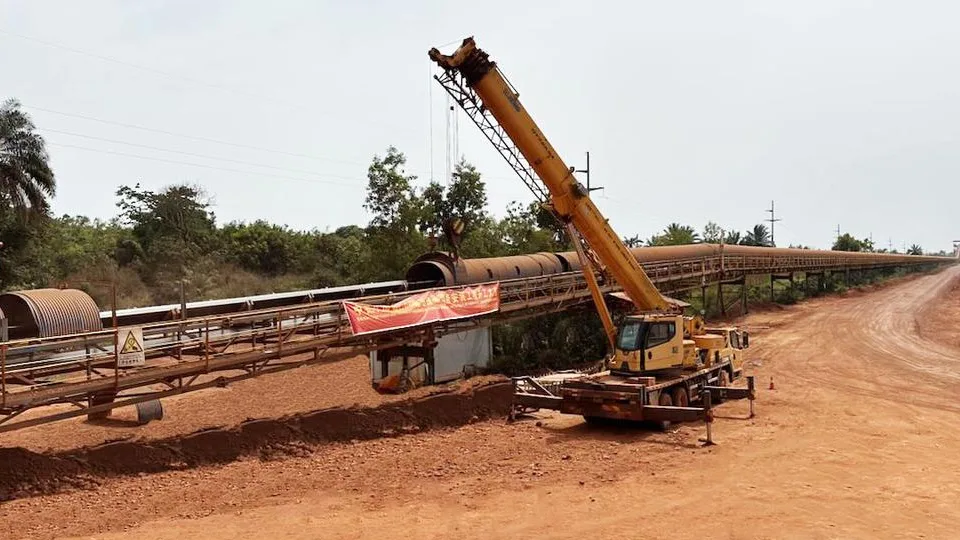
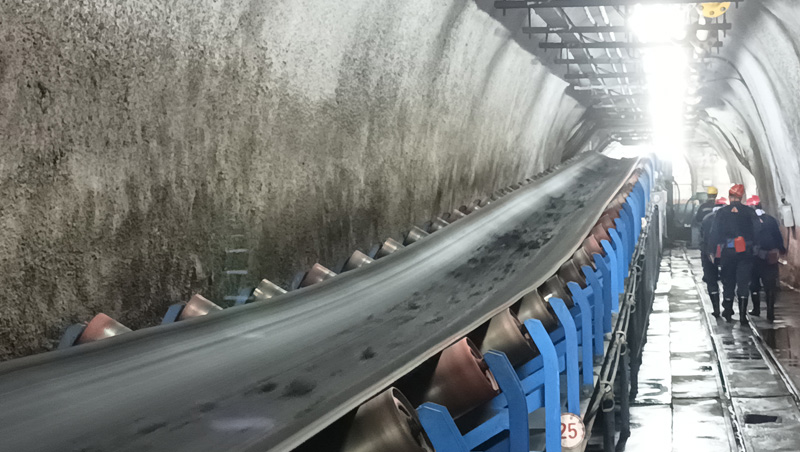
BOTON aramid conveyor belt systems are designed for demanding bulk material handling operations where lower belt weight, high tensile strength, fire safety and long-term reliability are critical. From long-distance energy-saving conveyors to fire-resistance mining applications, BOTON helps customers build safer and more efficient conveying systems.

Explore Aramid Solutions
Aramid Conveyor Belt Systems

WHY CHOOSE ARAMID CONVEYOR BELTS

Lightweight StrengthUp to 52% lower carcass weight under equivalent strength conditions

Aramid structures provide high tensile strength with significantly lower carcass weight compared with conventional steel cord structures under equivalent strength conditions. This helps reduce conveyor system load, optimize running tension and improve operational stability in long-distance or inclined conveying systems.

Energy-Saving PotentialUp to 25% potential energy reduction, depending on system configuration

In long-distance conveyor systems, belt weight, running tension and indentation rolling resistance all affect energy demand. BOTON aramid belt structures can reduce system load, and when combined with EcoTrans™ low rolling-resistance covering rubber, they help support lower operating energy consumption.

Fire-Resistance PerformanceOxygen index ≥ 28%; decomposition temperature above 500°C

Aramid has inherent flame-retardant characteristics, with an oxygen index ≥ 28%. It decomposes above 500°C and does not soften or drip, helping reduce the risk of fire spread when the belt structure is exposed under severe wear or fire-risk conditions. BOTON aramid fire-resistant belt solutions can be engineered for both aboveground and underground conveying environments.

Low Smoke & Low ToxicityDesigned to support safer underground evacuation conditions

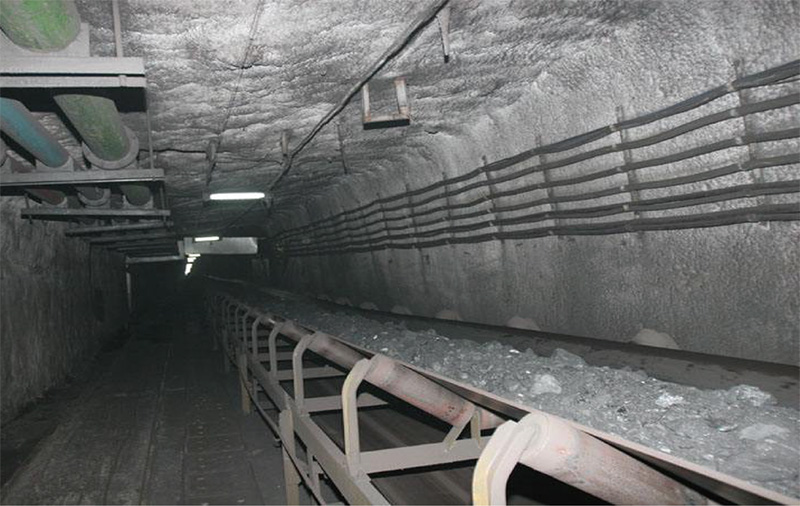
Compared with PVC/PVG solid woven belts, which may release large amounts of toxic gases when burning, aramid generates low smoke and low toxicity during combustion. This is especially valuable for underground conveying environments where visibility, ventilation and evacuation time are critical.

Moisture & Corrosion ResistanceNon-metallic reinforcement for humid and corrosive environments

Steel cord belts are vulnerable to rust and corrosion in humid underground or corrosive environments. Aramid materials resist moisture and corrosion, helping reduce corrosion-related aging and maintenance frequency.

ONE ARAMID PLATFORM. TWO HIGH-VALUE SOLUTIONS.

Energy-Saving Aramid Conveyor Belts

Energy-Saving Aramid Conveyor Belts

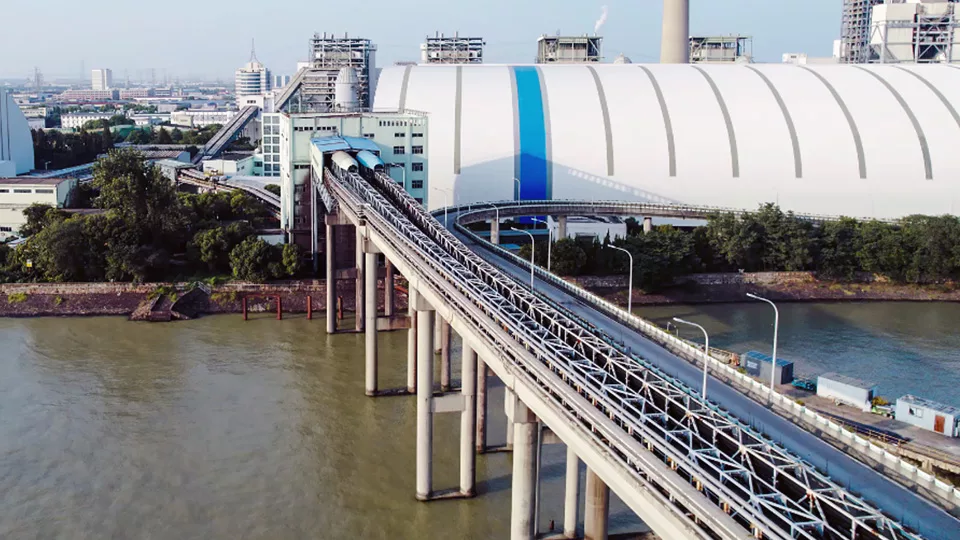
For long-distance, high-lift and high-capacity conveying systems, BOTON aramid conveyor belts help reduce belt weight and system load. When combined with EcoTrans™ low rolling-resistance covering rubber, they can further support energy-saving operation.

View Energy-Saving Solutions
Fire-Resistance Aramid Conveyor Belts

Fire-Resistance Aramid Conveyor Belts

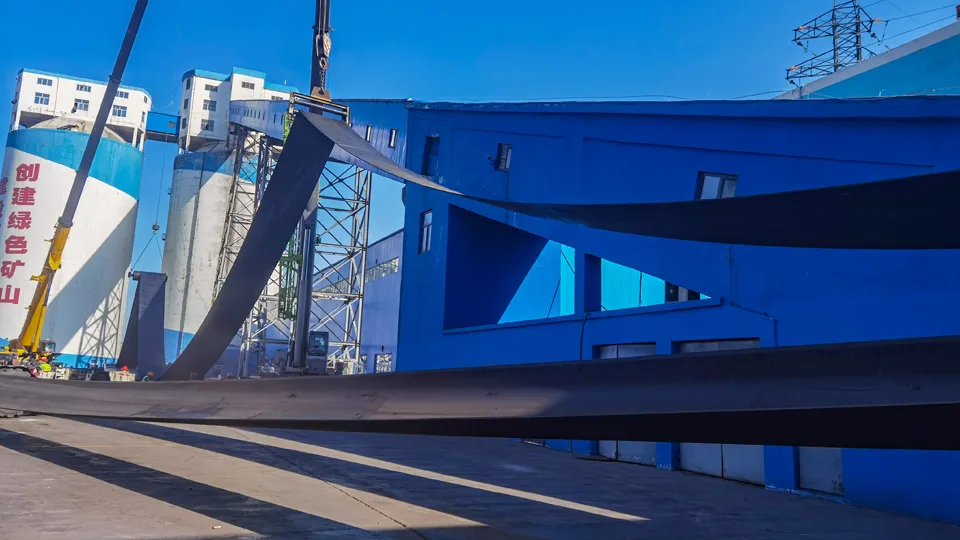
For aboveground and underground applications with fire-safety requirements, BOTON aramid fire-resistance conveyor belts combine high-strength aramid carcass performance with fire-resistance rubber systems to support safer conveying operations.

Explore Fire-Resistance Solutions

CASE STUDY

PROVEN IN DEMANDING CONVEYING PROJECTS

Energy-Saving Aramid Conveyor System
11 km underground conveyor upgrade

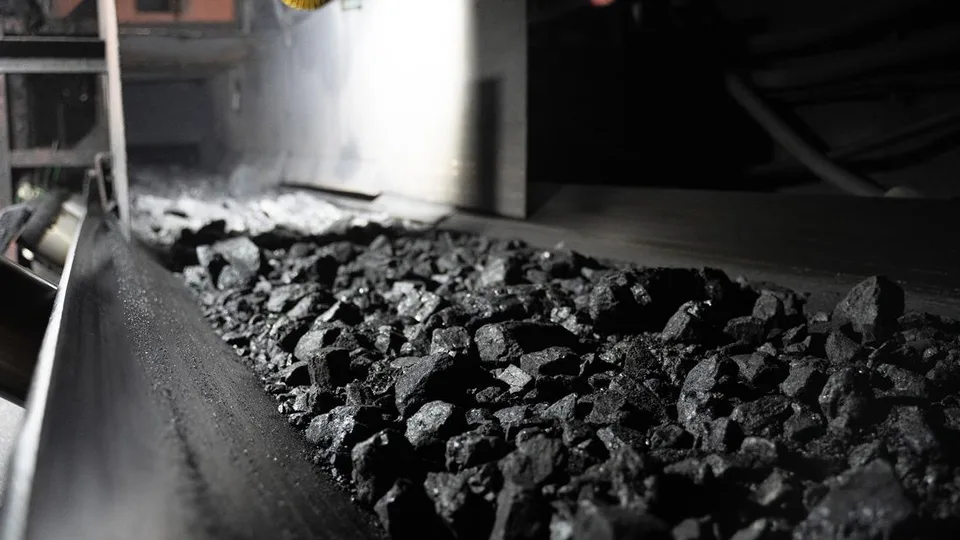
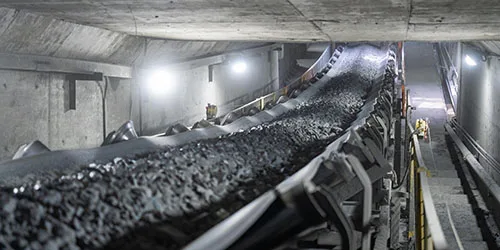
BOTON replaced a steel cord belt with an aramid conveyor belt system for an underground coal mine in Inner Mongolia. The upgrade reduced belt weight by 23.6%, lowered average current by 16.8%, and achieved an estimated annual energy saving of 2,120 MWh.

See Aramid Energy-Saving Results

PROVEN IN DEMANDING CONVEYING PROJECTS

CASE STUDY

Fire-Resistance Aramid Belt Upgrade

Power plant stacker-reclaimer conveyor line

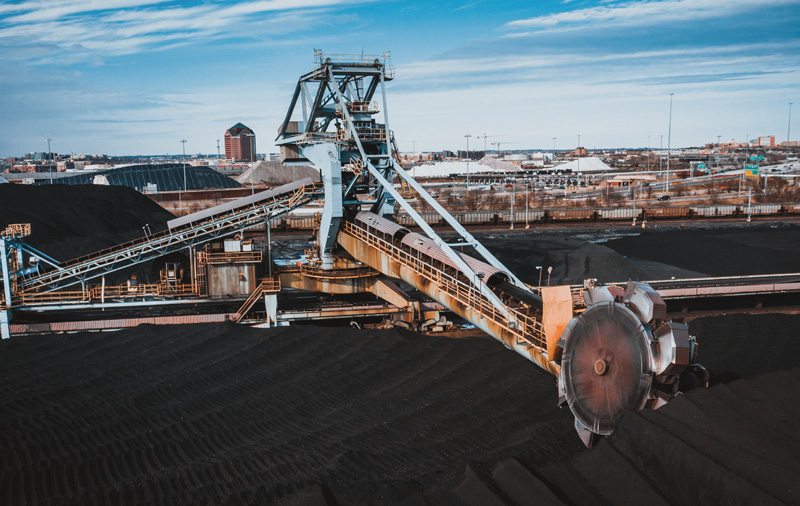
For a power plant in Fujian, BOTON upgraded a steel cord conveyor belt to an aramid belt solution for a coal handling line. The project reduced belt weight by 30% and extended service life from 1.5 years to 4 years.

See Fire-Resistant Belt Upgrade

PROVEN IN DEMANDING CONVEYING PROJECTS

FAQs

When should a conveyor system use an aramid belt instead of a steel cord belt?

An aramid belt is a strong alternative to a steel cord belt when belt weight, running tension, corrosion risk, fire safety or energy consumption are key project concerns. Compared with steel cord structures, aramid reinforcement can provide high strength with lower carcass weight and without the risk of steel cord rusting.

How does an aramid conveyor belt help reduce conveyor system load?

Aramid reinforcement has a high strength-to-weight ratio. Under equivalent strength conditions, an aramid belt structure can reduce carcass weight and total belt weight compared with a conventional steel cord belt. A lighter belt can help reduce running tension, conveyor load and drive demand, especially in long-distance or high-lift conveying systems.

What is the relationship between aramid belts and low rolling-resistance conveyor belts?

Aramid belts and low rolling-resistance belts solve different parts of the energy-saving challenge. Aramid reduces belt structural weight and system tension, while low rolling-resistance rubber reduces indentation rolling resistance between the belt and idlers. In long-distance conveying systems, combining aramid reinforcement with EcoTrans™ low rolling-resistance rubber can provide a stronger energy-saving solution.

Are aramid conveyor belts suitable for underground coal mines?

Yes, aramid conveyor belts can be engineered for underground coal mine applications when designed with fire-resistance and anti-static rubber systems that meet applicable mining safety requirements. Their lower belt weight, corrosion resistance and fire-resistant potential make them suitable for demanding underground conveying environments.

What makes aramid conveyor belts safer in fire-risk conveying environments?

Aramid has inherent heat-resistant and flame-resistant characteristics. It does not behave like metallic reinforcement and does not rust in humid environments. When combined with flame-retardant rubber systems, aramid belts can support safer operation in coal handling, underground mining and other fire-risk conveying conditions.

Are aramid conveyor belts suitable for long-distance overland conveyors?

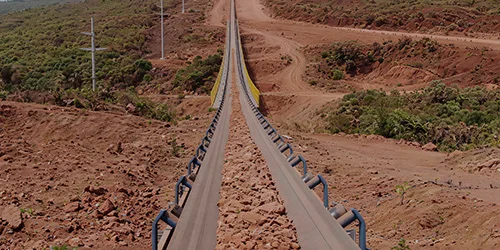
Yes, aramid conveyor belts can be suitable for long-distance overland conveyors because their lower belt weight can help reduce system tension and drive demand. For long-distance energy-saving projects, BOTON can combine aramid reinforcement with EcoTrans™ low rolling-resistance rubber to improve overall conveyor efficiency.

Can aramid conveyor belts replace PVC or PVG belts in underground mining?

In some underground mining applications, aramid flame-resistant conveyor belts can provide an alternative to traditional PVC or PVG belts, especially where higher strength, longer conveying distance, lower belt weight or improved operational performance is required. The replacement decision should be based on safety standards, belt strength, conveyor layout, material load and mine operating conditions.

Is an aramid conveyor belt always better than a steel cord conveyor belt?

No. Aramid belts and steel cord belts each have suitable applications. Steel cord belts remain widely used in many high-strength conveying systems. Aramid belts become more valuable when lower weight, corrosion resistance, fire safety, flexibility or energy-saving potential can create measurable system benefits.

"*" indicates required fields

This field is for validation purposes and should be left unchanged.
Name*


Let's Contect!

Whether you have a question about our services, a project idea, or just want to say hello, we're here to listen.

Desktop Mode detected, please switch to Mobile View.