Industry Solutions & Cases
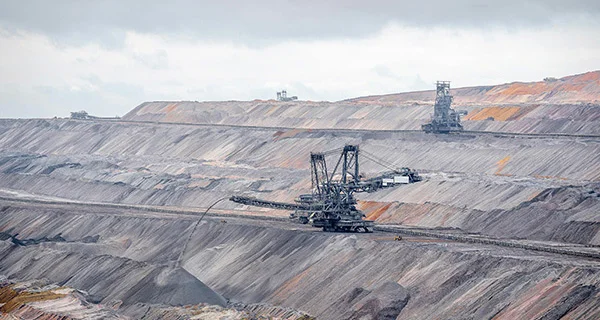
Mining
Conveyor solutions for mining operations
Bulk Material Handling
Overland / Crusher Discharge / Stockyard

Cement
Conveyor solutions for cement plants
Cement Plant Conveying
Limestone / Clinker / Alternative Fuels

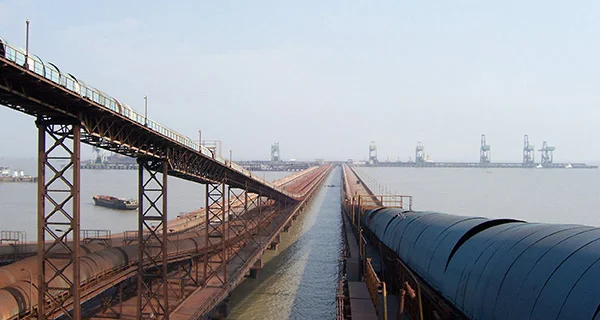
Ports & Terminals
Conveyor solutions for port operations
Port Logistics Conveying
Ship Loading / Yard Transfer / Stockpiling
Metals
Conveyor solutions for metals processing
Metals Process Conveying
Sinter Ore / Coke / Slag Handling
Explore More
View All Industries
Explore all industries we serve
View All Case Studies
See proven results across industries worldwide
Contact Our Industry Team
Get expert support for your industry challenges
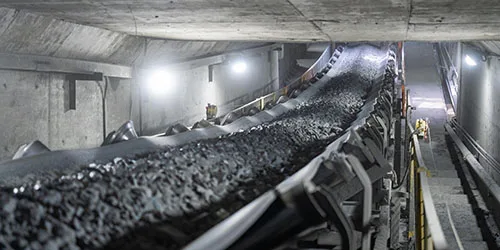
Steel Cord Conveyor Belts
High-tensile backbone for long-distance, high-capacity and heavy-duty conveying.
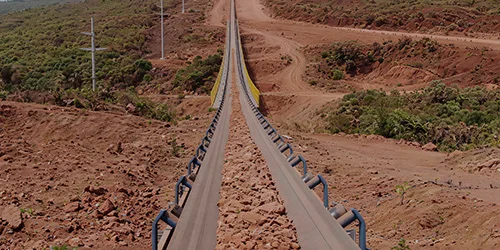
Energy-Saving Conveyor Belts
Lower rolling resistance for long-distance and high-capacity conveying.
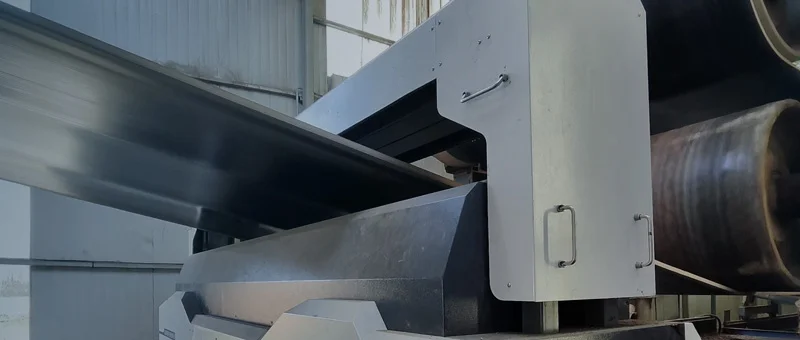
Intelligent Belt Monitoring
X-ray, rip detection and predictive insights for conveyor belt.
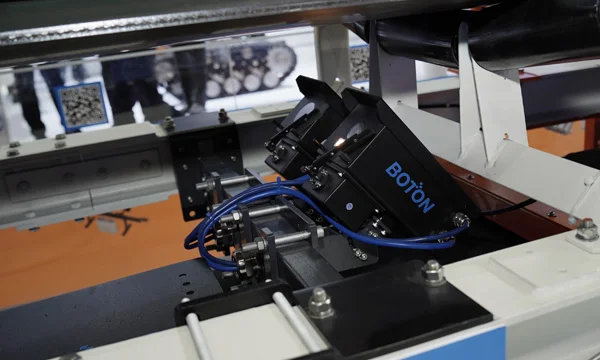
X-ray Inspection
Non-destructive monitoring for internal belt conditions.
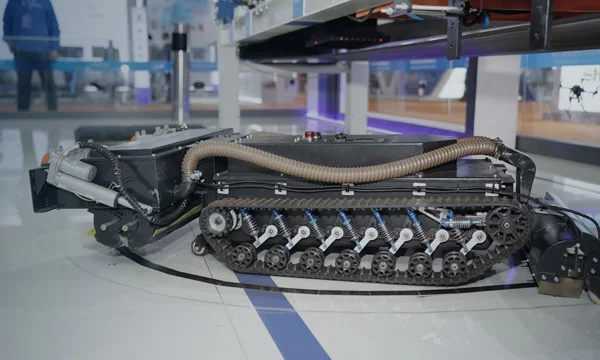
Inspection Robotics
Smarter inspection for complex conveying environments.
Services
We're here to help
Global service network with local expertise you can count on.
Contact Support
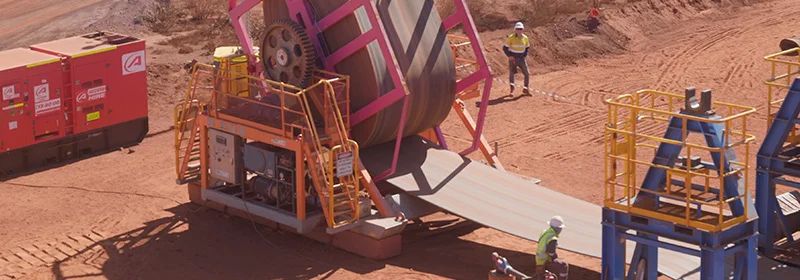
Turnkey Conveyor Services
From installation and splicing to diagnostics, emergency response and lifecycle improvement.
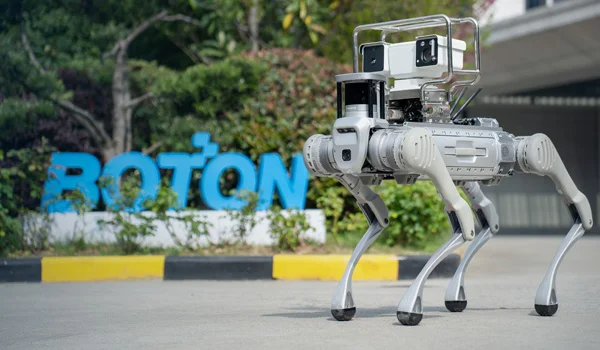
Intelligent Conveying Solutions
Smart monitoring, inspection robotics and digital tools for conveyor health.
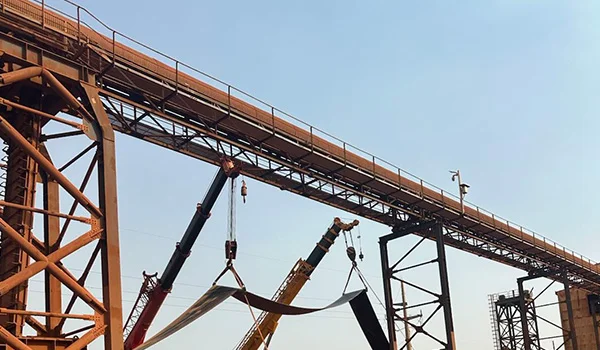
Service Case Studies
See how BOTON supports complex conveyor operations worldwide.

Turnkey Conveyor Services
From installation and splicing to diagnostics, emergency response and lifecycle improvement.
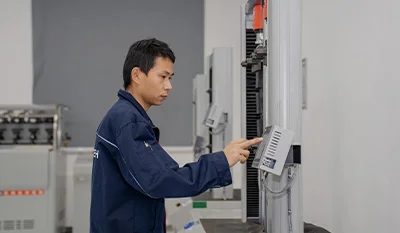
Intelligent Conveying Solutions
Smart monitoring, inspection robotics and digital tools for conveyor health.
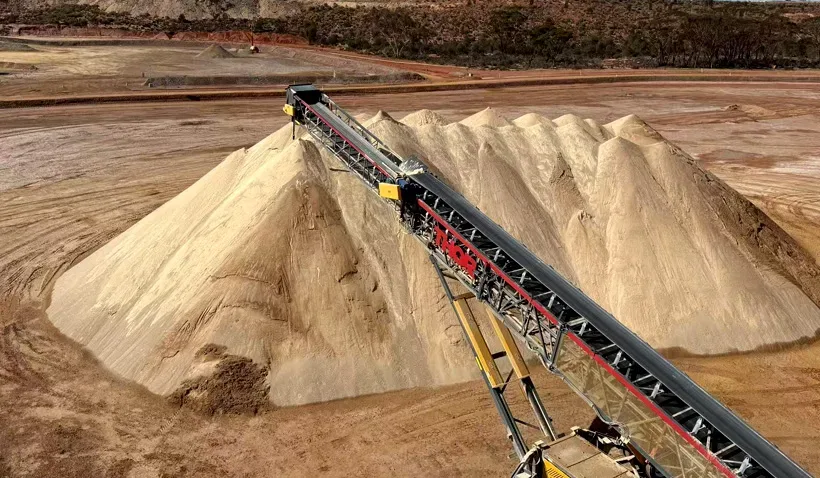
Service Case Studies
See how BOTON supports complex conveyor operations worldwide.
Impact & Rip-Resistant Conveyor Belts
Engineered for high-drop loading, sharp materials and severe bulk handling conditions.
At high-impact loading points, belt damage can start from surface cutting and quickly develop into carcass penetration, crack growth or longitudinal ripping. BOTON helps protect critical conveyor sections through tough cover compounds, reinforced belt structures, rip-protection layers and optional digital monitoring.
Explore Protection Structure
A Multi-Layer Defense Structure
Impact protection is not achieved by one material alone. It depends on the combined performance of the cover, reinforcement, carcass and rip-protection design.
- Tough Top Cover
- Impact Reinforcement
- High-Strength Carcass
- Rip-Protection Layer
- Monitoring Option
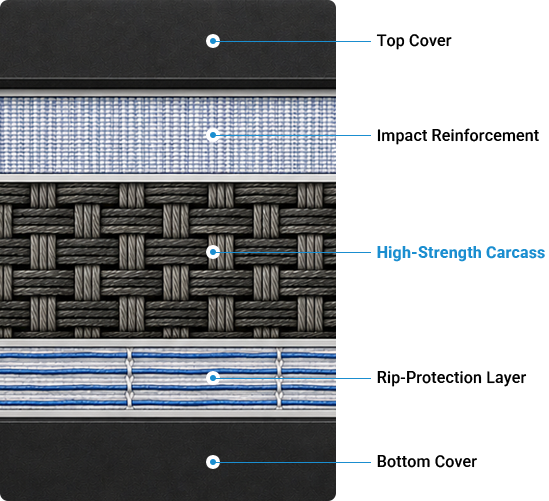
Belt Cross-Section (Typical)
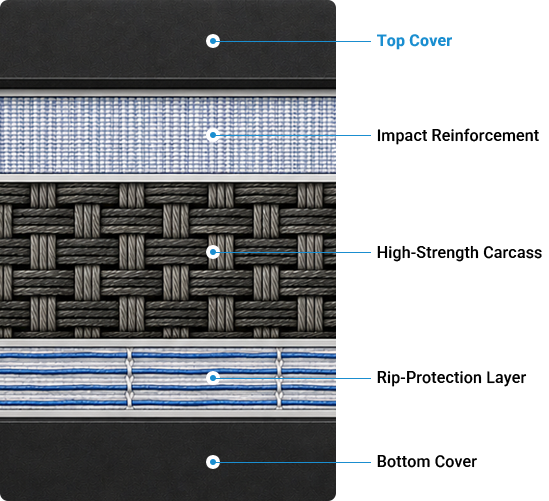 Typical structure concept. Actual construction may vary depending on belt type and operating conditions.
Tough Top Cover
The top cover is the first defense against sharp materials, repeated impact and surface cutting. A high-toughness cover compound helps resist local deformation, tearing and crack initiation.
- Cut resistance
- Tear resistance
- Surface durability
Belt Cross-Section (Typical)
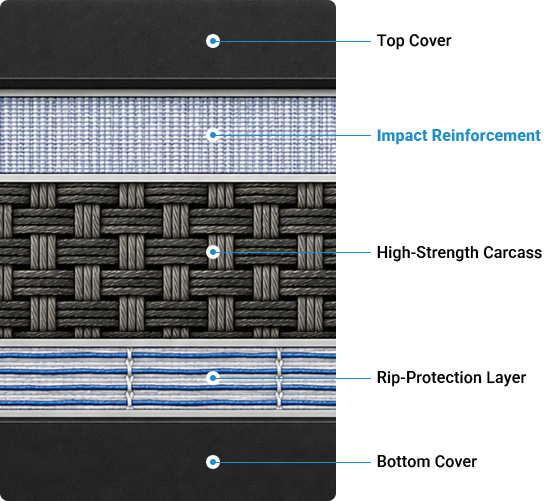 Typical structure concept. Actual construction may vary depending on belt type and operating conditions.
Impact Reinforcement
The reinforcement layer helps absorb and distribute impact energy at the loading point, reducing local stress concentration before it reaches the carcass.
- Energy absorption
- Stress distribution
- Loading-point protection
Belt Cross-Section (Typical)
 Typical structure concept. Actual construction may vary depending on belt type and operating conditions.
High-Strength Fabric Carcass
The fabric carcass provides tensile strength, flexibility and fatigue resistance. It helps maintain belt stability under repeated dynamic loading and harsh conveying conditions.
- Tensile strength
- Flexibility
- Fatigue resistance
Belt Cross-Section (Typical)
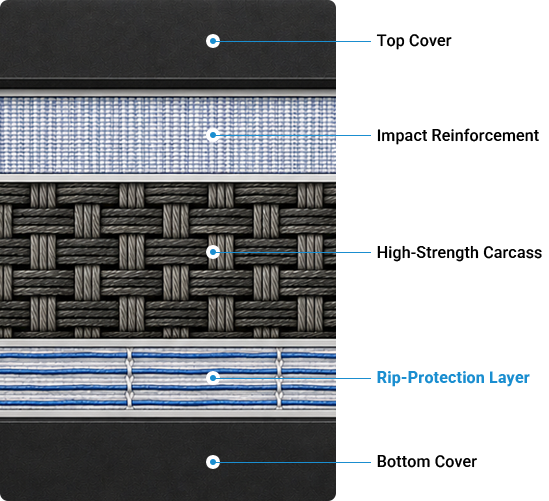 Typical structure concept. Actual construction may vary depending on belt type and operating conditions.
Rip-Protection Layer
The rip-protection layer helps contain crack growth and reduce the risk of local damage developing into long-distance longitudinal ripping.
- Crack control
- Transverse reinforcement
- Rip-risk reduction
Monitoring Option
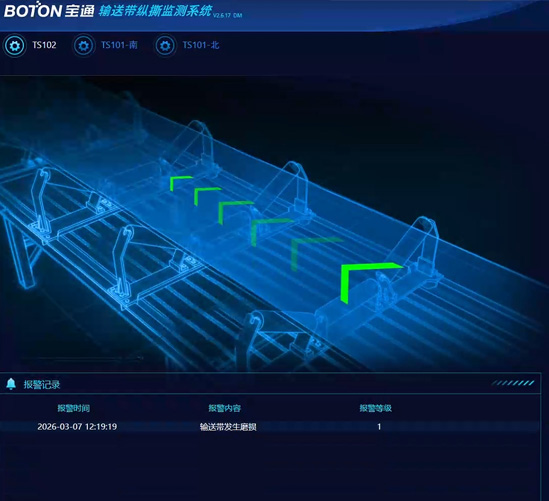
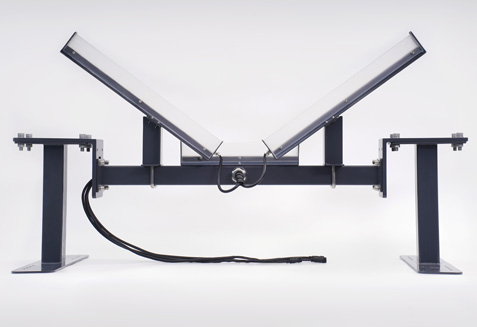
For critical conveyors, mechanical belt protection can be combined with online monitoring to detect abnormal tearing, internal damage or cover wear before they become major failures.
- Early warning
- Linked shutdown
- Planned maintenance
Engineered & Validated for Severe-Duty Operation
Each protection mechanism is evaluated against real damage scenarios commonly found in high-impact conveying operations.
Impact Resistance
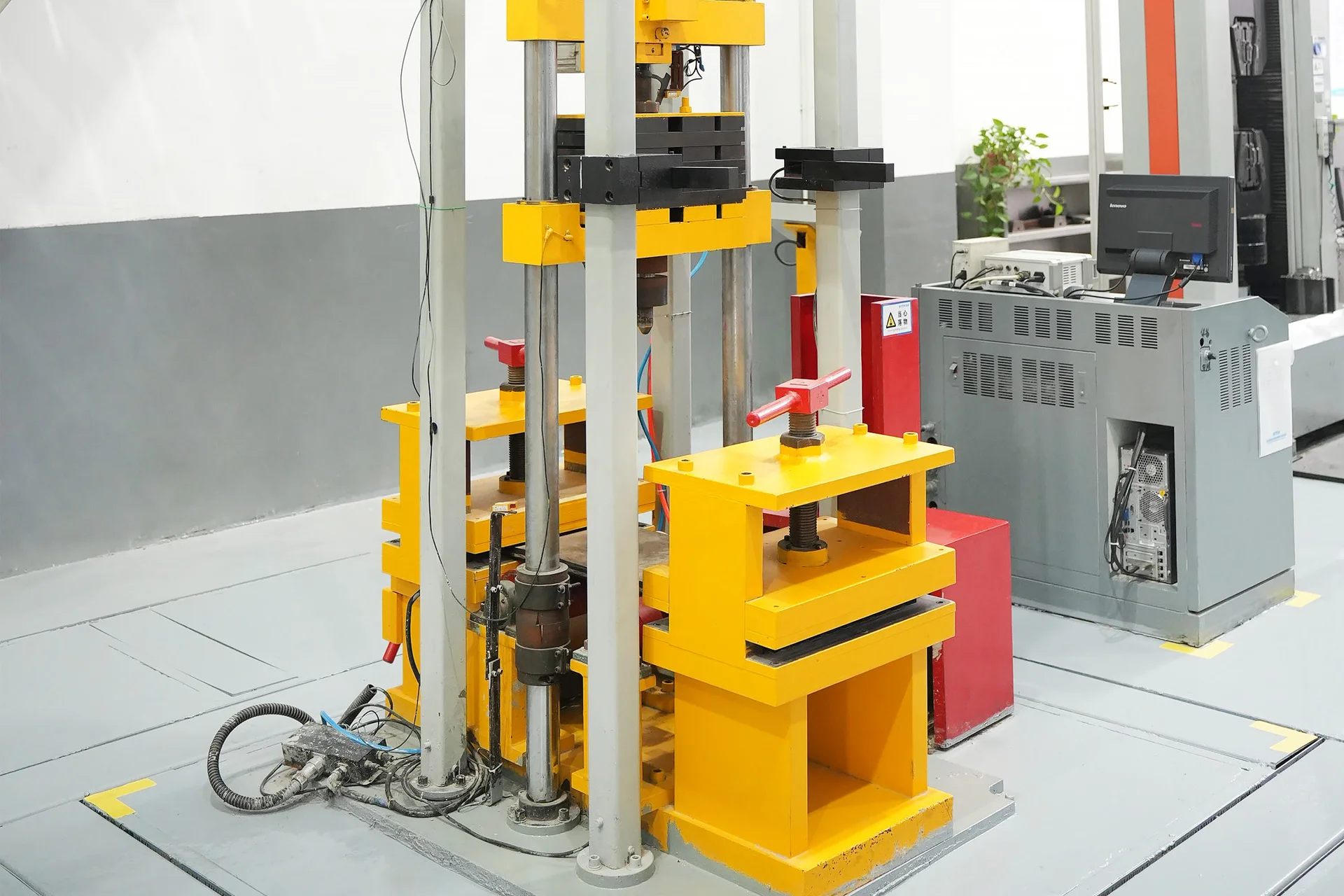
Evaluates how the belt structure absorbs sudden loading energy and protects the carcass under repeated impact.
Impact Resistance
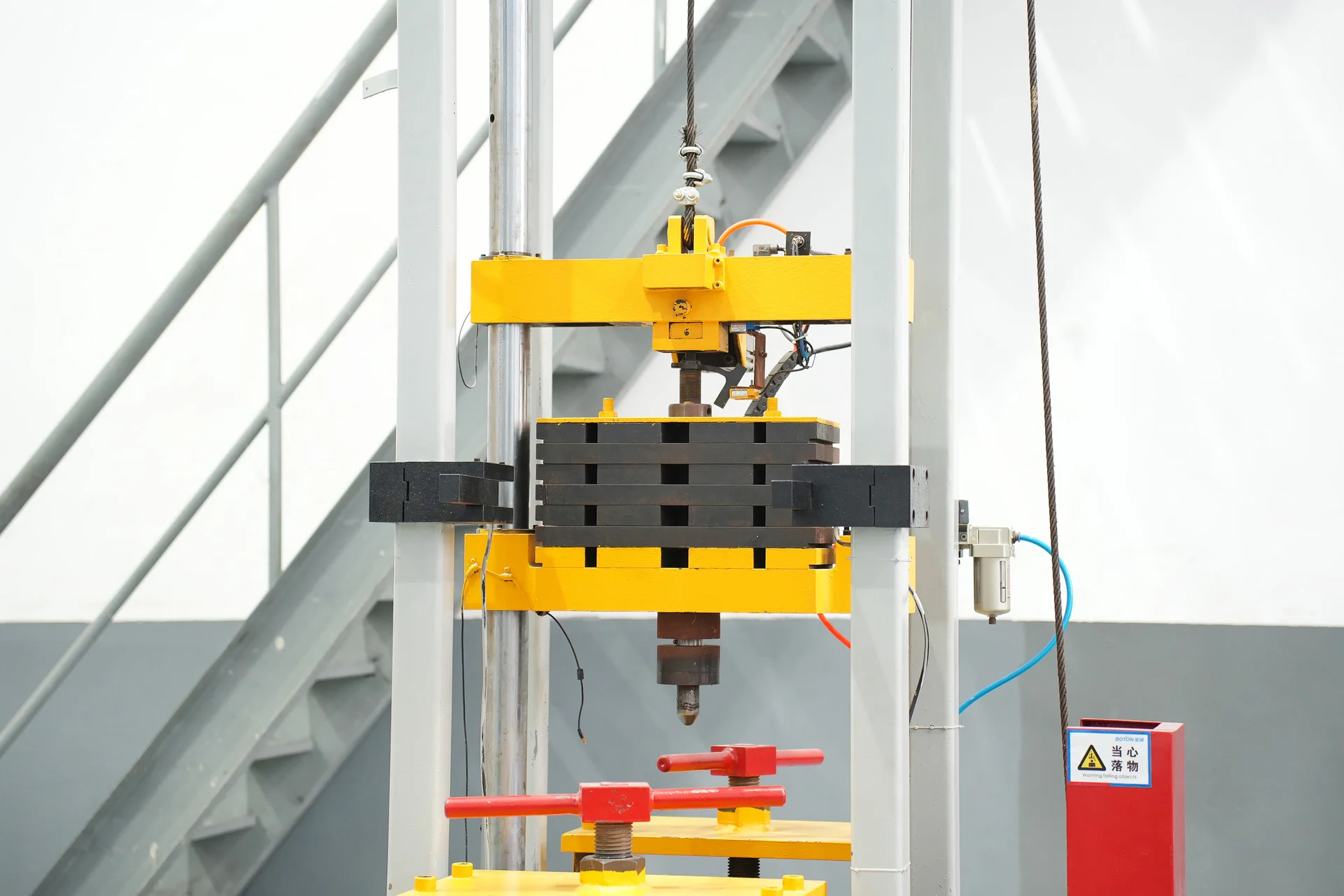
Evaluates how the belt structure absorbs sudden loading energy and protects the carcass under repeated impact.
Crack Growth Resistance
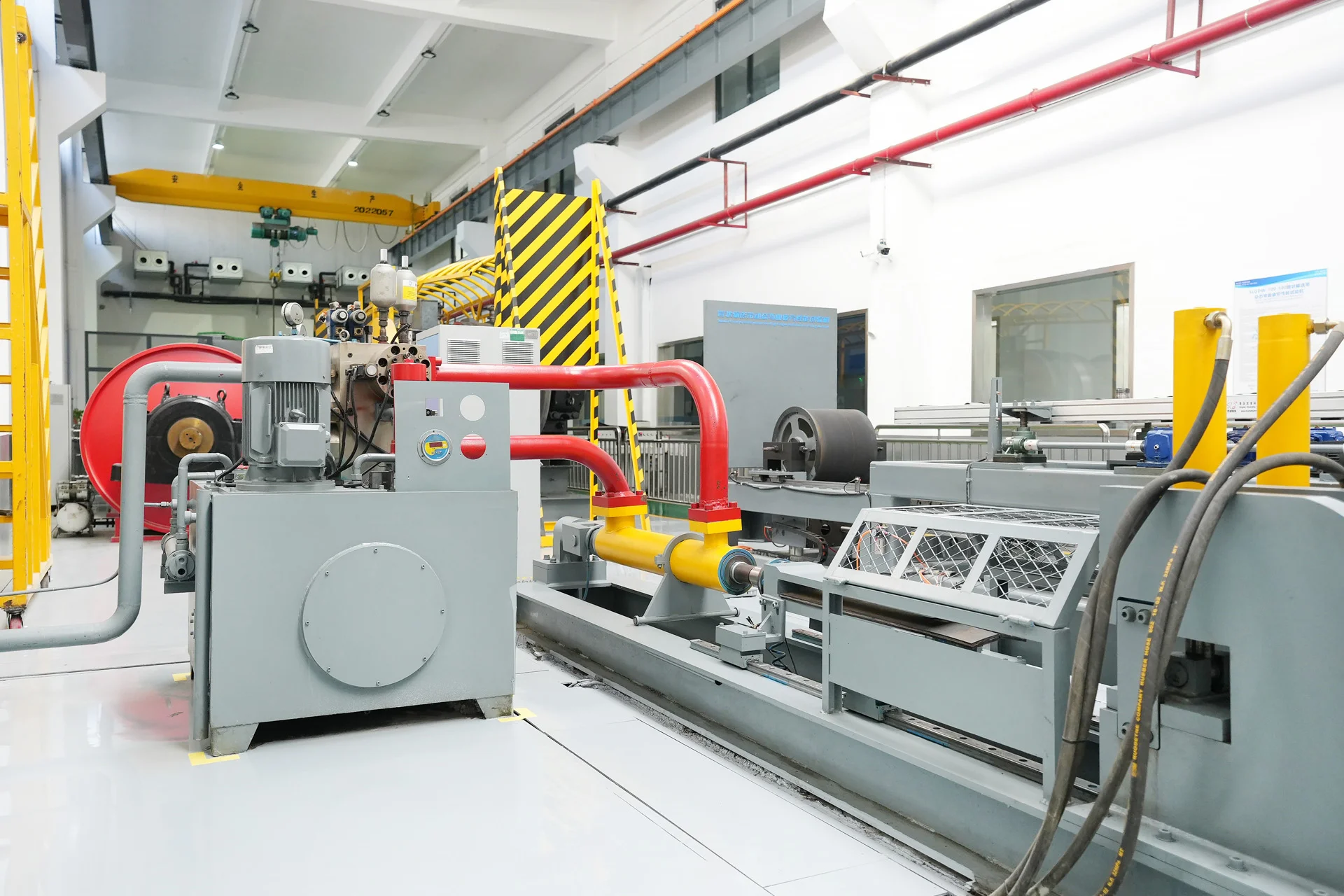
Evaluates how the cover and reinforcement system resist crack propagation after cutting, penetration or impact damage.
Crack Growth Resistance
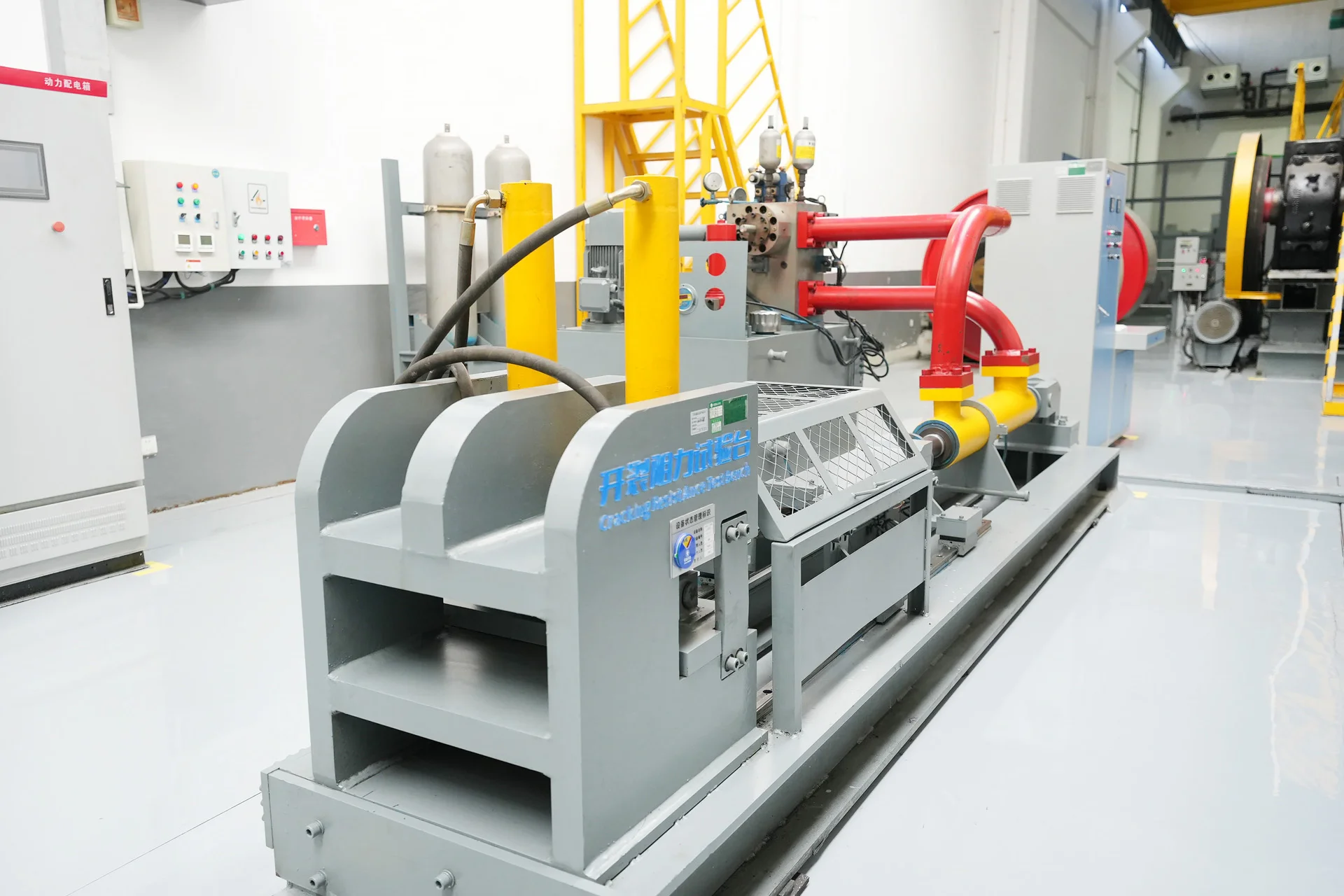
Evaluates how the cover and reinforcement system resist crack propagation after cutting, penetration or impact damage.
Tear Resistance / Structural Strength
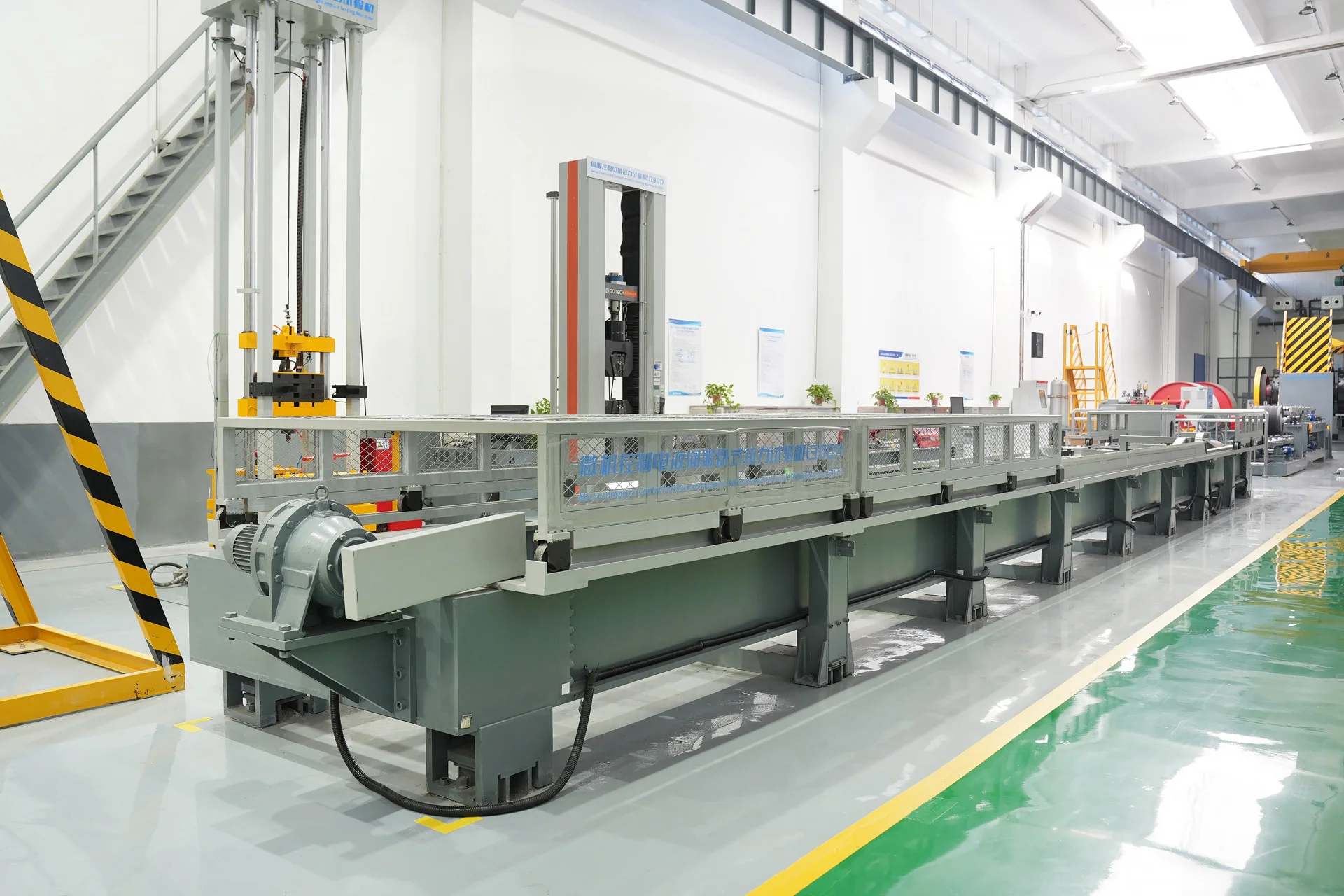
Measures resistance against tearing forces and helps assess the risk of damage extension.
Dynamic Fatigue Resistance
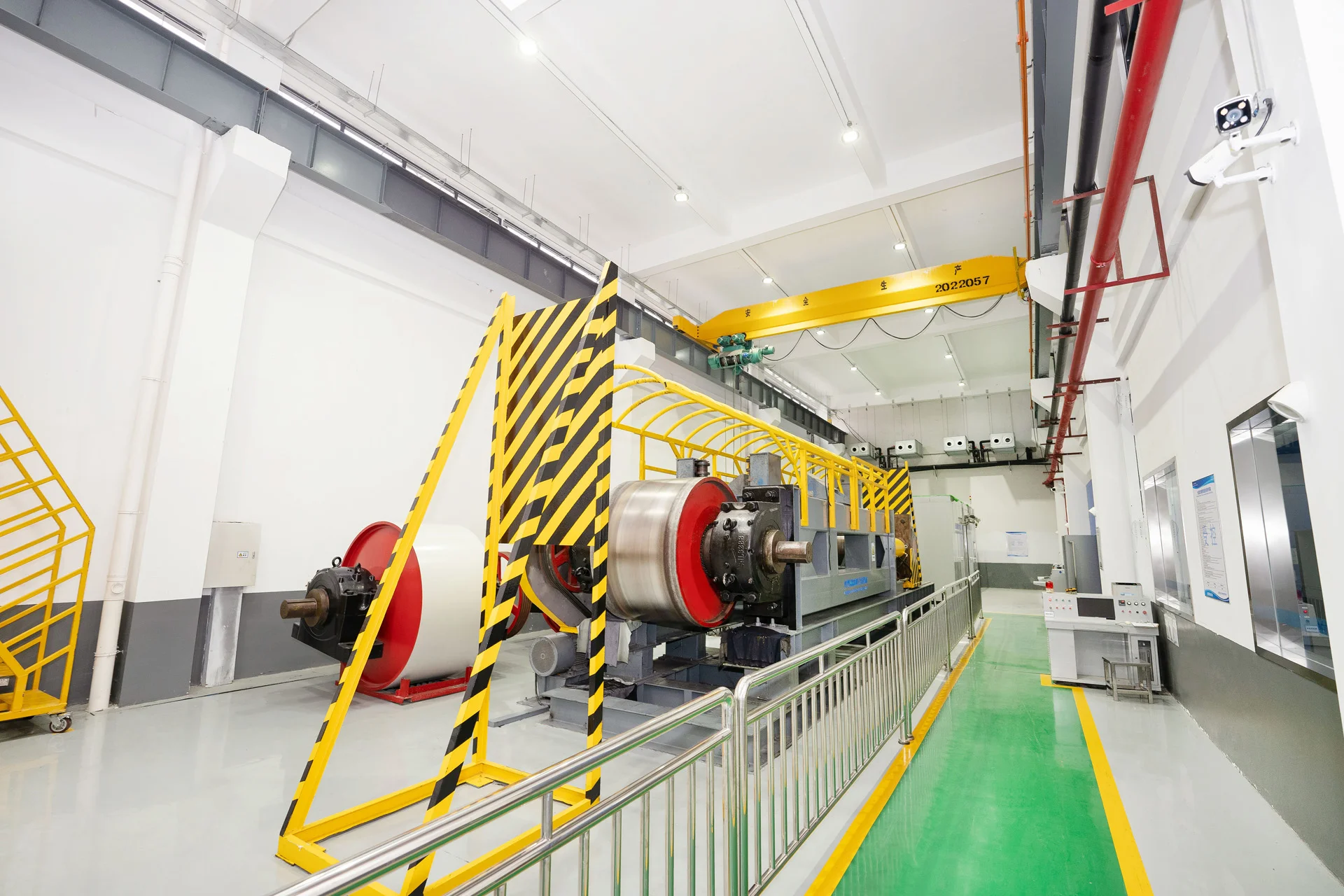
Evaluates belt structure stability under repeated loading, bending and impact-related fatigue.
Dynamic Fatigue Resistance
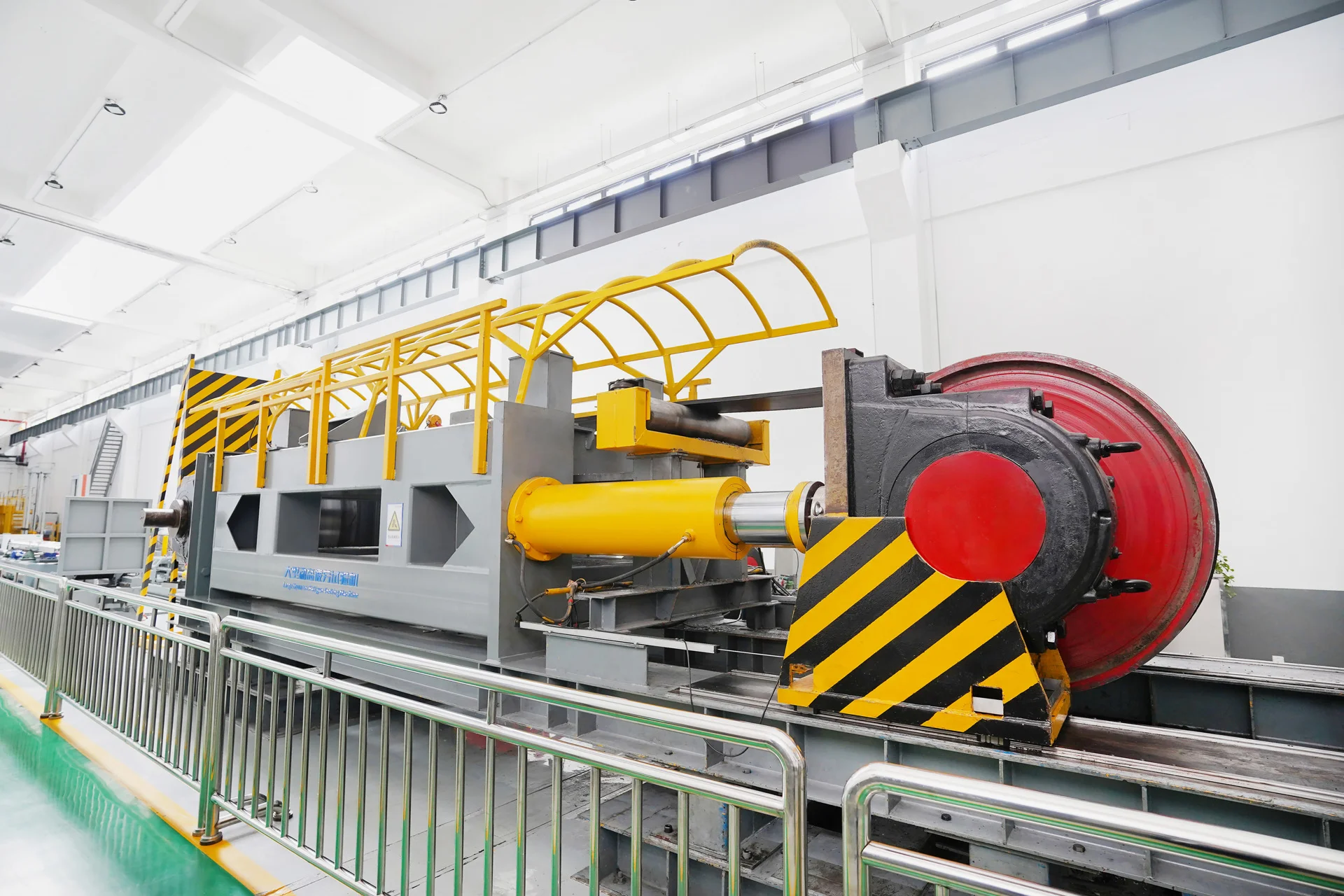
Evaluates belt structure stability under repeated loading, bending and impact-related fatigue.
From Protection to Prevention
Mechanical belt structure helps reduce impact and rip risk. Digital monitoring helps detect hidden damage and wear before they develop into major failures.
Rip Detection System
Detect abnormal tearing signals and support rapid shutdown before damage spreads.
X-Ray Carcass Inspection
Identify hidden carcass damage, splice defects and internal anomalies that cannot be detected from the surface.
Cover Wear Monitoring
Track cover wear trends and support planned maintenance before carcass exposure occurs.
Need More Product Details?
Download the product brochure for key features, applications, and solution highlights.
Download Brochure
Desktop mode detected.
Please switch to mobile view for a better browsing experience.