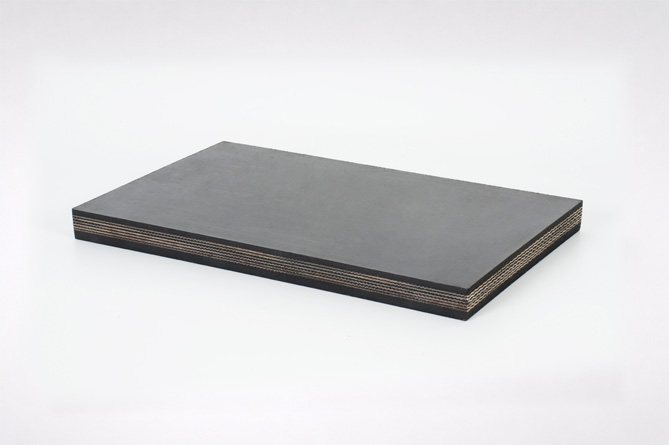


BOTON PYROGUARD™ SERIES

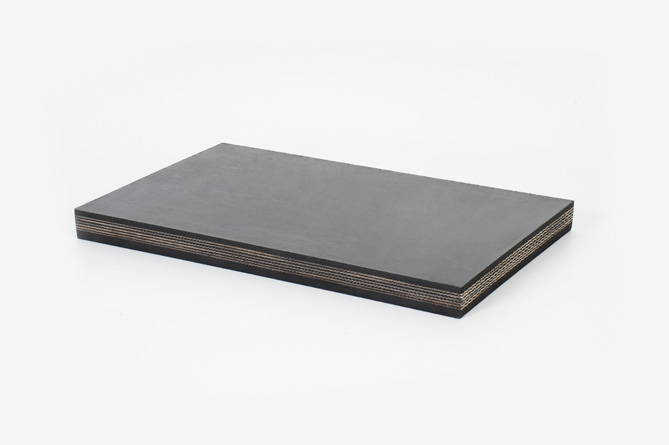
Heat-Resistant Conveyor Belts

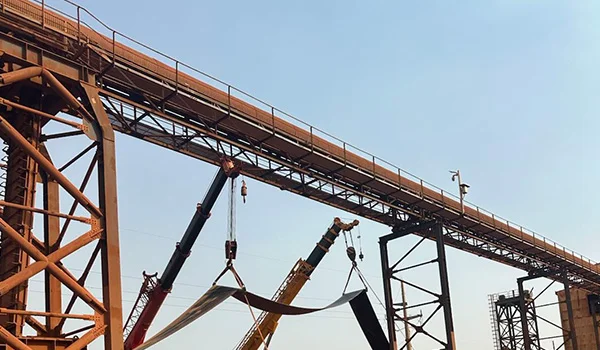
Heat resistance is where BOTON began. When BOTON was founded in 2000, heat-resistant conveyor belts were chosen as one of the company’s defining product directions, helping the young company establish itself in demanding metallurgical applications from its earliest years.
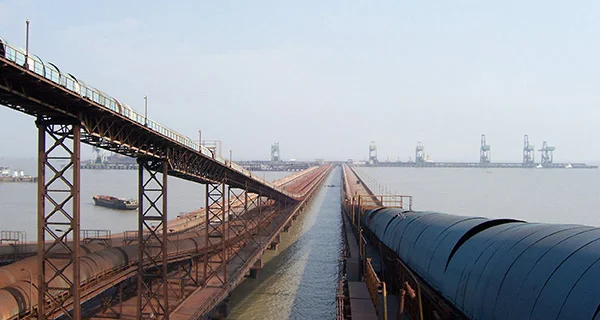
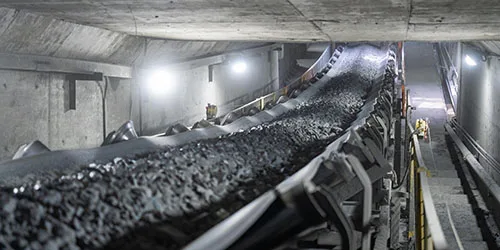
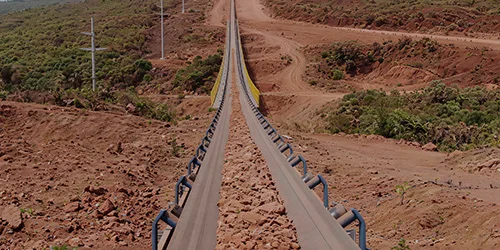
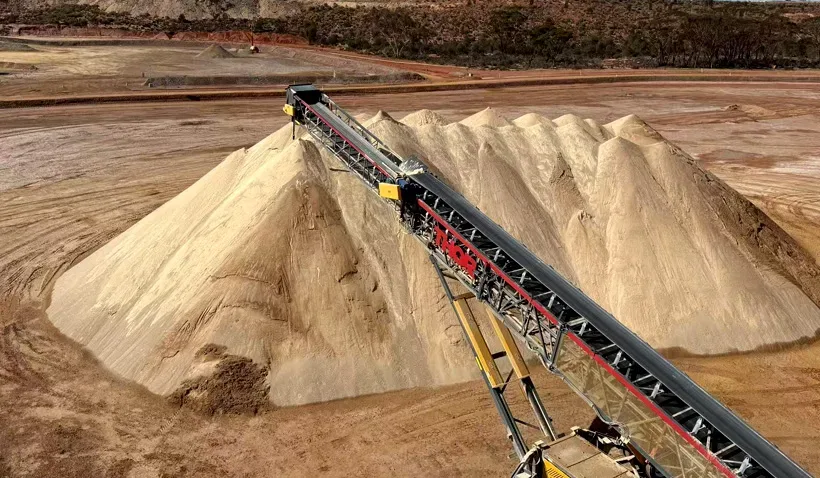
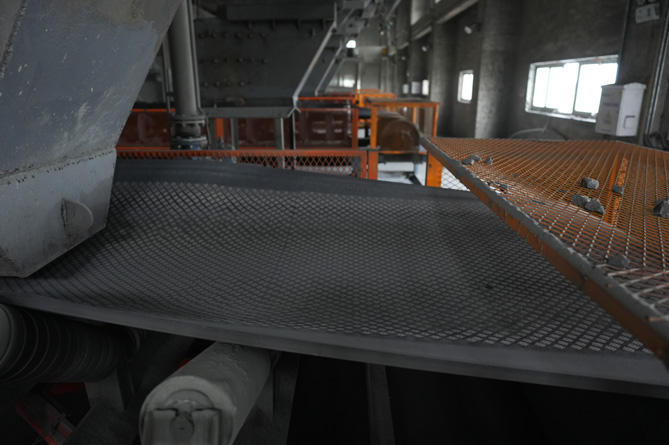
Today, BOTON heat-resistant and high-temperature conveyor belts are engineered for clinker, sinter, slag, hot ash and other thermally demanding bulk materials, with belt construction selected according to material temperature, particle size, contact time, impact conditions and conveyor configuration.

Heat-Resistant Cover Compounds

Application-Specific Carcass Systems

Thermal Protection Design

High-Temperature Material Handling

Heat & Impact Solutions

ENGINEERED FOR
HIGH-TEMPERATURE BULK HANDLING.

  • Thermal stability
  • Application-matched structures
  • Heat & impact protection
Heat-Resistant Conveyor Belts

HEAT & THERMAL SHOCK

BUILT FOR DEMANDING HIGH-TEMPERATURE CONVEYING.

From clinker and sinter to coke, slag and hot ash, high-temperature bulk materials expose conveyor belts to continuous heat, thermal shock, abrasion and impact. BOTON combines application-specific cover compounds, carcass systems and thermal protection structures to address different heat-transfer conditions.

  • Continuous Heat Exposure
  • Thermal Shock
  • Abrasive Hot Materials
  • Impact Loading
  • Long-Cycle Operation
  • Loaded Stoppage Risk

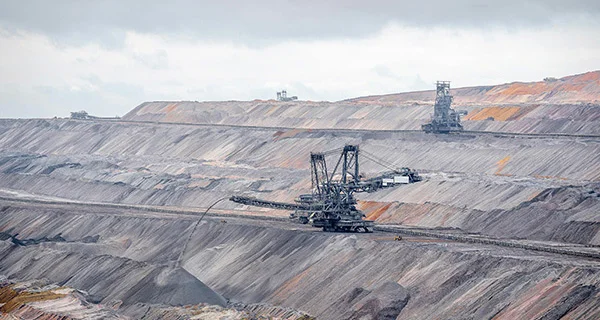
STEEL & METALLURGY

Sinter, Coke & Slag Handling

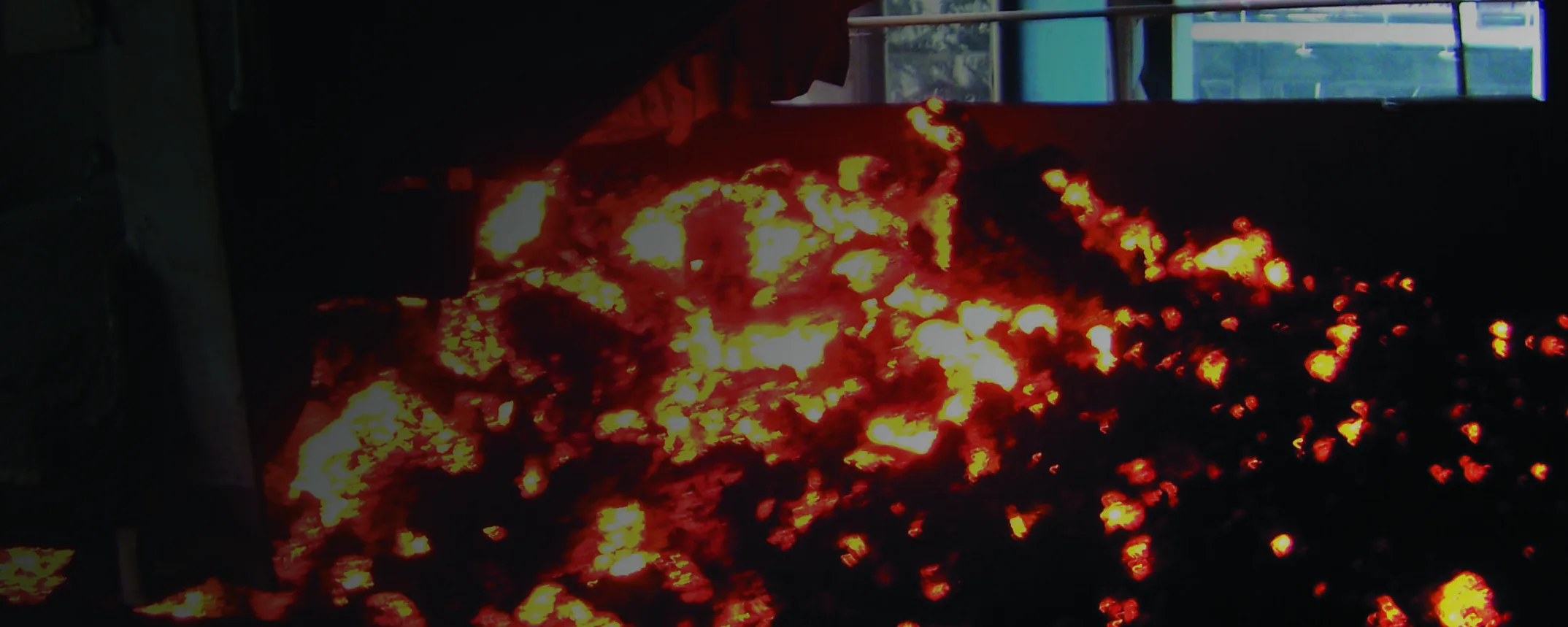
Heat-resistant conveyor belt solutions for sinter, coke, slag and other hot materials, including selected applications involving localized red-hot material exposure.

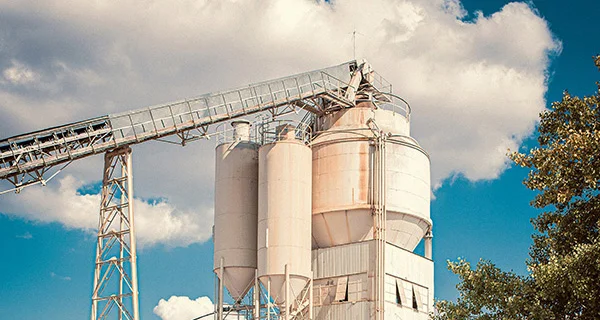
CEMENT & CLINKER

Hot Clinker Conveying

Engineered for hot and abrasive clinker where material temperature, particle size, belt speed and exposure time must be considered together.

POWER & HOT ASH

Hot Ash & Residue Conveying

Heat-resistant belt solutions for hot ash, boiler residue and other thermally demanding bulk materials in power-generation applications.

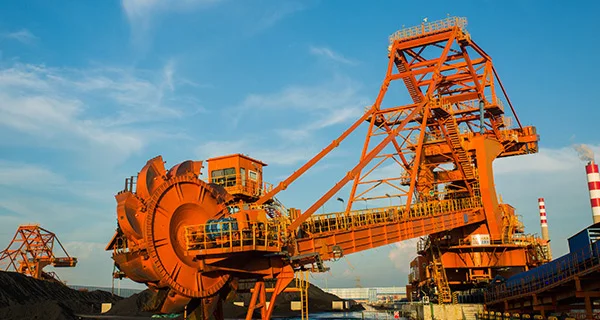
SPECIALIZED HIGH-TEMPERATURE HANDLING

Heat + Impact Applications

For specialized applications where heat, abrasion, impact and conveyor layout require a tailored combination of cover compound and carcass structure.

HEAT DOESN’T JUST WEAR BELTS OUT.
IT BREAKS THEM DOWN.

Particle size matters in heat-resistant conveyor belt selection. Actual belt temperature depends on material temperature, contact time, conveyor speed, cooling conditions and belt construction.

01.
THERMAL LOAD

  • Material temperature
  • Particle size
  • Material type

02.
HEAT TRANSFER

  • Contact time
  • Conveyor speed
  • Loaded stoppage
  • Return-side cooling

03.
BELT RESPONSE

  • Belt surface temperature
  • Carcass temperature
  • Cover hardening & cracking
  • Adhesion & delamination risk

HOW MATERIAL SIZE
AFFECTS HEAT TRANSFER

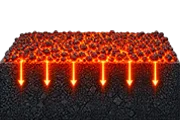
HIGHER HEAT TRANSFER
0~30mm HIGHER HEAT TRANSFER
Greater surface contact
MODERATE HEAT TRANSFER
30~100mm MODERATE HEAT TRANSFER
Reduced effective contact
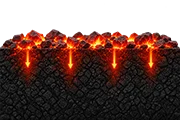
LOWER AVERAGE TRANSFE
100 mm+ LOWER AVERAGE TRANSFER
Higher localized impact

ENGINEERING SOLUTIONS

ENGINEERED TO CONTROL
THERMAL DEGRADATION.

HEAT-RESISTANT COVER COMPOUNDS

Application-specific cover compounds help resist heat aging, hardening, cracking and abrasion under elevated-temperature service.

APPLICATION-MATCHED CARCASS SYSTEMS

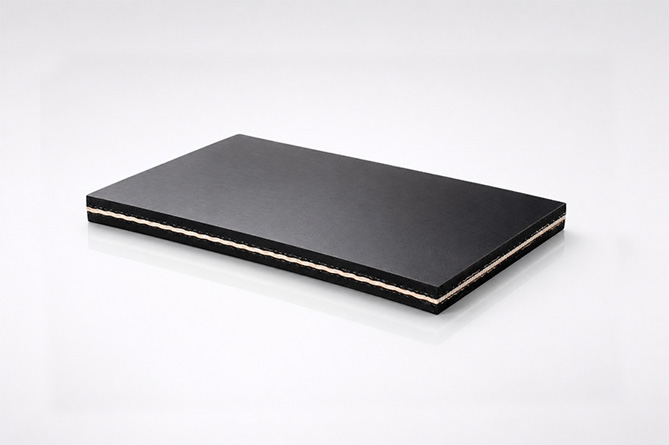
EP, PX, DPP aramid, steel cord and IW structures provide different combinations of dimensional stability, flexibility, thermal resistance and impact performance.

THERMAL PROTECTION DESIGN

Optional insulation and crack-resistant layers help limit heat transfer to the carcass and protect the belt structure in demanding applications.

HEAT + IMPACT PROTECTION

Reinforced structures can be selected where hot materials also create severe impact, cutting or puncture loads.

Engineered to reduce heat penetration, maintain structural stability, and support continuous high-temperature conveying.

CHOOSE THE RIGHT HEAT-RESISTANT CONVEYOR BELT STRUCTURE

Different belt structures are designed for different combinations of heat, distance, impact and conveyor layout.

  • 01

    GENERAL HEAT SERVICE
    EP / NN

  • 02

    DEMANDING HEAT SERVICE
    PX / DPP

  • 03

    LONG-DISTANCE HEAT SERVICE
    STEEL CORD

  • 04

    HEAT + HIGH IMPACT
    IW

  • 05

    EXTREME SHORT-DURATION HEAT
    CERAMIC COMPOSITE

Select a condition to explore recommended structure.

EP / NN HEAT-RESISTANT FABRIC CONVEYOR BELTS

Heat-resistant fabric structures for general applications, balancing dimensional stability, flexibility and fatigue performance.

EP STRUCTURE

  • Low creep elongation
  • HGood dimensional stability
  • HGood troughability

NN STRUCTURE

  • High fatigue resistance
  • HBetter adhesion retention
  • HHigh flexibility

TYPICAL APPLICATIONS

  • General Cement Handling
  • Power Generation
  • Moderate Bulk Conveying
  • Standard Clinker Transfer

KEY BENEFITS

  • Reliable moderate heat resistance
  • Stable daily conveying operation
  • Cost-effective structure solution
  • Flexible conveyor adaptation

PX / DPP HIGH-TEMPERATURE CONVEYOR BELTS

Advanced carcass solutions for demanding high-temperature applications where conventional fabric structures require greater thermal stability.

PX STRUCTURE

  • Low creep elongation
  • Strong adhesion retention
  • Reduced delamination risk

DPP ARAMID STRUCTURE

  • High thermal stability
  • Low thermal shrinkage
  • Good impact resistance

TYPICAL APPLICATIONS

  • Sinter Conveying
  • Coke Handling
  • Continuous Clinker Systems
  • Long-Cycle High-Temperature Conveying

KEY BENEFITS

  • Enhanced dimensional stability under heat
  • Lower thermal fatigue for longer service life
  • Reliable continuous operation in high-heat environments
  • Reduced energy consumption

STEEL CORD HEAT-RESISTANT CONVEYOR BELTS

Designed for long-distance conveying systems requiring high tensile strength and low elongation under heat exposure.

STEEL CORD STRUCTURE

  • Ultra-low elongation
  • High tensile strength
  • Stable long-distance conveying
  • Suitable for large conveyor systems

TYPICAL APPLICATIONS

  • Long-Distance Clinker Conveying
  • Sinter & Hot Mineral Conveying
  • High-Tension Heat Applications
  • Large Industrial Conveyor Systems

KEY BENEFITS

  • Excellent long-distance stability
  • Reduced belt stretch under heat
  • High operational efficiency
  • Reliable performance in large conveyor systems

IW HEAT- AND IMPACT-RESISTANT CONVEYOR BELTS

Engineered for applications combining severe impact loads with localized high-temperature exposure.

TYPICAL APPLICATIONS

  • Primary Crushing Zones/li>
  • Hot Ore Handling/li>
  • Steel Plants/li>
  • High-Drop Transfer Points

KEY BENEFITS

  • High impact resistance
  • Burn-through protection
  • Heat-dissipating wire mesh
  • Reduced delamination risk

CERAMIC COMPOSITE HIGH-TEMPERATURE CONVEYOR BELTS

Built for ultra-short-distance conveying under extreme thermal shock and red-hot material exposure.

CERAMIC HEAT STRUCTURE

  • Flash heat resistance
  • Extreme surface temperature protection
  • Reduced thermal penetration
  • Designed for severe thermal shock environments

TYPICAL APPLICATIONS

  • Furnace Outlet Systems
  • Red-Hot Slag Conveying
  • Steel Discharge Lines
  • Extreme Transfer Zones

KEY BENEFITS

  • High-level thermal protection
  • Excellent flash heat resistance
  • Reduced structural heat damage
  • Reliable operation in extreme thermal environments

Need More Product Details?

Download the product brochure for key features, applications, and solution highlights.

Download Brochure

Heat-Resistant Conveyor Belt FAQs

What temperature can a heat-resistant conveyor belt handle?

There is no single temperature limit for all heat-resistant conveyor belts. Material temperature, belt surface temperature and carcass temperature are different parameters, and allowable conditions also depend on the cover compound, carcass structure, particle size, exposure time and conveyor operating conditions. BOTON therefore selects heat-resistant belt systems according to the complete application rather than one temperature figure.

What information is needed to select a heat-resistant conveyor belt?

Key information includes conveyed material, maximum and typical material temperature, particle size, conveyor length, belt speed, loading conditions, impact level, expected stoppages and operating environment. Belt surface and carcass temperature data, if available, can further improve selection accuracy.

Why is loaded stoppage critical in high-temperature conveying?

When a conveyor stops while carrying hot material, heat continues to transfer into the belt while cooling by belt movement is reduced. This can rapidly increase carcass temperature and may cause irreversible damage, particularly in heat-sensitive fabric structures.

How important is the cover compound in a heat-resistant conveyor belt?

The cover compound is a primary thermal protection layer. Its resistance to heat aging, hardening, cracking and abrasion directly affects belt life. Carcass structure and thermal protection layers must then be matched to the temperature profile and operating conditions.

When should an aramid heat-resistant conveyor belt be considered?

Aramid carcasses are suitable for demanding high-temperature applications where high strength, low weight, thermal stability and resistance to heat-related degradation are important. They can be particularly useful for complex conveyor routes and applications involving very hot sinter, slag or similar materials.

When is an IW reinforced belt preferred over a conventional fabric belt?

IW reinforced belts are suited to applications where high temperature is combined with severe impact, cutting or puncture risk. The steel-wire mesh helps resist impact and burn-through while also supporting heat dissipation.

"*" indicates required fields

This field is for validation purposes and should be left unchanged.
Full Name*
Tell us what you need, and include any relevant specifications or project details if available.
Accepted file types: pdf, doc, docx, xls, xlsx, ppt, pptx, csv, txt, jpg, jpeg, png, zip, dwg, dxf, Max. file size: 20 MB.
Upload an RFQ, technical specification, drawing, or other relevant document.


Let's Talk!

Whether you have a question about our services, a project idea, or just want to say hello, we're here to listen.

Desktop mode detected.
Please switch to mobile view for a better browsing experience.