

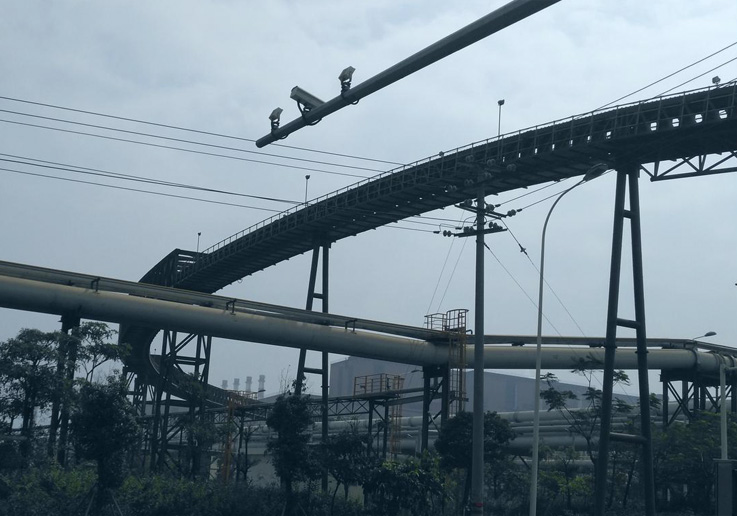
PIPE CONVEYOR BELT SYSTEMS

Enclosed conveying for complex routes, sensitive environments and demanding bulk materials.

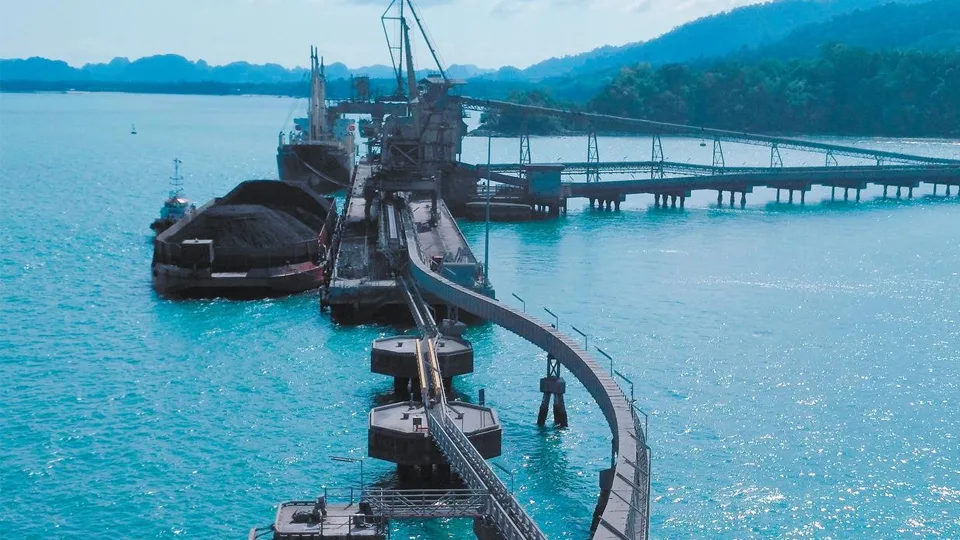
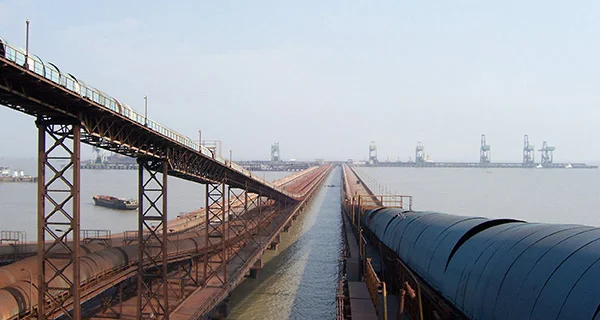
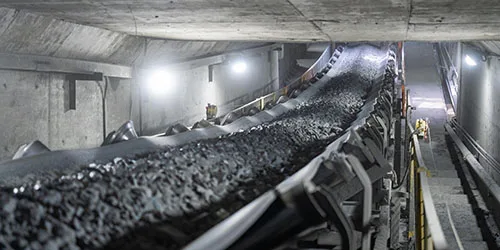
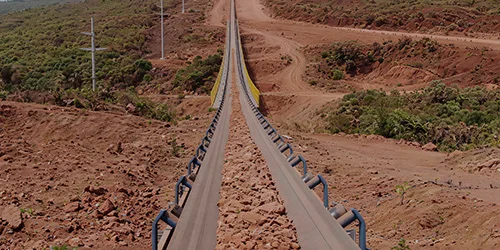
BOTON pipe conveyor belt systems are engineered for bulk material handling routes where dust control, spillage prevention, route flexibility and stable long-term operation are critical. From long-distance coal handling and power generation to steel, cement, ports and mining applications, BOTON helps customers build cleaner, safer and more reliable enclosed conveying systems.

Explore Pipe Conveyor Solutions
PIPE CONVEYOR BELT SYSTEMS

WHY CHOOSE PIPE CONVEYOR BELTS

Pipe conveyor belts are not only a belt shape. They are engineered for enclosed conveying routes where environmental protection, layout flexibility and pipe-form stability must work together.

Enclosed ConveyingReduce dust, spillage and material contamination

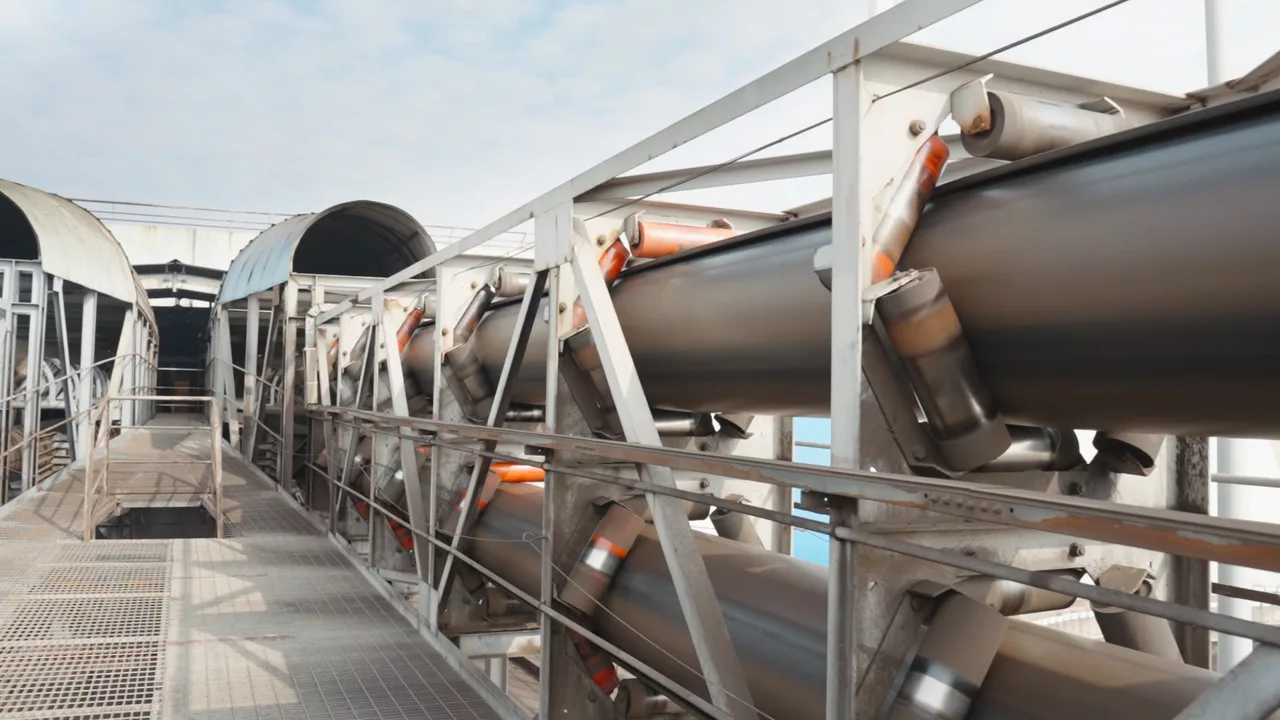
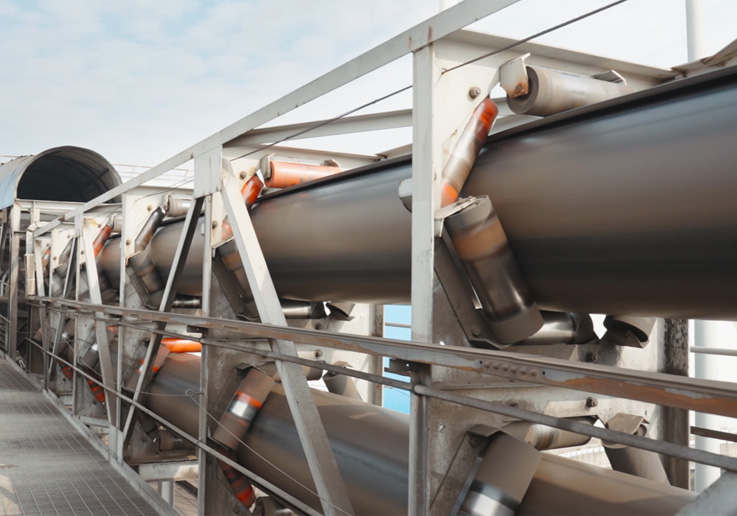
The belt forms a closed pipe after loading, helping contain bulk materials during transport. This supports cleaner conveying in environmentally sensitive areas, urban facilities, ports, power plants and industrial sites where dust and material leakage must be controlled.

Flexible Route LayoutCurved conveying routes with fewer transfer points

Pipe conveyor systems can support curved and space-limited routes, reducing the need for multiple transfer points and helping optimize plant layout. This is especially valuable where the conveyor route must cross complex terrain, avoid existing facilities or pass through narrow spaces.

Stable Pipe FormationDesigned to maintain a round and sealed pipe shape

A pipe conveyor belt must balance transverse rigidity and flexibility. If the belt is too soft, it may collapse or fail to seal properly. If it is too rigid, rolling resistance and power demand may increase. BOTON designs the belt structure to support stable pipe formation, pipe-form retention and long-term operating reliability.

Cleaner and Safer OperationLess exposed material during conveying

By enclosing the conveyed material, pipe conveyor belts help reduce wind-blown dust, material drop-off and contamination risks. They are suitable for coal, coke, ore, cement, clinker, fly ash, gypsum and other bulk materials requiring cleaner handling.

Engineered Cover OptionsMatched to material, temperature and operating conditions

BOTON pipe conveyor belts can be combined with wear-resistant, heat-resistant, flame-resistant, low rolling-resistance, oil-resistant, chemical-resistant or anti-adhesion cover rubber systems according to project requirements.

ONE PIPE CONVEYOR PLATFORM. MULTIPLE ENGINEERED STRUCTURES.

Different pipe conveyor routes require different belt structures. BOTON provides pipe conveyor belt solutions based on conveying distance, belt tension, pipe diameter, curve radius, material temperature, environmental requirements and long-term maintenance priorities.

  • Steel Cord Pipe Conveyor Belts
  • Aramid Pipe Conveyor Belts
  • Fabric Carcass Pipe Conveyor Belts
  • Special-Condition Pipe Conveyor Belts

High-tension pipe conveying for long-distance and heavy-duty routes.

Key Priorities

  • High tensile strength
  • Dimensional stability
  • Long-distance enclosed conveying
  • Continuous heavy-duty operation

Steel cord pipe conveyor belts are designed for heavy-duty enclosed conveying systems that require high tensile strength, dimensional stability and long-term continuous operation. They are suitable for demanding routes with long conveying distance, high capacity and complex operating conditions.

High-tension pipe conveying for long-distance and heavy-duty routes.

Lightweight pipe conveying for large-diameter and energy-conscious systems.

Key Priorities

  • Large pipe diameter
  • Lower belt weight
  • Reduced system load
  • Energy-saving potential

BOTON aramid pipe conveyor belt solutions combine high-strength aramid reinforcement with pipe belt structure design. They are suitable for projects where lower belt weight, large pipe diameter, reduced running tension and enclosed conveying are important.

Lightweight pipe conveying for large-diameter and energy-conscious systems.

Flexible pipe belt structure for medium-duty and complex route layouts.

Key Priorities

  • Medium-duty conveying
  • Route flexibility
  • Good pipe-form behavior
  • Limited-space layouts

Fabric carcass pipe conveyor belts are suitable for complex routes, flexible layouts and medium-duty conveying systems. With proper structure design, they can support stable pipe formation, route adaptability and reliable operation.

Flexible pipe belt structure for medium-duty and complex route layouts.

Functional pipe belt solutions for heat, flame, adhesion and energy-saving requirements.

Key Priorities

  • Heat-resistant conveying
  • Flame-resistant coal handling
  • Anti-adhesion performance
  • Low rolling-resistance options

BOTON pipe conveyor belts can be engineered with heat-resistant, flame-resistant, anti-adhesion, low rolling-resistance and other functional cover rubber systems according to the material and operating conditions.

Functional pipe belt solutions for heat, flame, adhesion and energy-saving requirements.

ENGINEERED & VALIDATED FOR STABLE PIPE CONVEYING

Pipe conveyor belt performance depends on structure design, pipe-form stability and repeated dynamic testing.

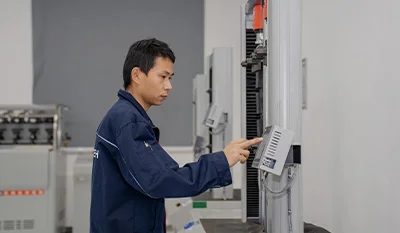
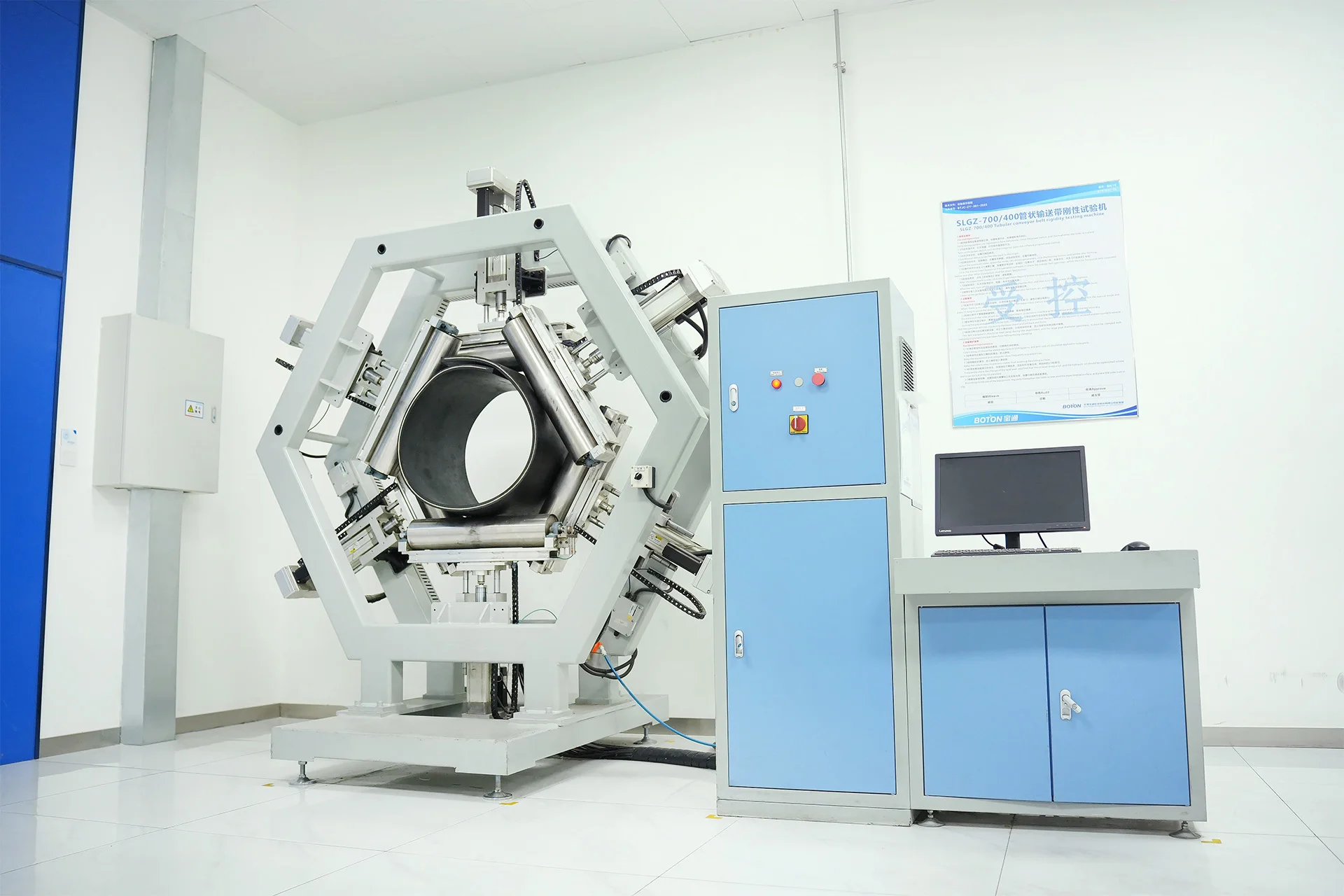
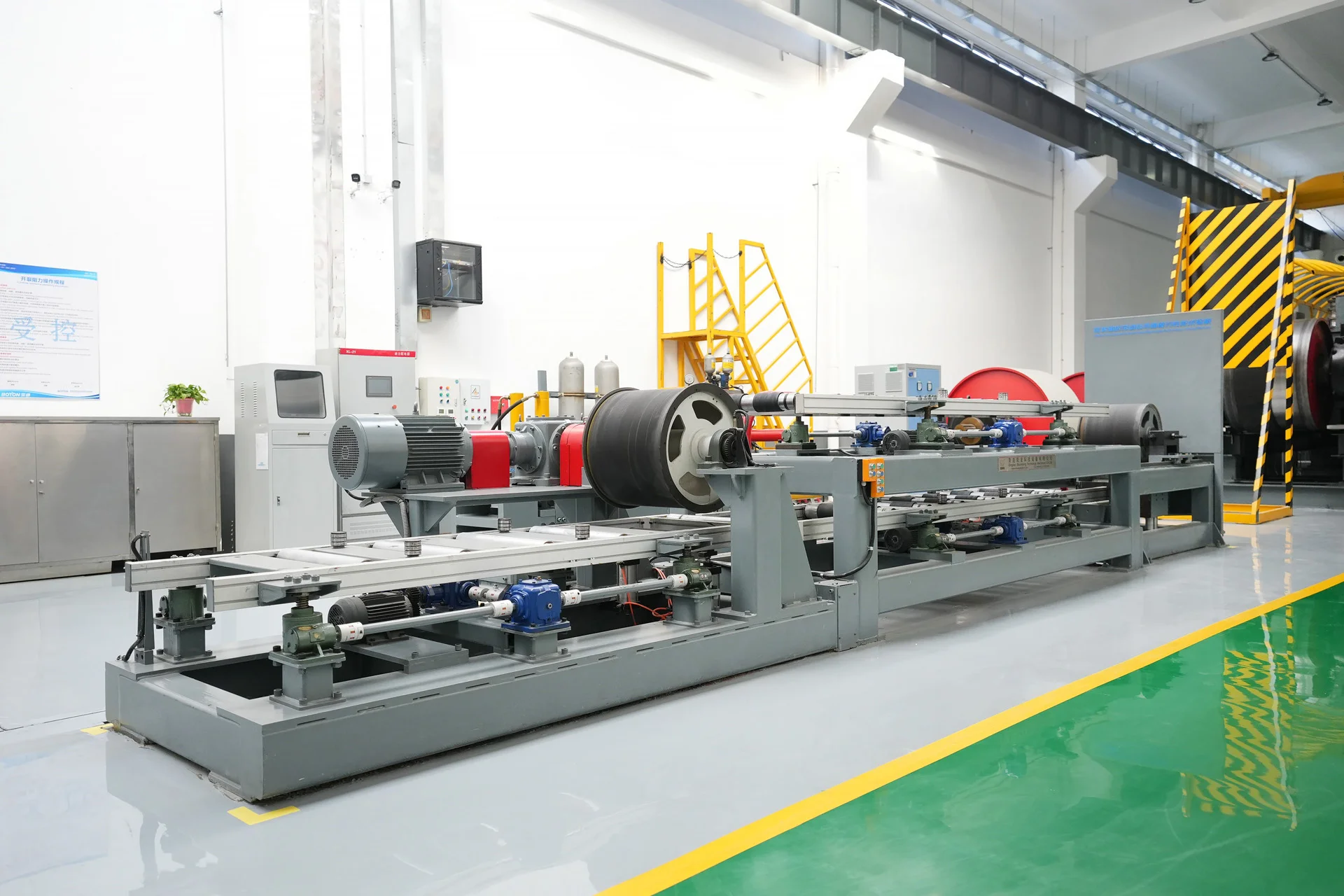
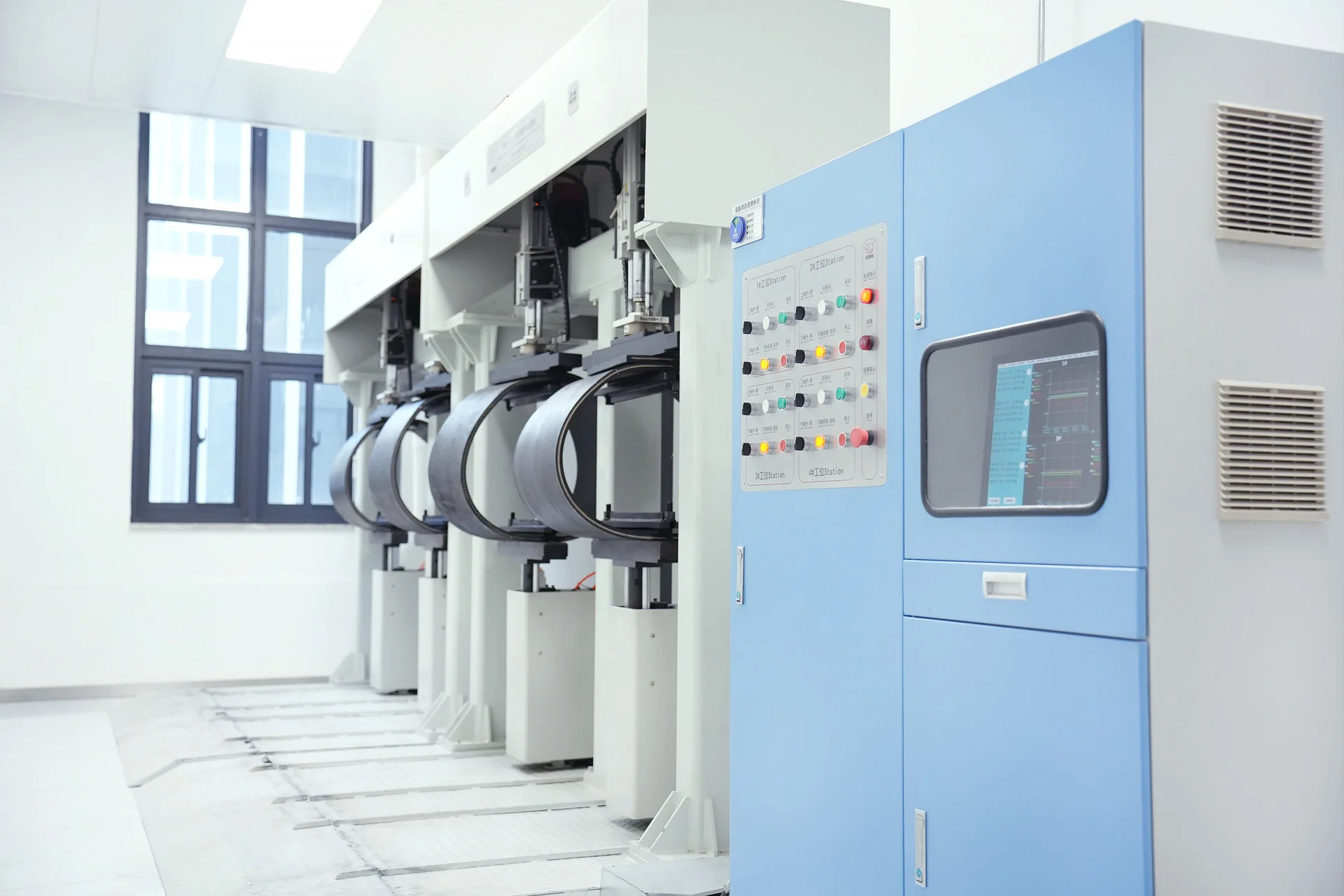
Pipe conveyor belts repeatedly open, close, curve and reform during operation. This makes their structure design more demanding than conventional troughed conveyor belts. BOTON evaluates conveyor tension, conveying distance, inclination, take-up distance, curve radius, pipe diameter, material load and operating environment, and supports pipe belt design through dedicated testing of transverse rigidity, pipe-form behavior and dynamic fatigue performance.

PROVEN IN DEMANDING PIPE CONVEYOR PROJECTS

From large-diameter aramid pipe conveyors to heat-resistant coke conveying systems, BOTON pipe conveyor belt solutions have been proven in demanding industrial applications where stability, route flexibility and long-term reliability are critical.

CASE STUDY

Large-Diameter Aramid Pipe Conveyor System

  • World’s first Φ600 mm aramid pipe conveyor belt for enclosed coal conveying
  • 1.5 km route with 5 m/s belt speed and 3,250 t/h design capacity
  • Designed to support stable pipe formation, lower belt weight and long-term operation

Learn more

Large-Diameter Aramid Pipe Conveyor System

CASE STUDY

Heat-Resistant Pipe Belt for Coke Handling

  • Long-distance coke conveying route in a large steel complex
  • ST1600 B1600 pipe conveyor belt engineered for 125°C heat-resistant operation
  • Actual operation exceeded 5 years, compared with 1.5–2.5 years for the previous belt

Explore

Heat-Resistant Pipe Belt for Coke Handling

FAQs

When should a conveyor system use a pipe conveyor belt instead of a troughed conveyor belt?

A pipe conveyor belt is recommended when the route requires enclosed conveying, curve flexibility, fewer transfer points, reduced dust, spillage control or material protection. It is especially useful for complex plant layouts, long-distance routes, narrow spaces and routes passing through environmentally sensitive areas.

Can pipe conveyor belts handle hot materials?

Yes. Pipe conveyor belts can be engineered with heat-resistant cover rubber and suitable carcass structures for coke, clinker and other hot bulk materials.

Can pipe conveyor belts be combined with low rolling-resistance rubber?

Yes. For long-distance systems, low rolling-resistance rubber can help control energy demand while the pipe structure provides enclosed conveying.

Does a pipe conveyor belt always consume more energy than a troughed belt?

Not always. Pipe conveyor systems may have more belt-idler contact than conventional troughed conveyors, so rolling resistance must be carefully considered. However, a well-designed pipe conveyor route can reduce transfer points, shorten the overall layout and improve environmental control. For long-distance systems, low rolling-resistance rubber and optimized belt structure can help control energy demand.

How does transverse rigidity affect a pipe conveyor belt?

Transverse rigidity affects how well the belt forms and maintains its pipe shape. Insufficient transverse rigidity may lead to pipe collapse, edge misalignment or twisting. Excessive rigidity may increase rolling resistance, energy demand and contact stress. A well-designed pipe conveyor belt must balance pipe-form stability with operating efficiency.

What causes pipe conveyor belt twisting?

Pipe conveyor belt twisting can be caused by uneven tension, route curvature, loading imbalance, unsuitable belt structure, incorrect overlap position, idler misalignment or changing operating conditions. Reducing twisting risk requires both proper belt structure design and accurate conveyor system adjustment. For critical applications, monitoring systems can help detect twisting or abnormal pipe-form behavior earlier.

Need More Product Details?

Download the product brochure for key features, applications, and solution highlights.

Download Brochure

"*" indicates required fields

This field is for validation purposes and should be left unchanged.
Name*


Let's Contect!

Whether you have a question about our services, a project idea, or just want to say hello, we're here to listen.

Desktop Mode detected, please switch to Mobile View.