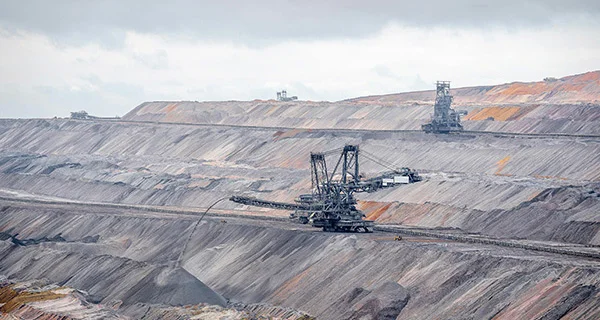
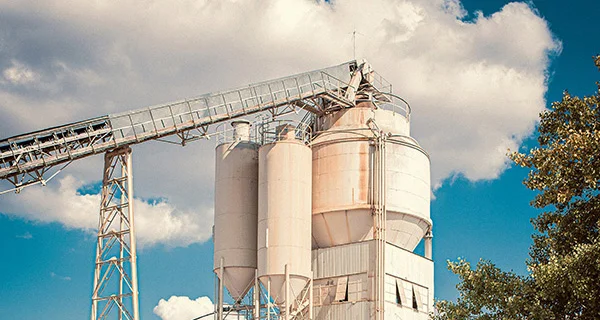
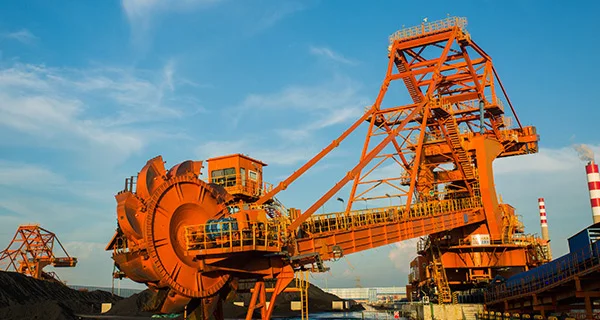
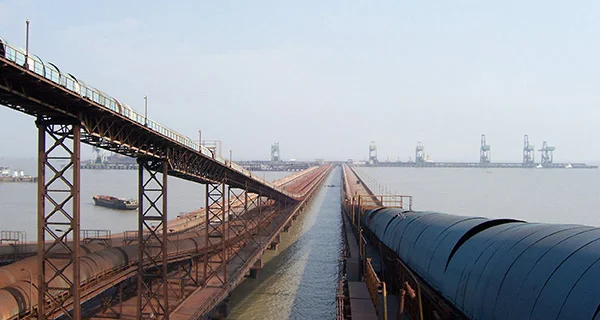
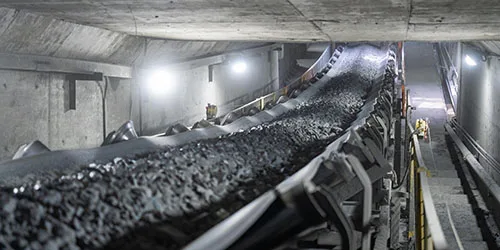
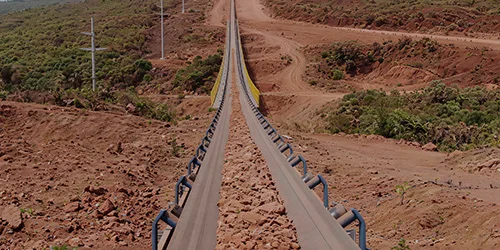
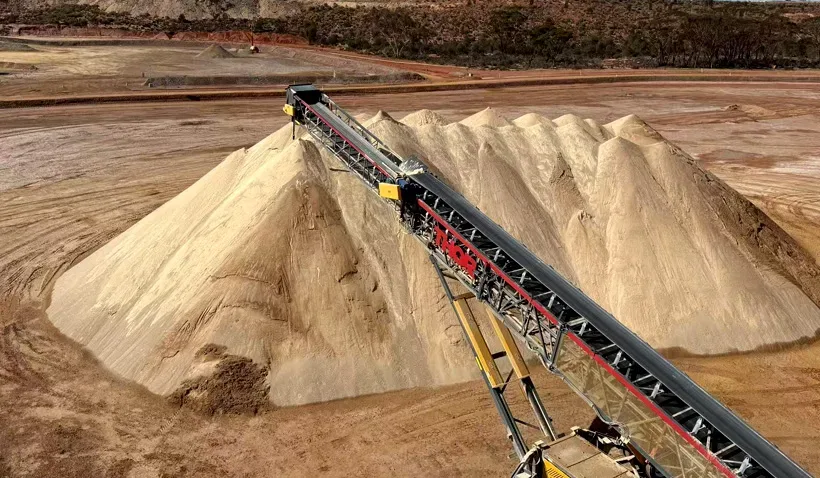
SUAR™ belts are typically used in hard-rock mining, port stockyards, power plants, chemical processing and other applications where abrasive materials and continuous friction accelerate top-cover wear.
Designed for mining, ports, power plants and other severe-duty conveying systems where cover wear directly affects belt life, replacement frequency and operating cost.
Explore SUAR™ Options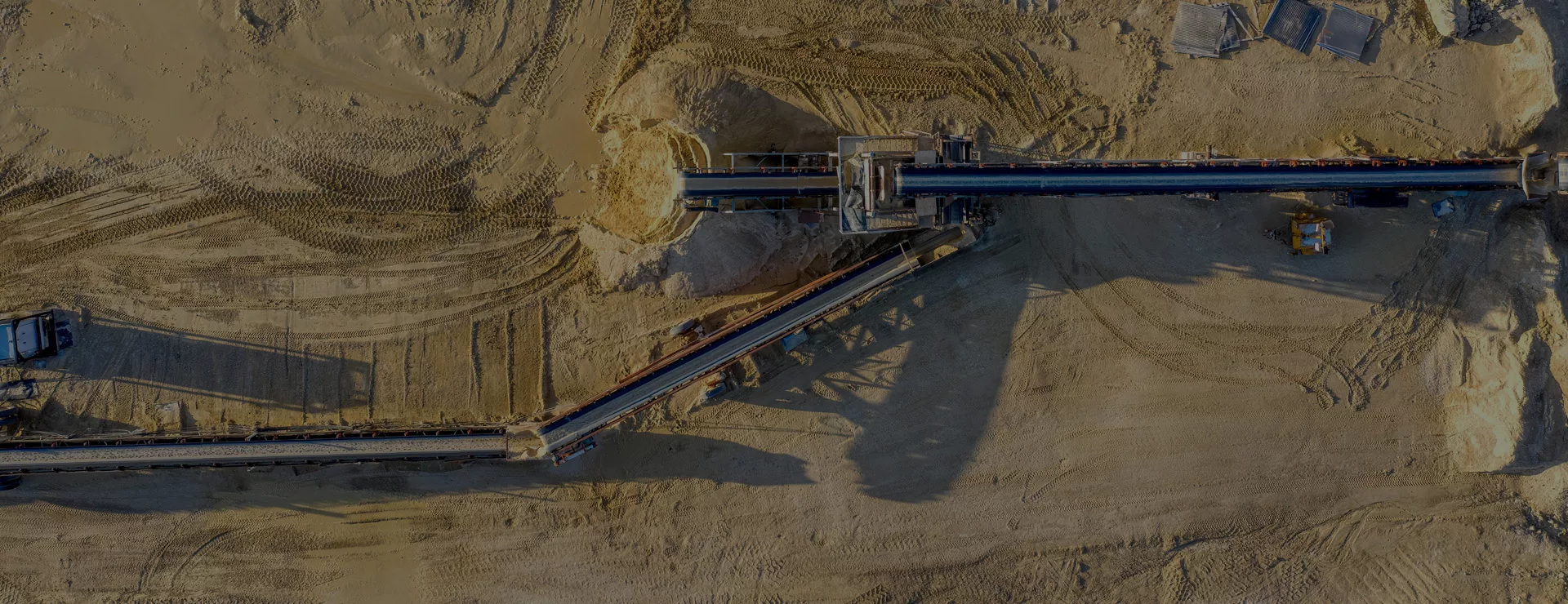
Built for systems where abrasive materials, continuous friction and frequent loading cycles accelerate top-cover wear.
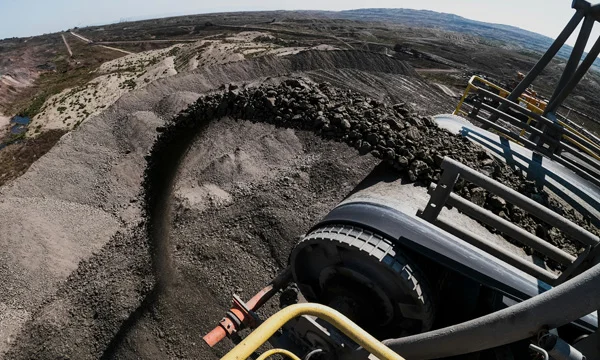
For iron ore, quartzite, granite and other abrasive materials with sharp edges.
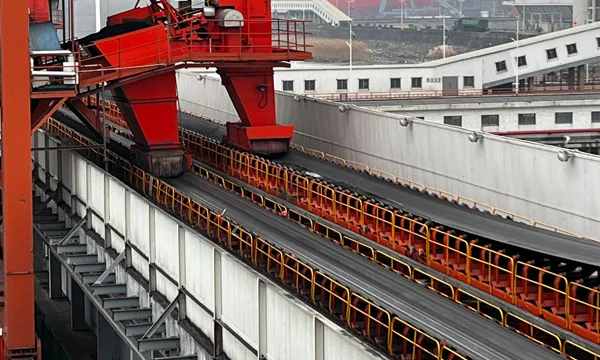
For reclaiming and transfer systems exposed to high-frequency operation and continuous material abrasion.
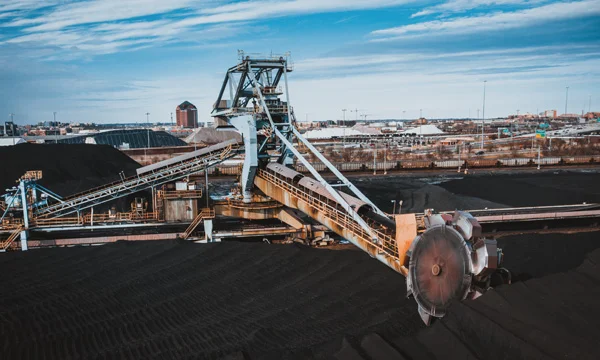
For coal and ash conveying lines requiring stable operation and longer replacement intervals.
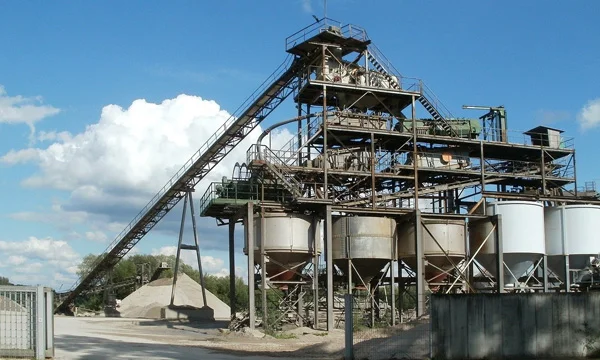
For abrasive materials with acidic or alkaline characteristics, using SUAR™ Chem where chemical resistance is also required.
Different wear conditions require different cover solutions. SUAR™ can be selected according to abrasion severity, cutting risk, climate exposure and chemical characteristics.
For abrasive materials with sharp-edge cutting risk.
Designed for heavy-duty applications where abrasion occurs together with cutting and tearing. Suitable for quartzite, granite and other hard-rock materials.
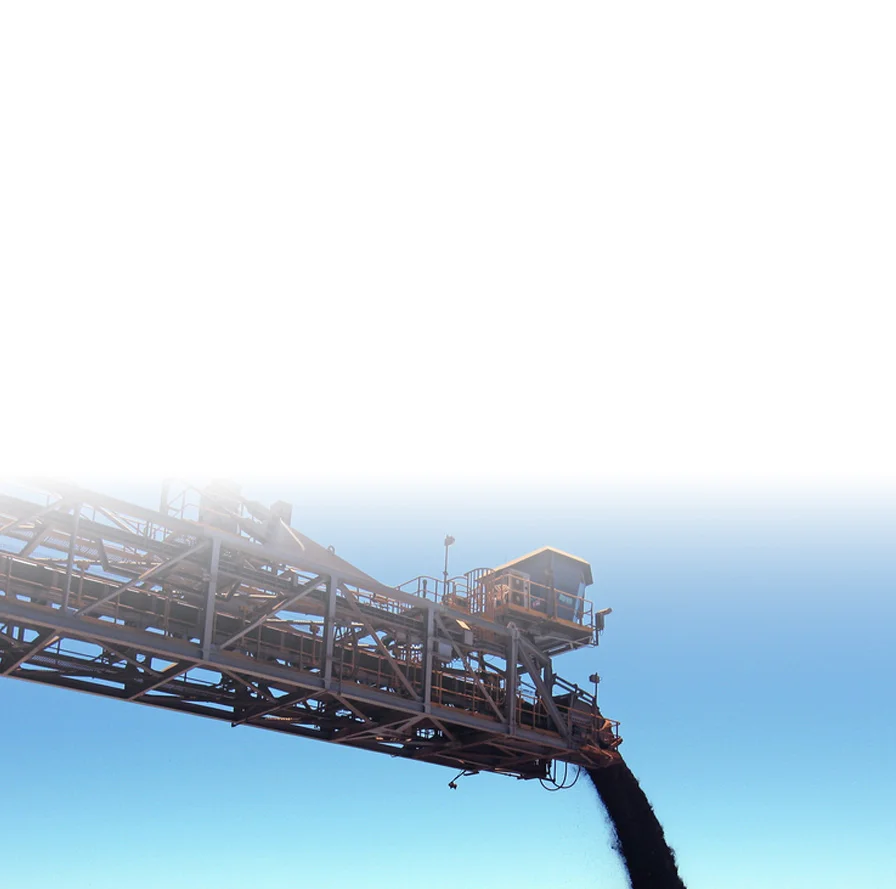
For severe-duty abrasion, impact, cutting and tearing.
Designed for harsh applications where impact, cutting, tearing and abrasion occur together. Suitable for high-risk loading and transfer points in demanding conveying systems.
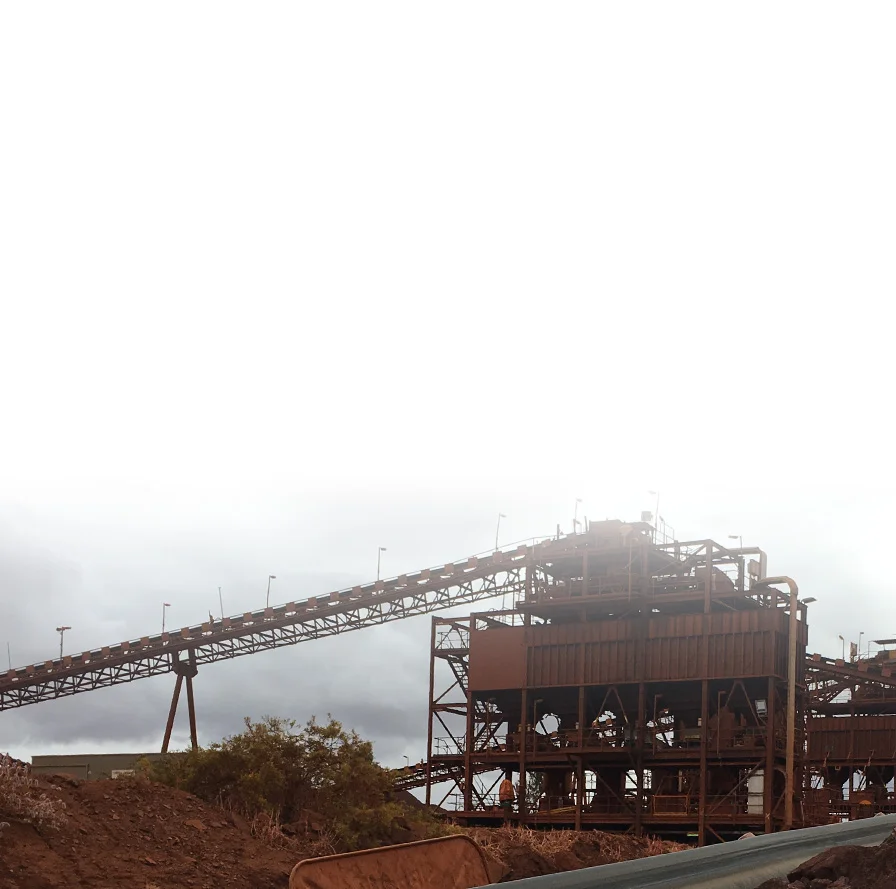
For cold-region abrasion resistance.
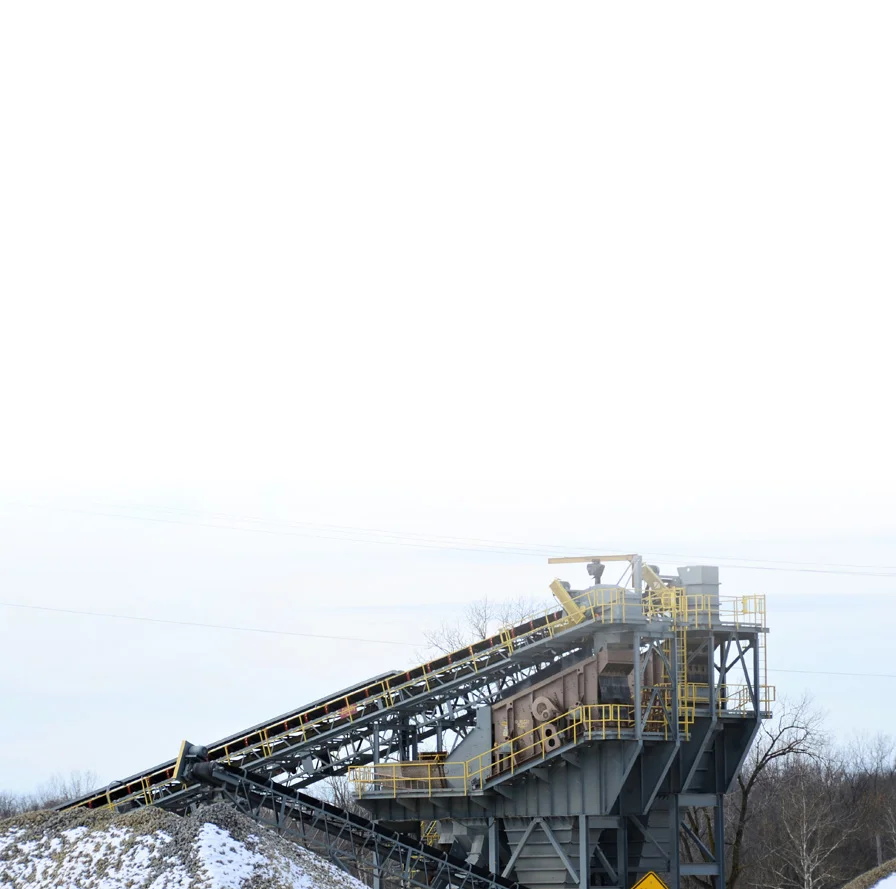
Designed for outdoor conveyors in cold regions where rubber elasticity and crack resistance are critical under low-temperature exposure.
For abrasive materials with acid or alkali exposure.
Designed for chemical industry and mineral processing applications where conveyed materials are both abrasive and acidic or alkaline.
Lower abrasion loss means lower rubber wear in standard abrasion testing. SUAR™ and SUAR™+ are engineered for applications where conventional abrasion-resistant covers are not enough.
For general heavy-duty applications where abrasion resistance is required, but extreme wear is not the primary operating challenge.
For severe abrasion conditions where standard abrasion-resistant covers may wear too fast and replacement intervals need to be extended.
For extreme abrasion applications where replacement interval, shutdown frequency and wear-driven maintenance cost are the main concerns.
SUAR™ belts are developed and validated for the wear, cutting and environmental challenges found in severe bulk material handling systems.
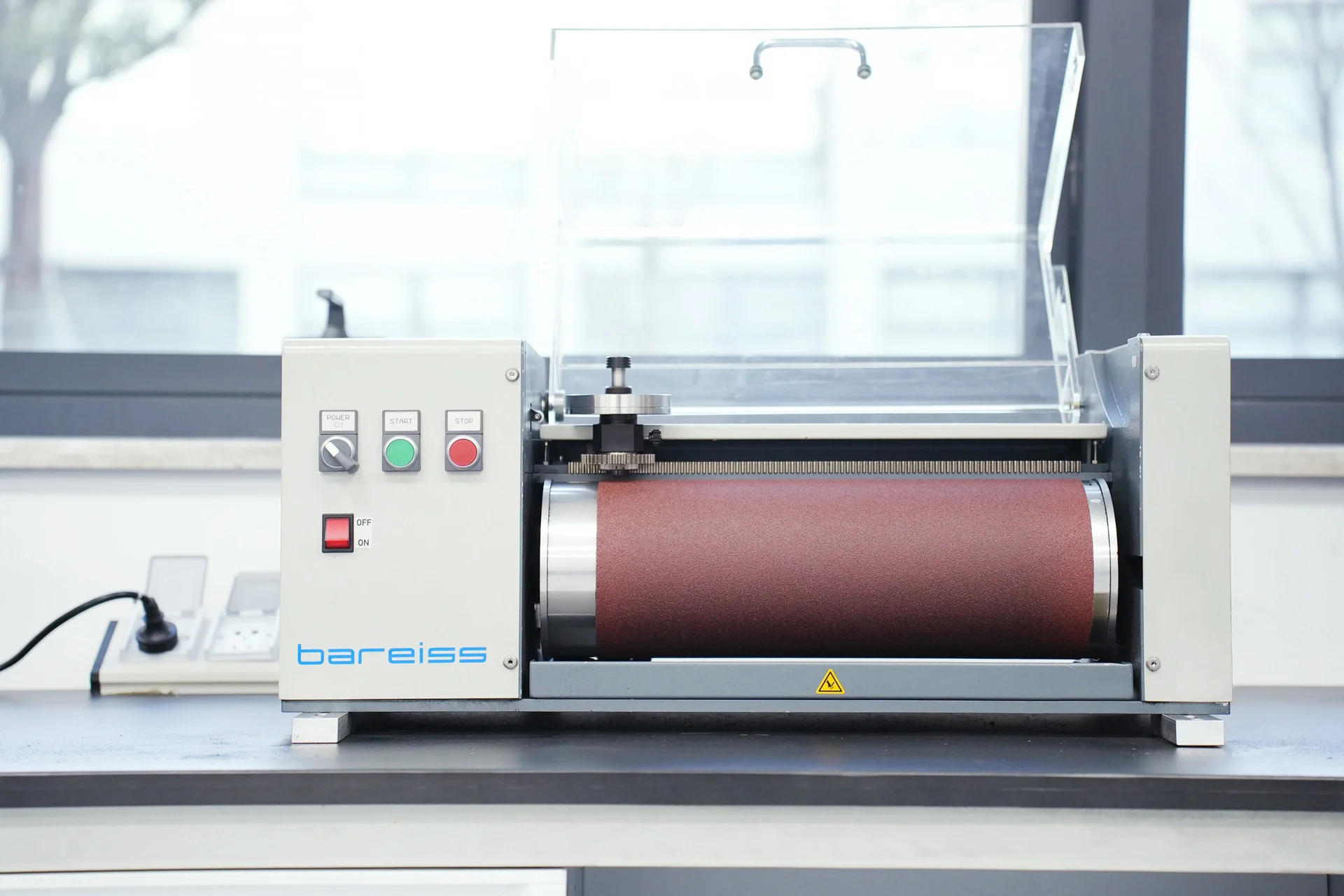
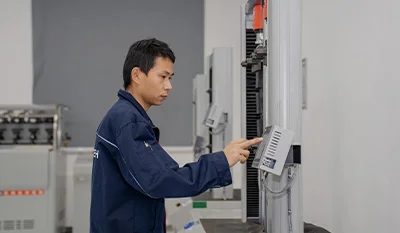
Evaluates belt cover performance under repeated friction and dynamic contact conditions.
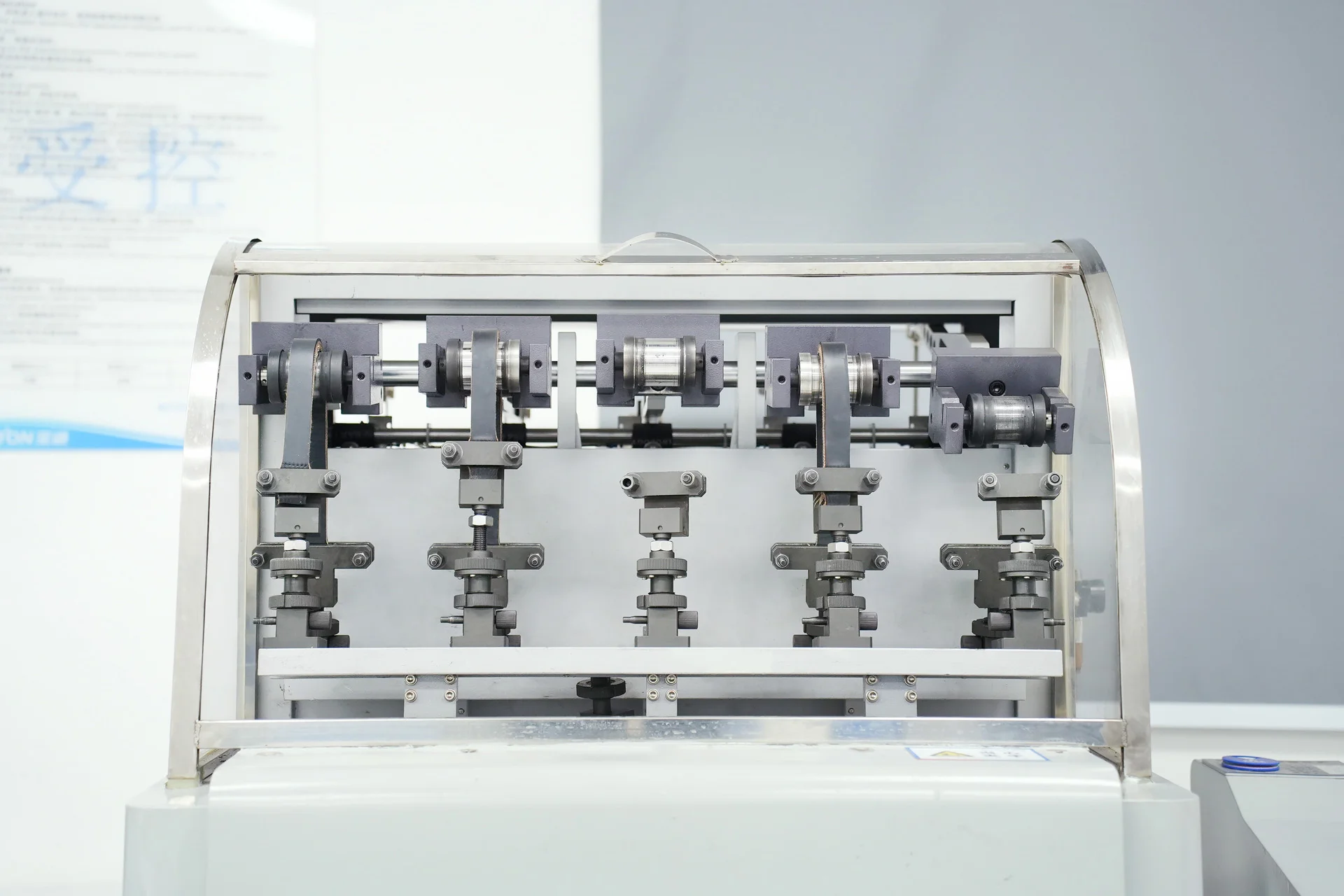
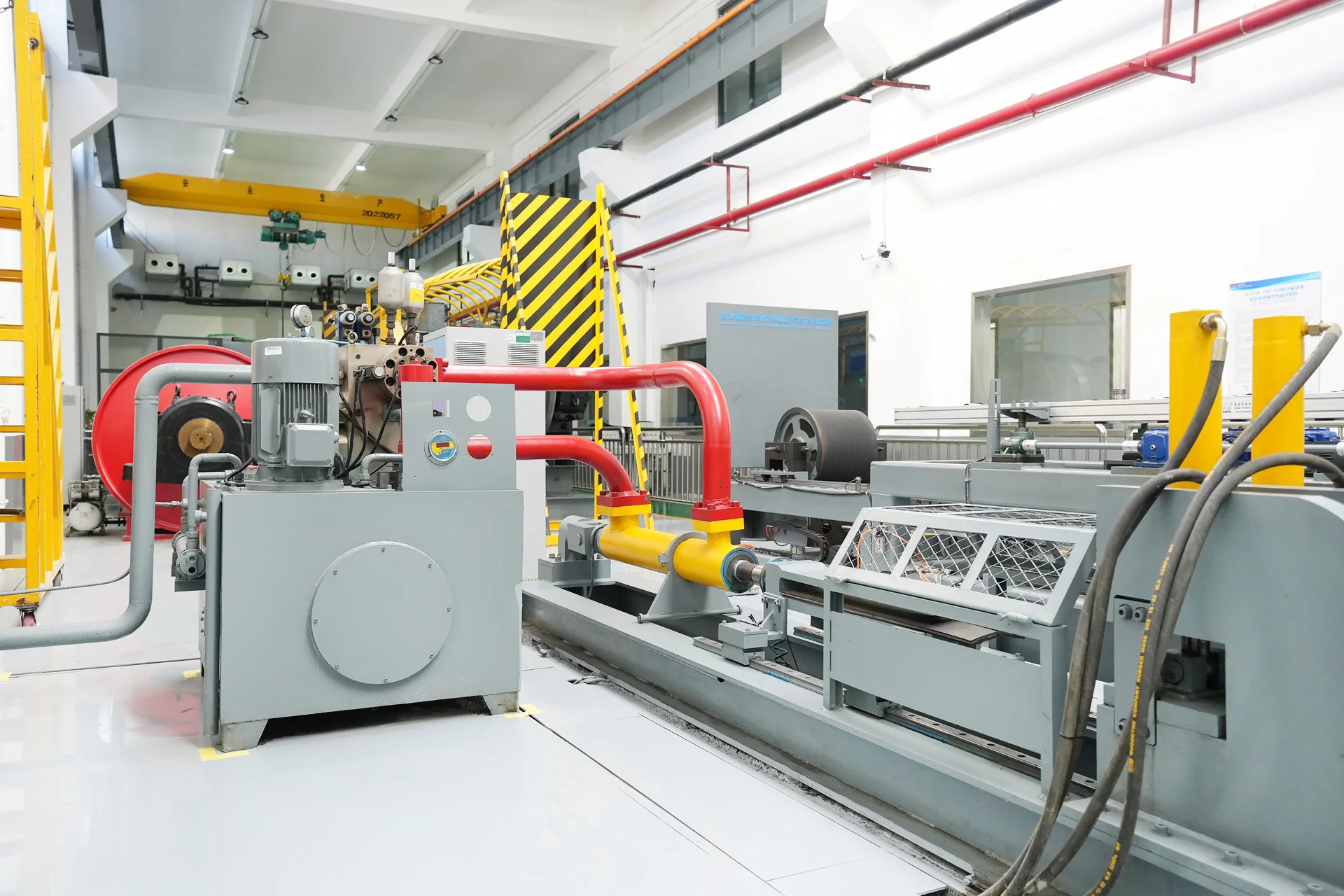
Assesses belt durability under repeated loading and flexing during long-term operation.
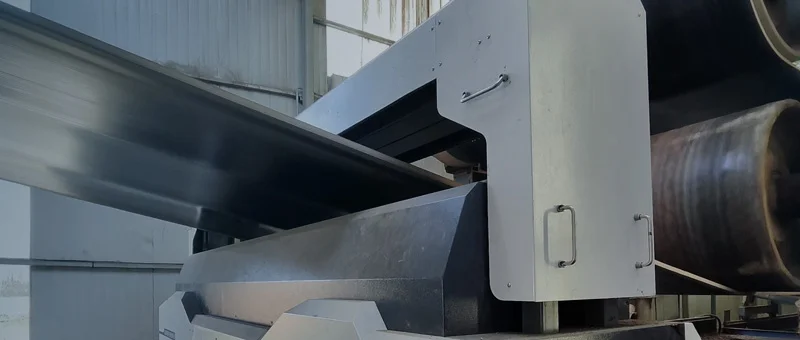
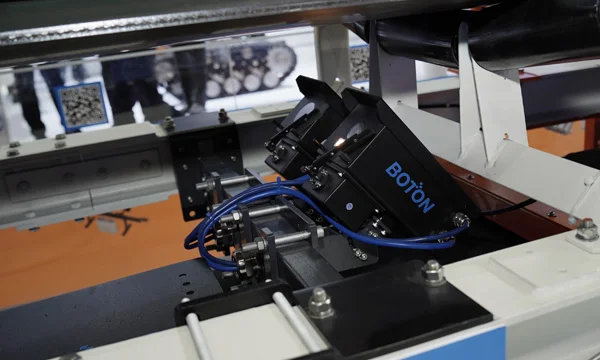
Mechanical belt structure helps reduce impact and rip risk. Digital monitoring helps detect hidden damage and wear before they develop into major failures.
CASE STUDY
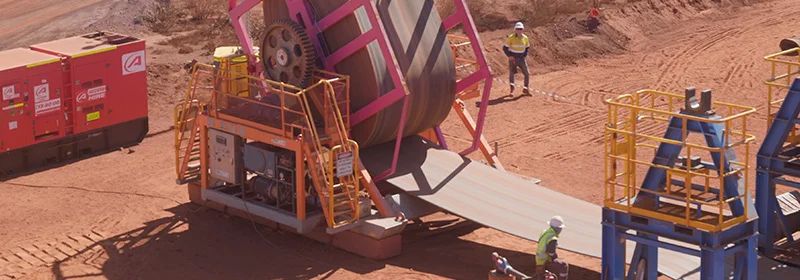
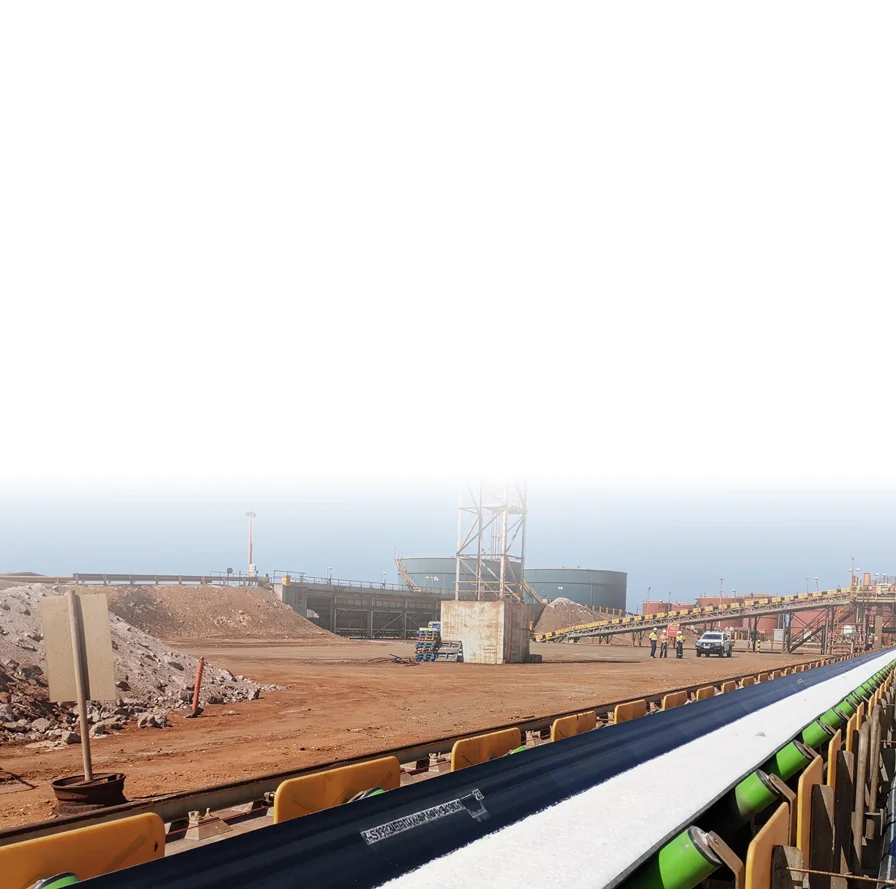
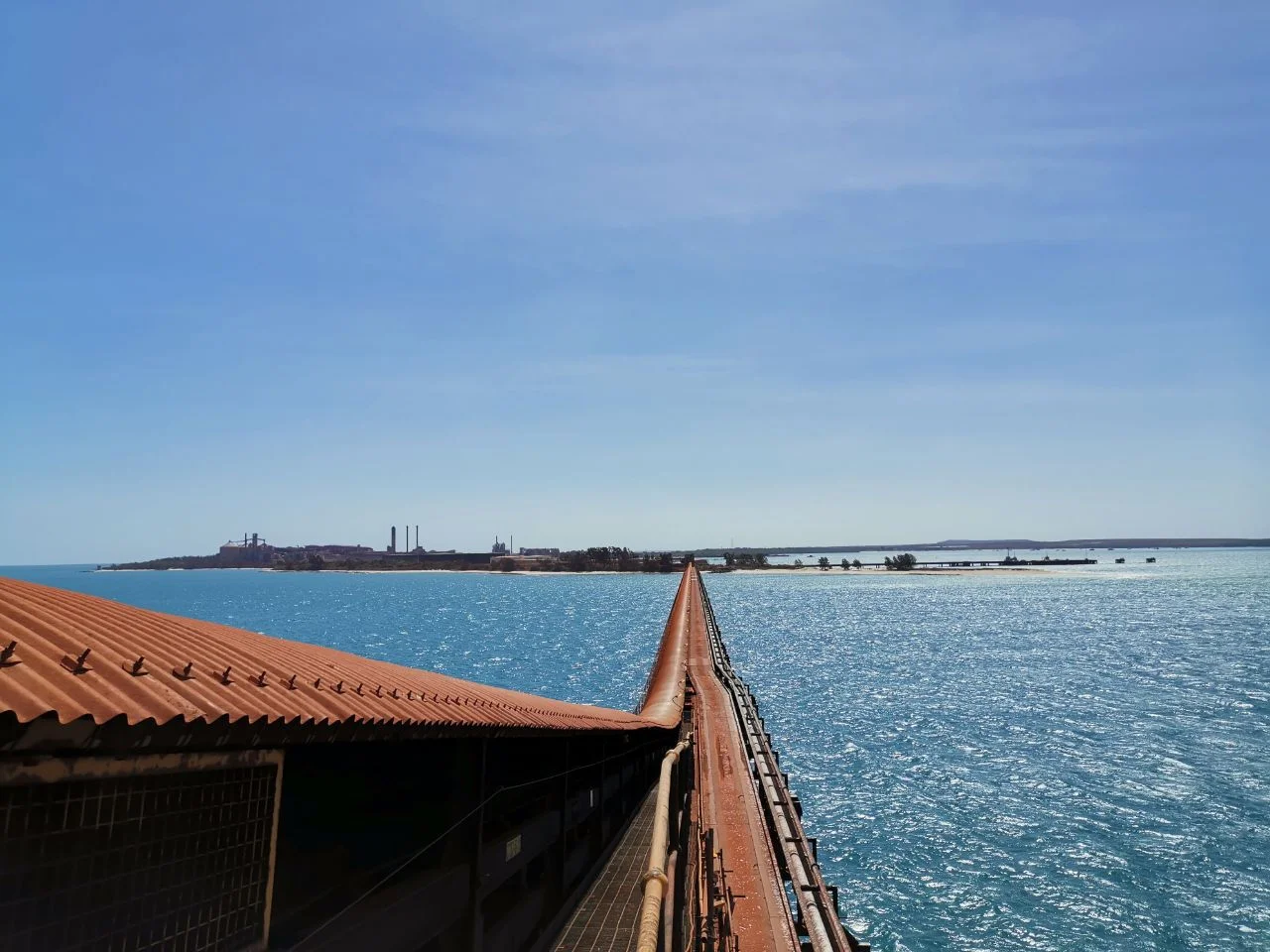
BOTON deployed SUAR™ super abrasion-resistant conveyor belts in a high-frequency reclaiming system for a global mining customer. The project focused on extending belt service life, reducing splice risk, controlling replacement frequency and lowering inventory cost.
CASE STUDY
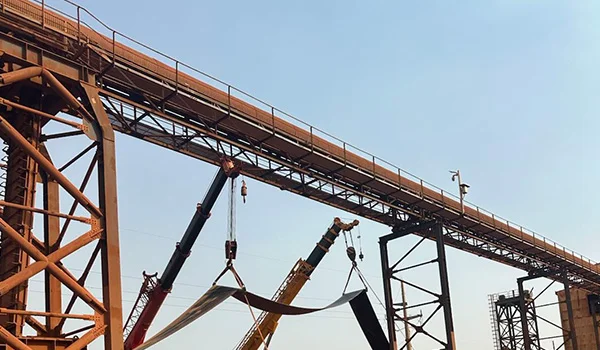
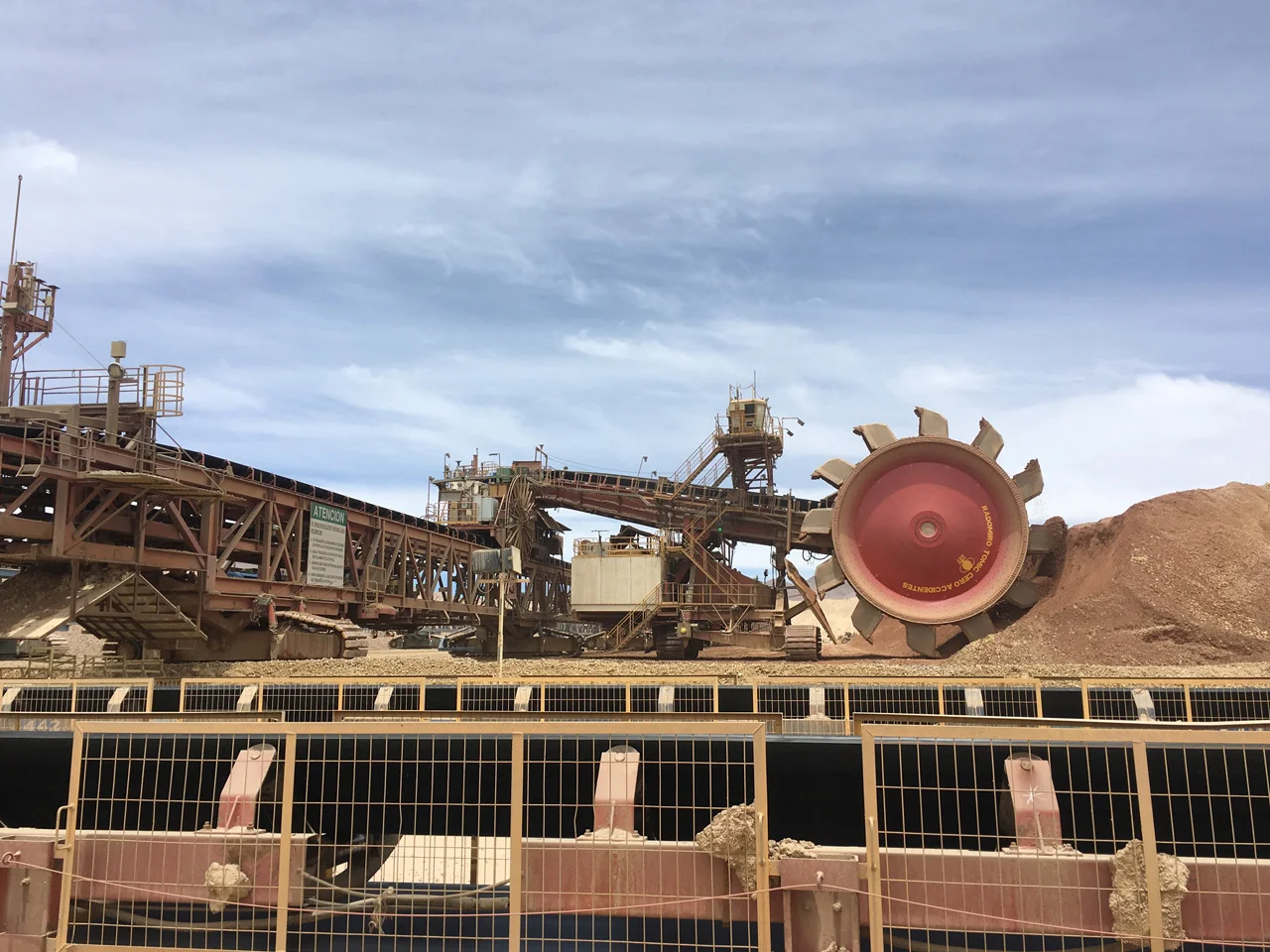
SUAR™ was used to replace belts with premature cover wear in a stacker-reclaimer boom conveyor application. The solution helped improve service life and reduce wear-driven maintenance pressure.
Where are SUAR™ belts typically used?
SUAR™ belts are typically used in hard-rock mining, port stockyards, power plants, chemical processing and other applications where abrasive materials and continuous friction accelerate top-cover wear.
Can SUAR™ belts be used in cold regions?
Yes. SUAR™ C is designed for cold outdoor environments where rubber elasticity and abrasion resistance are both important.
Does lower abrasion loss always mean longer belt life in the field?
Not by itself. Abrasion loss is an important laboratory indicator, but actual belt life also depends on material abrasiveness, particle size, sharp edges, loading height, belt speed, transfer design, cleaning conditions, pulley and roller condition, and maintenance practices.
For this reason, BOTON evaluates both cover rubber performance and operating conditions before recommending a belt solution.
Which SUAR™ option is suitable for sharp-edged hard rock?
SUAR™ W is suitable when cutting and tearing are major concerns while abrasion resistance is still required. It is mainly used for hard-rock applications such as quartzite, granite and materials with sharp edges.
If impact, cutting, tearing and abrasion occur together under more severe conditions, SUAR™ X should be considered.
Can SUAR™ belts be used in cold outdoor environments?
Yes. SUAR™ C is designed for cold-region outdoor conveyors. In low temperatures, rubber elasticity can decrease and the cover may become harder or more prone to cracking. SUAR™ C is designed to maintain good elasticity at temperatures down to -50°C.
Can a super abrasion-resistant belt reduce shutdowns?
It can help reduce wear-driven shutdown pressure when cover wear is the main cause of replacement or maintenance intervention. In one Western Australia iron ore port reclaiming system, BOTON SUAR™ helped extend belt service life by 50%, reduce wear rate by 27% and 25%, reduce annual replacement frequency from 3 to 2, and lower inventory and procurement cost by 33%.
Actual results depend on the conveyor system and operating conditions.
Download the product brochure for key features, applications, and solution highlights.
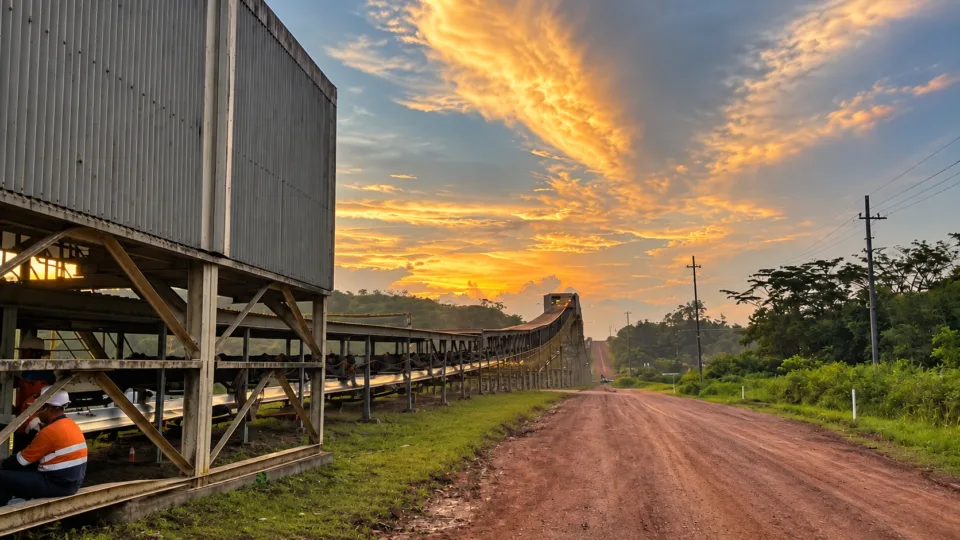
Steel Cord Conveyor Belts Supporting 9.5 m/s Long-Distance Overland Conveying
View More"*" indicates required fields
Whether you have a question about our services, a project idea, or just want to say hello, we're here to listen.