

AI Monitoring for a 2.97 km Coke Pipe Conveyor

Foreign Object Detection, 360° Rip Monitoring and Belt Unfolding Detection at a Steel Plant in China

AI Monitoring for a 2.97 km Coke Pipe Conveyor
Case Chanllenges

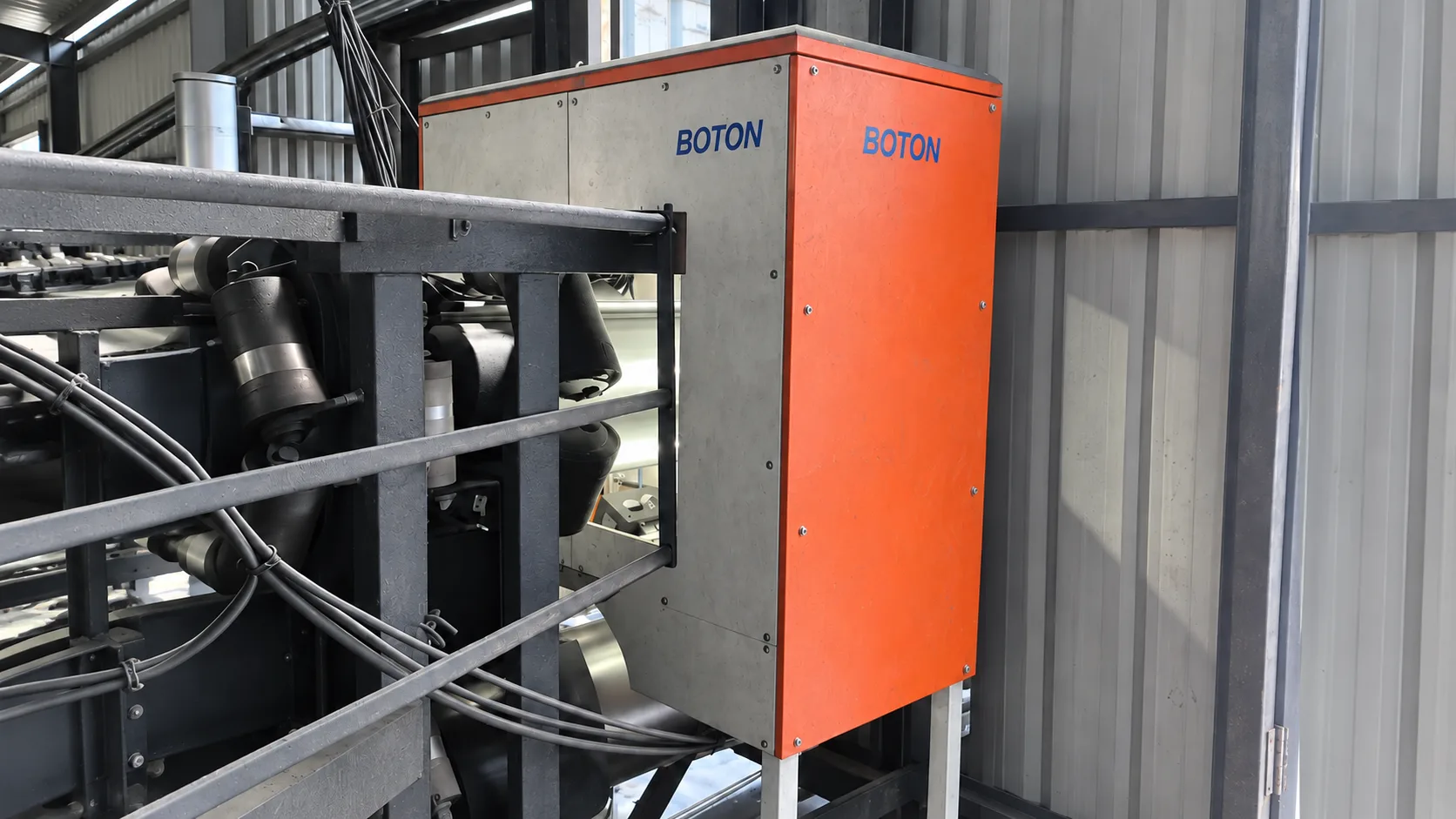
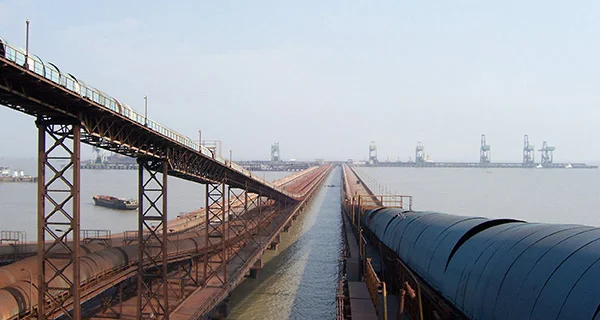
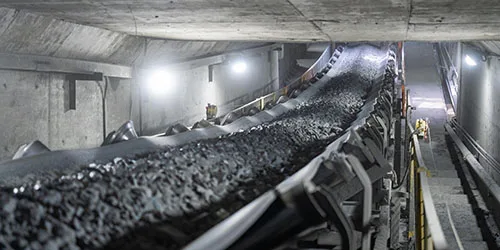
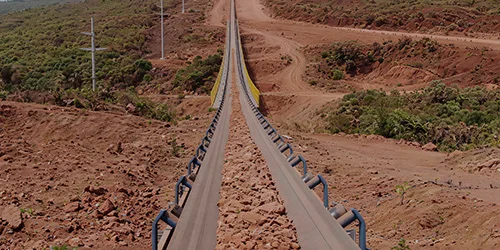
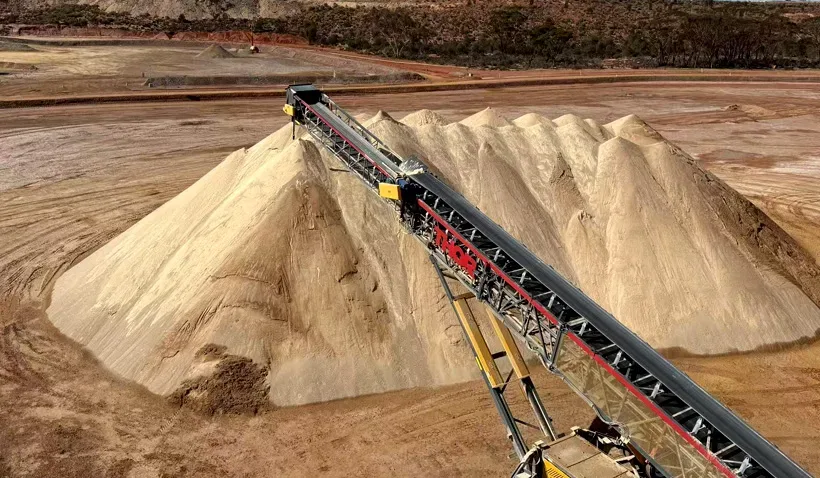
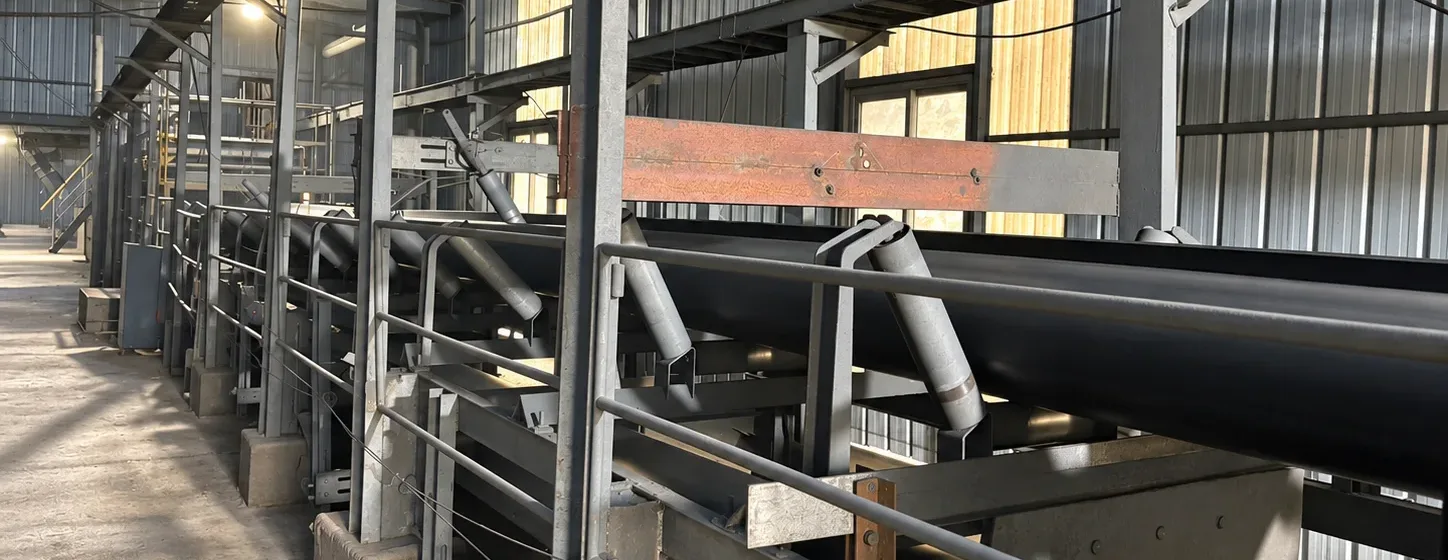
At a coking plant in Laiwu, China, BOTON deployed an AI-powered monitoring system on a 2,968.75 m pipe conveyor with a 1,100 mm-wide belt transporting coke to downstream steelmaking operations.

The system monitors three critical stages of pipe conveyor operation: foreign objects before pipe formation, belt condition during enclosed conveying, and belt unfolding at the discharge end. It integrates AI foreign object detection, thermal and visible-light rip monitoring, abnormal pipe formation detection, and discharge-end belt unfolding monitoring.

By combining AI machine vision, thermal imaging and high-speed visible-light imaging, the project gives operators greater visibility into risks that are difficult to detect through conventional inspection alone. Following joint testing, all three core monitoring modules completed pre-acceptance and the system entered a 120-day operational trial.

The project demonstrates how intelligent conveyor monitoring can be adapted to the specific operating characteristics of a pipe conveyor system in demanding coke handling applications.
Core Achievements

Integrated Pipe Conveyor Monitoring

BOTON integrated AI foreign object detection, longitudinal rip monitoring, abnormal pipe formation detection and belt unfolding detection into one intelligent pipe conveyor monitoring system, covering key risks before, during and after enclosed conveying.

360° AI and Thermal Imaging Detection

The system combines AI machine vision, thermal imaging and high-speed visible-light imaging to monitor the pipe conveyor belt around its circumference and detect abnormalities that are difficult to identify through conventional visual inspection.

Pre-Acceptance Completed

Following joint testing, all three core monitoring modules completed pre-acceptance and the system entered a 120-day operational trial, demonstrating the practical application of AI-powered pipe conveyor monitoring in coke handling at a steel plant.

Key Facts

  • Industry: Steel & Metals
  • Application: Coke Handling
  • Location: Laiwu, Shandong Province, China
  • Conveyor Length: 2,968.75 m
  • Belt Width: 1,100 mm
  • Monitoring Scope: Foreign Object Detection, Rip Monitoring, Abnormal Pipe Formation and Belt Unfolding Detection
  • Project Status: Pre-acceptance completed; 120-day operational trial initiated
Key Facts

Project Challenges

Foreign Objects and Oversized Coke

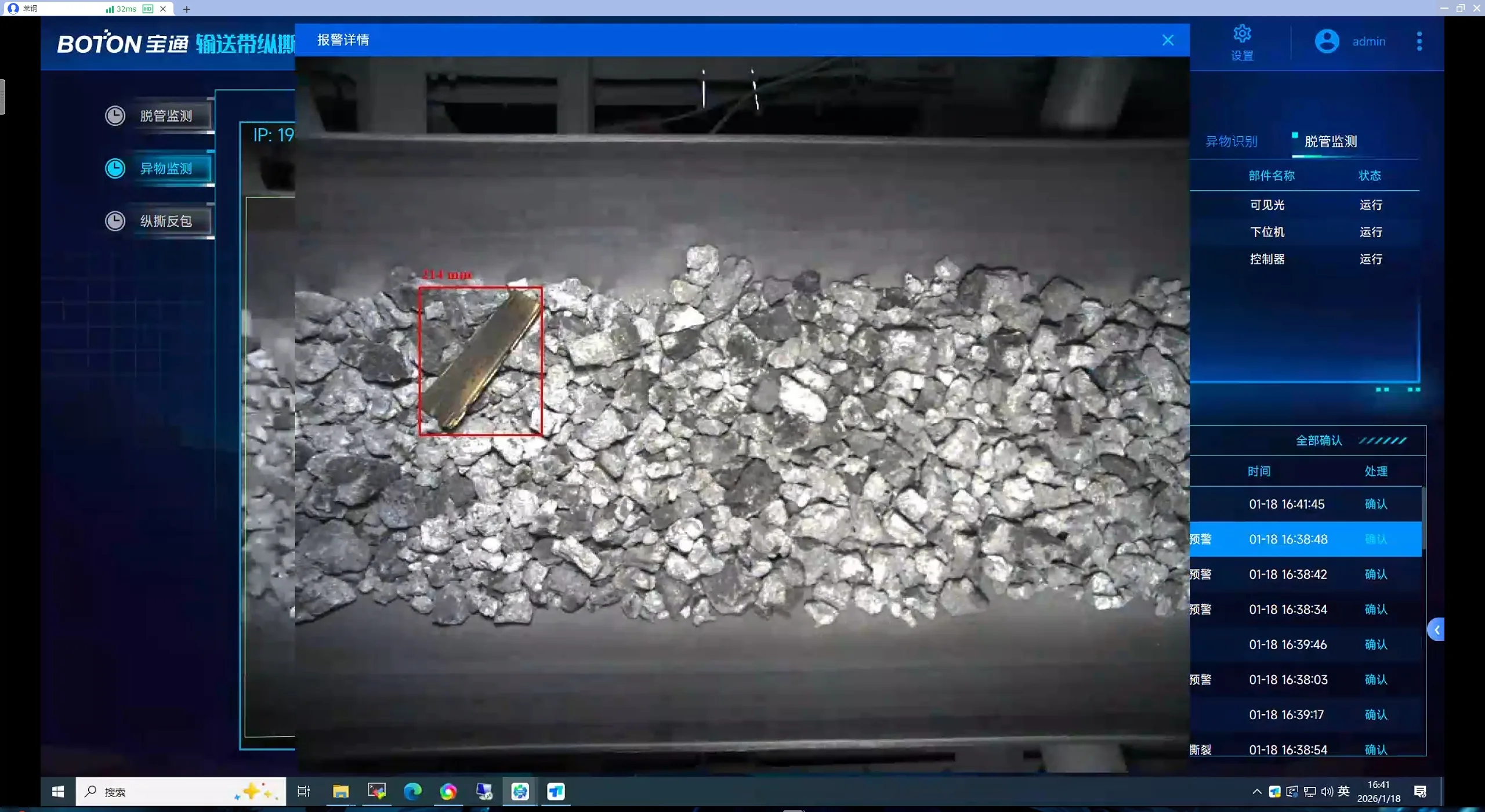
The pipe conveyor handles coke as part of a critical material flow within the steel plant. Oversized coke and foreign objects such as metal pieces, steel bars or tools may enter the conveying stream and interfere with normal pipe formation.

If trapped as the belt closes, these objects can create concentrated loading, mechanical interference and an increased risk of belt damage or longitudinal ripping. The monitoring strategy therefore needed to identify both belt abnormalities and some of the conditions that can cause them.

Enclosed Pipe Geometry

Unlike a conventional troughed belt, a pipe conveyor becomes enclosed during operation. After the belt enters the pipe-forming section, the overlapping edges and closed geometry make much of the belt surface difficult to inspect visually.

This is especially challenging on long conveying routes, where operators cannot continuously observe the belt. The monitoring system therefore needed to work effectively with the enclosed geometry of the pipe belt while the conveyor remained in operation.

Belt Reopening at the Discharge End

At the discharge end, the belt must transition from its tubular shape back into a flat configuration. After nearly 3 km of conveying, changes in belt orientation, overlap position or pipe formation can affect this transition.

If the belt does not reopen correctly, the result may include material spillage, abnormal contact, accelerated wear or equipment interference. The customer therefore required direct monitoring of belt unfolding as well as the enclosed conveying section.

BOTON Solution

BOTON Solution

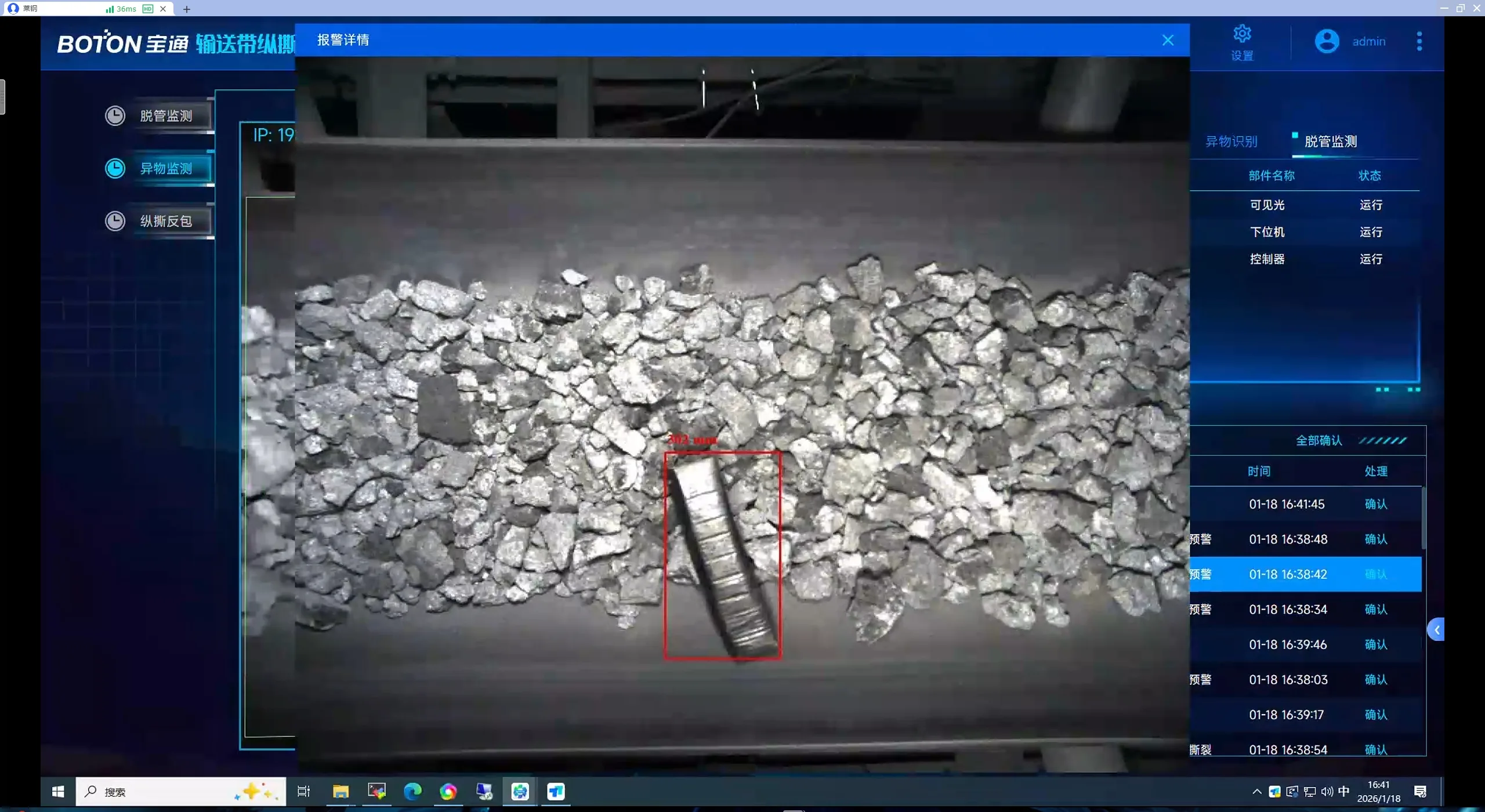
AI Foreign Object Detection Before Pipe Formation

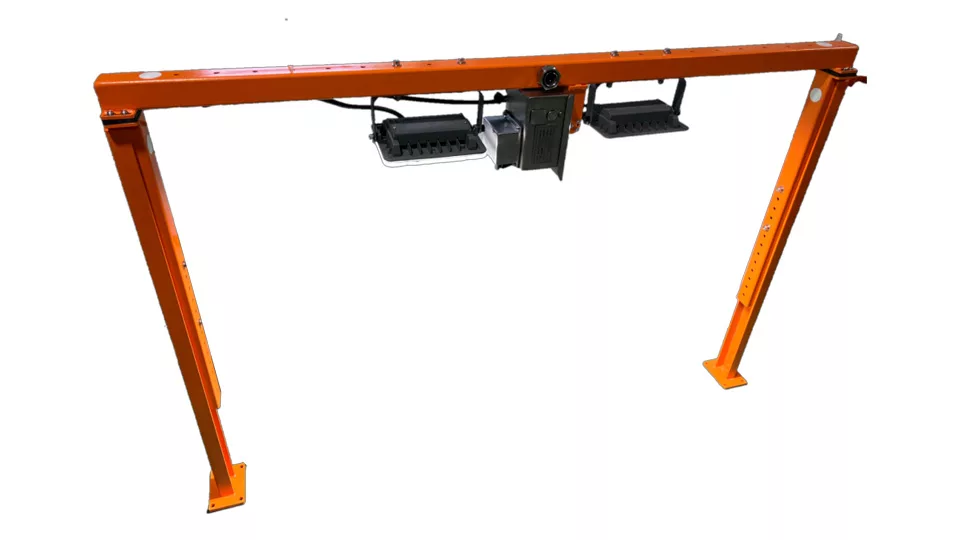
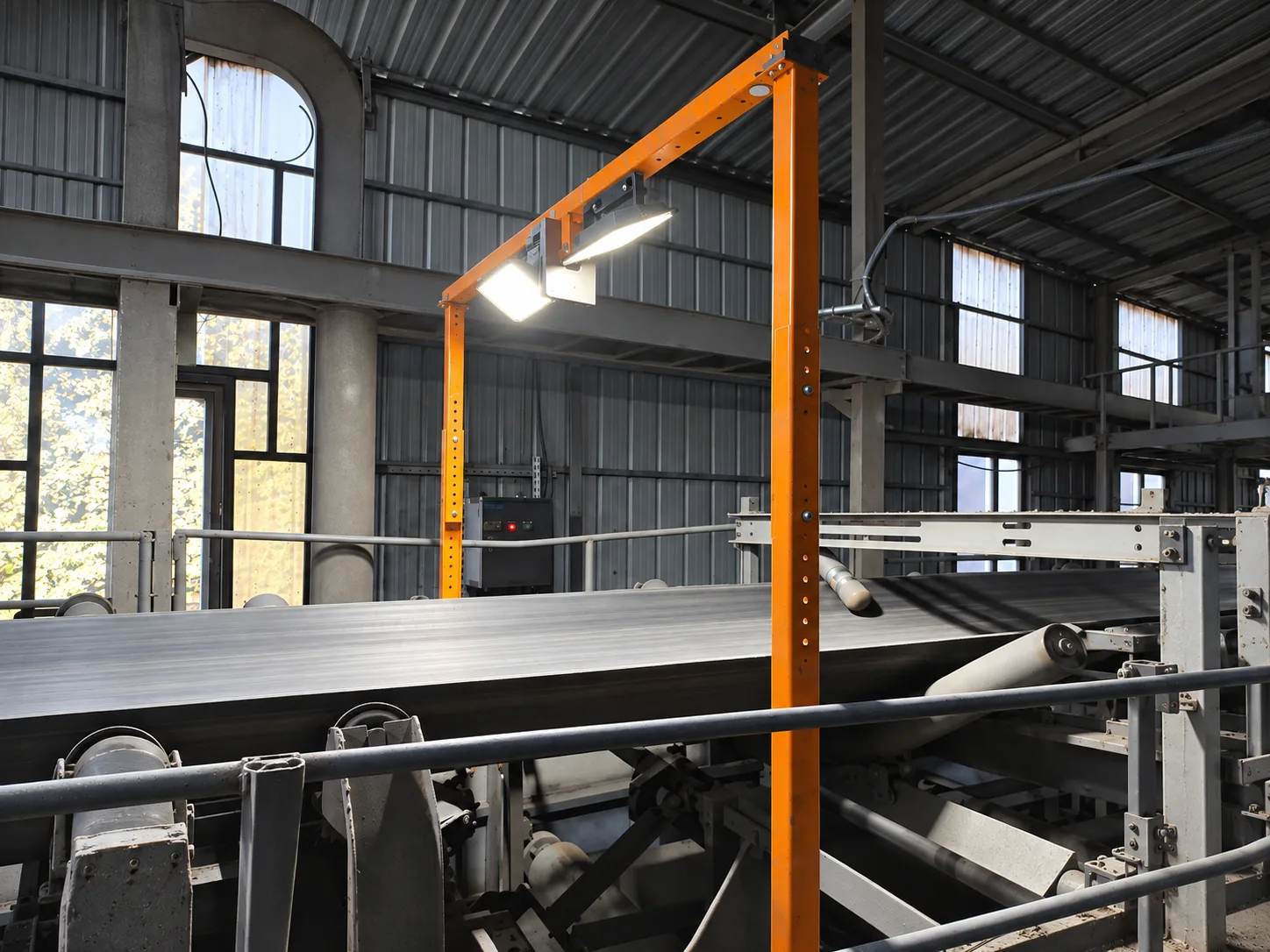
BOTON installed an industrial machine-vision system before the critical pipe-forming section.

High-definition cameras continuously capture the belt and material stream, while AI algorithms analyze the images for predefined abnormalities.

Typical targets include:

Oversized coke → Metal components → Steel bars → Tools and debris → Other irregular foreign objects

When the system identifies an abnormal object, it can generate an alarm and provide a signal for integration with the conveyor control system.

This shifts part of the protection strategy upstream—from detecting damage after it occurs to identifying conditions that may cause damage.

360° Thermal and Visible-Light Pipe Belt Monitoring

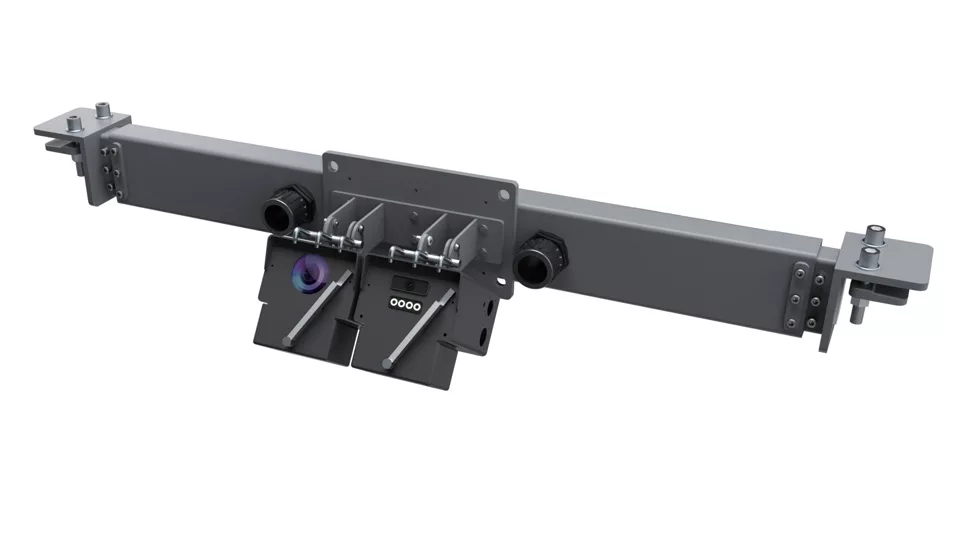
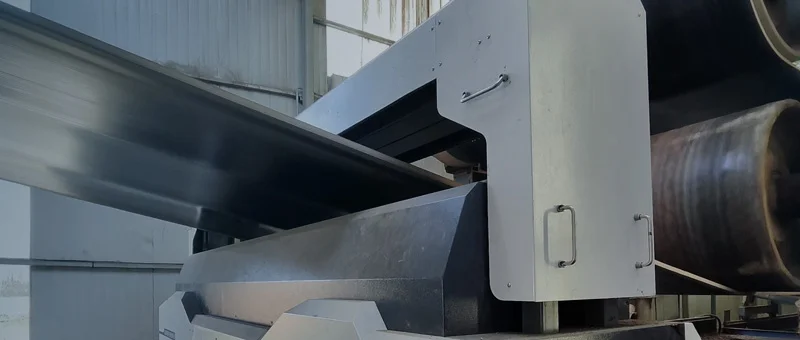
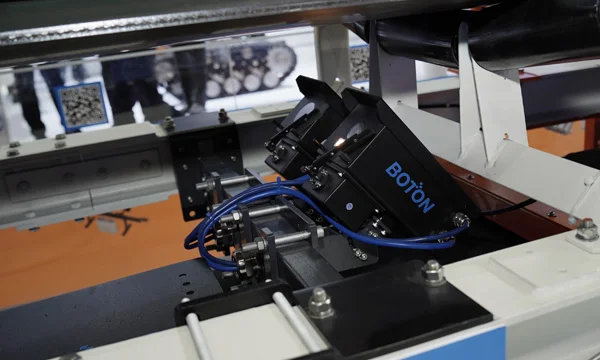
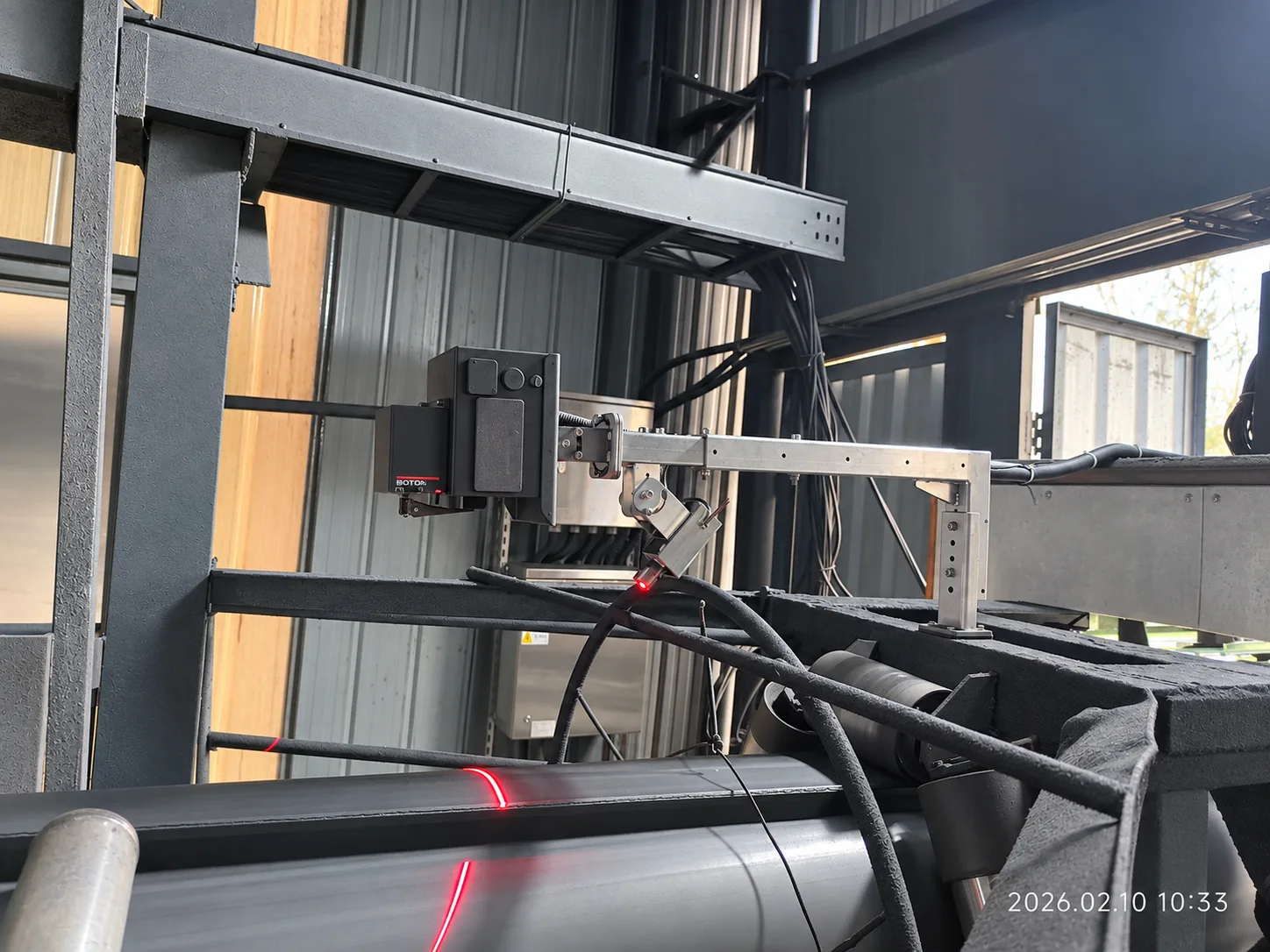
During enclosed conveying, BOTON combines thermal imaging with high-speed visible-light imaging to monitor the pipe conveyor belt for longitudinal ripping and abnormal pipe formation.

The monitoring arrangement is designed around the tubular belt profile, allowing the system to observe the enclosed belt around its circumference as it passes through the detection area. Thermal imaging monitors the non-carrying surface for abnormal thermal characteristics, while visible-light cameras provide complementary visual information.

The system also incorporates automatic temperature calibration to reduce measurement drift under changing plant conditions and support continuous online monitoring.

AI Belt Unfolding Detection at the Discharge End

At the discharge transition, industrial cameras monitor whether the pipe belt returns to its intended flat configuration within the designed transition zone.

Machine-vision algorithms analyze the belt profile and identify abnormal unfolding without relying on mechanical contact switches. Early detection helps reduce the risk of material spillage, abnormal belt contact, accelerated wear or interference with conveyor equipment.

Integrated Alarm, Interlock and Event Recording

The monitoring modules operate within a common alarm and control logic:

Detect → Identify → Alarm → Record → Transmit → Interlock

When an abnormal condition is identified, the system can trigger local audible and visual alarms, software alerts and remote notifications. It also provides output signals for conveyor interlock shutdown when required.

Images and video associated with abnormal events are automatically recorded, giving operators visual evidence for inspection, troubleshooting and root-cause analysis.

Project Gallery

See images and videos from BOTON’s AI-powered monitoring project on a 2.97 km coke pipe conveyor in Laiwu, China.

Related Products

"*" indicates required fields

This field is for validation purposes and should be left unchanged.
Full Name*
Tell us what you need, and include any relevant specifications or project details if available.
Accepted file types: pdf, doc, docx, xls, xlsx, ppt, pptx, csv, txt, jpg, jpeg, png, zip, dwg, dxf, Max. file size: 20 MB.
Upload an RFQ, technical specification, drawing, or other relevant document.


Let's Talk!

Whether you have a question about our services, a project idea, or just want to say hello, we're here to listen.

Desktop mode detected.
Please switch to mobile view for a better browsing experience.