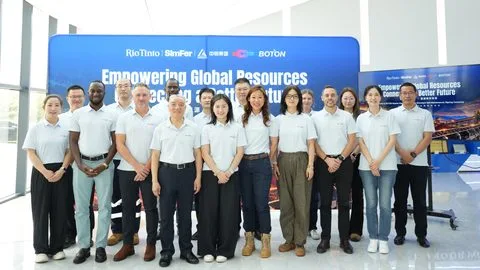




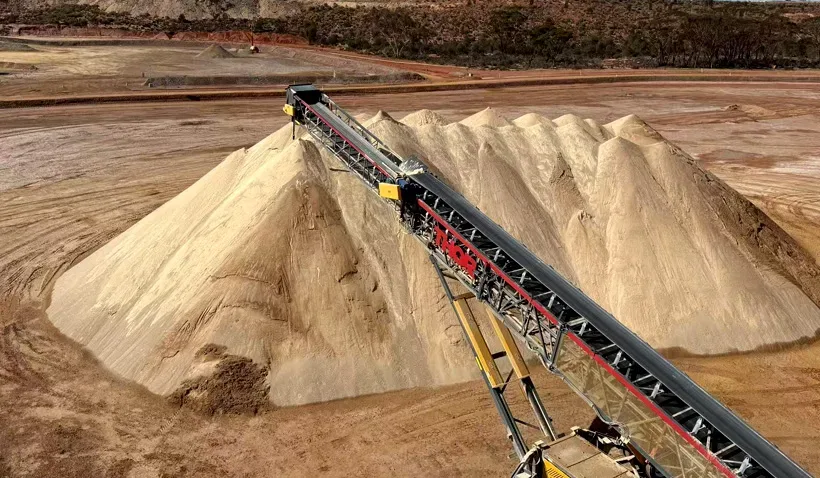
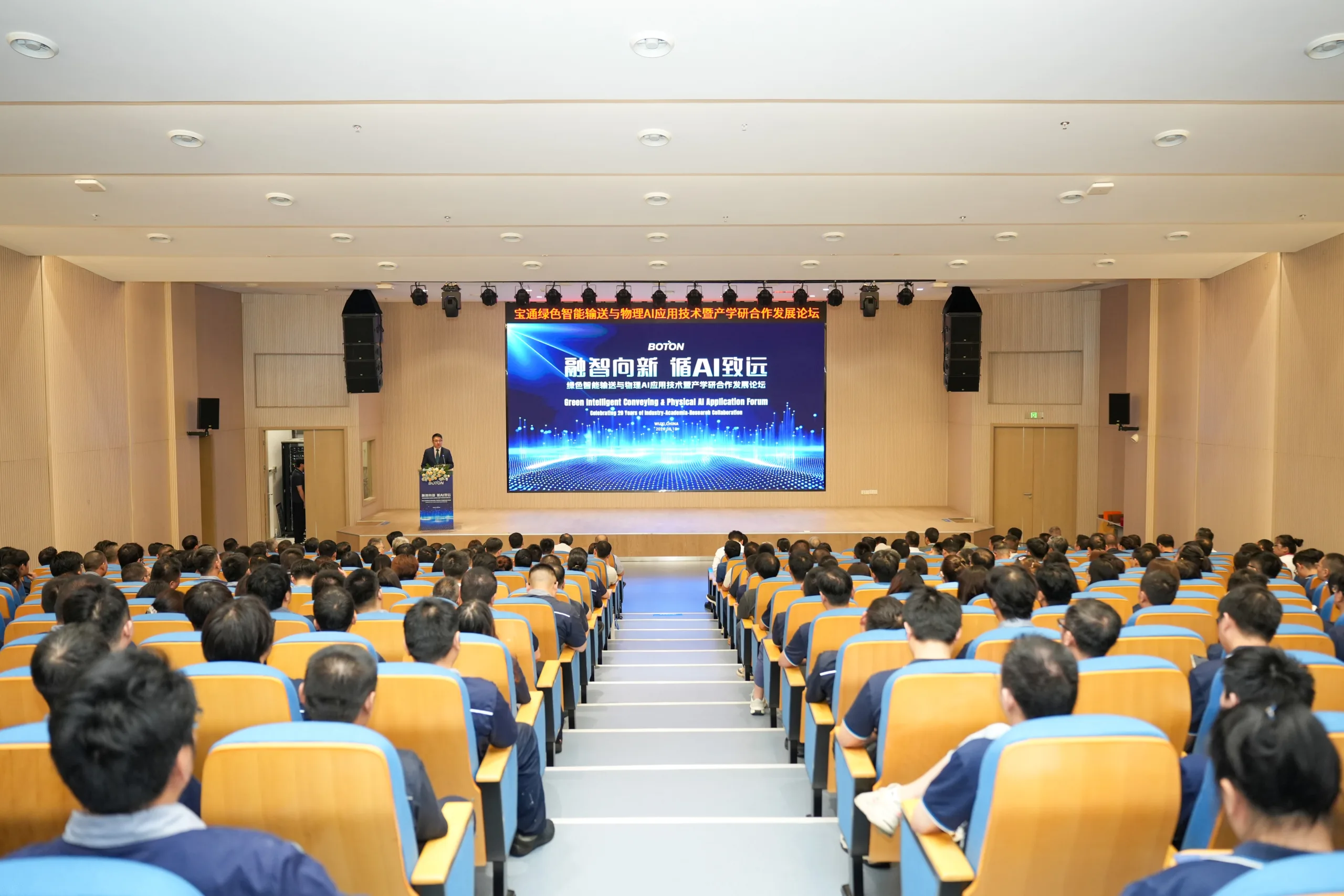
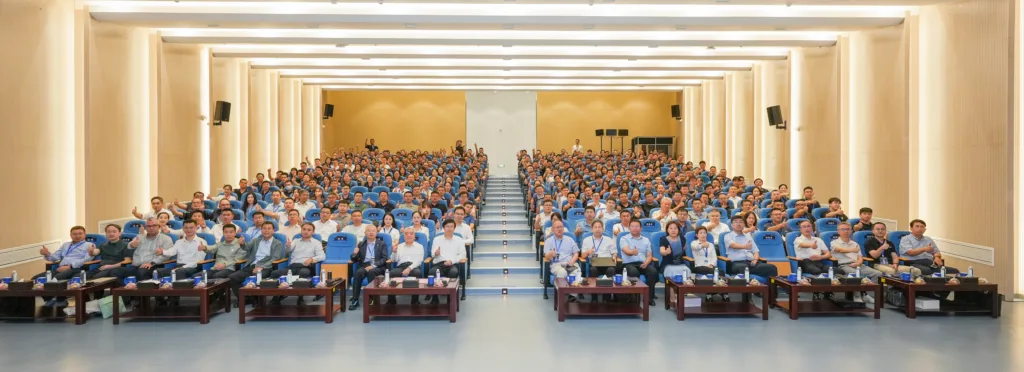
WUXI, China — August 10, 2026 — BOTON hosted the Green & Intelligent Conveying and Physical AI Technology Forum at its headquarters in Wuxi, bringing together leading academics, industry experts, global customers and technology partners to explore how sustainable materials, artificial intelligence and robotics are changing industrial bulk material conveying.
The forum also marked 20 years of industry–academia collaboration for BOTON — a journey that has shaped not only individual technologies and products, but also the way the company approaches innovation.
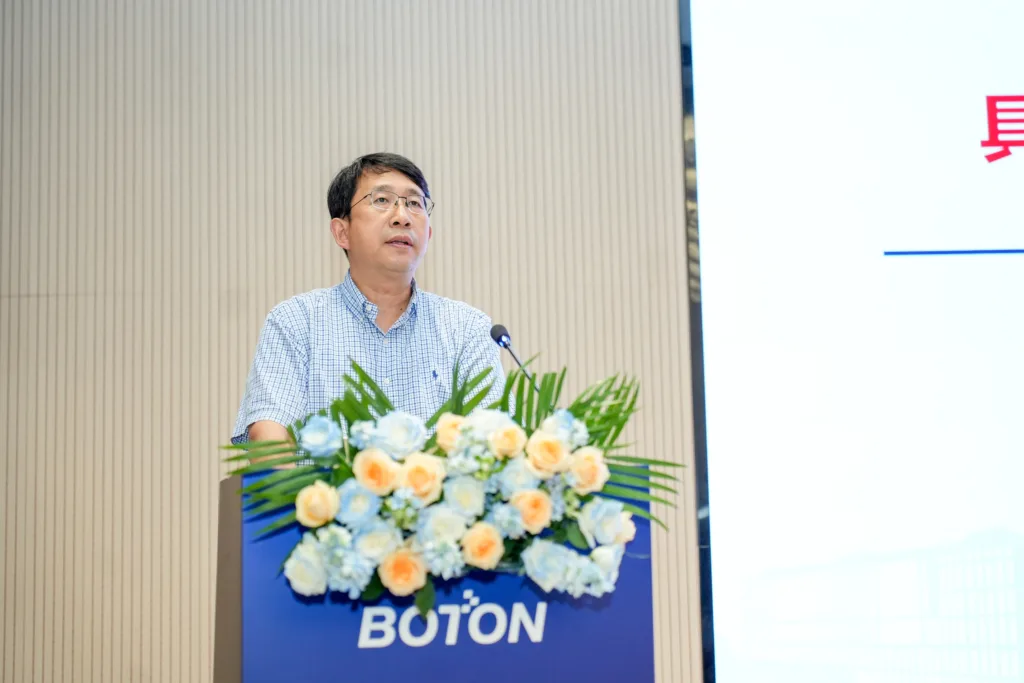
Participants included Prof. Zhang Liqun, Academician of the Chinese Academy of Engineering and President of Xi’an Jiaotong University; Academicians Guan Xiaohong and Wang Yuzhong; Xu Wenying, President of the China Rubber Industry Association; representatives from Wuxi High-tech Zone; and industry partners including BHP, Codelco, CHN Energy, Shandong Energy and Huaneng Group.
The discussions ranged from sustainable conveyor materials and low-carbon energy to intelligent monitoring, robotics, embodied AI and Physical AI in mining and heavy industry.
20 Years of Connecting Research with Industry
BOTON’s long-term collaboration with Beijing University of Chemical Technology began in 2006, initially around advanced rubber materials and conveyor belt technologies.
The idea behind the partnership was straightforward: academic research should address real industrial problems, while industrial environments should provide a place to validate, refine and ultimately apply new technologies.
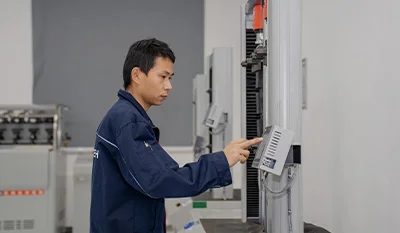
Over the past two decades, that approach has supported research into high-performance conveyor materials, energy-efficient conveying technologies, lower-carbon materials and other solutions for demanding operating environments.
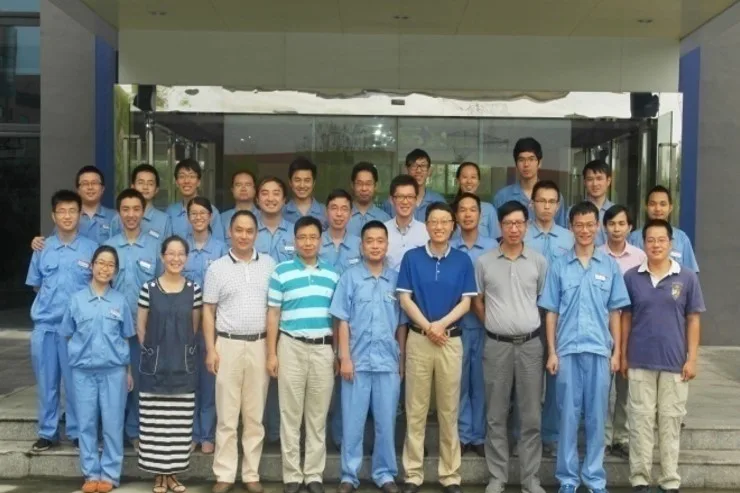
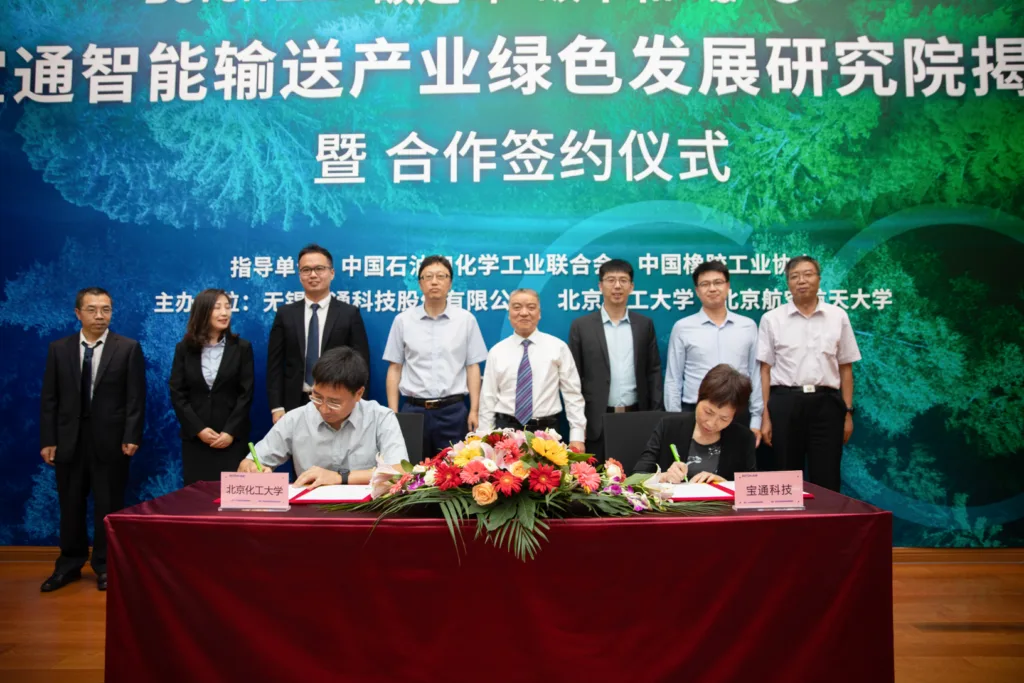
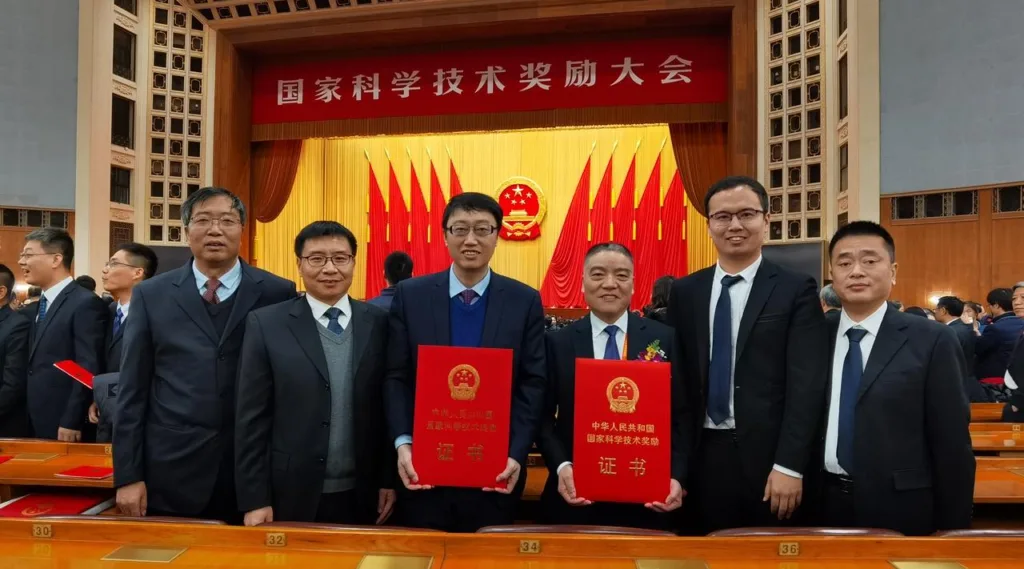
The collaboration has produced nationally recognized research and, more importantly, helped move technologies from laboratories into industrial applications. It has also supported joint research platforms, technology transfer and the development of engineers and technical professionals who understand both scientific research and field conditions.
Prof. Zhang Liqun, who has been closely involved in the collaboration since its early stages, described the principle behind the partnership at the forum:
The “first mile” of fundamental research must connect with the “last mile” of industrial application.
For BOTON, that principle has become increasingly relevant as industrial conveying moves beyond conventional requirements for strength, wear resistance and reliability.
From Sustainable Conveyor Materials to Lifecycle Performance
Sustainability was one of the central themes of the forum.
Experts discussed low-carbon energy systems, fire-resistant polymer materials, greener rubber chemistry and recycling technologies. The discussion reflected a broader change taking place across the conveyor industry: environmental performance is increasingly being evaluated across the entire lifecycle of a conveying system.
That includes the source and carbon footprint of raw materials, energy consumption during operation, product durability and the recovery or recycling of materials at the end of service life.
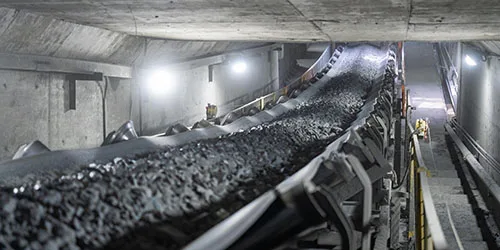
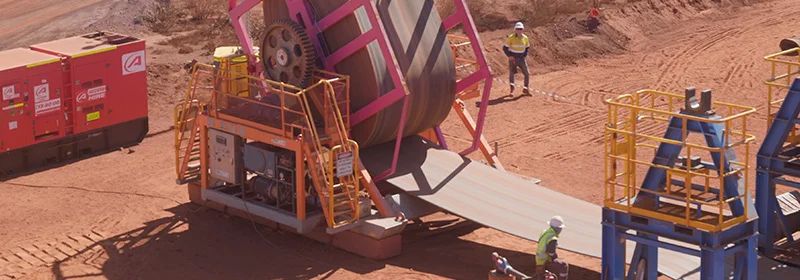
BOTON’s work in this area has expanded from high-performance materials into lower-carbon and more resource-efficient conveyor technologies, including high bio-based materials and energy-saving conveyor solutions.
The objective is not simply to make an individual conveyor belt more sustainable, but to reduce environmental impact while maintaining the reliability required in mining, ports, power generation, steel and other heavy-industry applications.
Smart Conveying: From Monitoring to AI Inspection Robots
At the same time, industrial conveying is becoming increasingly connected and intelligent.
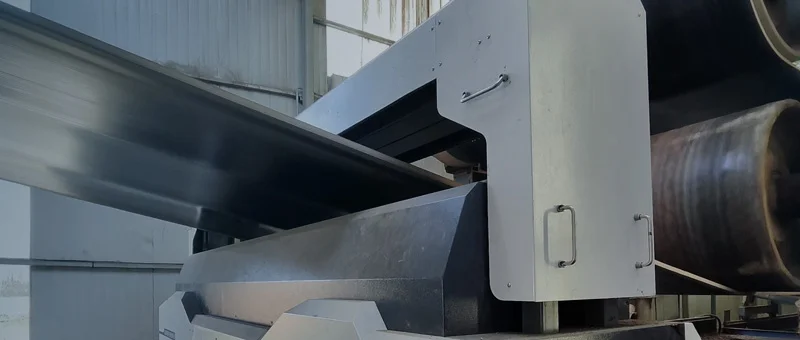
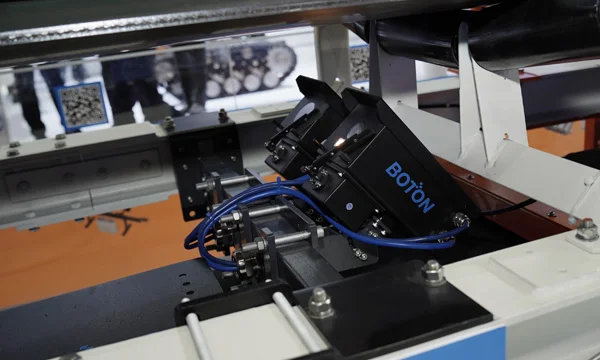
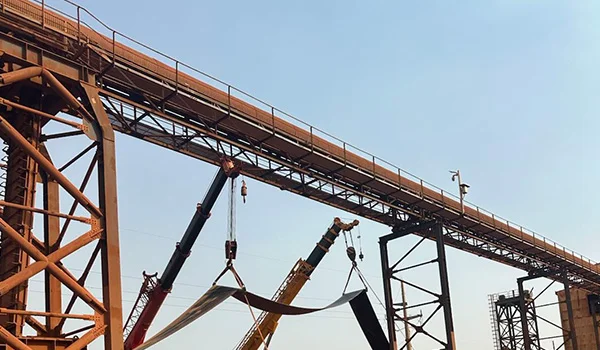
BOTON has been integrating conveyor monitoring systems, intelligent inspection, industrial data and lifecycle management into its broader conveying solutions.
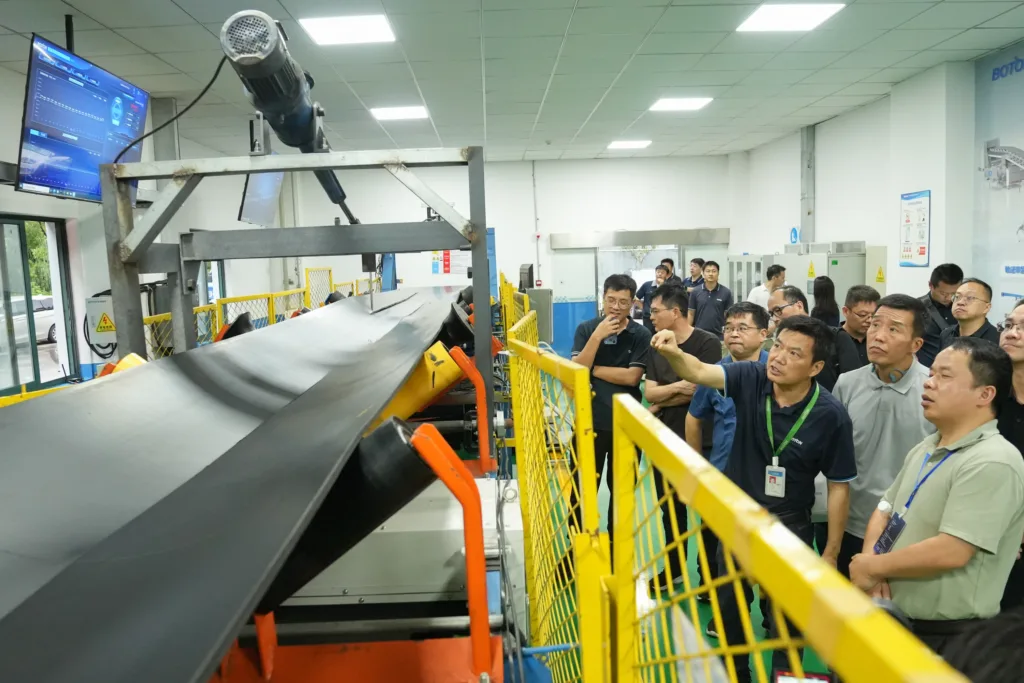
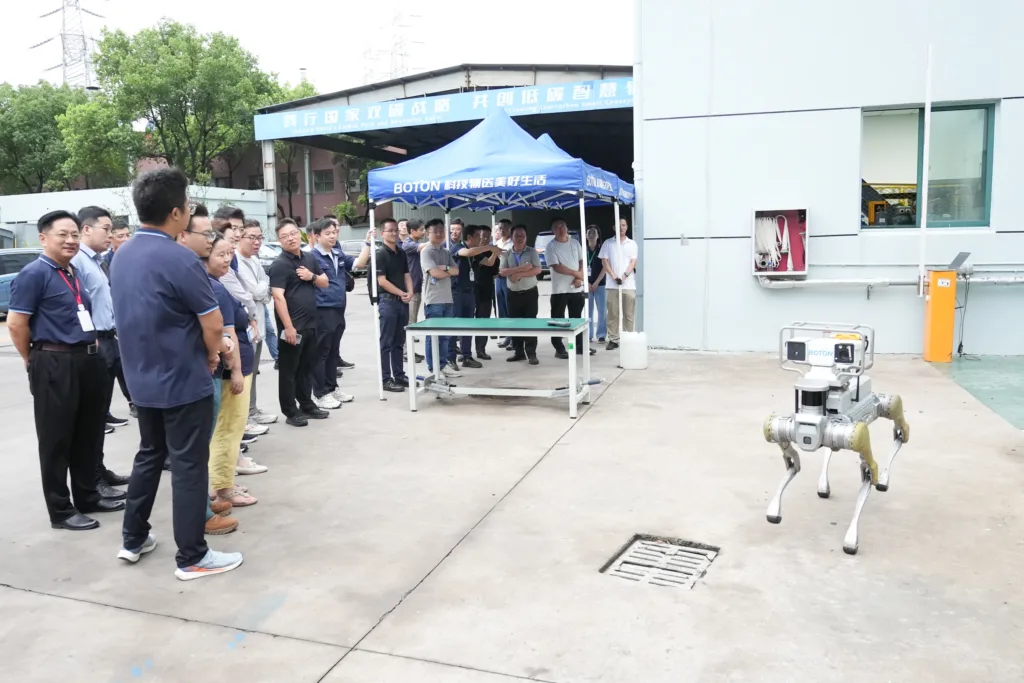
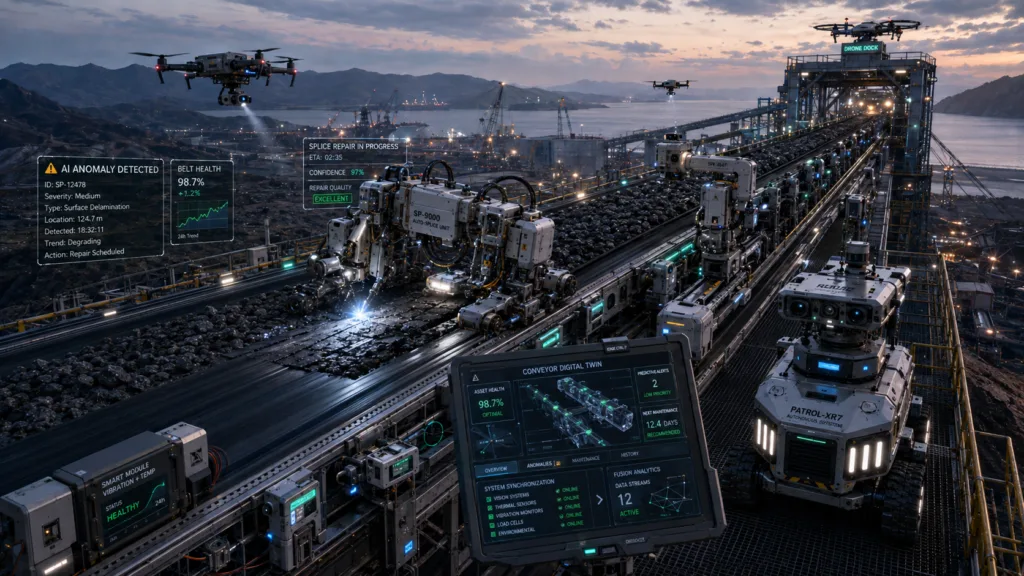
These technologies are designed to give operators better visibility into conveyor condition, identify potential problems earlier and support more informed maintenance decisions.
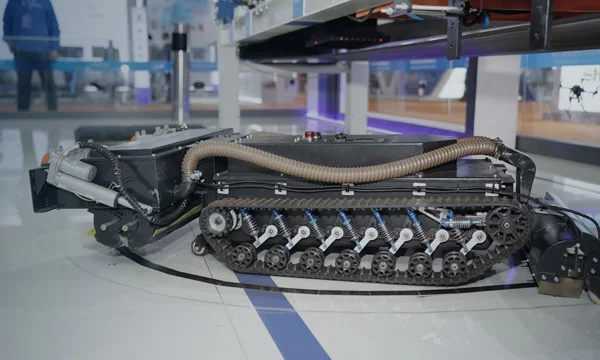
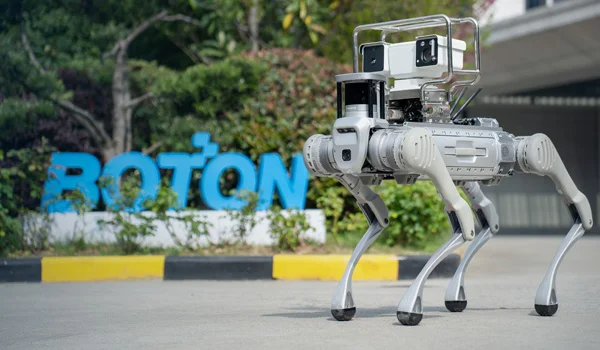
AI-powered inspection robots are extending that capability further.
Rather than relying only on periodic manual inspection, robotic systems can support repeated data collection in operating environments where safety, accessibility and inspection consistency are critical.
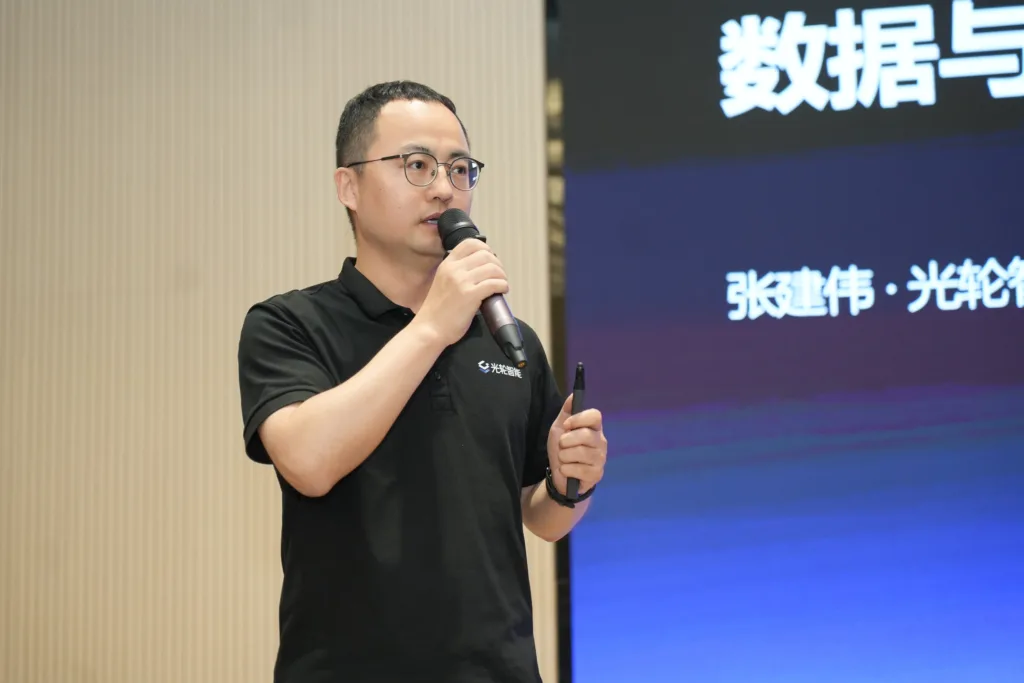
Zhu Jiancheng, Assistant President and Chief Information Officer of BOTON, shared how the company is also applying AI across R&D, manufacturing and business operations through its broader “AI + Business” initiative.
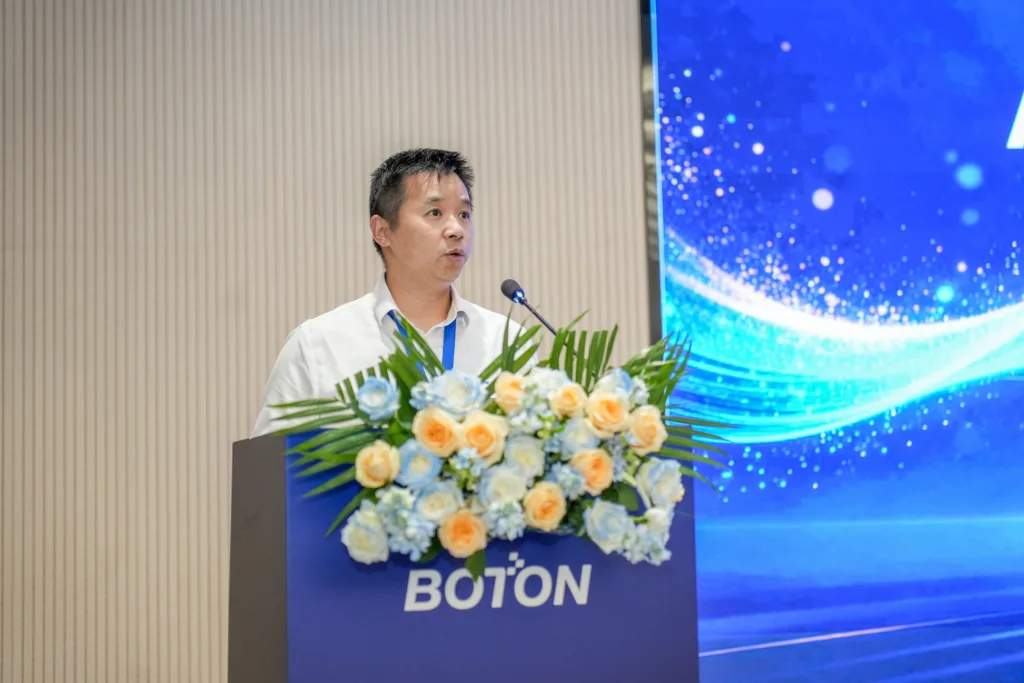
For BOTON, industrial AI is not a standalone layer added to an existing product. Its value comes from combining algorithms with materials expertise, manufacturing knowledge, operating data and experience from real conveyor systems.
Exploring Physical AI in Mining and Heavy Industry
The forum also looked beyond conventional industrial AI toward Physical AI — systems in which AI interacts directly with machines and physical environments.
Presentations on embodied intelligence, simulation, synthetic data and robot evaluation examined how intelligent machines can perceive operating conditions, make decisions and perform tasks in complex environments.
BOTON is exploring this direction through intelligent monitoring, AI inspection robots, simulation and industrial data.
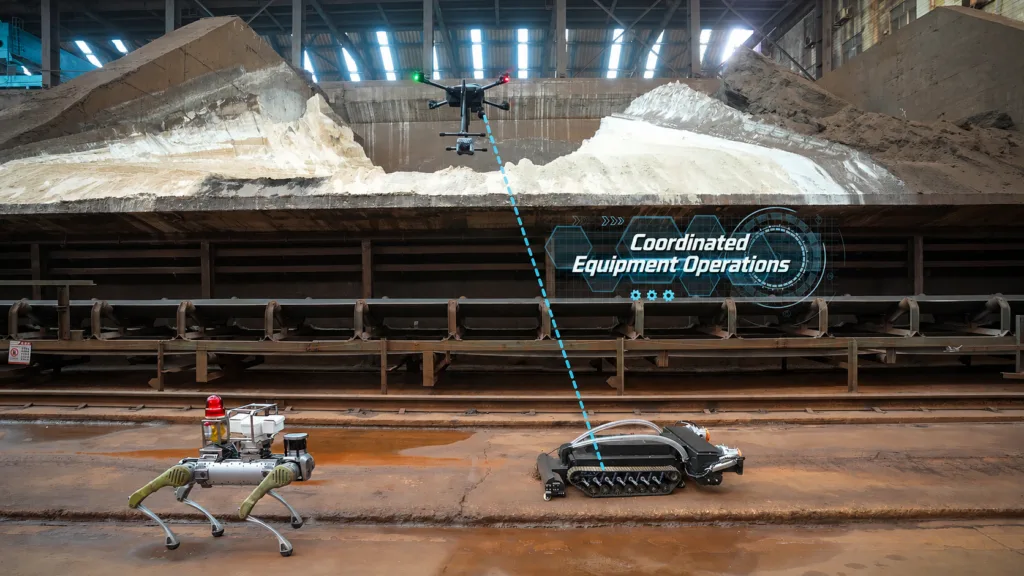
The company has also established Wuxi Baoguang Physical AI Technology Co., Ltd. with Lightwheel, combining BOTON’s experience in industrial environments and engineering delivery with Lightwheel’s capabilities in physical simulation, synthetic data and robotic evaluation.
The collaboration is focused on practical industrial applications, including smarter inspection, predictive maintenance and increasingly autonomous operations in mining and other demanding heavy-industry environments.
This is a natural extension of BOTON’s existing approach: start with a specific operating problem, validate technologies under real conditions, and then determine where AI and robotics can create measurable value.
New Collaboration in Green Conveying, Materials and Robotics
The forum also opened a new phase of BOTON’s academic and technology partnerships.
Three new initiatives were launched across different parts of the innovation chain:
- a Green and Intelligent Conveying Technology Innovation Center with Beijing University of Chemical Technology;
- joint research into advanced sustainable natural rubber materials and industrial applications;
- and the development of high-performance integrated joint modules for robotic applications with Xi’an Jiaotong University.
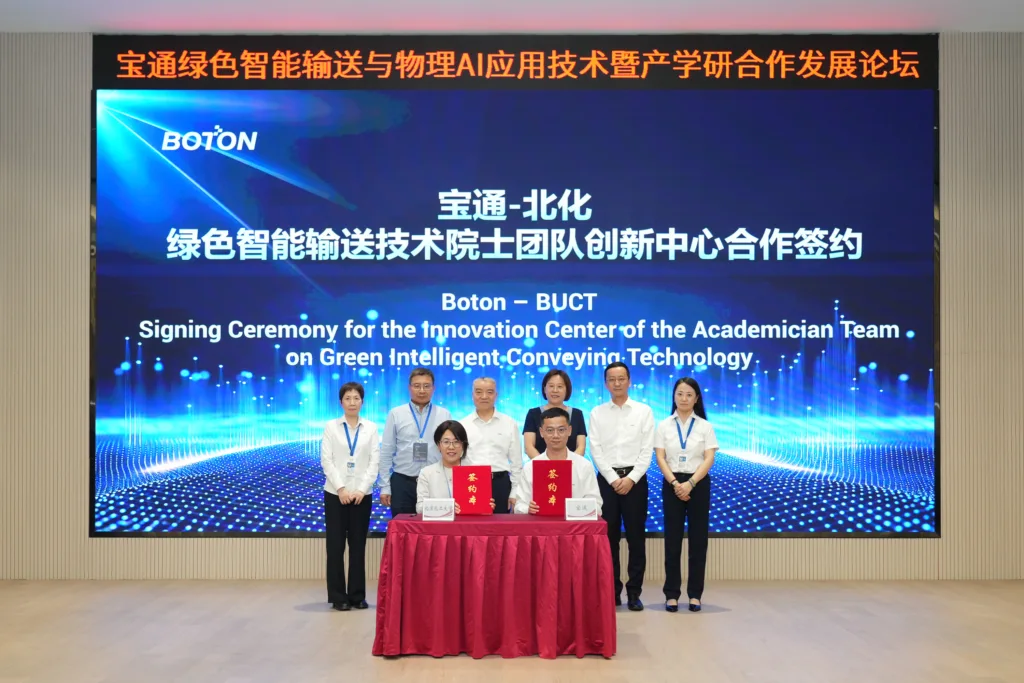
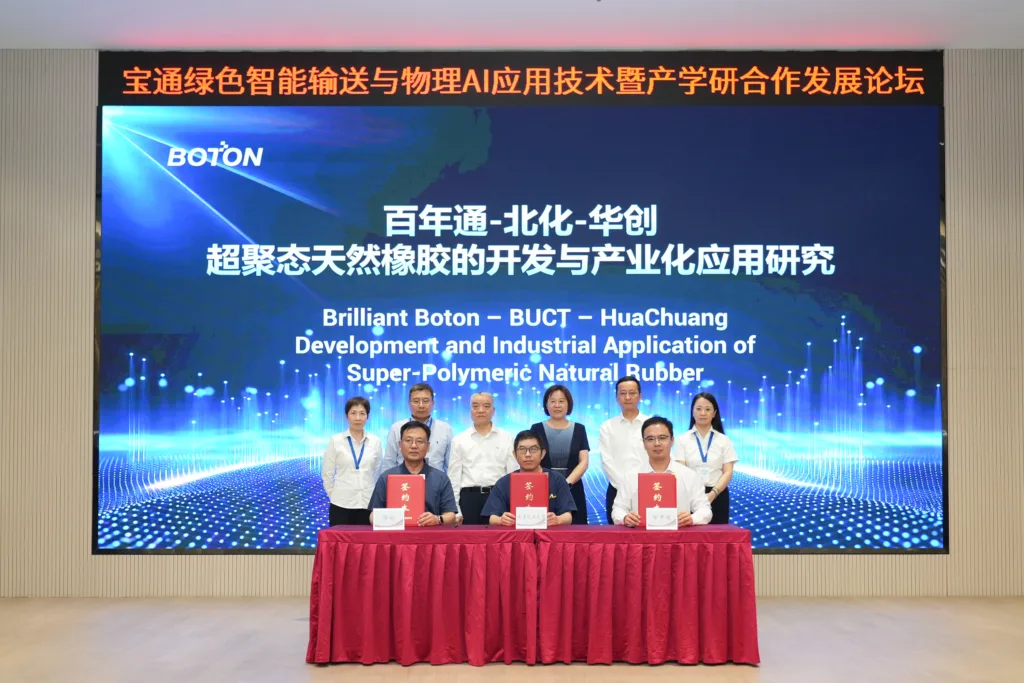
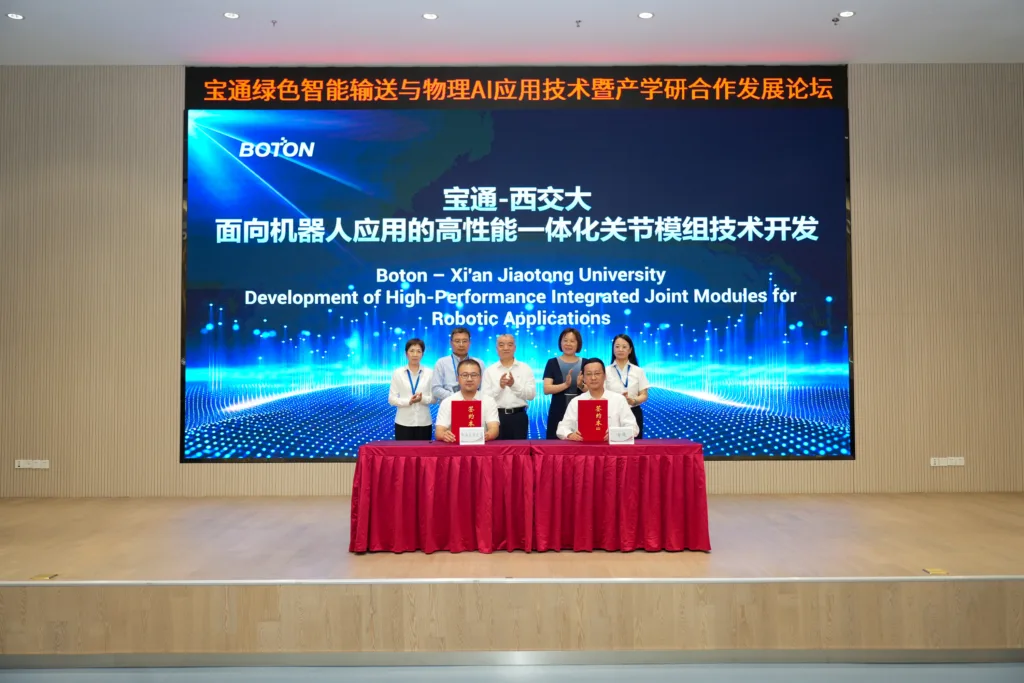
The projects show how BOTON’s collaboration model is expanding beyond traditional conveyor materials.
Materials science remains an important foundation, but the network is now extending into recycling, intelligent equipment, robotics, simulation and AI.
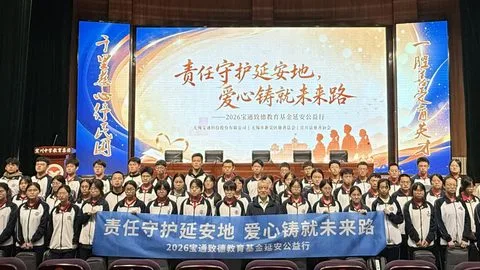
The forum also recognized teams and individuals who have contributed to research, technology development, talent cultivation and the industrial application of research results over the past two decades.
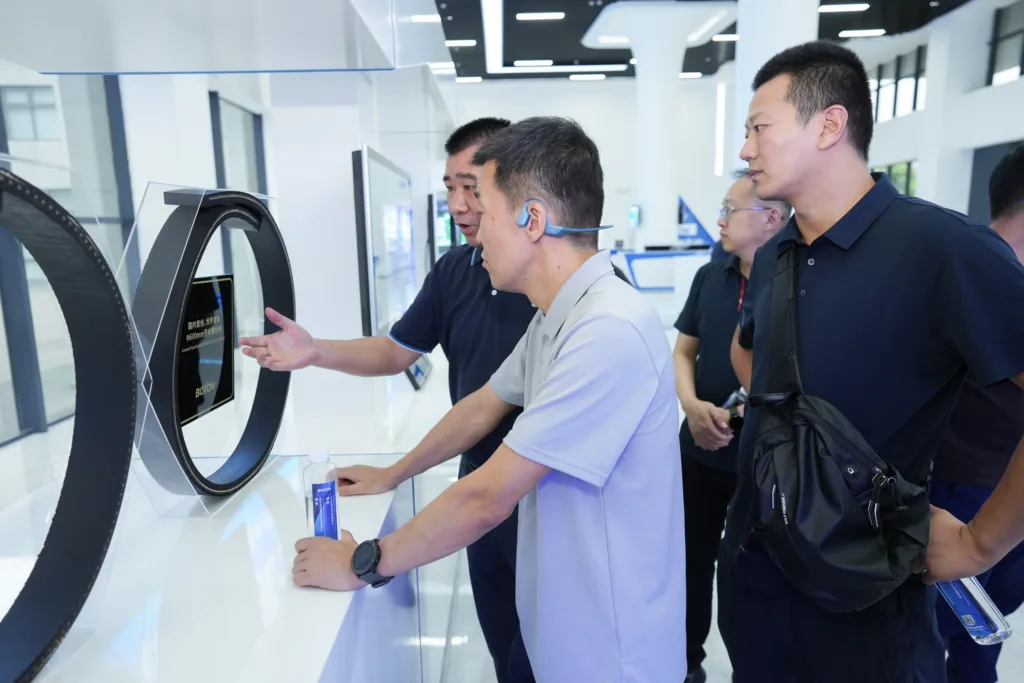
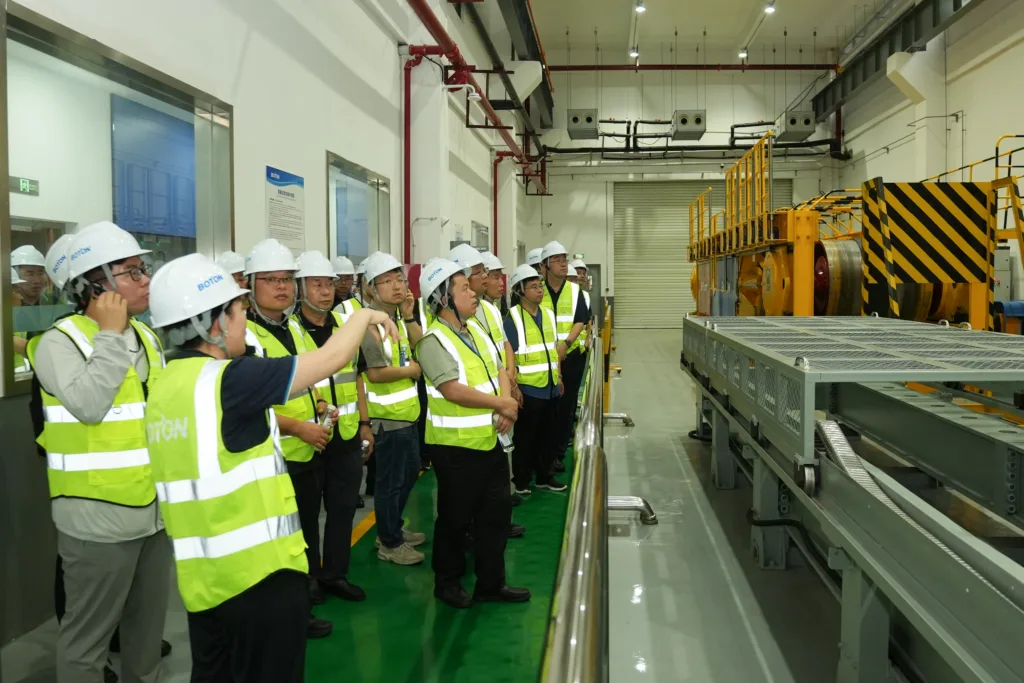
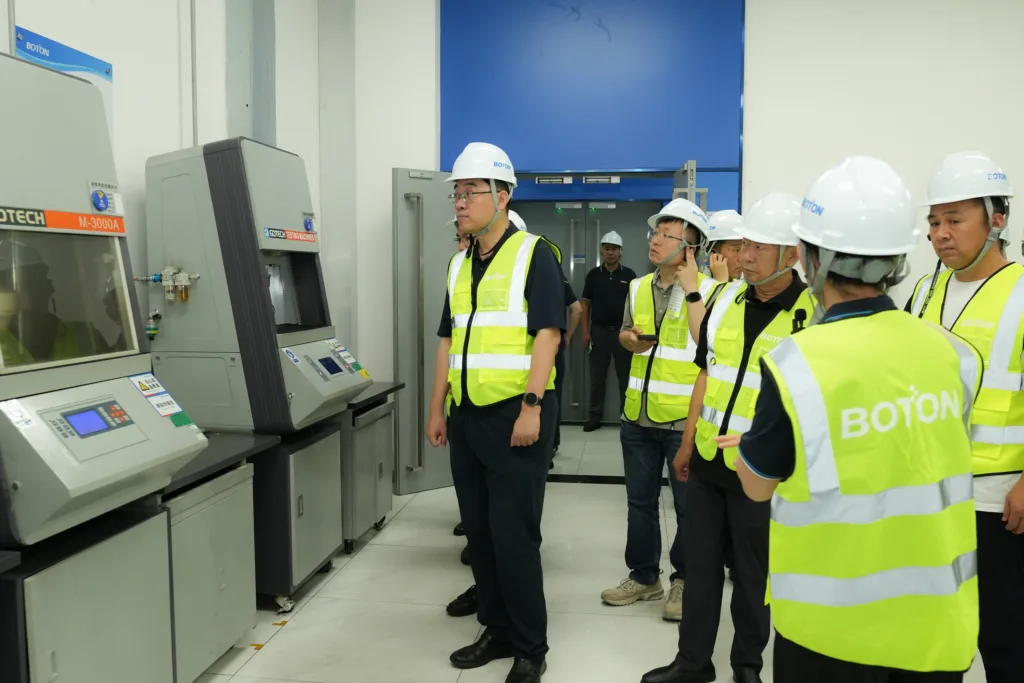
During the event, participating academicians and industry representatives visited BOTON’s latest technology demonstrations, including conveyor monitoring systems, AI inspection robots and new developments in high-performance and sustainable conveyor materials.
Building the Next Generation of Green and Intelligent Conveying
Twenty years of industry–academia collaboration have given BOTON more than a portfolio of research projects.
They have helped the company develop a repeatable way to move from research to engineering and from engineering to industrial application. They have also helped build a wider innovation network and cultivate people capable of solving complex industrial problems.
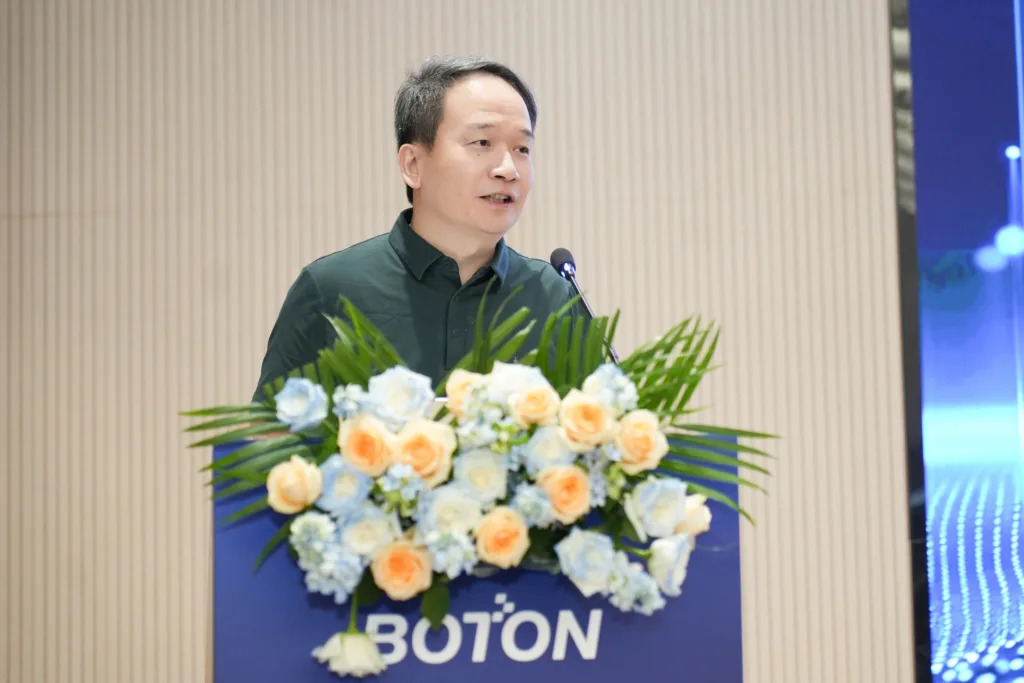
As BOTON Chairman Bao Zhifang outlined at the forum, the next phase has three priorities: go deeper in green technologies, make intelligence practical, and broaden collaboration.
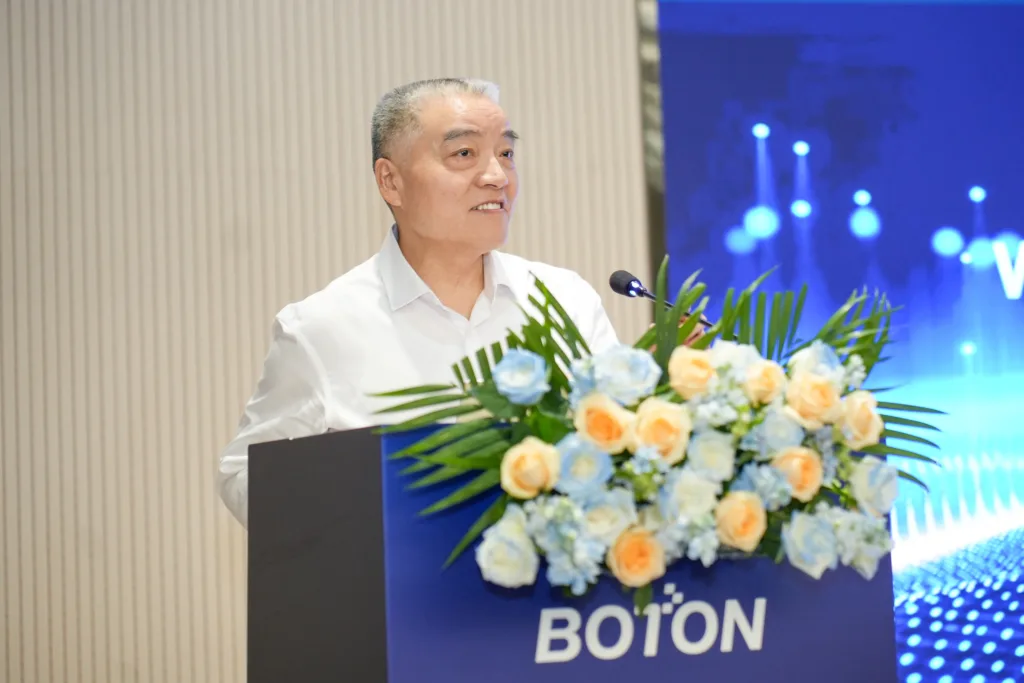
For green conveying, that means further work in sustainable materials, energy-efficient products and recycling technologies.
For smart conveying, it means bringing sensing, conveyor monitoring, AI inspection robots and other intelligent technologies deeper into industrial operations.
And for collaboration, it means connecting universities, research institutions, technology companies, industrial partners and global customers around real operating challenges.
The technologies will continue to evolve — from advanced materials and smart conveyor systems to robotics and Physical AI.
The underlying principle remains the same:
Start with a real industrial problem. Connect research with engineering. And make innovation work in the field.