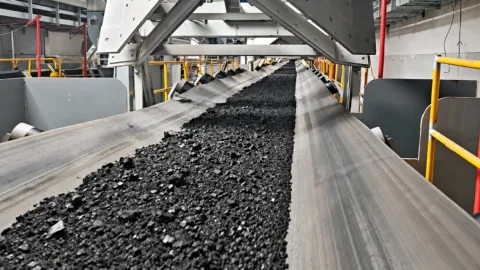
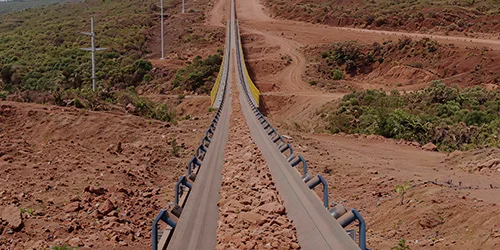
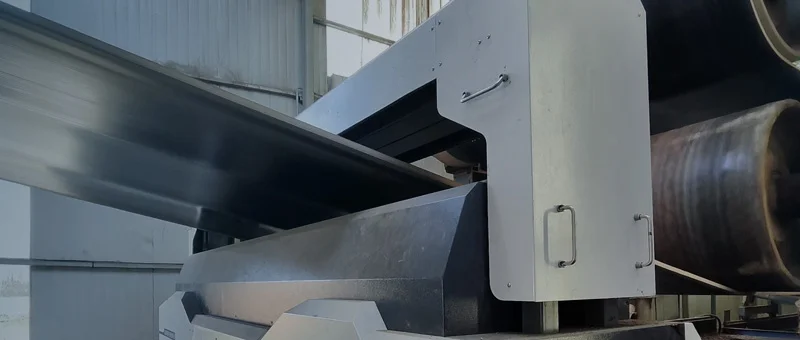
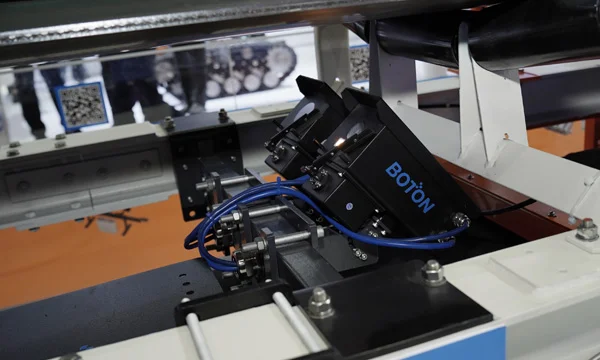
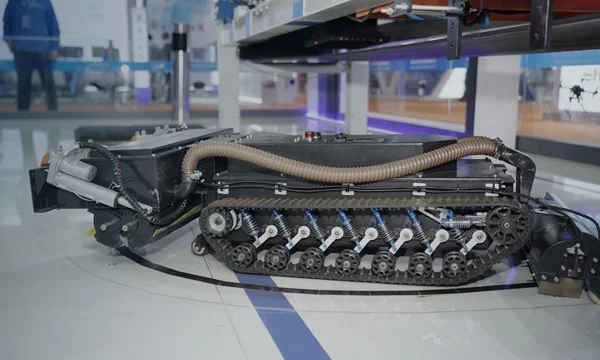
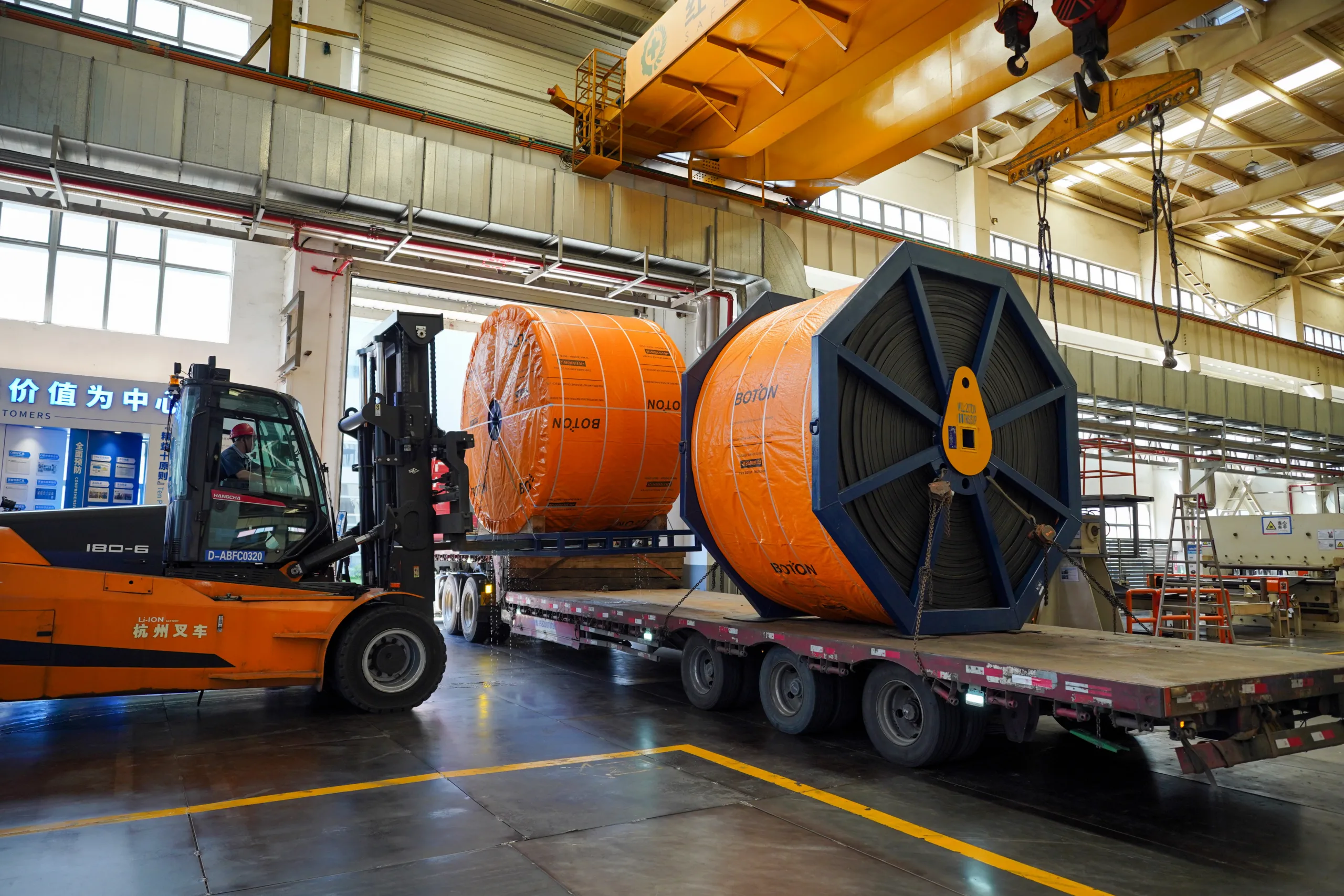
The main types of conveyor belts used in heavy-duty bulk handling include fabric, steel cord and aramid conveyor belts. Pipe conveyor belts provide an enclosed conveying format, while specialized designs such as heat-resistant, fire-resistant and abrasion-resistant belts address specific operating conditions.
These categories are not always mutually exclusive. A conveyor belt can combine aramid reinforcement, a pipe structure and a heat-resistant cover, depending on the application.
For mining, power generation, cement and port operations, selecting the right conveyor belt means matching its construction and performance to the material, conveyor layout and operating requirements.
This guide explains the main conveyor belt types, their differences, typical applications and the engineering factors buyers should consider before specifying a belt.
1. Understanding the Main Types of Conveyor Belts
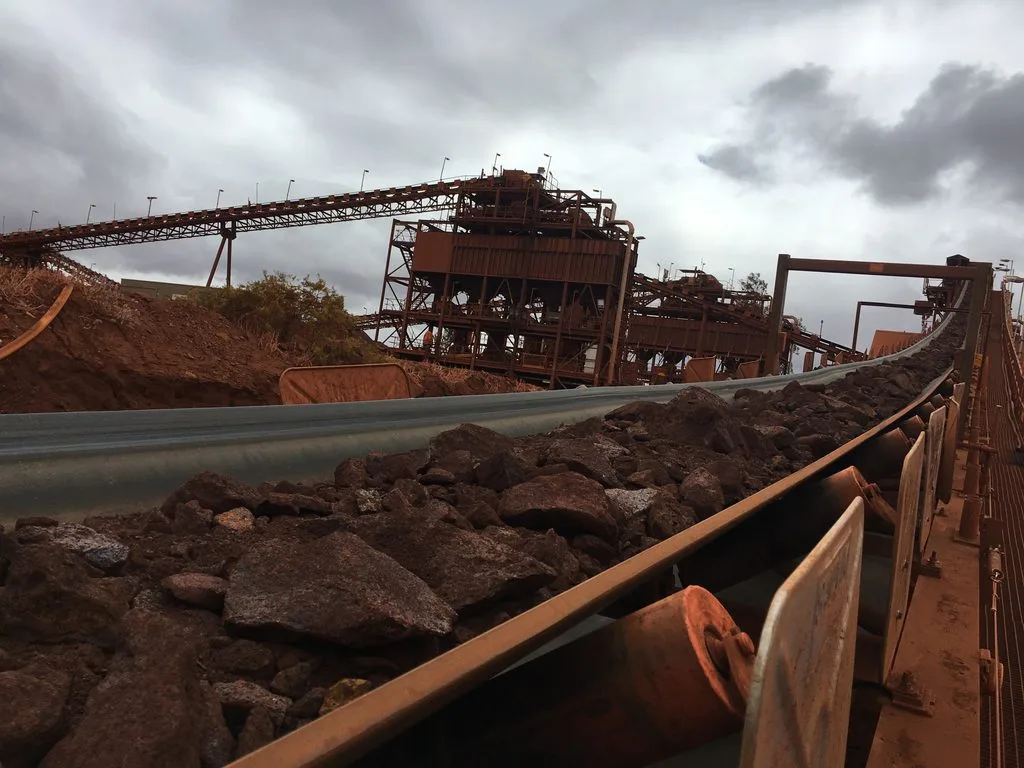
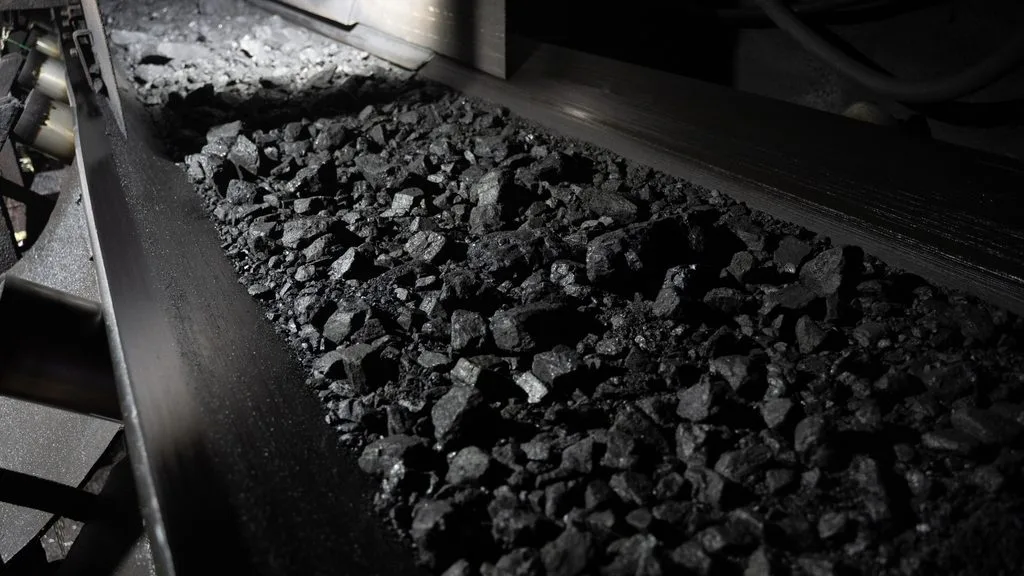
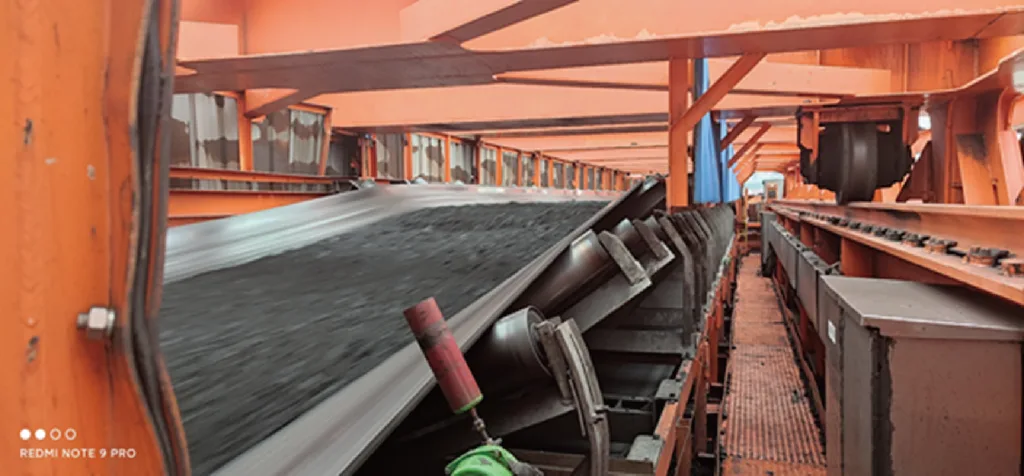
Before comparing individual belt types, it is important to understand that conveyor belt classification involves three different dimensions.
| Classification | What it describes | Examples |
|---|---|---|
| Reinforcement structure | The belt’s tensile carcass | Fabric, steel cord, aramid |
| Conveying configuration | How material is transported | Troughed belt, pipe conveyor |
| Performance characteristics | Resistance to specific operating conditions | Heat, fire, abrasion, impact, adhesion and rolling resistance |
These dimensions can be combined to create a belt suited to a particular application.
For example, a steel cord pipe conveyor belt combines steel cord reinforcement with an enclosed conveying structure. An aramid conveyor belt can also be designed for pipe conveying or underground fire-resistant applications.
Understanding these distinctions helps avoid choosing a belt based on its name alone.
2. Fabric Conveyor Belts: Flexible and Versatile for Bulk Handling
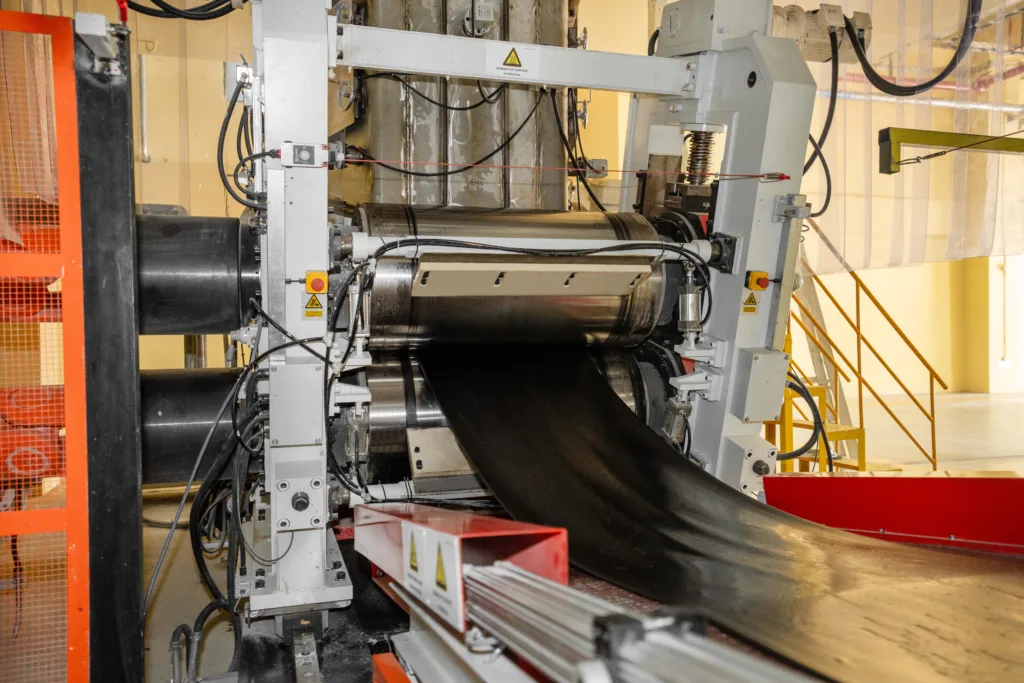
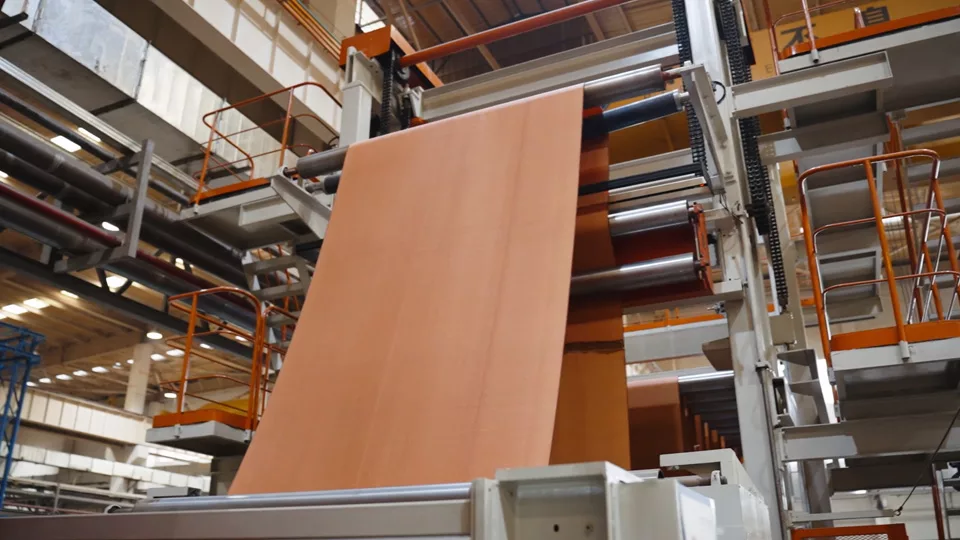
Fabric conveyor belts use textile reinforcement to provide tensile strength, flexibility and dimensional stability.
Two common constructions are EP and NN:
- EP (Polyester/Nylon): Polyester yarns in the longitudinal direction and nylon yarns in the transverse direction. This construction offers controlled elongation and good dimensional stability.
- NN (Nylon/Nylon): Nylon reinforcement in both directions, providing flexibility and resistance to repeated bending and impact.
Fabric conveyor belts are widely used in mining, cement, power generation, ports and general industrial material handling.
Their flexibility and troughability make them suitable for many conventional conveyor layouts, including systems with frequent bending and changing loading conditions.
What should buyers consider?
Fabric belt selection should not be based on tensile strength or ply count alone.
Important factors include:
- Belt strength and carcass construction.
- Minimum pulley diameter.
- Troughability and idler configuration.
- Take-up travel and elongation characteristics.
- Impact and abrasion resistance.
- Operating temperature and environmental conditions.
A belt with a higher nominal strength is not necessarily a better replacement if its thickness, flexibility or bending characteristics are incompatible with the existing conveyor.
Explore BOTON Fabric Conveyor Belts for different EP, NN and heavy-duty fabric constructions.
3. Steel Cord Conveyor Belts: Designed for Long-Distance and High-Tension Conveying
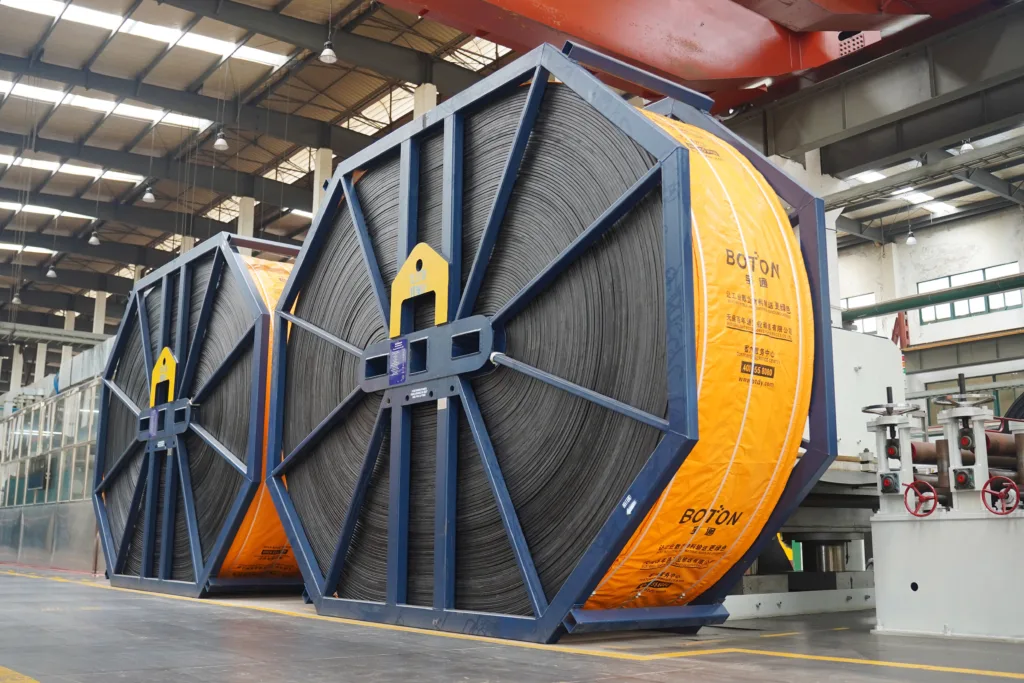
Steel cord conveyor belts use longitudinal steel cords embedded in rubber as their main reinforcement.
Their high tensile strength and low elongation make them suitable for demanding conveying applications involving:
- Long-distance overland conveyors.
- High-capacity mining operations.
- Large lifting heights and high belt tensions.
- Continuous operation under heavy loads.
- Critical conveying routes where dimensional stability is important.
Steel cord belts are commonly specified using ST strength ratings. However, selecting an appropriate ST rating requires more than matching a nominal tensile strength.
Engineers should also evaluate operating tension, dynamic loading, splice efficiency, pulley diameters, starting and stopping conditions, and the conveyor’s safety requirements.
Real-world example: 30+ km of steel cord belts in Indonesia
At a large open-pit coal mine in Indonesia, BOTON supplied ST2000 steel cord conveyor belts for long-distance overland conveying.
Individual conveyor routes extend approximately 10 km, with operating speeds reaching 9.5 m/s.
Following initial field validation and phased replacement, BOTON was selected for a second conveyor line. Cumulative belt supply at the mine subsequently exceeded 30 km.
The belt specification combined three different performance requirements:
- Steel cord reinforcement for high-tension conveying.
- SUAR™ abrasion-resistant top cover for continuous coal handling.
- Low rolling-resistance bottom cover to help reduce energy losses.
The project illustrates why a steel cord conveyor belt should be evaluated as a complete construction rather than selected by ST rating alone.
Read the Indonesia Steel Cord Conveyor Belt Case Study.
4. Aramid Conveyor Belts: High Strength with Lower Belt Weight
Aramid conveyor belts use high-strength synthetic fibres as their main reinforcement.
Compared with conventional steel cord structures of equivalent strength, aramid reinforcement can significantly reduce carcass weight.
This makes aramid belts particularly interesting for applications where belt mass contributes substantially to running tension, energy consumption and installation requirements.
Typical application considerations include:
- Long-distance underground conveying.
- High-capacity coal transportation.
- Energy-saving conveyor upgrades.
- Applications requiring non-metallic reinforcement.
- Selected fire-resistant and high-impact conveying systems.
However, the complete belt construction must be evaluated. Cover rubber, thickness and other structural components also contribute to total belt weight.
Field example: 10,050 m of single-line aramid belt
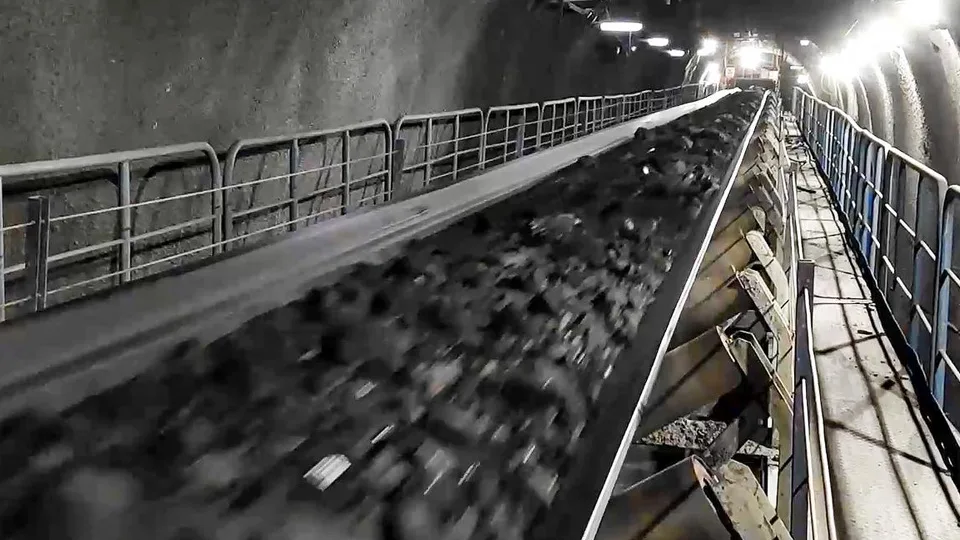
At Sunjiacha Longhua Coal Mine in Shaanxi, China, BOTON supplied a 10,050 m single-line DPP2500 aramid conveyor belt for long-distance underground coal transportation.
The main installation operates at 4.2 m/s.
The project also involved demanding installation requirements. During a limited shutdown window, BOTON’s service team completed 27 finger splices, including special pulling-head sections, within 26 hours.
This project demonstrates that selecting a lightweight belt is only part of the engineering challenge. Belt structure, splice design, pulling arrangements and site execution must work together.
Read the Longhua Coal Mine Aramid Conveyor Belt Case Study.
Energy-saving performance in underground mining
At Zhuanlongwan Coal Mine, BOTON introduced an integrated aramid conveyor belt upgrade combining lightweight reinforcement, impact protection and digital monitoring.
The project reported:
- A 16.3% reduction in electricity consumption per tonne.
- More than RMB 2.2 million in annual electricity cost savings.
- An extended belt service life of approximately 8–9 years.
These are project-specific results rather than guaranteed savings for other conveyor systems.
Explore the Zhuanlongwan Aramid Conveyor Upgrade.
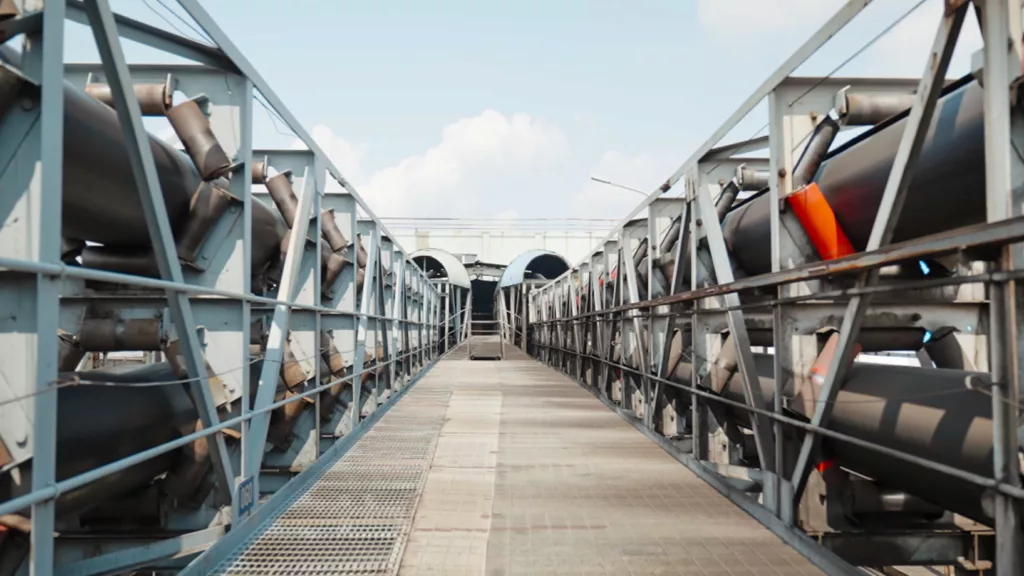
5. Pipe Conveyor Belts: Enclosed Conveying for Dust and Spillage Control
Unlike fabric, steel cord and aramid, pipe conveyor describes the conveying configuration rather than a single reinforcement material.
A pipe conveyor belt is loaded in an open configuration, then forms an enclosed tube during transportation. It opens again at the discharge point.
This design helps contain bulk materials, reduce dust emissions and minimize spillage along the conveying route.
Pipe conveyors are commonly considered for:
- Environmentally sensitive areas.
- Long-distance conveying with complex route layouts.
- Ports and terminals.
- Cement and power plants.
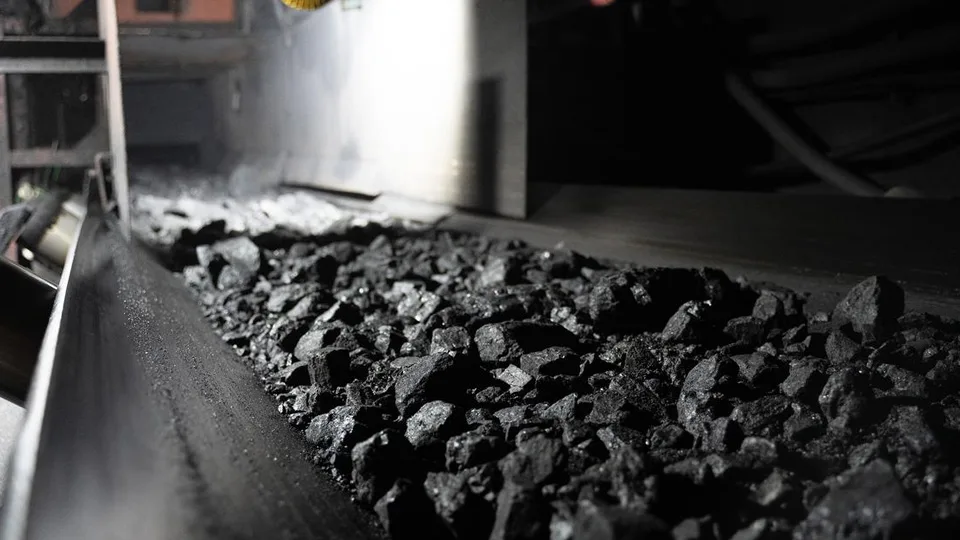
- Coal, coke and mineral handling.
Why pipe belt structure matters
Pipe conveyor belts repeatedly open, close, bend and reform during operation.
Their design must balance transverse rigidity and flexibility.
Insufficient transverse rigidity may cause the belt to lose its circular shape or compromise sealing. Excessive rigidity can increase rolling resistance, energy demand and contact stress.
The following factors should be considered together:
- Pipe diameter and overlap design.
- Belt width and transverse rigidity.
- Conveyor tension and route curvature.
- Loading and discharge arrangements.
- Cover compound and operating environment.
Project example: Large-diameter aramid pipe conveyor
BOTON’s pipe conveyor portfolio includes a 600 mm-diameter aramid pipe belt application at Sutong Power Plant in Jiangsu, China.
The project features an enclosed coal conveying system with a design capacity of 3,250 t/h and a belt speed of 5 m/s.
It demonstrates how aramid reinforcement can be combined with pipe belt construction to address both conveying containment and belt-weight requirements.
Explore BOTON Pipe Conveyor Belts for more information about steel cord, aramid and fabric pipe belt structures.
6. Specialized Conveyor Belts for Different Operating Conditions
In addition to reinforcement and conveying configuration, conveyor belts can be engineered to meet specific material and operating requirements.
These are performance characteristics that can often be combined with different belt carcass structures.
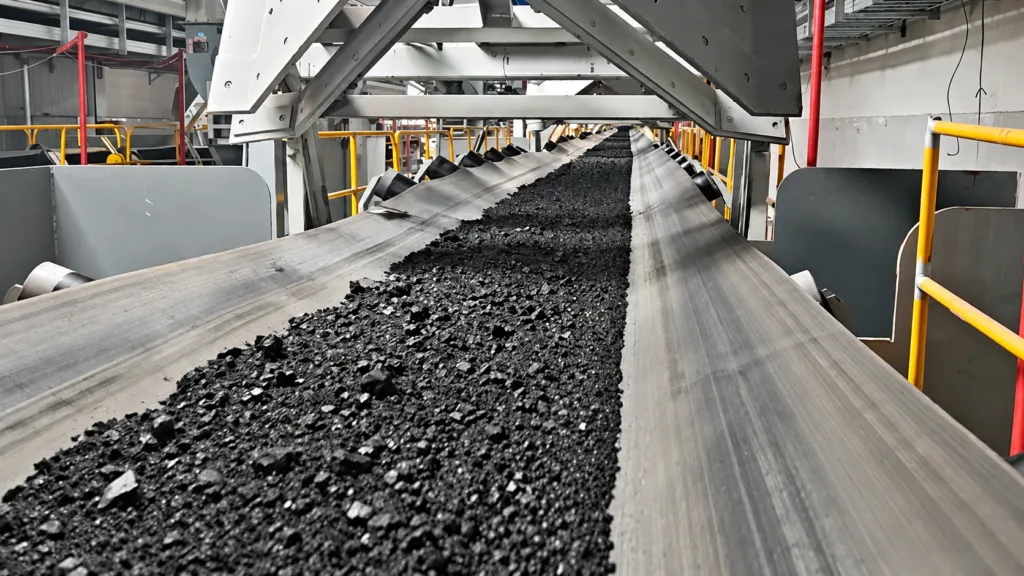
Abrasion-resistant conveyor belts
For iron ore, quartzite, aggregates and other abrasive materials, cover wear can determine belt replacement frequency.
Abrasion-resistant compounds are designed to reduce cover loss and maintain belt integrity under continuous friction.
BOTON’s SUAR™ Abrasion-Resistant Conveyor Belts provide different compound options for severe wear, cutting and impact conditions.
Heat-resistant conveyor belts
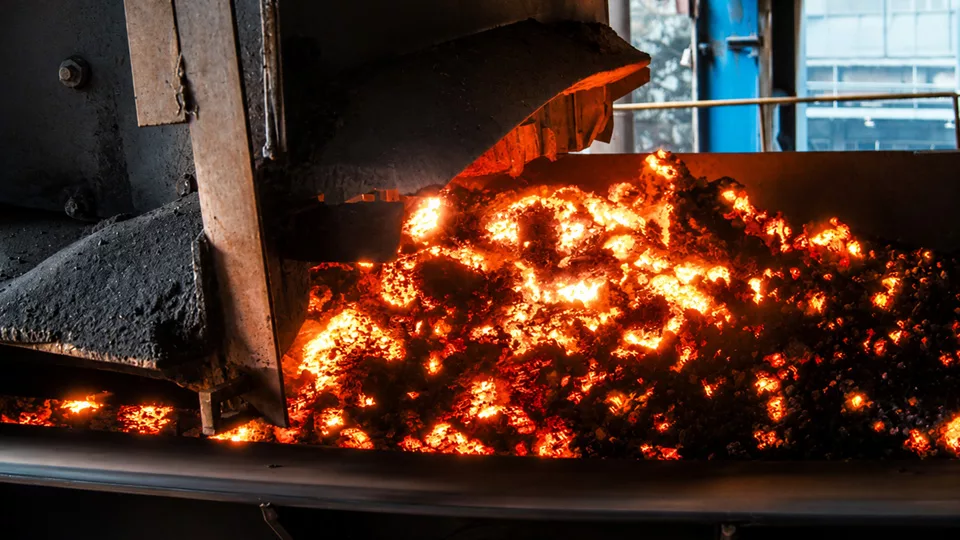
Hot clinker, coke, sinter, slag and other high-temperature materials expose conveyor belts to heat, thermal shock and abrasion.
Selection should consider material temperature, particle size, contact duration, impact and the resulting belt temperature.
Explore BOTON Heat-Resistant Conveyor Belts.
Fire-resistant conveyor belts
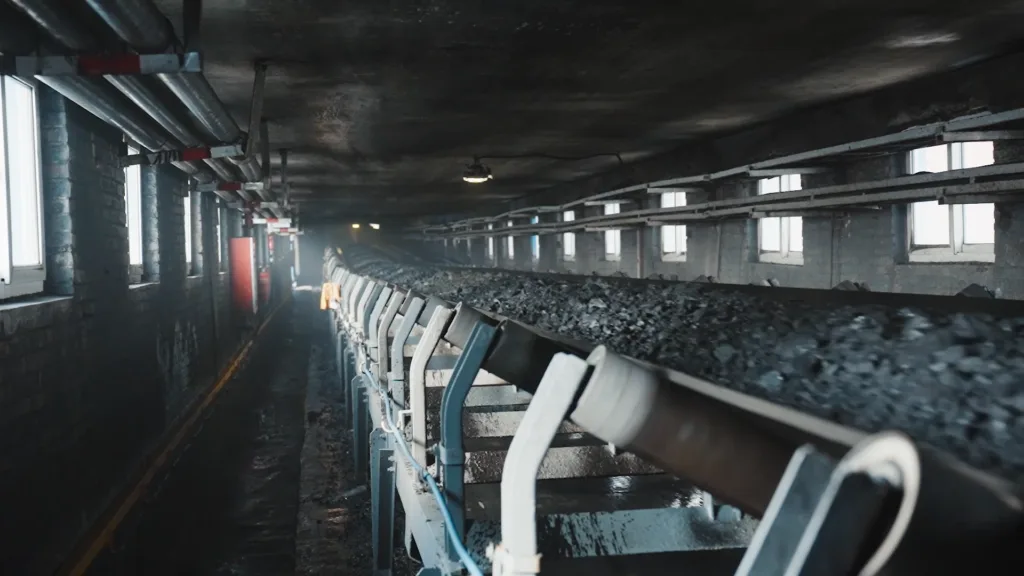
Fire-resistant belts are used in coal mines, power plants and other applications where fire propagation and anti-static performance are important.
Fire resistance and heat resistance address different operating requirements. A belt designed for hot material handling is not automatically suitable for an underground fire-risk application.
See BOTON Fire-Resistant Conveyor Belts.
Impact and rip-resistant conveyor belts
High-drop loading points and sharp materials can cause punctures, carcass damage and longitudinal tearing.
A suitable solution may combine impact-resistant cover rubber, reinforcement layers and rip-protection structures.
Learn more about Impact and Rip-Resistant Conveyor Belts.
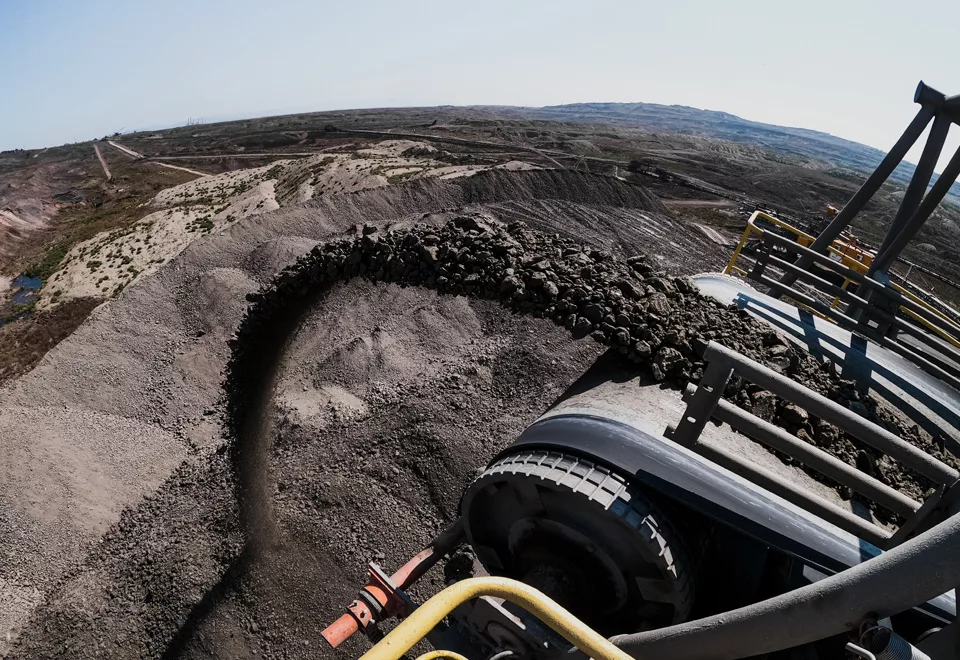
Energy-saving conveyor belts
For long-distance, high-capacity and continuously operating conveyors, belt weight and rolling resistance can both contribute to operating energy demand.
BOTON combines lightweight aramid reinforcement with EcoTrans™ low rolling-resistance compounds to address these two sources of energy loss.
Explore Energy-Saving Conveyor Belts.
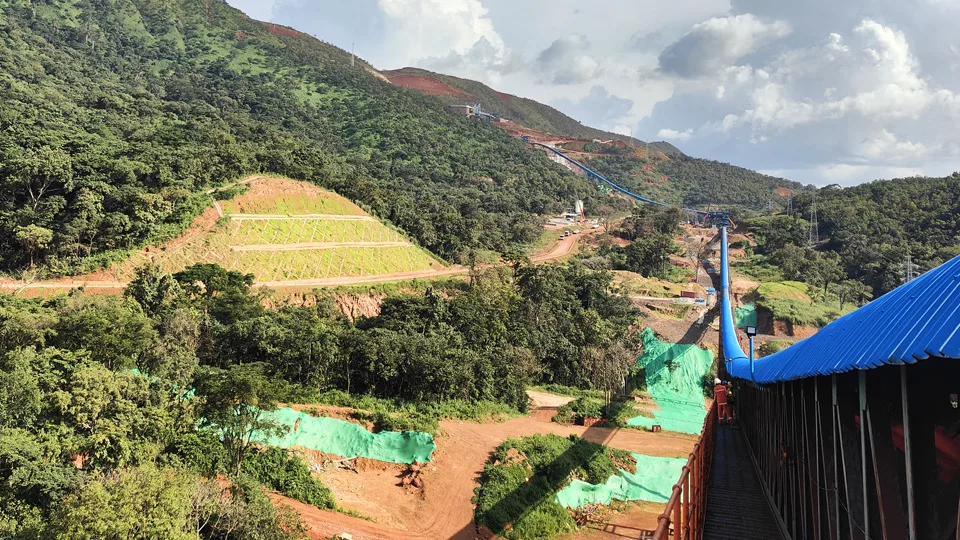
Anti-adhesion conveyor belts
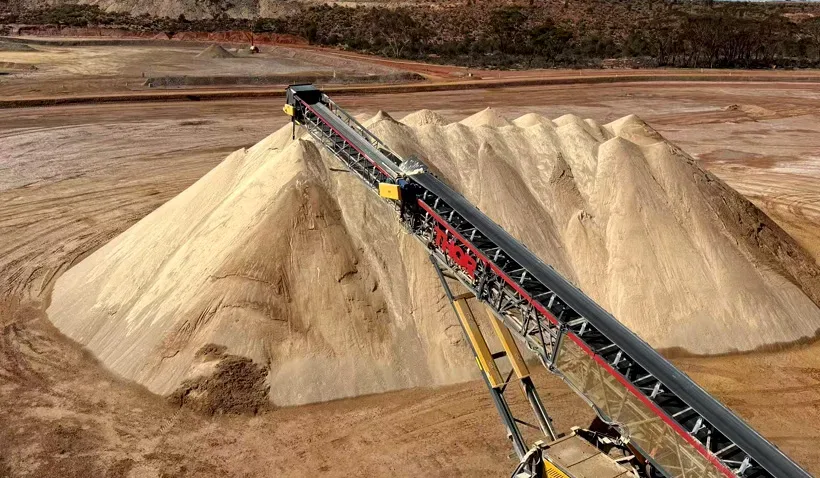
Sticky materials can accumulate on the belt surface and return side, increasing cleaning requirements and causing material build-up around idlers and conveyor structures.
At Norton Gold Fields’ Binduli Mine in Western Australia, BOTON supplied an anti-adhesion conveyor belt solution for sticky gold ore handling between HPGR crushing and fine screening.
The project was designed for a conveying capacity of 1,000 t/h.
Read the Binduli Gold Mine Anti-Adhesion Conveyor Case Study.
7. How to Choose the Right Conveyor Belt Type
The right conveyor belt should be selected according to the complete conveying system rather than a single specification.
The following table provides a starting point for technical evaluation.
| Application requirement | Belt type or solution to evaluate |
|---|---|
| General bulk handling and flexible layouts | Fabric conveyor belts |
| Long-distance, high-tension conveying | Steel cord conveyor belts |
| Reduced belt weight and energy-saving upgrades | Aramid conveyor belts |
| Enclosed conveying and dust control | Pipe conveyor belts |
| Severe material abrasion | Abrasion-resistant conveyor belts |
| Hot clinker, coke and slag | Heat-resistant conveyor belts |
| Fire-risk environments | Fire-resistant conveyor belts |
| High impact and longitudinal tear risk | Impact and rip-resistant conveyor belts |
| Sticky materials and carryback | Anti-adhesion conveyor belts |
Before requesting a quotation, engineers should evaluate four groups of information.
1. Material characteristics
- Bulk density and maximum lump size.
- Abrasiveness and impact characteristics.
- Moisture and adhesion properties.
- Normal and peak material temperatures.
- Chemical exposure where applicable.
2. Conveyor geometry
- Conveyor length and lift height.
- Belt speed and conveying capacity.
- Inclination and curve radius.
- Pulley diameters and transition lengths.
- Trough angle or pipe diameter.
3. Operating requirements
- Operating hours and duty cycle.
- Starting and stopping conditions.
- Fire and anti-static requirements.
- Maintenance access and shutdown windows.
4. Lifecycle considerations
- Expected replacement interval.
- Splice design and installation requirements.
- Energy consumption.
- Inspection and monitoring arrangements.
- Local technical support and spare belt availability.
A technically suitable belt should meet the conveyor’s operating requirements while providing a practical balance between initial investment, installation complexity, energy consumption and long-term maintenance.
For a more detailed purchasing checklist, see Conveyor Belt RFQ Checklist: What to Include for an Accurate Quote.
Need help selecting a conveyor belt?
BOTON provides high-performance conveyor belts, intelligent monitoring systems and lifecycle services for mining and industrial bulk material handling.
Share your material characteristics, conveyor layout and operating requirements with our technical team to identify a suitable belt construction and performance solution.
Contact BOTON for Conveyor Belt Selection and Technical Support