
An accurate conveyor belt quotation starts with a clear request for quotation (RFQ). The manufacturer needs enough technical information to understand the material being conveyed, the conveyor layout, operating conditions, required belt construction and any special performance requirements.
Without this information, a conveyor belt quote may be based on assumptions, and competing offers may not be technically comparable.
Whether you are purchasing a replacement conveyor belt or specifying one for a new project, this guide provides a practical conveyor belt RFQ checklist covering the 12 key information groups that help manufacturers evaluate your requirements and prepare an accurate quotation.
You do not need every engineering detail before contacting a manufacturer. Provide the information you have, attach relevant drawings and existing specifications, and identify missing values as “to be confirmed” rather than estimating them.
What Information Should a Conveyor Belt RFQ Include?
Use the following checklist when preparing a conveyor belt request for quotation.
| RFQ Information | What to Provide |
|---|---|
| 1. Application | Industry, plant or mine, conveyor location, new installation or replacement |
| 2. Material | Material type, bulk density, normal and maximum lump size, moisture, abrasiveness and stickiness |
| 3. Capacity and loading | Normal and design capacity (t/h), peak throughput, operating hours and loading conditions |
| 4. Conveyor layout | Conveyor length, lift height, inclination, horizontal and vertical curves, transfer points |
| 5. Operating parameters | Belt speed, trough angle, pulley diameters, idler arrangement, drive and take-up configuration, calculated belt tensions if available |
| 6. Belt dimensions and quantity | Belt width, required belt loop length, quantity and preferred reel lengths |
| 7. Carcass construction | Fabric (EP/NN), steel cord (ST) or aramid, tensile strength rating and reinforcement details where known |
| 8. Cover specification | Top and bottom cover thickness, rubber grade and required performance properties |
| 9. Temperature and environment | Normal and maximum material temperature, ambient temperature, exposure duration and environmental conditions |
| 10. Special requirements and standards | Fire resistance, anti-static properties, impact and rip resistance, energy saving, anti-adhesion, applicable standards and approvals |
| 11. Existing belt performance | Current specification, service life, wear patterns, damage history, splice condition and operating problems |
| 12. Delivery and site requirements | Destination, delivery date, reel limits, packaging, splicing, installation and inspection documentation |
For pipe conveyor projects, also provide the required pipe diameter and route geometry. For critical conveyor systems, identify whether installation, monitoring, inspection or ongoing maintenance support should be included in the project scope.
If some information is unavailable, your RFQ can still be used to start a technical discussion. A qualified manufacturer should identify the missing information needed for final belt selection.
1. Describe the Material Being Conveyed and the Application
Two conveyors with the same belt width and operating speed may require very different belt constructions.
The reason is that material characteristics directly influence belt cover selection, carcass design, impact resistance and expected service life.
Consider the differences between transporting dry coal, wet gold ore, abrasive iron ore and hot cement clinker.
Each creates a different set of operating demands.
For example:
- Abrasive iron ore: Cover wear, impact resistance and service life may be the main concerns.
- Wet, sticky ore: Material adhesion, carryback and build-up around return idlers may become critical.
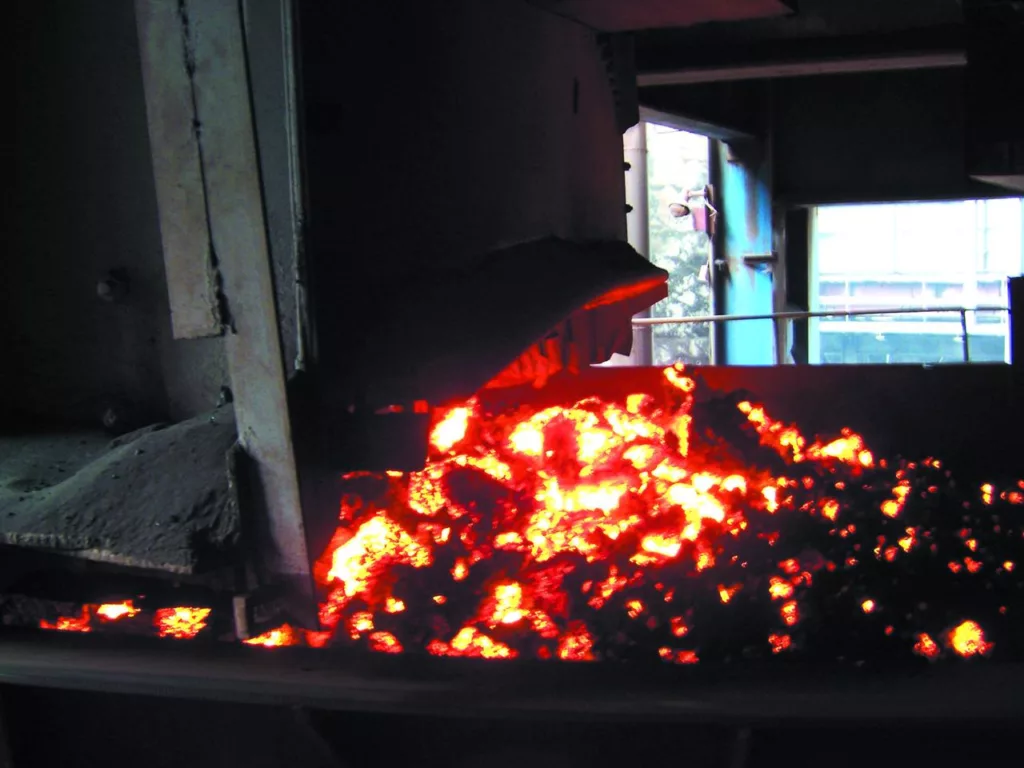
- Hot clinker or sinter: Cover heat resistance, thermal aging and carcass stability require closer attention.
- Coal in underground mines: Applicable fire-resistance and anti-static requirements are essential.
- Large, sharp lumps: Loading impact, puncture resistance and potential longitudinal tearing need to be assessed.
When preparing a conveyor belt RFQ, identify the conveyed material as precisely as possible.
Include:
- Material type and approximate bulk density.
- Normal and maximum lump sizes.
- Moisture content and abrasiveness.
- Whether the material is sticky, oily or chemically aggressive.
- Any known material build-up or carryback problems.
If available, photographs of the material and loading point can also help the manufacturer understand the application.
A Practical Example: Sticky Gold Ore in Western Australia
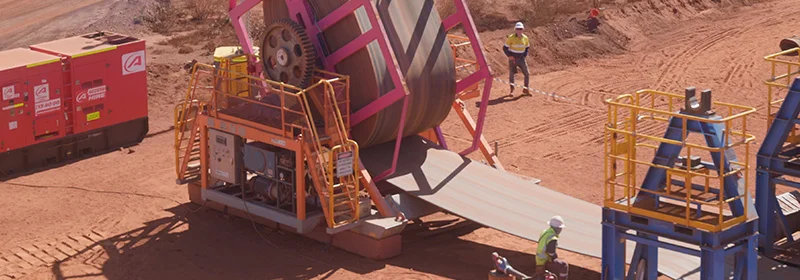
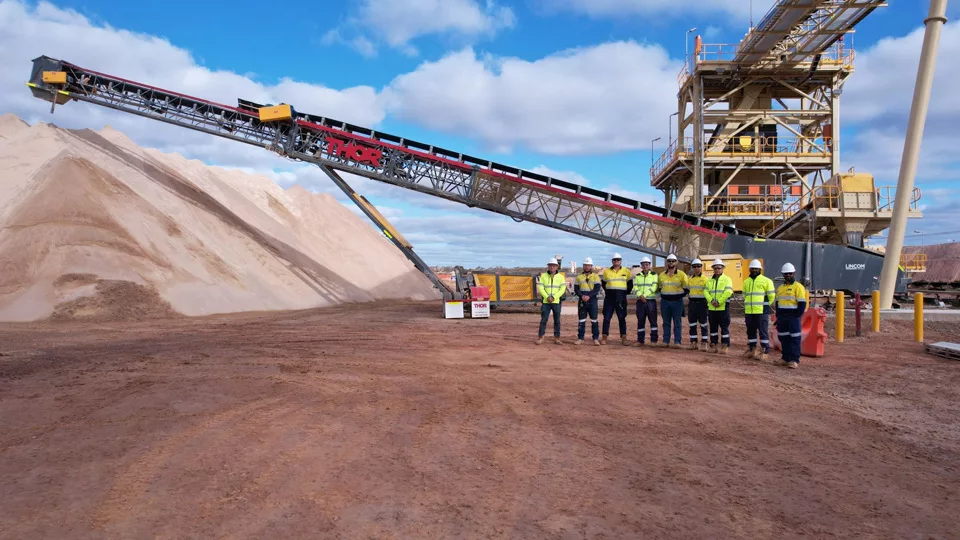
At Norton Gold Fields’ Binduli Gold Mine in Western Australia, BOTON supplied an integrated conveyor At Norton Gold Fields’ Binduli Gold Mine in Western Australia, BOTON supplied an integrated conveyor system and anti-adhesion conveyor belt for gold ore transfer between high-pressure grinding rolls (HPGR) and fine screening.
The installation was designed for:
- Conveyor length: 105 m
- Belt length: 210 m
- Design capacity: 1,000 t/h
- Design belt speed: 2.5 m/s
- Material: Highly sticky gold ore
The main challenge was not simply achieving the required conveying capacity. Material adhesion could lead to carryback and accumulation around the return side, idlers and conveyor structure.
BOTON addressed the application through an anti-adhesion belt cover and coordinated conveyor system design, including material handling and cleaning considerations.
This project illustrates why describing the conveyed material and its actual operating problems can be just as important as providing belt dimensions.
Read the Binduli Gold Mine case study
2. Provide the Conveyor Layout and Operating Data
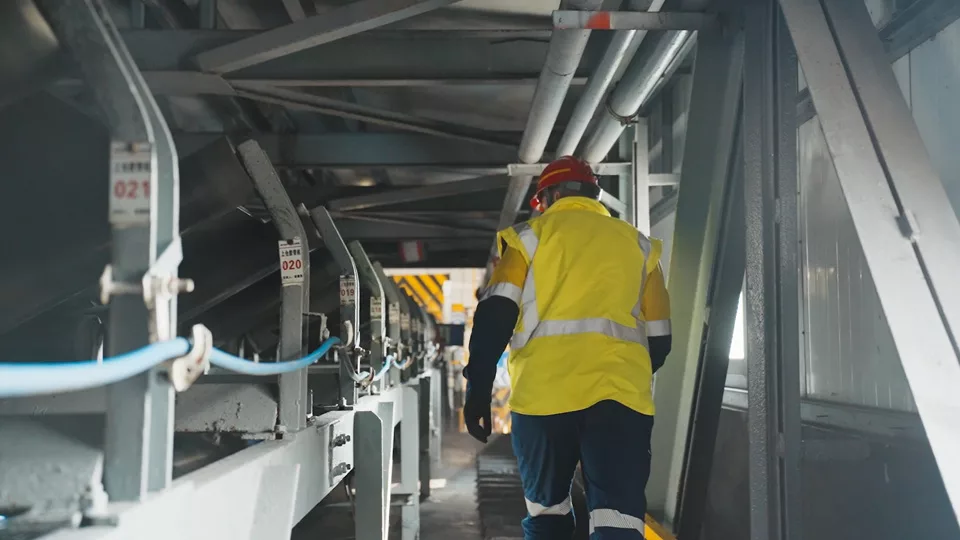
The conveyor layout determines how the belt is tensioned, supported and repeatedly flexed during operation.
For a replacement conveyor belt, provide the existing conveyor drawing or equipment data sheet if available.
The most useful information includes:
- Conveyor centre distance and elevation difference.
- Belt speed and required conveying capacity.
- Inclination, horizontal curves and vertical curves.
- Troughing angle and idler arrangement.
- Drive, tail and bend pulley diameters.
- Take-up type and available take-up travel.
- Calculated belt tensions, where available.
These parameters matter because a conveyor belt must do more than withstand longitudinal tension.
It also needs to form the required trough, pass around pulleys, negotiate transition zones and remain stable under changing loads.
A higher-strength belt is not automatically a better belt.
An unnecessarily stiff carcass may create difficulties with troughability or transition geometry. Likewise, selecting a construction without considering pulley diameters and available take-up travel can lead to compatibility problems.
For major belt replacements, engineers should review the existing conveyor arrangement before confirming a different belt structure.
Providing conveyor drawings and operating data helps manufacturers evaluate belt compatibility rather than simply reproduce the previous specification.
3. Specify the Conveyor Belt Carcass Type and Tensile Strength
The carcass is the reinforcing structure that carries the belt’s longitudinal tension.
For heavy-duty bulk material handling, the three main reinforcement options are fabric, steel cord and aramid.
| Carcass Type | Common Selection Considerations |
|---|---|
| Fabric (EP / NN) | Flexibility, troughability, impact conditions and general to heavy-duty conveying |
| Steel Cord (ST) | High tensile loads, low elongation, long-distance and high-capacity applications |
| Aramid | High strength-to-weight ratio, reduced belt mass and selected energy-saving or corrosion-sensitive applications |
The RFQ should identify the required carcass type and tensile strength rating, if already established.
For fabric belts, provide the existing EP or NN construction, strength rating and ply details where applicable.
For steel cord belts, provide the ST rating and any available information about the existing cord construction.
For aramid belts, include the required strength rating and relevant structural specifications.
The final decision depends on belt tension, conveyor geometry, operational requirements, splice design and total lifecycle cost.
For example, steel cord belts remain widely used in high-tension overland conveyors. Aramid belts can offer advantages in suitable systems where reducing belt weight helps lower operating loads.
Fabric belts are often appropriate where flexibility, troughability and application-specific reinforcement are important.
Real-World Example: An 11.2 km Aramid Belt for Underground Coal Conveying
At CHN Energy’s Shangwan Coal Mine in China, BOTON supplied an 11,200 m fire-resistant aramid conveyor belt for the primary underground conveying system.
The belt specification included:
- Belt width: 2,600 mm
- Tensile strength rating: 2,500 N/mm
- Total belt length: 11,200 m
- Application: Long-distance underground coal transportation
The project demonstrated that belt weight, carcass construction, splice design and operating efficiency all need to be considered together.
Compared with the previous steel cord configuration, project measurements reported a 23.6% reduction in belt weight and a 16.8% reduction in average operating current, with estimated annual electricity savings of approximately 2,120 MWh.
These are project-specific results, not guaranteed savings for every aramid installation.
For buyers considering a similar upgrade, the RFQ should include the existing belt specification, operating tensions, route profile and energy-performance objectives—not simply a request for a lighter belt.
Explore BOTON’s aramid conveyor belts
Read the Shangwan Coal Mine case study
4. Define the Conveyor Belt Cover Grade and Thickness
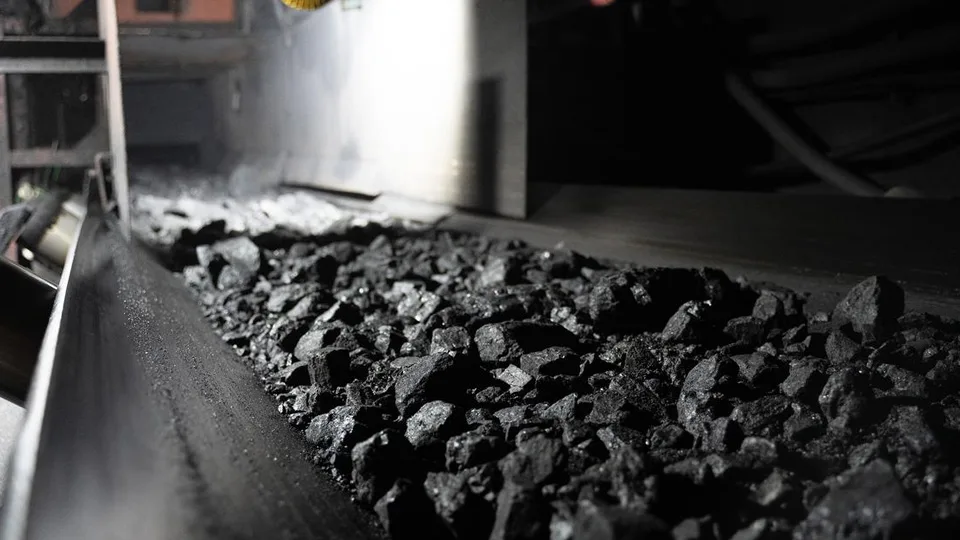
The belt cover protects the carcass from the material being conveyed and the operating environment.
A complete conveyor belt specification should identify the required top and bottom cover thickness separately, normally in millimetres.
For example, a notation such as 6+3 mm generally indicates a 6 mm top cover and a 3 mm bottom cover. Confirm the notation and requirements in the technical specification.
However, cover thickness alone does not determine performance.
Depending on the application, cover rubber may need to resist:
- Abrasion from continuous material contact.
- Cutting, gouging and impact from sharp or heavy lumps.
- Elevated material temperatures.
- Oils or chemicals.
- Moisture-related adhesion and carryback.
- Fire hazards in regulated operating environments.
The bottom cover also affects how the belt interacts with idlers and pulleys.
In long-distance conveyor systems, the rubber’s viscoelastic behaviour can influence indentation rolling resistance, which is one of the contributors to overall conveyor energy consumption.
For energy-sensitive applications, buyers should provide operating data and ask whether a low-rolling-resistance cover is appropriate.
Learn about energy-saving conveyor belt solutions
Heat-Resistant Conveyor Belts: Temperature Needs More Explanation
For hot-material conveying, specifying only a maximum temperature can lead to an incomplete technical assessment.
Material temperature, belt surface temperature and carcass temperature are not necessarily the same.
The thermal load also depends on particle size, contact time, material distribution, belt speed and cooling conditions.
Fine hot materials may remain in more continuous contact with the cover than larger individual lumps. This can create different thermal demands even when the nominal material temperature is similar.
A heat-resistant conveyor belt RFQ should therefore include:
- Normal and maximum material temperature.
- Material lump size and particle distribution.
- Continuous or intermittent exposure.
- Conveyor speed and operating duration.
- Existing thermal damage, if any.
If the current belt is suffering from cracking, hardening, blistering or delamination, photographs and inspection records can help identify whether the issue involves the cover compound, carcass or wider conveyor conditions.
Explore BOTON Heat-Resistant Conveyor Belts.
5. Identify Special Performance Requirements and Applicable Standards
Some conveyor applications require more than a conventional belt with standard covers.
Special operating requirements should be identified early in the RFQ so that the manufacturer can recommend an appropriate construction and confirm compliance with the relevant project requirements.
Fire-Resistant and Anti-Static Requirements
For underground mining or other fire-risk environments, identify the operating jurisdiction and applicable project safety requirements.
Fire resistance and anti-static performance should be specified according to the relevant standards, editions and approval requirements.
They should not be assumed from the reinforcement material alone.
Where certification or third-party testing is required, state the documentation and acceptance criteria expected from the manufacturer.
Impact and Longitudinal Rip Protection
Where large or sharp material may damage the belt, include the loading-point arrangement, drop height, material size and any history of punctures or longitudinal tears.
Depending on the application, suitable solutions may involve reinforced belt construction, improved transfer-point design, or additional belt monitoring and protection.
For critical conveying lines, buyers can also specify whether longitudinal rip detection or other condition-monitoring technologies should be included in the wider project scope.
Pipe Conveyor Requirements
For enclosed pipe conveyor systems, the RFQ should include more than the belt width and tensile strength.
Provide:
- Required pipe diameter.
- Conveyor route and curve geometry.
- Design conveying capacity and belt speed.
- Material characteristics.
- Relevant requirements for transverse rigidity and pipe-form stability.
Pipe belt selection involves balancing longitudinal strength with the ability to open, close and maintain a stable tubular shape throughout operation.
For example, BOTON supplied a Φ600 mm aramid pipe conveyor belt for the C11B coal conveying line at Sutong Power Plant in Jiangsu, China.
The 1,458 m fully enclosed system was designed for a conveying capacity of up to 3,250 t/h at 5 m/s.
This project demonstrates why pipe diameter, route geometry, belt construction and system operating conditions need to be evaluated together.
Read the Sutong Power Plant Aramid Pipe Conveyor Belt Case Study.
6. For a Replacement Conveyor Belt, Include Existing Belt Data and Failure History
An existing conveyor belt can provide valuable information for a new specification.
If the current belt wears out prematurely, asking for a thicker cover or higher tensile rating may not address the underlying cause.
Before requesting a replacement conveyor belt quotation, record:
- Current belt specification and approximate installation date.
- Typical service life and annual throughput.
- Location and pattern of wear or damage.
- Splice performance and repair history.
- Belt tracking, carryback or abnormal vibration issues.
- Any changes in operating conditions since installation.
Damage concentrated around the troughing transition, for instance, may require an engineering review of belt stiffness and conveyor geometry rather than a simple increase in belt strength.
Likewise, repeated cover wear at the same location may indicate a loading, cleaning or mechanical problem.
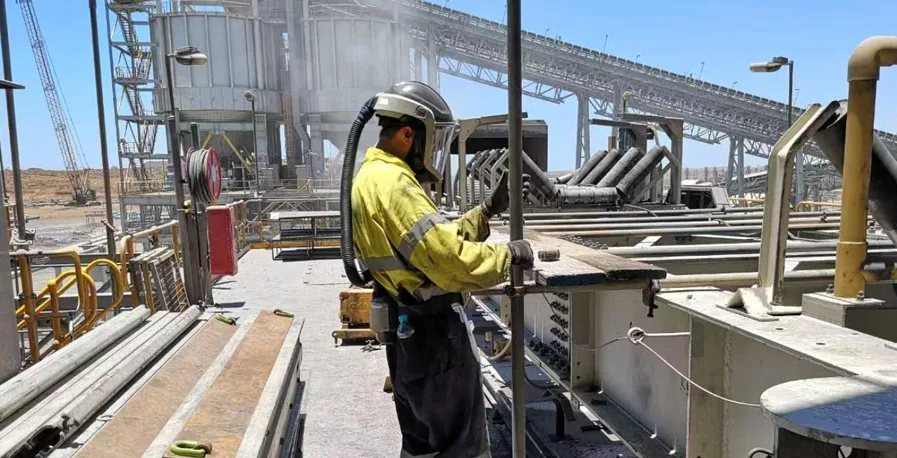
If available, attach photographs of damaged sections, splice conditions, loading points and conveyor components.
A useful RFQ should state not only what belt is required, but also what problem the replacement is expected to solve.
This allows the manufacturer to evaluate whether the existing specification should be retained, modified or replaced with a different construction.
7. Confirm Delivery, Reel Length and Splicing Requirements
The technically correct belt is only part of a successful order.
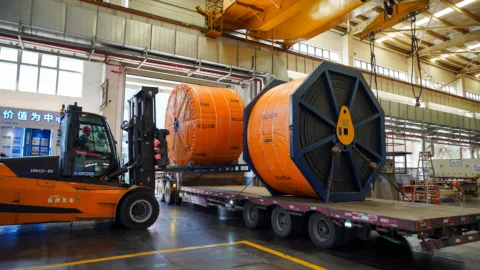
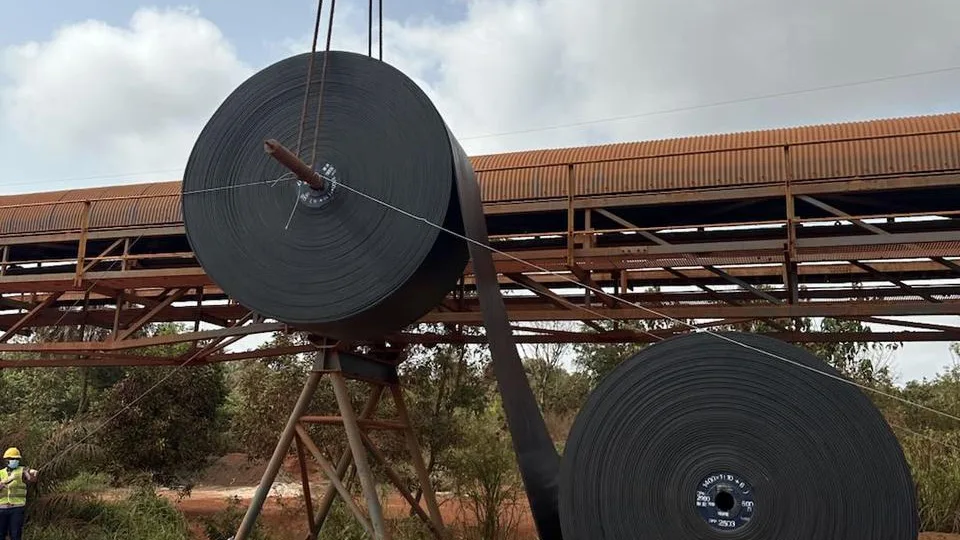
Large industrial conveyor belts may be supplied in multiple reels, with reel lengths determined by transportation limits, available installation space and the chosen splicing method.
For long-distance systems, reel planning can affect the number of field splices, installation sequence and shutdown schedule.
Include:
- Total required belt length and preferred reel lengths.
- Maximum allowable reel diameter and weight.
- Destination and applicable shipping requirements.
- Whether field splicing or installation support is required.
- Required inspection and test documentation.
- Target delivery and installation schedule.
- Any site restrictions affecting transportation or installation.
For major projects, coordinating these details before production can help avoid installation constraints later.
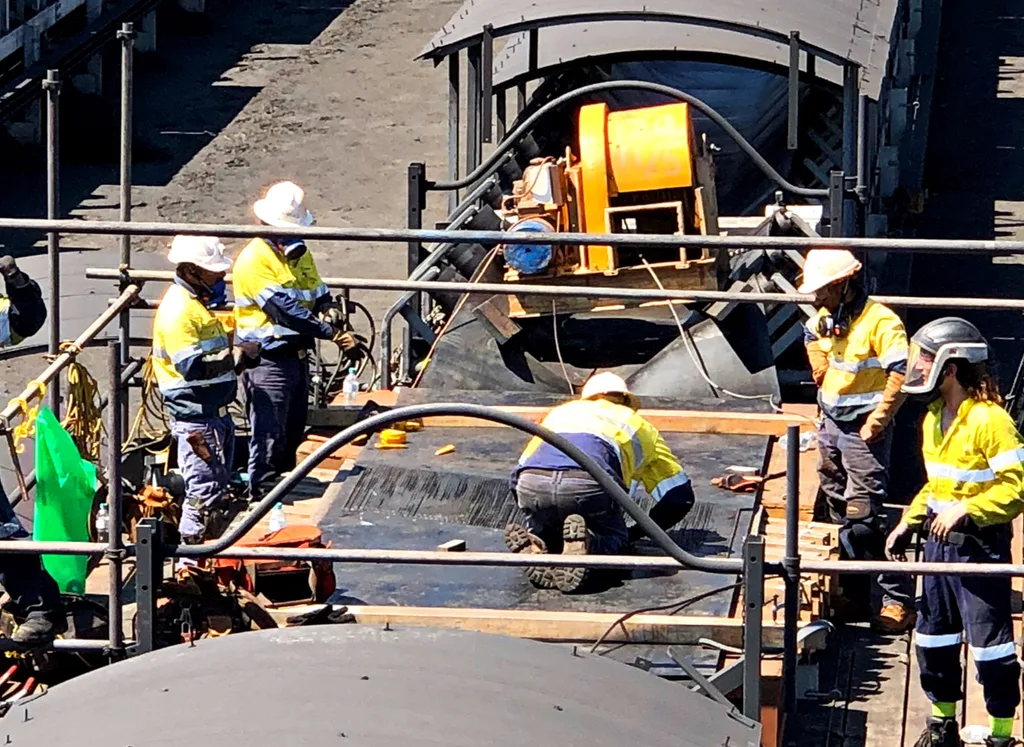
If the project requires on-site installation, hot or cold splicing, commissioning assistance or emergency technical support, make the required service scope clear in the RFQ.
For critical conveyor systems, buyers may also consider whether inspection, intelligent belt monitoring and lifecycle maintenance should form part of the overall procurement scope rather than being treated as separate future requirements.
8. How to Make Conveyor Belt Quotations Easier to Compare
When evaluating offers from multiple conveyor belt manufacturers or suppliers, check that they are based on equivalent technical and commercial requirements.
A meaningful comparison should cover:
| Comparison Area | What to Check |
|---|---|
| Carcass construction | Fabric, steel cord or aramid; construction and strength rating |
| Belt dimensions | Width, total length, quantity and reel arrangement |
| Cover specification | Top and bottom thickness, rubber grade and performance |
| Applicable standards | Required compliance, testing and certification |
| Product quality | Inspection reports and batch traceability |
| Delivery | Production lead time, packaging and shipping arrangements |
| Field support | Installation, splicing and commissioning scope |
| Lifecycle services | Inspection, monitoring and maintenance support |
A lower price per metre does not necessarily mean a lower operating cost if the proposed belt requires more frequent replacement, additional maintenance or higher energy consumption.
Ask suppliers to identify any proposed substitutions or deviations from the requested specification.
Where performance requirements differ, request supporting technical information or testing documentation rather than relying on product descriptions alone.
For large mining and industrial projects, the comparison should consider the complete supply and service scope, not simply the initial purchase price.
Frequently Asked Questions
What does RFQ mean in conveyor belt procurement?
RFQ stands for Request for Quotation. It is a formal request sent to a manufacturer or supplier asking for a price and proposal based on specified product, technical, delivery and commercial requirements.
A well-prepared conveyor belt RFQ helps the supplier evaluate the application, recommend a suitable construction and provide a more accurate quotation.
What information do I need to get an accurate conveyor belt quotation?
Start with the application, conveyed material, belt width, required belt length, carcass type or strength rating, cover requirements, quantity and delivery destination.
For a replacement belt, also provide the existing specification, service history and any relevant operating problems.
Conveyor drawings, equipment data sheets and photographs can help the manufacturer assess the application more accurately.
What if I don’t know the required conveyor belt strength?
Share the conveyor’s operating data and existing technical drawings.
Belt strength selection should be based on a proper assessment of system tension, geometry, loading conditions, splice design and applicable engineering requirements.
Do not select a higher rating solely as a precaution. An unnecessarily high strength rating may increase belt weight and cost without improving overall system performance.
Are EP, ST and aramid conveyor belts interchangeable?
Not automatically.
They differ in reinforcement properties, elongation, weight, bending behaviour and splice design.
Substitution requires an engineering compatibility review, especially for long-distance, high-tension or safety-critical systems.
Is belt length the same as conveyor length?
No.
Conveyor length commonly describes the route or conveyor geometry, while belt length describes the total belt required for the circulating loop, including the return run and other allowances.
The exact relationship depends on the conveyor arrangement. Both dimensions should be stated clearly in an RFQ.
Can I request a preliminary conveyor belt quotation without complete specifications?
Yes. A preliminary technical discussion can begin with the information available.
However, final belt selection and quotation may require additional operating data, conveyor drawings, existing belt specifications or confirmation of applicable standards.
It is better to identify missing information clearly than to provide estimated technical values that could lead to an unsuitable recommendation.
Ready to Request a Conveyor Belt Quotation?
A well-prepared RFQ helps turn operating requirements into a suitable belt specification. But you do not need to have every answer before contacting a manufacturer.
BOTON provides fabric, steel cord, aramid and special-purpose conveyor belt solutions for mining, ports, power generation, cement and other heavy-duty bulk material handling applications.
From belt manufacturing and engineering support to on-site installation, splicing, intelligent monitoring and lifecycle services, BOTON works with customers to address the complete requirements of demanding conveyor systems.
Whether you are planning a new conveyor or replacing an existing belt, our team can review your available specifications, operating conditions and project requirements.
Contact BOTON to discuss your conveyor belt RFQ.
You can also attach an existing belt specification, conveyor drawing, equipment data sheet or technical document to your inquiry.
Send Your Conveyor Belt RFQ to BOTON