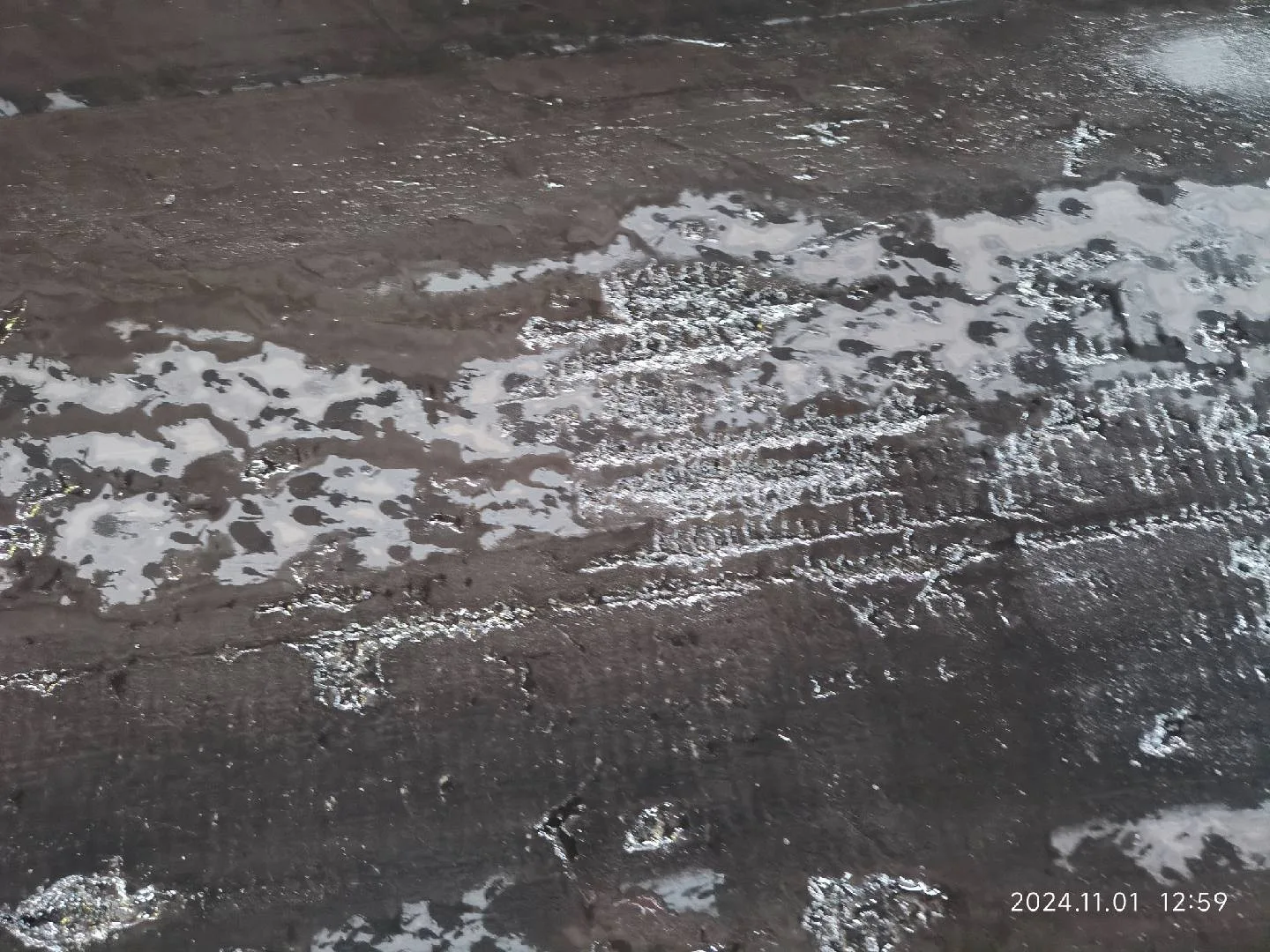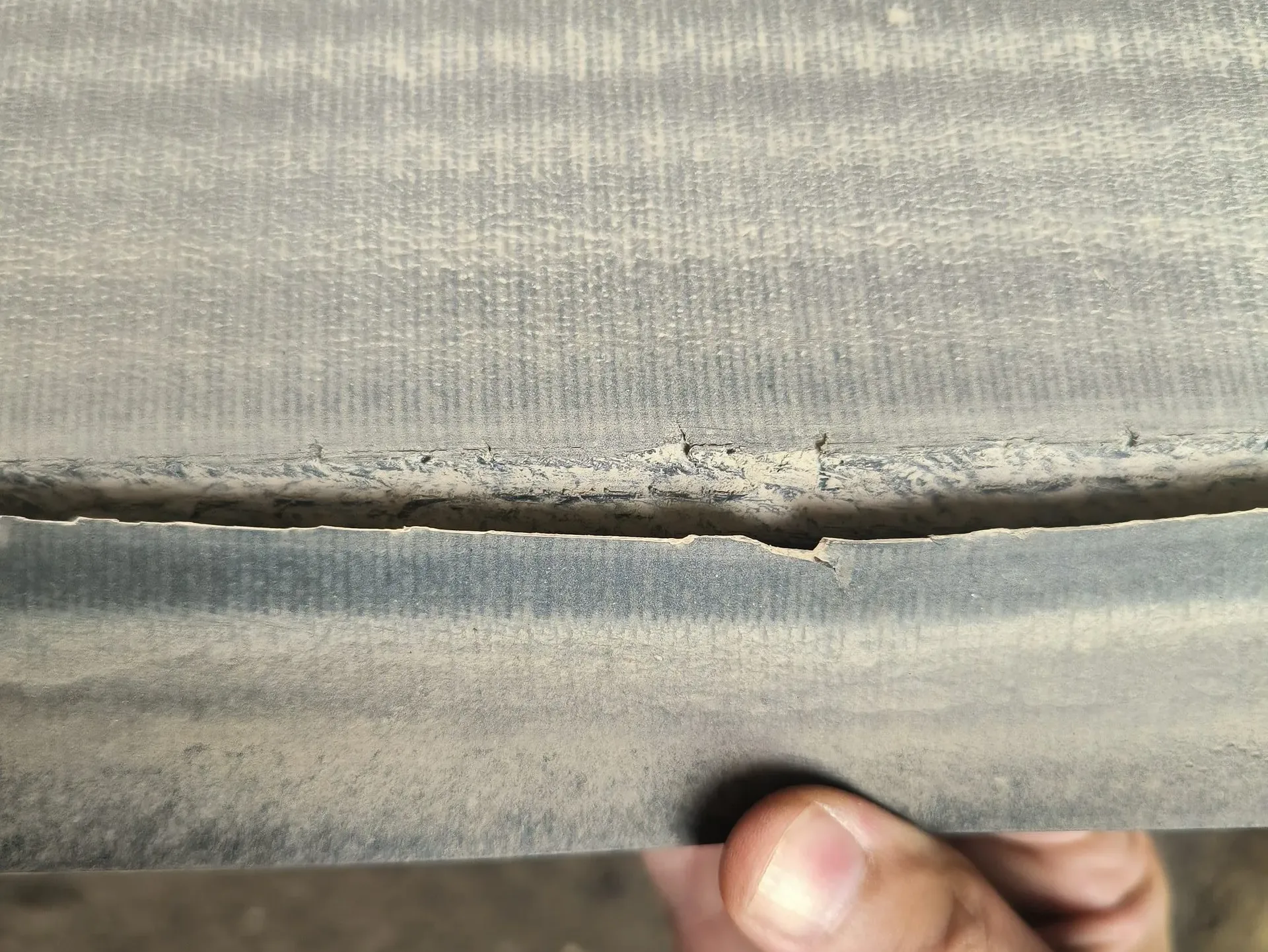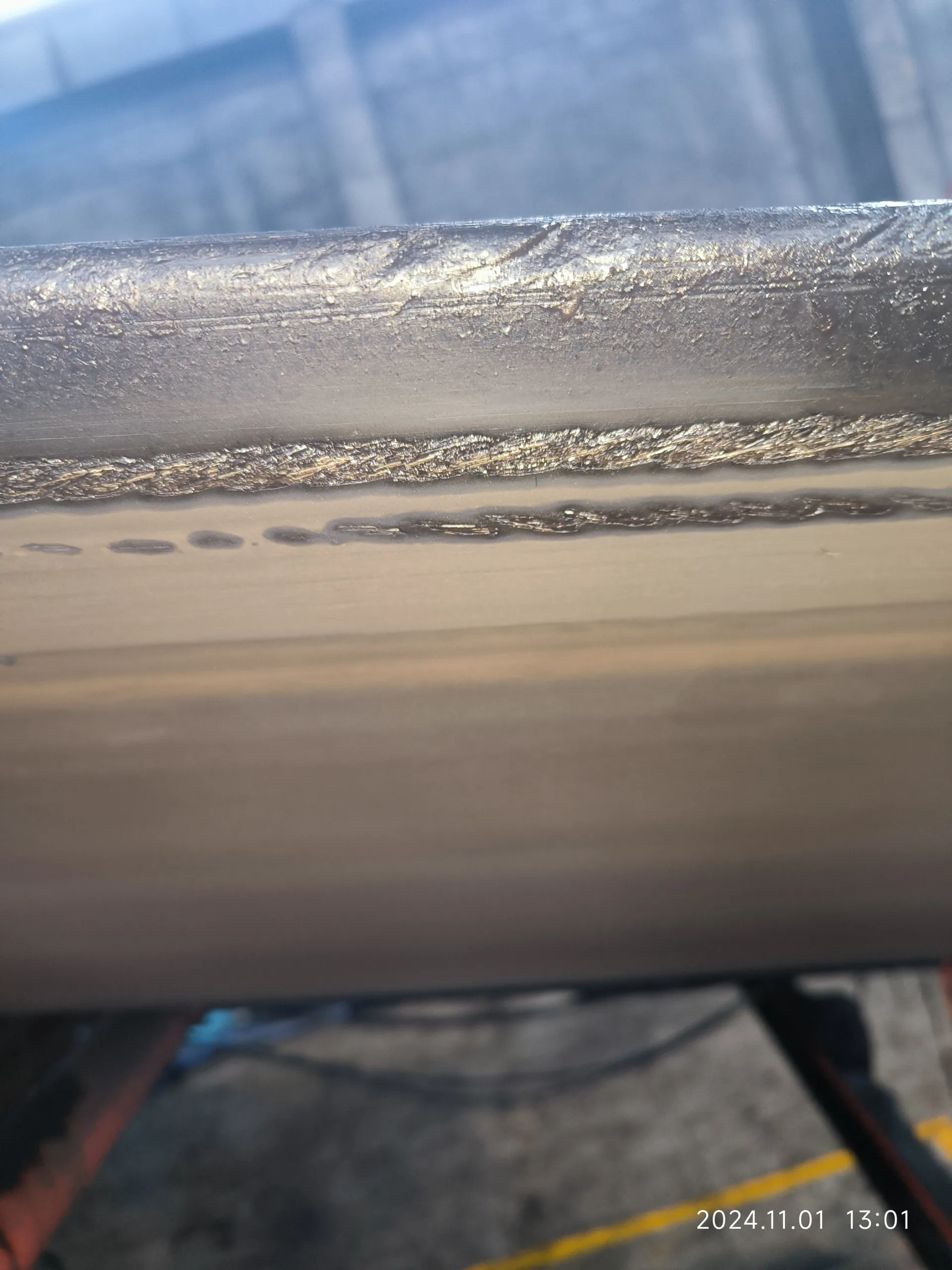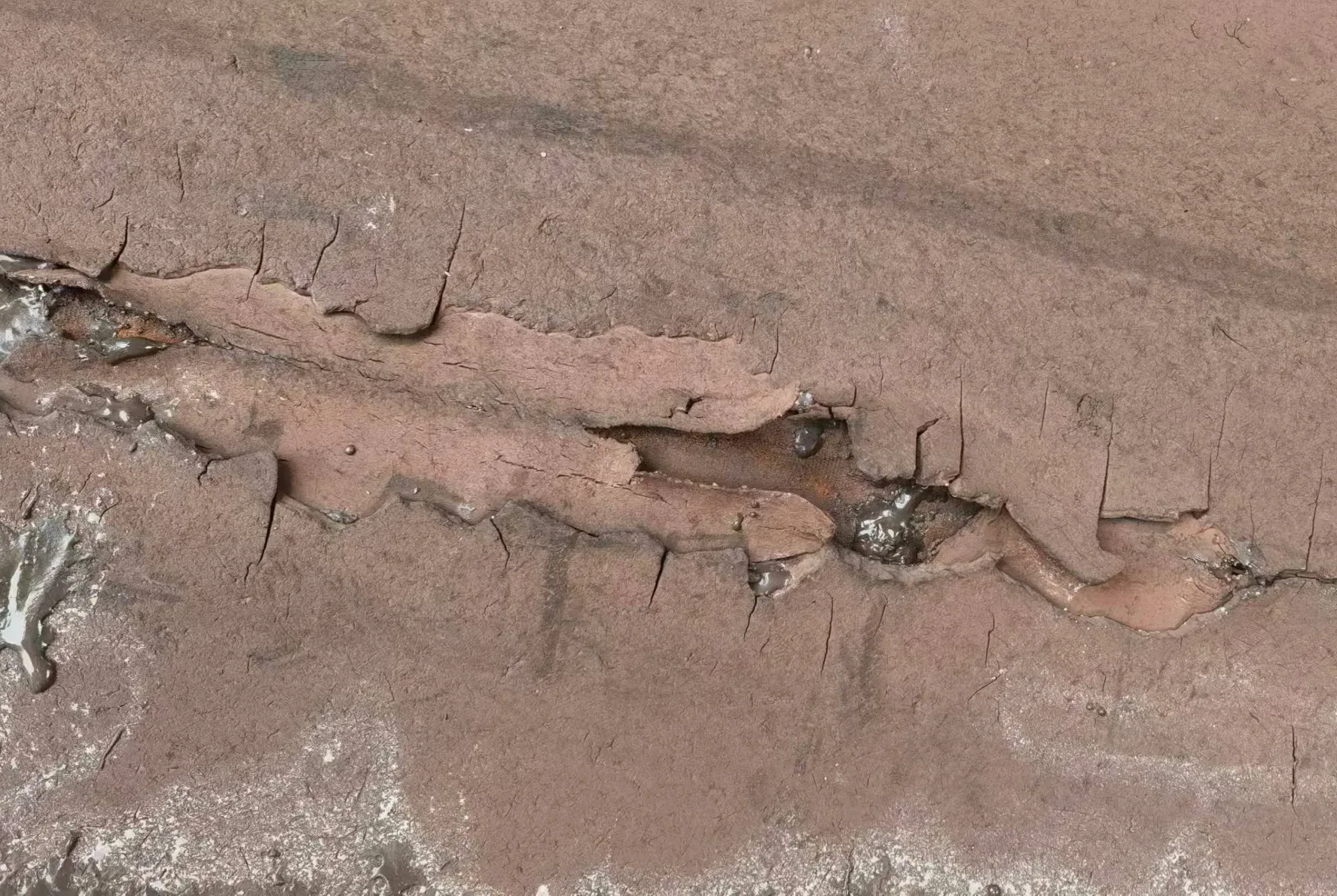
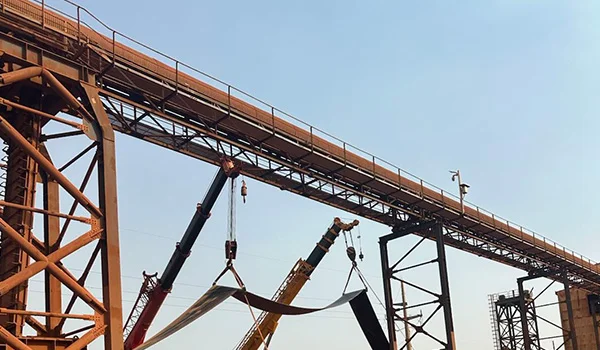

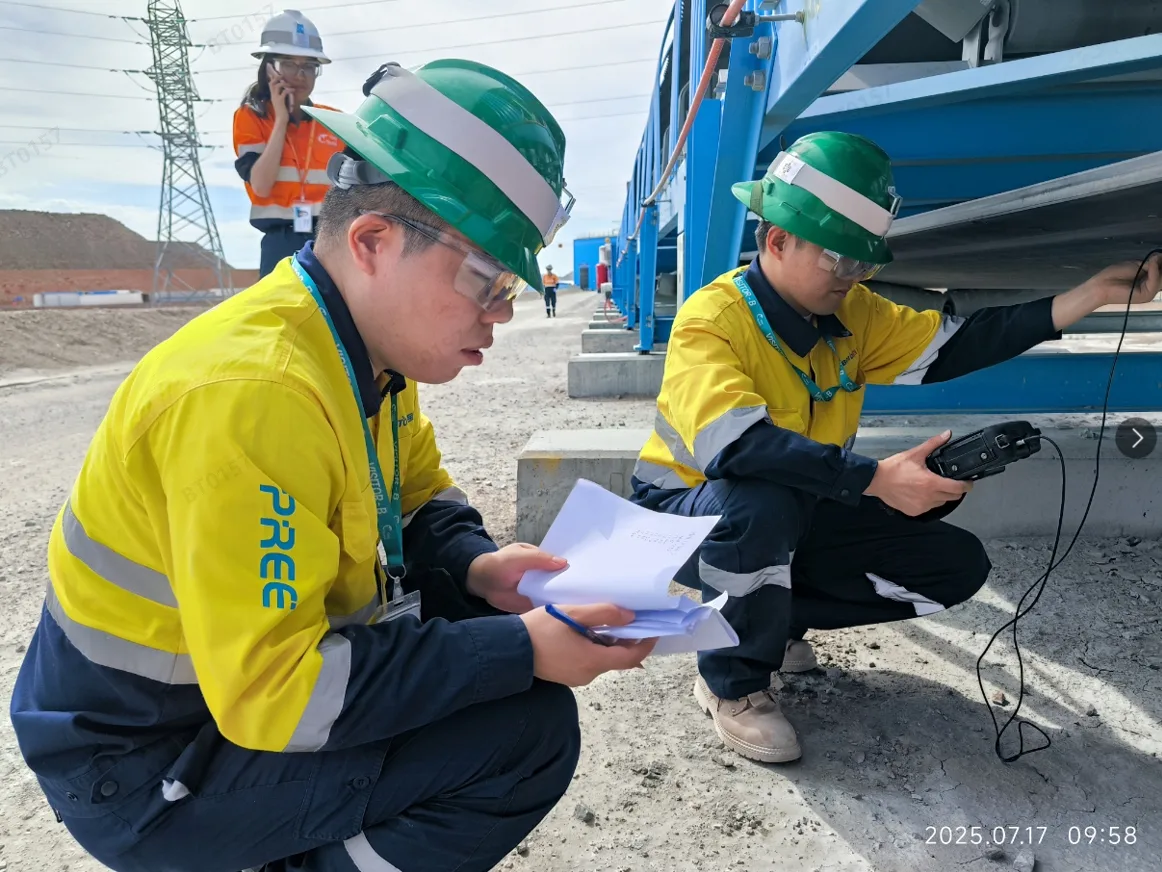
A damaged conveyor belt does not always need to be replaced. Localized cover cuts, surface gouges and certain types of edge damage can often be repaired. But damage involving the load-bearing carcass, steel cords or a weakened splice requires a different level of assessment.
The right conveyor belt repair method depends on what has been damaged, how the belt operates and whether the repair can safely withstand continued service.
For maintenance teams in mining, ports, cement plants and other heavy-duty industries, the challenge is not simply getting the conveyor running again. It is making sure the repair does not become the next failure.
This guide compares common repair methods, explains when each may be appropriate and examines actual field applications.
1. Identify the Damage Before Choosing a Repair
A conveyor belt has two main structural elements: the rubber covers and the reinforcing carcass.
The covers protect the belt against abrasion, impact, chemicals and environmental exposure. The carcass—typically fabric, steel cord or aramid—carries the tensile load.
This distinction is central to repair decisions.
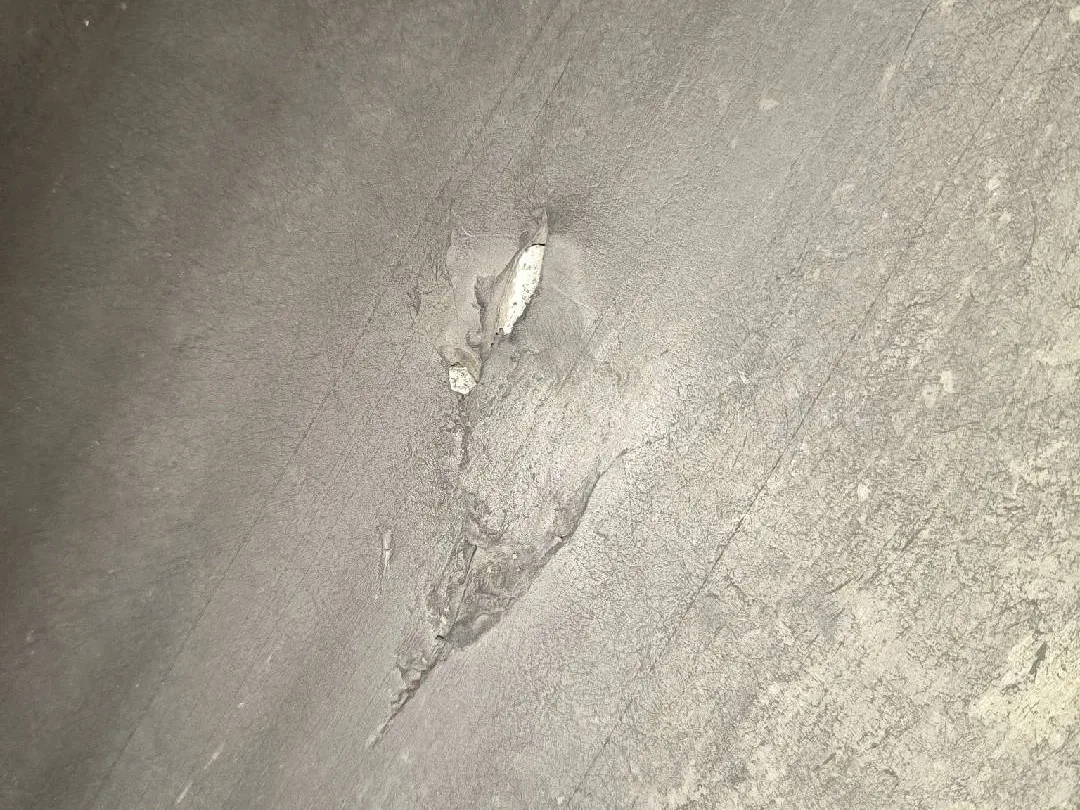
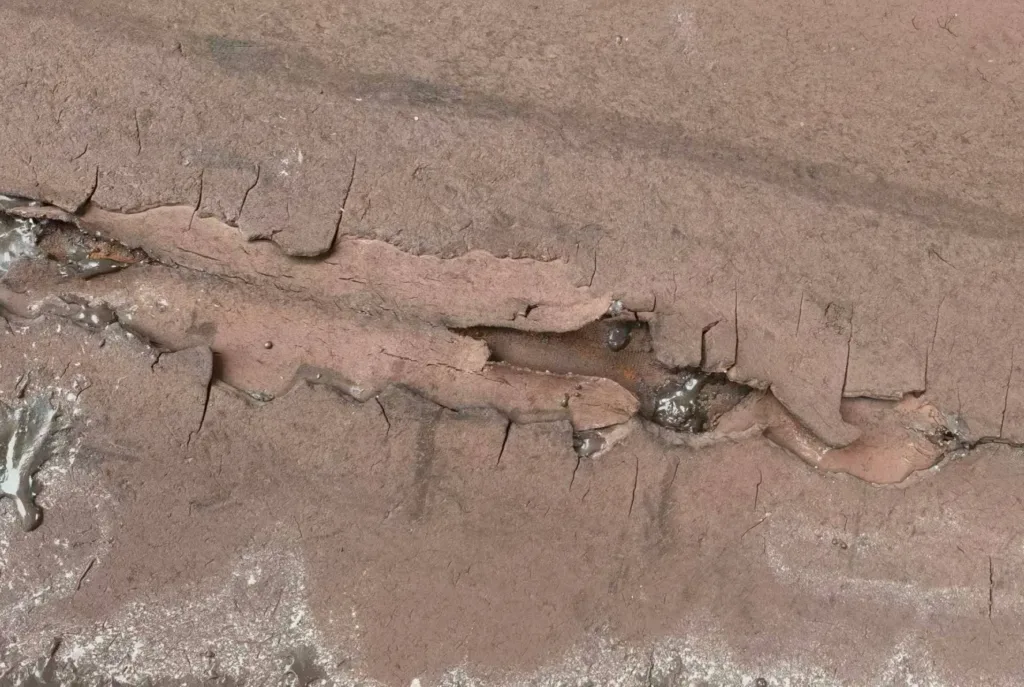
A cut confined to the rubber cover is not the same as a tear that has broken reinforcing cords. Both may look like a damaged belt surface, but the second involves the structure responsible for carrying the conveyor’s operating tension.
The table below provides an initial guide.
| Damage observed | What to inspect | Possible repair direction |
|---|---|---|
| Localized cover gouge | Depth, remaining rubber, carcass condition | Rubber repair compound or bonded patch |
| Surface abrasion | Remaining cover thickness, extent of wear | Local repair if sufficient sound cover remains |
| Belt edge cut | Depth, reinforcement condition, tracking | Edge repair if structural integrity is unaffected |
| Longitudinal rip | Rip length, location, carcass and cord damage | Engineered repair, section replacement or belt replacement |
| Exposed or broken steel cords | Cord condition, corrosion, tensile integrity | Specialist structural assessment |
| Splice surface wear | Cover damage versus internal splice damage | Surface repair if splice integrity is confirmed |
| Splice separation | Joint integrity, adhesion and fatigue condition | Engineered splice repair or re-splicing |
| Extensive delamination | Affected plies, adhesion and damage extent | Structural assessment and possible replacement |
These are assessment categories, not universal repair limits. The decision must account for belt construction, rated tension, operating conditions and the belt manufacturer’s repair requirements.
Before physical inspection or repair, the conveyor must be safely shut down, isolated and secured against unexpected movement in accordance with site procedures and applicable safety regulations.
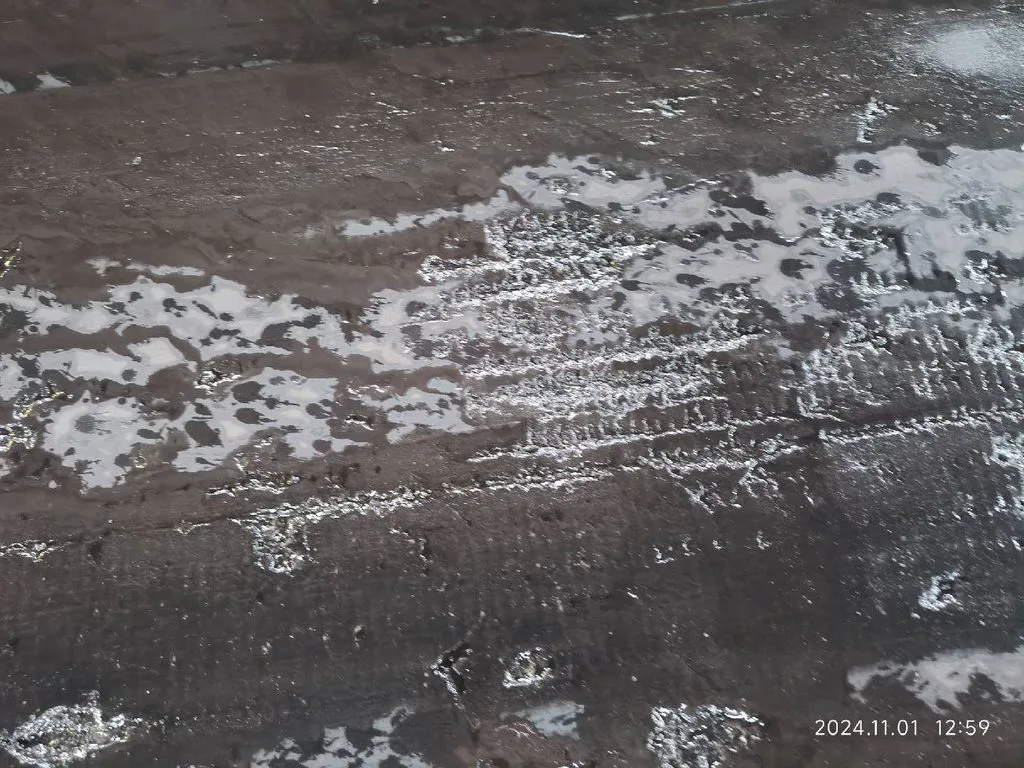
2. Four Common Conveyor Belt Repair Methods
Industrial conveyor belt repairs generally fall into four categories.
Rubber Repair Compounds and Surface Patching
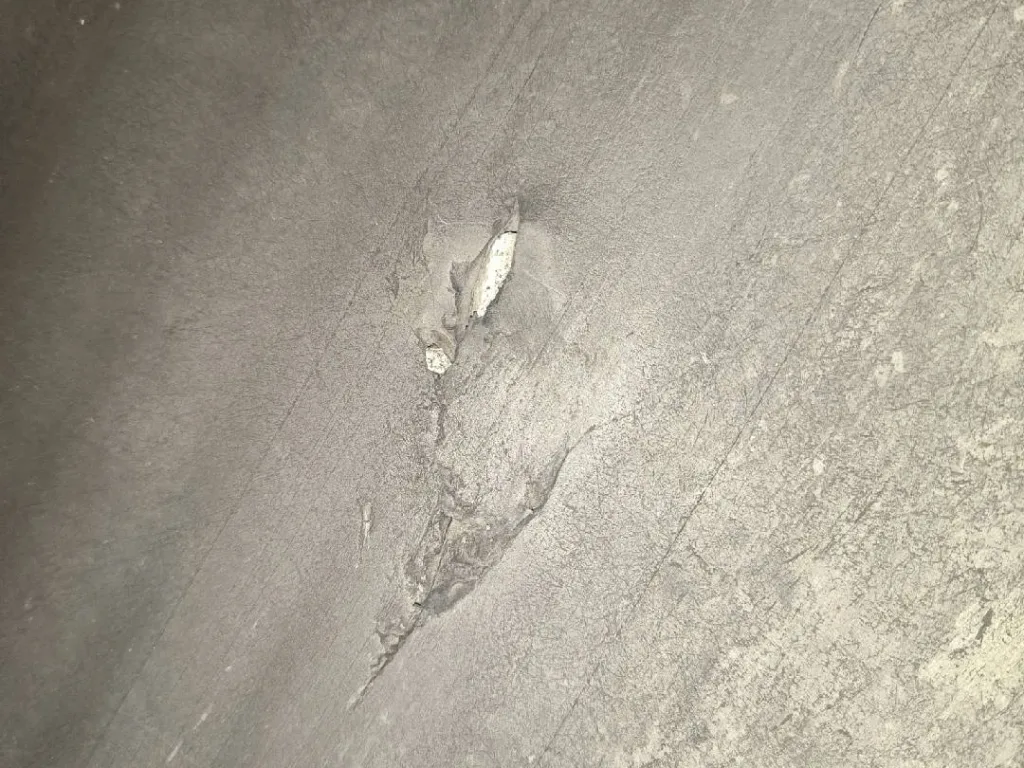
For localized damage that does not compromise the load-bearing carcass, repair compounds or bonded patches can restore the damaged cover area.
Common applications include:
- Surface cuts and gouges
- Localized abrasion
- Certain types of edge damage
- Minor surface deterioration around splice areas
- Small areas of missing cover rubber
Repair compounds can be useful where damage has an irregular shape and a conventional patch may be difficult to fit.
However, a surface repair compound should not be treated as a substitute for structural reinforcement.
If fabric plies, aramid reinforcement or steel cords have been damaged, restoring the appearance of the rubber surface does not necessarily restore the belt’s original tensile capacity.
Cold-Bonded Conveyor Belt Repair
Cold bonding uses compatible adhesives and repair materials to restore damaged rubber without the heating equipment required for hot vulcanization.
It may be appropriate for localized cover repairs and certain approved fabric-belt applications.
Its main advantage is that repair work can be performed in the field with comparatively simple equipment.
However, bond performance depends on several factors:
- Condition of the original rubber
- Surface preparation and cleanliness
- Compatibility of the repair materials
- Ambient temperature and moisture
- Required curing conditions
A successful cold repair is not simply a matter of applying adhesive.
Poor preparation, incompatible materials or insufficient curing can compromise the bond, particularly where the repair is exposed to repeated bending, abrasion or impact.
Hot Vulcanized Repair
Hot vulcanization uses controlled temperature, pressure and specified repair materials to bond new rubber to the existing belt.
It is widely used for industrial belt repairs and splicing where a durable, integrated repair is required.
Depending on the construction and the nature of the damage, hot vulcanization may be used to restore cover rubber, repair certain reinforced areas or produce engineered belt splices.
Its main requirements are suitable equipment, an approved repair design, controlled processing conditions and experienced personnel.
For high-tension steel cord belts, structural repairs and splice work require particular care because the joint must transfer load through the reinforcement and surrounding rubber.
The condition of the repaired area should be assessed against the manufacturer’s acceptance requirements before returning the belt to service.
Mechanical Repair and Belt Section Replacement
Mechanical repair devices may be suitable for certain temporary or application-specific repairs, subject to belt construction, operating tension and equipment compatibility.
They are not a universal solution for high-tension steel cord conveyors.
Where damage is too extensive for a local repair, the safer long-term option may be to remove the damaged section and install a replacement section using an approved splicing method.
In other cases, full belt replacement may be justified by widespread wear, multiple damaged areas or declining structural integrity.
The shortest repair time is not always the lowest-risk or lowest-cost solution.
3. A Real Mining Application: Repairing a 10-Meter Belt Edge Cut
Localized belt damage can become a significant operational problem when it occurs on a critical production conveyor.
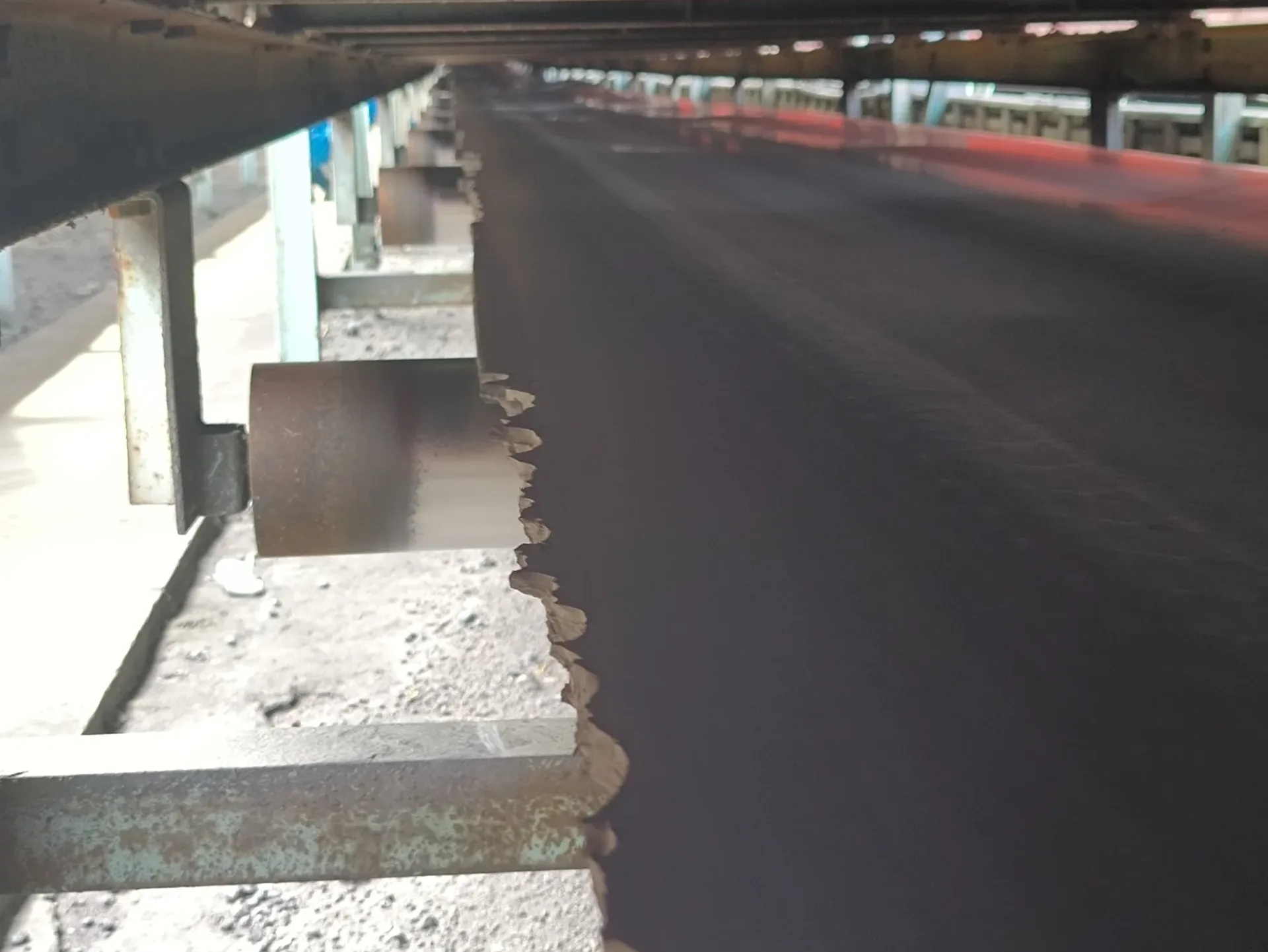
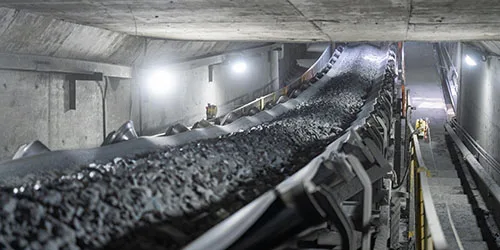
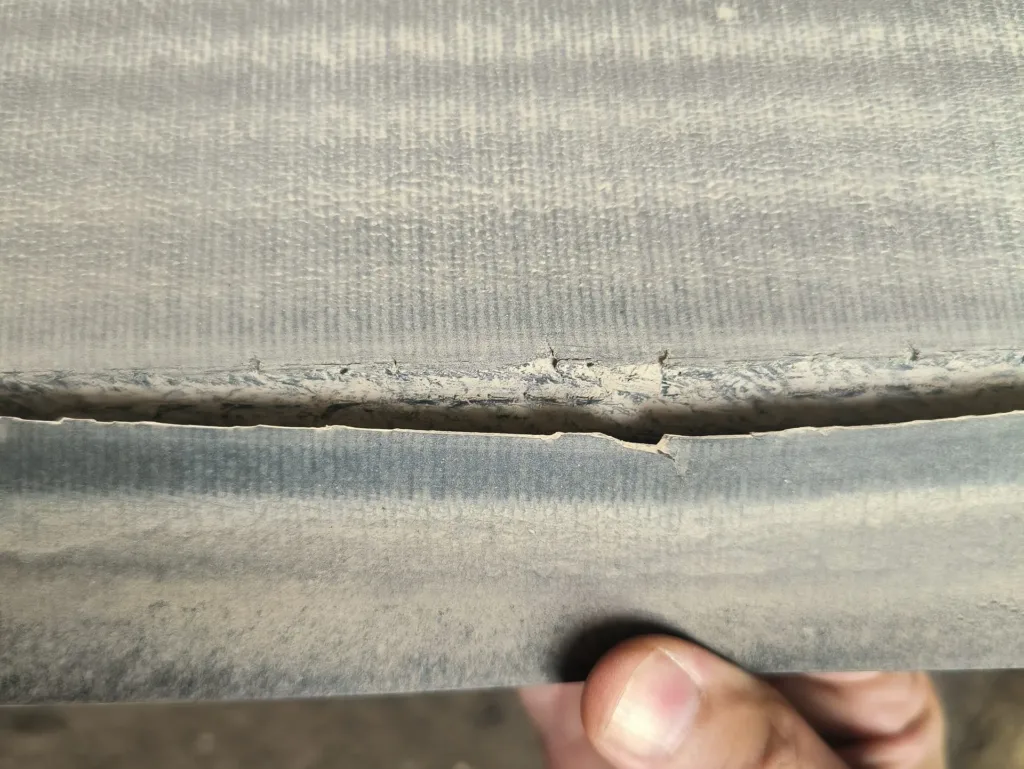
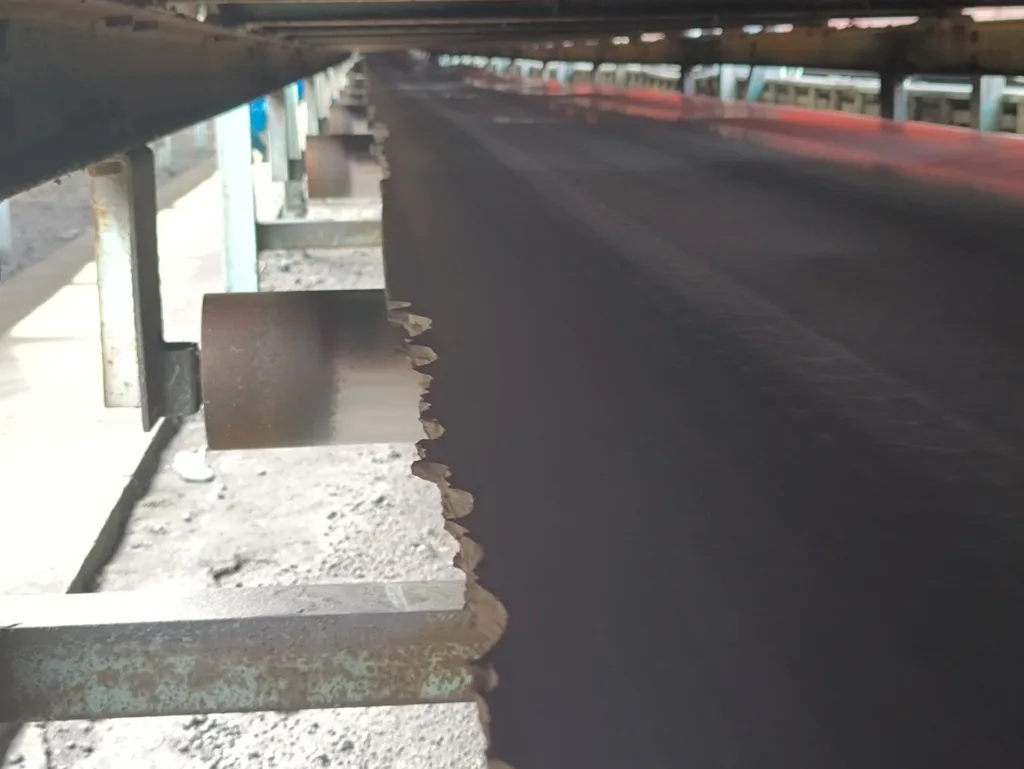
At an underground coal mine in northern China, a flame-resistant aramid conveyor belt developed an approximately 10-meter-long edge cut, with a maximum reported depth of about 5 mm.
The site needed to address the damage within a limited maintenance window while maintaining the belt’s required operating characteristics.
Site Conditions
- Belt type: Flame-resistant aramid conveyor belt
- Damage: Edge cut approximately 10 m long
- Maximum reported depth: 5 mm
- Ambient temperature: Approximately 22°C
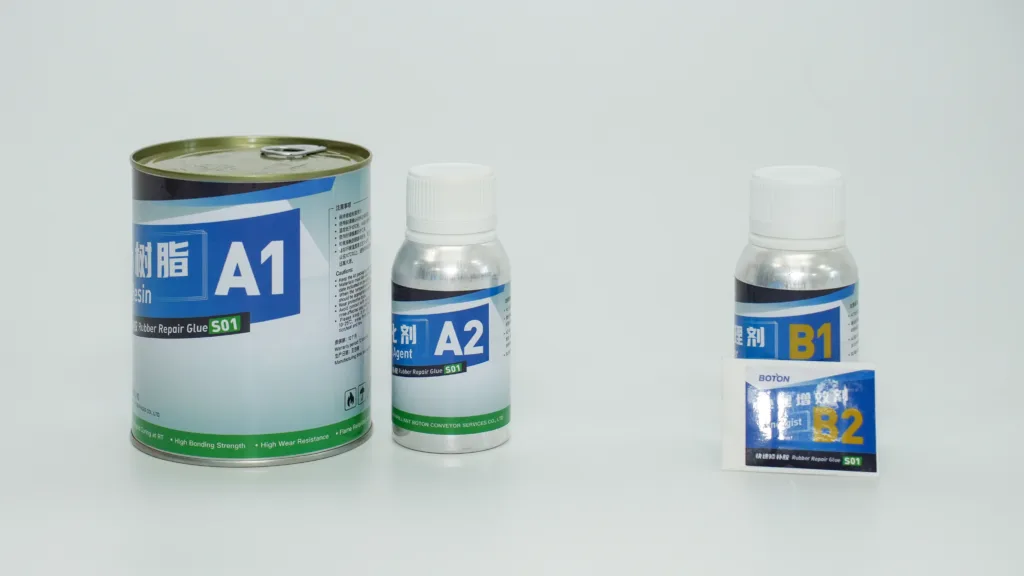
- Repair material: BOTON S01 Flame Resistant Repair Compound
Following the site’s repair assessment, BOTON S01 was applied to the affected edge area.
The repair used five 500 g kits and was completed in approximately 35 minutes.
The conveyor returned to service during the same maintenance window, and the repaired area maintained stable field performance for more than six months, according to the project record.
What This Case Demonstrates
The notable result is not that every 10-meter tear can be repaired in 35 minutes.
The reported damage was an edge cut of limited depth, not a documented case of complete carcass separation.
The repair method was selected for the specific damage condition and underground operating environment.
It demonstrates how a suitable fast-curing material can reduce repair time for certain localized belt defects without requiring complete belt replacement.
It does not establish that a repair compound can restore severed reinforcement or the original strength of a structurally damaged belt.
Explore BOTON Conveyor Belt Repair Products & Materials
4. Repairing a Splice Surface Is Different from Repairing a Failed Splice
Splice-related damage requires a particularly careful distinction.
A splice may show localized rubber abrasion while its load-bearing structure remains intact.
Alternatively, a splice may be separating internally or losing its ability to transfer tensile load.
The two conditions should not receive the same treatment.
Field Example: Localized Splice Wear in an Underground Mine
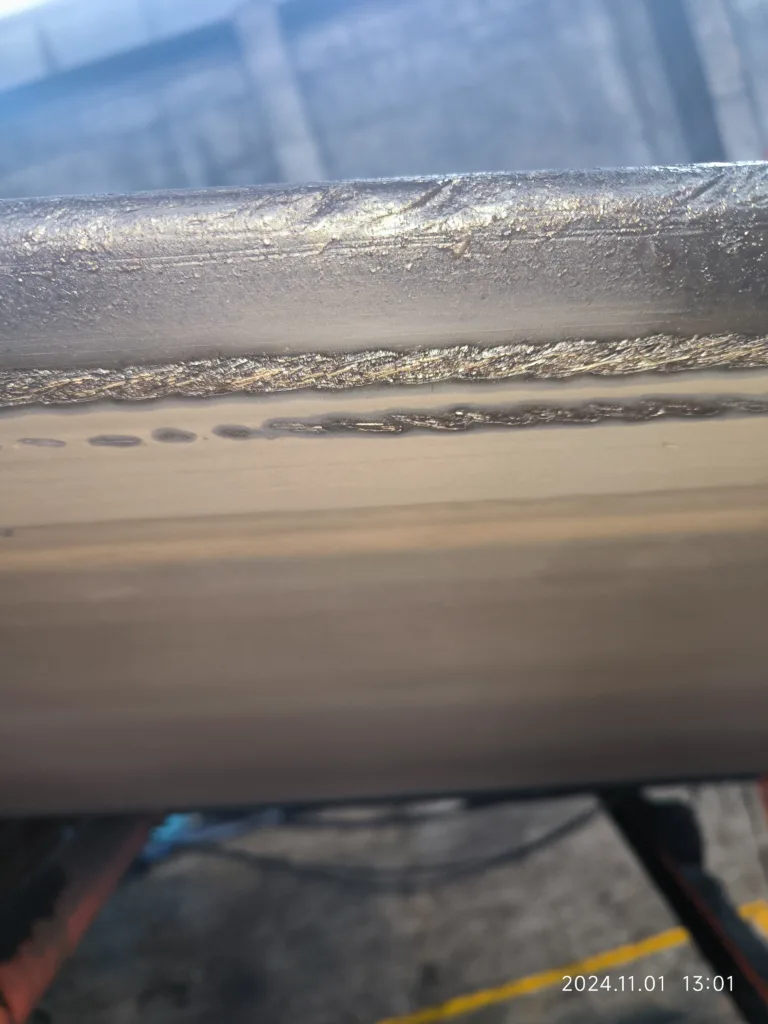
At a large underground mining operation in Inner Mongolia, maintenance teams identified localized wear around splice surfaces and other belt areas.
The affected systems included flame-resistant aramid belts and steel cord conveyor belts. Reported surface wear at the splice areas was approximately 2–3 mm deep.
BOTON S01 was used to repair localized surface deterioration under underground ambient conditions of approximately 15°C.
According to the project record:
- Typical localized splice-surface repairs took approximately 45 minutes.
- Other localized surface repairs took approximately 35 minutes.
- Repaired areas remained stable for more than six months.
These were surface repair applications. The results should not be interpreted as evidence that the same compound can restore the structural strength of a failed splice.
Why Splice Integrity Matters
A splice is subjected to repeated tensile loading and bending throughout its service life.
In a steel cord splice, forces are transferred between cords through the surrounding rubber. The distribution of shear stress, cord arrangement, bonding condition and splice geometry can all influence fatigue performance.
A repair that restores only the outer cover cannot correct an underlying loss of structural integrity.
If cracking, separation or internal movement indicates possible structural splice damage, maintenance teams should assess whether engineered re-splicing or section replacement is required.
The most important question is not whether the splice looks better after repair.
It is whether the joint can continue to carry its specified operating loads safely.
5. When Should a Conveyor Belt Be Replaced Instead of Repaired?
A local repair is generally more attractive when damage is limited, the load-bearing structure remains serviceable and the cause can be addressed.
Replacement becomes a stronger consideration when damage extends beyond the area that can be reliably restored.
Key warning conditions include:
Damage to load-bearing reinforcement. Broken steel cords, severed fabric plies or significant aramid carcass damage require engineering assessment.
Extensive or progressive delamination. Loss of bonding between layers may indicate damage beyond the visible surface.
Repeated structural splice failures. If the same joint continues to fail, applying more surface repair material is unlikely to resolve the underlying problem.
Widespread cover deterioration. Multiple worn or cracked areas can make repeated patching less practical than planned replacement.
Damage associated with unsuitable belt construction. A repair may be ineffective if the belt is fundamentally mismatched to pulley diameters, transition geometry, loading conditions or material temperature.
The decision should consider remaining belt life, operating risk, repair reliability, available shutdown time and total maintenance cost.
A damaged section can sometimes be replaced without replacing the entire conveyor belt.
However, section replacement introduces additional splices, so the splice design, available space and installation arrangement must also be evaluated.
6. Why Conveyor Belt Repairs Sometimes Fail Again
A successful repair addresses both the damaged area and the condition that caused it.
For example, repairing a worn belt edge will have limited long-term value if the belt continues rubbing against the conveyor structure.
The same applies to other recurring problems.
| Recurring problem | Potential underlying cause |
|---|---|
| Repeated edge wear | Mistracking, off-center loading or structural contact |
| Cover gouges at the same loading point | Sharp material, drop height or inadequate impact support |
| Bottom-cover damage | Seized idlers, pulley problems or material build-up |
| Repeated splice deterioration | Splice design, materials, processing or operating conditions |
| Cracking near a transition | Belt stiffness, transition length or local stress distribution |
| Heat-related surface damage | Cover compound, thermal exposure or carcass deterioration |
A repair compound may restore rubber locally, but it cannot correct a seized idler or an unsuitable conveyor transition.
Likewise, upgrading to a stronger belt will not necessarily prevent the same damage if the underlying mechanical conditions remain unchanged.
For a deeper examination of recurring belt damage, see Why Conveyor Belt Damage Keeps Coming Back — and What to Check Before Replacement.
7. How to Assess a Conveyor Belt Repair Before Restarting
A repair should be evaluated as part of a controlled maintenance process, not treated as complete simply because the repair material has hardened.
The following checks are useful when assessing readiness for service.
Confirm the Damage Has Been Fully Assessed
Record the original defect location, dimensions and depth.
Determine whether the damage affected only the cover rubber or extended into the reinforcement or splice structure.
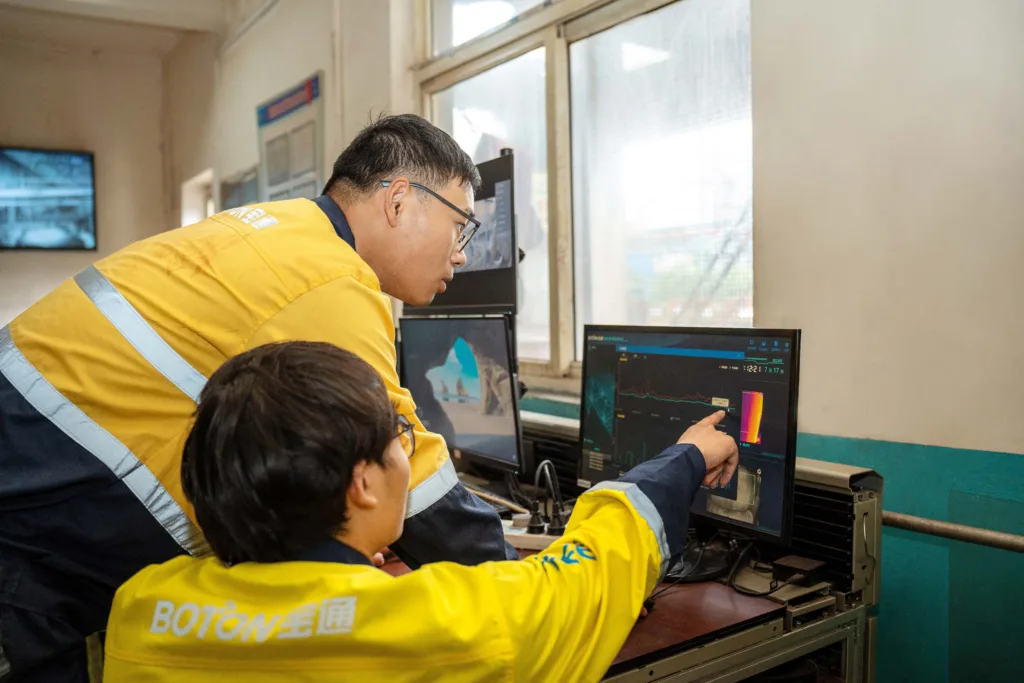
Where internal steel cord damage is suspected, additional nondestructive inspection may be appropriate.
Verify the Repair Method and Material
The selected repair method should be compatible with the belt construction, operating conditions and applicable safety requirements.
For underground coal mining or other regulated environments, fire-resistant and anti-static requirements may apply to the repaired belt system.
Material selection must therefore consider more than curing speed and adhesive strength.
Check the Required Cure and Acceptance Conditions
A material’s initial curing time is not necessarily equivalent to the total time required before the conveyor can safely return to full operation.
The repair material’s technical instructions, site conditions and specified acceptance criteria should determine when the repaired belt can be returned to service.
Inspect the Repaired Area
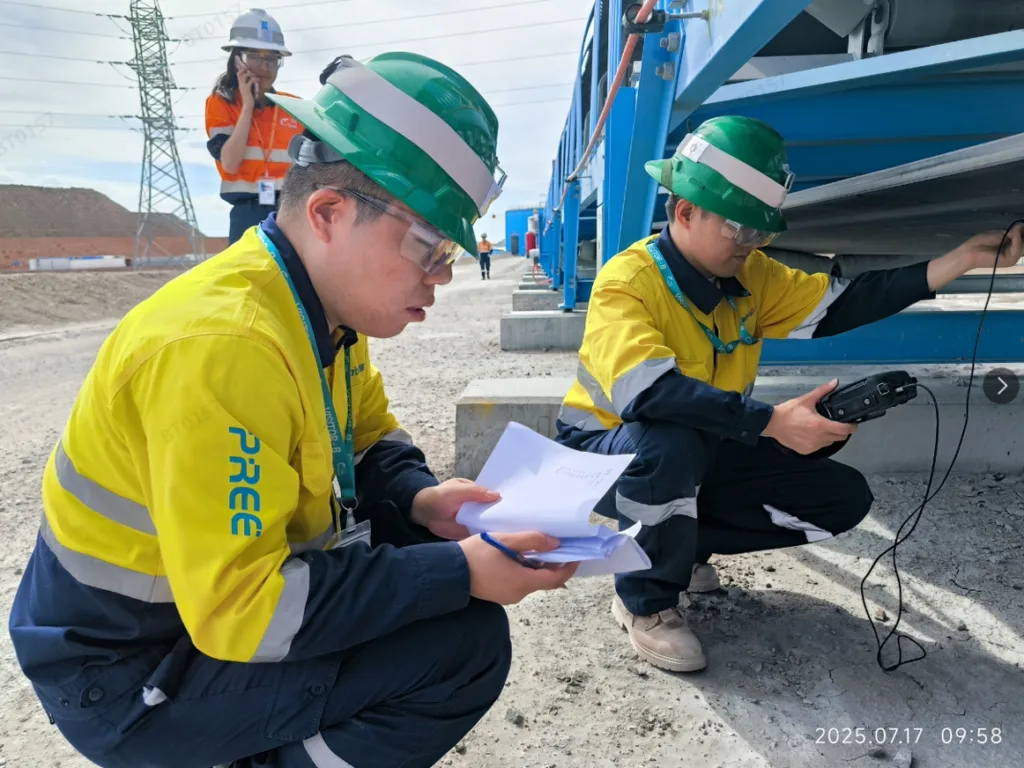
Before restarting, authorized personnel should verify the repair condition, check for visible defects and confirm compatibility with pulleys, cleaners and surrounding equipment.
Required guards must be restored, and the conveyor should be returned to service under the site’s approved commissioning and operating procedures.
Monitor the Repair During Subsequent Operation
Record the repair location and date.
Inspect for signs of edge lifting, cracking, renewed wear or other changes in condition during subsequent maintenance checks.
Repeated deterioration at the same location should prompt an investigation of the cause rather than automatic repetition of the same repair.
8. Selecting Repair Materials for Different Operating Conditions
Repair material selection should reflect both the belt’s rubber properties and the environment in which it operates.
For example, a general-purpose repair material intended for an above-ground aggregate conveyor should not automatically be assumed suitable for an underground flame-resistant belt.
BOTON offers two rapid repair compound options for different operating requirements.
| Repair compound | Primary application |
|---|---|
| S01 Flame Resistant Repair Compound | Flame-resistant and anti-static conveyor applications, including specified underground mining environments |
| G01 General Purpose Repair Compound | General conveyor belt repair in quarries, ports, aggregates and above-ground mining |
Both products have a stated initial cure time of approximately 30 minutes under their specified conditions.
Actual return-to-service requirements depend on the repair application, environmental conditions, material instructions and site acceptance criteria.
Neither product should be regarded as a general substitute for an engineered structural splice.
For product specifications and application guidance, visit BOTON Conveyor Belt Repair Products & Materials.
Frequently Asked Questions
What is the best method for conveyor belt repair?
There is no single best method. Localized cover damage may be suitable for a repair compound or bonded patch. More demanding repairs may require hot vulcanization, while severe structural damage can require re-splicing or section replacement. Belt construction, operating load and damage depth determine the appropriate approach.
Can a torn conveyor belt be repaired without replacing it?
Sometimes. A localized tear that does not compromise the load-bearing reinforcement may be repairable. Damage involving broken steel cords, severed plies or a weakened structural splice requires specialist assessment and may need section or belt replacement.
How long does conveyor belt repair take?
Repair time varies considerably. Certain localized repairs using fast-curing compounds can be completed within a short maintenance window. Major vulcanized repairs and structural splicing may require substantially longer. Surface preparation, equipment, environmental conditions, curing and inspection all affect the total downtime.
Can conveyor belt repair compounds restore a damaged steel cord splice?
A surface repair compound can restore suitable areas of rubber damage, but it should not be assumed to restore broken steel cords or the original tensile strength of a structurally damaged splice. Such defects require an engineered repair decision.
What is the difference between hot and cold conveyor belt repair?
Hot vulcanization uses controlled heat and pressure to bond repair materials. Cold-bonded repair relies on compatible adhesive systems and specified chemical curing. The appropriate method depends on the type of damage, belt construction, repair performance requirements and available equipment.
When is conveyor belt replacement more economical than repair?
Replacement may be preferable when damage is widespread, structural integrity is uncertain, the remaining service life is limited or repeated repairs create excessive operational risk and maintenance cost. A lifecycle assessment should compare repair costs, downtime, remaining belt life and the risks of further failure.
Conveyor Belt Repair Is a Reliability Decision
Repairing a conveyor belt is not simply about filling a cut or covering a worn area.
The goal is to restore the belt to a condition suitable for continued operation, while understanding the limits of the repair and preventing the same damage from returning.
Localized damage may be addressed with appropriate rapid repair materials. Other defects require specialist vulcanization, structural assessment or replacement.
BOTON supports heavy-duty conveyor operations with belt repair materials, field inspection, splicing, maintenance and lifecycle services for mining, ports and other bulk material handling industries.
If your conveyor belt has sustained damage, share the belt specification, photographs of the affected area and basic operating conditions with our technical team.