
A practical guide to evaluating manufacturing capability, product quality, engineering support and long-term reliability.
Choosing among conveyor belt manufacturers is not simply a matter of comparing prices or checking product specifications. For mining, cement, power generation and bulk material handling operations, the right manufacturer must understand the operating conditions, deliver consistent product quality and provide the technical support needed throughout the belt’s service life.
Many companies describe themselves as conveyor belt manufacturers, producers or suppliers. However, their manufacturing capabilities, quality control systems, engineering expertise and service responsibilities can differ considerably.
For critical mining and bulk material handling operations, choosing a conveyor belt manufacturer involves more than finding a company that can produce the required belt. Buyers should also consider whether the manufacturer can support system reliability through engineering expertise, intelligent monitoring, maintenance and lifecycle services.
Before placing an order, procurement teams and engineers should look beyond the quotation and ask the following 10 questions.
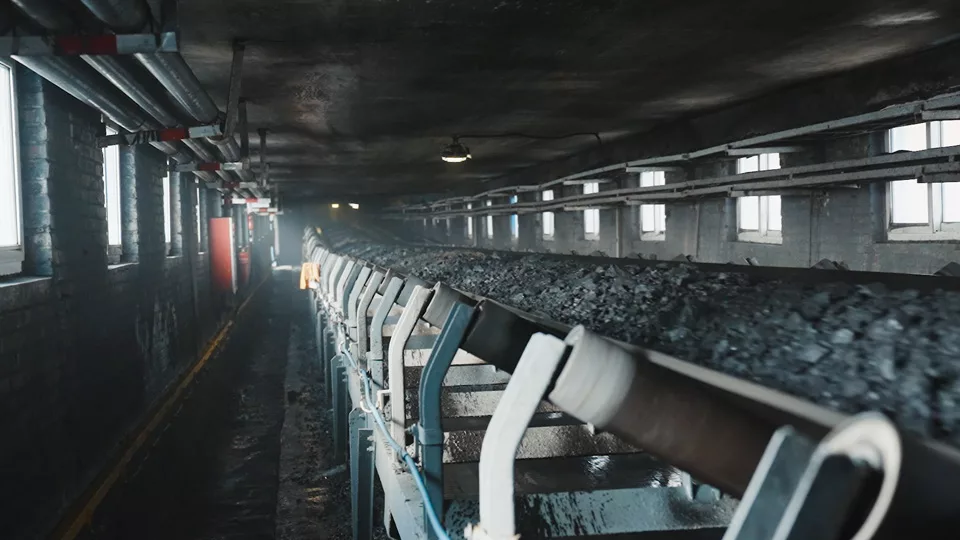
1. Are You Buying Directly from a Conveyor Belt Manufacturer in China?
The first step is to understand who actually manufactures the conveyor belt and who takes responsibility for its quality.
Some companies operate their own manufacturing facilities, while others focus on distribution, sourcing or supply chain coordination. Both business models can serve a purpose, but buyers should understand where production takes place and how manufacturing quality is controlled.
Ask the supplier:
- Where are the conveyor belts manufactured?
- Which production processes are performed in-house?
- Are any manufacturing processes outsourced?
- Who controls the rubber formulation and critical production parameters?
- Who is responsible for product quality, warranty claims and technical support?
A manufacturer’s production capability should be supported by verifiable information, not just factory photographs or a company profile.
For large-volume or long-term procurement, it is particularly important to understand whether the manufacturer can maintain consistent production quality across different orders and batches.
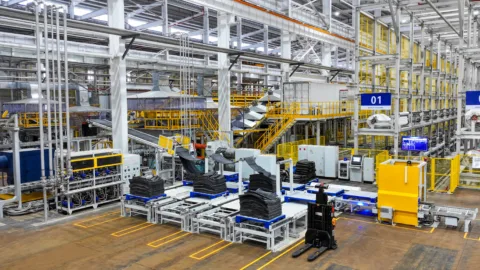
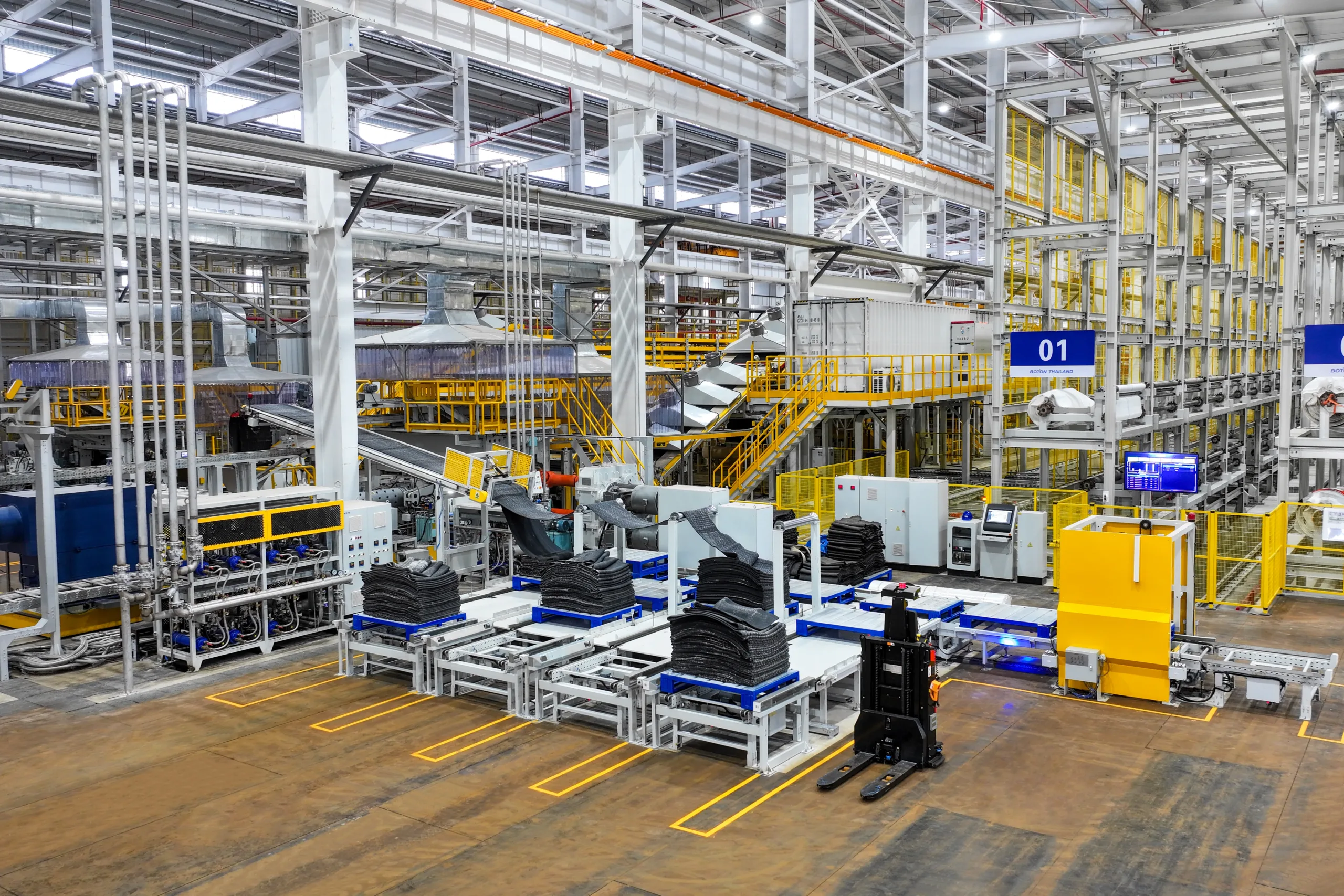
Founded in 2000, BOTON operates three manufacturing bases across China and Thailand. Its international network includes 13 technical service sites and serves customers in more than 30 countries and regions, combining manufacturing capabilities with regional technical support.
Learn more about [BOTON’s Manufacturing Network] and [Quality Control System].
What to verify: Manufacturing locations, factory capabilities, production processes, quality responsibilities and relevant factory documentation.
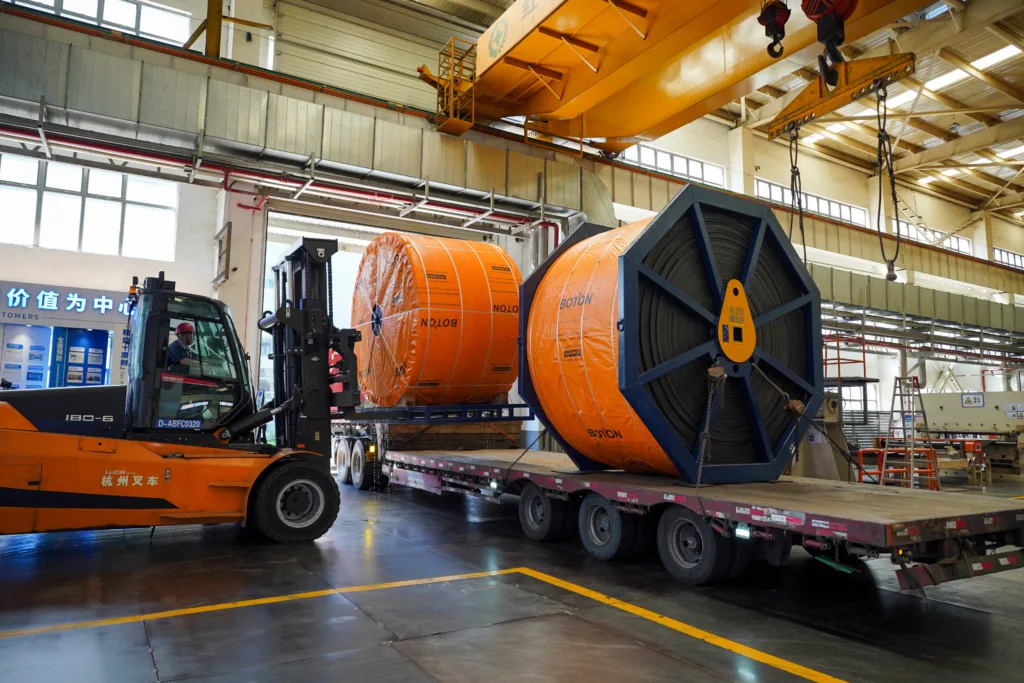
2. Can the Manufacturer Produce the Belt Types and Specifications You Need?
Not all conveyor belt manufacturers produce the same types of belts. Some specialize in fabric conveyor belts, while others have capabilities in steel cord, aramid or specialized conveyor belt constructions.
Before selecting a manufacturer, check whether its actual product portfolio matches your application.
The main conveyor belt constructions used in heavy-duty bulk material handling include:
Fabric Conveyor Belts (EP / NN)
Fabric conveyor belts are widely used in mining, cement, power generation and general industrial conveying. Their flexibility and adaptability make them suitable for a broad range of conveyor layouts.
Explore BOTON Fabric Conveyor Belts.
Steel Cord Conveyor Belts (ST)
Steel cord belts are commonly selected for long-distance, high-tension and high-capacity conveying systems. Their high tensile strength and low elongation make them suitable for demanding mining and overland conveyor applications.
Explore BOTON Steel Cord Conveyor Belts.
Aramid Conveyor Belts
Aramid belts combine high tensile strength with relatively low belt weight. They can be considered for applications where reducing belt mass, operating tension or energy consumption is important.
Explore BOTON Aramid Conveyor Belts.
Pipe Conveyor Belts
Pipe conveyor belts form a closed tubular shape during operation, helping contain materials and reduce dust and spillage along enclosed conveying routes.
Explore BOTON Pipe Conveyor Belts.
In addition to carcass construction, check whether the manufacturer can provide the required performance characteristics, including abrasion resistance, heat resistance, fire resistance, impact resistance and anti-tear reinforcement.
A broad product catalogue is useful, but the more important question is whether the manufacturer has proven experience producing the specific belt construction and performance grade required by your project.
What to verify: Product range, maximum belt width, tensile strength range, construction options, cover compounds and manufacturing experience with comparable specifications.
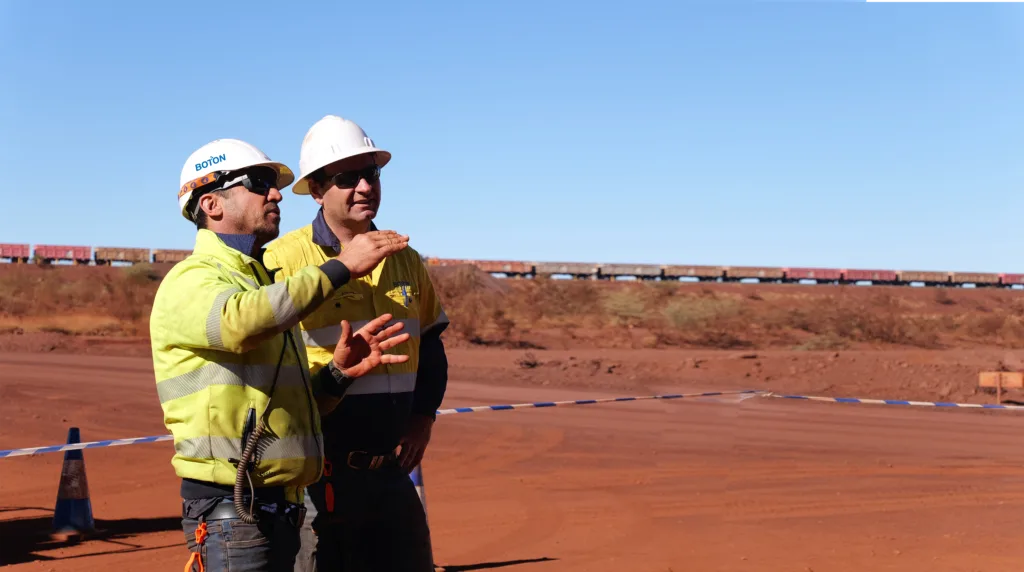
3. Does the Manufacturer Understand Your Actual Operating Conditions?
A conveyor belt should be selected according to the complete operating environment, not simply its width and tensile strength.
Two conveyors with identical belt dimensions may require very different belt constructions because of differences in conveyed materials, loading conditions, operating speeds and conveyor geometry.
A technically capable manufacturer should ask questions about your application before recommending a product.
Important operating information includes:
- Material type, bulk density and maximum lump size.
- Material moisture, abrasiveness and impact characteristics.
- Required conveying capacity and belt speed.
- Conveyor length, lifting height and inclination.
- Pulley diameters and troughing configuration.
- Ambient and material temperatures.
- Operating hours and start-stop frequency.
- Special requirements such as fire resistance, oil resistance or anti-static performance.
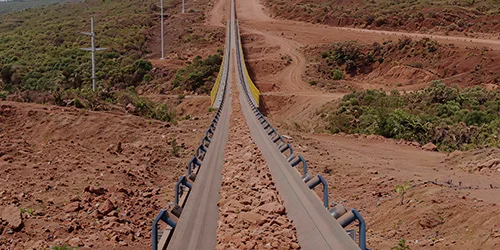
For example, an overland conveyor transporting abrasive iron ore over a long distance has different requirements from an underground coal conveyor or a cement plant handling hot clinker.
The manufacturer should be able to explain how these conditions influence carcass construction, cover rubber selection, belt strength, thickness and expected service performance.
A supplier that recommends a belt based only on the existing specification without reviewing operating conditions may overlook problems that contributed to premature belt failure in the first place.
What to verify: Application assessment, technical consultation, operating-condition analysis and the engineering rationale behind the proposed belt specification.
4. Does the Manufacturer Have the Engineering Expertise to Recommend the Right Belt?
Manufacturing capability and engineering capability are closely related, but they are not the same.
A manufacturer may be able to produce a belt to a specified strength rating. However, selecting the right belt for a particular conveyor system requires a broader understanding of belt mechanics and system compatibility.
For demanding applications, ask whether the manufacturer can provide technical support covering:
- Belt strength and carcass construction selection.
- Belt elongation and tension characteristics.
- Minimum pulley diameter compatibility.
- Troughability and transition distance requirements.
- Cover rubber selection and thickness.
- Splice design and jointing requirements.
- Impact protection and longitudinal tear resistance.
- Energy-saving opportunities and lifecycle performance.
Consider a long-distance conveyor where belt weight and rolling resistance contribute significantly to operating energy consumption. Simply selecting a higher-strength belt may not deliver the best overall result.
In some applications, a lighter aramid construction or a low-rolling-resistance cover compound may provide additional benefits, provided the complete conveyor system is suitable for the proposed design.
The manufacturer should explain the technical reasons behind its recommendations and identify any assumptions or limitations.
What to verify: Technical datasheets, engineering calculations where applicable, product selection recommendations and documented design assumptions.
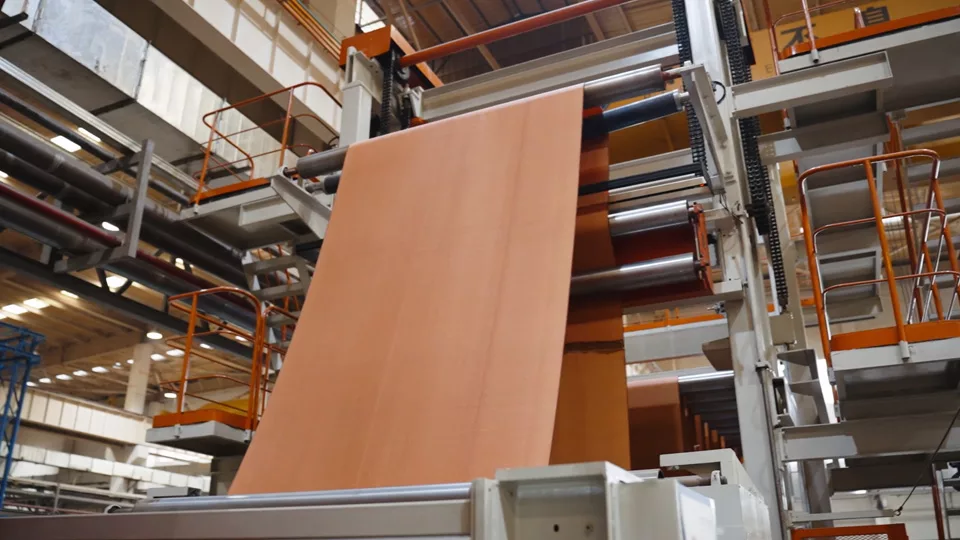
5. How Does It Control Quality During Manufacturing?
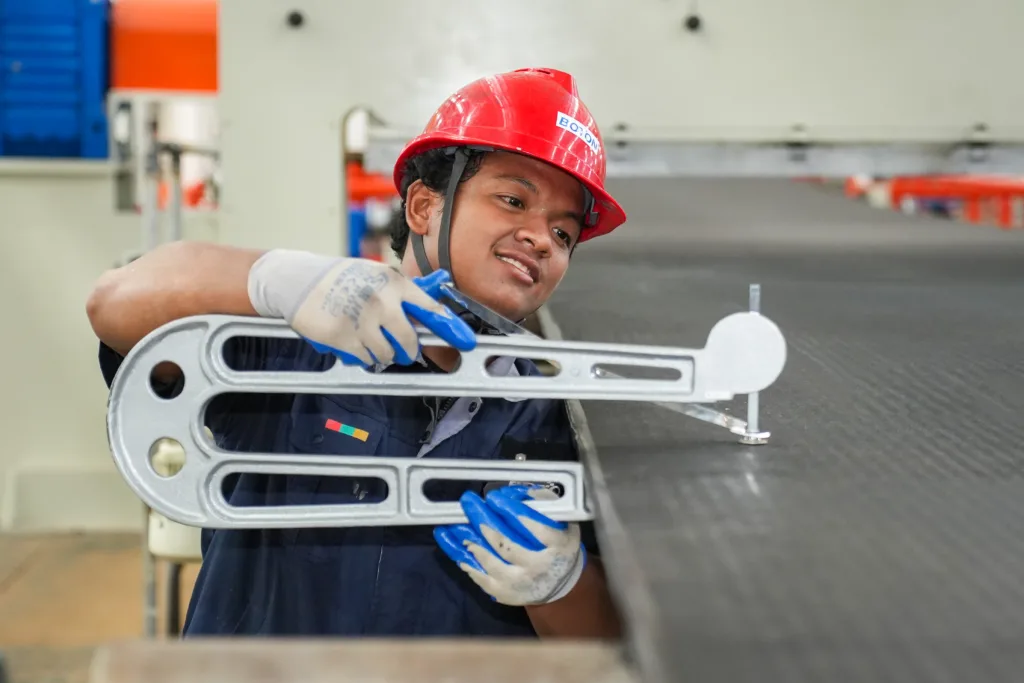
Conveyor belt quality is influenced by multiple factors throughout manufacturing. Final inspection alone cannot compensate for inconsistent raw materials or poorly controlled production processes.
A reliable manufacturer should have a structured quality management system covering material qualification, manufacturing control, laboratory validation and continuous improvement.
For rubber conveyor belts, important manufacturing stages may include:
Raw Material Qualification
Rubber compounds, reinforcing fabrics, steel cords and other materials should be evaluated against the requirements of the intended application.
Material consistency is particularly important for demanding products such as high-tensile steel cord belts and specialized fire-resistant belts.
Manufacturing Process Control
Ask how the manufacturer controls critical production parameters, including:
- Rubber mixing and compound consistency.
- Calendering and rubber thickness.
- Fabric tension and carcass alignment.
- Steel cord spacing and alignment.
- Adhesion between reinforcing layers and rubber.
- Belt forming and vulcanization conditions.
- Finished belt dimensions and appearance.
Laboratory Validation
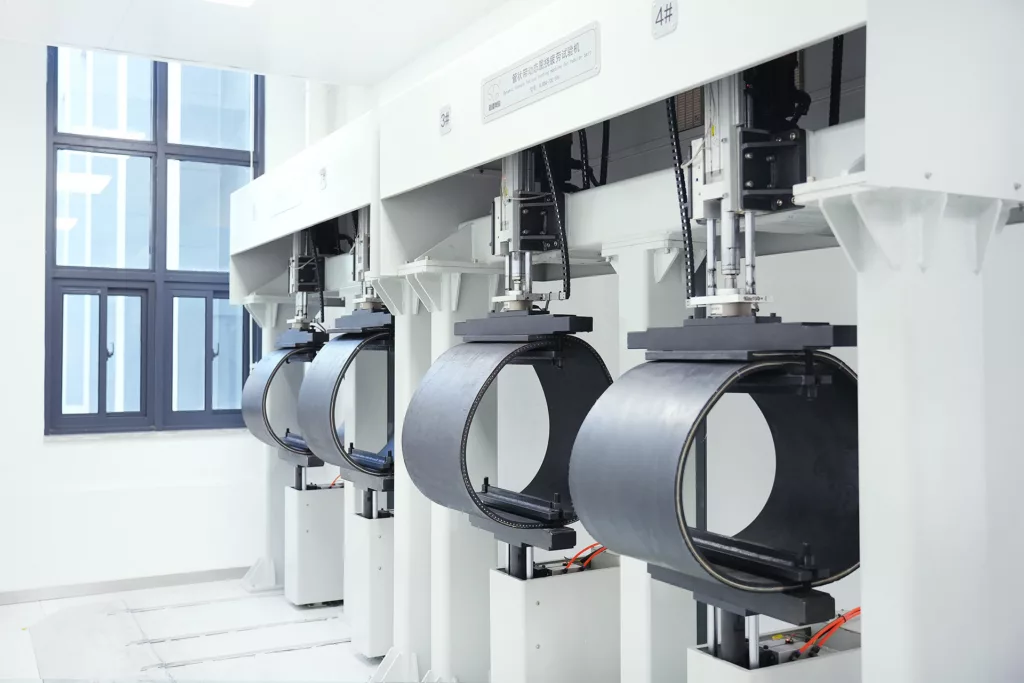
Manufacturers should have access to appropriate testing capabilities to evaluate mechanical properties, thermal performance, aging characteristics and other relevant product requirements.
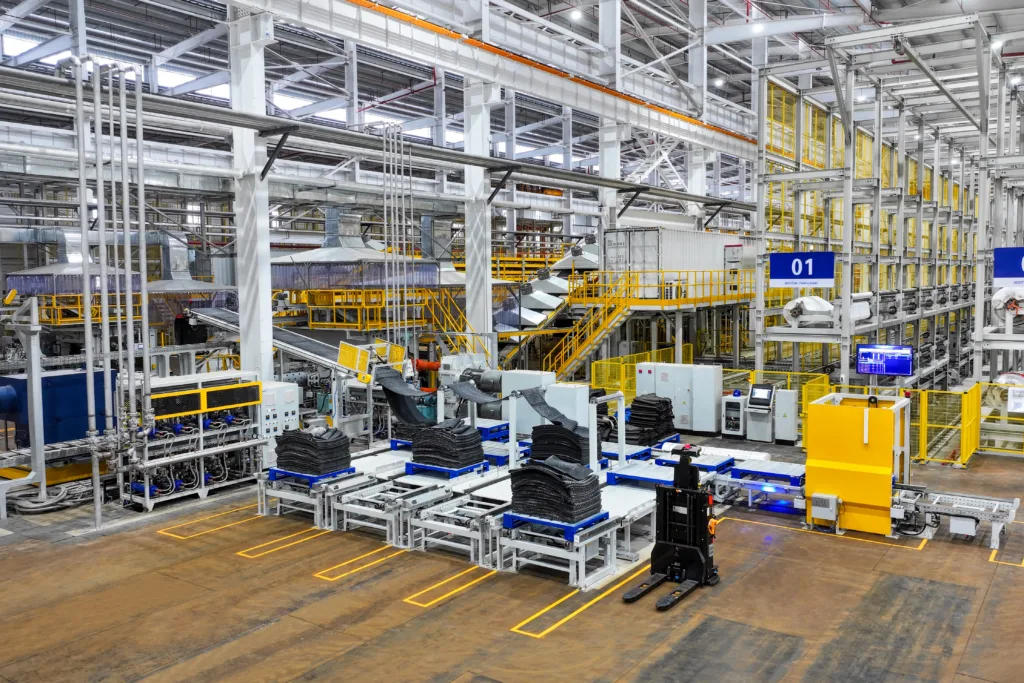
BOTON’s quality management system covers raw material qualification, intelligent manufacturing control, laboratory validation, digital traceability and continuous improvement.
Its quality system also incorporates real-time process monitoring, automated material handling, error-prevention mechanisms and digital sample management.
Learn more about BOTON Quality Control.
What to verify: Quality management procedures, material inspection records, production control documentation, laboratory capabilities and product inspection reports.
6. What Test Reports and Quality Documents Can It Provide?
A product specification describes what a conveyor belt is supposed to be. Testing and inspection records provide evidence of whether the manufactured product meets those requirements.
Before purchasing, ask what test reports and quality documents will be supplied with the order.
Depending on the belt construction and application, relevant testing may include:
| Test category | What it helps evaluate |
|---|---|
| Tensile strength | Belt or carcass strength under tension |
| Elongation | Extension under specified loading conditions |
| Adhesion strength | Bonding between rubber and reinforcing layers |
| Abrasion resistance | Resistance to surface wear |
| Tear resistance | Resistance to tearing and propagation |
| Cover thickness | Compliance with dimensional requirements |
| Heat and aging tests | Performance under specified thermal conditions |
| Fire and electrical tests | Compliance with applicable safety requirements |
Not every test applies to every conveyor belt. The required testing programme should be agreed according to the product type, operating conditions, contract specifications and applicable standards.
Buyers should also clarify:
- Which test standards and editions are being used?
- Are results based on the actual production batch?
- What are the sampling and acceptance criteria?
- Are third-party inspection or testing services available?
- Will inspection records be supplied before shipment?
For large mining and infrastructure projects, documentation should be agreed before production begins rather than requested only when the goods are ready for delivery.
What to verify: Product test reports, batch inspection records, agreed standards, acceptance criteria and any required third-party inspection documentation.
7. Can the Manufacturer Trace Each Belt Back to Its Production Records?
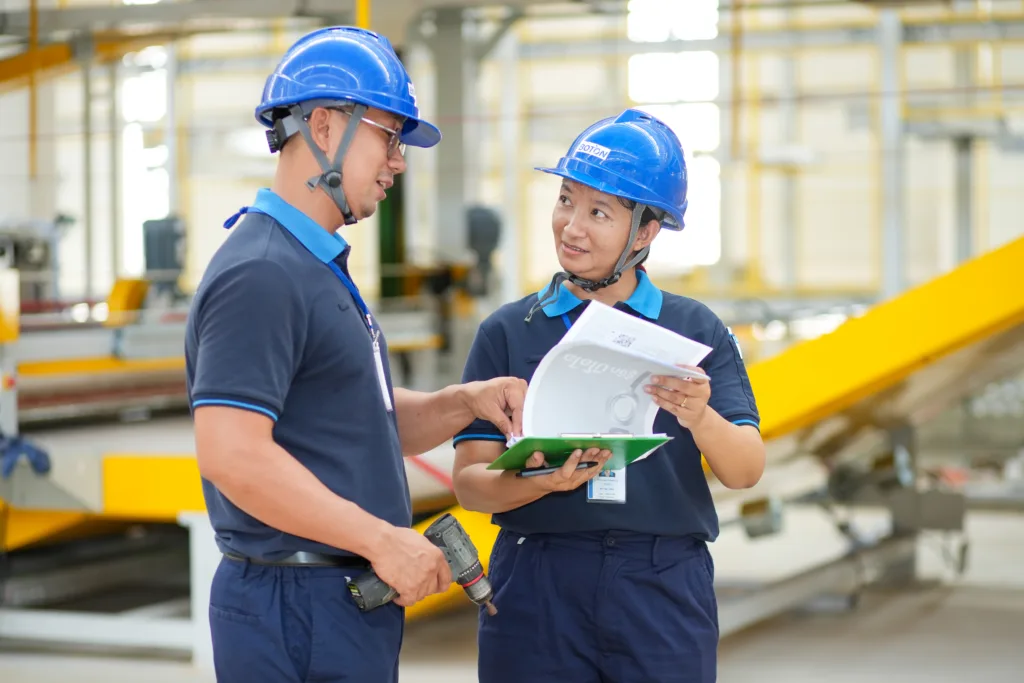
Traceability is an important part of long-term quality management, particularly for large orders and critical conveyor installations.
If a problem occurs months or years after installation, the manufacturer should be able to identify the relevant production information and support a technical investigation.
A robust traceability system should connect the finished belt with relevant records, such as:
- Raw material batches.
- Production dates and manufacturing lines.
- Relevant process parameters.
- Inspection and testing results.
- Product identification and reel numbers.
- Quality records and claim samples.
This information helps manufacturers investigate quality issues, compare production batches and identify opportunities for improvement.
For multinational projects involving multiple conveyor lines, specifications and delivery batches, consistent documentation also makes procurement and asset management easier.
Traceability should therefore be considered part of the manufacturer’s quality capability, not simply an administrative requirement.
What to verify: Product identification systems, batch records, digital quality records and procedures for investigating product claims.
8. Has It Supplied Similar Mining or Industrial Conveyor Projects?
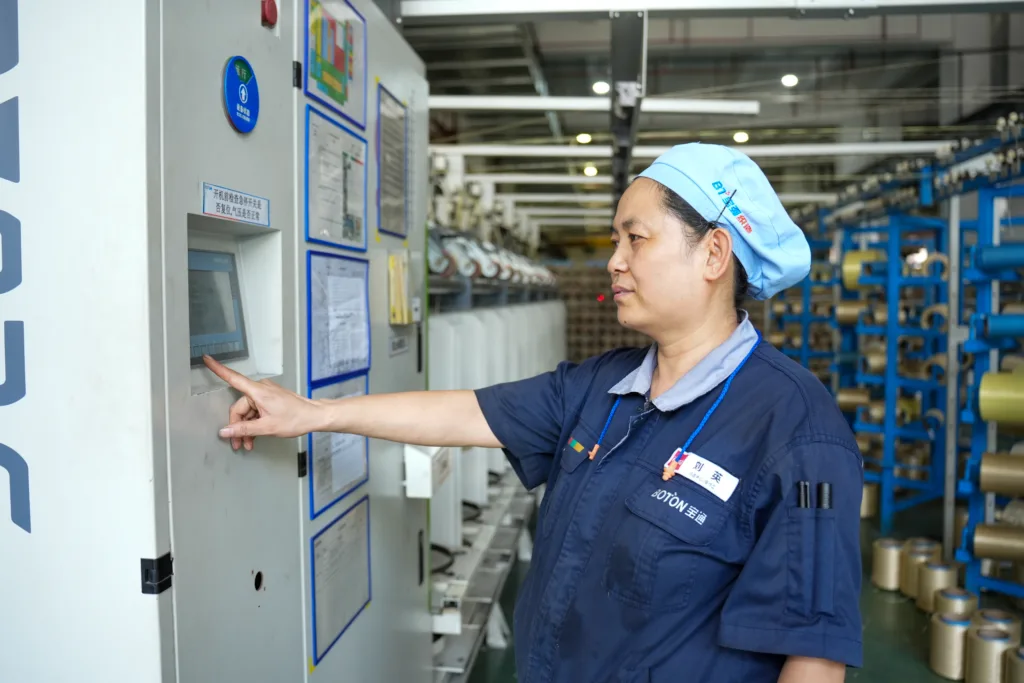
A manufacturer’s experience should be evaluated according to the complexity and relevance of its projects, not simply the number of customers or years in business.
A company that has supplied general-purpose conveyor belts may not necessarily have the manufacturing and engineering experience required for a long-distance, high-capacity mining conveyor.
When reviewing project references, consider:
- Industry and conveyed material.
- Conveyor length and operating speed.
- Belt strength and construction.
- Required conveying capacity.
- Environmental and operating conditions.
- Installation and splicing requirements.
- Actual operating performance, where documented.
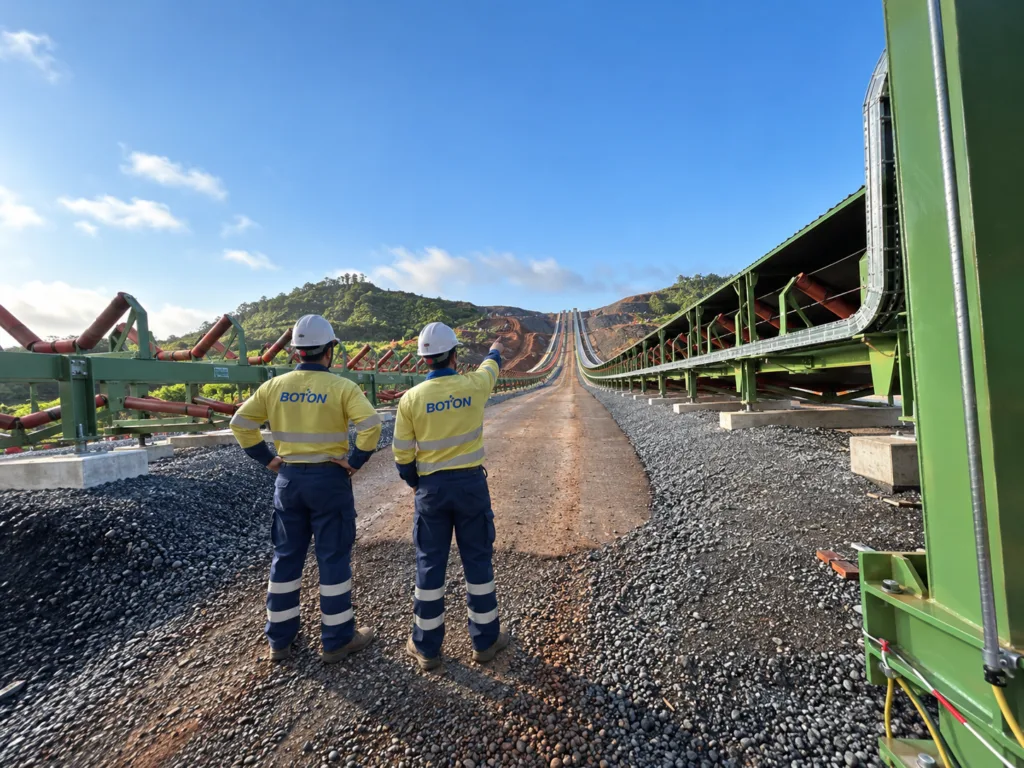
For example, BOTON has supplied steel cord conveyor belts for a long-distance coal conveying system in Indonesia involving more than 30 km of belt and operating speeds of up to 9.5 m/s.
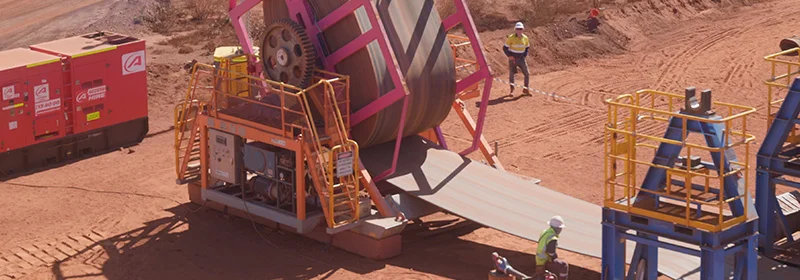
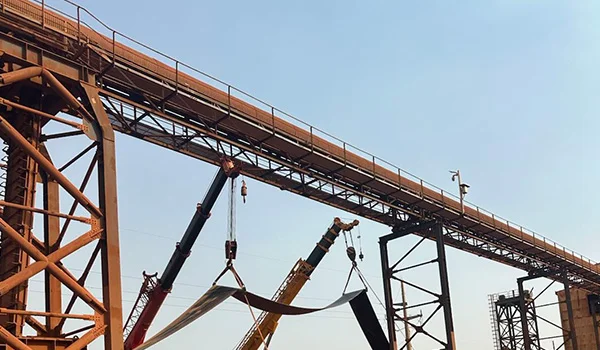
At Sunjiacha Longhua Coal Mine in China, BOTON supplied a 10,050 m single-line DPP2500 aramid conveyor belt operating at 4.2 m/s. The project also involved completing 27 finger splices within a 26-hour shutdown window.
These projects illustrate different aspects of manufacturing and project delivery: high-speed steel cord belt supply, specialized reinforcement construction, production coordination and on-site technical execution.
Explore BOTON Conveyor Belt Case Studies to review more applications across mining, ports, cement, power generation and metals.
What to verify: Comparable project references, product specifications, delivery scope, installation experience and documented performance results.
9. What Delivery, Installation and Field Support Can It Provide?
For large conveyor projects, manufacturing and delivery are only part of the procurement process.
Transportation, reel dimensions, installation planning and field splicing can all affect project schedules and operating costs.
Before placing an order, clarify:
- What production lead time can be offered?
- Can the manufacturer coordinate multiple belt specifications and delivery batches?
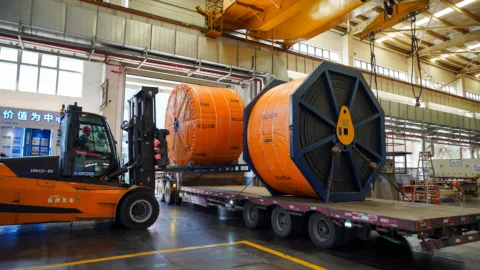
- Can reel dimensions and packaging be adapted to transportation restrictions?
- Is export and shipping documentation available?
- Can the manufacturer provide installation and splicing services?
- Is technical support available during commissioning?
- What emergency response and regional service resources are available?
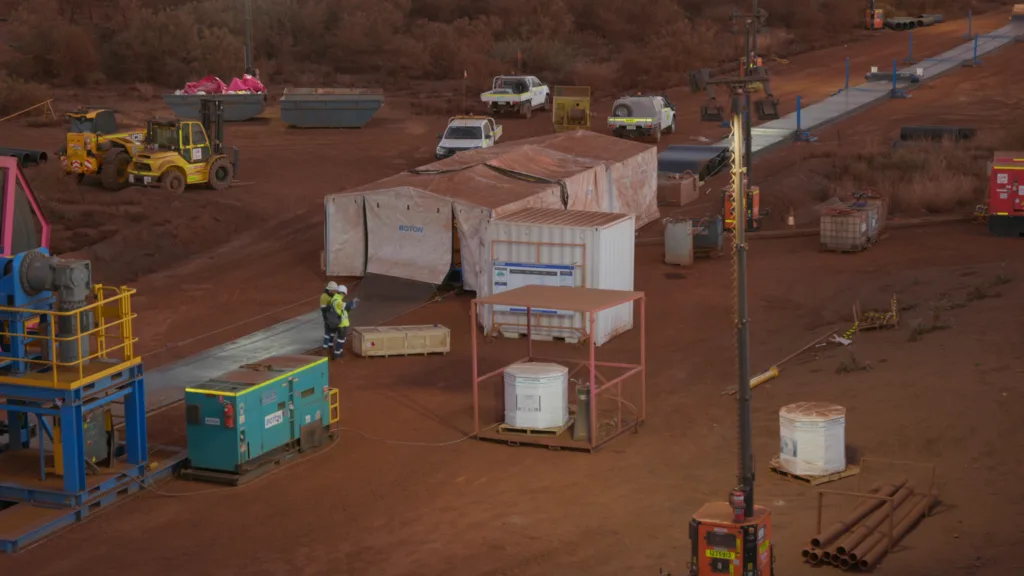
For overseas mining operations, local technical support can be particularly important. Long travel distances, limited maintenance windows and difficult site conditions can make emergency repairs more complicated.
BOTON operates manufacturing bases in China and Thailand, supported by an international technical service network covering key markets in Australia, Africa, South America and Southeast Asia.
Its service capabilities include belt installation, hot and cold splicing, inspection, repair, engineering support and emergency response.
Explore BOTON Conveyor Services.
What to verify: Production and delivery planning, installation arrangements, field service coverage, local technical resources and emergency support procedures.
10. Can It Support the Conveyor Belt Throughout Its Service Life?
The final question is perhaps the most important for mining and other continuous-duty industrial operations.
A conveyor belt may operate for years after installation. During that time, its condition, splice integrity, wear patterns and operating environment can change.
A manufacturer that only supplies the initial product may have limited involvement in managing these long-term risks.
For critical conveying systems, buyers should consider whether the manufacturer can also provide:
- Routine belt inspections and condition assessments.
- Splice inspection and maintenance.
- Wear and damage monitoring.
- Longitudinal rip detection and belt tracking systems.
- Predictive maintenance support.
- Planned replacement and shutdown coordination.
- Spare belt and replacement component planning.
- Lifecycle cost analysis and performance improvement.
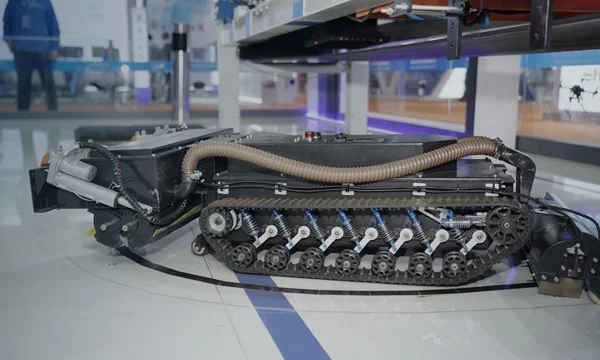
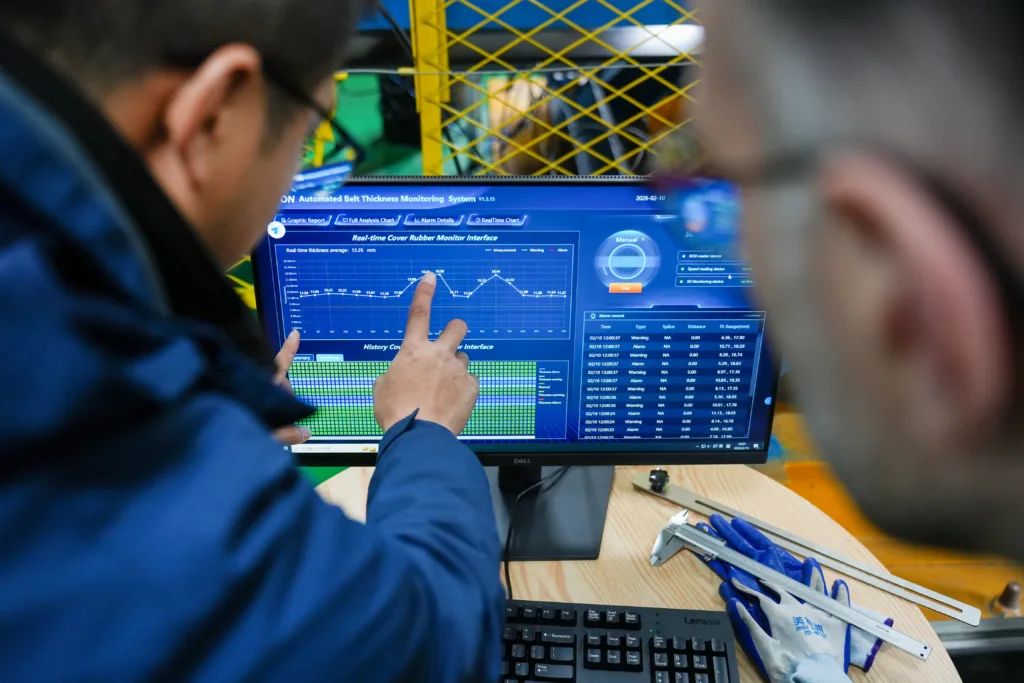
Intelligent monitoring can provide additional visibility into belt condition and help maintenance teams identify potential problems before they develop into major interruptions.
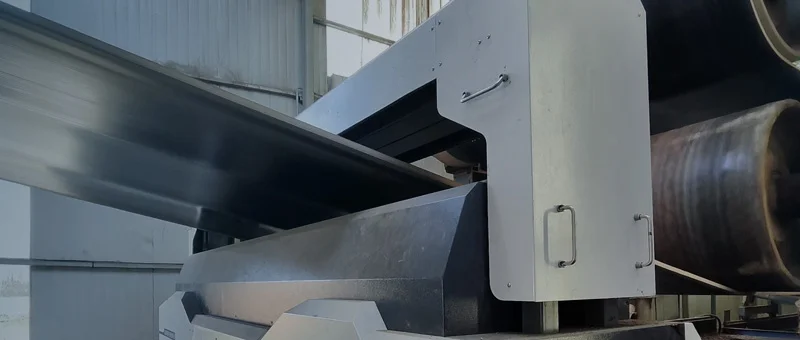
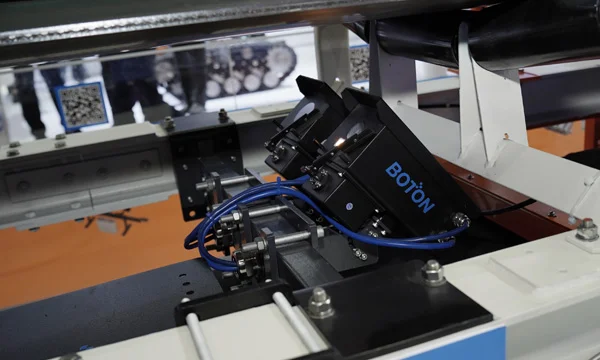
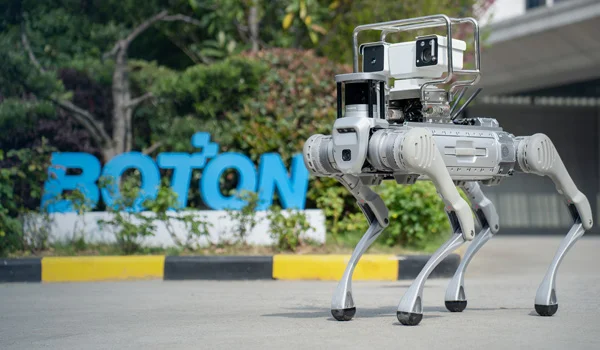
For example, BOTON’s intelligent conveying portfolio includes X-ray inspection, longitudinal rip detection, belt tracking, splice monitoring and belt wear monitoring technologies.
Its SERV lifecycle service model extends beyond individual belt supply and installation to long-term intelligent operations support and maintenance.
At the Simandou iron ore project in Guinea, BOTON’s cooperation with SimFer has expanded from conveyor belt supply and on-site installation to long-term intelligent operations support and lifecycle services.
The wider Simandou project is designed to support iron ore exports of up to 120 million tonnes per year from the SimFer and WCS mining concessions. SimFer’s Blocks 3 and 4 mine has a planned annual capacity of 60 million tonnes.
This reflects an increasingly important procurement consideration: selecting a conveyor belt manufacturer that can contribute to the reliability and performance of the complete conveying system, not just deliver a product.
Learn more about BOTON’s Conveyor Lifecycle Services and the SimFer–BOTON Long-Term Services Agreement.
A Practical Checklist for Evaluating Conveyor Belt Manufacturers
Before making your final decision, use the following checklist to compare potential manufacturers.
| Evaluation area | What you should confirm |
|---|---|
| Manufacturing capability | Actual production locations and process control |
| Product portfolio | Relevant belt constructions and specifications |
| Engineering support | Application assessment and product selection |
| Quality management | Raw material and manufacturing controls |
| Product testing | Relevant test reports and acceptance criteria |
| Traceability | Batch identification and production records |
| Project experience | Comparable industrial applications |
| Delivery capability | Production schedules, packaging and logistics |
| Field services | Installation, splicing and emergency support |
| Lifecycle support | Inspection, monitoring and maintenance |
A manufacturer’s suitability should be assessed against your project’s technical and operational requirements. No single factor, including company size, product range or quoted price, should determine the final decision.
Frequently Asked Questions
What is the difference between a conveyor belt manufacturer and a supplier?
A conveyor belt manufacturer directly operates or manages the production of conveyor belts and takes responsibility for manufacturing quality. A supplier may manufacture belts itself, distribute products made by other companies, or coordinate supply from multiple manufacturers.
Some companies perform both roles. Buyers should verify where production takes place, which processes are handled in-house, and who is responsible for product quality and warranty claims.
What should I look for in a reliable conveyor belt manufacturer?
Look for proven manufacturing capability, relevant product experience, consistent quality control, appropriate testing facilities, traceability, engineering support and reliable after-sales services.
For mining and other critical applications, experience with comparable conveyor systems is particularly valuable.
How can I compare different conveyor belt manufacturers?
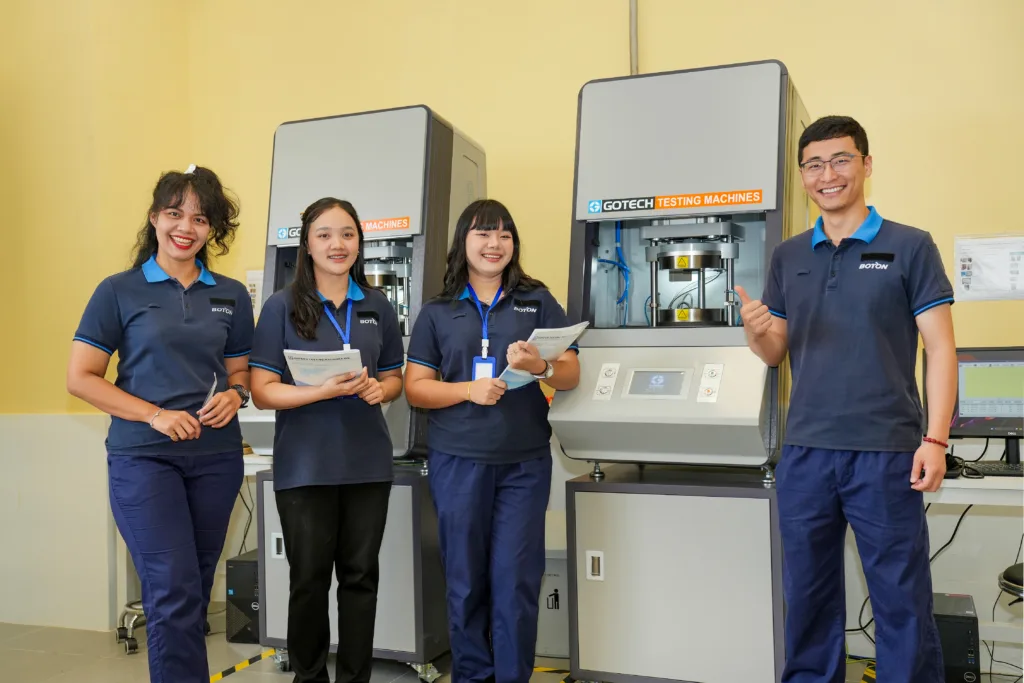
Start with an identical technical specification and request quotations based on the same product construction, strength rating, cover requirements, applicable standards and delivery conditions.
Then compare testing documentation, production capability, relevant project references and the scope of technical support. Avoid comparing prices per metre without confirming that the products and service responsibilities are equivalent.
Should I choose a local conveyor belt supplier or an international manufacturer?
The decision depends on your application, project scale, delivery requirements and maintenance arrangements.
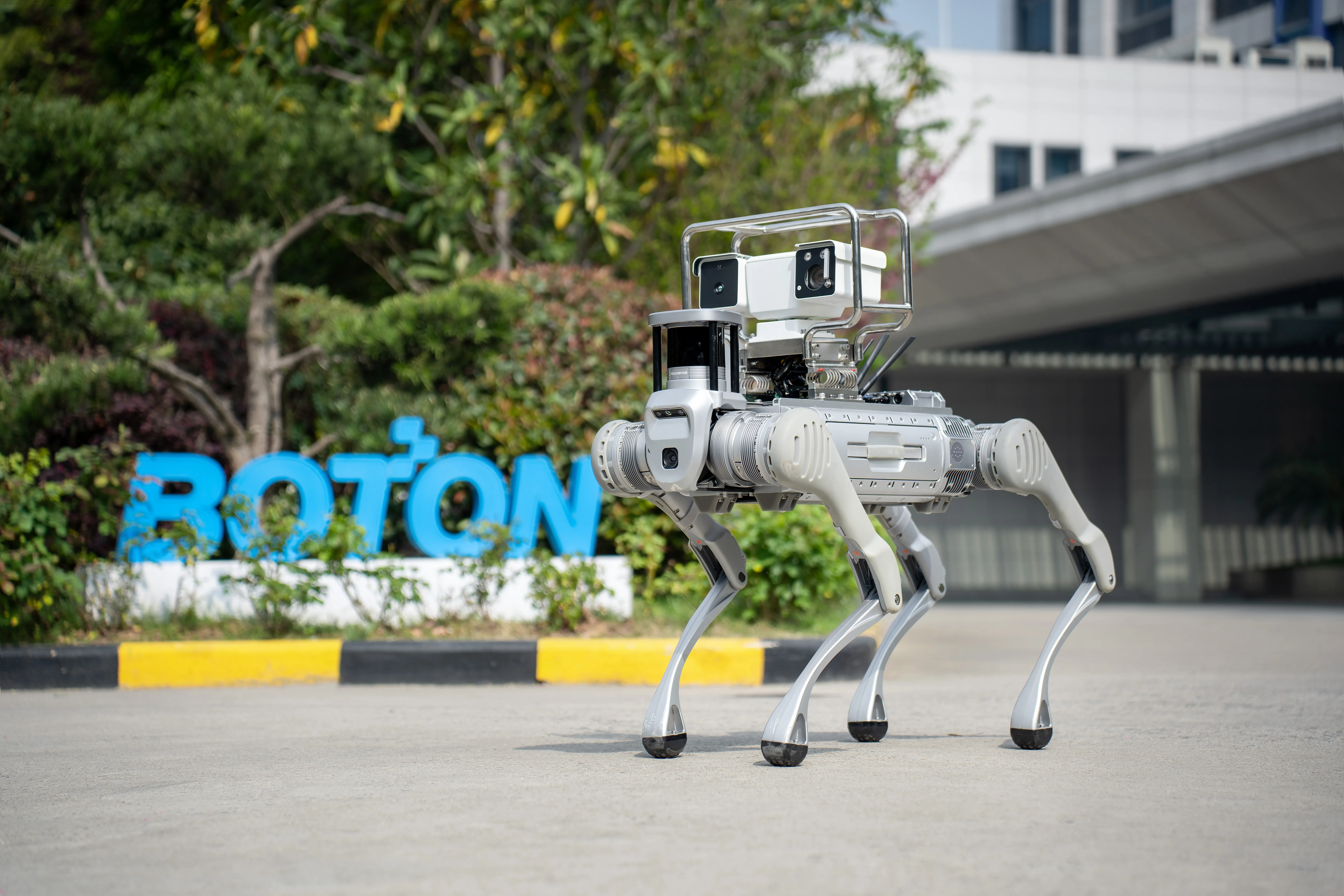
A local supplier may offer advantages in inventory and response time, while an international manufacturer may provide broader manufacturing capabilities, specialized products and engineering resources.
For critical operations, the most important consideration is whether the supply and service arrangement can support the conveyor system throughout its operating life.
What information should I prepare before contacting a conveyor belt manufacturer?
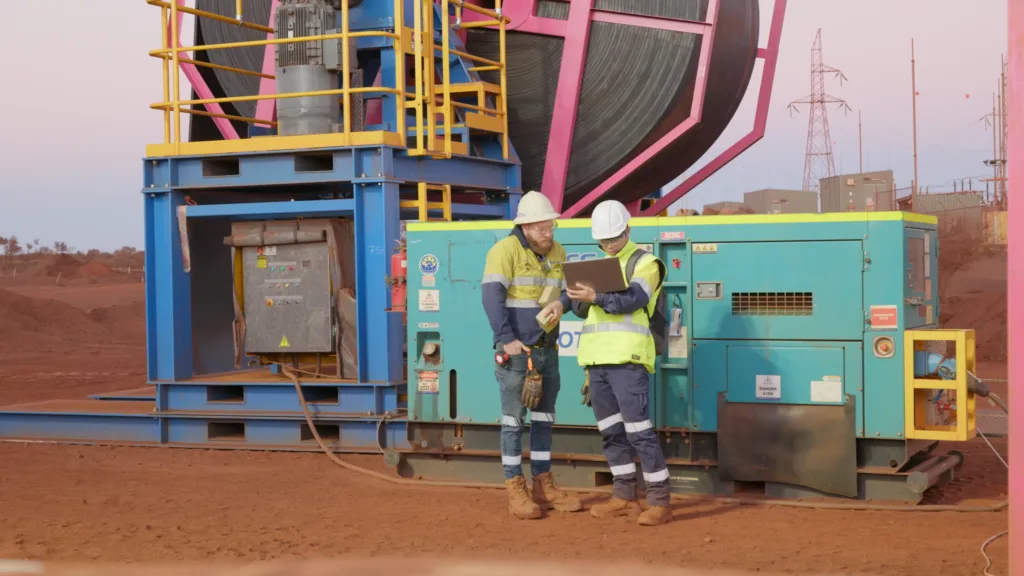
Prepare the existing belt specification, belt width and length, required tensile strength, cover thickness, conveyed material, operating temperature, belt speed, conveyor capacity and installation location.
If possible, also provide conveyor drawings, photographs, existing belt performance records and any special technical requirements.
For a more detailed preparation guide, read our Conveyor Belt RFQ Checklist.
Looking for a Conveyor Belt Manufacturer for Your Next Project?
Selecting the right conveyor belt manufacturer means looking beyond the initial quotation.
Manufacturing capability, engineering expertise, quality assurance and long-term service support all contribute to the reliability and operating cost of a conveyor system.
BOTON combines conveyor belt manufacturing, intelligent conveying technologies and lifecycle services to support demanding bulk material handling operations worldwide.
From fabric and steel cord belts to specialized aramid and pipe conveyor solutions, BOTON works with mining, cement, power, port and metallurgical customers to develop solutions based on their actual operating requirements.
Have a new project or an existing conveyor belt to replace?
Contact BOTON to discuss your application, technical specifications and project requirements. You can also submit your existing RFQ, drawings or product specifications for technical review.