



By Keymon Huang
Senior Strategic Brand Manager, BOTON
August 2026 · 7 min read
This article draws on interviews with BOTON field specialists in China, Guinea and Australia, together with project experience from conveyor maintenance, monitoring and major belt-replacement sites.
Unplanned conveyor downtime rarely starts with a belt simply reaching the end of its service life.
More often, the cause is elsewhere in the system: a loading point that keeps pushing the belt off-centre, a splice process that is not being controlled consistently, internal steel cord damage that cannot be seen from the surface, or a belt replacement that takes longer than necessary because the work was not fully planned before shutdown.
Across mining operations supported by BOTON, these are some of the areas that have made the biggest difference to conveyor availability.
Conveyor Belt Mistracking: Start with the Cause
When a belt runs to one side, adjusting or installing a tracking device is often the first response. In some cases, that is enough. In others, the belt is simply reacting to a problem elsewhere.
Loading position, pulley and idler alignment, transition geometry, belt tension, take-up behaviour, material build-up and belt troughability can all affect tracking.
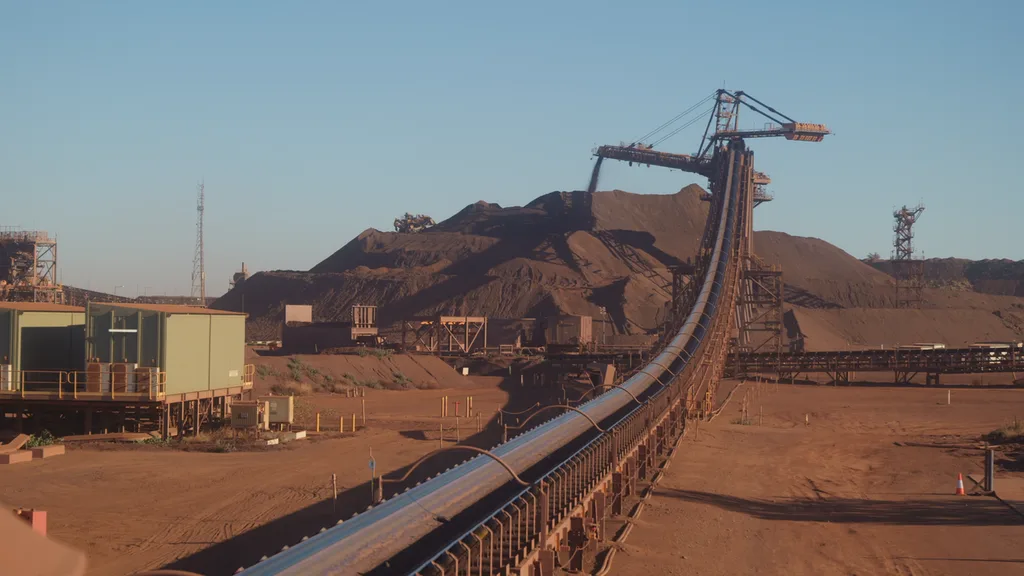
At a large iron ore port in Australia, uneven material distribution at the loading point was contributing to repeated belt deviation.
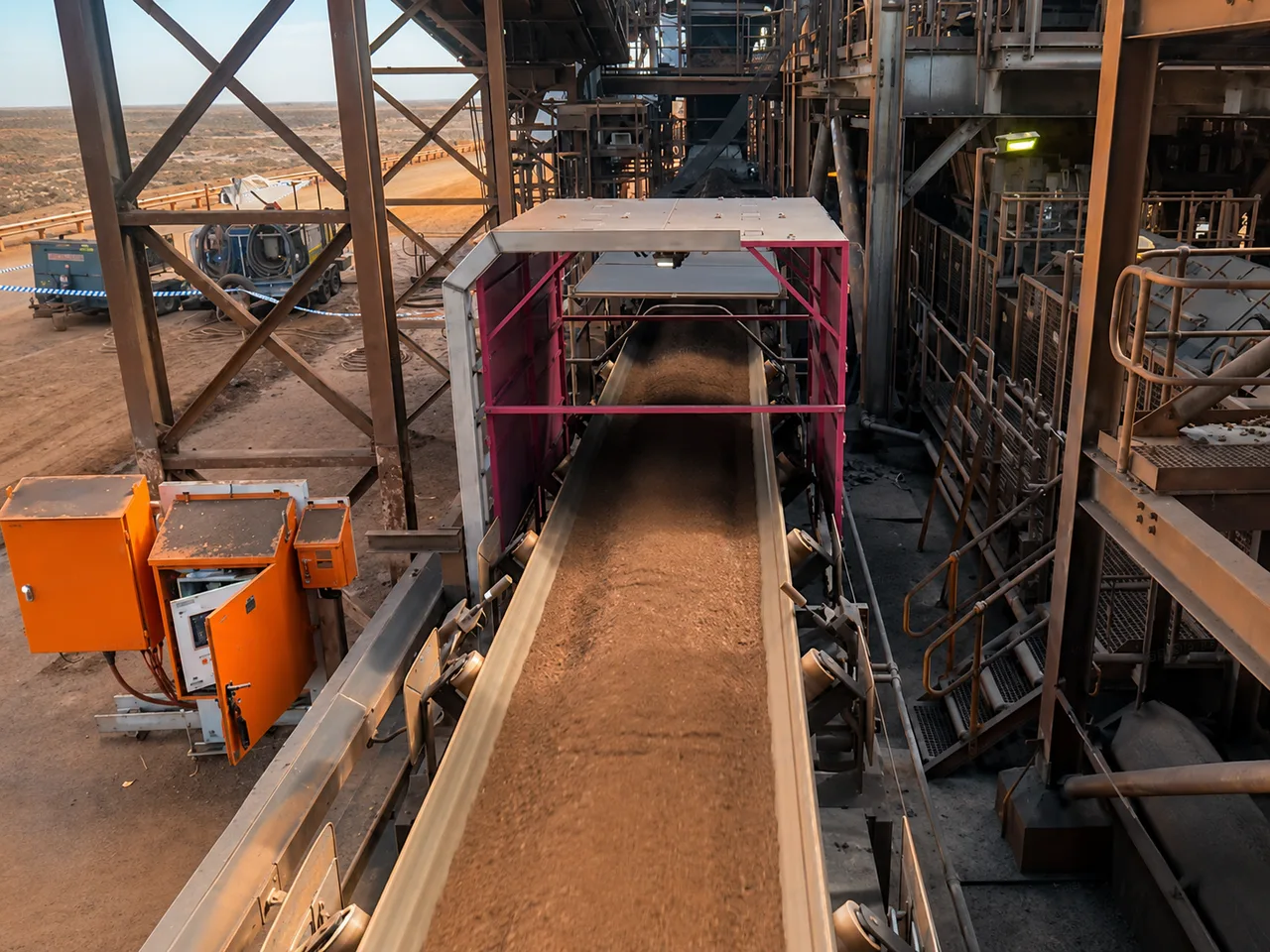
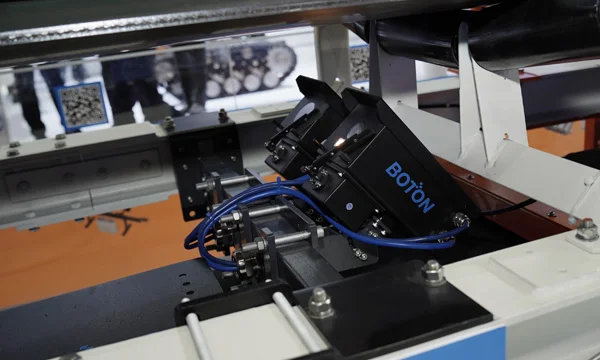
BOTON introduced its Conveyor Belt 3D Vision Dynamic Material Centering System to monitor both belt position and material distribution. The information is then used to support adjustment of the loading condition, helping address the source of mistracking rather than relying only on downstream mechanical correction.
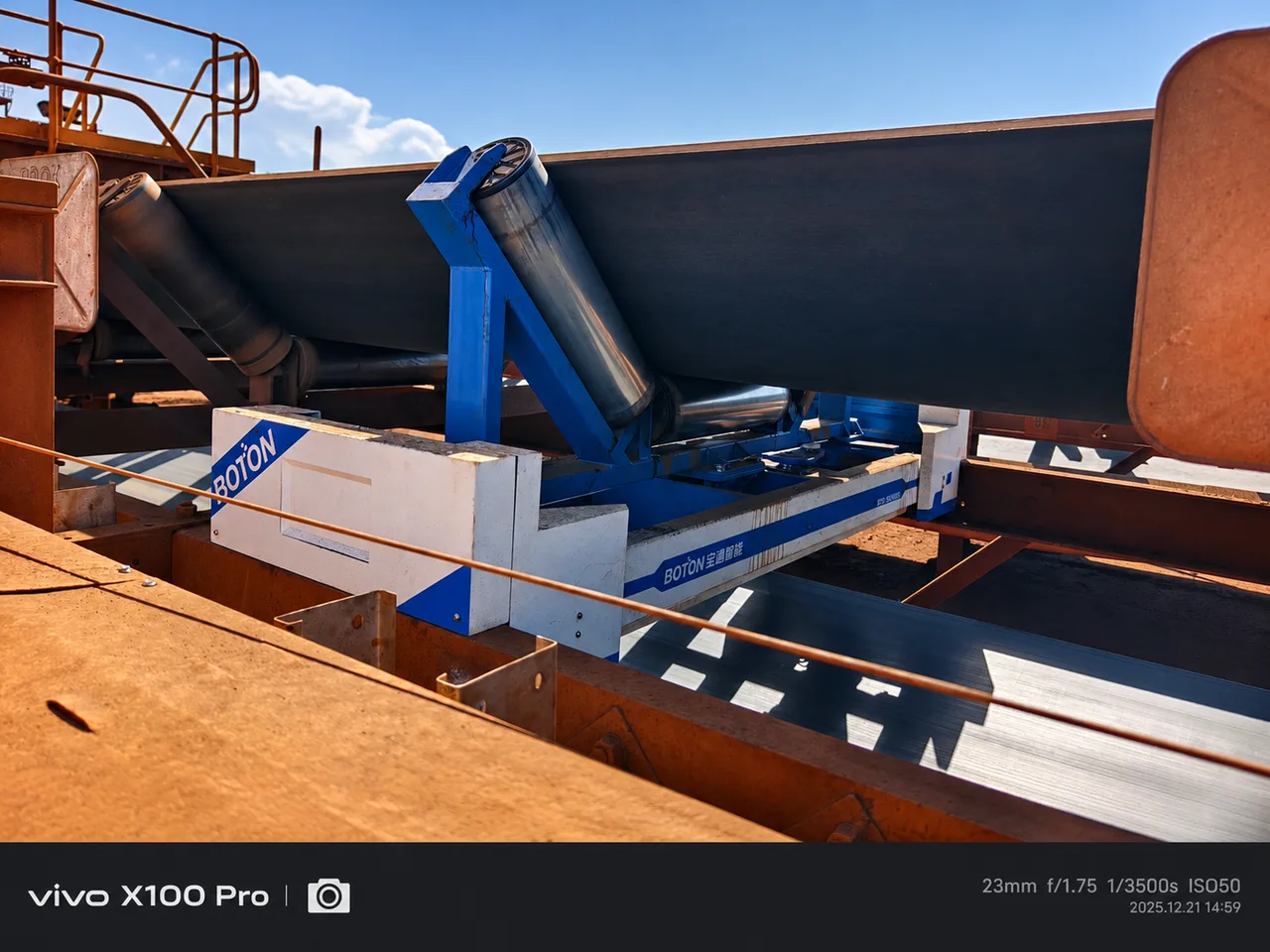
In the same application, BOTON’s AUTOTRACK™ intelligent conveyor belt tracking system is used to correct belt position during operation. Working together, the 3D monitoring system identifies off-centre loading conditions, while AUTOTRACK™ provides tracking correction where required.
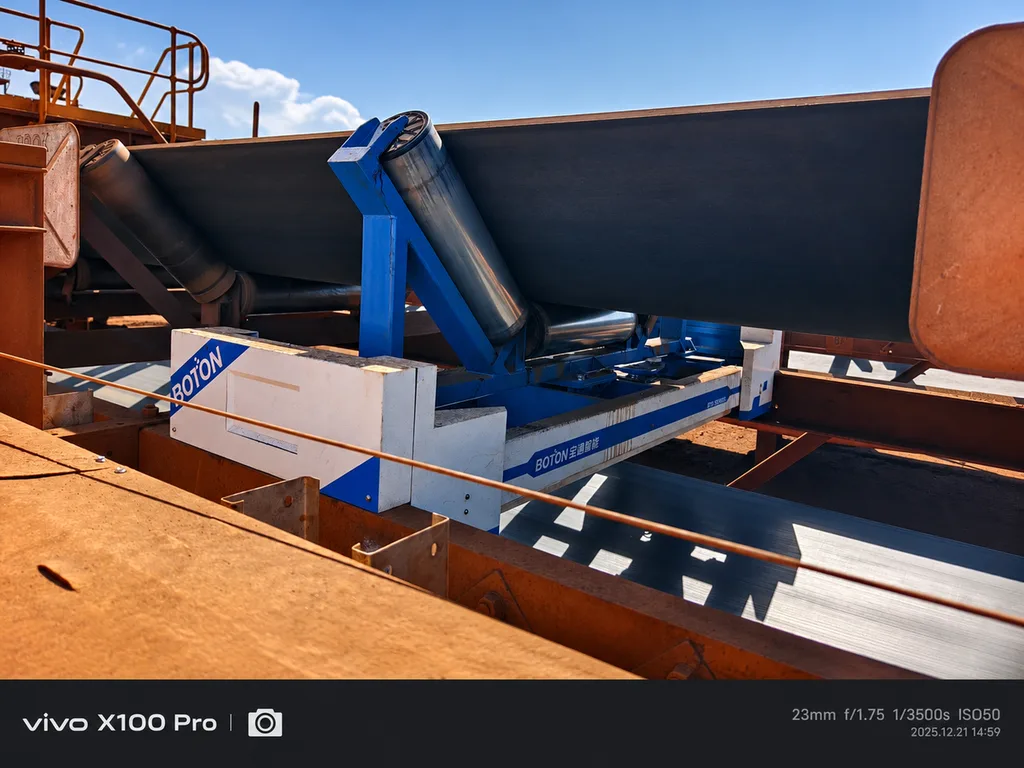
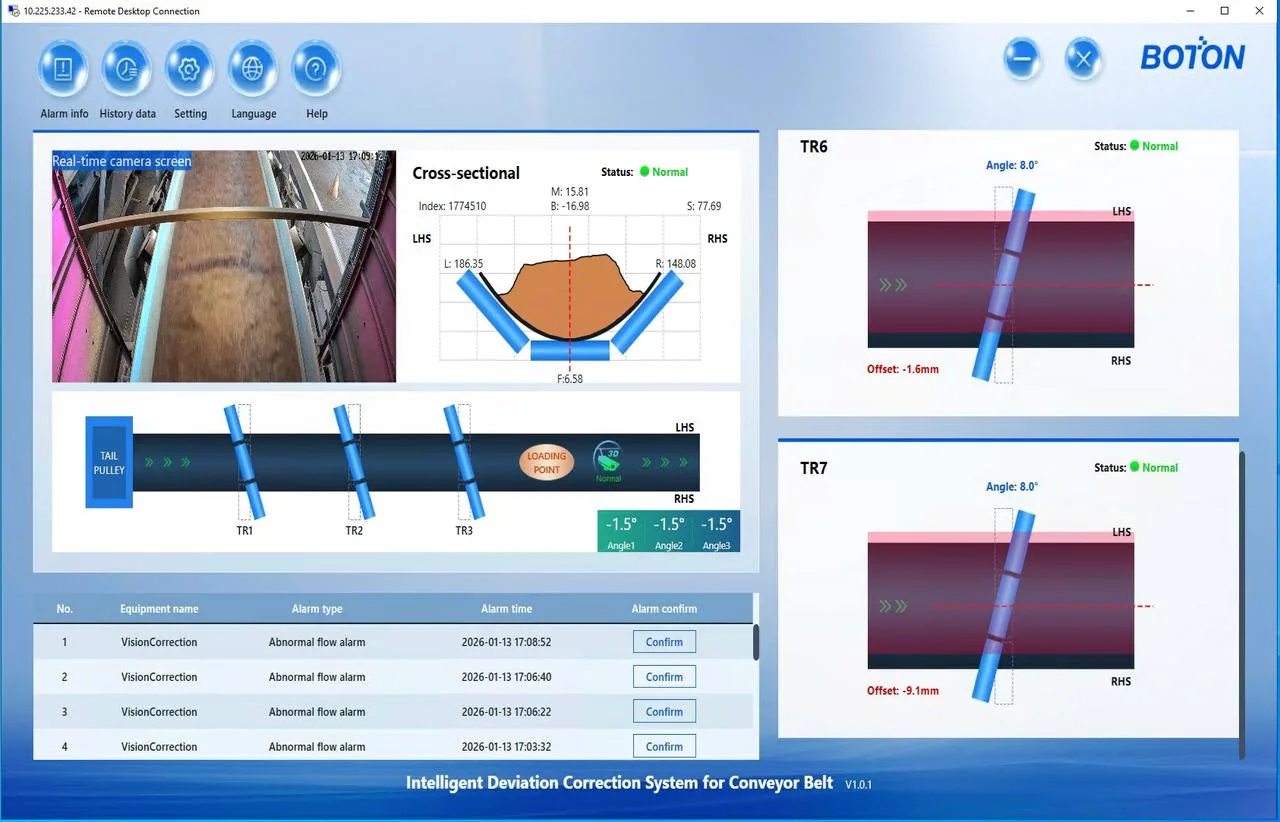
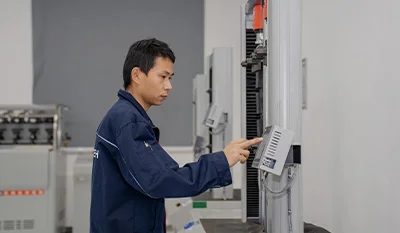
BOTON field specialist Sun Ting describes the approach simply:
“Find the cause first. Then decide what to fix.”
The same applies when a newly installed belt is not running as expected. Before changing the belt or adding more tracking equipment, the conveyor geometry, loading conditions and belt construction all need to be checked.
Prevent Recurring Splice and Transfer-Point Damage
Repeated repairs usually point to a repeated cause.
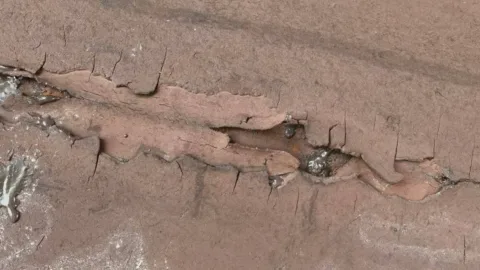
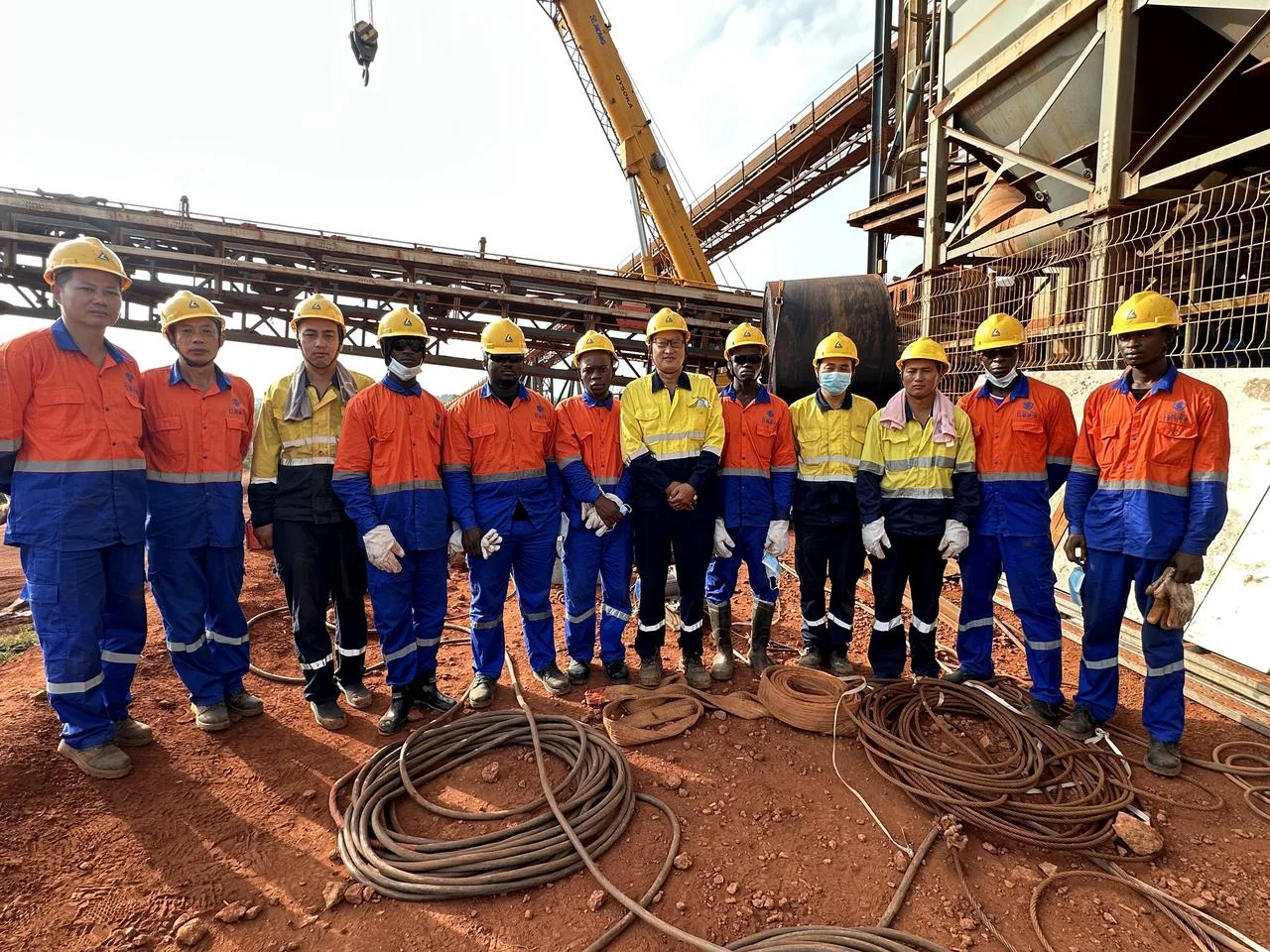
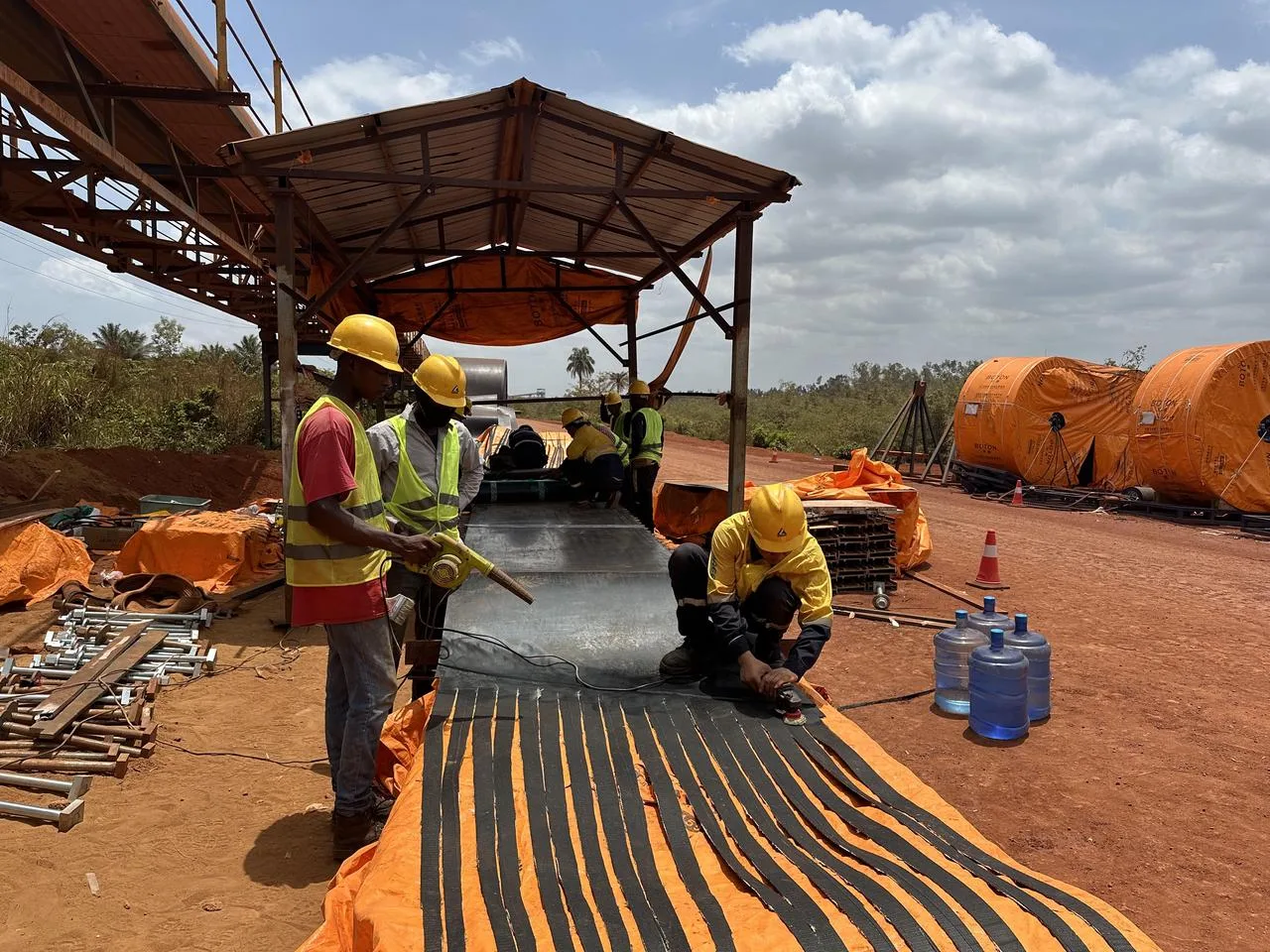
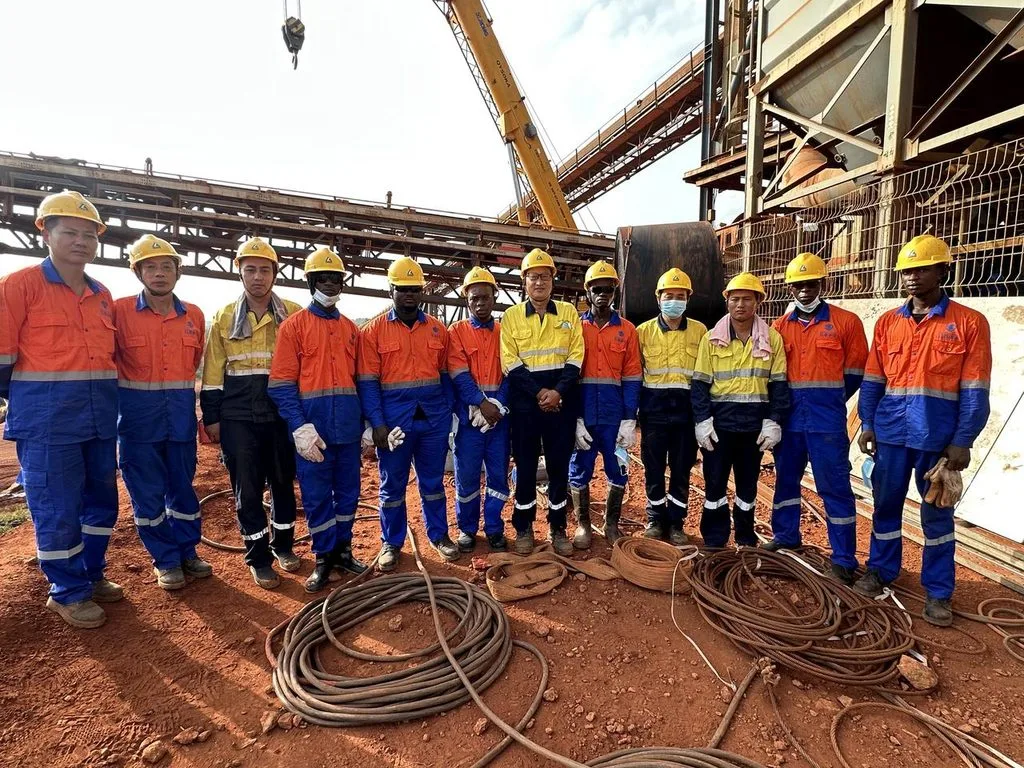
At a bauxite operation in Boffa, Guinea, recurring cracking had been observed in a number of splices completed by the previous service team before BOTON’s involvement. When BOTON’s field-service team began supporting the site in 2024, improving splice reliability became one of the immediate priorities.
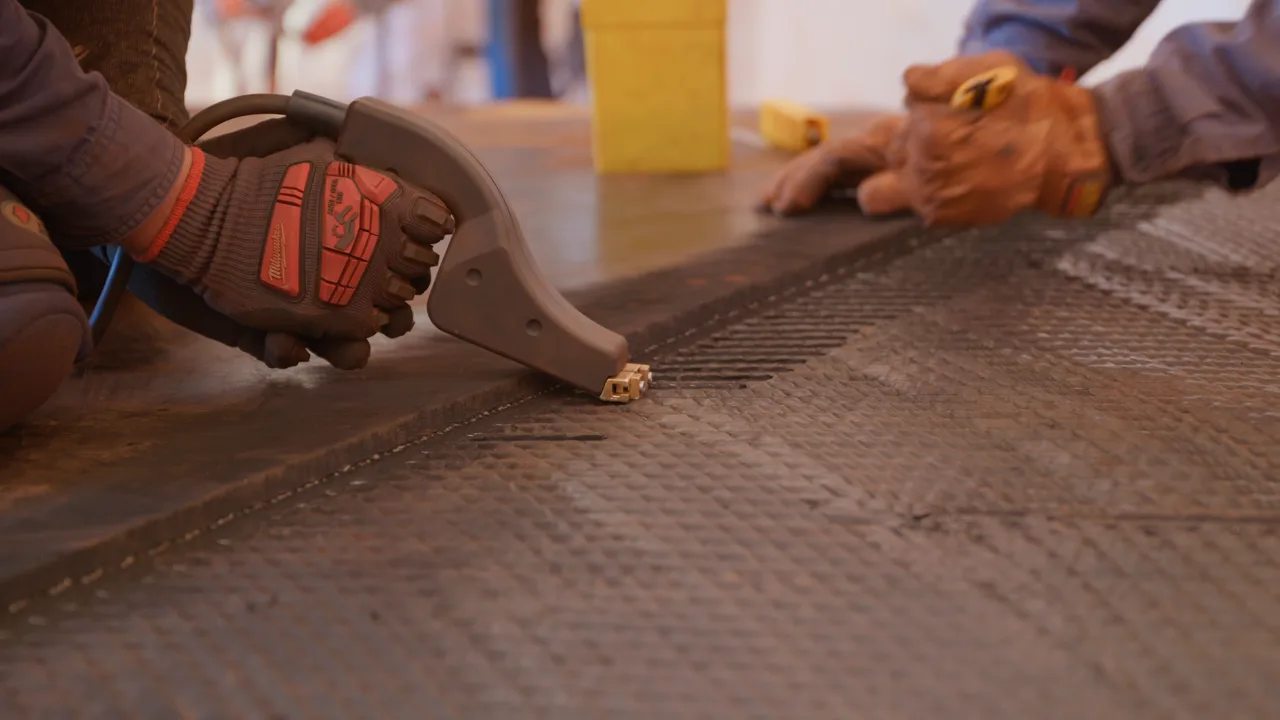
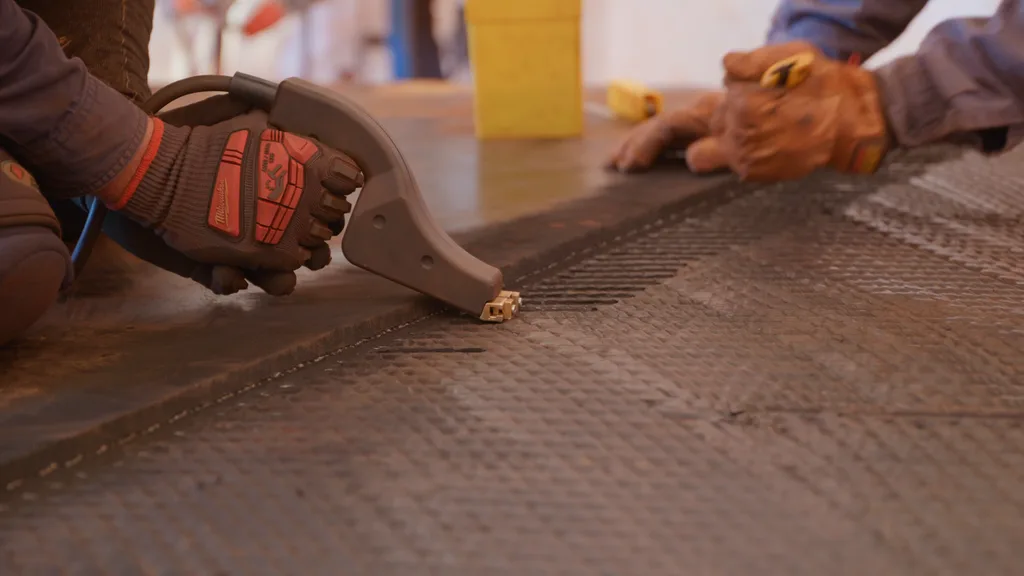
Rather than continuing to repair individual failures, the team reviewed the complete splicing process, including material condition, preparation, alignment, vulcanising parameters, equipment and workmanship.
Splice performance improved progressively over the following months. According to the project team, no subsequent failures attributed to splice quality were recorded during the following two years.
The improvement came from making the process more consistent, rather than simply repairing individual failures.
Transfer points can create a similar pattern.
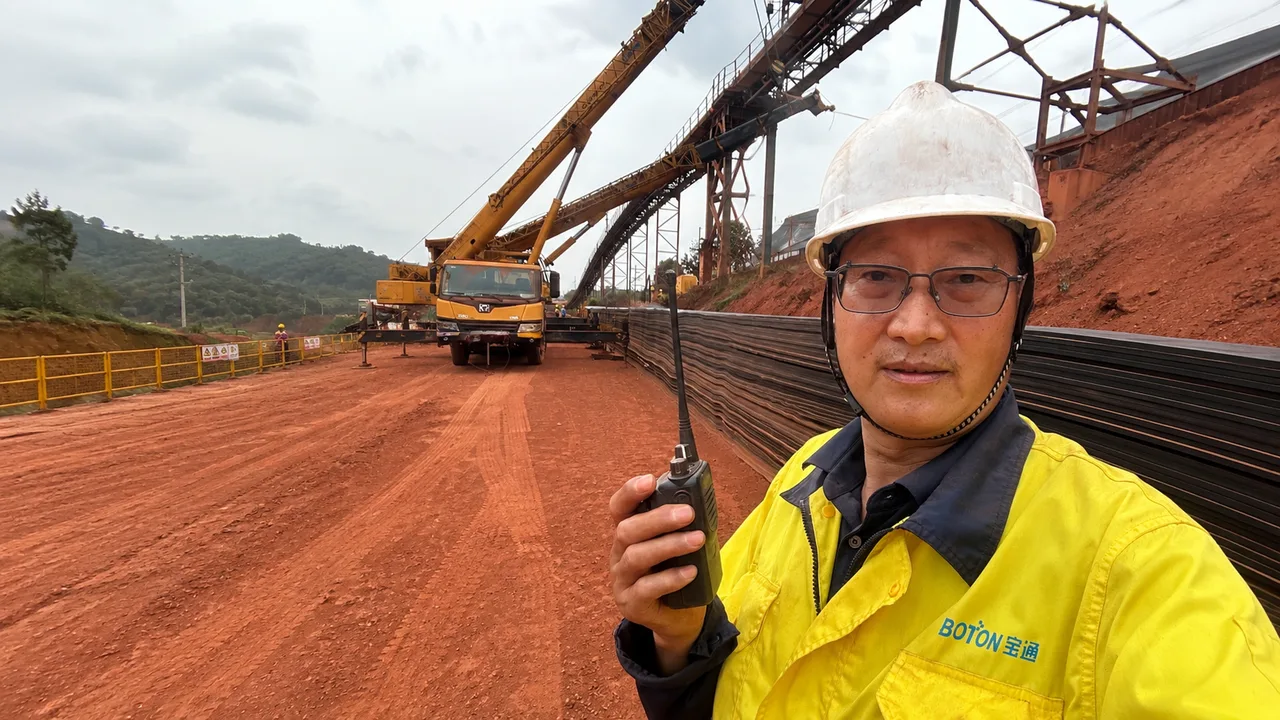
At the Simandou iron ore project in Guinea, wet-season material becomes more adhesive and changes the way ore moves through the conveyor system. Build-up, spillage, slipping and mistracking cannot be addressed by cleaning alone.
The field team has continued to adjust discharge conditions, cleaners, impact beds, tracking equipment, chutes and supporting structures as operating experience has developed.
Where damage keeps returning, the belt itself is not always the place to start looking.
Use Conveyor Belt Monitoring for Hidden Damage
Long conveyor systems are difficult to inspect, and some of the most important defects are internal.
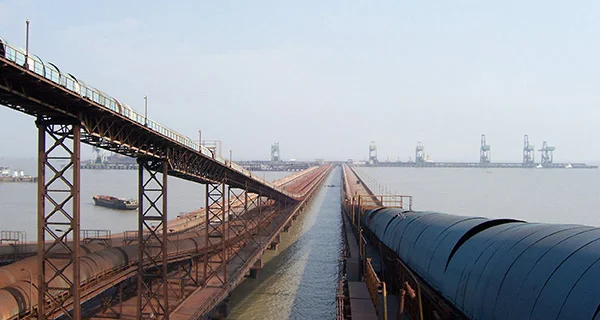
At a large aggregate operation in China, a 26 km conveyor system uses a 2,400 mm-wide ST3150 steel cord belt.
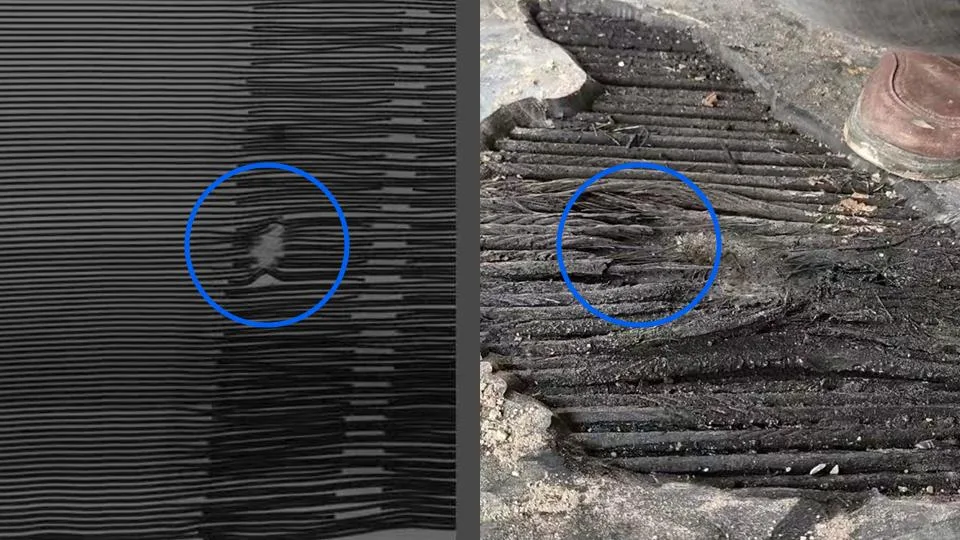
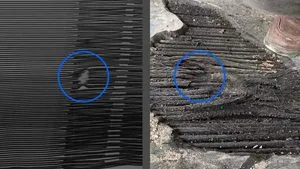
Inspecting the full system manually takes considerable time, while visual inspection cannot show broken or abnormal steel cords inside the belt.
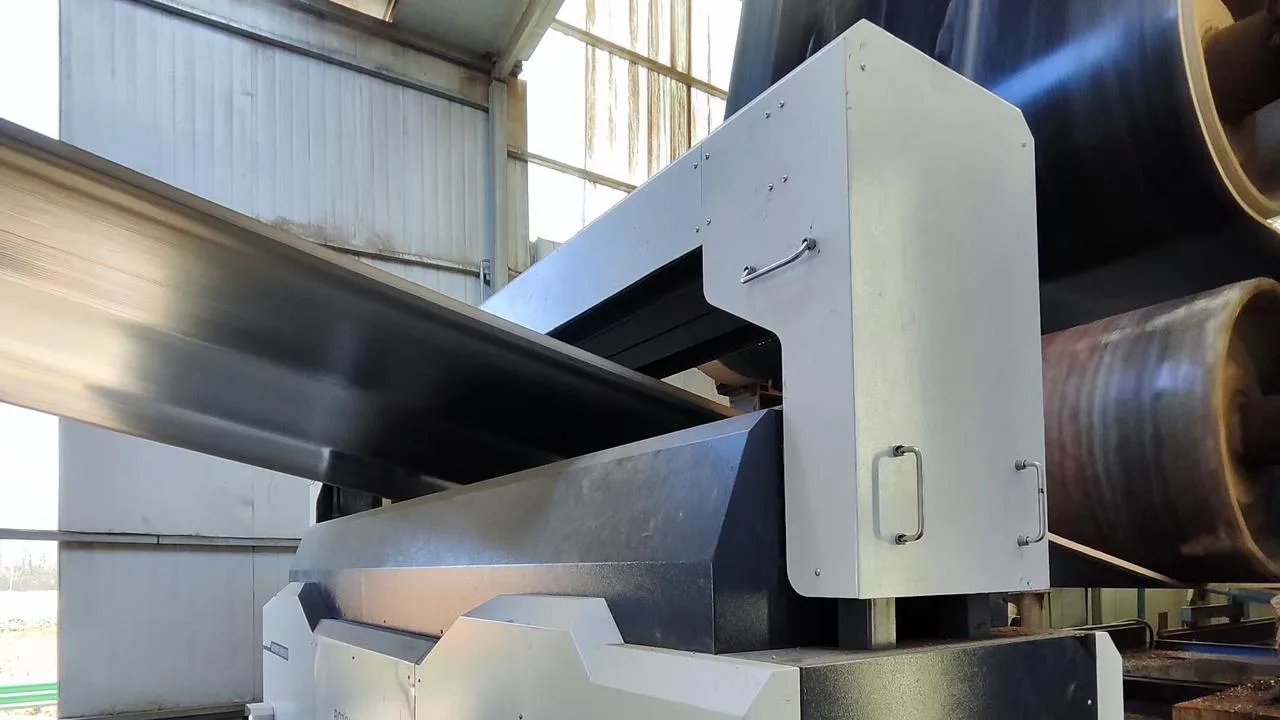
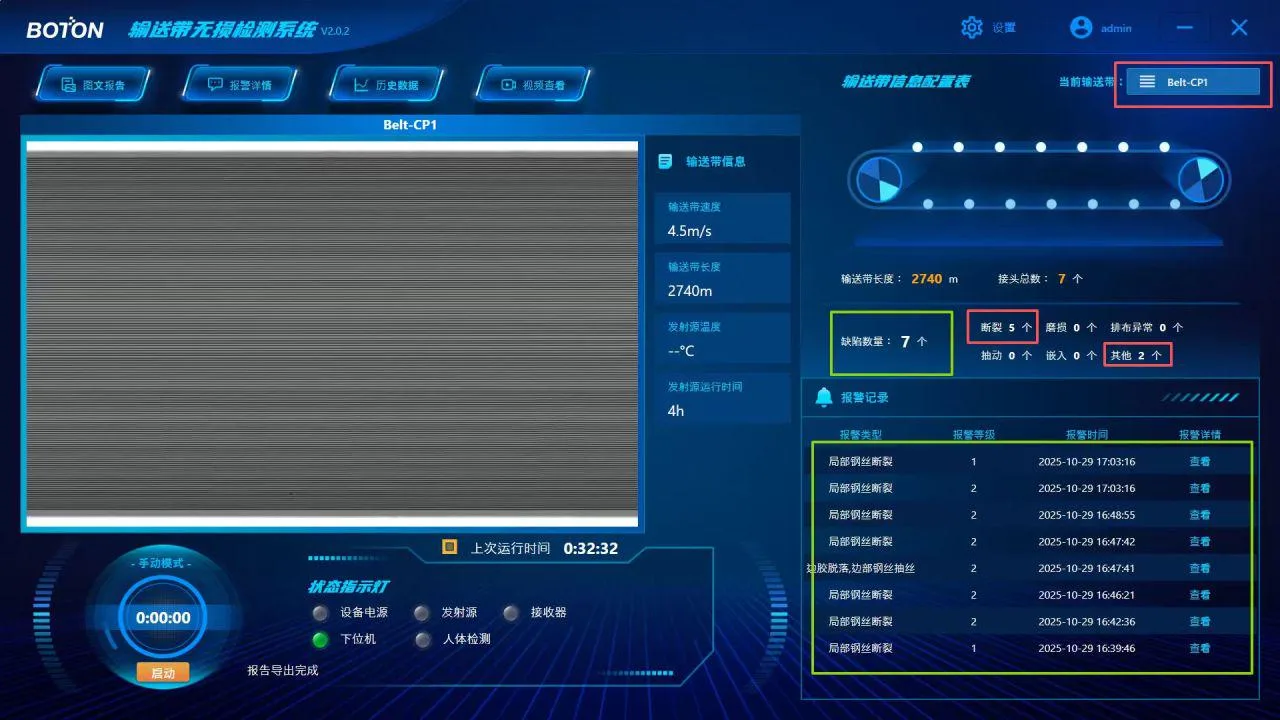
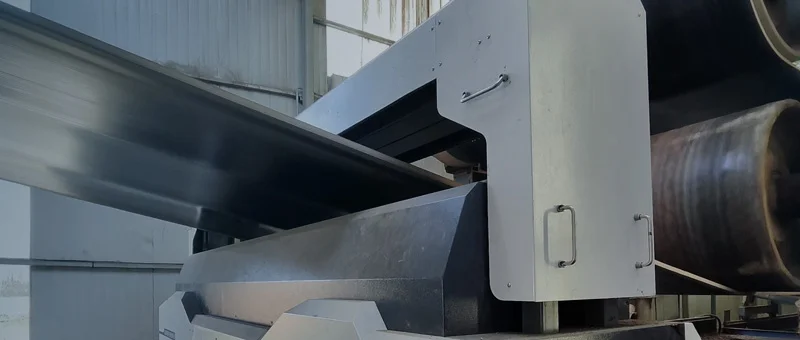
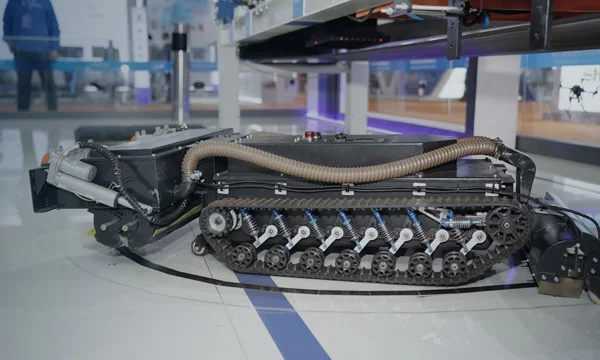
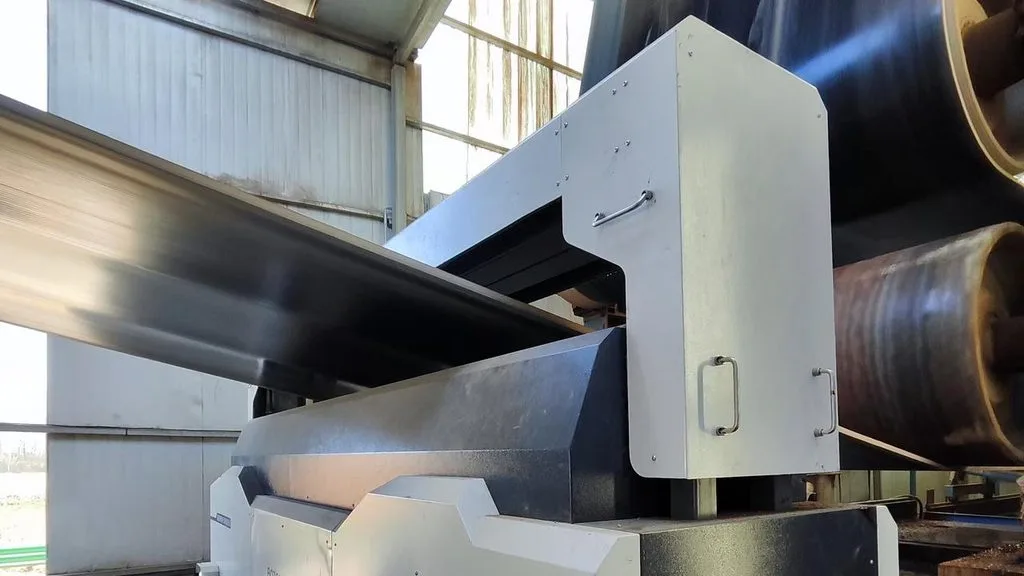
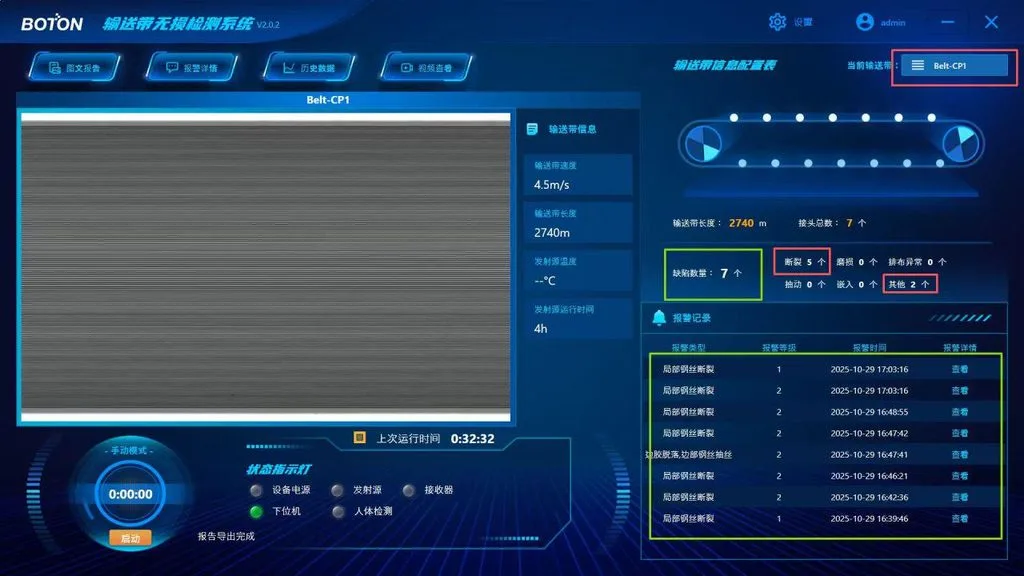
BOTON’s AUTOSCAN™ steel cord conveyor belt monitoring system uses nondestructive X-ray inspection to examine steel cord and splice condition while the conveyor is running. Stored inspection images can also be compared with later scans to identify changes in condition.
Different failure modes require different monitoring methods.
X-ray inspection is suited to internal steel cord and splice condition. Longitudinal ripping requires much faster detection. Cover wear is better followed through thickness and wear trends, while belt-position monitoring is used for tracking.
BOTON’s VISION ADVANCED™ longitudinal rip detection system combines infrared thermal imaging with visible-light imaging. Current system specifications state recognition accuracy of at least 99.5% and a response time within 0.1 seconds.
Monitoring, however, is only useful if the site knows how to respond to what it finds.
Maintenance teams still need agreed criteria for continued operation, closer inspection, planned repair or immediate intervention. Without those thresholds, an alarm may identify a problem without improving the maintenance decision.
Plan Belt Changeouts Before the Shutdown Window
Some conveyor downtime is unavoidable. A belt that has reached the end of its wear life still has to be replaced.
The duration of that shutdown can be influenced well before the conveyor stops.
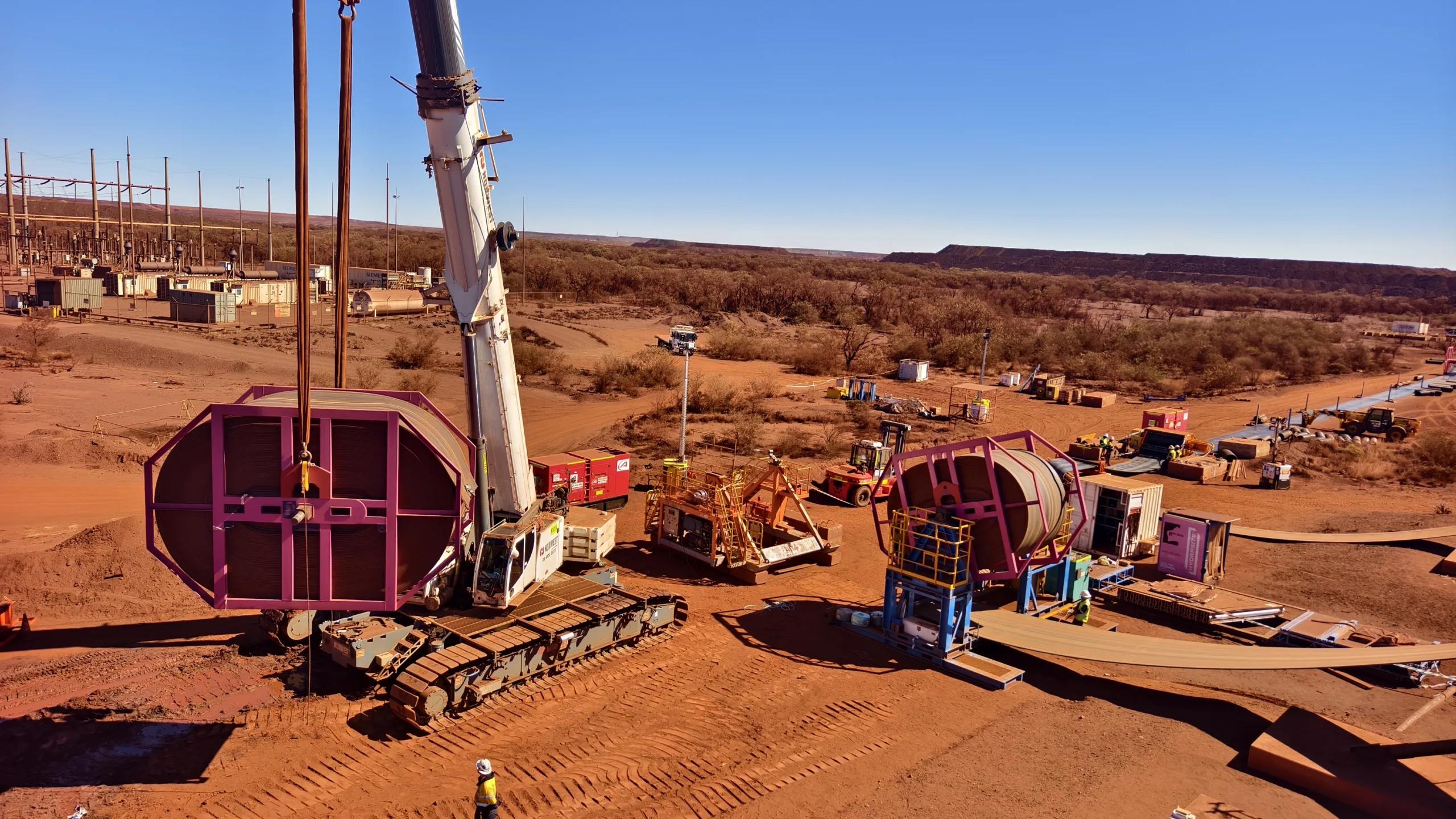
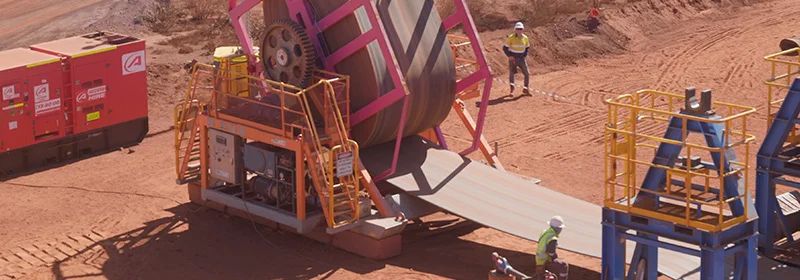
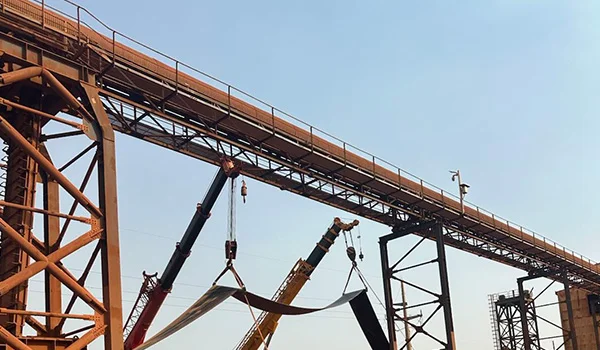
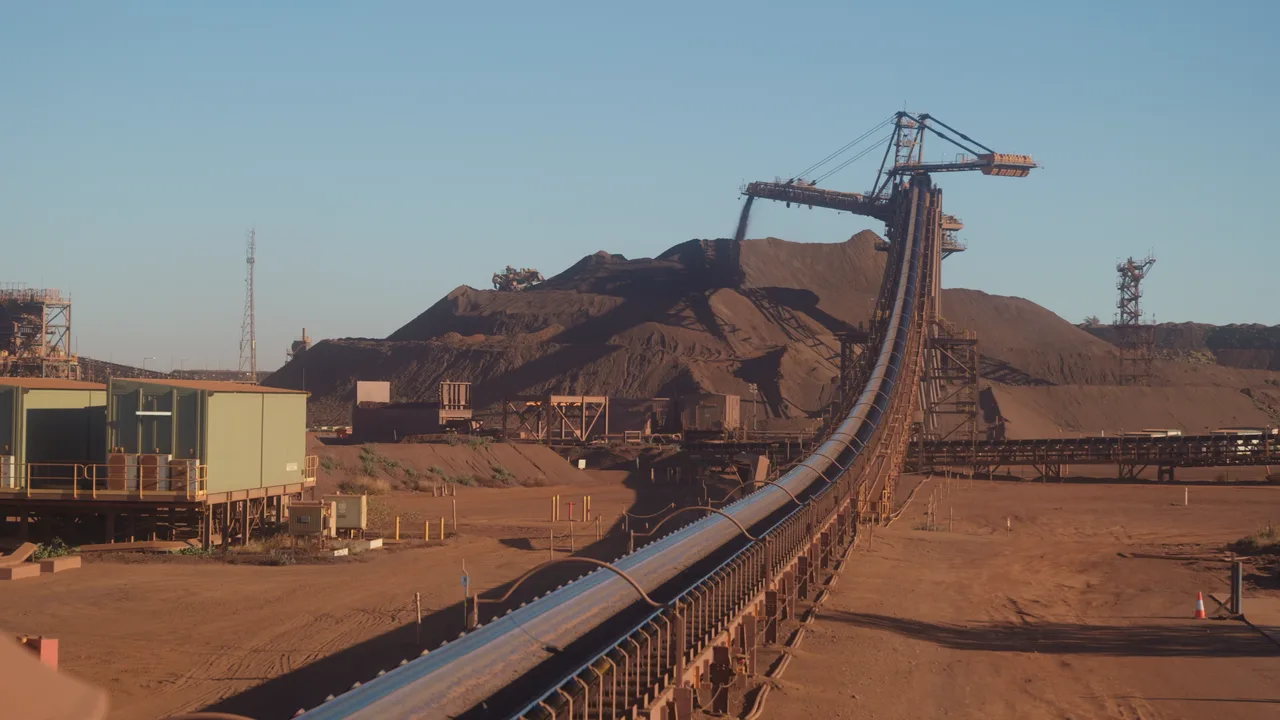
In 2025, BOTON completed a belt replacement on an 8.8 km overland conveyor at a large iron ore operation in Western Australia.
The conveyor has 17.6 km of total belt length and uses a 2,200 mm-wide ST4000 belt, with a design speed of 5.1 m/s and a design capacity of 14,382 t/h.
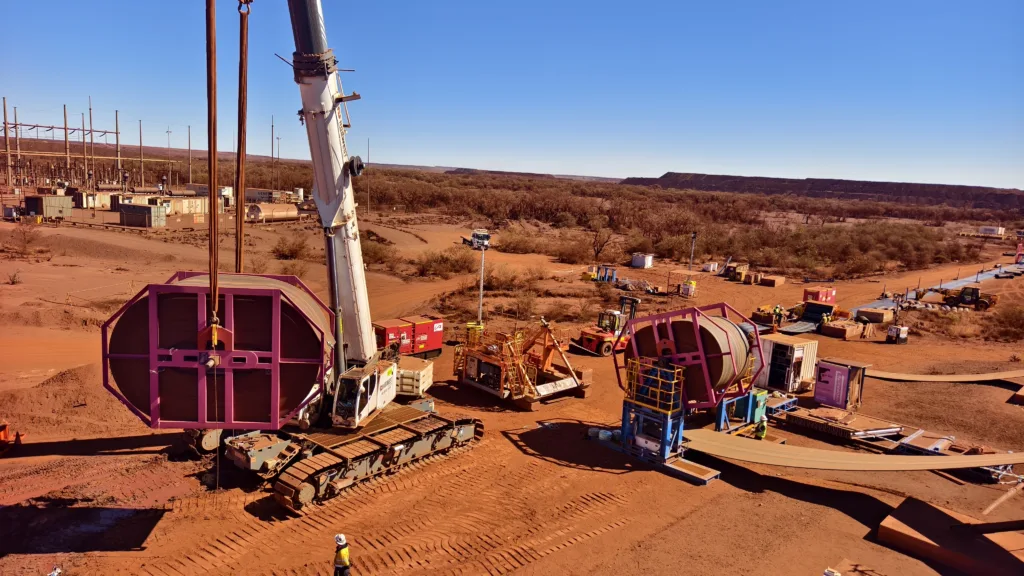
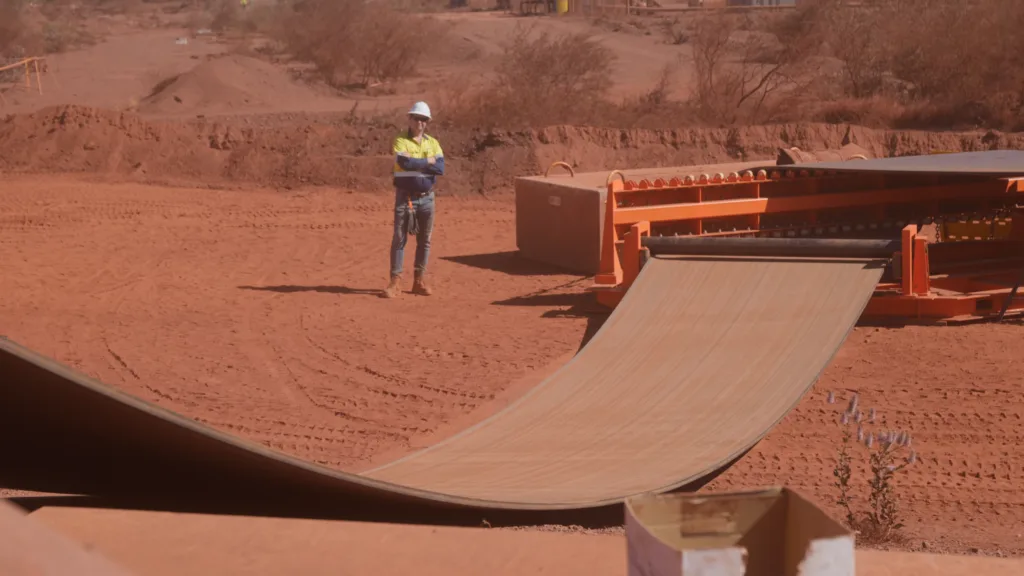
Before the changeout began, the team planned the belt entry point, pulling arrangement, winding sequence, turning points, splicing and site safety requirements.
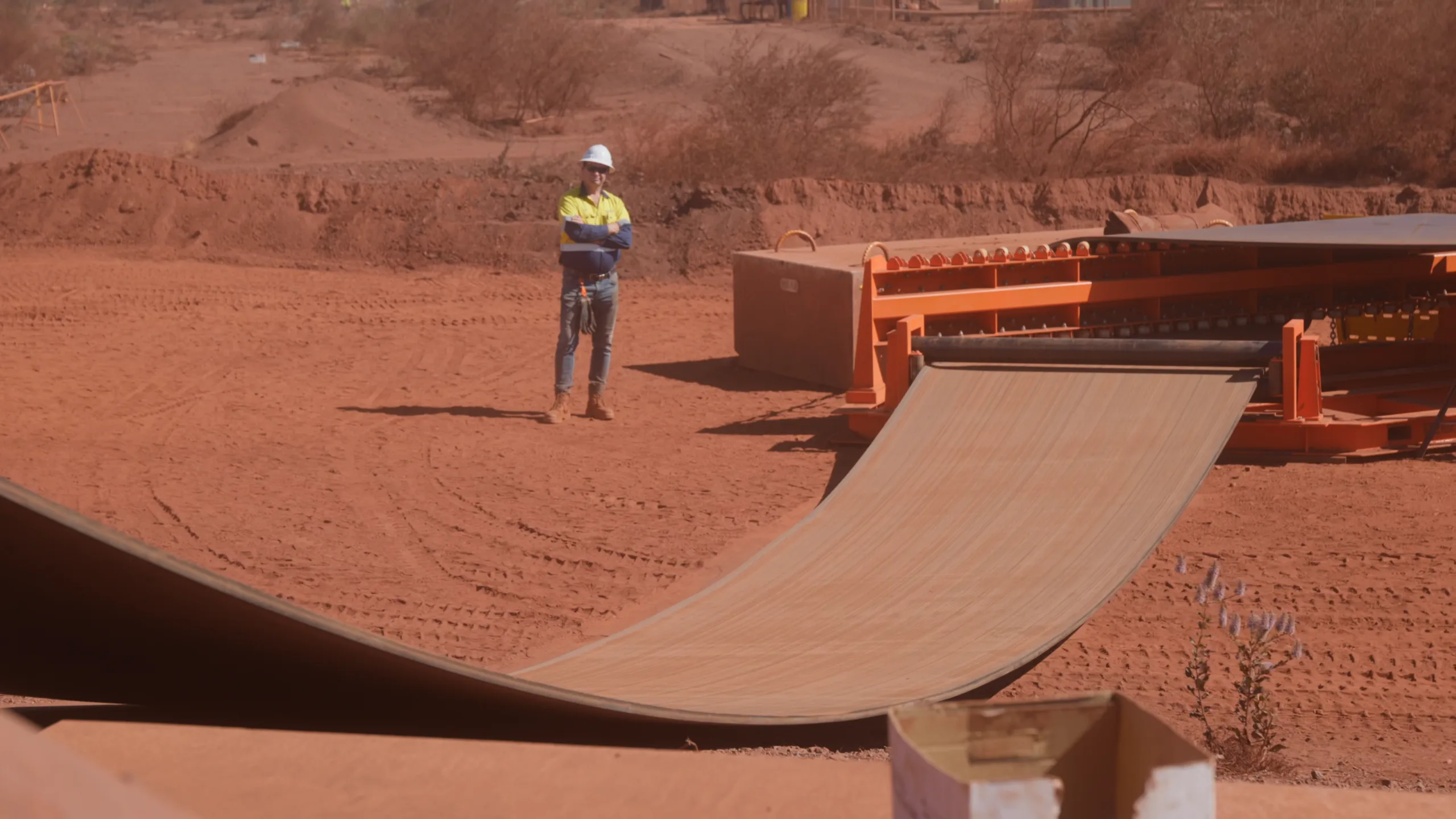
Hydraulic motor pullers and belt-clamp pullers were used together to manage traction and system resistance. Two 100-ton belt winders alternated during winding, while turning devices controlled belt direction and entry angle.
The full belt replacement was completed within three days.
8.8 km conveyor · 17.6 km belt · ST4000 · 3 days
A similar improvement was achieved through repeated belt changeouts at Boffa.
The first major replacement of a steep-angle steel cord belt took approximately 53 hours. The team subsequently adjusted the belt entry point, pulling method, equipment staging and work sequence.
Later replacements were completed in around 30 hours, with the fastest taking 28 hours.
For major belt work, the shutdown window is only one part of the job.
The correct belt and splice materials need to be on site. Pulling, winding and vulcanising equipment needs to be ready. The installation sequence needs to suit the conveyor layout, access conditions and available working space.
The more of this that is resolved beforehand, the less there is to solve while production is stopped.
Reducing Conveyor Belt Downtime Across the System
Conveyor belt downtime has many causes, and the belt itself is only one part of the system.
Mistracking may start at the loading point. Splice reliability depends on field process control. Internal damage may require nondestructive inspection. A planned belt replacement may depend as much on preparation and belt-handling methodology as on the crew carrying out the work.
For critical conveyors, the starting point is to identify the failures most likely to interrupt production, then decide what can be prevented, what needs to be monitored and what needs to be ready when intervention is required.