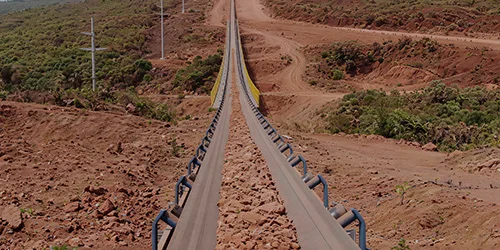
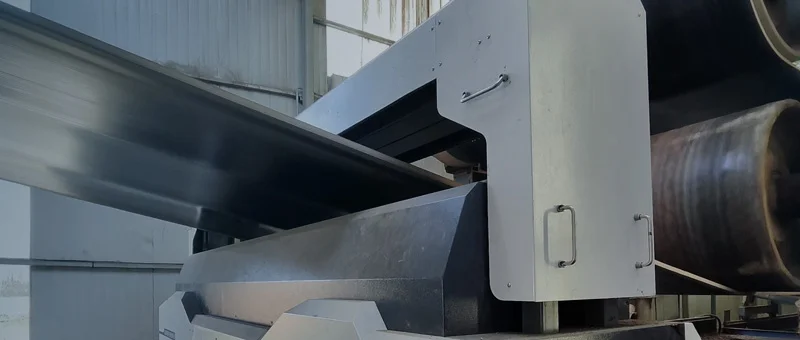
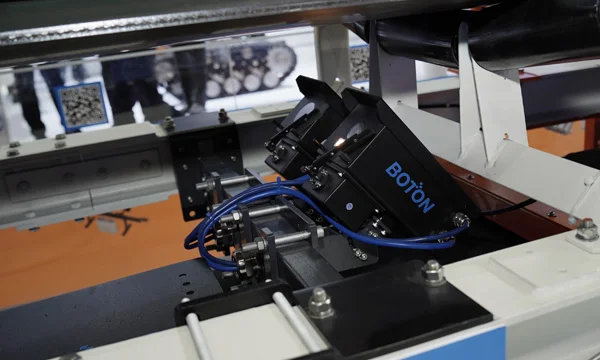
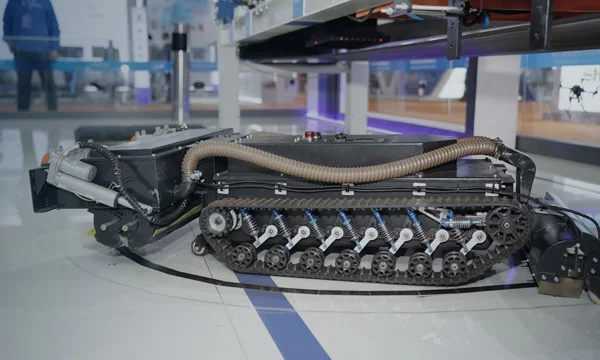
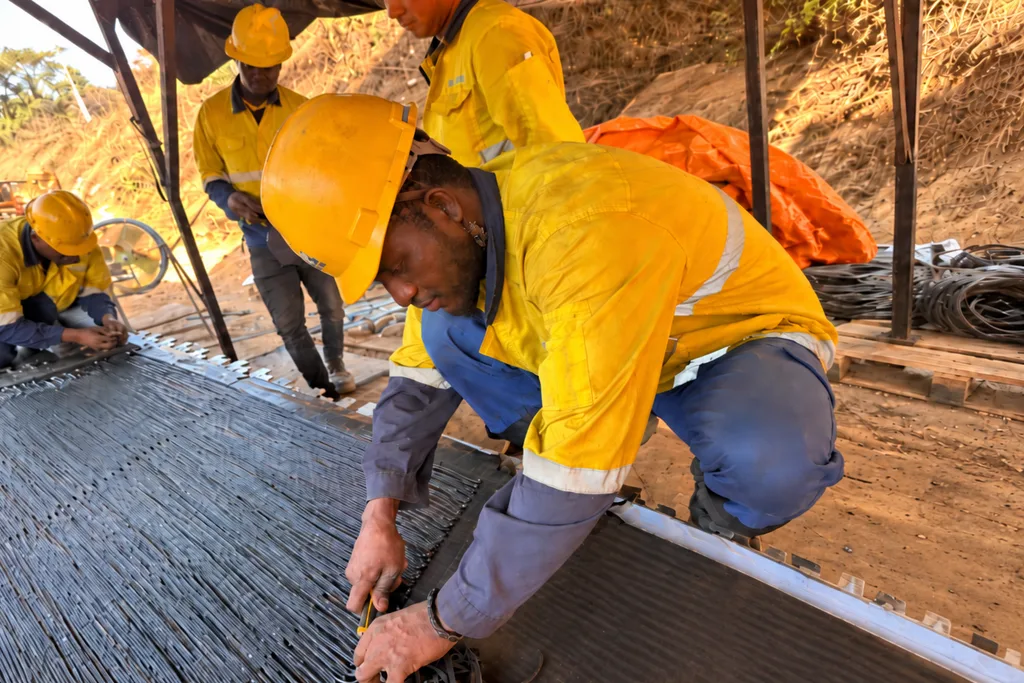
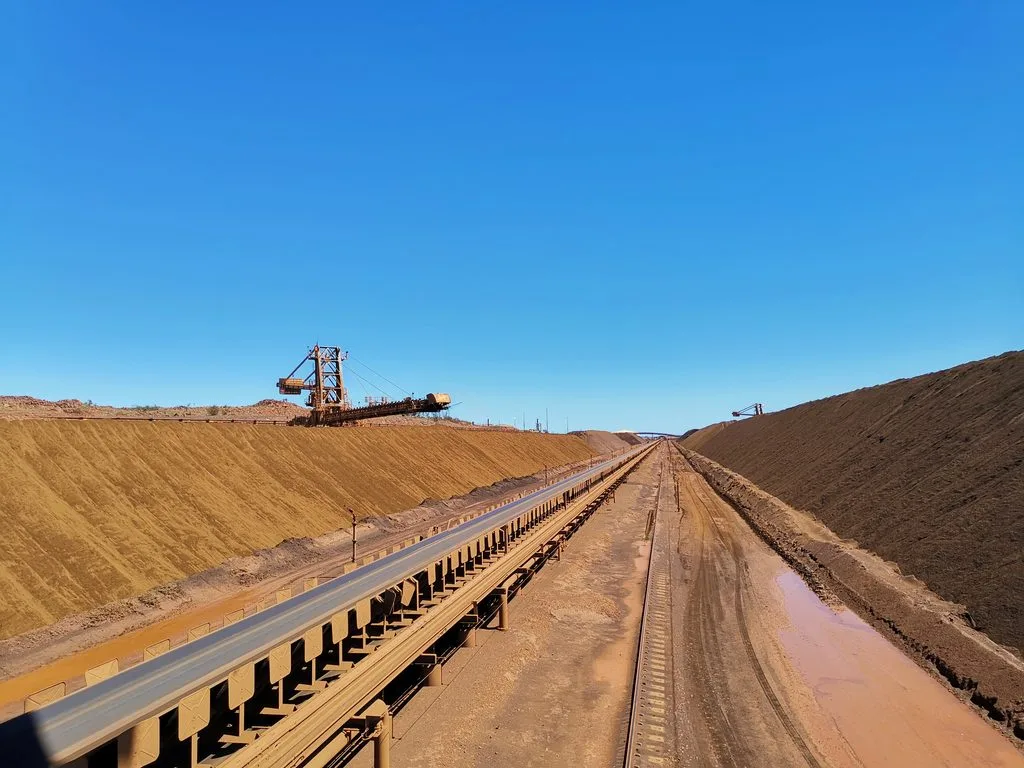
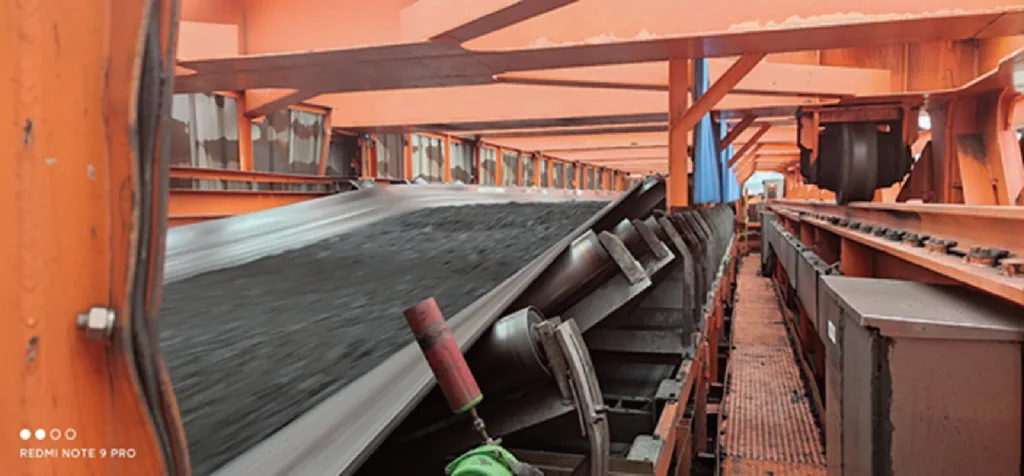
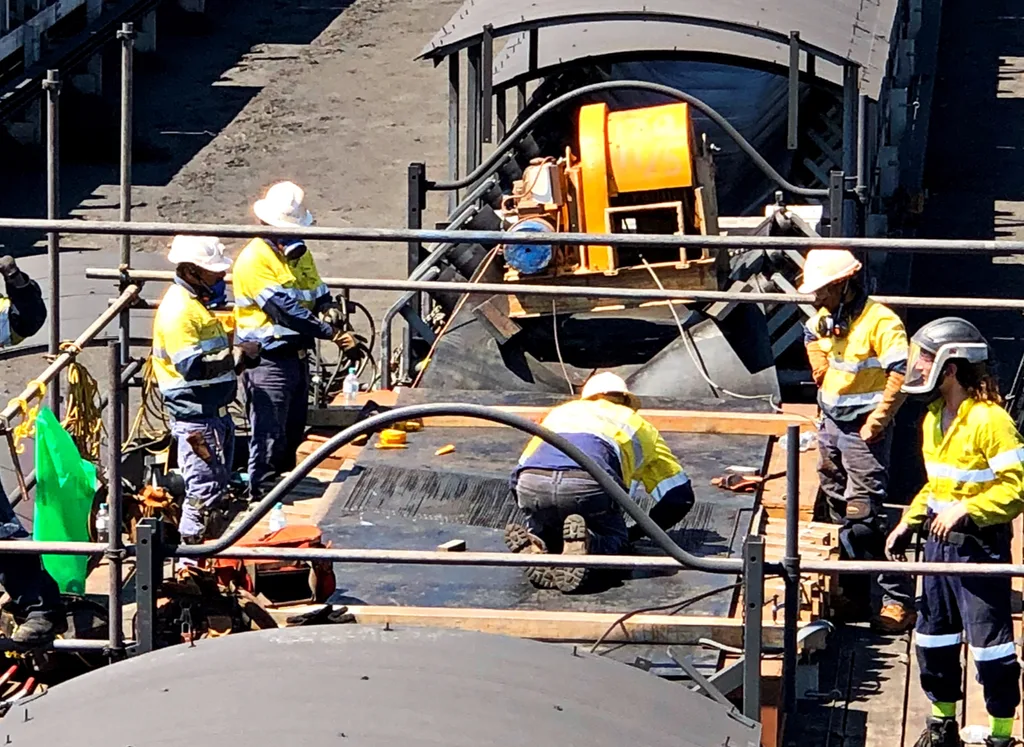
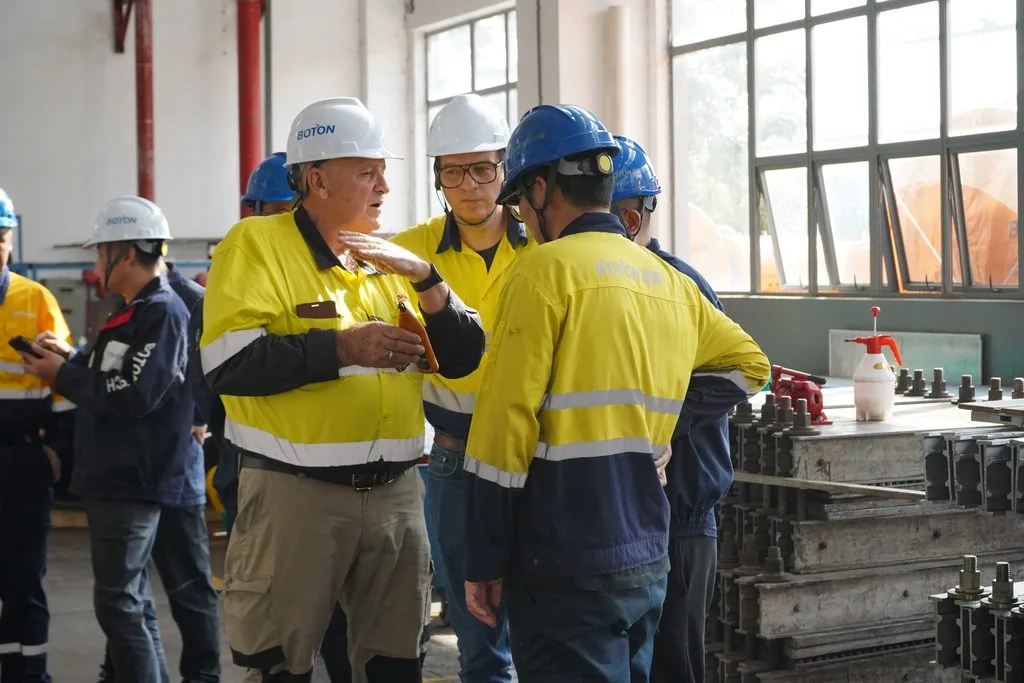
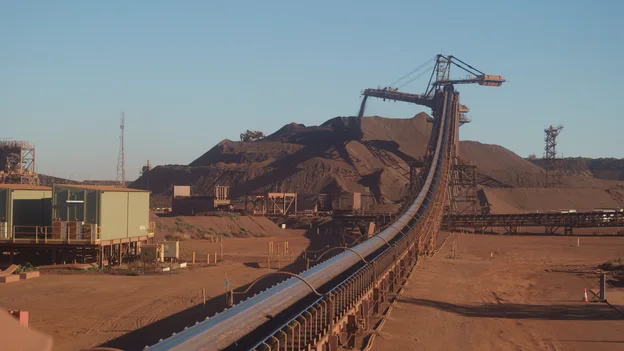
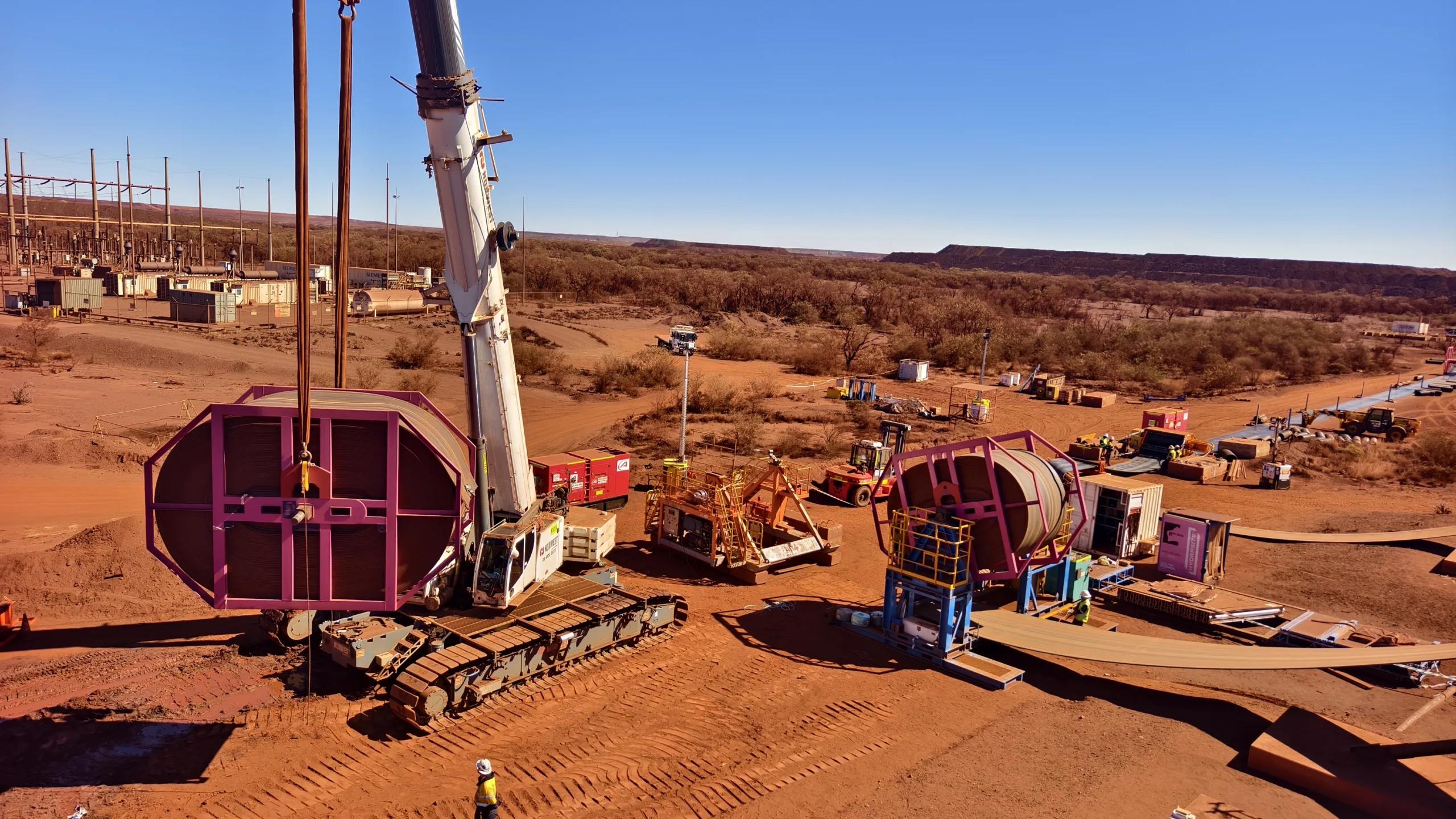
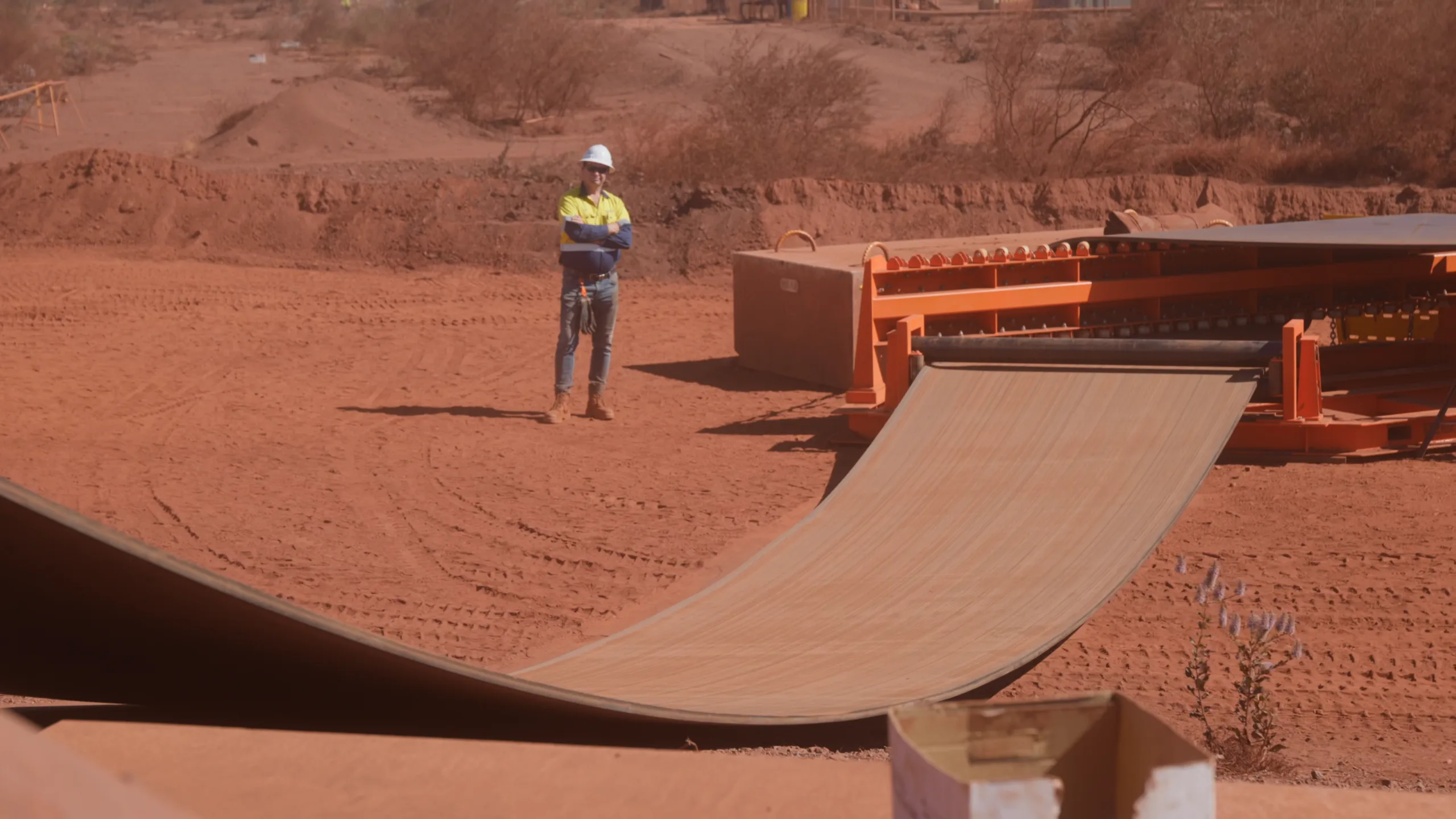
The agreement expands the partnership from conveyor belt supply and on-site installation to long-term intelligent operations support and lifecycle services. BOTON also announced the global launch of SERV, its new lifecycle service offering for mining conveyor systems.
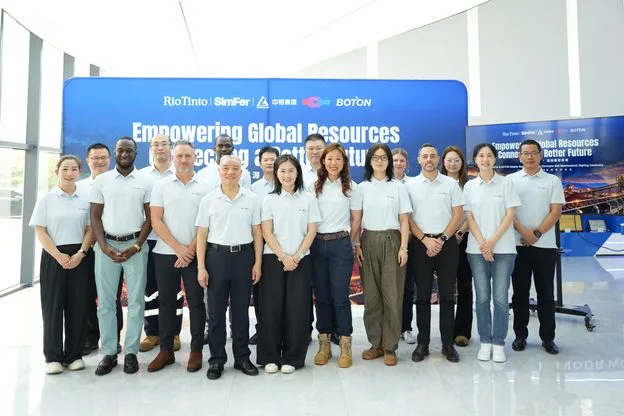
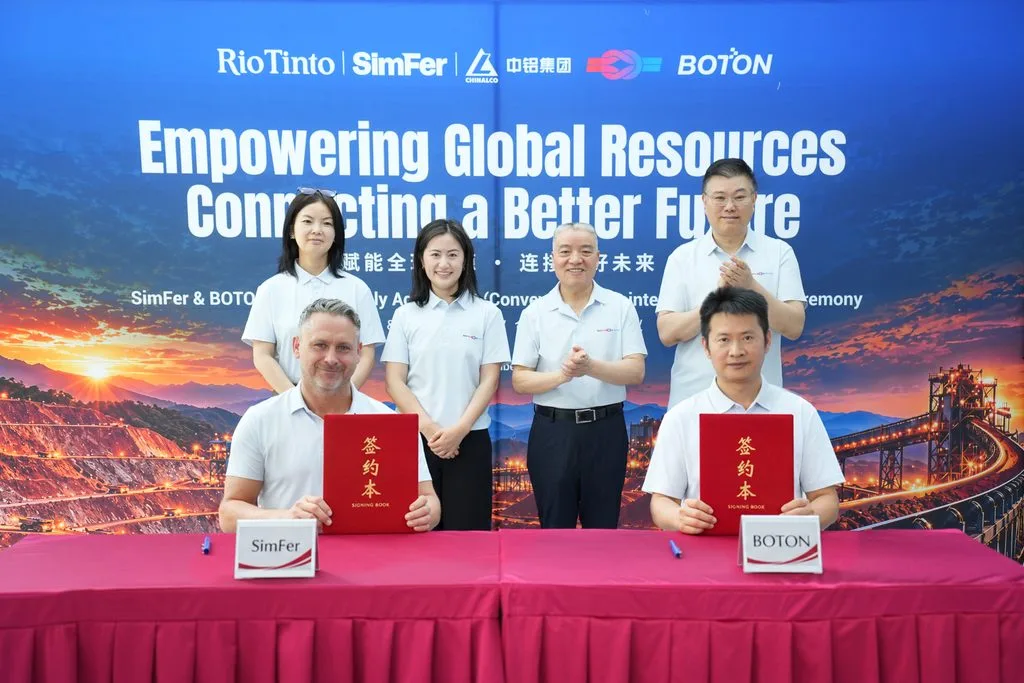
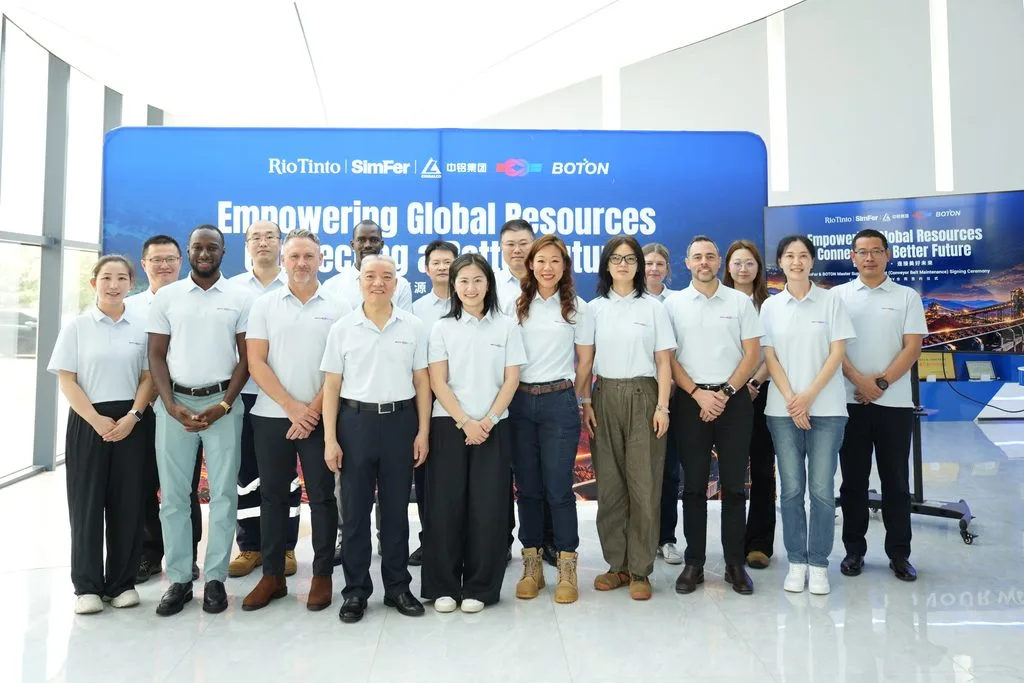
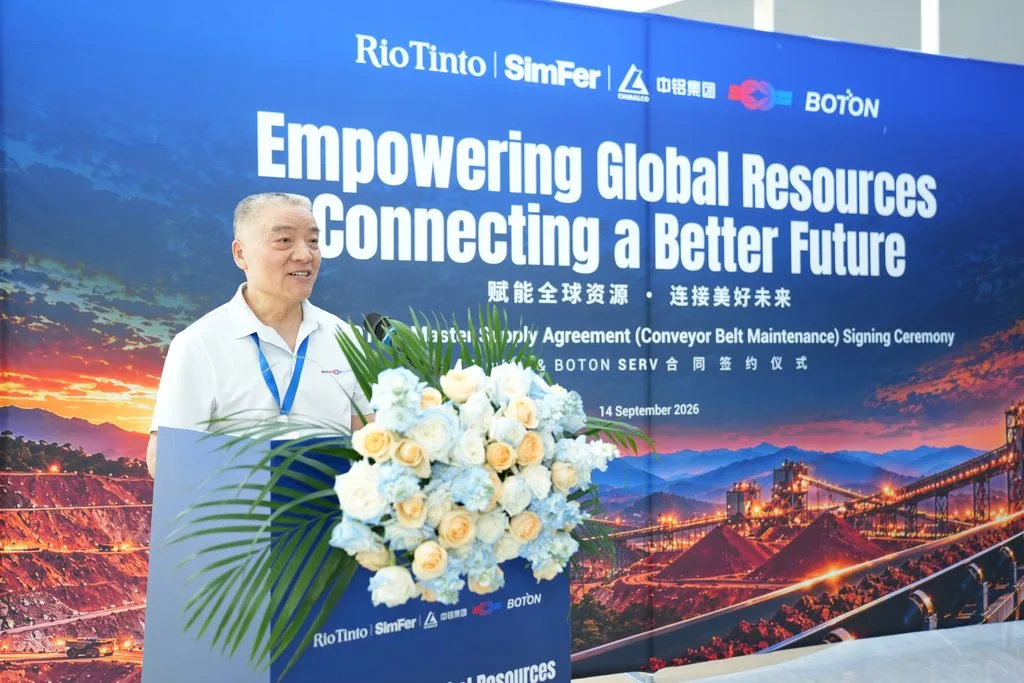
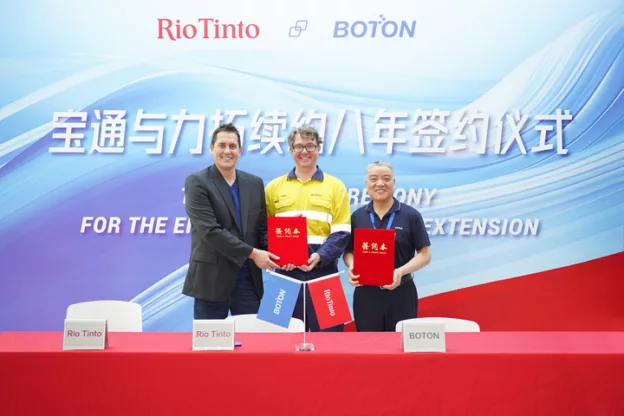
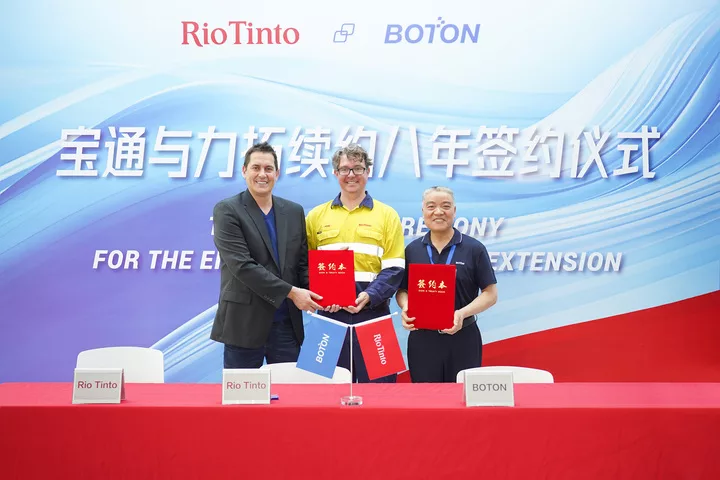
On September 14, BOTON and SimFer formally signed a long-term intelligent operations support services agreement for the Simandou iron ore project in Wuxi, China.
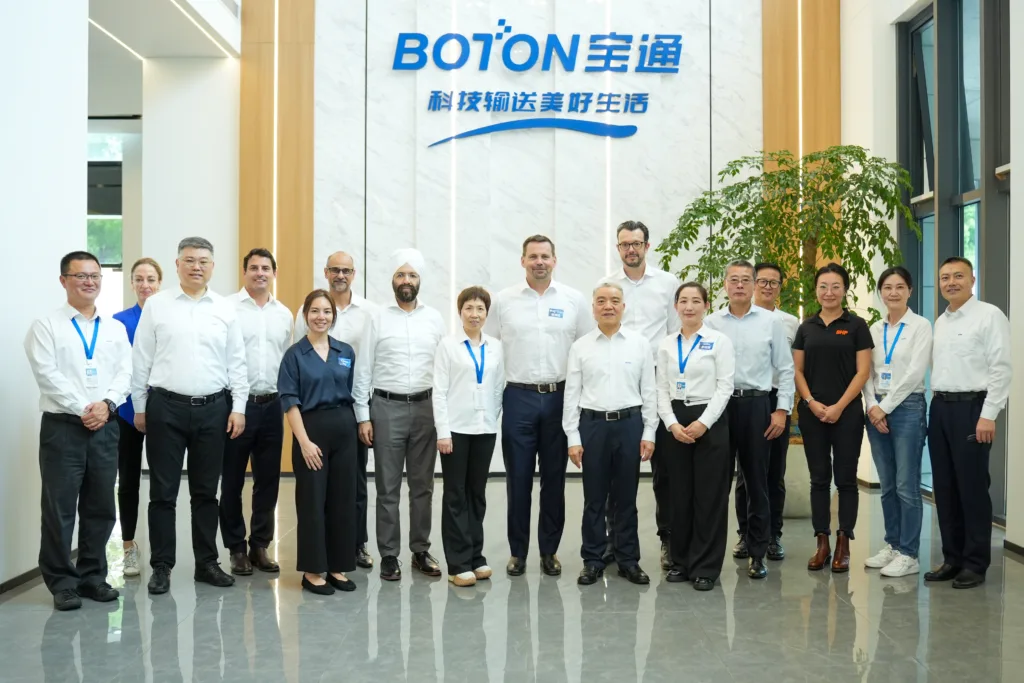
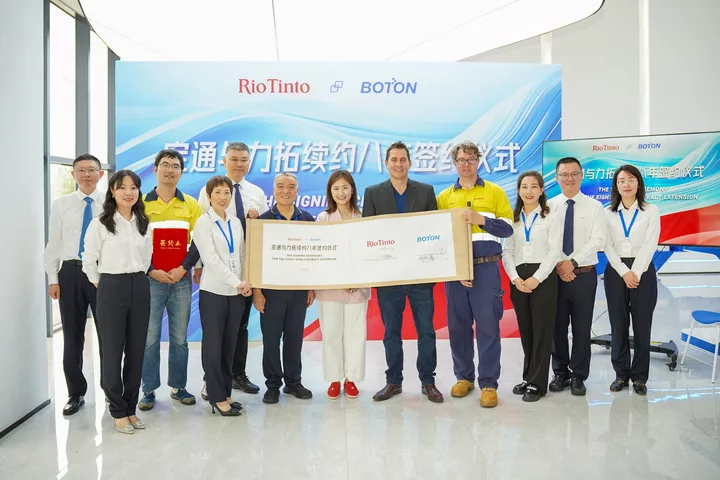
Lizzy Wat, Rio Tinto’s General Manager for China and Simandou Procurement, attended the signing ceremony together with other senior procurement representatives. BOTON Chairman Bao Zhifang was joined by senior executives from the company’s global marketing organization and Guinea operations.
The agreement represents a significant expansion of the partnership between BOTON and SimFer—from conveyor belt supply and on-site installation to long-term operational support and lifecycle services for conveyor systems.
It also marks another step in BOTON’s development from a conveyor belt manufacturer into a global lifecycle service partner for large-scale mining operations.
From Conveyor Belt Supply to Lifecycle Conveyor System Services
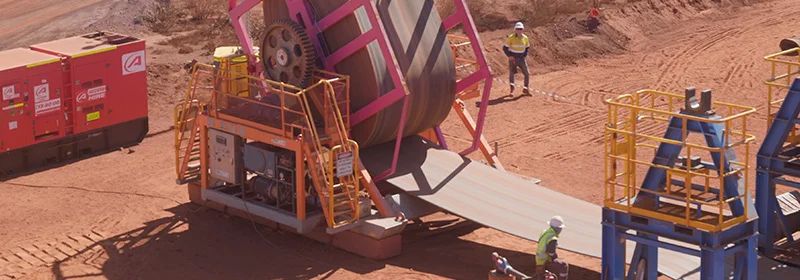
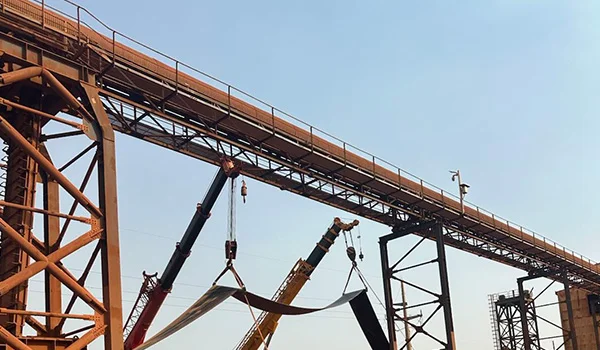
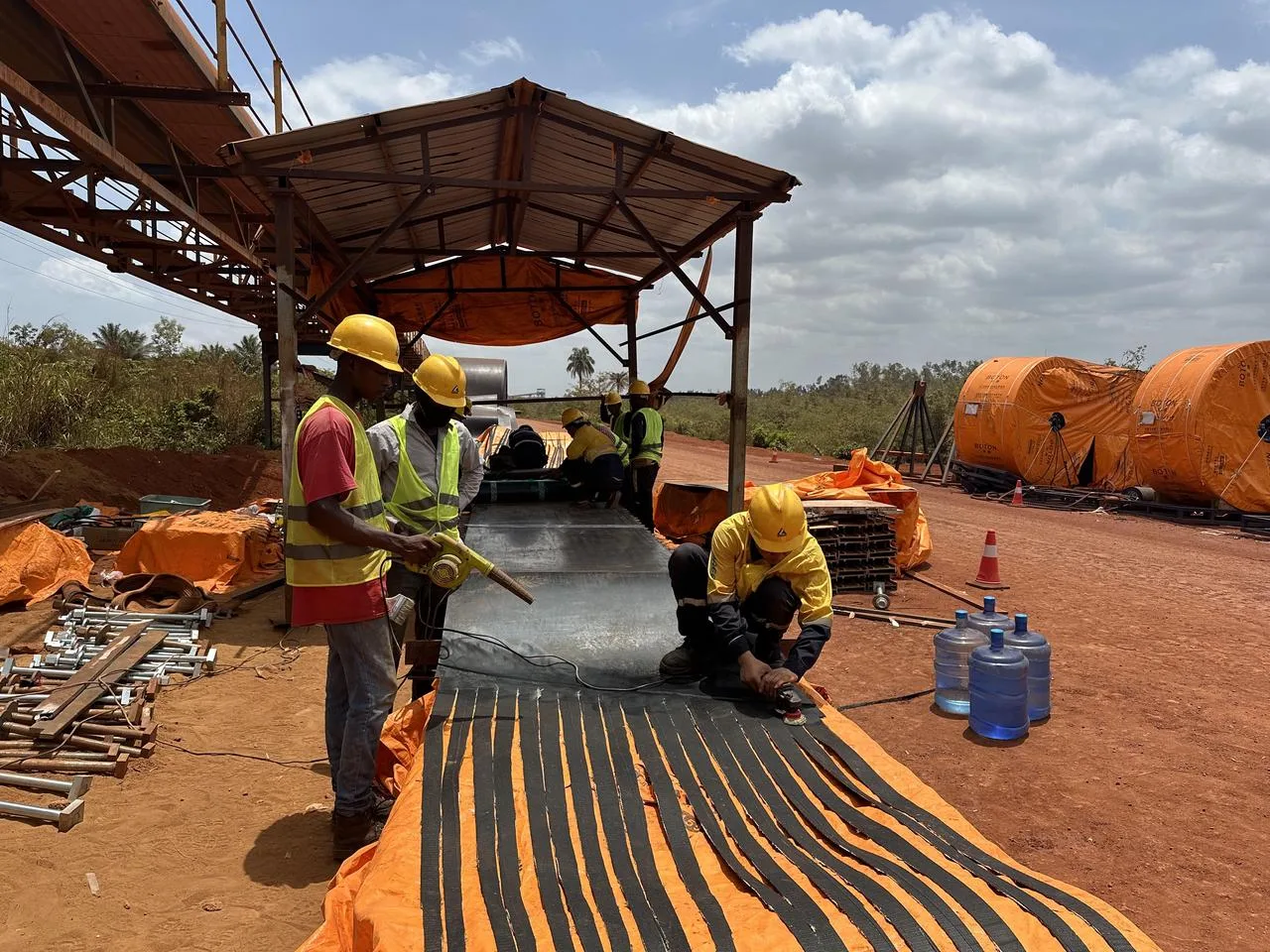
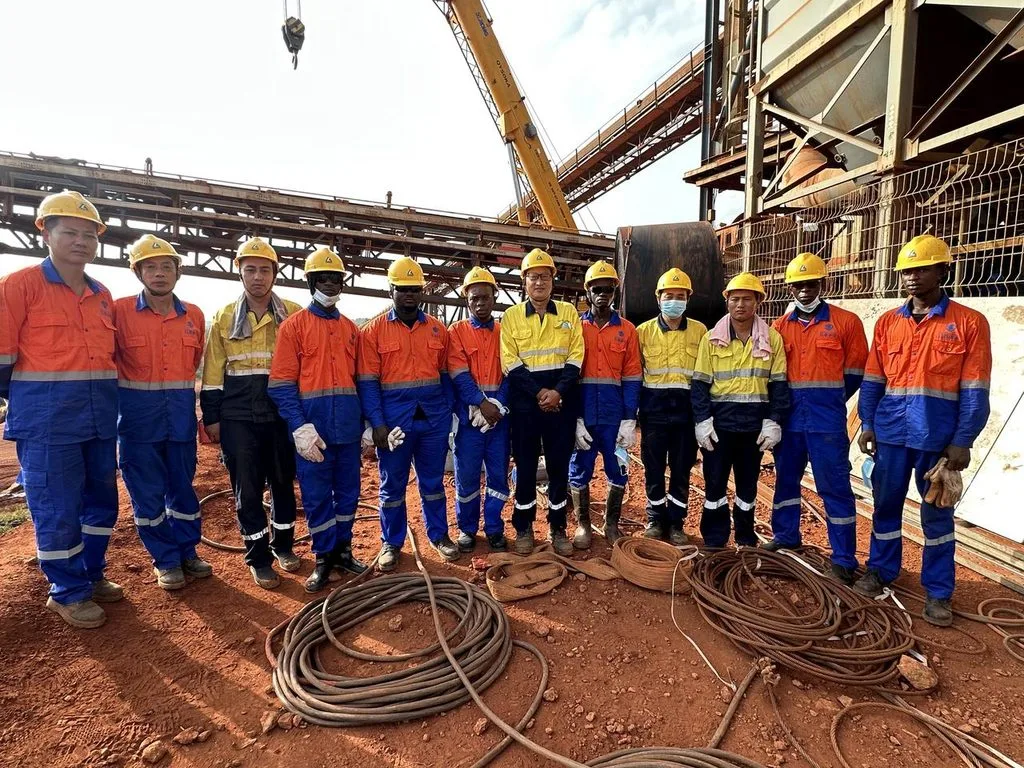
BOTON’s cooperation with SimFer began in 2024. Over the past two years, the two sides have steadily expanded their collaboration around conveyor belt supply, on-site installation and operational services for the Simandou project.
In late 2025, BOTON became involved in SimFer’s long-term operational support services project. Following multiple rounds of technical and commercial discussions and site visits, the two parties reached the agreement formally signed in September 2026.
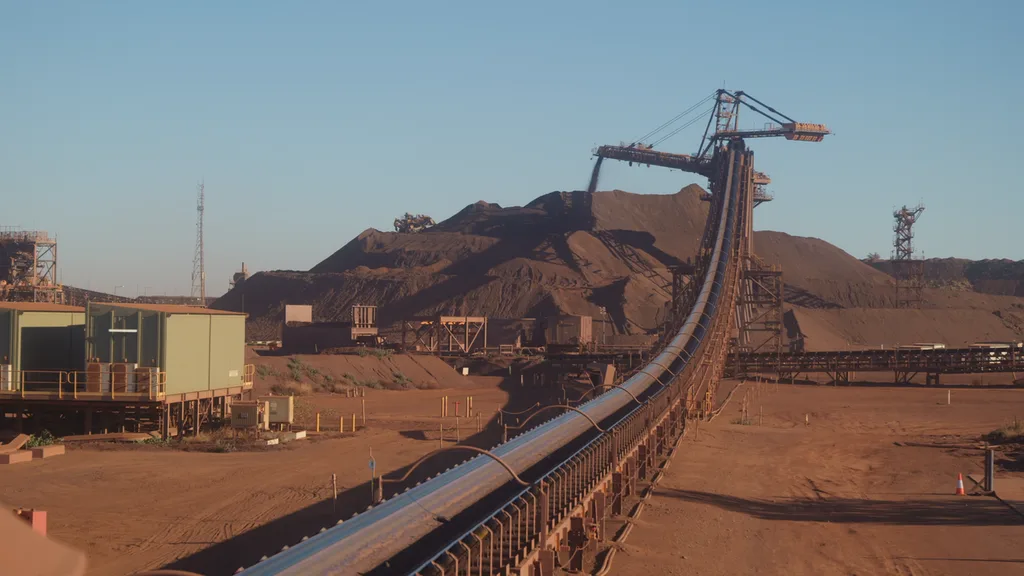
As one of the world’s major iron ore developments, Simandou places demanding requirements on the safety, reliability and long-term performance of its conveying systems.
Under the new agreement, BOTON will provide long-term intelligent maintenance and operational support for conveyor systems at the project, combining local service capabilities in Guinea with BOTON’s global technical and engineering resources.
For BOTON, the project also provides an important platform for further developing its lifecycle conveyor services for large-scale mining operations.
BOTON Launches SERV: Safety, Efficiency, Reliability and Value Creation
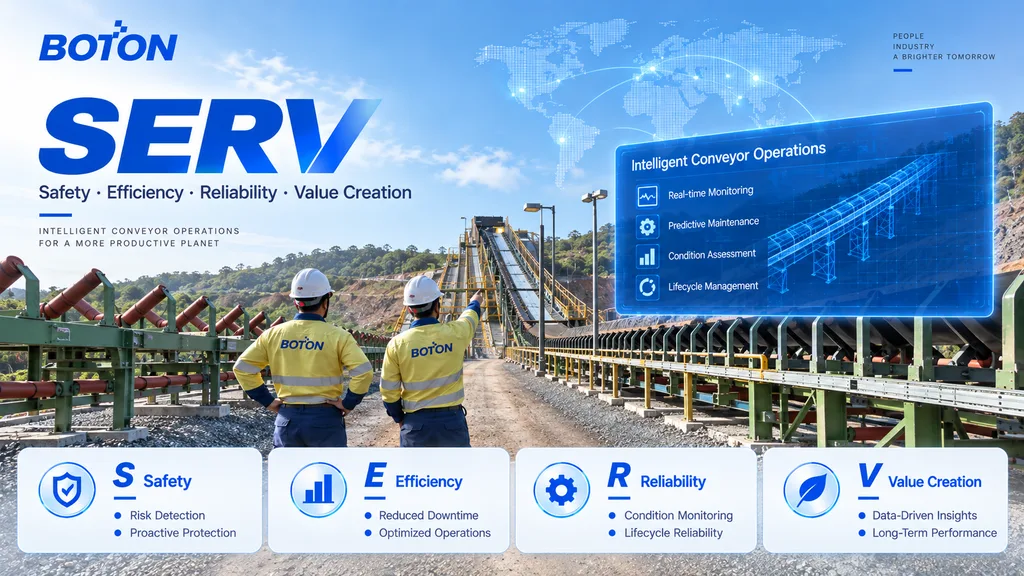
At the signing ceremony, BOTON officially launched SERV globally as a core lifecycle service offering.
SERV stands for:
S — Safety
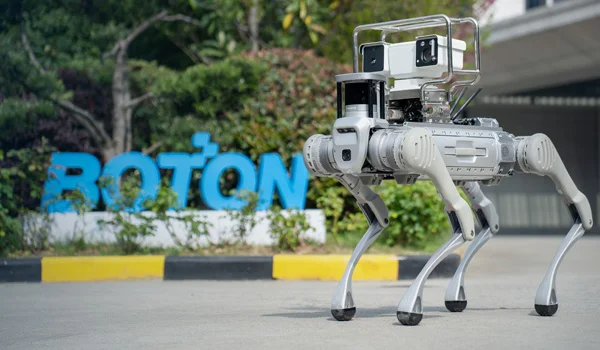
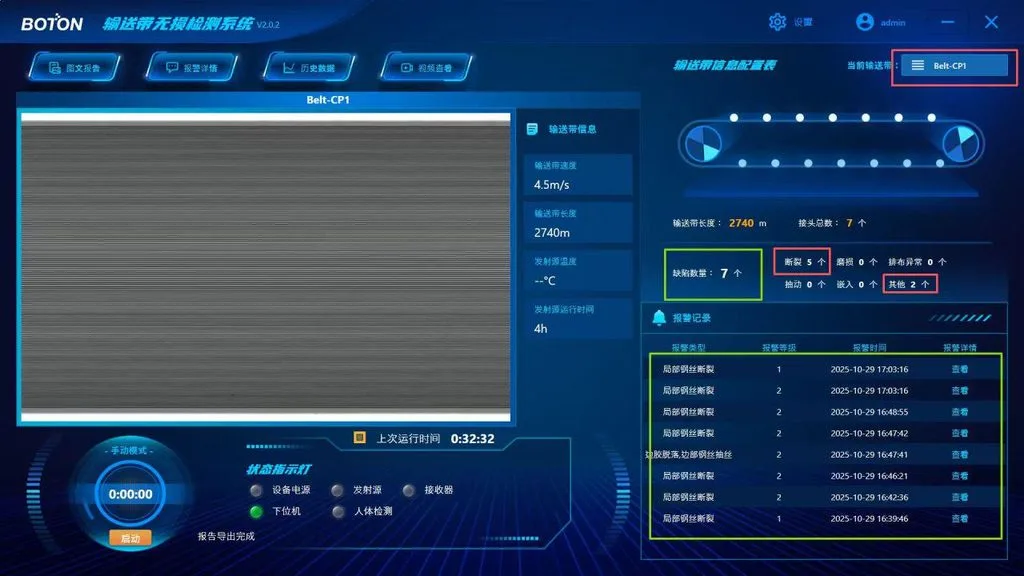
BOTON uses AI-powered visual recognition, intelligent monitoring and early-warning technologies to support a more proactive approach to conveyor system safety.
By integrating digital technologies with on-site operations, the objective is to identify potential risks earlier and provide maintenance teams with better information for decision-making.
E — Efficiency
SERV applies data-driven operational optimization and preventive maintenance to help reduce unplanned downtime and improve the efficiency of conveyor system maintenance and operation.
These capabilities complement BOTON’s existing field service and technical support capabilities for mining and other heavy-duty bulk material handling applications.
R — Reliability
Through digital twins, condition assessment and lifecycle data, BOTON aims to manage conveyor system reliability across different stages of operation.
Rather than treating maintenance as an isolated activity, SERV connects inspection, condition assessment, maintenance and operational data to support more systematic lifecycle management.
V — Value Creation
Operational and maintenance data accumulated over time can provide a stronger basis for continuous improvement.
By converting industrial data into actionable insights, BOTON aims to help customers improve asset performance while continuously refining its own service models.
Together, Safety, Efficiency, Reliability and Value Creation define the core principles behind SERV and BOTON’s approach to long-term conveyor system services.
Speaking at the ceremony, BOTON Chairman Bao Zhifang said:
“SERV is an important step in turning BOTON’s service capabilities into a clearly defined and scalable offering. Through SERV, we aim to transform the global project experience, technical capabilities and service standards we have built over many years into a systematic service model that can be replicated and deployed across markets, creating lasting value for major mining customers worldwide.”
Building a Scalable Global Service Model
For the delivery of the Simandou agreement, BOTON has identified four priorities: benchmarking against world-class standards, combining global coordination with strong local delivery, applying intelligent technologies to support safety and efficiency, and using data to create value throughout the asset lifecycle.
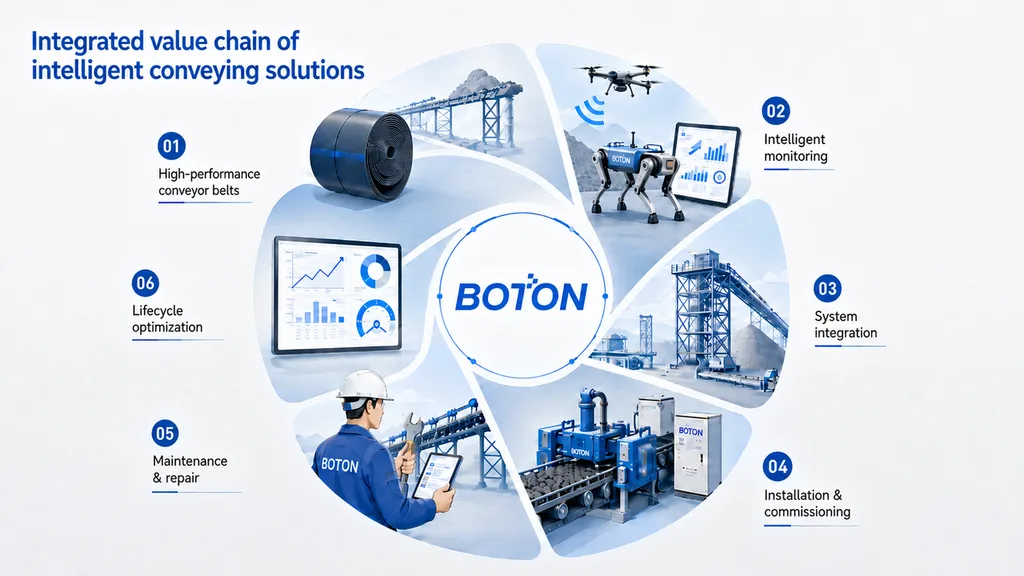
BOTON’s current lifecycle service capabilities include:
condition assessment;
preventive maintenance;
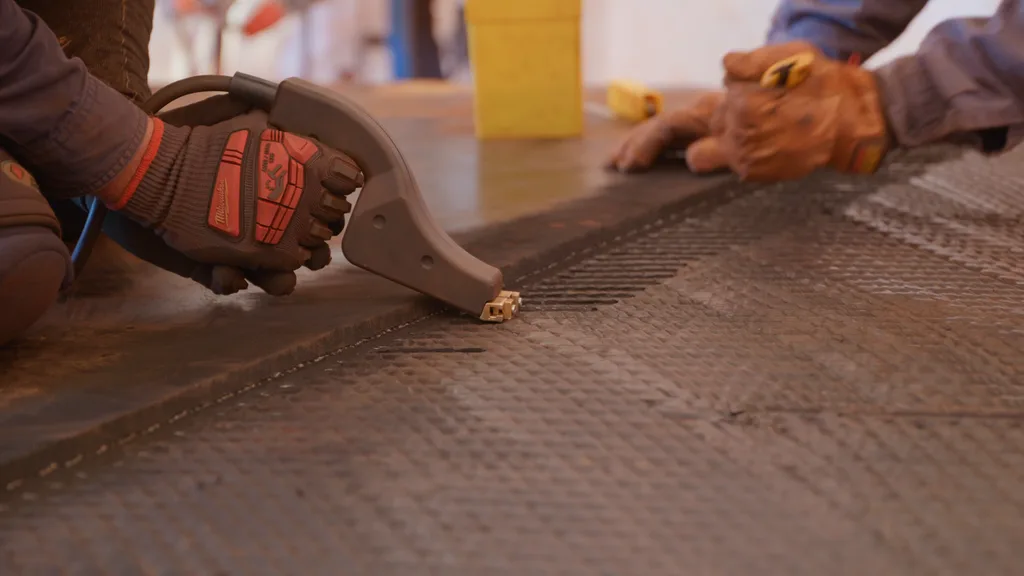
conveyor belt splicing and repair;
on-site technical support;
operational optimization;
intelligent monitoring;
automated inspection.
These capabilities are already being applied across mining, port, steel and power projects in Australia, Africa, Southeast Asia and China.
They also build on BOTON’s broader experience in mining conveyor solutions, combining conveyor belt technology with engineering, field services and intelligent monitoring.
The long-term objective is not simply to respond when maintenance is required, but to build a more connected service system around equipment condition, operational performance and lifecycle management.
BOTON Establishes Guinea Community Development Fund
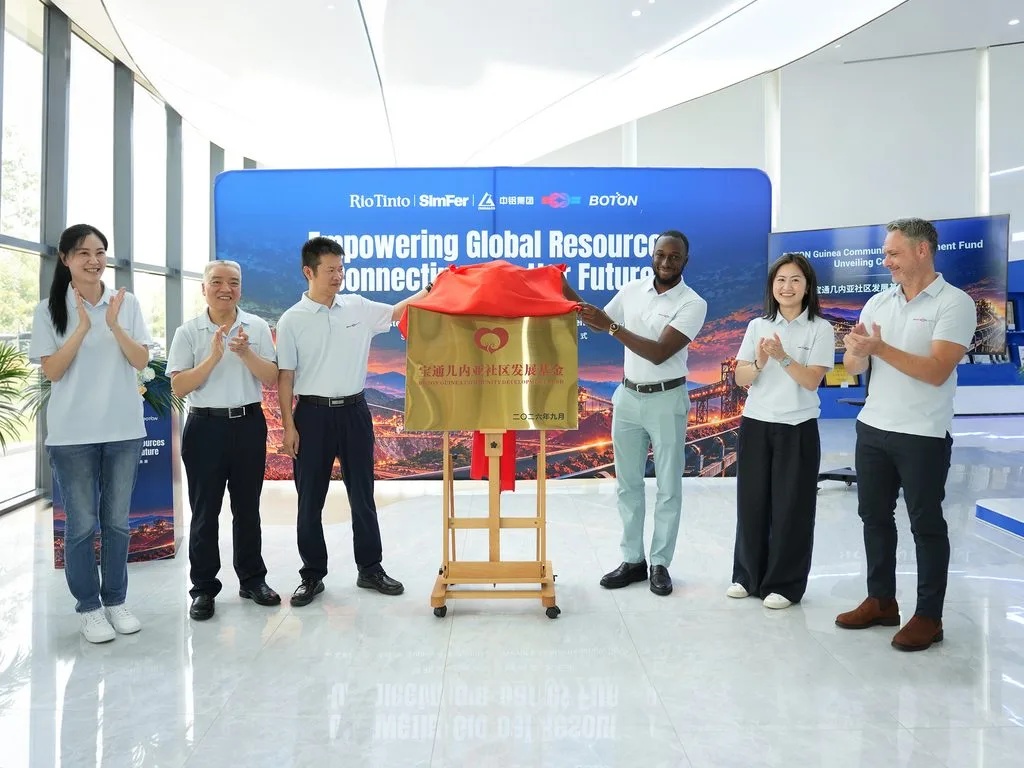
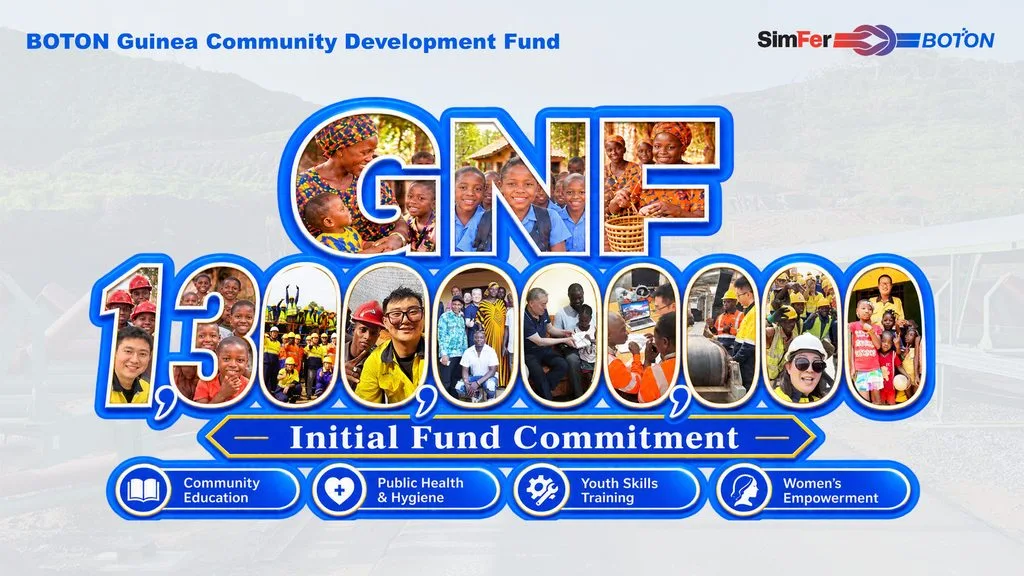
Alongside the signing, BOTON announced the establishment of the BOTON Guinea Community Development Fund, with an initial planned contribution of RMB 1 million.
The fund will focus on four areas in Guinea:
community education;
public health and sanitation;
youth skills development; and
women’s empowerment.
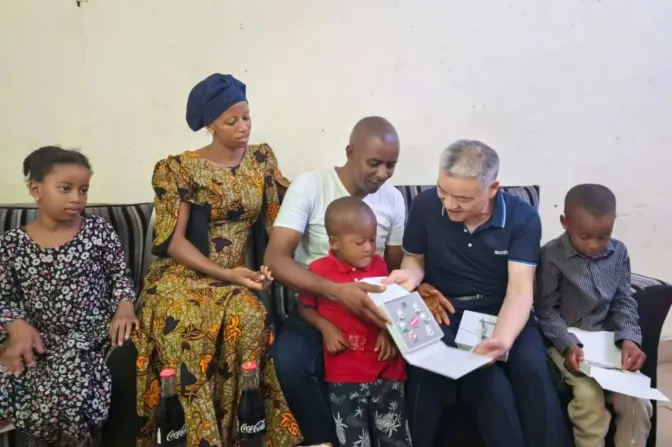
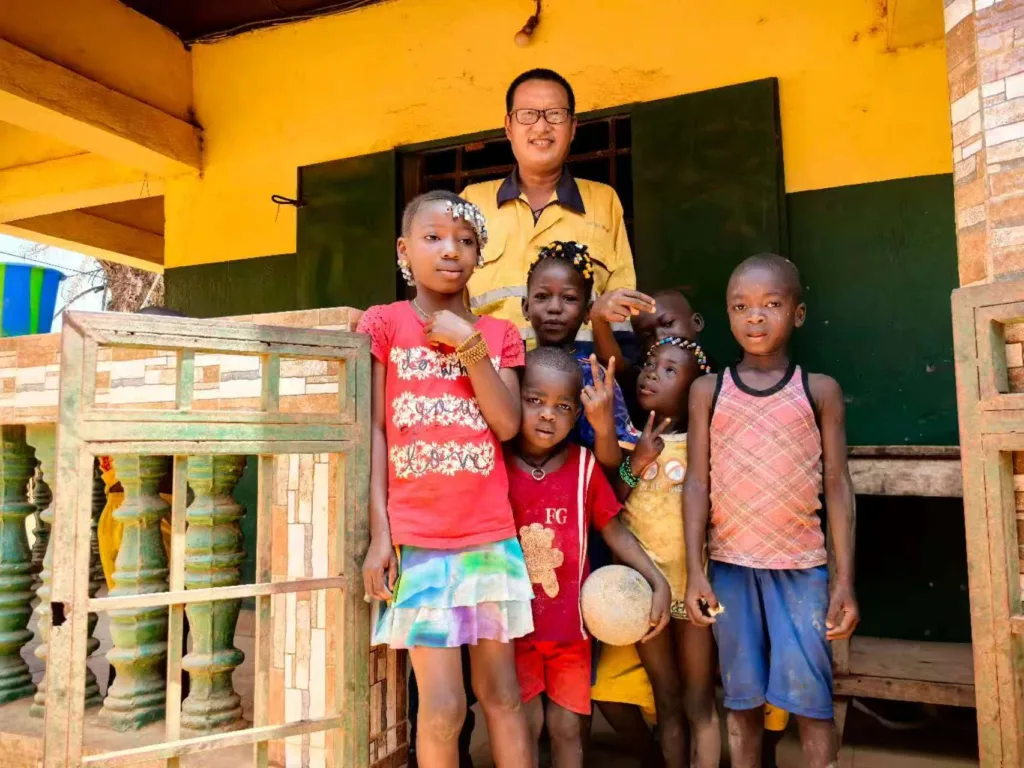
The initiative forms part of BOTON’s broader commitment to sustainable development and to building long-term relationships with the communities where it operates.
Bao Zhifang said:
“Through the Community Development Fund, we hope to build a long-term, stable and sustainable connection with local communities in Guinea, so that every effort BOTON makes at Simandou can translate into tangible benefits for the people who live there.”
The initiative reflects a broader principle behind BOTON’s international operations: major industrial projects should create value not only through operational performance, but also through local capability building and long-term community development.
Supporting the Long-Term Development of Simandou
At Simandou, BOTON is developing an integrated service model combining local delivery, global technical resources, preventive maintenance, intelligent monitoring and on-site technical support.
The agreement represents a further step in BOTON’s international service strategy—from supplying products to supporting customers throughout the operating lifecycle of their conveyor systems.
Going forward, BOTON will work closely with the SimFer team to further integrate preventive maintenance, intelligent monitoring and technical services into project operations.
At the same time, BOTON will continue to strengthen its local capabilities in Guinea through employee training, service development and community engagement, supporting the long-term and sustainable development of the Simandou project.
For major mining operations worldwide, BOTON will continue to expand its role from conveyor belt supply toward integrated, data-enabled and lifecycle-focused conveyor system services.
A conveyor belt fails. It is repaired or replaced. Months later, similar damage appears again.
The natural response is often to specify more: a higher tensile rating, another fabric ply, a thicker cover, or a heavier-duty construction.
Sometimes that is necessary. Sometimes it simply gives the same failure mechanism a more expensive belt to damage.
Repeated conveyor belt damage should therefore be treated as evidence, not just as a purchasing problem.
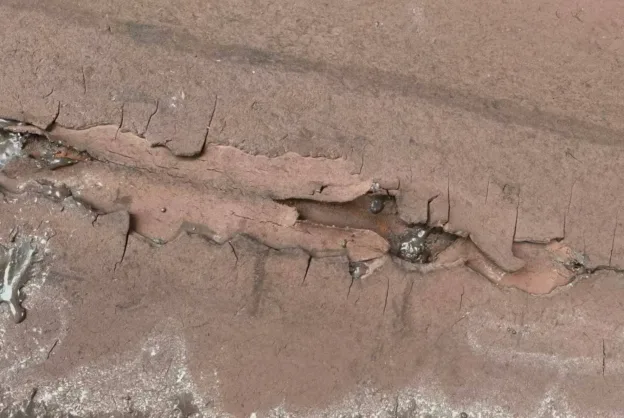
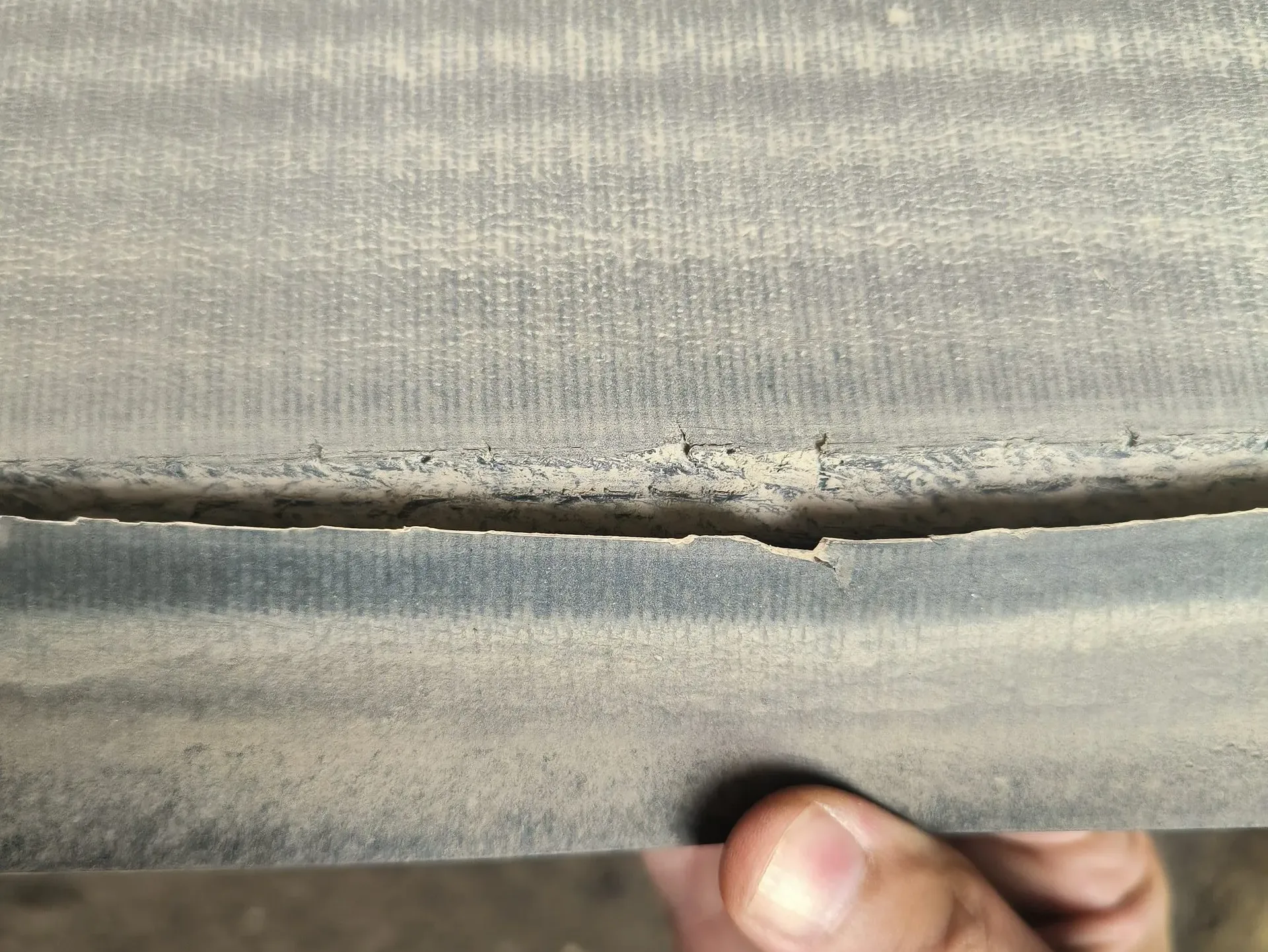
A torn edge, cracked carcass, delamination or failed splice tells you that the belt could not tolerate a particular load, deformation or operating condition. It does not automatically tell you which specification should be increased.
hdrpl
Before replacing the belt, ask a more useful question:
What was the belt being asked to do where the damage first appeared?
Start with the damage pattern
The first location of damage is often more useful than the final appearance of the failed belt.
A long longitudinal tear may begin with one trapped object. Repeated cracking near a pulley suggests a different problem from uniform cover wear. Damage that consistently appears near the same transition deserves a geometry review before another belt is ordered.
A practical first check looks like this:
What you observe
What to check first
Do not assume
Repeated edge wear or edge damage
Tracking, loading, alignment, transition geometry
Higher strength will solve it
Cracking or delamination near a transition
Transition length, trough angle, belt modulus
Lower elongation is always better
Wrinkling or ply separation near a pulley
Pulley diameter, carcass thickness, flexing
More plies mean longer life
Cuts or carcass damage at a loading point
Lump size, drop height, impact support, carcass design
Thicker cover is enough
Repeated splice problems
Splice design, belt compatibility, vulcanization quality
The same strength rating means full compatibility
Uniform top-cover wear
Abrasiveness, loading, cleaners, cover compound
The carcass is too weak
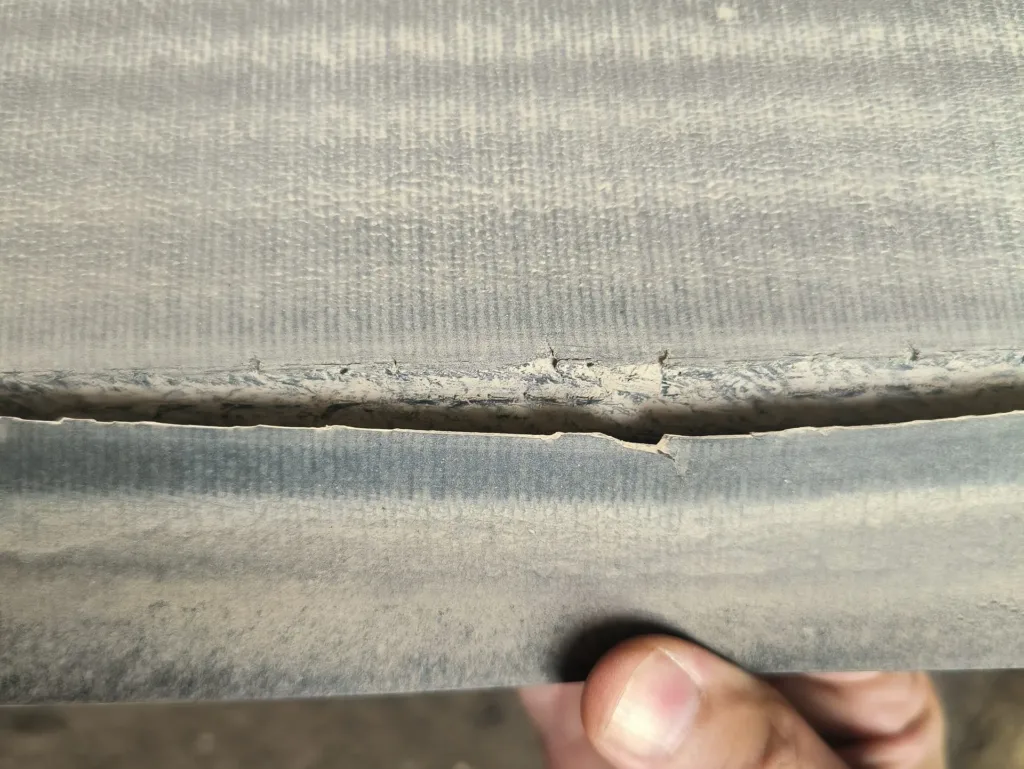
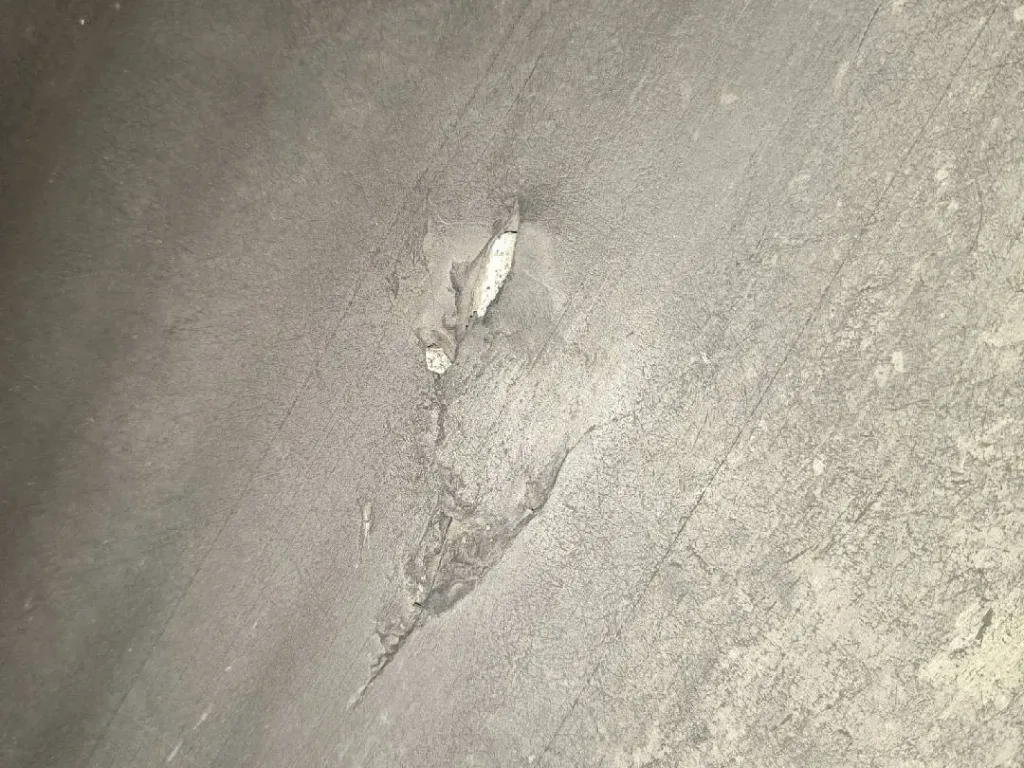
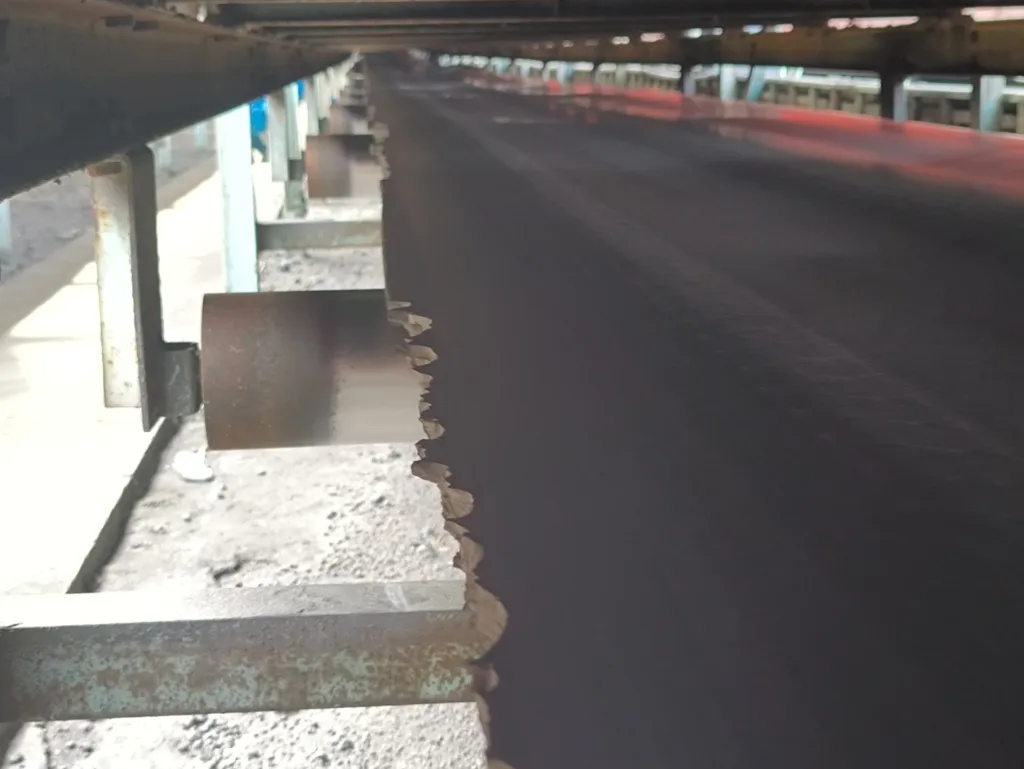
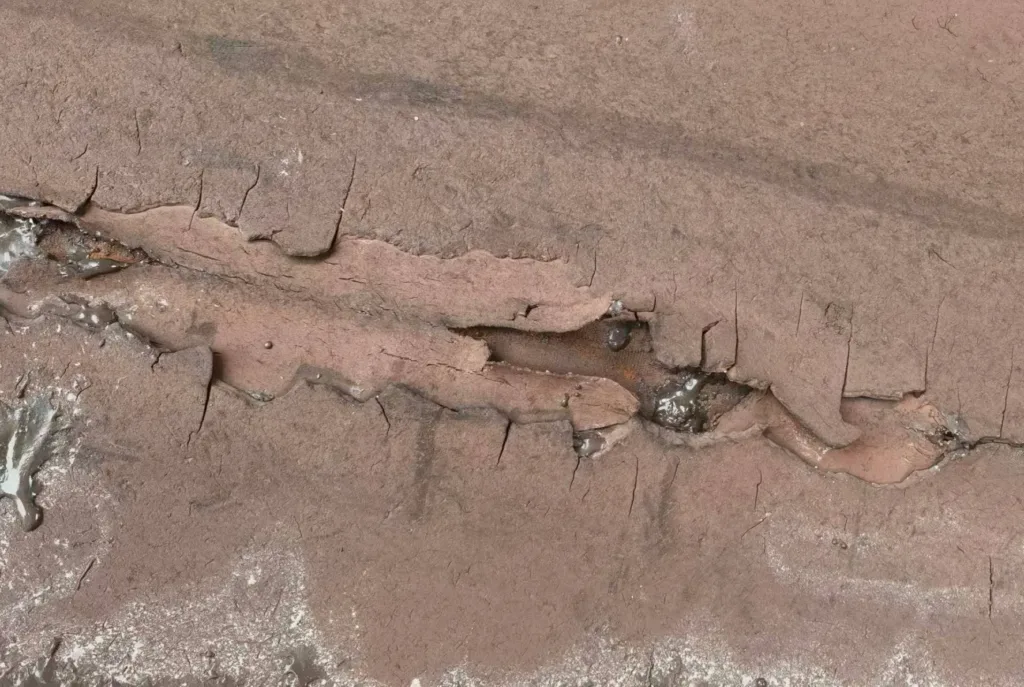
A visible separation has developed between carcass layers, a damage pattern that should prompt checks of bending, adhesion, impact and local stress conditions.
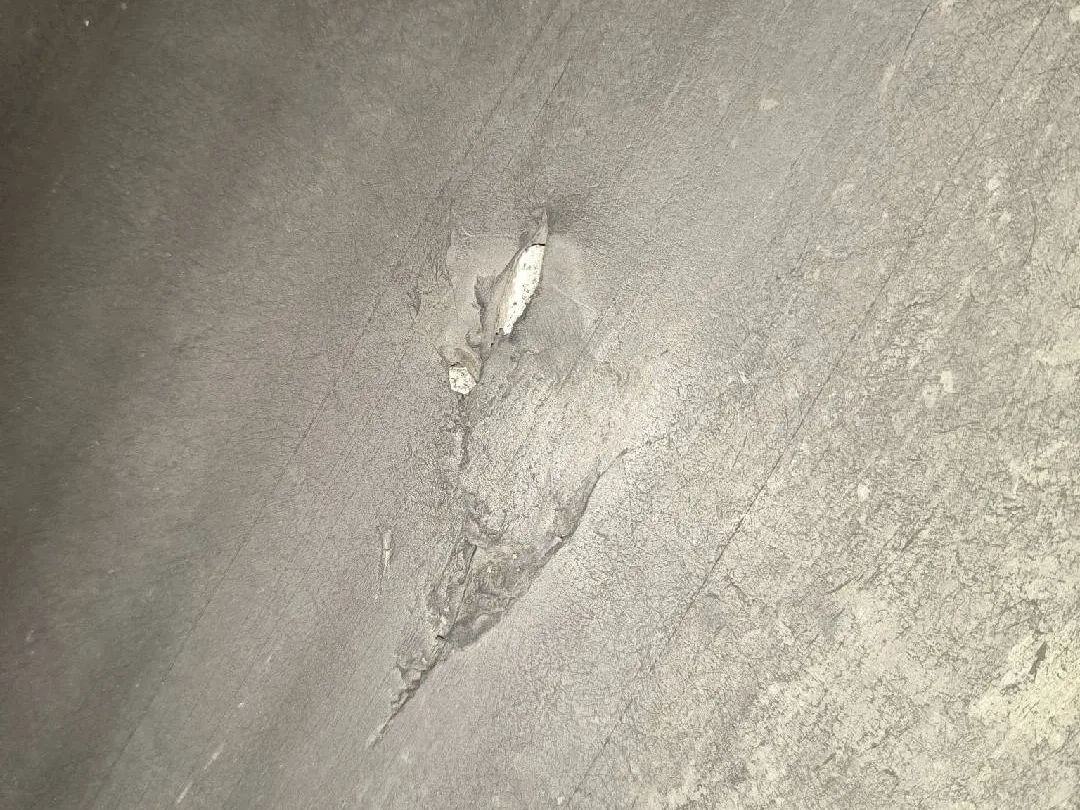
A concentrated puncture or gouge has broken through the cover, showing why local impact damage should be distinguished from general surface wear.
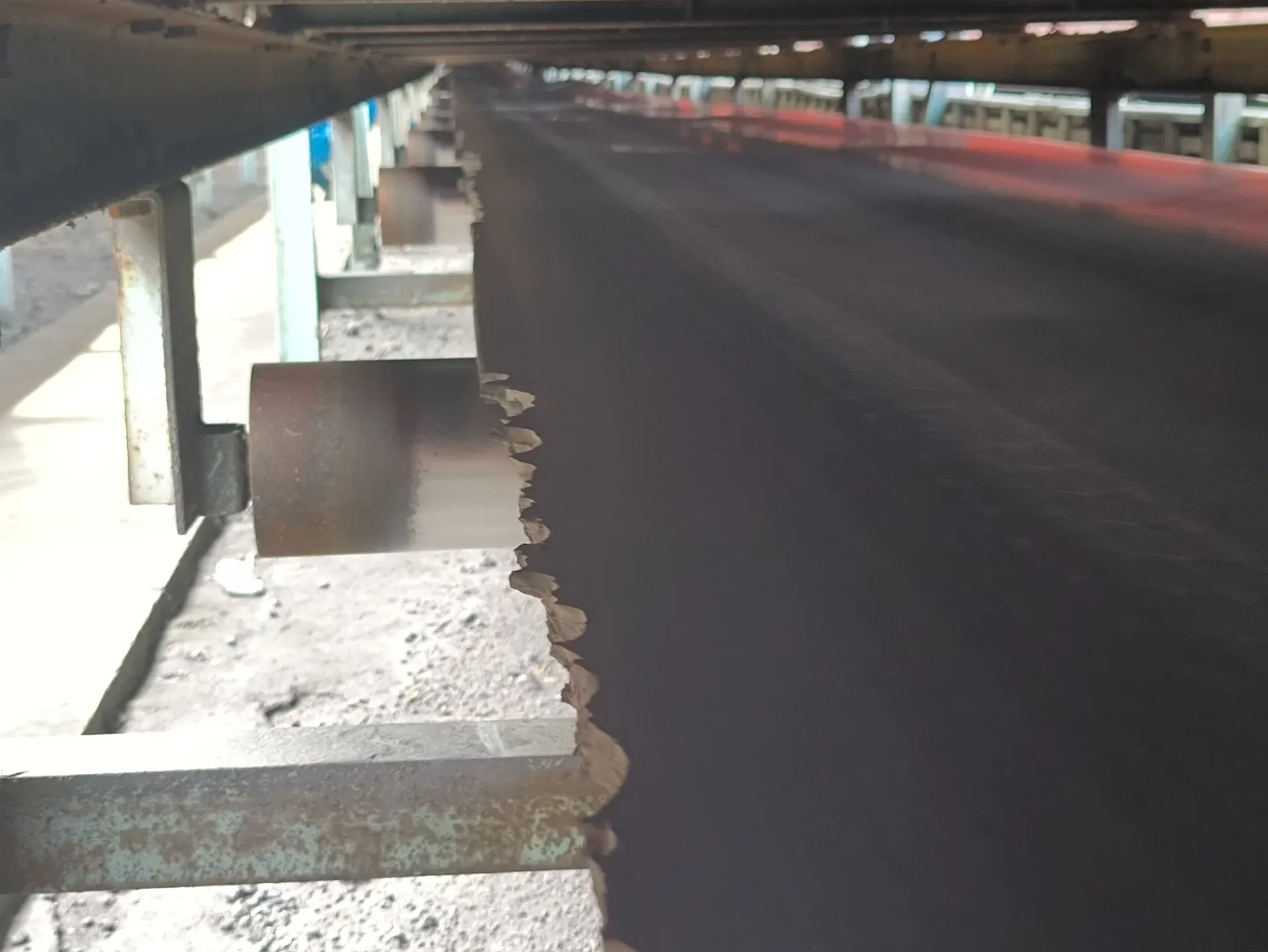
Repeated contact along one belt edge has produced an irregular worn profile, making tracking, alignment and local interference important areas to inspect.
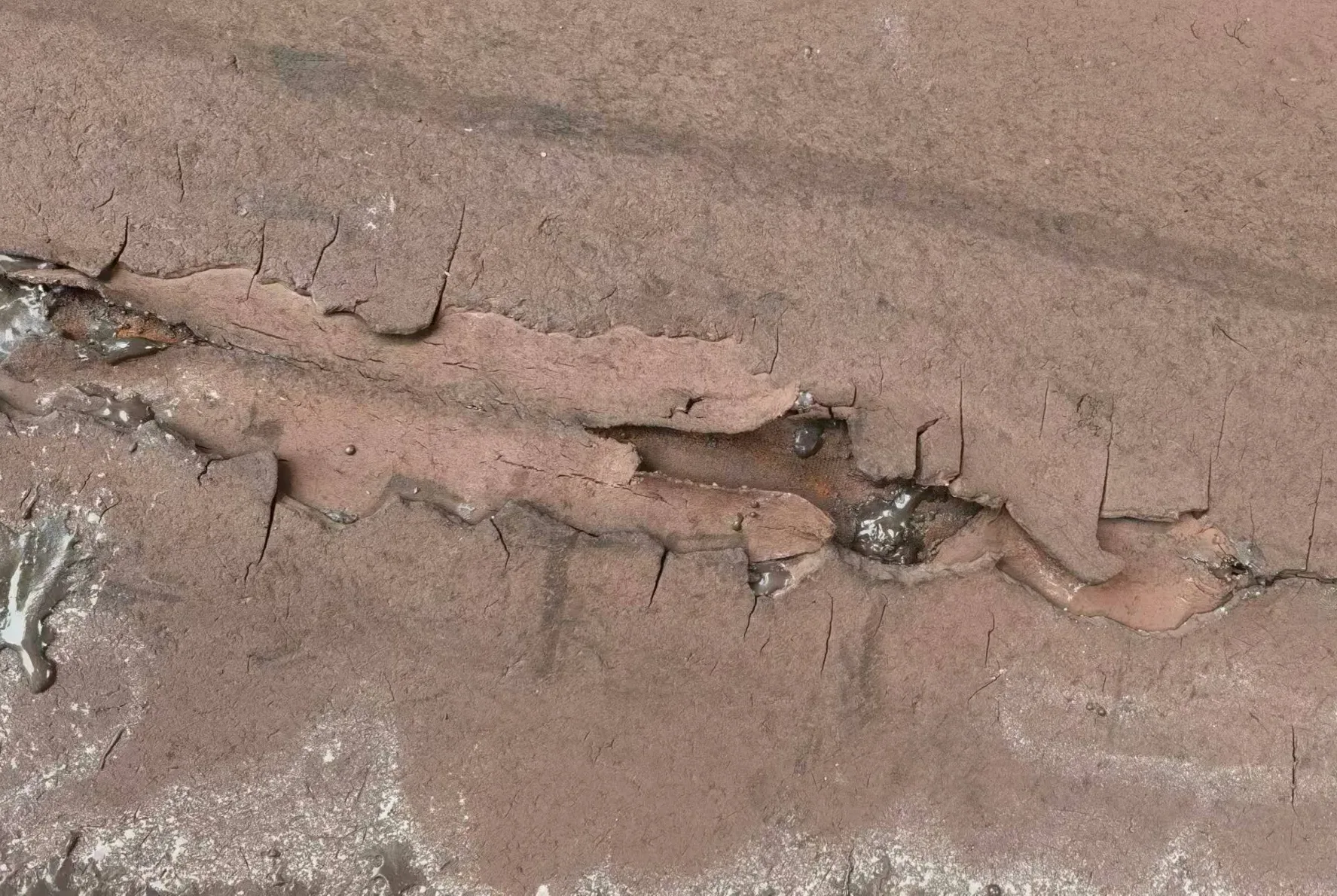
The cover has torn and peeled away along the belt, with surrounding cracking showing that the visible tear may be only part of the damage mechanism.
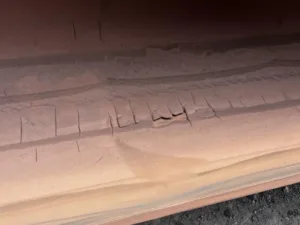
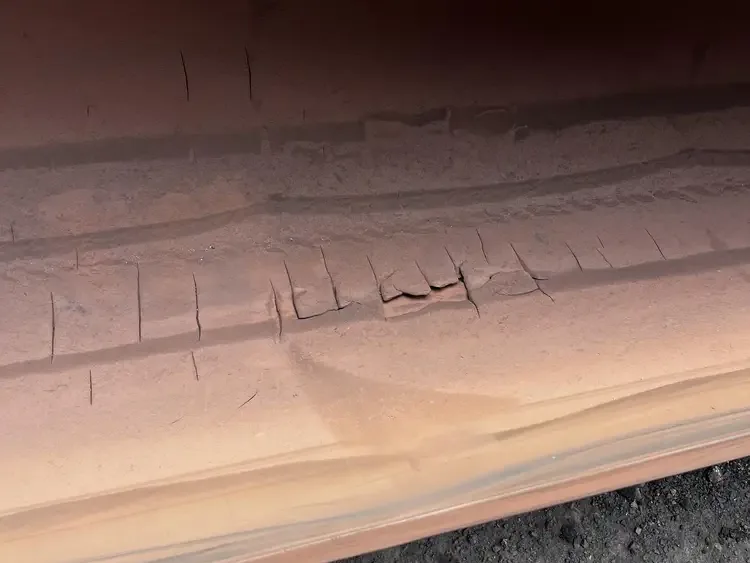
Repeated transverse cracks across the belt surface can be associated with flexing, ageing or local deformation and should be assessed together with conveyor geometry and operating history.
This is not a remote diagnosis. It is a way to narrow the investigation.
The key distinction is simple:
Where the belt failed is not always the same as why it failed.
Why a stronger belt can perform worse on the same pulley
When a belt wraps around a pulley, the outside of the carcass travels a slightly longer path than the inside.
The outer layers must extend, while the inner layers may be compressed.
As carcass thickness increases relative to pulley diameter, that difference becomes greater. Repeated bending can eventually develop into internal wrinkling, ply separation, carcass fatigue or cover cracking.
This is why adding reinforcement plies is not simply “adding strength.” It also changes thickness and bending behaviour.
If a repeatedly damaged belt is being upgraded, the supplier should confirm minimum pulley diameters for the exact proposed construction, not only its tensile class.
The practical question is:
How will the new belt behave every time it bends around the existing pulleys?
If that has not been checked, a stronger specification is not yet a reliability improvement.
Why lower elongation can create a transition problem
A troughed conveyor also requires the belt to change shape between the pulley and the fully troughed idlers.
During this transition, the belt centre and edges follow different paths.
Transition length, belt width, trough angle, pulley elevation and belt construction all affect this difference. Belt modulus then determines how much stress develops from the imposed strain.
This creates an important retrofit risk.
A lower-elongation, higher-modulus belt may reduce take-up travel and improve longitudinal stability. But if the existing transition geometry is left unchanged, local stresses may increase.
The belt edges can become highly tensioned while the centre experiences much lower tension. Depending on the application, the result may appear as edge damage, splice distress, transverse cracking or internal fatigue.
The lesson is not that high-modulus belts are undesirable.
The lesson is that:
Belt properties and conveyor geometry must be evaluated together.
If recurring damage appears near a transition, review transition length, trough angle, pulley elevation, take-up conditions and belt modulus before increasing the strength rating.
A BOTON case: change the failure mechanism, not just the rating
A heavy-duty stockyard cantilever conveyor provides a useful example.
The system had been using a conventional multi-ply EP fabric belt. The application combined a wide belt, a relatively large troughing angle and repeated heavy material impact.
The recurring problems included inter-ply delamination, premature fatigue cracking and troughing deformation. Actual service life was reported at less than half of the design expectation, resulting in frequent replacement and unplanned downtime.
It would have been easy to describe the requirement as simply “a stronger EP belt.”
But the real problem involved impact absorption, trough stability and repeated flexing at the same time.
BOTON therefore applied a BTW impact-resistant fabric carcass using a triple-weave structure. Rather than relying on a large number of conventional plies, the design combines strength with elasticity, transverse support and impact-energy absorption.
The objective was not simply to increase nominal tensile strength.
It was to change how the belt responded to impact, bending and troughing.
Project records report approximately 2× improvement in service life, together with a significant reduction in unplanned downtime.
The important lesson is not that BTW is the answer to every failure. At another site, the correct solution may be a larger pulley, a longer transition, an improved chute, a different cover compound or a revised splice.
The replacement should follow the failure mechanism.
Sometimes the conveyor needs to change too
If similar damage repeatedly appears in the same location, the surrounding conveyor deserves the same attention as the belt.
At a loading point, a tougher carcass may help, but excessive drop height or poor material trajectory can continue generating damage.
Near a pulley, a more flexible construction may reduce fatigue, but an undersized pulley remains a constraint.
At a transition, changing belt modulus may help, but the geometry may still need adjustment.
The same applies to splices.
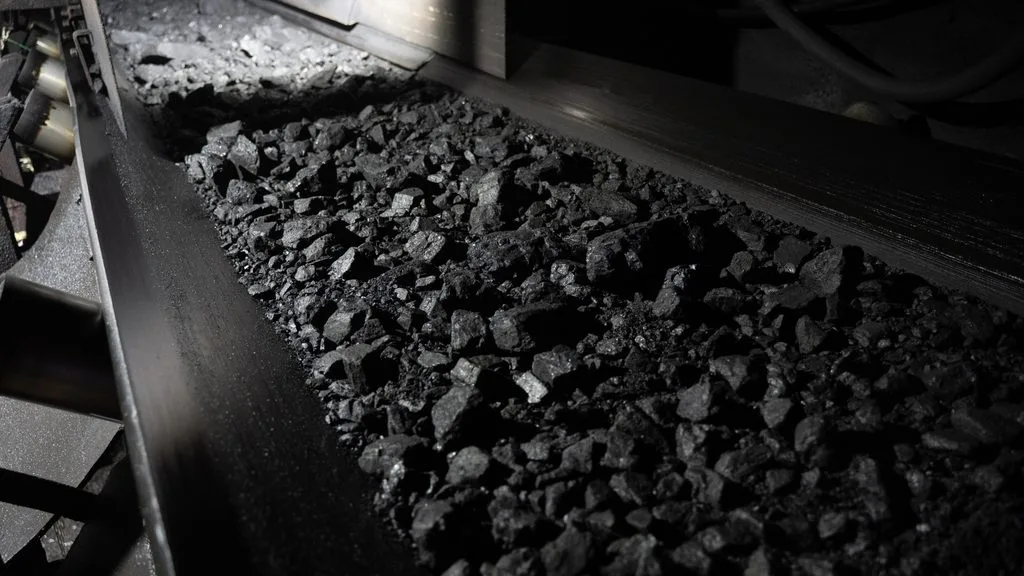
During phased replacement at an Indonesian coal mine, a new BOTON ST2000 section had to be spliced directly to the belt already operating on the conveyor. Nominal tensile strength was only the starting point. Belt compatibility, splice design and field execution also had to be controlled.
Following field validation, BOTON belt supply for the mine expanded to more than 30 km.
What to send before requesting the next replacement belt
A useful replacement recommendation needs more than the old specification sheet.
Provide:
existing belt construction, strength, covers and service age;
expected service life versus actual service life;
photos showing both the earliest damage and its location on the conveyor;
relevant pulley diameters;
transition length, trough angle and idler arrangement;
belt speed, throughput, material density and maximum lump size;
drop height and loading-point information;
take-up type and available travel;
splice type and repair history;
any operating change before the failures began.
Most importantly, define what the replacement is expected to improve: service life, downtime, repair frequency, energy use or another measurable KPI.
Then ask each supplier two questions:
What is limiting the current belt?
Which part of the proposed construction addresses that limitation?
Those answers are often more valuable than simply comparing tensile ratings.
Before specifying more strength, explain the last failure
A damaged conveyor belt may ultimately need a stronger carcass, tougher cover or different reinforcement.
But repeated conveyor belt damage is unlikely to be solved by changing a number on the specification sheet alone.
Start with the first symptom. Identify where it occurs. Then check what the belt is experiencing at that location: impact, bending, transition strain, tension or splice cycling.
Only then should “stronger,” “thicker” or “lower elongation” become part of the replacement decision.
For recurring failures, BOTON’s Conveyor Belt Services & Lifecycle Solutions support belt selection, conveyor engineering, splicing, inspection and root-cause-based reliability improvement.
The objective is not to specify the strongest belt available.
By Keymon Huang Senior Strategic Brand Manager, BOTON August 2026 · 7 min read
This article draws on interviews with BOTON field specialists in China, Guinea and Australia, together with project experience from conveyor maintenance, monitoring and major belt-replacement sites.
Unplanned conveyor downtime rarely starts with a belt simply reaching the end of its service life.
More often, the cause is elsewhere in the system: a loading point that keeps pushing the belt off-centre, a splice process that is not being controlled consistently, internal steel cord damage that cannot be seen from the surface, or a belt replacement that takes longer than necessary because the work was not fully planned before shutdown.
Across mining operations supported by BOTON, these are some of the areas that have made the biggest difference to conveyor availability.
Conveyor Belt Mistracking: Start with the Cause
When a belt runs to one side, adjusting or installing a tracking device is often the first response. In some cases, that is enough. In others, the belt is simply reacting to a problem elsewhere.
Loading position, pulley and idler alignment, transition geometry, belt tension, take-up behaviour, material build-up and belt troughability can all affect tracking.
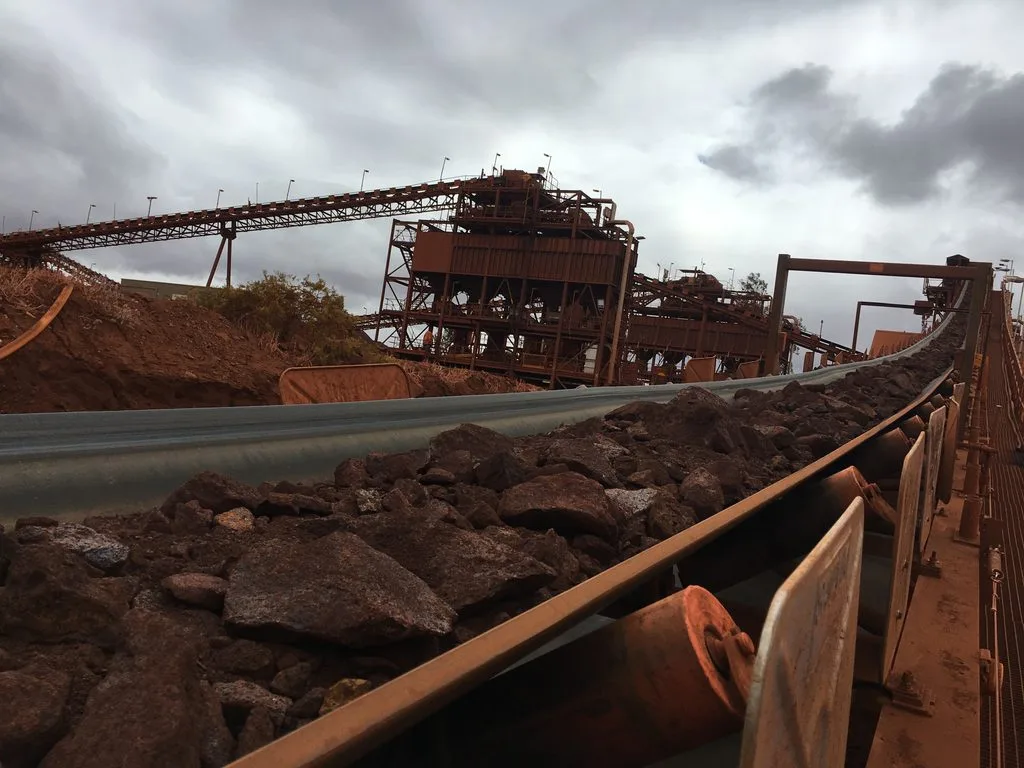
At a large iron ore port in Australia, uneven material distribution at the loading point was contributing to repeated belt deviation.
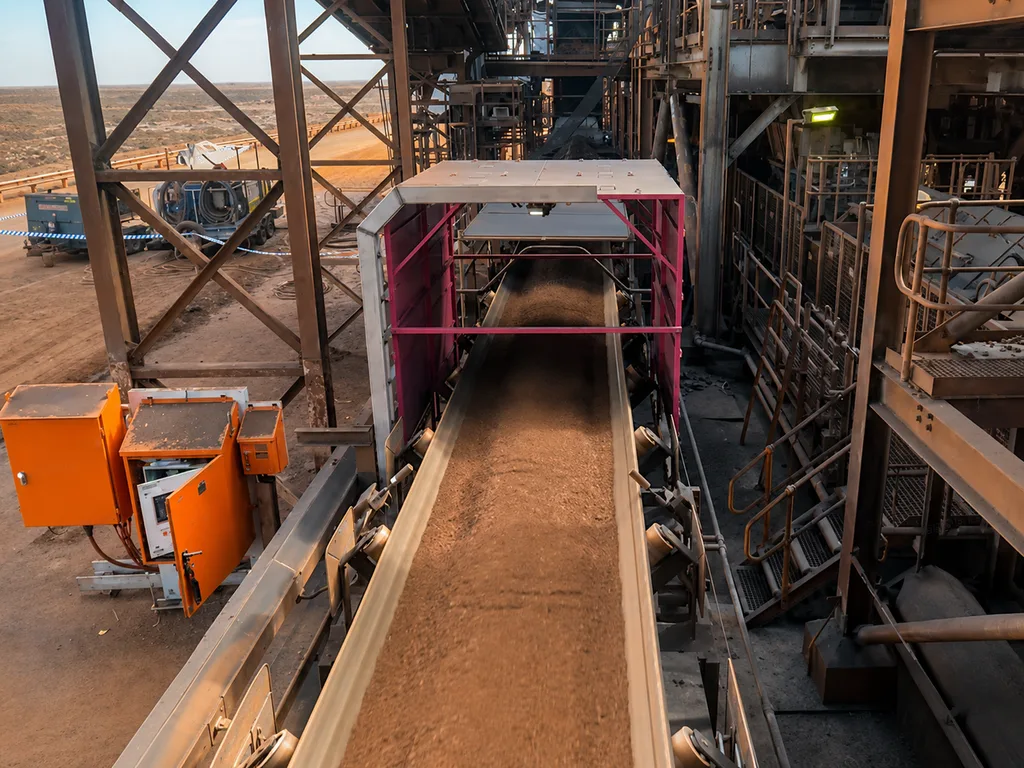
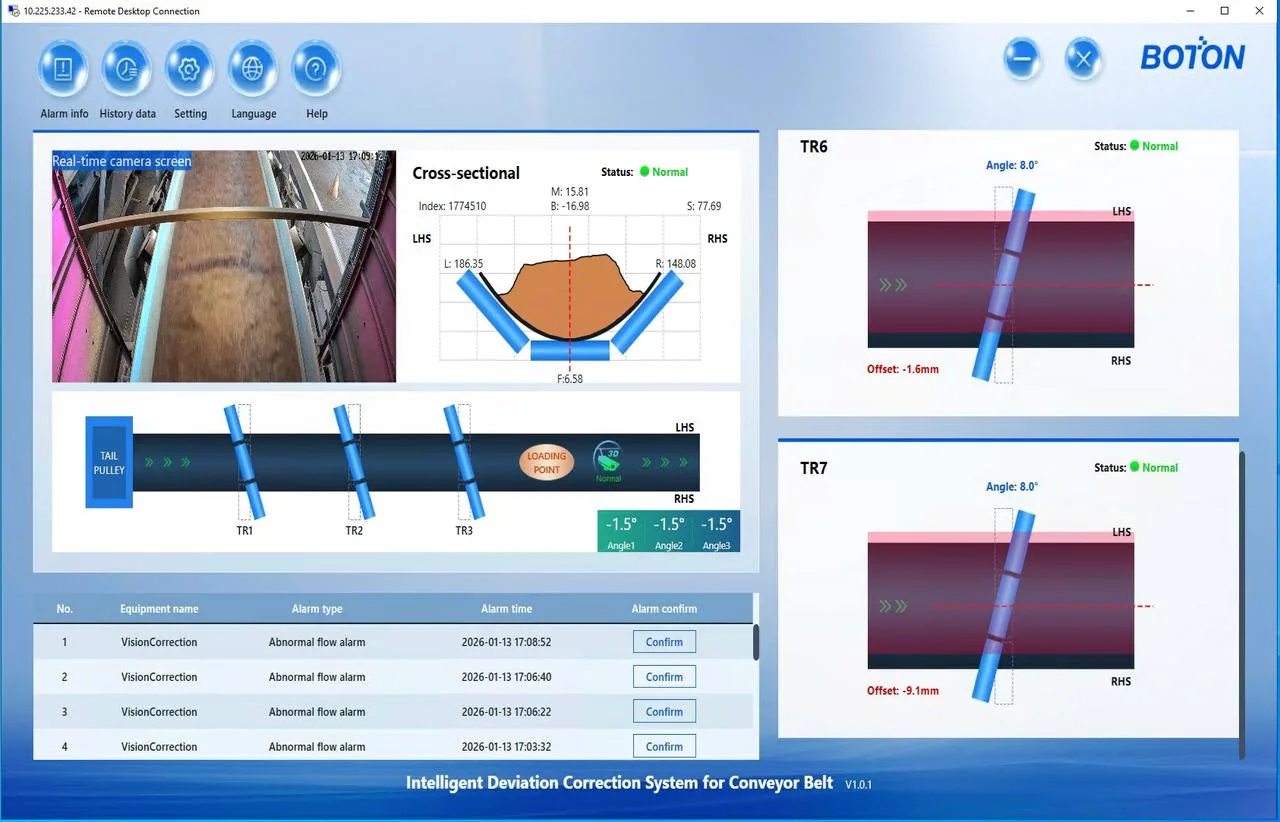
BOTON introduced its Conveyor Belt 3D Vision Dynamic Material Centering System to monitor both belt position and material distribution. The information is then used to support adjustment of the loading condition, helping address the source of mistracking rather than relying only on downstream mechanical correction.
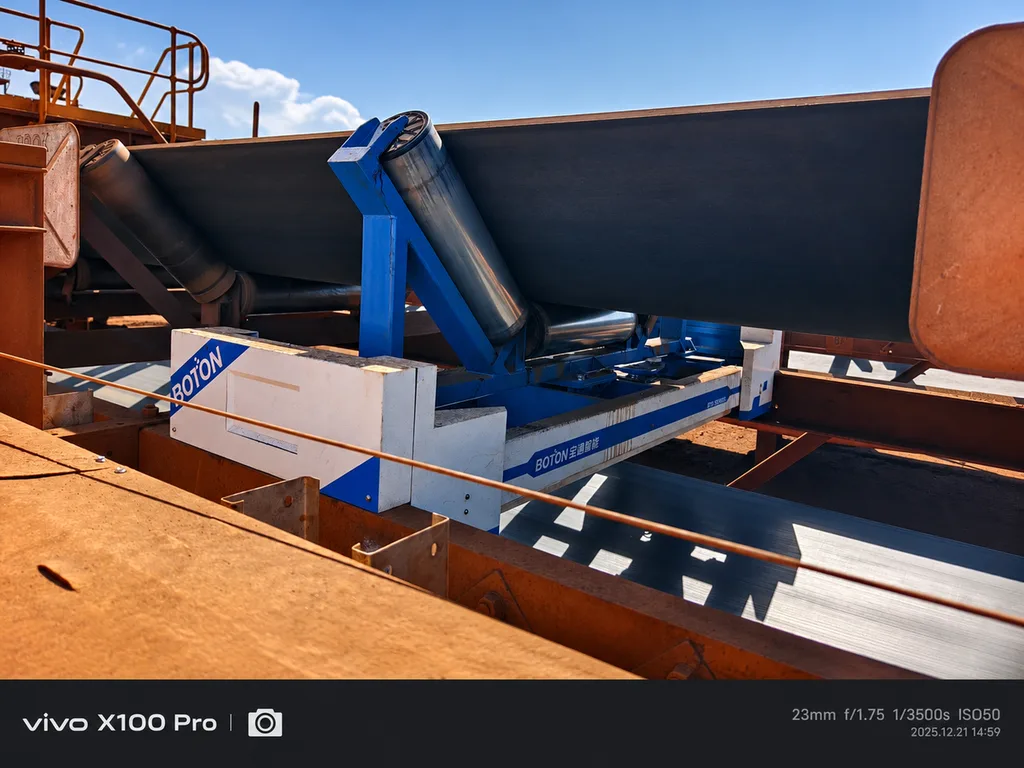
In the same application, BOTON’s AUTOTRACK™ intelligent conveyor belt tracking system is used to correct belt position during operation. Working together, the 3D monitoring system identifies off-centre loading conditions, while AUTOTRACK™ provides tracking correction where required.
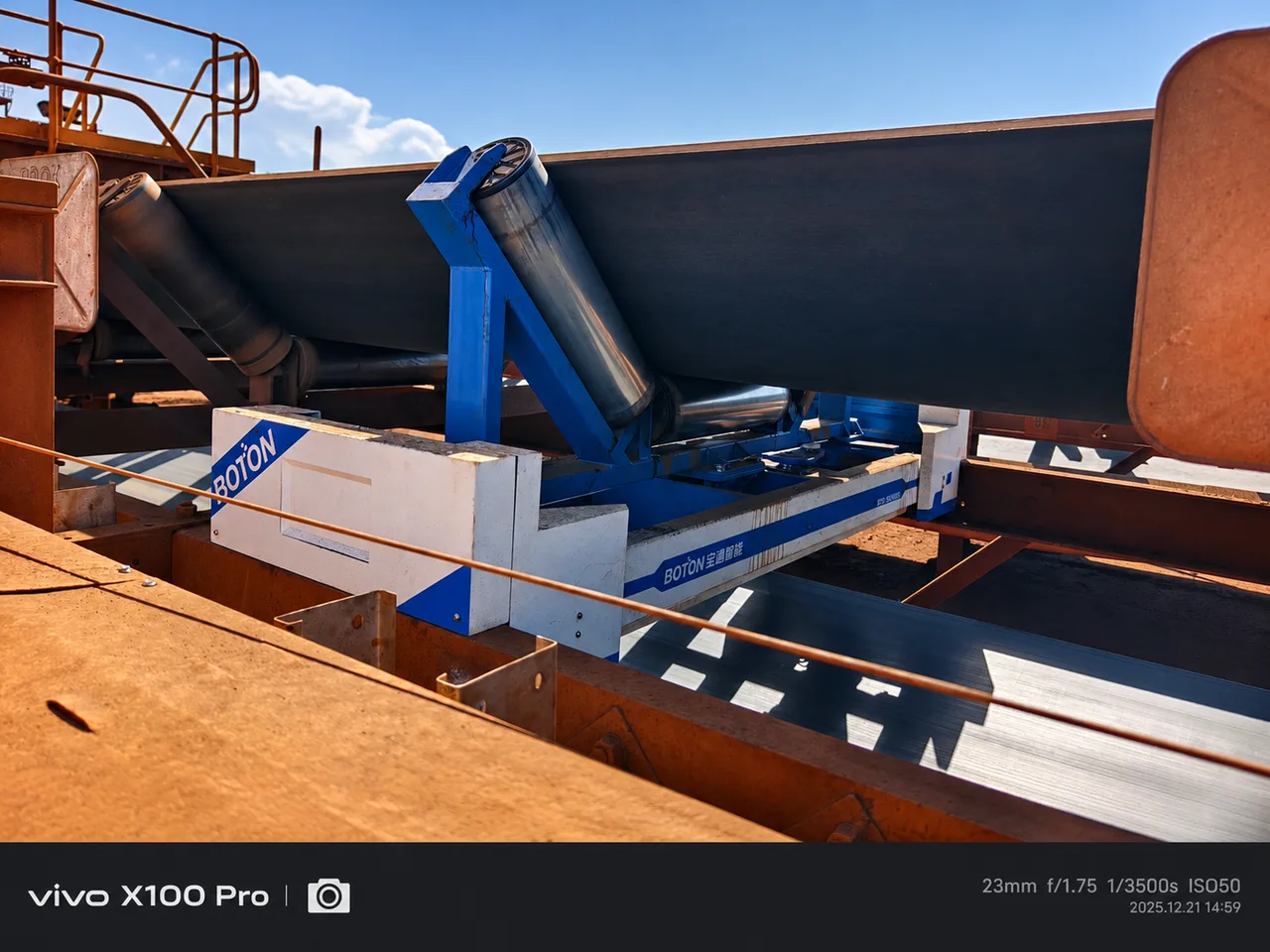
Conveyor Belt 3D Vision Dynamic Material Centering System
AUTOTRACK™ Intelligent Tracking System
Conveyor Belt 3D Vision Monitoring Interface
BOTON field specialist Sun Ting describes the approach simply:
“Find the cause first. Then decide what to fix.”
The same applies when a newly installed belt is not running as expected. Before changing the belt or adding more tracking equipment, the conveyor geometry, loading conditions and belt construction all need to be checked.
Prevent Recurring Splice and Transfer-Point Damage
Repeated repairs usually point to a repeated cause.
At a bauxite operation in Boffa, Guinea, recurring cracking had been observed in a number of splices completed by the previous service team before BOTON’s involvement. When BOTON’s field-service team began supporting the site in 2024, improving splice reliability became one of the immediate priorities.
Rather than continuing to repair individual failures, the team reviewed the complete splicing process, including material condition, preparation, alignment, vulcanising parameters, equipment and workmanship.
Splice performance improved progressively over the following months. According to the project team, no subsequent failures attributed to splice quality were recorded during the following two years.
The improvement came from making the process more consistent, rather than simply repairing individual failures.
Transfer points can create a similar pattern.
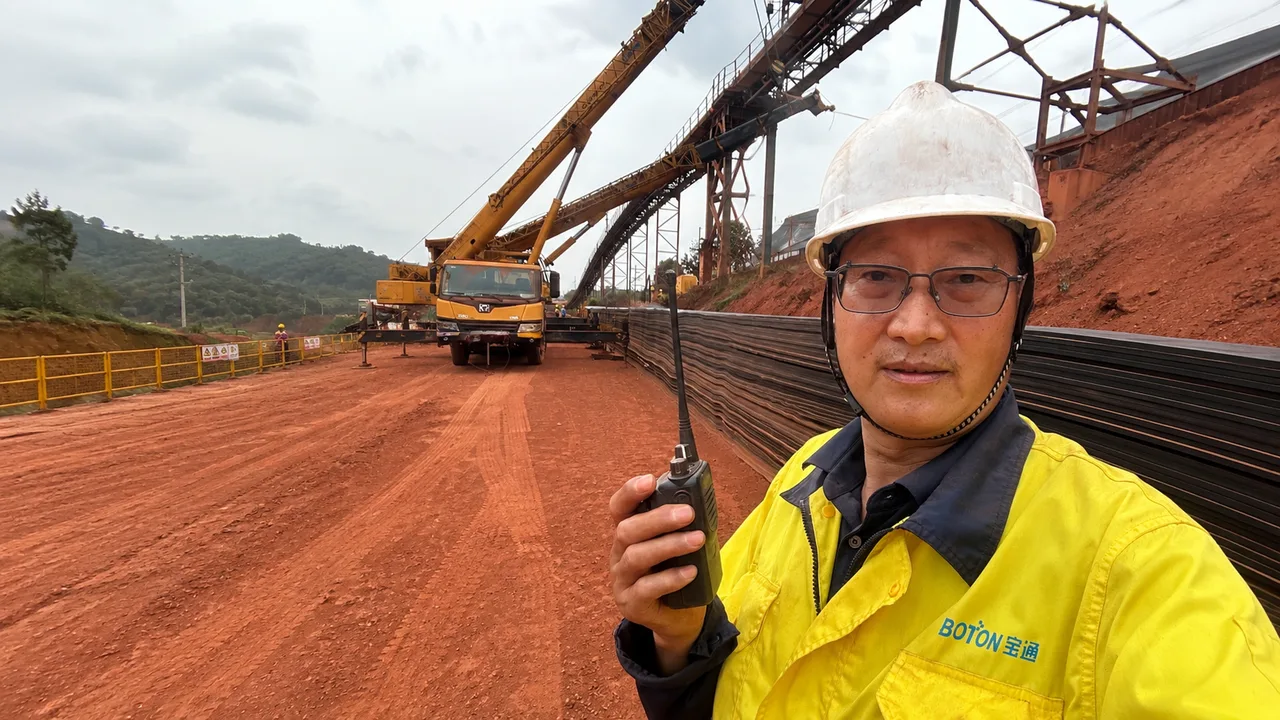
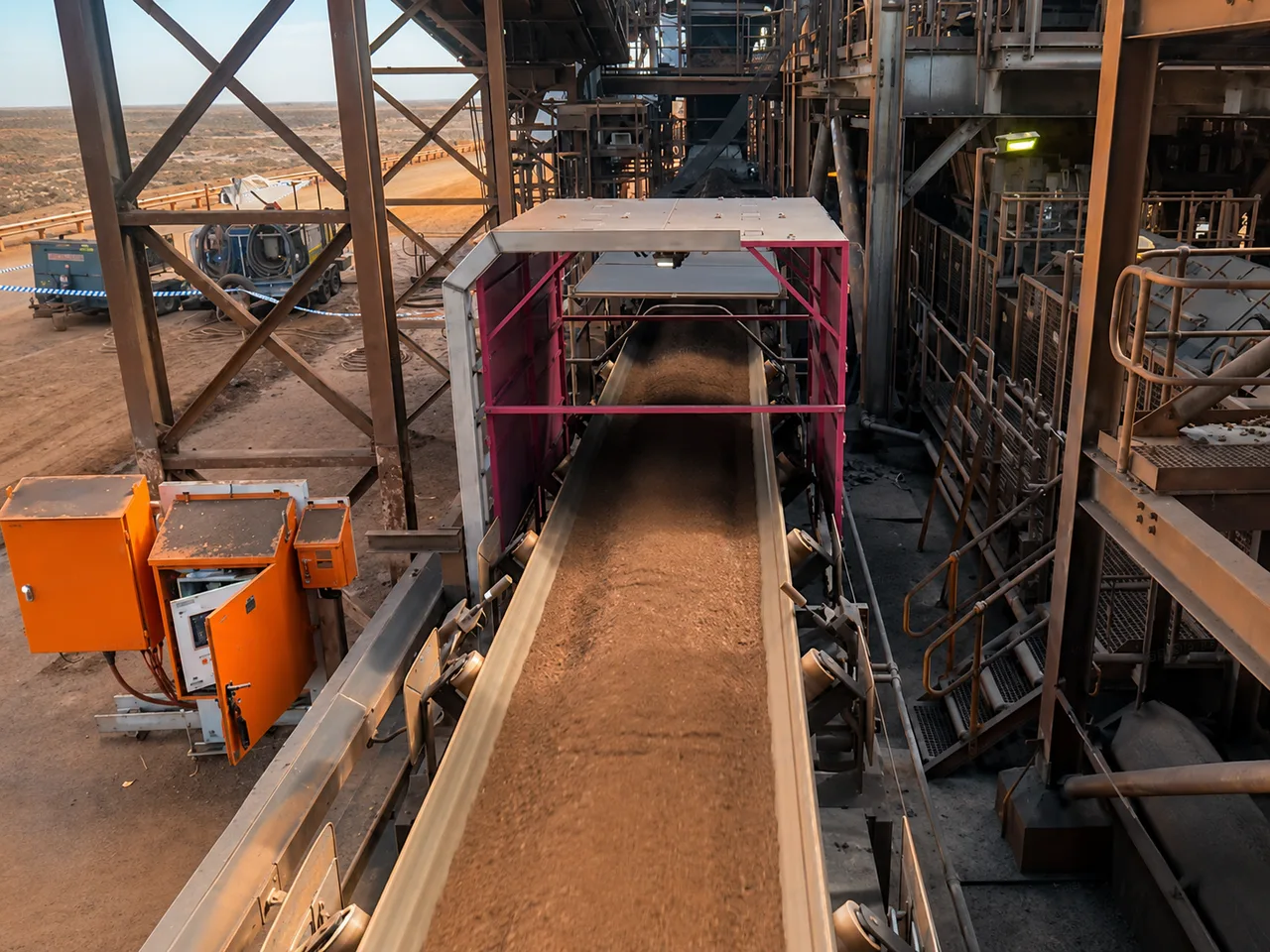
At the Simandou iron ore project in Guinea, wet-season material becomes more adhesive and changes the way ore moves through the conveyor system. Build-up, spillage, slipping and mistracking cannot be addressed by cleaning alone.
The field team has continued to adjust discharge conditions, cleaners, impact beds, tracking equipment, chutes and supporting structures as operating experience has developed.
Where damage keeps returning, the belt itself is not always the place to start looking.
Conveyor Belt Field Inspection in Guinea
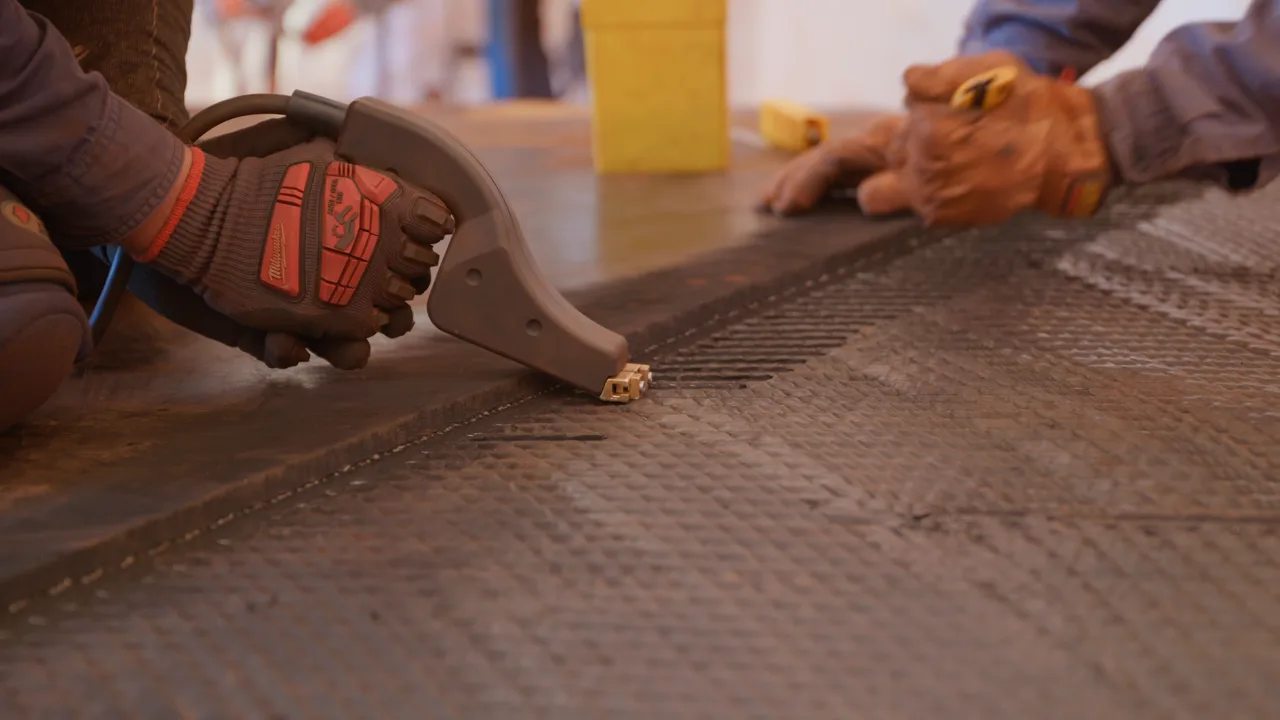
Conveyor Belt Splicing in the Field
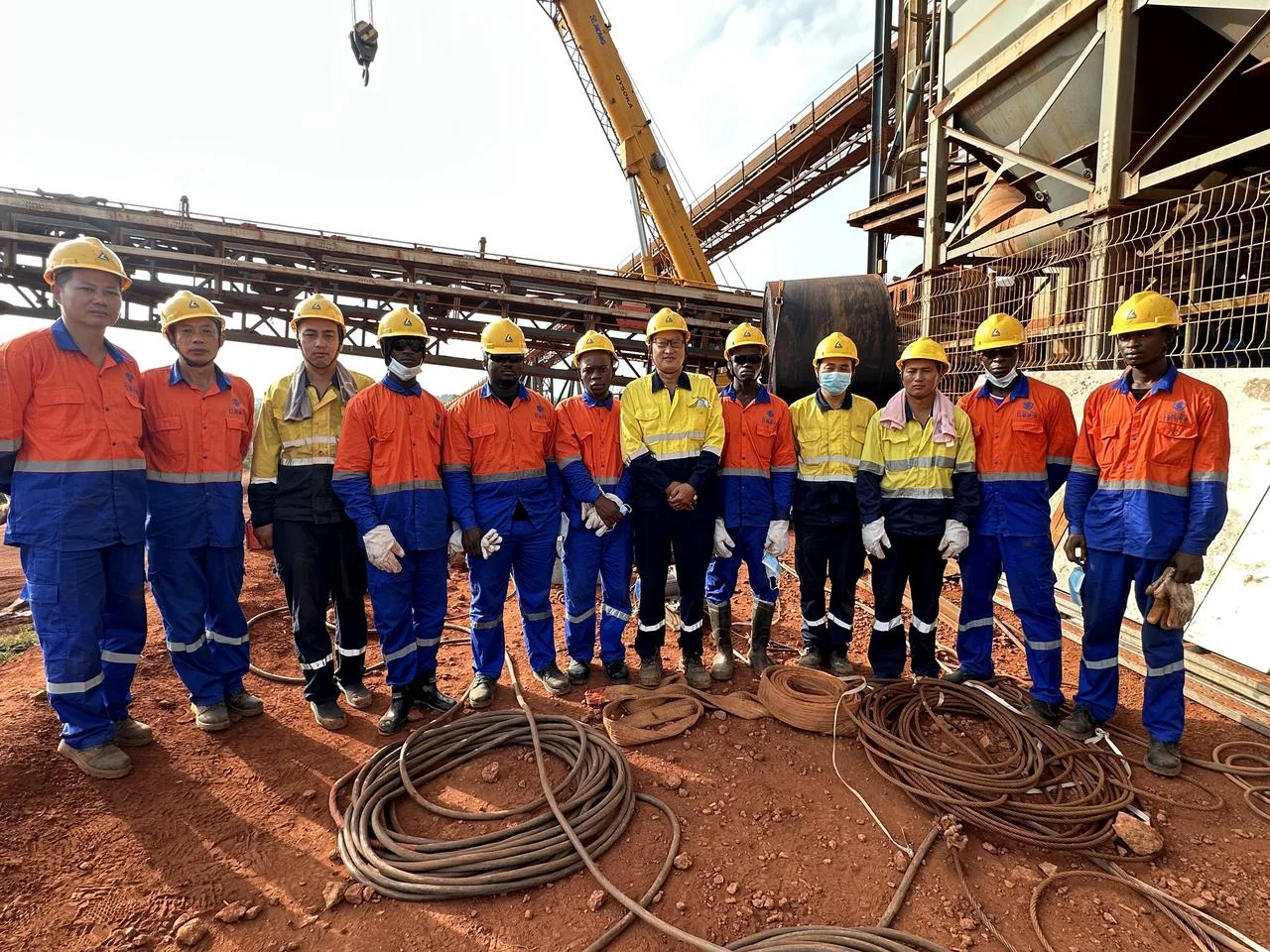
BOTON Conveyor Belt Field Service Team
Use Conveyor Belt Monitoring for Hidden Damage
Long conveyor systems are difficult to inspect, and some of the most important defects are internal.
At a large aggregate operation in China, a 26 km conveyor system uses a 2,400 mm-wide ST3150 steel cord belt.
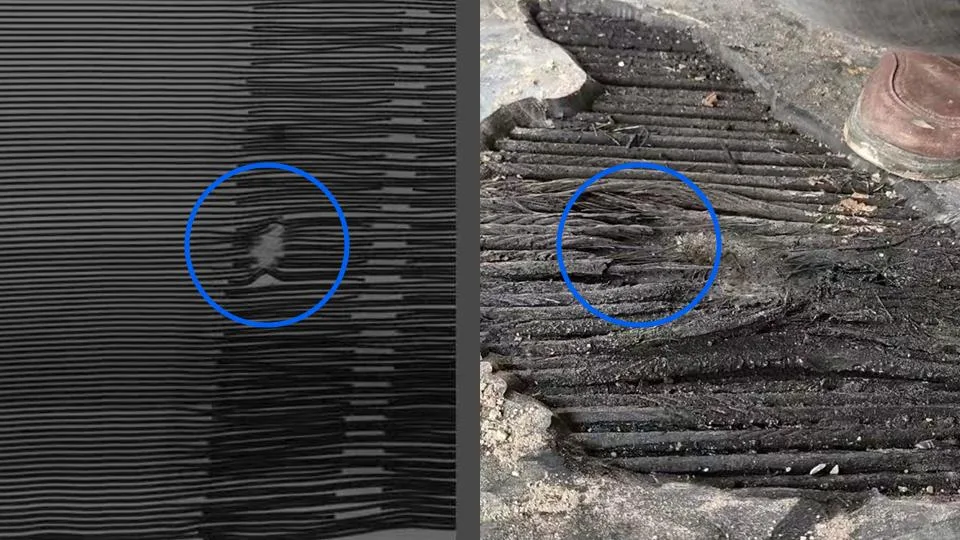
Inspecting the full system manually takes considerable time, while visual inspection cannot show broken or abnormal steel cords inside the belt.
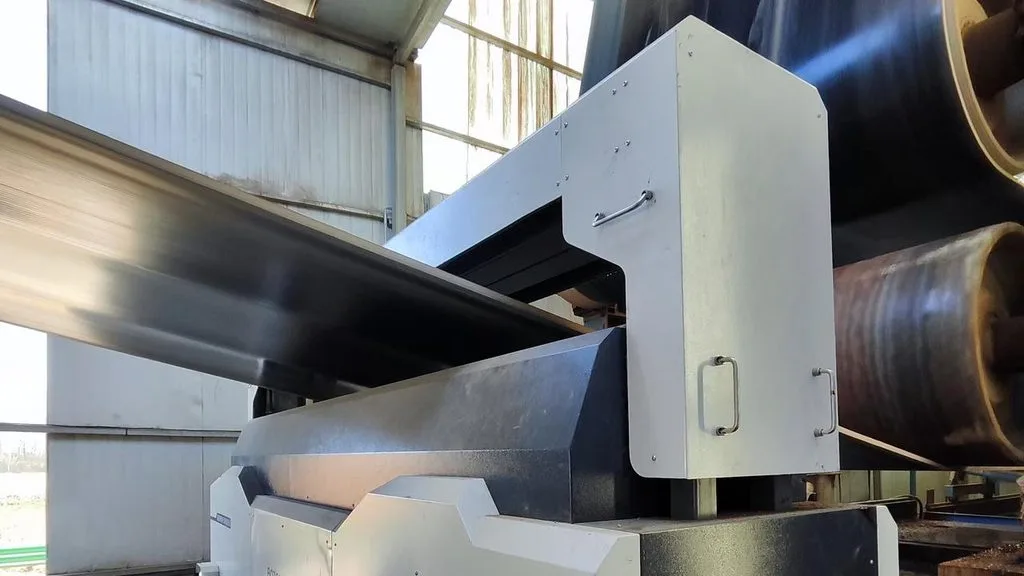
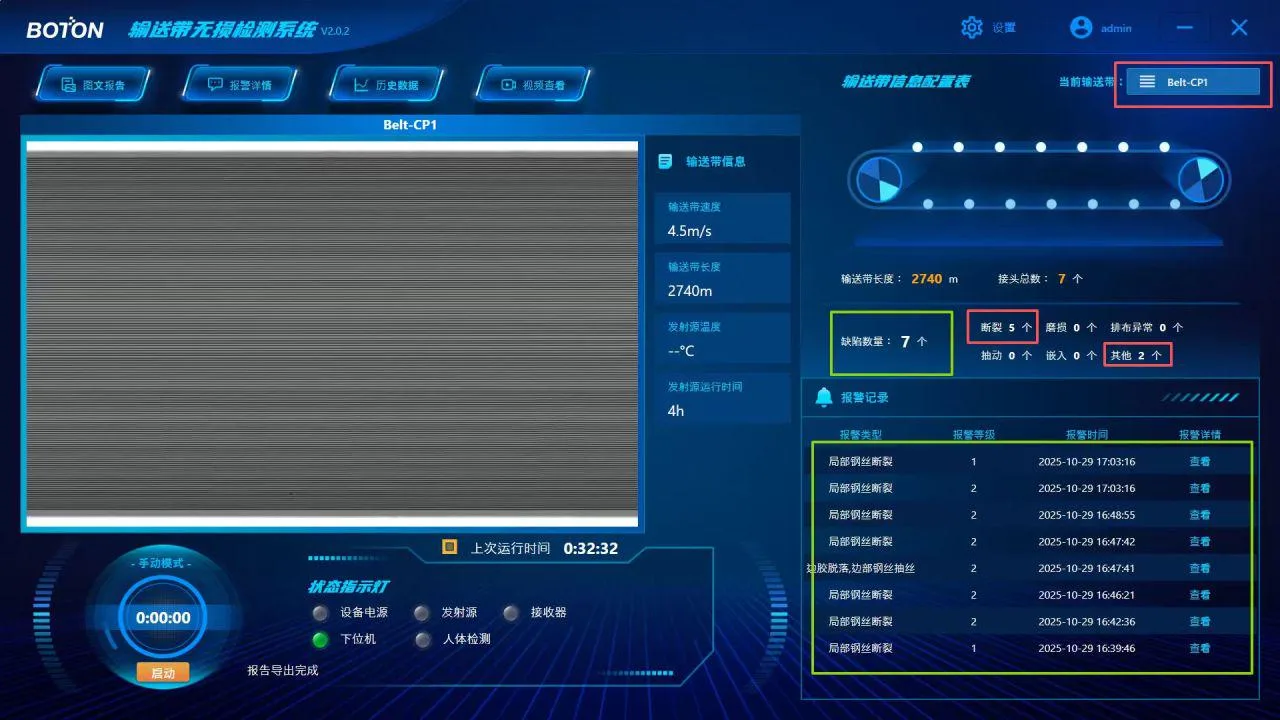
BOTON’s AUTOSCAN™ steel cord conveyor belt monitoring system uses nondestructive X-ray inspection to examine steel cord and splice condition while the conveyor is running. Stored inspection images can also be compared with later scans to identify changes in condition.
Different failure modes require different monitoring methods.
X-ray inspection is suited to internal steel cord and splice condition. Longitudinal ripping requires much faster detection. Cover wear is better followed through thickness and wear trends, while belt-position monitoring is used for tracking.
BOTON’s VISION ADVANCED™ longitudinal rip detection system combines infrared thermal imaging with visible-light imaging. Current system specifications state recognition accuracy of at least 99.5% and a response time within 0.1 seconds.
Monitoring, however, is only useful if the site knows how to respond to what it finds.
Maintenance teams still need agreed criteria for continued operation, closer inspection, planned repair or immediate intervention. Without those thresholds, an alarm may identify a problem without improving the maintenance decision.
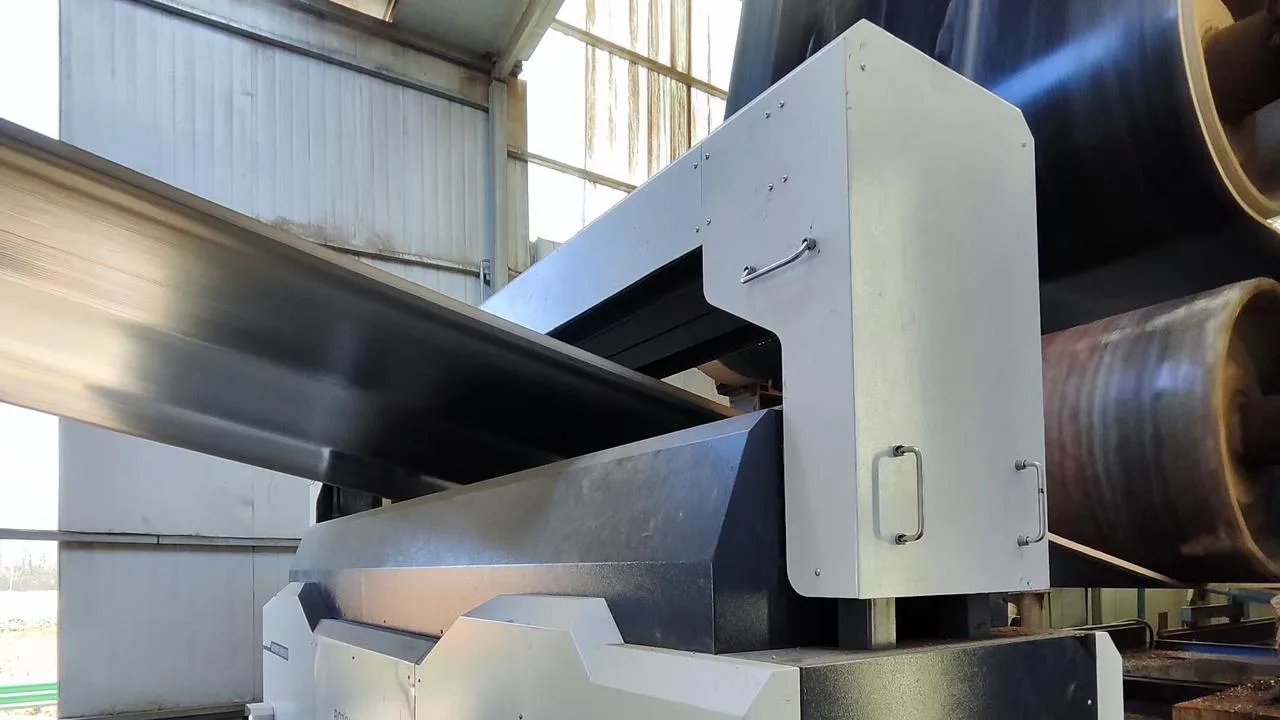
AUTOSCAN™ Conveyor Belt X-Ray Inspection System
Steel Cord Conveyor Belt Defect Detection
AUTOSCAN™ Conveyor Belt Monitoring Interface
Plan Belt Changeouts Before the Shutdown Window
Some conveyor downtime is unavoidable. A belt that has reached the end of its wear life still has to be replaced.
The duration of that shutdown can be influenced well before the conveyor stops.
In 2025, BOTON completed a belt replacement on an 8.8 km overland conveyor at a large iron ore operation in Western Australia.
The conveyor has 17.6 km of total belt length and uses a 2,200 mm-wide ST4000 belt, with a design speed of 5.1 m/s and a design capacity of 14,382 t/h.
Before the changeout began, the team planned the belt entry point, pulling arrangement, winding sequence, turning points, splicing and site safety requirements.
Hydraulic motor pullers and belt-clamp pullers were used together to manage traction and system resistance. Two 100-ton belt winders alternated during winding, while turning devices controlled belt direction and entry angle.
The full belt replacement was completed within three days.
8.8 km conveyor · 17.6 km belt · ST4000 · 3 days
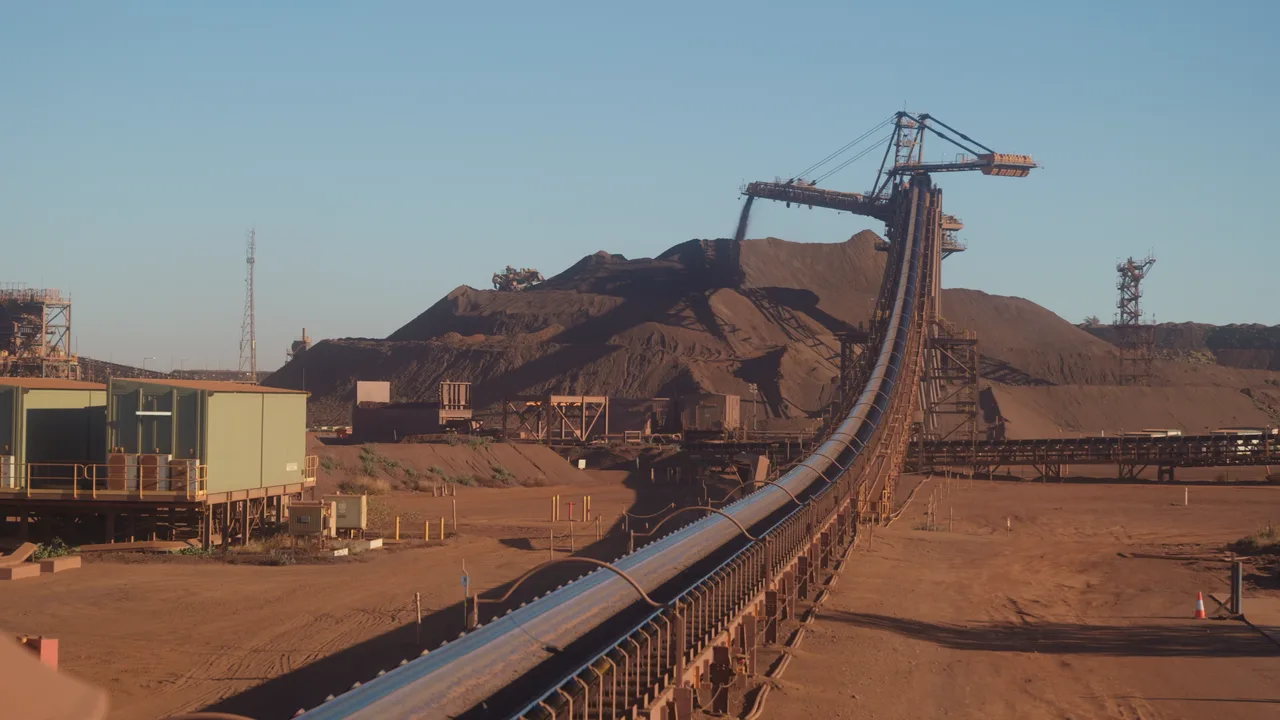
Overland Conveyor at an Iron Ore Mine
Conveyor Belt Splicing
Steel Cord Conveyor Belt Changeout in Western Australia
Conveyor Belt Turning Device During Belt Changeout
A similar improvement was achieved through repeated belt changeouts at Boffa.
The first major replacement of a steep-angle steel cord belt took approximately 53 hours. The team subsequently adjusted the belt entry point, pulling method, equipment staging and work sequence.
Later replacements were completed in around 30 hours, with the fastest taking 28 hours.
For major belt work, the shutdown window is only one part of the job.
The correct belt and splice materials need to be on site. Pulling, winding and vulcanising equipment needs to be ready. The installation sequence needs to suit the conveyor layout, access conditions and available working space.
The more of this that is resolved beforehand, the less there is to solve while production is stopped.
Reducing Conveyor Belt Downtime Across the System
Conveyor belt downtime has many causes, and the belt itself is only one part of the system.
Mistracking may start at the loading point. Splice reliability depends on field process control. Internal damage may require nondestructive inspection. A planned belt replacement may depend as much on preparation and belt-handling methodology as on the crew carrying out the work.
For critical conveyors, the starting point is to identify the failures most likely to interrupt production, then decide what can be prevented, what needs to be monitored and what needs to be ready when intervention is required.
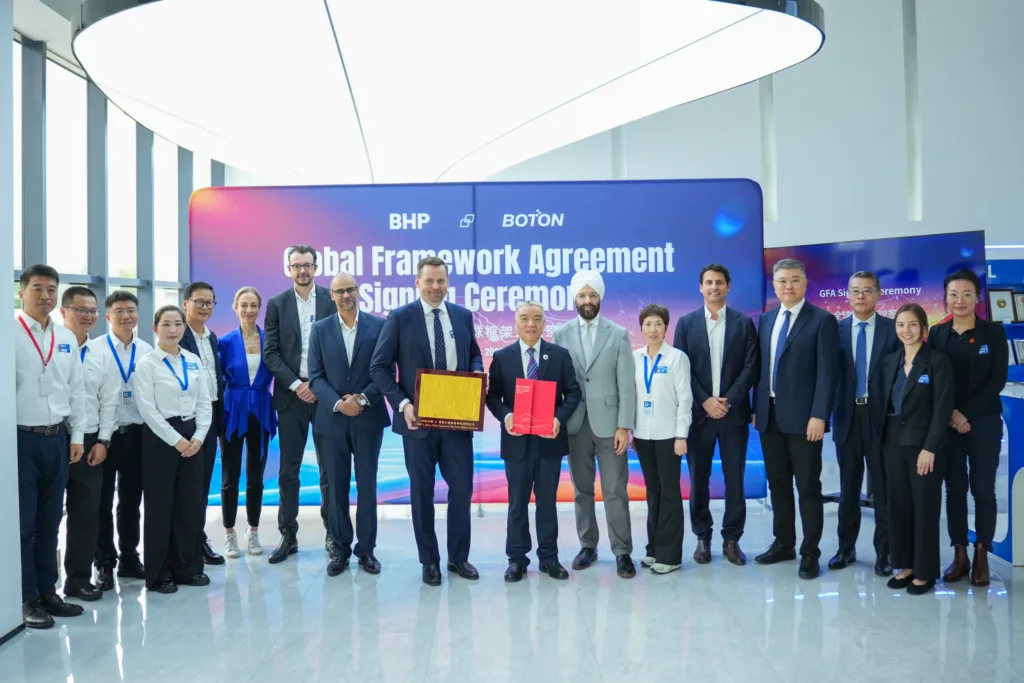
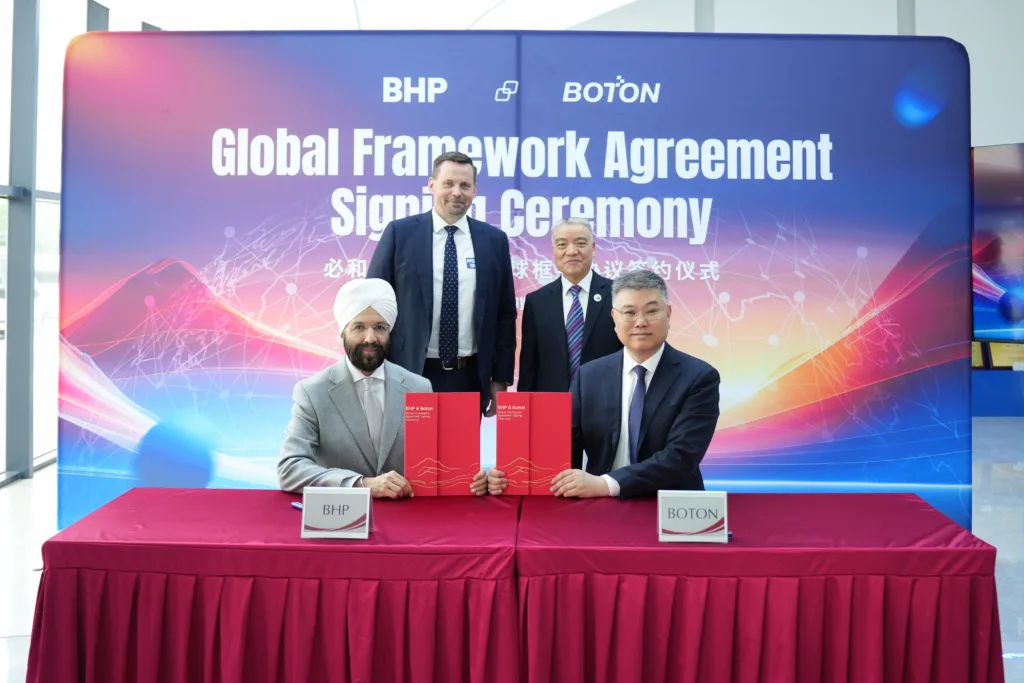
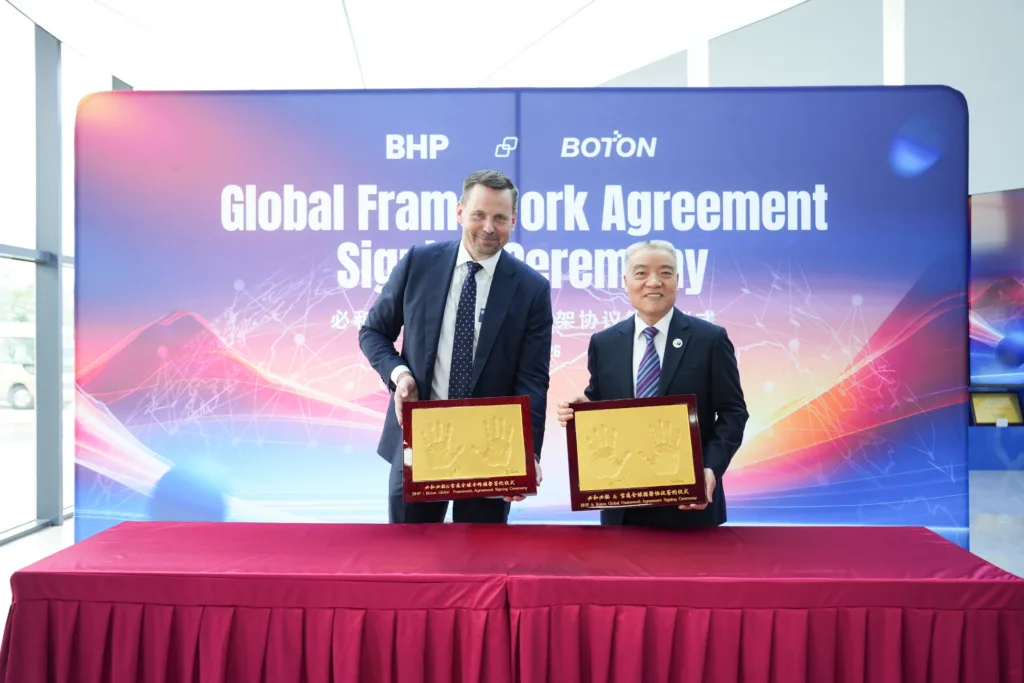
Recently, Wuxi BOTON Technology Co., Ltd. and BHP, one of the world’s leading resources companies, held a signing ceremony for a Global Framework Agreement at BOTON’s Innovation Center in Wuxi.
The agreement marks a further step in the long-term cooperation between the two companies, expanding their collaboration from product supply to broader areas including technology collaboration, sustainability, global service capability and lifecycle support for mining conveying systems. It also represents a new stage of cooperation between a Chinese intelligent industrial conveying company and a leading global mining group.
Senior representatives from BHP attended the ceremony, including Ragnar Udd, Chief Commercial Officer; Michiel Hovers, Group Sales and Marketing Officer; Rashpal Bhatti, Group Procurement Officer; and Sundeep Singh, Group Officer, Global Business Services.
BOTON Chairman Bao Zhifang attended the ceremony together with senior executives including Tang Yu, Executive President of Industrial Digitalization and General Manager of BOTON Thailand, and He Ganghou, Chief Commercial Officer of BOTON.
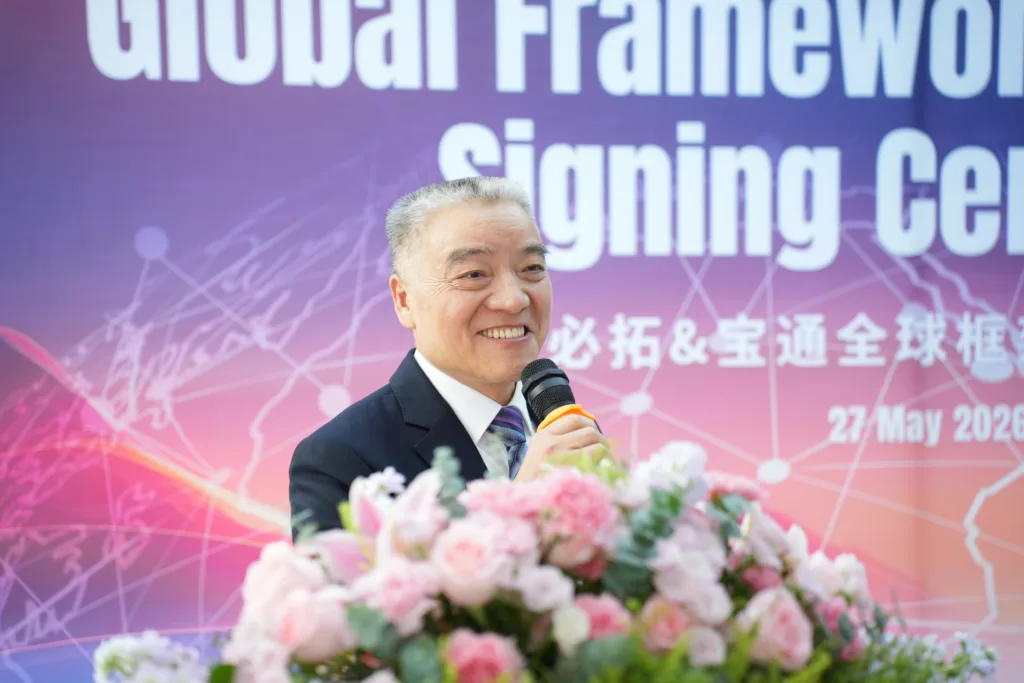
At the signing ceremony, Chairman Bao Zhifang delivered a speech on behalf of BOTON. He reviewed the long-standing cooperation between the two companies and noted that the Global Framework Agreement carries significance beyond a conventional commercial contract. It represents strong recognition of BOTON’s role as a strategic global partner to BHP.
He also noted that BHP recently awarded BOTON the first Global Three-Star Technical Assurance Certification to BOTON’s Wuxi Factory, further strengthening the foundation of trust for the signing of the Global Framework Agreement.
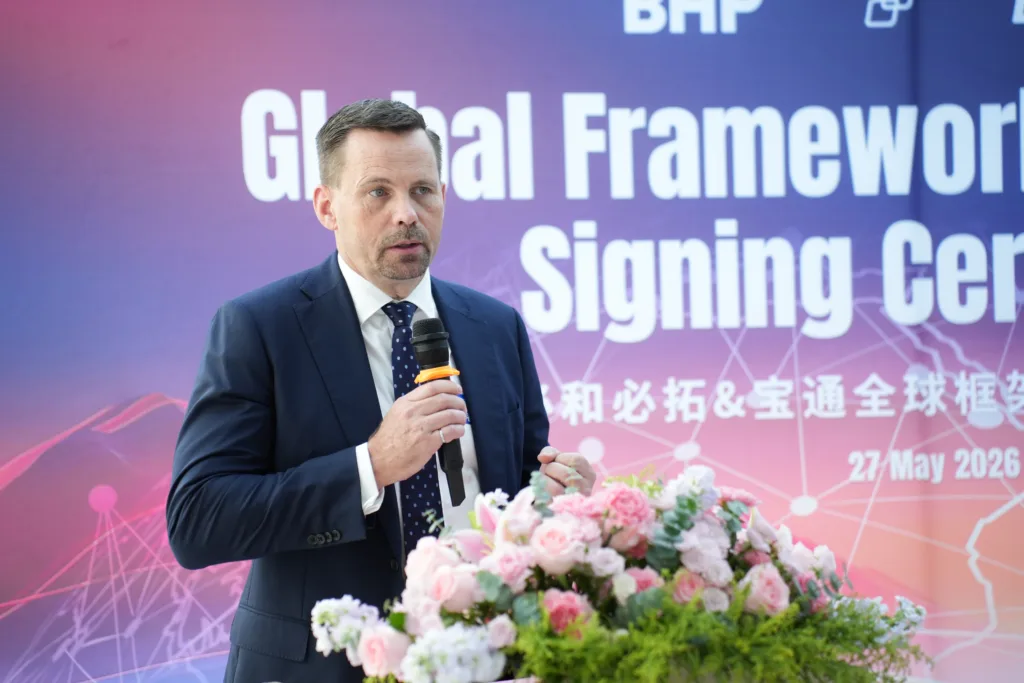
BHP Chief Commercial Officer Ragnar Udd stated that conveyor belts are the “invisible lifeline” of mining operations, and that the 14-year stable partnership with BOTON has created valuable trust between the two companies. He recognized BOTON’s capabilities in technology innovation, quality management, decarbonization and global coordination, and noted that the agreement marks an expansion of BOTON’s role from a product supplier to a strategic global partner of BHP.
Looking ahead, the two companies will deepen collaboration in innovation and sustainable operations, working together to support the green and intelligent transformation of the mining industry.
Under the agreement, BOTON and BHP will further connect technology, supply chain, service and strategic resources, building a long-term, stable and highly collaborative global partnership. The cooperation will focus on three key areas:
Co-creating intelligent solutions for advanced unattended mine conveying systems
This marks an important step for BOTON as it continues to move from product delivery toward deeper technology collaboration, contributing its intelligent conveying capabilities to the next stage of global mining operations.
Advancing full-lifecycle carbon management for low-carbon mining operations
Starting from the world’s first carbon-neutral conveyor belt, the two companies will launch a Green Supply Chain Partner Program and explore a full-lifecycle carbon footprint tracking system for the mining sector, covering raw materials, manufacturing, operation and recycling.
The program aims to support lifecycle carbon neutrality for core products within five years and advance technologies for the full recycling and reuse of used conveyor belts. This will help provide a replicable and scalable model for the green transformation of global mine conveying systems, turning carbon reduction from a concept into a measurable industrial practice.
Strengthening localized service through a global network
Leveraging its global footprint, including the Australia Technical Service Center and Thailand manufacturing base, BOTON will further enhance localized service capabilities in major mining regions. The company plans to establish frontline service stations to support rapid response, with a target of 24-hour response and 48-hour on-site support.
By combining rapid response with local service capability, BOTON aims to support customers across the full operating lifecycle. Through the integration of technology, supply chain and service resources, the company will help build a more stable, efficient and collaborative global service system, creating long-term value beyond the terms of individual contracts.
The signing of the Global Framework Agreement represents an important milestone in BOTON’s global development. It also reflects the company’s continued transformation from a conveyor belt manufacturer into a global lifecycle solution provider for intelligent industrial bulk material conveying systems.
Moving forward, BOTON will continue to strengthen its capabilities in technology innovation, sustainable manufacturing and global service. Together with BHP, BOTON will support safer, more efficient and lower-carbon conveying operations across global mining sites, and contribute to a more intelligent and sustainable future for industrial conveying.
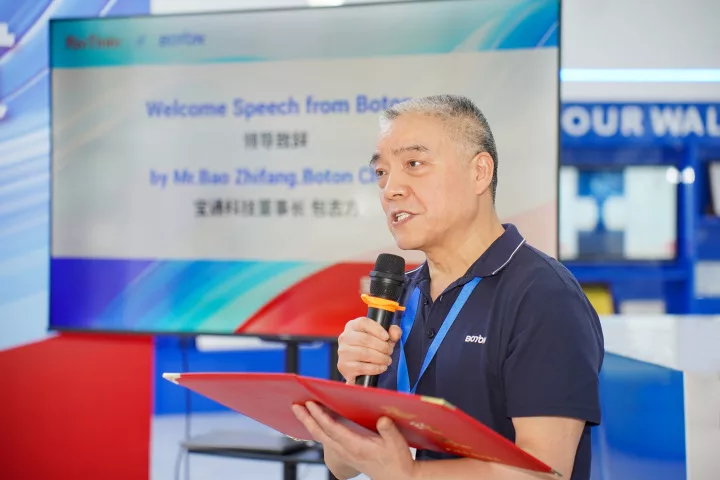
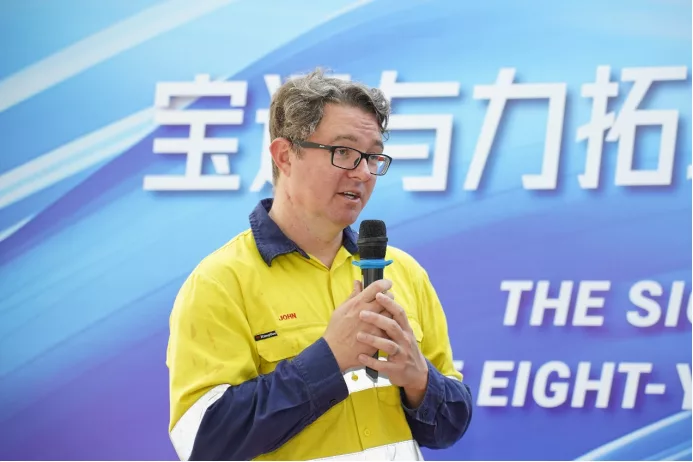
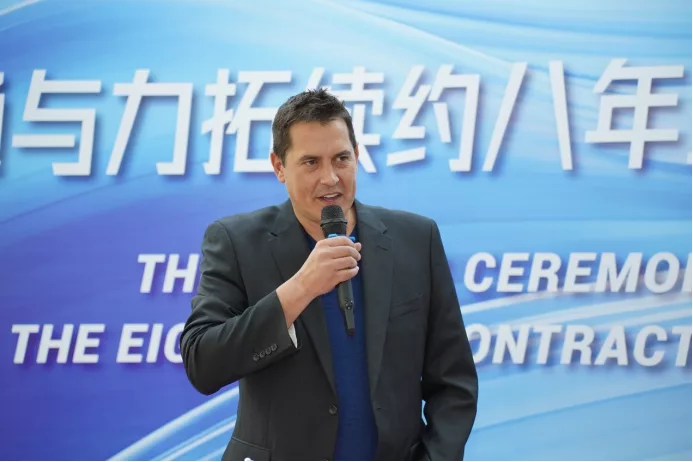
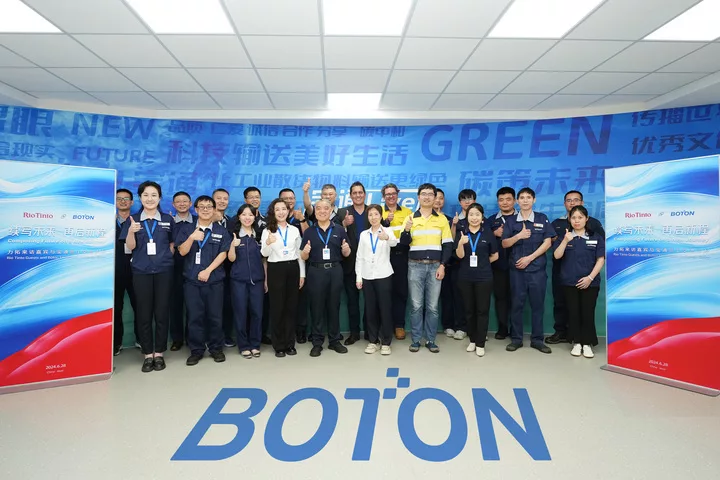
On June 28th, at the BOTON Hongshan Smart Industry Park’s Innovation and Sharing Center, BOTON and Rio Tinto held a grand renewal signing ceremony, marking the official start of a new chapter of cooperation that spans eight years. This renewal is not only an affirmation of the past five years of collaborative achievements but also a firm commitment to future joint development.
Review and Prospect, Deepening Cooperation
At the signing ceremony, BOTON and Rio Tinto jointly reviewed the journey of cooperation over the past five years. To date, the total length of the conveyor belts supplied by BOTON to Rio Tinto has exceeded 800 kilometers. In addition, the two parties have achieved specific breakthroughs in three areas: technological innovation, business cooperation, and community contributions. BOTON and Rio Tinto have not only deepened mutual understanding and trust but have also established confidence and influence in the global market for both parties. Mr. Bao Zhifang, Chairman of BOTON, said in his speech that during the past five years of cooperation, BOTON has profoundly felt the patience and sincerity of sincere cooperation, the desire and interaction for mutual growth. Mr. Bao also emphasized: “Today we are here to celebrate the renewal of the global procurement contract between Rio Tinto and BOTON for 8 years, marking a new stage in our cooperative relationship. BOTON will take this opportunity to fully implement the total life cycle quality management, ensuring to provide high-end products, timely delivery, and high-quality services to Rio Tinto within the contract scope. At the same time, we will further deepen strategic cooperation beyond the contract scope, playing an active role in promoting industry progress and social development.”
Rio Tinto firmly belileves in the potential of China’s economy and that the country’shigh-quality development agenda will further promote the transformation anddevelopment of the manufacturing industry. Rio Tinto places gre at importance onlong-term cooperation, aiming not only to maintain a long-term business relationship with Chinese enterprises but also to deepen, appreciation and supportfor Chinese suppliers, thus building a more comprehensive partnership. Mr. JohnRobertson, General Manager of Maintenance Planning and Engineering for RTIO,and Mr. Jonathan Wilson, Senior Manager of Fixed Equipment spoke at the ceremony, expressing sincere gratitude to the global employees of BOTON. Theyemphasized key issues such as safe production, product quality, energy savingemission reduction, and social responsibility Rio Tinto expressed its, determinationto face challenges and seize opportunities together with BOTON, looking forward tocreating new achievements in the fields of mining and transportation systems.Rio Tinto China Sourc ing representatives including Senior ManagerLizzy Wat andMining Material Sourcing Specialist Henrique Wu also attended the signing ceremony and witnessed this important moment.
In-depth Exchange, Jointly Planning for Development
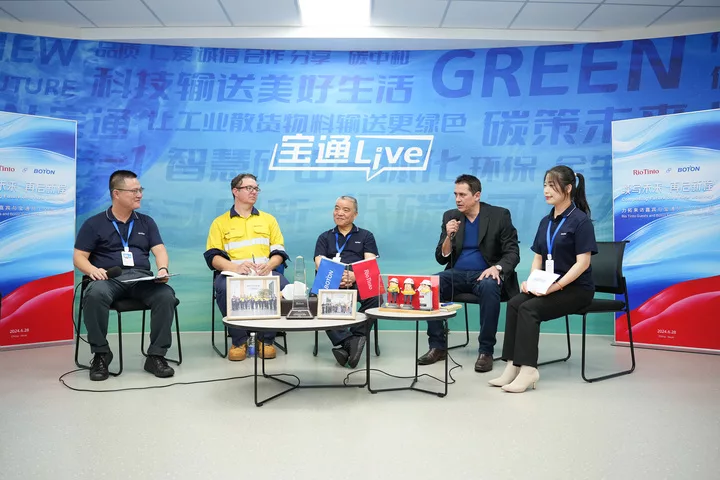
After the signing ceremony, a unique salon event was held in the live broadcast room of BOTON’s headquarters. The two senior executives of Rio Tinto, along with the management of BOTON and representatives of front-line employees, gathered together for in-depth exchanges and discussions. In a relaxed and pleasant atmosphere, both sides engaged in a heated discussion on topics such as technological innovation, talent cultivation, and social responsibility. Rio Tinto representatives shared the company’s values – Care, Courage and Curiosity. . They mentioned that the process of selecting suppliers is like looking in a mirror, and the firm choice of BOTON reflects mutual recognition of each other’s missions, visions, values, and future sustainable development goals. Based on this, both parties will embark on in-depth cooperation on the road to decarbonization through technological innovation.
BOTON and Rio Tinto have reached a consensus on many key issues, and both parties have shared their efforts to improve gender diversity and respect for cultural differences and understanding of everyone’s views, reflecting care for female employees. The salon also paid special attention to front-line employees, who are called “forgotten heroes,” and both parties discussed how to better care for front-line employees and help them balance work and family life. In addition, Rio Tinto introduced its talent training program, which includes job rotation, management learning projects, and two-way dialogues between employees and managers. These initiatives aim to discuss individual career ambitions and promote the comprehensive development of employees. This salon event not only answered the doubts of BOTON’s front-line employees in their work but also further deepened the understanding and friendship between the two parties.
The renewal of the contract between BOTON and Rio Tinto is not only the continuation of the cooperation between the two parties but also a common expectation for future development. Against the backdrop of globalization, the cooperation between the two parties will not only promote the development of the mining and transportation systems field but also make a positive contribution to global sustainable development. We believe that through joint efforts and wisdom, BOTON and Rio Tinto will be able to overcome any challenges and jointly welcome a more prosperous, green, and intelligent future. Let us take today’s cooperation as the starting point to jointly open a new chapter in the development of the mining industry and contribute to the prosperity and progress of the world!
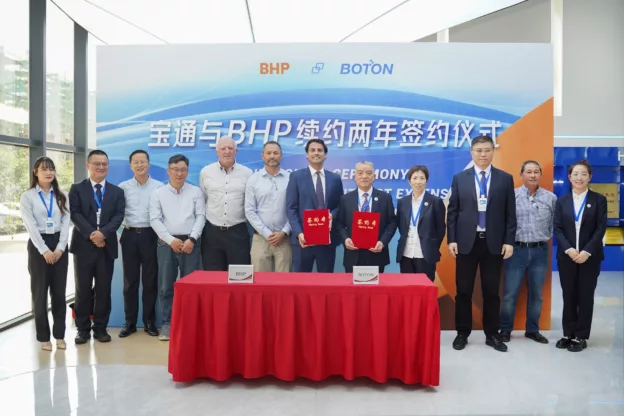
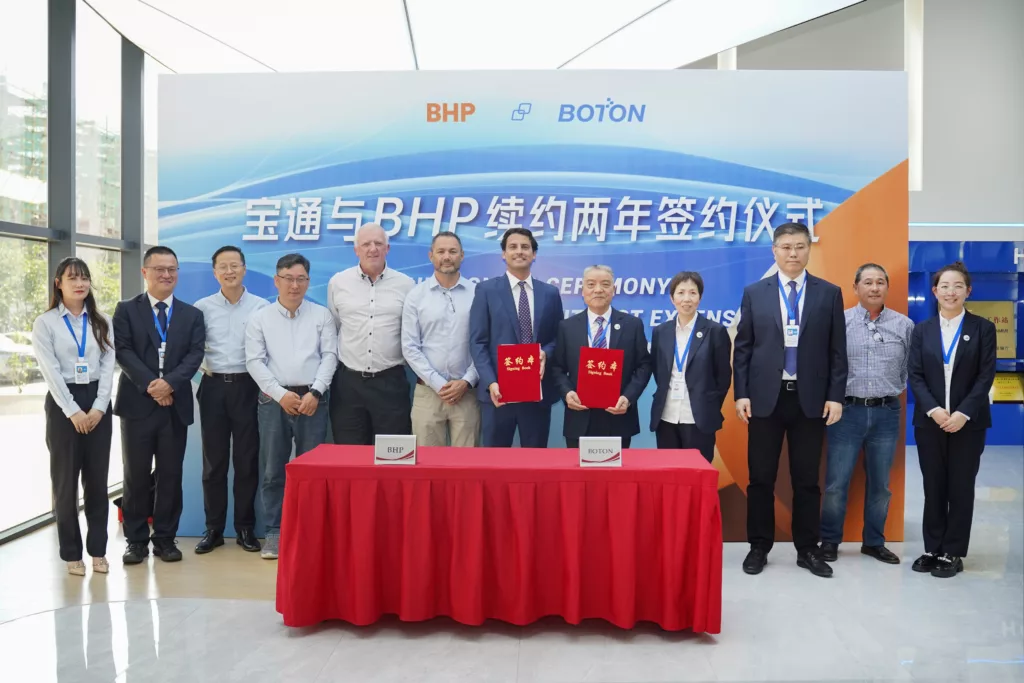
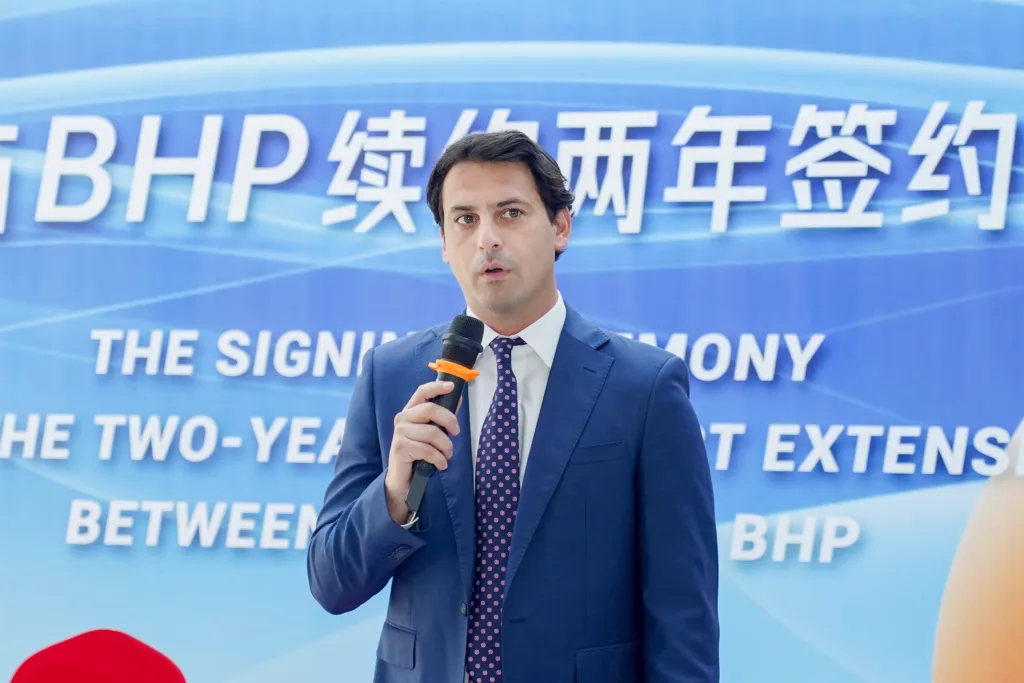
Following a fruitful business discussion, BOTON and the global mining giant BHP Group (hereinafter referred to as BHP) held a contract renewal ceremony in Wuxi. Sebastian Greco, Vice President of Global Mining and Services at BHP, stated that the collaboration between BOTON and BHP will expand from the field of product supply to broader and more extensive areas, with a series of closer, deeper, and higher-level cooperation agreements to be announced shortly.
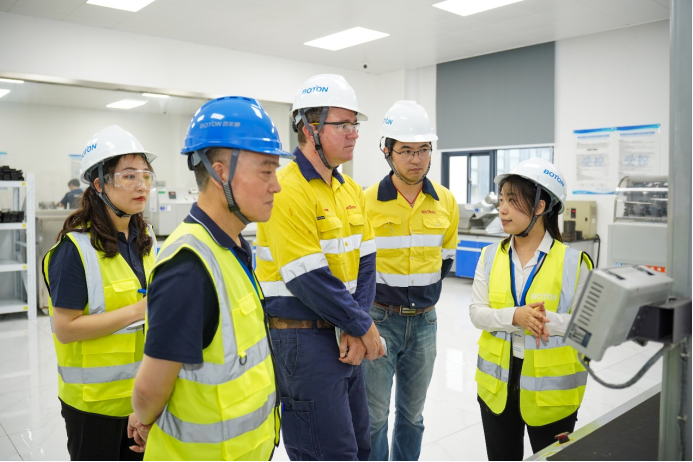
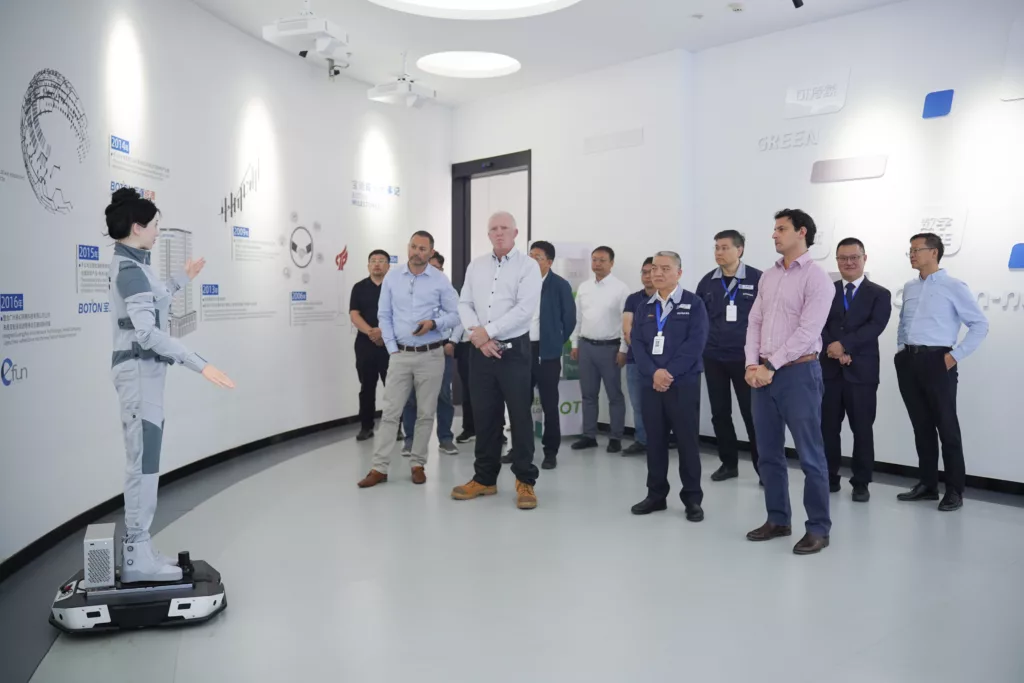
On May 8th, Sebastian Greco led a delegation from BHP to visit BOTON. The delegation included Luke King, Head of Mining Equipment, Tires & Lubricants at Mining Equipment Tires & Lubes Australia, Iain Curran, Practice Lead for Global Heavy Mobile Equipment at Strategic Services, as well as Tommy Shen, Lead for China Sourcing, and Johnny Tang, Specialist for China Sourcing. The BHP team toured the Zhanggong Road headquarters base and the Hongshan manufacturing base, and participated in the ceremony for the renewal of the BOTON-BHP contract in Australia at the Innovation Center.
The initial contact between BOTON and BHP began in 2012, and the formal cooperation between the two sides has now spanned 11 years. To date, BOTON has engaged in in-depth cooperation with BHP’s global mines, including iron ore mines in Western Australia, nickel mines, coal mines in Eastern Australia, copper mines in Southern Australia, and copper mines in Chile. BOTON has provided BHP with a total length of conveyor belts exceeding 400 kilometers, and BOTON’s intelligent monitoring equipment will soon be applied on-site. In 2022, the world’s first “carbon-neutral” conveyor belt co-developed by BOTON and BHP made a significant impact in the industry and was included in BHP’s ESG report for that year in South America.
In addition to participating in the contract renewal with BOTON, another key aspect of Sebastian Greco’s visit to BOTON was to communicate with the BOTON team, understand BOTON’s strategy and the latest developments in the mining field, and seek comprehensive cooperation with BOTON in broader areas and higher dimensions. In a thank-you letter sent after the visit, Mr. Greco said, “I am very impressed with BOTON’s world-class production lines and their pursuit of excellence in automation and production efficiency. BOTON Technology is committed to building a competitive and sustainable global value chain together with customers, suppliers, and technology innovation partners. I am delighted that BHP’s global operations are working closely with BOTON Technology under this vision. The contract renewal ceremony between BHP and BOTON Technology marks a new milestone in our partnership and opens a new chapter for future cooperation.”
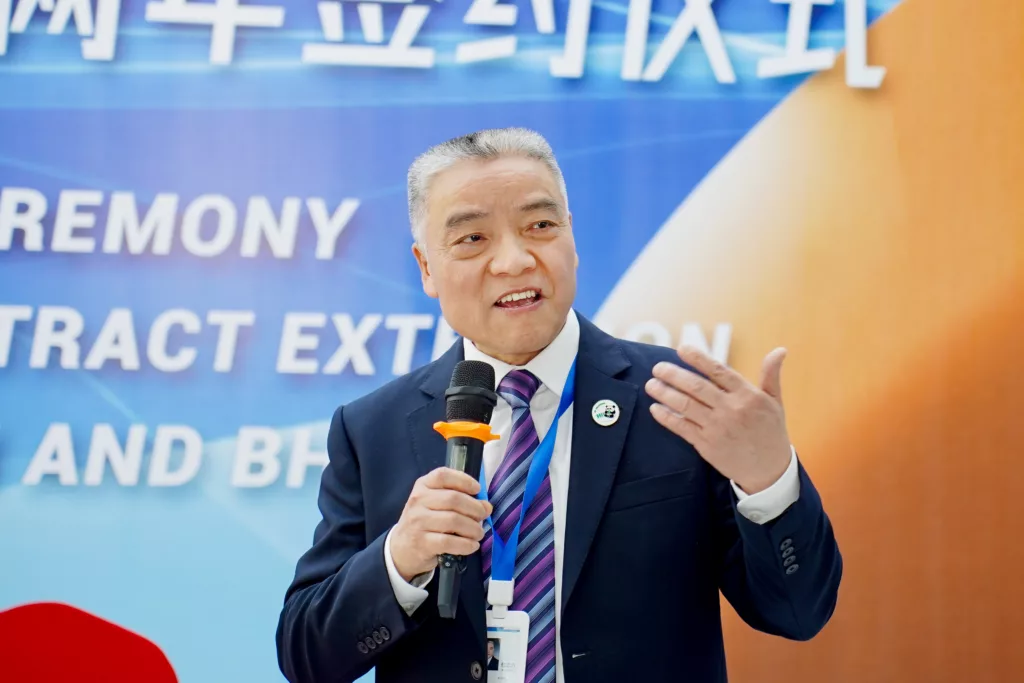
At the signing ceremony, Mr. Bao Zhifang, Chairman of BOTON Technology, expressed his sincere gratitude for BHP’s long-term support. “The growth and development of BOTON Technology cannot be separated from the care and support of BHP over the years. Today, what we are renewing here is not just a contract, but also BHP’s encouragement and trust in BOTON Technology,” said Mr. Bao in his speech. He further emphasized BOTON Technology’s expectations and commitments for future cooperation: “I believe there is still much work to be done. There is an incredibly broad space for cooperation between BOTON and BHP, and BOTON will continue to strive to create value for BHP, striving to build a safer, more efficient, and more environmentally friendly industrial bulk material transportation system.”
During the visit, Mr. Sebastian Greco and Mr. Bao agreed that the teams of both sides would discuss a series of new cooperation plans. These new plans are not limited to the supply of conveyor belt products but also include a series of higher-level cooperation projects related to intelligence and green initiatives.
Desktop mode detected. Please switch to mobile view for a better browsing experience.