
A conveyor belt fails. It is repaired or replaced. Months later, similar damage appears again.
The natural response is often to specify more: a higher tensile rating, another fabric ply, a thicker cover, or a heavier-duty construction.
Sometimes that is necessary. Sometimes it simply gives the same failure mechanism a more expensive belt to damage.
Repeated conveyor belt damage should therefore be treated as evidence, not just as a purchasing problem.
A torn edge, cracked carcass, delamination or failed splice tells you that the belt could not tolerate a particular load, deformation or operating condition. It does not automatically tell you which specification should be increased.
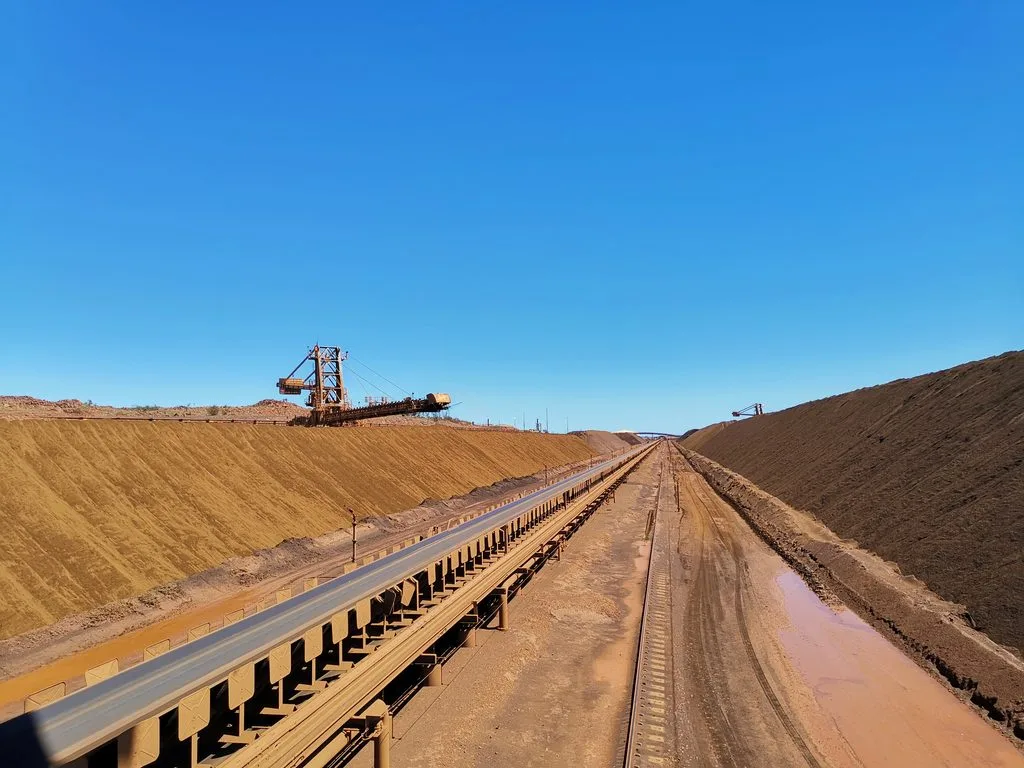
Before replacing the belt, ask a more useful question:
What was the belt being asked to do where the damage first appeared?
Start with the damage pattern
The first location of damage is often more useful than the final appearance of the failed belt.
A long longitudinal tear may begin with one trapped object. Repeated cracking near a pulley suggests a different problem from uniform cover wear. Damage that consistently appears near the same transition deserves a geometry review before another belt is ordered.
A practical first check looks like this:
| What you observe | What to check first | Do not assume |
|---|---|---|
| Repeated edge wear or edge damage | Tracking, loading, alignment, transition geometry | Higher strength will solve it |
| Cracking or delamination near a transition | Transition length, trough angle, belt modulus | Lower elongation is always better |
| Wrinkling or ply separation near a pulley | Pulley diameter, carcass thickness, flexing | More plies mean longer life |
| Cuts or carcass damage at a loading point | Lump size, drop height, impact support, carcass design | Thicker cover is enough |
| Repeated splice problems | Splice design, belt compatibility, vulcanization quality | The same strength rating means full compatibility |
| Uniform top-cover wear | Abrasiveness, loading, cleaners, cover compound | The carcass is too weak |
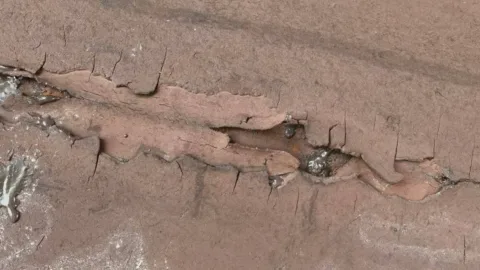
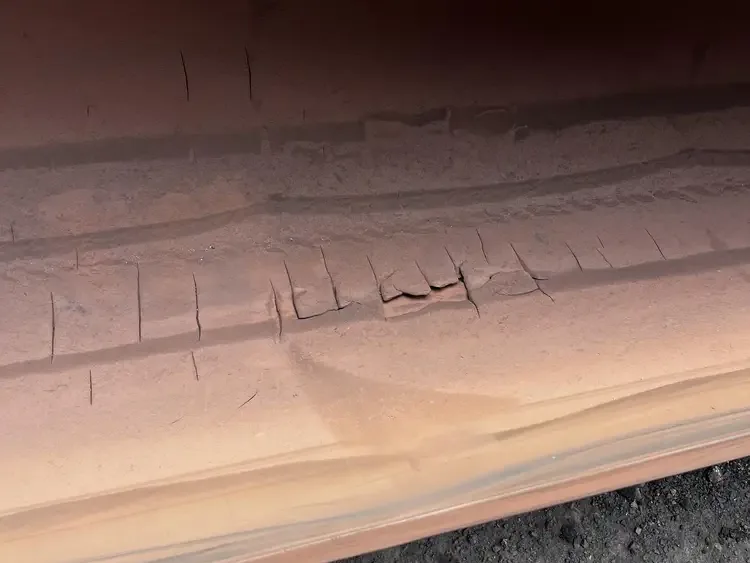
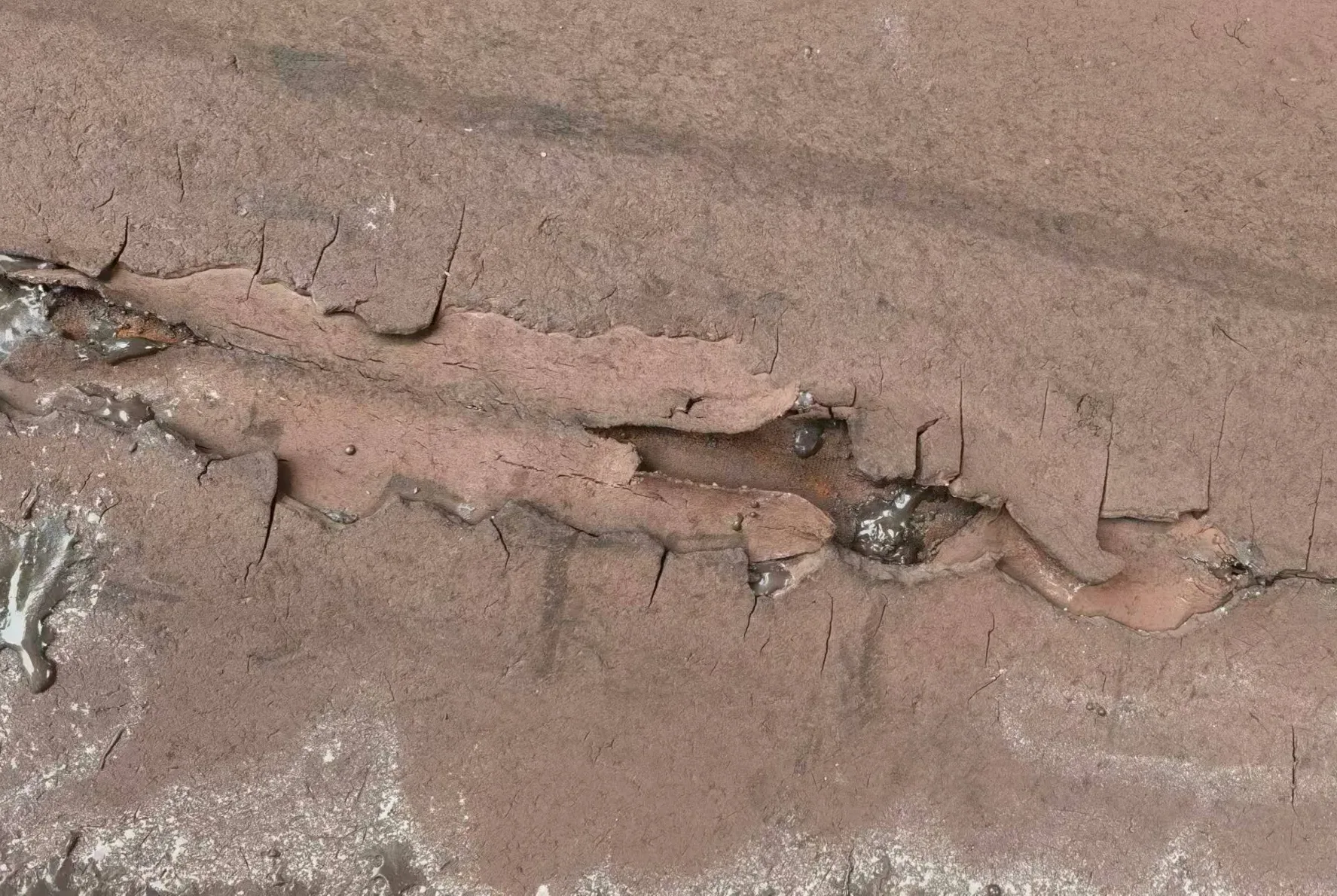
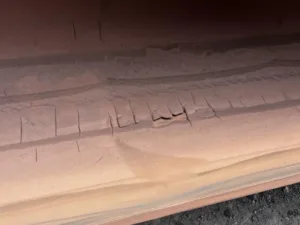
A visible separation has developed between carcass layers, a damage pattern that should prompt checks of bending, adhesion, impact and local stress conditions.
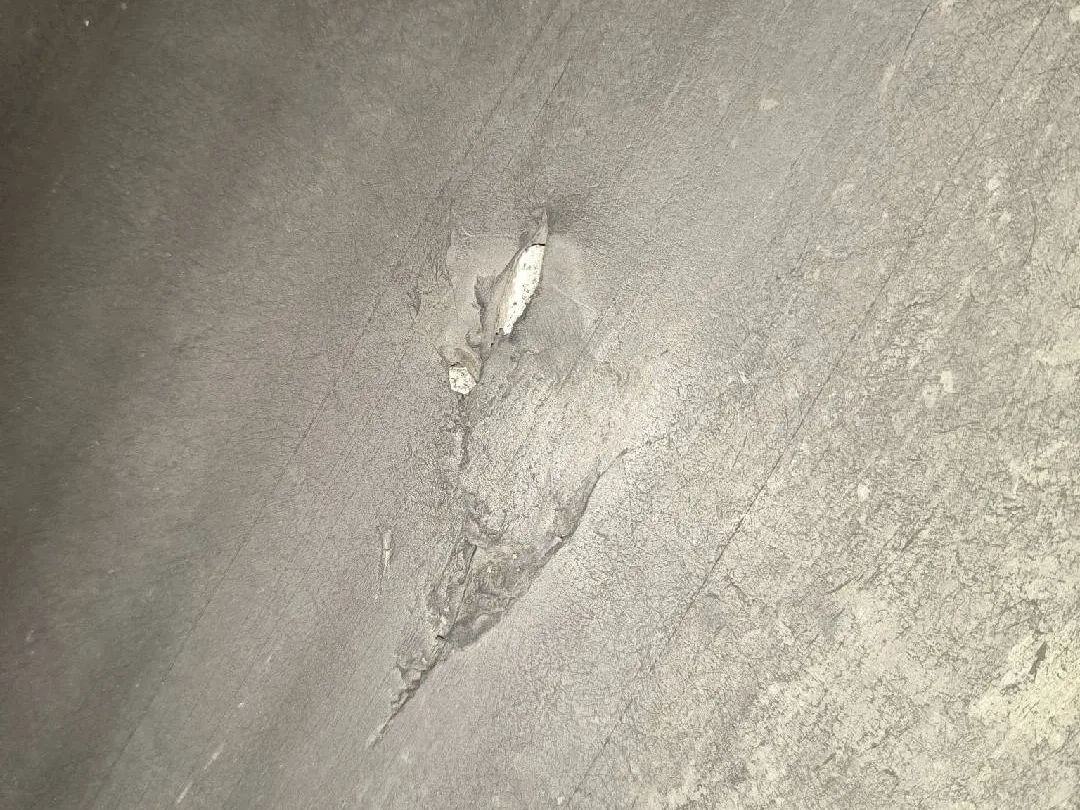
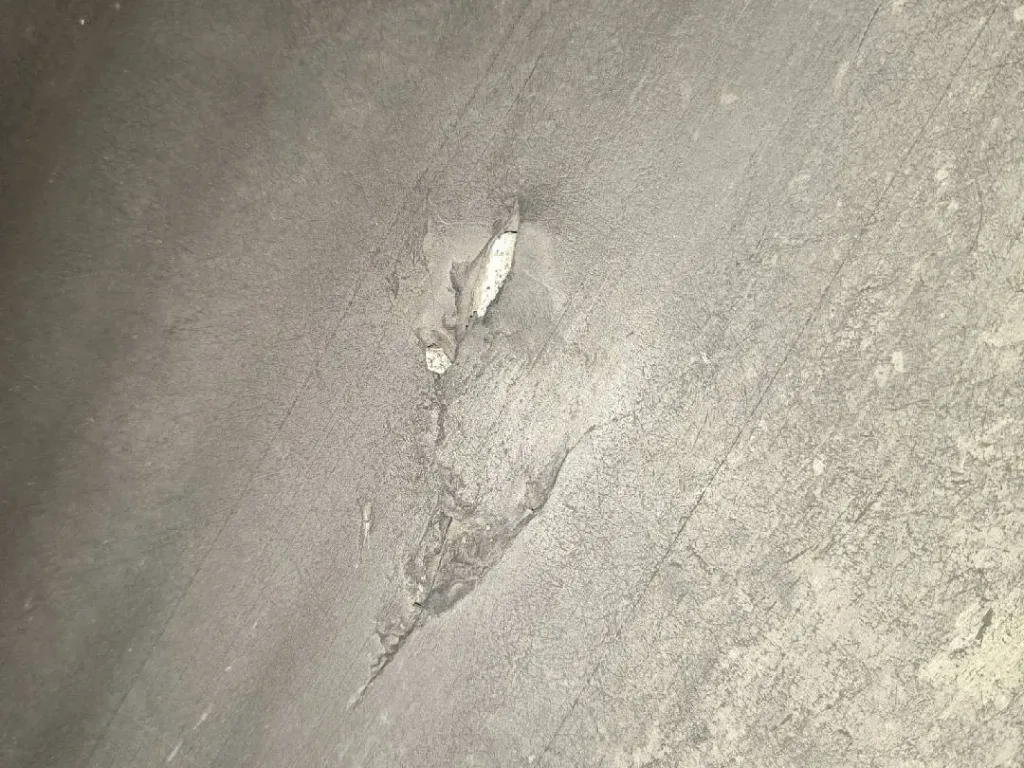
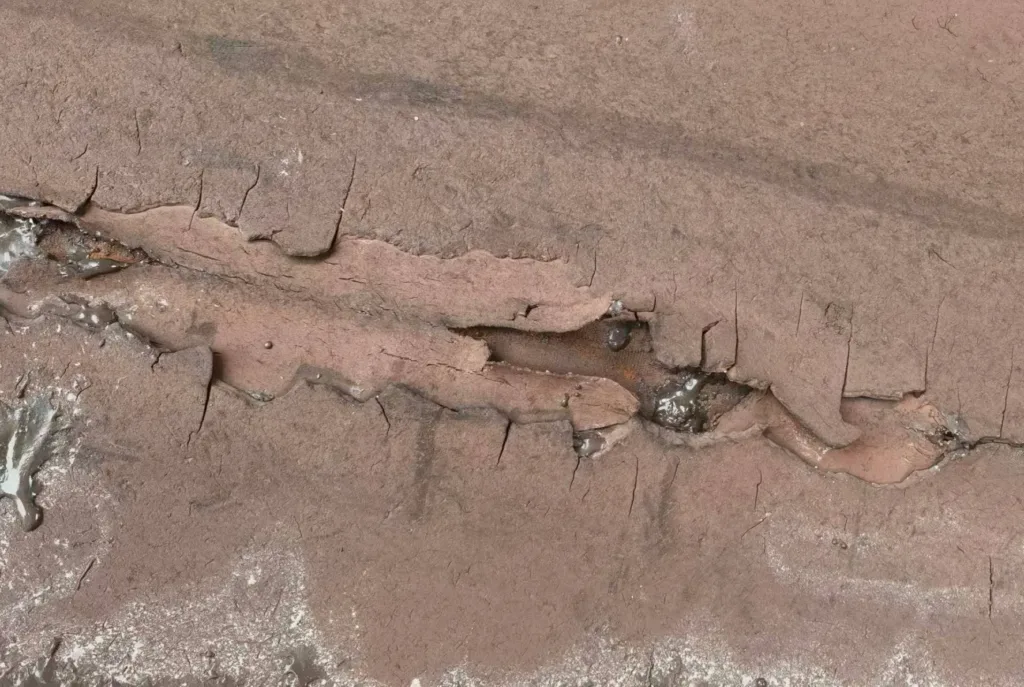
A concentrated puncture or gouge has broken through the cover, showing why local impact damage should be distinguished from general surface wear.
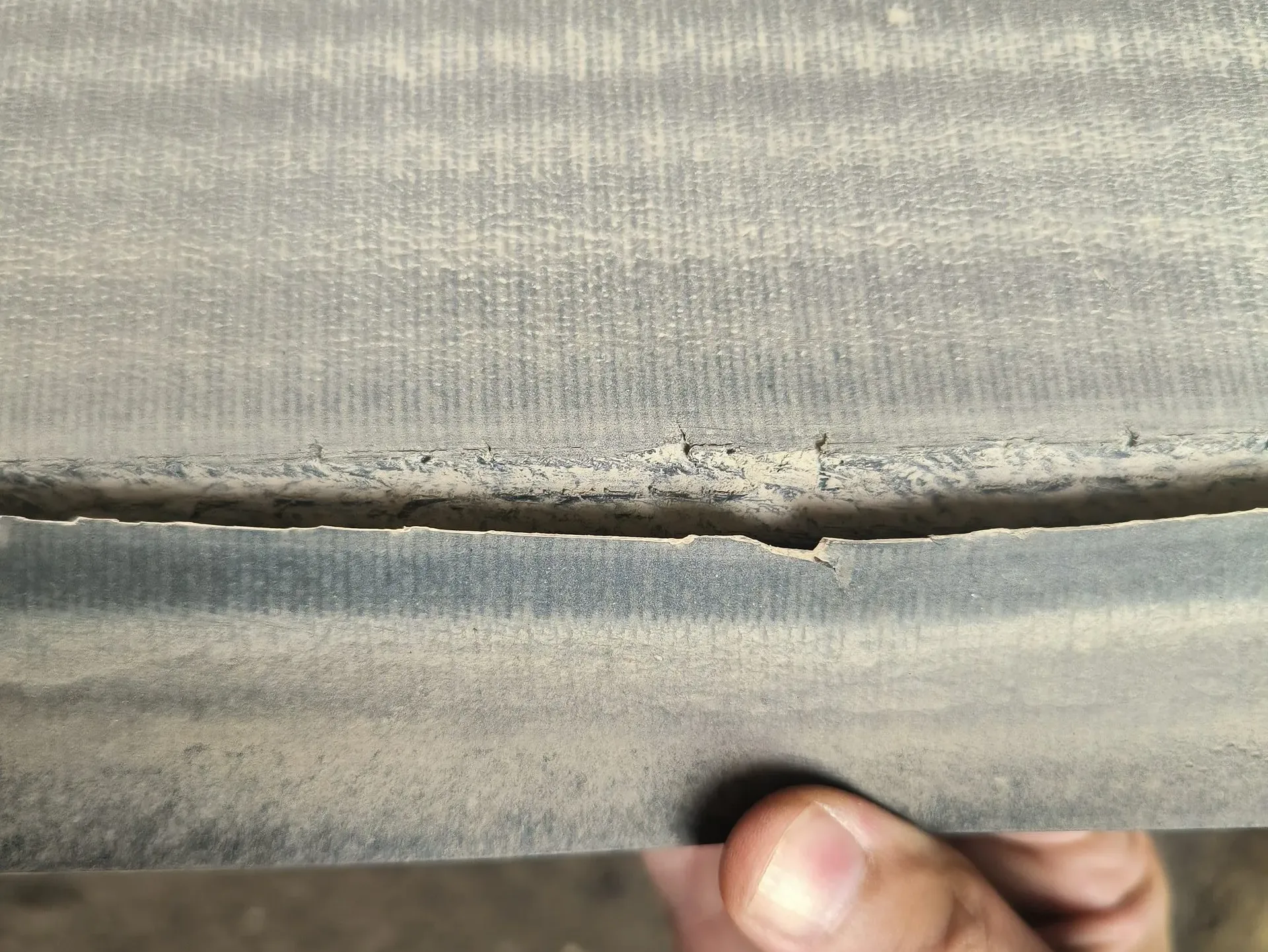
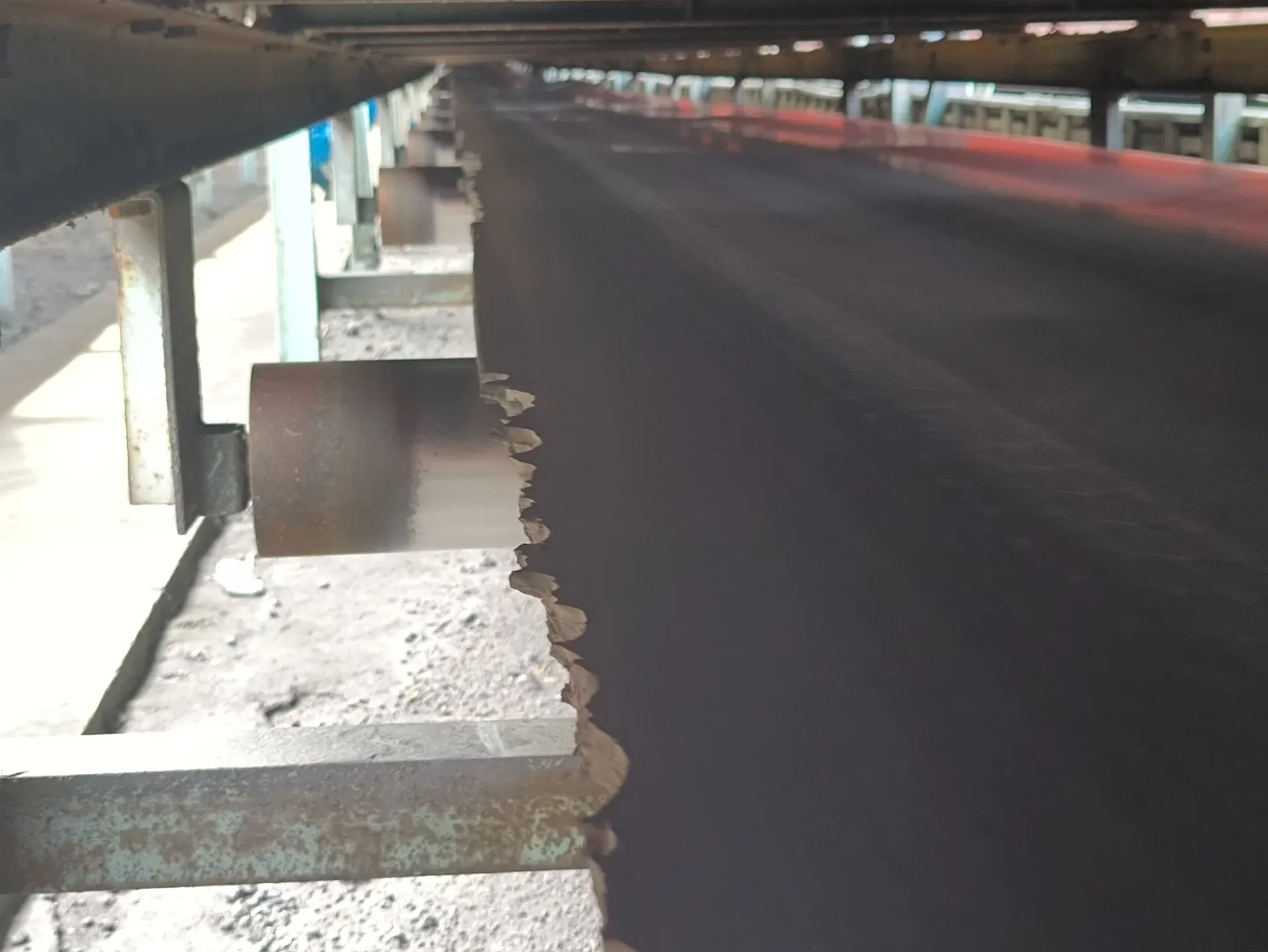
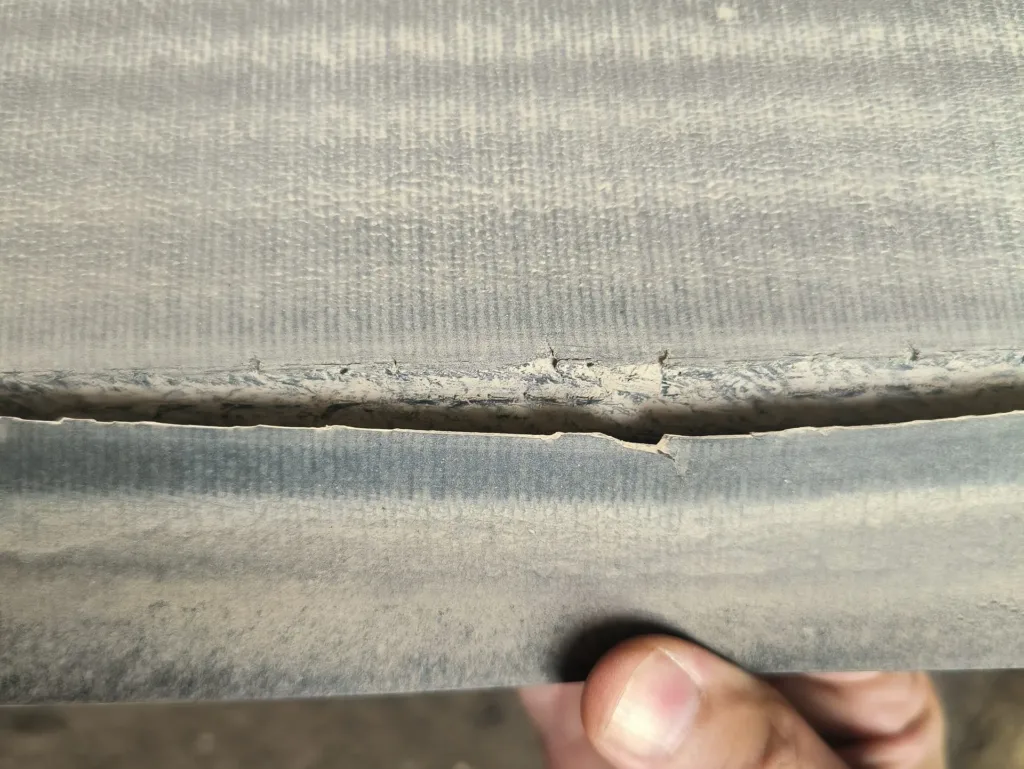
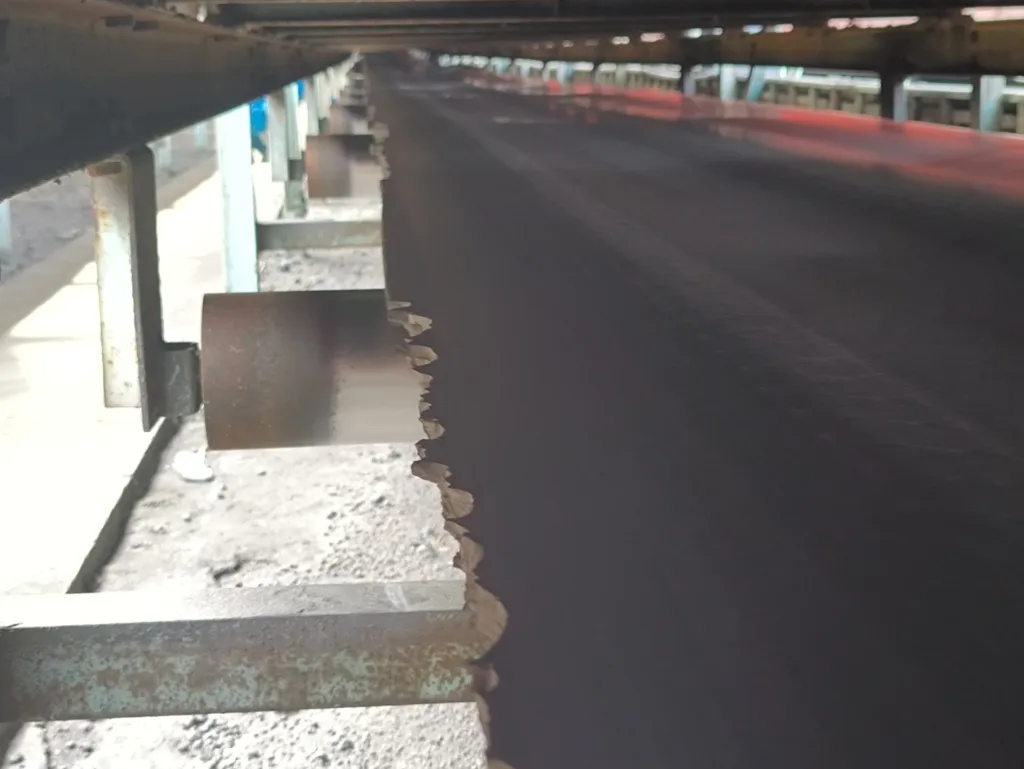
Repeated contact along one belt edge has produced an irregular worn profile, making tracking, alignment and local interference important areas to inspect.
This is not a remote diagnosis. It is a way to narrow the investigation.
The key distinction is simple:
Where the belt failed is not always the same as why it failed.
Why a stronger belt can perform worse on the same pulley
When a belt wraps around a pulley, the outside of the carcass travels a slightly longer path than the inside.
The outer layers must extend, while the inner layers may be compressed.
As carcass thickness increases relative to pulley diameter, that difference becomes greater. Repeated bending can eventually develop into internal wrinkling, ply separation, carcass fatigue or cover cracking.
This is why adding reinforcement plies is not simply “adding strength.” It also changes thickness and bending behaviour.
If a repeatedly damaged belt is being upgraded, the supplier should confirm minimum pulley diameters for the exact proposed construction, not only its tensile class.
The practical question is:
How will the new belt behave every time it bends around the existing pulleys?
If that has not been checked, a stronger specification is not yet a reliability improvement.
Why lower elongation can create a transition problem
A troughed conveyor also requires the belt to change shape between the pulley and the fully troughed idlers.
During this transition, the belt centre and edges follow different paths.
Transition length, belt width, trough angle, pulley elevation and belt construction all affect this difference. Belt modulus then determines how much stress develops from the imposed strain.
This creates an important retrofit risk.
A lower-elongation, higher-modulus belt may reduce take-up travel and improve longitudinal stability. But if the existing transition geometry is left unchanged, local stresses may increase.
The belt edges can become highly tensioned while the centre experiences much lower tension. Depending on the application, the result may appear as edge damage, splice distress, transverse cracking or internal fatigue.
The lesson is not that high-modulus belts are undesirable.
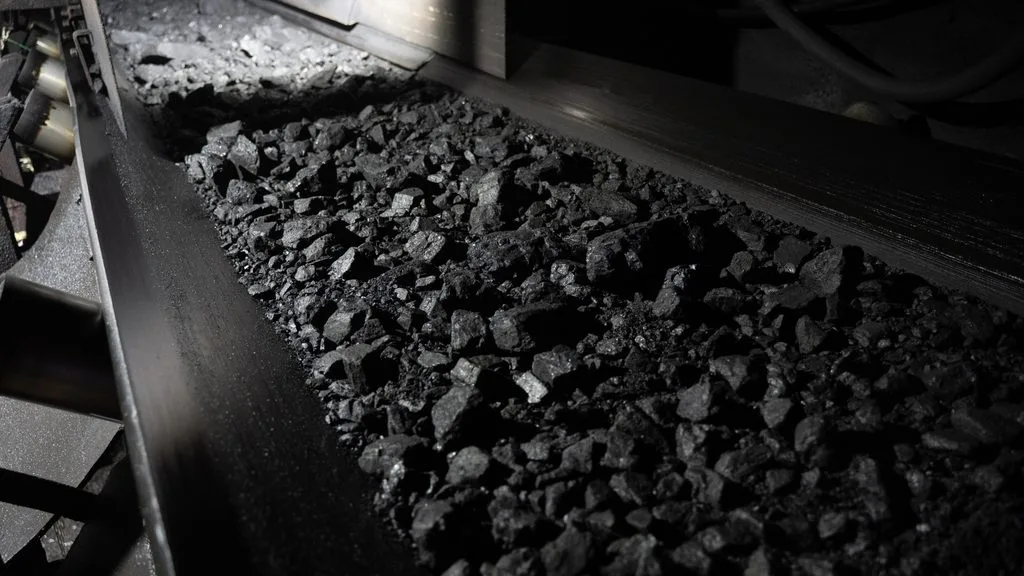
The lesson is that:
Belt properties and conveyor geometry must be evaluated together.
If recurring damage appears near a transition, review transition length, trough angle, pulley elevation, take-up conditions and belt modulus before increasing the strength rating.
A BOTON case: change the failure mechanism, not just the rating
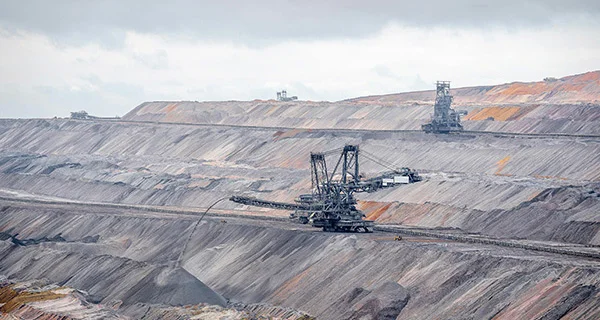
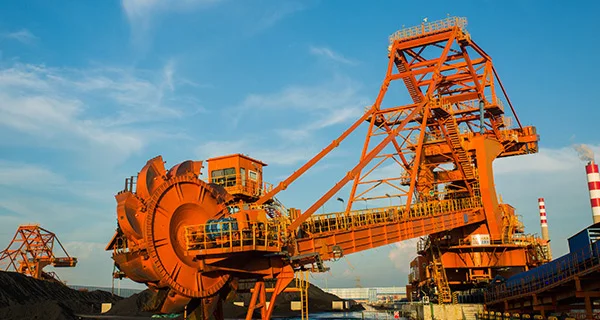
A heavy-duty stockyard cantilever conveyor provides a useful example.
The system had been using a conventional multi-ply EP fabric belt. The application combined a wide belt, a relatively large troughing angle and repeated heavy material impact.
The recurring problems included inter-ply delamination, premature fatigue cracking and troughing deformation. Actual service life was reported at less than half of the design expectation, resulting in frequent replacement and unplanned downtime.
It would have been easy to describe the requirement as simply “a stronger EP belt.”
But the real problem involved impact absorption, trough stability and repeated flexing at the same time.
BOTON therefore applied a BTW impact-resistant fabric carcass using a triple-weave structure. Rather than relying on a large number of conventional plies, the design combines strength with elasticity, transverse support and impact-energy absorption.
The objective was not simply to increase nominal tensile strength.
It was to change how the belt responded to impact, bending and troughing.
Project records report approximately 2× improvement in service life, together with a significant reduction in unplanned downtime.
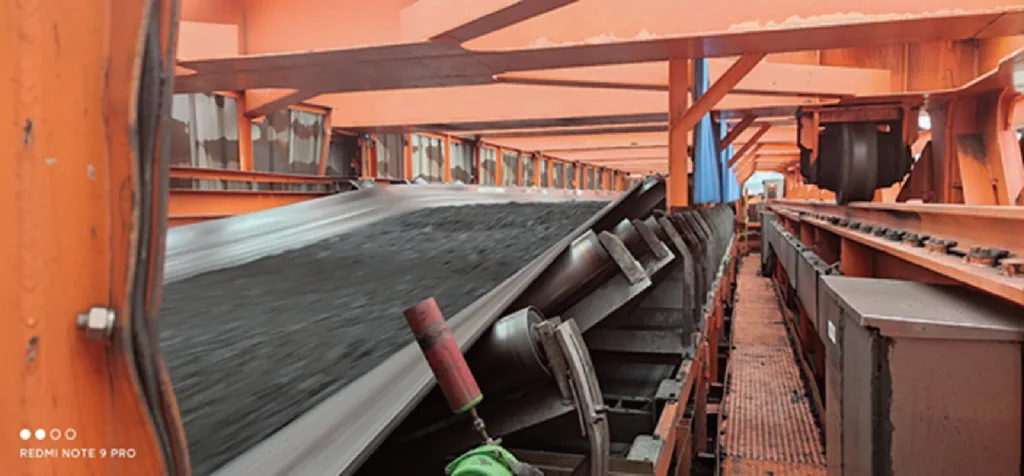
The same design logic is reflected in BOTON’s Impact & Rip-Resistant Conveyor Belts.
The important lesson is not that BTW is the answer to every failure. At another site, the correct solution may be a larger pulley, a longer transition, an improved chute, a different cover compound or a revised splice.
The replacement should follow the failure mechanism.
Sometimes the conveyor needs to change too
If similar damage repeatedly appears in the same location, the surrounding conveyor deserves the same attention as the belt.
At a loading point, a tougher carcass may help, but excessive drop height or poor material trajectory can continue generating damage.
Near a pulley, a more flexible construction may reduce fatigue, but an undersized pulley remains a constraint.
At a transition, changing belt modulus may help, but the geometry may still need adjustment.
The same applies to splices.
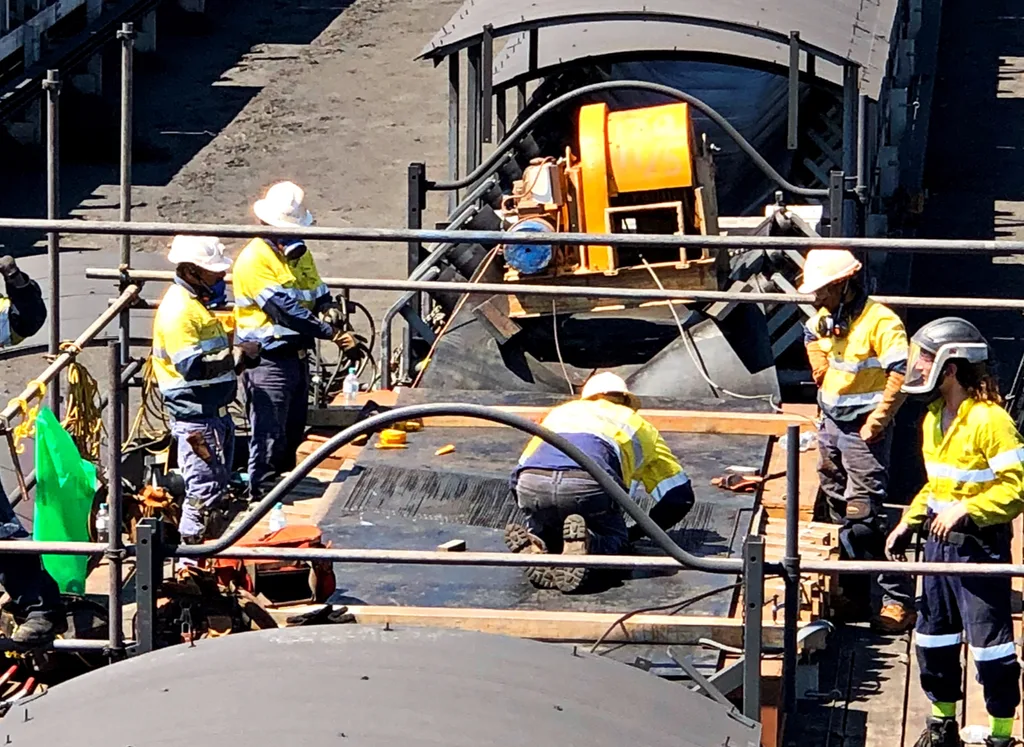
During phased replacement at an Indonesian coal mine, a new BOTON ST2000 section had to be spliced directly to the belt already operating on the conveyor. Nominal tensile strength was only the starting point. Belt compatibility, splice design and field execution also had to be controlled.
Following field validation, BOTON belt supply for the mine expanded to more than 30 km.
See the Indonesia steel cord conveyor belt case study
What to send before requesting the next replacement belt
A useful replacement recommendation needs more than the old specification sheet.
Provide:
- existing belt construction, strength, covers and service age;
- expected service life versus actual service life;
- photos showing both the earliest damage and its location on the conveyor;
- relevant pulley diameters;
- transition length, trough angle and idler arrangement;
- belt speed, throughput, material density and maximum lump size;
- drop height and loading-point information;
- take-up type and available travel;
- splice type and repair history;
- any operating change before the failures began.
Most importantly, define what the replacement is expected to improve: service life, downtime, repair frequency, energy use or another measurable KPI.
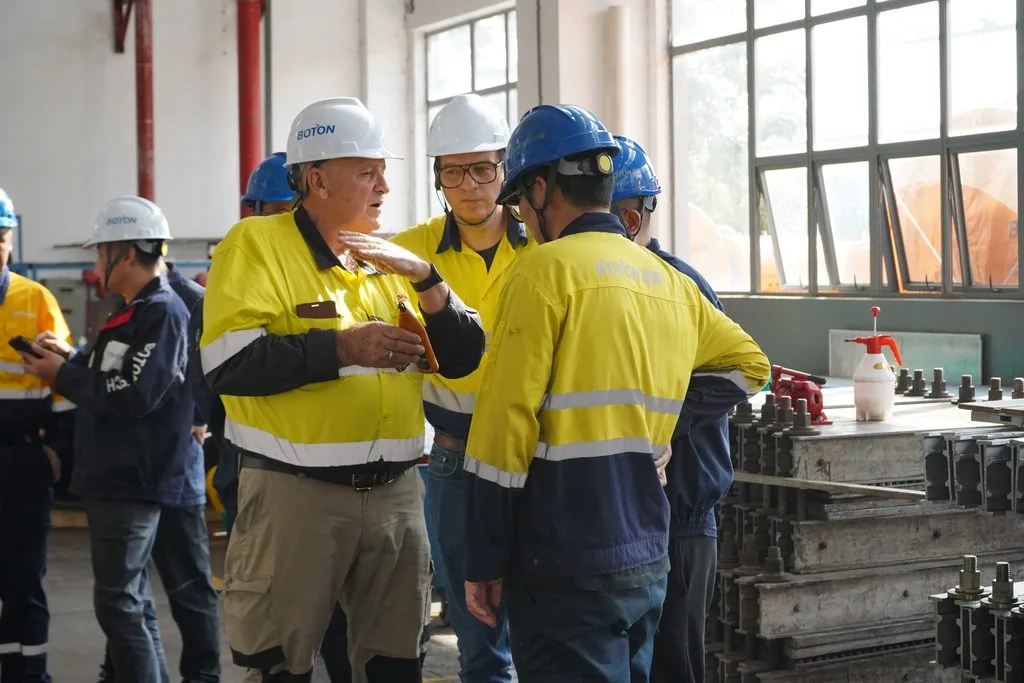
Then ask each supplier two questions:
What is limiting the current belt?
Which part of the proposed construction addresses that limitation?
Those answers are often more valuable than simply comparing tensile ratings.
Before specifying more strength, explain the last failure
A damaged conveyor belt may ultimately need a stronger carcass, tougher cover or different reinforcement.
But repeated conveyor belt damage is unlikely to be solved by changing a number on the specification sheet alone.
Start with the first symptom. Identify where it occurs. Then check what the belt is experiencing at that location: impact, bending, transition strain, tension or splice cycling.
Only then should “stronger,” “thicker” or “lower elongation” become part of the replacement decision.
For recurring failures, BOTON’s Conveyor Belt Services & Lifecycle Solutions support belt selection, conveyor engineering, splicing, inspection and root-cause-based reliability improvement.
The objective is not to specify the strongest belt available.
It is to avoid recreating the previous failure.